filter_list Showing 149 results for "Train" close Clear
dashboard All 149 museum exhibitions 63article news 25article local 18article policy 11person people 7article culture 7trending_up market 7rate_review review 6candle obituary 4gavel restitution 1
date_range Range Today This Week This Month All
Subscribe

A Duchamp Retrospective at MoMA Presents an Artist Who Challenged the Very Definition of Art

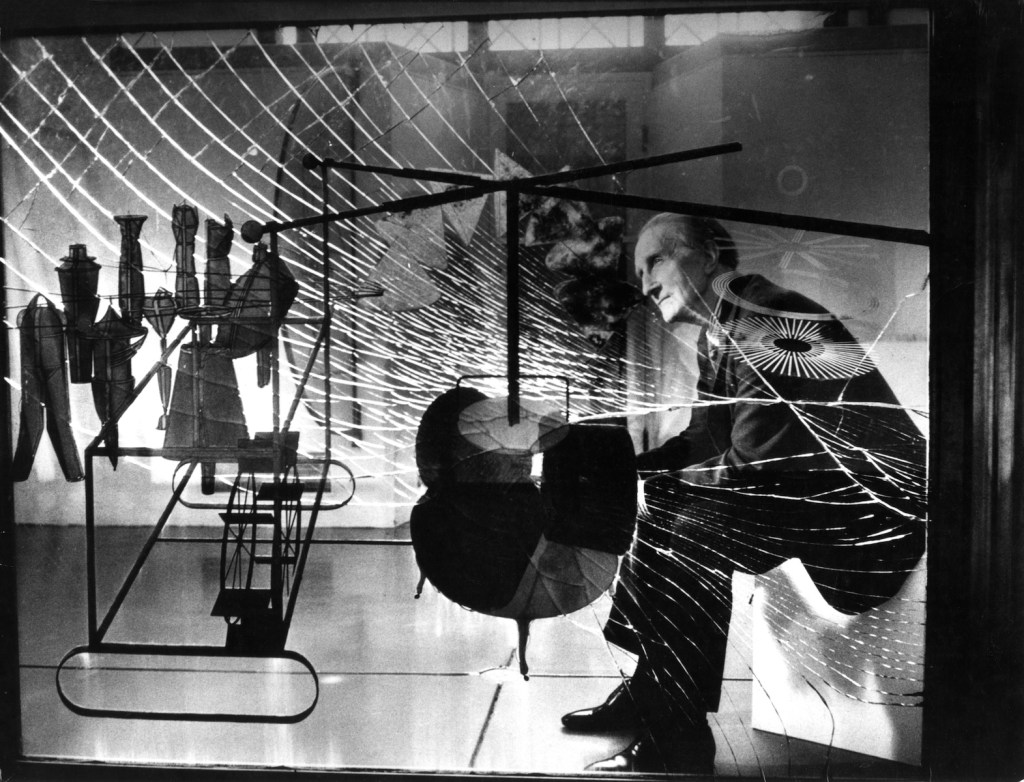
The Museum of Modern Art (MoMA) has launched a major retrospective of Marcel Duchamp, marking the first comprehensive North American survey of the artist’s work in over 50 years. Co-organized with the Philadelphia Museum of Art and the Centre Pompidou, the exhibition traces Duchamp’s evolution from his early Cubo-Futurist paintings to his revolutionary "Readymades" and optical experiments. The show features seminal works such as Nude (Study), Sad Young Man on a Train and explores his various personas, including his female alter ego, Rrose Sélavy.

Gagosian Opens a New Ground-Floor Flagship at 980 Madison Avenue with Duchamp-Rauschenberg Double Header

Gagosian is opening a new ground-floor flagship gallery at 980 Madison Avenue in New York, moving from its former upper-floor space in the same building. Designed by Caplan Colaku Architects, the 12,000-square-foot, two-level space consolidates three storefronts into a continuous layout with restrained materials like Portland Taupe stone and brushed stainless steel. The inaugural exhibition pairs a major Marcel Duchamp show with six early works by Robert Rauschenberg on loan from the Cy Twombly Foundation, coinciding with a Duchamp retrospective at MoMA and referencing a 1965 Duchamp exhibition held in the same building.

East Africa meets Western Europe as Michael Armitage takes on Venice's Palazzo Grassi

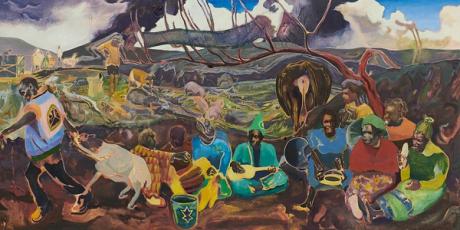
The artist Michael Armitage opens a monographic exhibition titled 'The Promise of Change' at Venice's Palazzo Grassi, featuring 46 large paintings and nearly 100 sketches that survey his past decade of work. At 42, Armitage is the youngest artist to receive a solo show at the palazzo, which is owned by François Pinault and has previously hosted Albert Oehlen, Luc Tuymans, and Marlene Dumas. The exhibition highlights Armitage's fusion of East African and Western European artistic influences, drawing on his upbringing in Kenya and his training at London's Byam Shaw School of Art, the Slade, and the Royal Academy.

There will be mud! Could my child (and buggy) survive a day at a sculpture park?

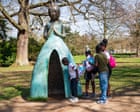
A parent takes their toddler to Yorkshire Sculpture Park (YSP) in West Yorkshire, UK, during a rainy February day. Despite the mud and drizzle, the child engages with outdoor artworks by Barbara Hepworth, Henry Moore, Bharti Kher, Sol LeWitt, Vanessa da Silva, and Damien Hirst, treating the sculptures as playgrounds and objects of discovery. The park offers free activity packs, a Hidden Forest designed for under-fives, and a family-friendly environment that encourages children to explore art and nature without the constraints of indoor galleries.

Who was Hilma? Af Klint exhibition to highlight exclusion of women from abstract art

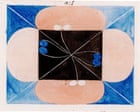
The Swedish artist Hilma af Klint is receiving her first major solo exhibition in France, organized by the Grand Palais and the Pompidou Centre. The show focuses on her "Paintings for the Temple," a series of groundbreaking abstract works created years before male peers like Wassily Kandinsky and Piet Mondrian claimed to have invented the movement. Af Klint, a mystic who believed she was guided by higher spirits, famously ordered her work to be hidden for 20 years after her death, convinced the world was not yet ready for her vision.

Pressing issues: the vital role of printmaking in the history of art

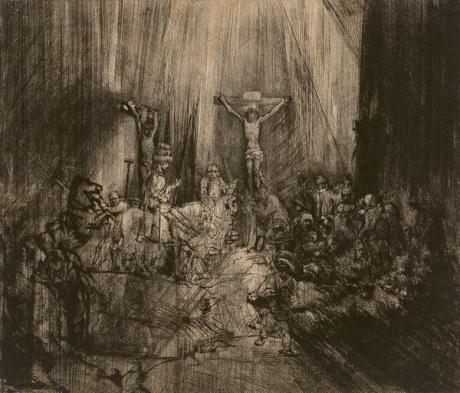
Author and journalist Holly Black has released a new book titled 'The Story of Printmaking: A Global History of Art', published by Yale University Press. The publication traces the evolution of the printed image from its 9th-century origins in East Asia through the innovations of Old Masters like Albrecht Dürer and Rembrandt to modern digital techniques. Drawing on her training at the London College of Printing, Black demystifies complex technical processes such as intaglio and mezzotint while highlighting both canonical figures like Picasso and influential but lesser-known pioneers like Robert Blackburn.

See Inside the Long-Lost Lee Miller and Cecil Beaton Album Full of WW2-Era Photographs

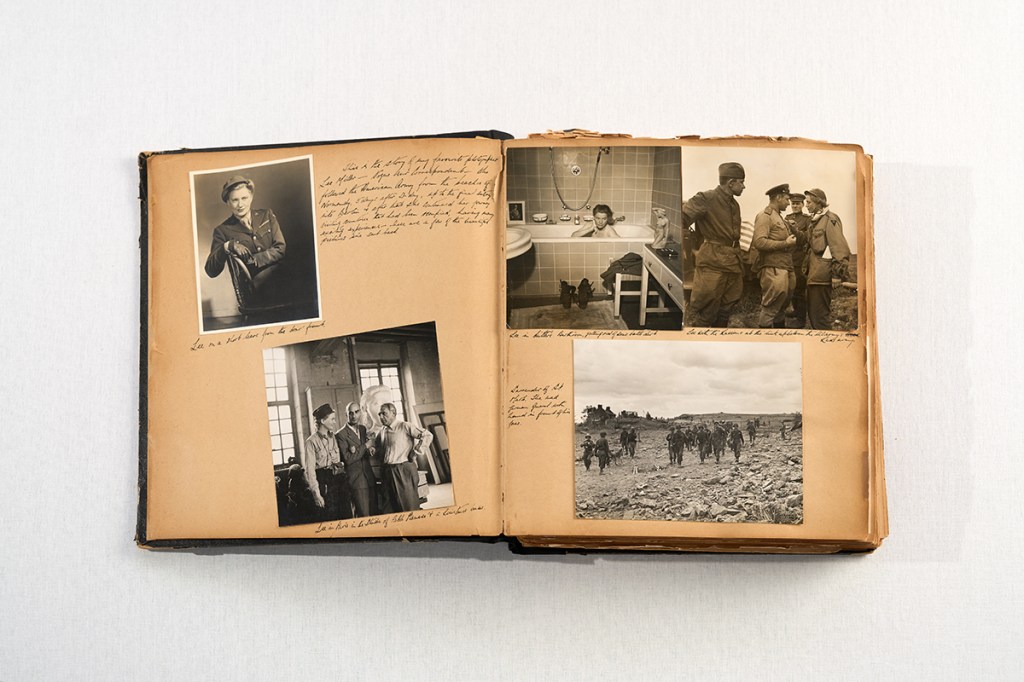
The Bodleian Libraries at the University of Oxford has acquired a rare photographic "daybook" compiled by Roland Haupt, a former darkroom assistant at British Vogue. Created between 1943 and 1949, the annotated scrapbook contains hundreds of original photographs and clippings by legendary photographers Lee Miller and Cecil Beaton. The acquisition, brokered by dealer Michael Hoppen, ensures that the album—which includes iconic images of Miller in Hitler’s bathtub and portraits of Picasso—remains intact as a singular historical record rather than being sold piecemeal at auction.

Sale of Robert Rauschenberg’s Captiva Compound to Developers Ignites Backlash

The Robert Rauschenberg Foundation has sold the artist’s 22-acre Captiva Island estate to South Seas, a neighboring resort developer, for $45 million. The sale includes Rauschenberg’s former home, studio, and several cottages where he lived and worked for decades. The Foundation defended the move by citing the prohibitive costs of protecting the site against rising sea levels and hurricane damage, confirming that the prestigious Rauschenberg Residency program will now come to an end.

Tate at a turning point: new director must confront unwieldy ‘beast’ of an art institution

Roland Rudd, chair of Tate, insists the institution is thriving despite recent leadership changes, citing record visitor numbers of 6.2 million, strong exhibition attendance (Turner and Constable at Tate Britain, Lee Miller, and Tracey Emin at Tate Modern), and 155,000 members. However, Maria Balshaw has stepped down as director after nine years, leaving her successor to confront a financially strained organization hit by pandemic losses, multiple redundancies, and low staff morale amid culture war battles.

Cathalijn Wouters’s Lyrical Practice Blurs Painting and Drawing

Amsterdam-based artist Cathalijn Wouters has joined the roster of SmithDavidson Gallery. Her practice, which blends painting and drawing through fields of color and linework, is informed by her graphic design training and a pivotal encounter with modern art at the Stedelijk Museum. She describes her process as beginning with drawings and sketches on linen treated like paper, and cites influences ranging from Marcel Proust to Egon Schiele and postwar painting.

Closure of DePaul Art Museum leaves collection in limbo

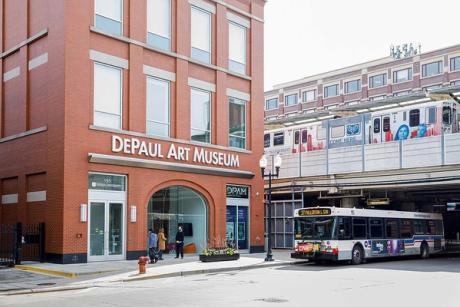
DePaul University has announced the permanent closure of the DePaul Art Museum (DPAM) effective June 30, citing a projected $27.4m budget deficit for 2026. Despite an open letter signed by over 3,000 students and faculty, the administration is moving forward with the shutdown of the $7.8m facility that has served as a cultural anchor since 2011. Director Laura-Caroline de Lara had successfully raised funds to keep the museum operational through the current season, but the university's leadership remains committed to the closure as part of a broader cost-cutting initiative.

Refik Anadol’s AI Art Museum DATALAND Will Open in Los Angeles in June

Refik Anadol and Efsun Erkılıç will open DATALAND, a museum dedicated to AI art, in Los Angeles on June 20, 2026. Located in the Grand LA complex designed by Frank Gehry, the 25,000-square-foot venue will feature five gallery spaces plus 10,000 square feet for supporting technology. Its inaugural exhibition, "Machine Dreams: Rainforest," created by Refik Anadol Studio, uses AI trained on ecological datasets to generate sensory experiences, including a version of Anadol's Infinity Room with a 1987 recording of an extinct Hawaiian bird and AI-generated scents. Membership starts at $350 per year.

The Relentless Avant-Garde of The Renaissance Society

The Renaissance Society at the University of Chicago, founded in 1915, has consistently championed avant-garde contemporary art from its modest gallery space on the fourth floor of Cobb Hall. Under the leadership of current director Myriam Ben Salah (since 2020), the institution continues its legacy of presenting visionary works by artists who later become household names, including Henri Matisse, Pablo Picasso, Man Ray, and Félix González-Torres. The article traces the society's history through its pioneering female directors—Eva Watson Schütze, Frances Strain Biesel, and Suzanne Ghez—who shaped its forward-thinking exhibition program, from early modernist shows to local Chicago talent and cross-disciplinary collaborations.

'The museum is not a space for the elite': Portuguese building firm’s new museum puts workers first

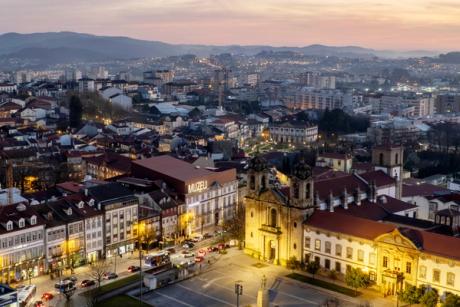
A new museum called Muzeu—Thought and Contemporary Art DST has opened in Braga, northern Portugal, housed in a former courthouse and built by the DST Group, a Portuguese industrial conglomerate. The inaugural exhibition, titled "Let Us Be Realistic, Let Us Demand the Impossible," features over 100 works by 96 artists including Alex Katz, Francesco Clemente, Franz West, and Nan Goldin. The museum prioritizes workers, opening first exclusively for company employees on 24 April, then to the public on Freedom Day (25 April), with free admission for the first week and closure on International Workers' Day (1 May).

Georg Baselitz – a life in pictures

Georg Baselitz, the German painter known for his raw, expressive works and inverted imagery, has died at age 88. Born in 1938 in Deutschbaselitz, he lived through Nazi Germany and East German communist rule, experiences that deeply shaped his art. The Guardian's obituary traces his life through photographs, from his early years to major exhibitions at Thaddaeus Ropac, White Cube, and the Serpentine, highlighting key works such as 'Das Grosse Pathos' (1966) and his 2024 series 'A Confession of My Sins'.

Notes from New York: Rotting Meat

Artist Jen Liu’s solo exhibition 'Pound of Flesh' at Silverlens New York explores the dehumanizing nature of digital labor through visceral imagery of raw meat. The show features paintings where human consciousness is replaced by butcher-shop cuts and an animated video based on Liu’s research into microworkers—individuals who perform repetitive, low-paid tasks to train AI models. By juxtaposing the biological reality of the body with the clinical extraction of data, Liu highlights the physical and psychological toll of the 'Agentic Age.'

"Kultursenator ist kein Nebenjob"

Berlin's finance senator Stefan Evers is set to additionally take on the role of culture senator following the resignation of Sarah Wedl-Wilson, a move criticized as a stopgap solution that creates a conflict of interest between austerity and cultural advocacy. Meanwhile, the Venice Biennale faces multiple controversies: critics question how to evaluate curator Koyo Kouoh's posthumous main exhibition "In Minor Keys," completed after her death in May 2025; Israeli artist Belu-Simion Fainaru speaks out against his exclusion from the Biennale competition, calling it politically biased and reminiscent of historical persecution; and German press decries the politicization of the Biennale, particularly the exclusion of Israel and Russia from the competition.

What you (perhaps) didn't know about Alexander Calder

Ce que vous ne saviez (peut-être) pas sur Alexander Calder

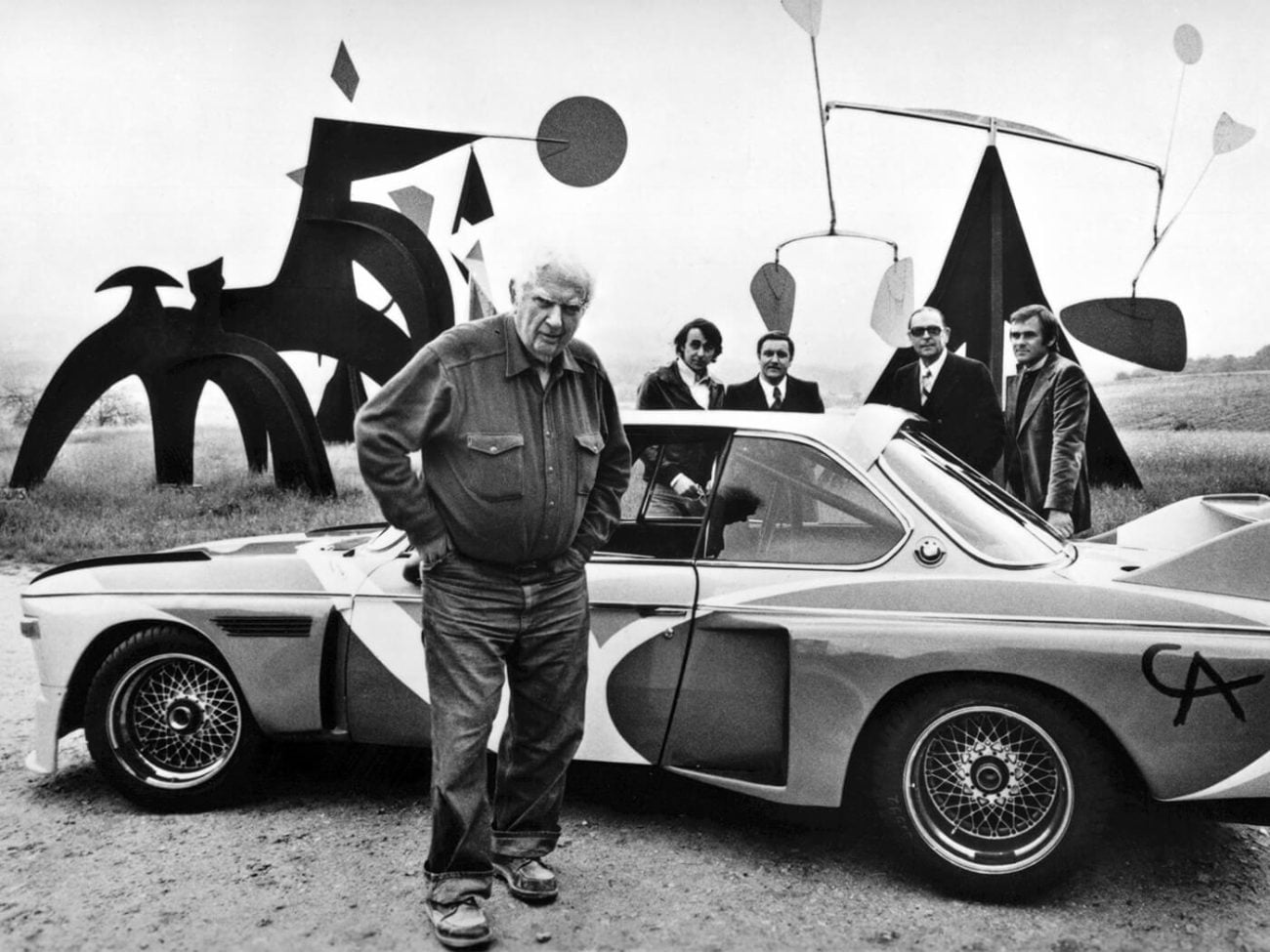
The Fondation Louis Vuitton in Paris has launched the exhibition "Calder. Rêver en équilibre," prompting a retrospective look at the life and technical mastery of Alexander Calder. The article explores the artist's journey from his arrival in Paris in 1926 to his interactions with avant-garde masters like Duchamp and Miró, highlighting how he defied traditional artistic labels through his innovative use of movement and simple materials.

Art as seen by… Louise Bourgoin

L’art vu par… Louise Bourgoin

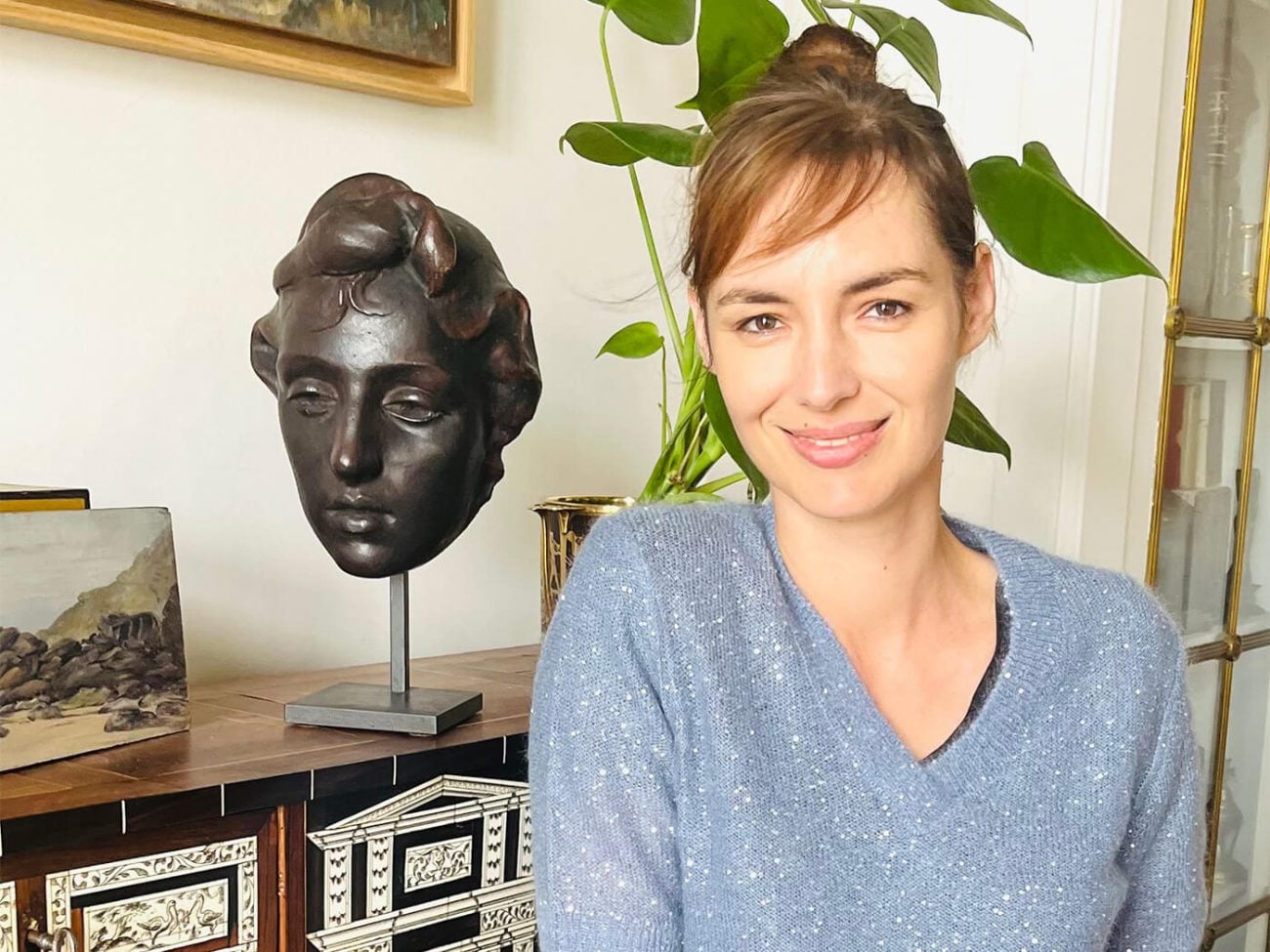
French actress Louise Bourgoin discusses her deep-rooted connection to the visual arts, stemming from her studies at the Beaux-Arts de Rennes. She reflects on her first art purchase in the Czech Republic, her obsession with line drawing, and how the abstract works of Mark Rothko have informed her acting performances. Bourgoin also reveals her upcoming project: illustrating a children's book written by Arthur Dreyfus, set for release in September.

José Dávila Makes Space the Subject in His New York Show

José Dávila's solo exhibition "The Simple Act of Positioning" opens at Sean Kelly gallery in New York, featuring sculptures that explore the relational placement of objects in space. The show includes totemic pillars of steel, concrete, volcanic rock, and automotive paint, framed by large black structures, inviting viewers to move through the gallery to fully experience the visual conversations between works. Dávila, originally from Guadalajara and trained in architecture, draws on Modernist precedents from artists like Marcel Duchamp and architects like Luis Barragán.

London's Southbank Centre to receive £10m government funding boost

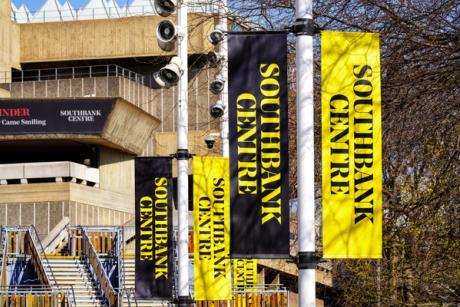
The UK government has announced a £10 million funding boost for London’s Southbank Centre as part of a broader £128 million investment package for 130 cultural venues nationwide. Administered by Arts Council England, the grant is earmarked for urgent infrastructure repairs, including fixing leaking roofs and modernizing rigging systems, coinciding with the center's 75th anniversary. Other major beneficiaries of the Creative Foundations Fund include the Baltic Centre for Contemporary Art and Firstsite gallery.

Is A Random Unknown Artist More Valuable Than Picasso? AI Thinks So.

An experiment using a custom AI model to evaluate artistic value independent of market context found that the model assigned a seven-figure price to an unknown street artist's work while valuing a Picasso at under $1,000. The project, run by an art journalist with a data scientist and an AI expert, trained a Fine Art Large Vision Model on millions of images and price data. Without metadata like artist name or gallery affiliation, the model's predictions were technically interesting but commercially useless; only when those market signals were added did predictions align with real auction outcomes.

‘The subject demanded a more restrained approach’: Carlos Rolón on revisiting the 1966 uprising in Chicago's Humboldt Park

Chicago-based artist Carlos Rolón has unveiled a new body of work at 65Grand titled 'The Division Street Riots,' which explores the 1966 Puerto Rican uprising in Humboldt Park. Moving away from his signature vibrant, crystal-embellished installations, Rolón utilizes graphite, charcoal, and dye sublimation prints to interpret archival imagery of the three-day unrest sparked by a police shooting. The exhibition marks a stylistic shift toward a more somber, documentary-style realism that emphasizes historical witnessing over spectacle.

Ai Weiwei and the Art of Keeping Your Mouth Shut

Dissident artist Ai Weiwei explores the corrosive nature of state control and self-restraint in his new book, "On Censorship" (2026). Drawing from a lifetime of persecution—including his father’s exile to a labor camp, his own 81-day detention in 2011, and recent digital erasure by Chinese AI—Ai argues that censorship fundamentally strips individuals of their humanity. He highlights how the mechanism of silencing has evolved from overt state violence in the East to a more insidious culture of self-censorship in the West, exemplified by the cancellation of his own 2023 exhibition at Lisson Gallery following comments on the conflict in Gaza.

Rare Wifredo Lam Portrait Lands in New York

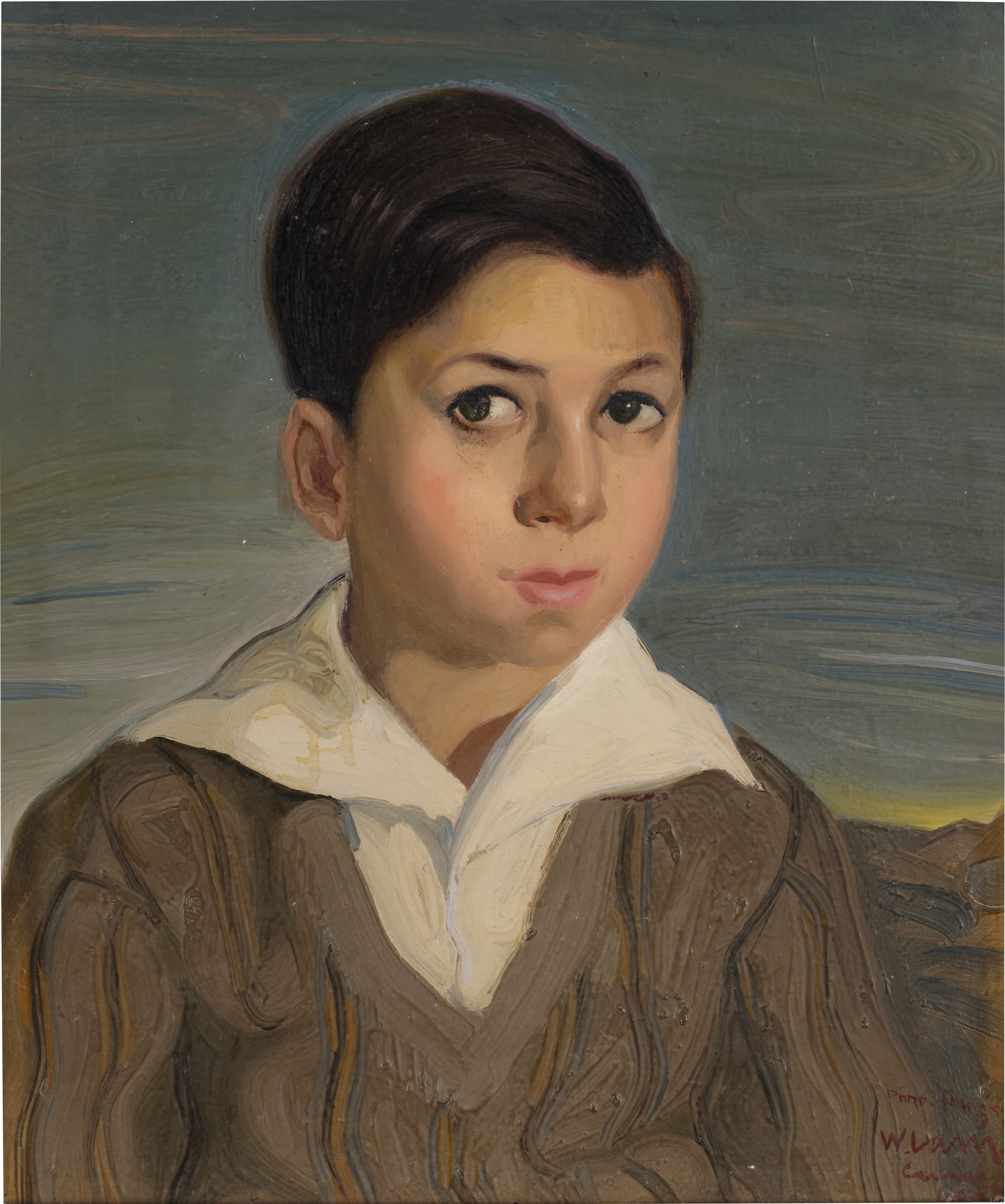
The Hispanic Society Museum and Library has acquired Wifredo Lam’s 1927 painting "Portrait of a Boy," marking the first time a work by a Cuban artist has entered the institution's permanent collection. Purchased at a Sotheby’s auction after decades in a private collection, the portrait dates from Lam’s formative years in Cuenca, Spain. The work represents a rare, representational style from the artist's early career, predating the Afro-Cuban Surrealism for which he became globally renowned.

How much Berlin fits on 230 square meters?

Wie viel Berlin passt auf 230 Quadratmeter?

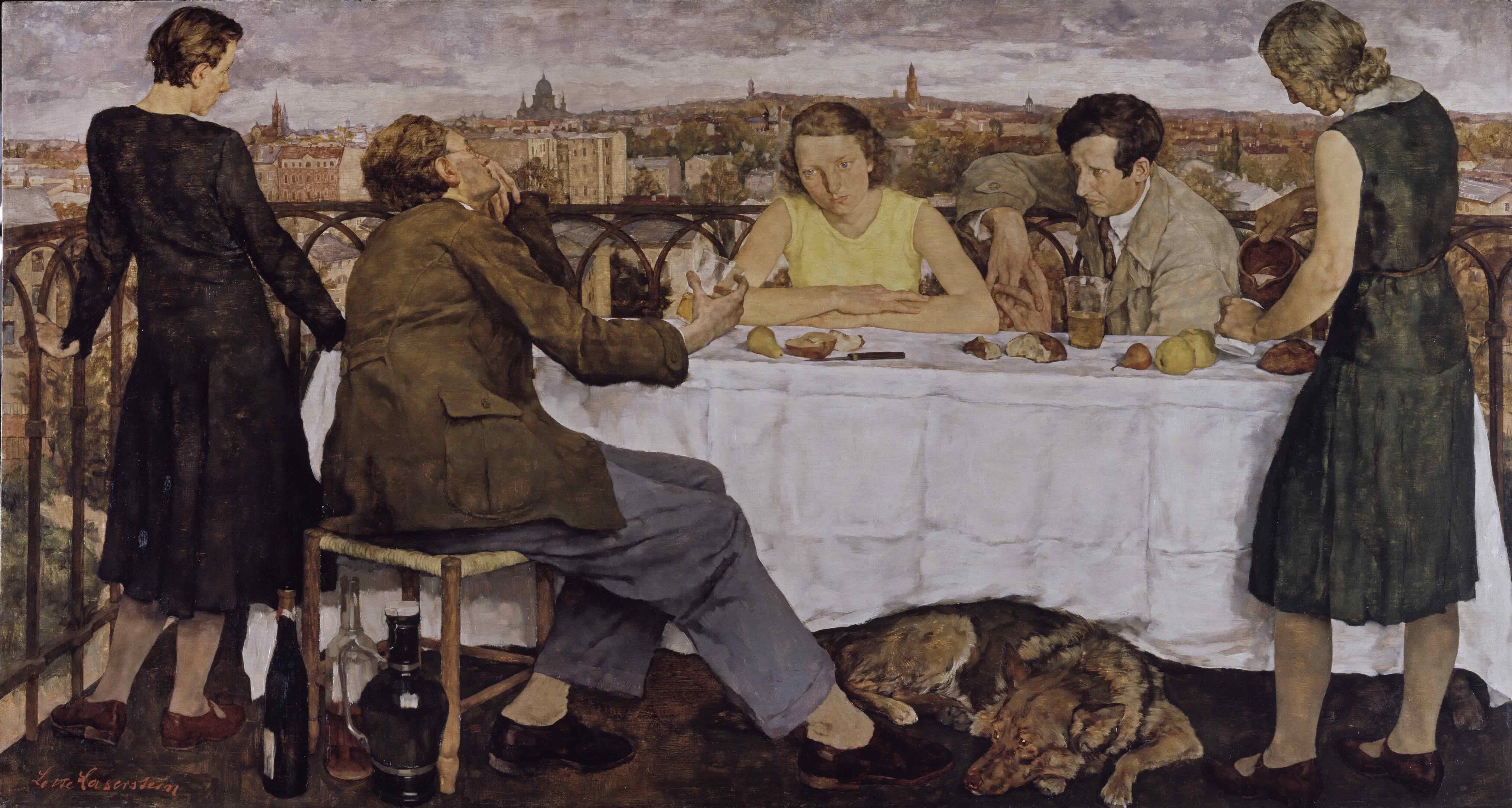
The Neue Nationalgalerie in Berlin has opened a compact exhibition titled "Ruin und Rausch: Berlin 1910–1930," featuring 35 works across just 230 square meters in a side cabinet of the lower floor. The show uses paintings, sculptures, film clips, and audio poems to tell the story of Berlin between World War I and the Nazi takeover, contrasting themes of excess and poverty, emancipation and extremism. It is structured in three chapters: "Berlin im Taumel" (Berlin in Frenzy), "Schatten der Großstadt" (Shadows of the Big City), and "Die Urbane Frau" (The Urban Woman), with works by artists such as Ernst Ludwig Kirchner, Otto Dix, and Otto Nagel.

Martin Schongauer in 2 Minutes

Martin Schongauer en 2 minutes

Martin Schongauer (c. 1445–1491), the Alsatian painter, draftsman, and engraver, is celebrated as the greatest German copperplate engraver before Albrecht Dürer and one of the first artists to achieve pan-European fame in his lifetime. The article outlines his life and career, from his early training in his father's goldsmith workshop in Colmar to his studies at the University of Leipzig and travels through Flanders, where he absorbed the influence of Rogier van der Weyden and Dirk Bouts. It highlights his 116 copper engravings, signed with the monogram 'M+S', which elevated engraving to a high art and circulated from Spain to Bohemia, inspiring Dürer and the young Michelangelo. Key works discussed include the painting 'La Vierge au buisson de roses' (1473) and the engraving 'La Tentation de saint Antoine' (c. 1470–1475).

« L’Angélus » de Millet : une notification à l’humanité hors sol ?

Beaux Arts Magazine publishes a detailed visual analysis of Jean-François Millet's painting "L'Angélus" (1857–1859), housed at the Musée d'Orsay in Paris. The article describes the scene of two peasants pausing their potato harvest to pray at dusk, examining the composition, color, and spiritual resonance of the work. It also traces Millet's biography—from his peasant origins in the Cotentin region to his training under Langlois and Paul Delaroche, and his early career painting portraits and nudes before turning to rural subjects.

Judge Orders Prado to Hold Disputed Velázquez Painting in Divorce Case

A Spanish judge has ordered the Museo del Prado in Madrid to take custody of a painting attributed to Diego Velázquez, which is at the center of a divorce dispute between steel magnate José María Aristrain and his ex-wife Gema Navarro. The work, a portrait of Philip IV linked to Velázquez’s early years in Madrid, was removed from Aristrain’s residence on March 17 and transferred to the Prado’s storage after Navarro filed a complaint alleging it had been wrongly withheld from her. The Ministry of Culture, acting with court and prosecutorial support, designated the museum as custodian until ownership is resolved. The painting had previously surfaced at auction, failing to sell in 2007 amid attribution doubts, before being acquired by Navarro in 2015 for €878,000.

UK National Gallery to recoup £2m a year after completing voluntary redundancy process

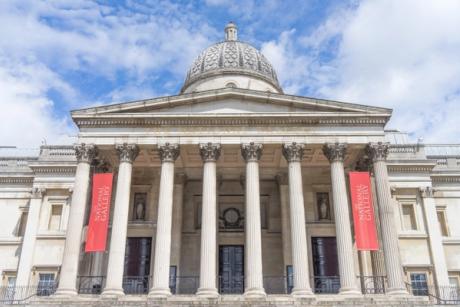
The National Gallery in London has successfully reached a target of £2 million in annual savings following a voluntary redundancy program and a recruitment freeze. Initiated in February to address a projected £8.2 million deficit, the voluntary exit scheme allowed the institution to avoid compulsory redundancies among its nearly 500 employees. While the gallery has met its initial savings goal, it must still find ways to bridge a remaining multi-million pound shortfall through non-staff cost reductions.