
filter_list Showing 3 results for "Umasi" close Clear
dashboard All 3 museum exhibitions 2gavel restitution 1
date_range Range Today This Week This Month All
Subscribe

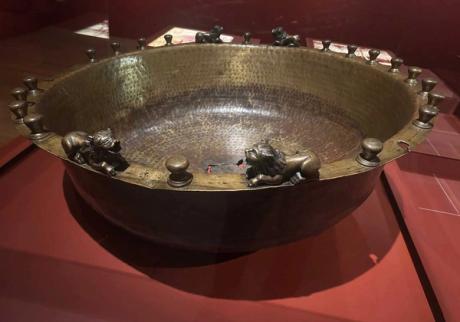
How did a 16th-century European basin end up as a sacred object in West Africa?

The Aya Kese, a massive 16th-century northern European brass basin, is currently on display at the British Museum while its complex history remains under scrutiny. Looted by British officer Robert Baden-Powell in 1896 from the Asante kingdom’s royal mausoleum in present-day Ghana, the object was long sensationalized by colonial accounts as a vessel for human sacrifice. Recent scholarship and historical records from Asante King Prempeh I contest these claims, asserting the basin’s sacred role as a spiritual repository for the souls of the Asante people.
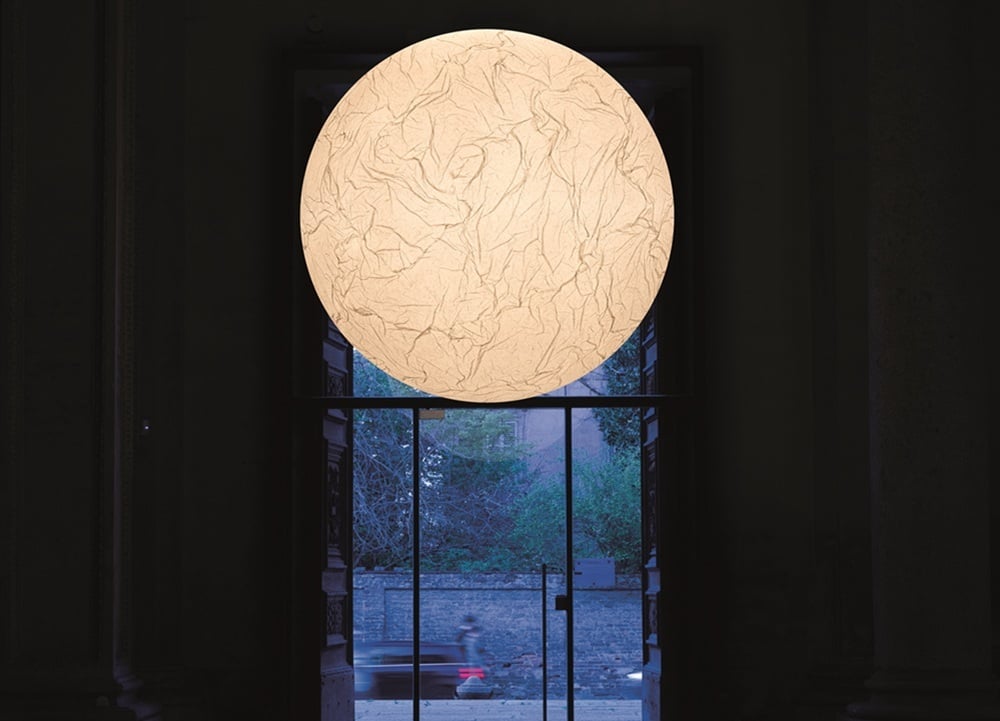
In a Piacenza church, the light of designer Davide Groppi becomes a whisper suspended in time

In una chiesa di Piacenza la luce del designer Davide Groppi diventa un sussurro sospeso nel tempo

Renowned lighting designer Davide Groppi has unveiled a major anthological exhibition titled "Un’ora di luce" (An Hour of Light) at Volumnia, a gallery housed within the deconsecrated Church of Sant’Agostino in Piacenza. Curated by Marco Sammicheli, the retrospective spans forty years of Groppi’s career, featuring iconic works like Sampei and Moon alongside new site-specific debuts. The exhibition is structured in two parts: a series of enclosed "utopias" that create intimate light environments, followed by a dialogue between his minimalist fixtures and the soaring, historic architecture of the church.

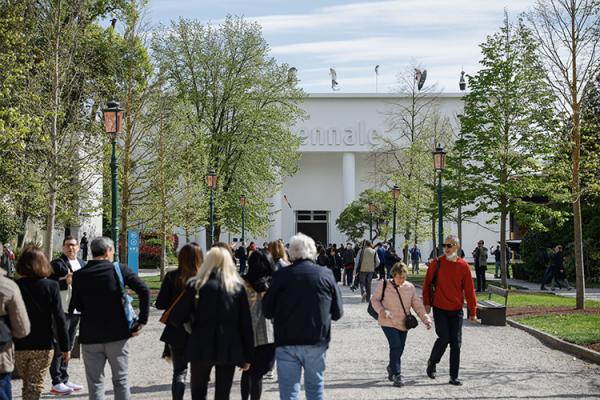
Biennale Arte 2026: the invited artists

The Venice Biennale has officially announced the list of invited artists for its 61st edition in 2026. The selection features a diverse global cohort including established figures like Laurie Anderson, Nick Cave, and Carsten Höller, alongside influential collectives such as fierce pussy and blaxTARLINES KUMASI. The list also includes significant posthumous inclusions like Marcel Duchamp and Beverly Buchanan, signaling a curatorial approach that bridges contemporary practice with historical legacies.