filter_list Showing 45 results for "Venice Biennale 2026" close Clear
search
dashboard All 45 museum exhibitions 30article news 10article culture 2trending_up market 1person people 1rate_review review 1
date_range Range Today This Week This Month All
Subscribe

At the Venice Biennale, the Thrill of Victory, the Agony of Defeat

The article reports on the opening of the 61st Venice Biennale, highlighting the central exhibition "In Minor Keys" conceived by the late Koyo Kouoh, along with national pavilions and collateral events. It notes standout contributions from artists such as Alvaro Barrington, Kaloki Nyamai, Florentina Holzinger, Ei Arakawa-Nash, Li Yi-Fan, and Dries Verhoeven, while describing the American pavilion as lackluster and the overall commercial offerings as uneven. The text also covers performances and exhibitions featuring nudity and body horror, including Tino Sehgal's "The Kiss" and Maja Malou Lyse's video with the collective DIS.
Venice Biennale 2026 Highlights: Off-Site Exhibitions

ArtReview editors highlight off-site pavilions and exhibitions at the 61st Venice Biennale, running from 9 May through 22 November 2026. Featured works include Li Yi-Fan's film *Screen Melancholy* at Palazzo delle Prigioni, which uses motion capture and a free-trial videogame engine to explore digital alienation and the 'enshittosphere,' and Roberto Diago's installation *Free Men* at the Pavilion of Cuban Republic, comprising rusted iron heads, fragmented wooden figures, and text works critiquing political oppression in Cuba.

In Venice, the Monumental Farewell of Georg Baselitz at the Cini Foundation

À Venise, l’adieu monumental de Georg Baselitz à la fondation Cini

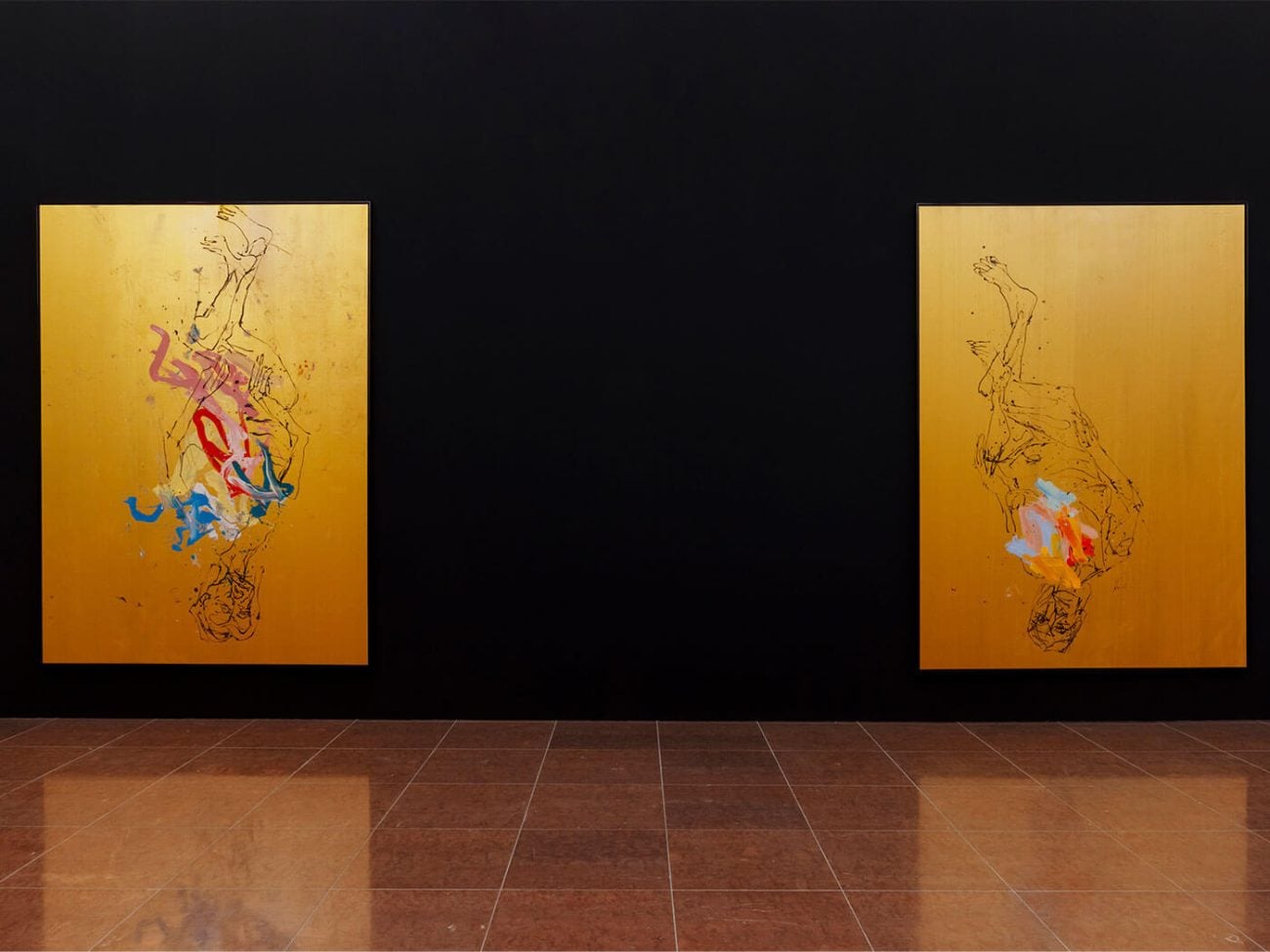
The Fondazione Giorgio Cini on Venice's San Giorgio Maggiore island has opened "Georg Baselitz. Eroi d'Oro," an exhibition of the late German artist's final works, just one week after his death in 2026. The show, presented alongside the Venice Biennale, features monumental self-portraits and portraits of his wife Elke, painted over gold-leaf backgrounds. Created in the last two years of his life, these works represent Baselitz's ultimate creative gesture, synthesizing six decades of experimentation with his signature inverted figures and expressionist color, supported by Galerie Thaddaeus Ropac.

Nalini Malani’s Venice Biennale 2026 exhibition confronts violence, myth, and motherhood

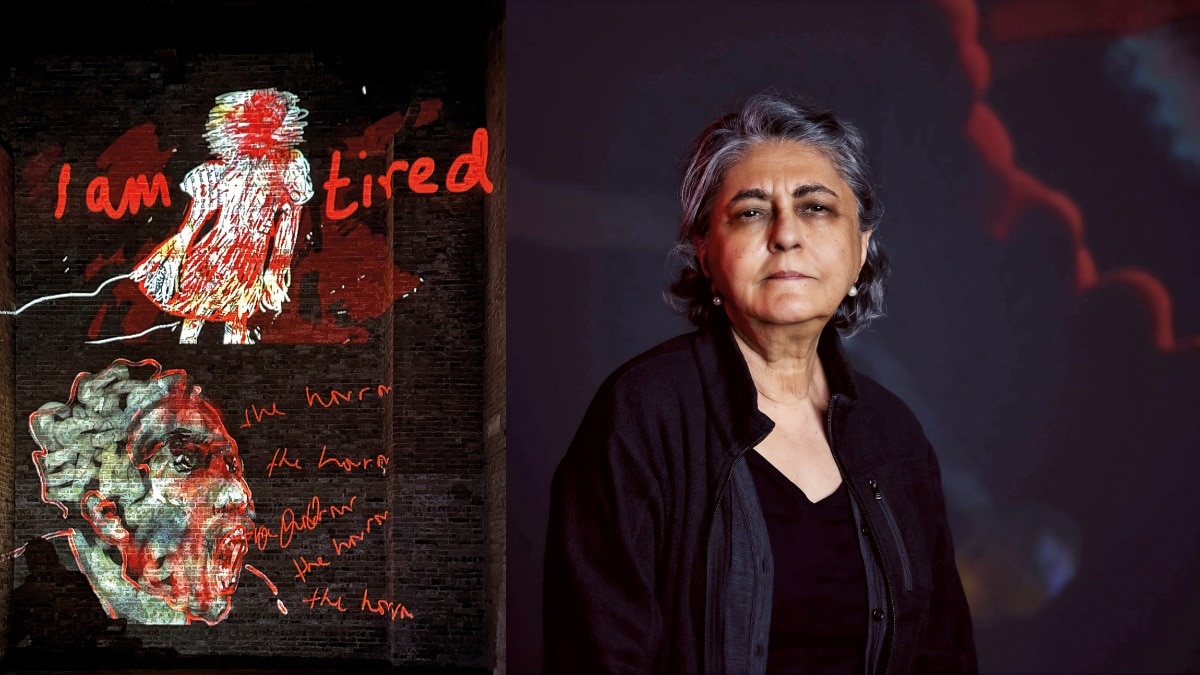
Artist Nalini Malani will present a solo exhibition titled "Of Woman Born" at the 61st Venice Biennale in 2026. The show features a site-specific installation commissioned by the Kiran Nadar Museum of Art, comprising 67 animations with over 30,000 iPad drawings and a haunting soundscape. The work centers on the Greek myth of Orestes, who kills his mother Clytemnestra, and explores themes of violence against women, motherhood, and justice. Malani, now 80, has been a key figure in bringing Indian contemporary art to global prominence, with her work held by major institutions including Tate, MoMA, and Centre Pompidou.

1,1 milliard de dollars

The Journal des Arts' issue No. 677, dated May 15, 2026, leads with the opening of the Venice Biennale amid a tense climate. Other top stories include the final adoption of a French law on the restitution of cultural property looted during colonization, the V&A East museum's strategy to attract younger audiences, a report on how Monet's legacy in Giverny does not benefit everyone locally, and an analysis of the structuring market for the Nabis artists.

Record pour Pollock

The Journal des Arts' May 15, 2026 issue (No. 677) covers a range of art-world developments: the Venice Biennale opens amid controversy, a French law on the restitution of cultural property looted during colonization is definitively adopted, the V&A East museum targets younger audiences, the town of Giverny struggles to benefit from Monet's legacy, and the market for Nabis artists is becoming more structured.

Venice Biennale: A Silent US Pavilion

Biennale de Venise : un Pavillon US silencieux

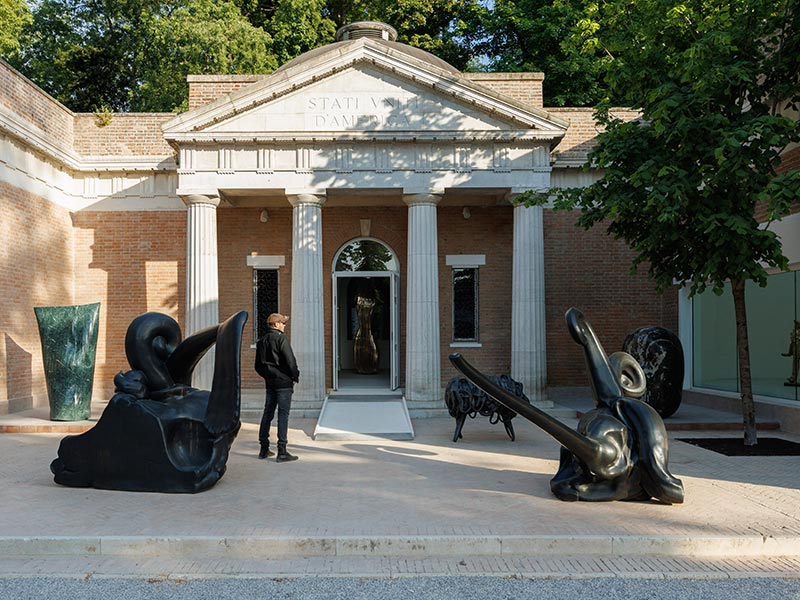
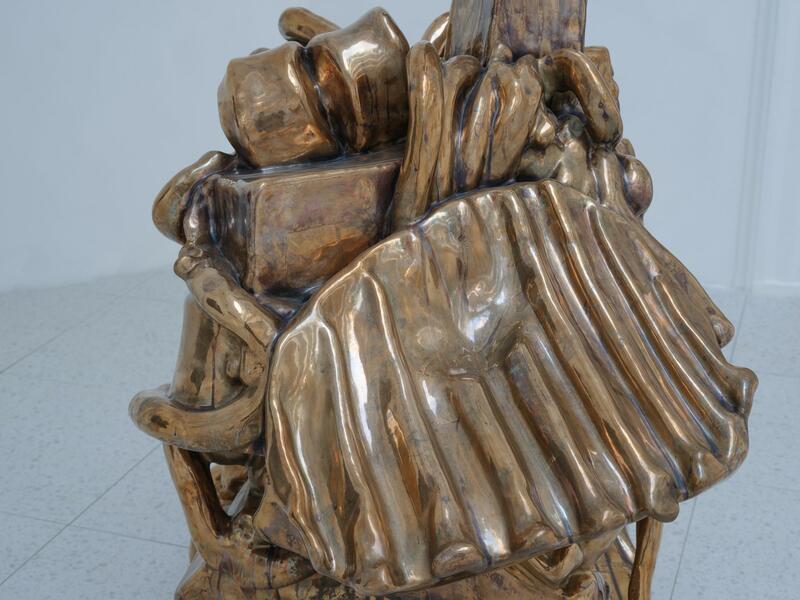
The US Pavilion at the 2026 Venice Biennale, featuring artist Alma Allen, opened to sparse crowds despite a 10% overall attendance increase at the Biennale. The pavilion was embroiled in controversy before opening: Allen was selected by the American Arts Conservancy (AAC), a private entity created in 2025 at the initiative of Donald Trump after the dissolution of the federal committee that previously oversaw the pavilion. AAC head Jenni Parido, a former pet food executive, chose the self-taught, little-known artist who had never had a solo museum exhibition. Major funders the Ford and Mellon Foundations withdrew, forcing the AAC to launch a public donation appeal. The exhibition features 25 abstract bronze, stone, and burl-wood sculptures that the artist describes as biomorphic landscapes, but critics find them pleasant yet silent, lacking the promised political or visceral resonance.

Le coup d’envoi des ventes de New York

Le Journal des Arts' issue n°677 (May 15, 2026) leads with the opening of the Venice Biennale amid a tense climate. Other top stories include the final adoption of a French law on the restitution of cultural property looted during colonization, the V&A East museum's strategy to attract younger audiences, a report on how Monet's legacy in Giverny does not benefit everyone locally, and an analysis of the structuring market for works by the Nabis artists.

La Biennale de Venise s’ouvre dans un climat houleux

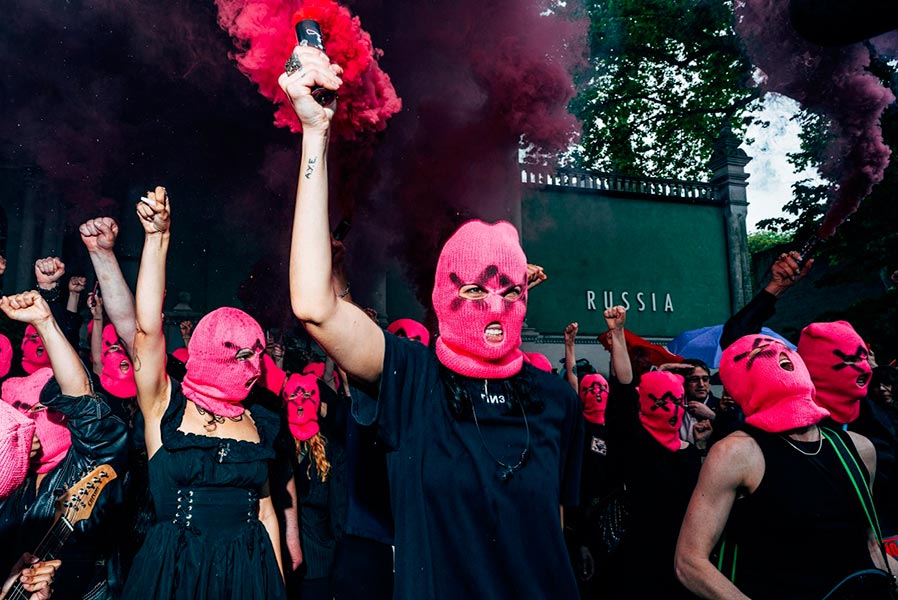
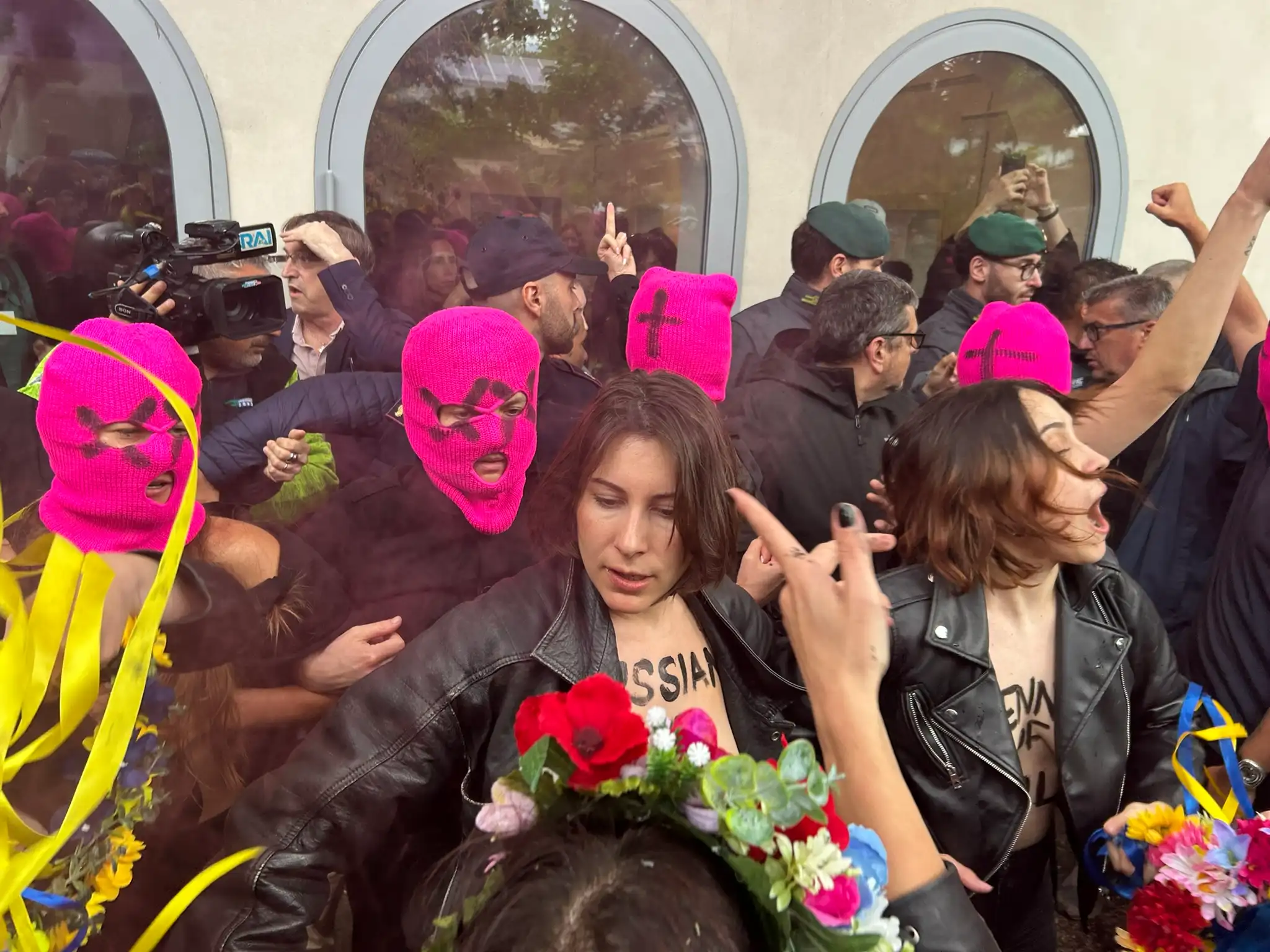
The 61st Venice Biennale opened amid intense controversy after its president, Pietrangelo Buttafuoco, announced the return of the Russian pavilion, which had been absent since the start of the Ukraine war. The European Commission suspended its €2 million subsidy for the 2028 edition, and the entire Biennale jury resigned on April 30. Buttafuoco later declared the Russian pavilion would remain closed, but protests erupted during the pre-opening days (May 6–8), drawing 28,000 professionals. Pussy Riot members, Femen activists, and the Free Nations League staged demonstrations, while the Israeli pavilion remained open despite a letter signed by nearly 200 artists calling for its exclusion.

Bruno Birmanis and Mareunrol’s on Representing Latvia at the 61st Venice Biennale

Bruno Birmanis and the artist duo Mareunrol’s (Mārite Mastiņa-Pēterkopa and Rolands Pēterkops) will represent Latvia at the 61st Venice Biennale in 2026, with their pavilion located in the Arsenale. Their project draws on memories of Latvia in the 1990s, particularly the avant-garde fashion event The Untamed Fashion Assembly (UFA), conceived by Birmanis, which took place two months after Latvia regained independence from the Soviet Union. The installation is not a nostalgic archive but a space of dialogue and reflection, using the visual codes of a fashion show backstage to explore themes of memory, freedom, and utopian intentions.

The most expensive Mark Rothko paintings ever sold at auctions

The article lists the most expensive Mark Rothko paintings ever sold at auction, highlighting record-breaking sales such as *No. 6 (Violet, Green and Red)* (1951), which fetched $186 million in 2014, and *Orange, Red, Yellow* (1961), which sold for $86.9 million in 2012. Other notable works include *No. 1 (Royal Red and Blue)* (1954) at $75.1 million and *No. 10* (1958) at $81.9 million, demonstrating the enduring high demand for Rothko's abstract expressionist canvases in the secondary market.

Interview with Wallace Chan, the artist who created a bridge between Venice and Shanghai through water

Intervista a Wallace Chan, l’artista che attraverso l’acqua ha creato un ponte tra Venezia e Shanghai

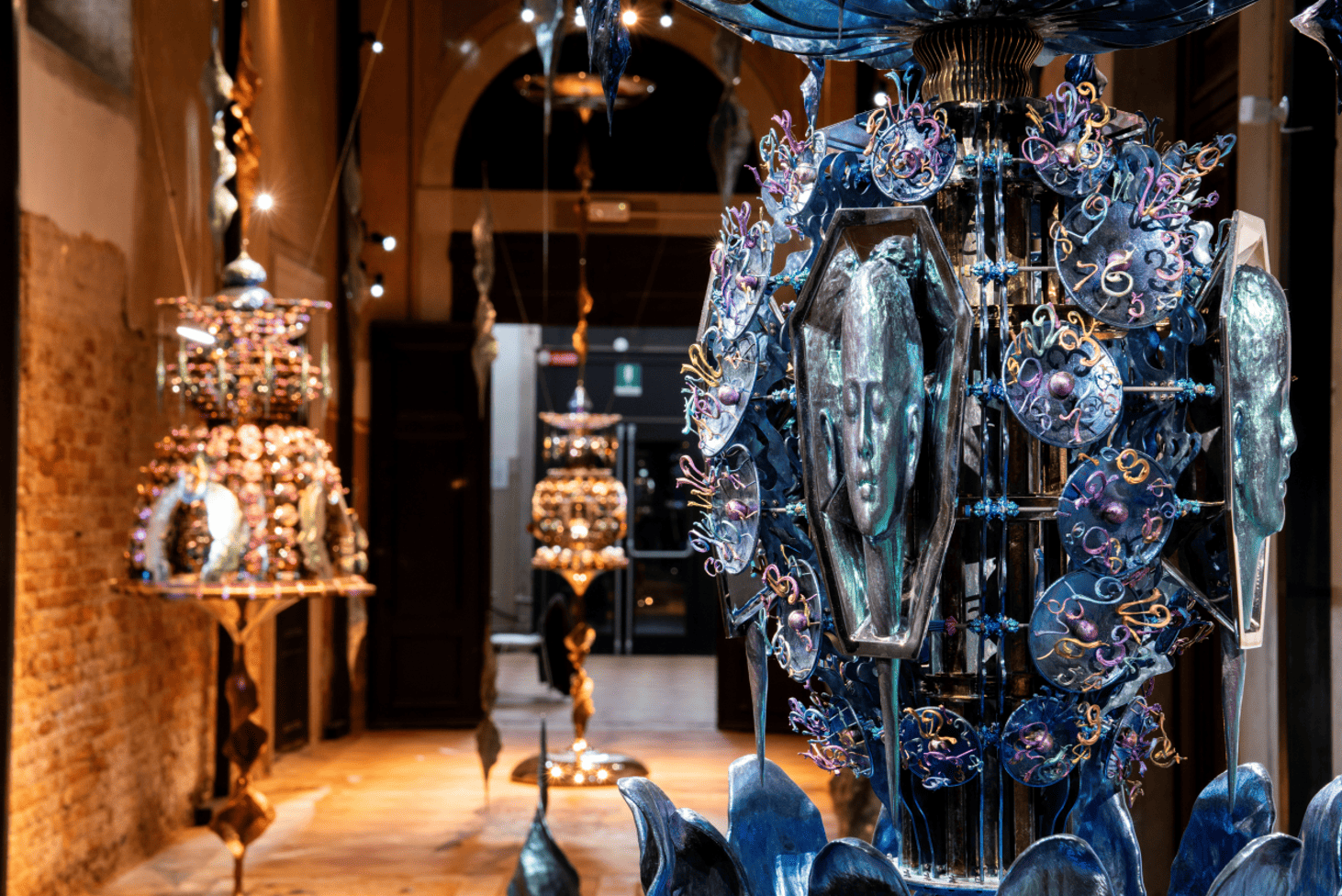
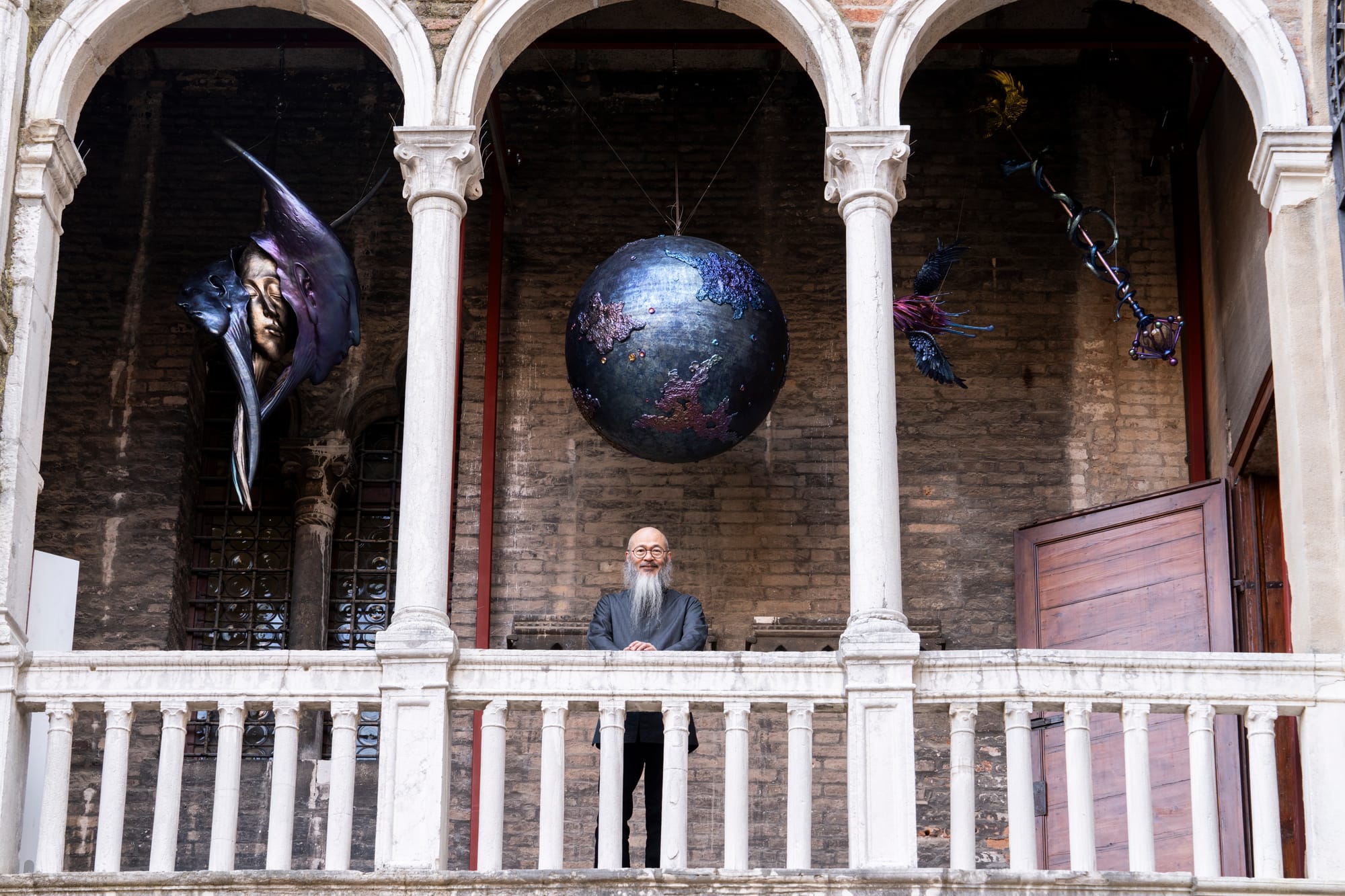
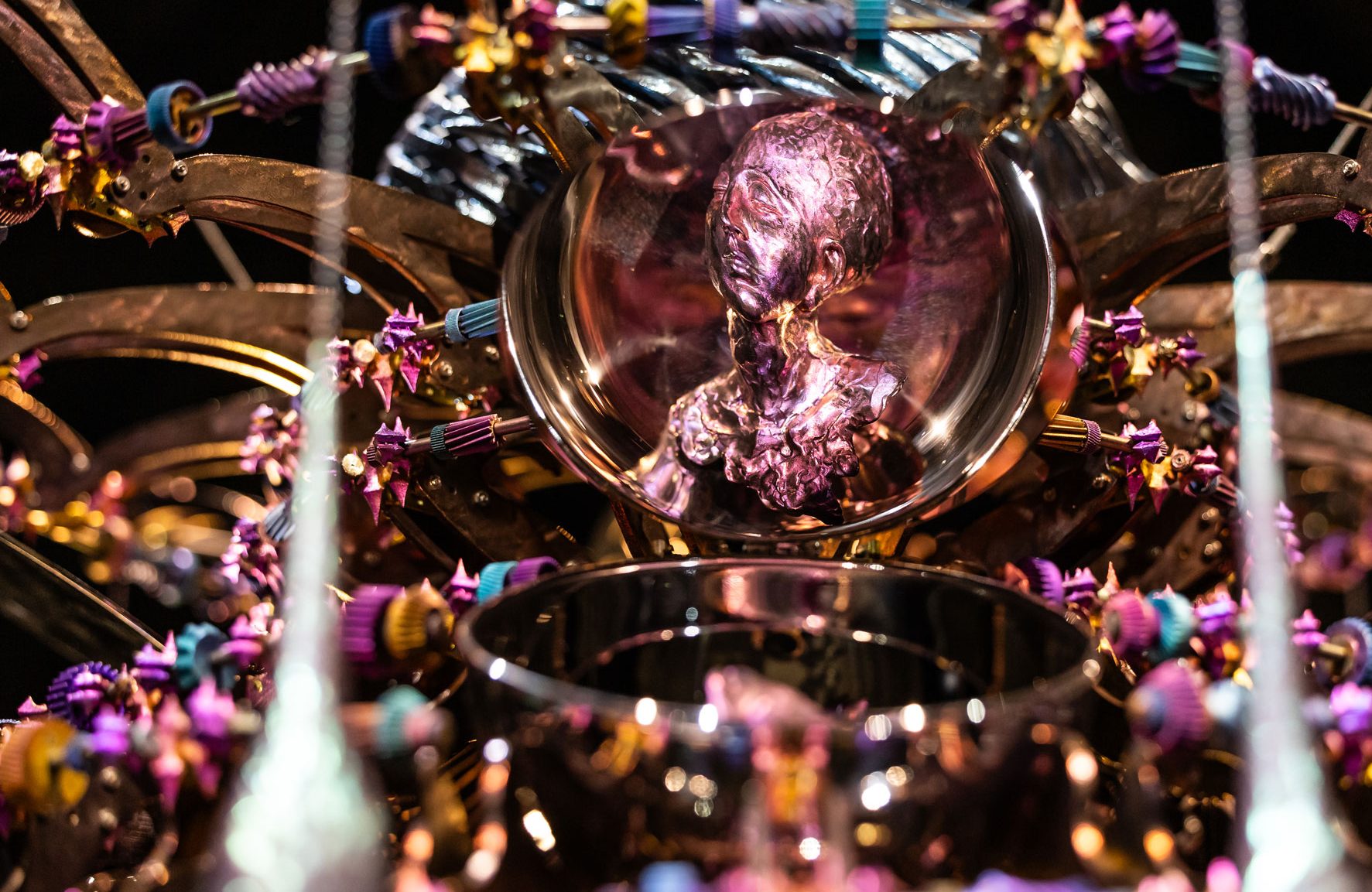
Wallace Chan, the Hong Kong-born artist turning 70, has launched a dual-exhibition project titled "Vessels of Other Worlds" between Venice and Shanghai, curated by James Putnam. In Venice, the show runs concurrently with the Biennale at the Cappella di Santa Maria della Pietà (Vivaldi's church), featuring three titanium sculptures inspired by Catholic holy oils, surrounded by smaller works evoking water droplets. In Shanghai, the same sculptures appear at the Long Museum (West Bund) starting July 18, 2026, on a monumental scale—seven, eight, and ten meters tall—with a kaleidoscopic interior accessible through a door in the central piece. The exhibitions also include sound compositions by Brian Eno and reference Chan's earlier Venice shows (Titans, Totem, Transcendence).

Russian art today is blood. A tough interview with Pussy Riot

“L’arte russa oggi è il sangue”. Una dura intervista alle Pussy Riot

During the preview of the 2026 Venice Biennale, the Russian Pavilion became the site of a protest by Pussy Riot and FEMEN, who staged an action called "STORM OF VENICE." Wearing pink balaclavas and carrying radical slogans, they denounced Russia's presence at the Biennale, accusing the Kremlin and the European cultural system of complicity. The protest centered on the phrase "Blood is Russia's art." In an interview, Pussy Riot member Nadya Tolokonnikova argues that artists who represent the official Russian Pavilion become instruments of the aggressive imperial state, and that the Biennale confuses cultural dialogue with political normalization.

NEW ZEALAND PHOTOGRAPHER FIONA PARDINGTON REPRESENTS AOTEAROA AT THE VENICE BIENNALE

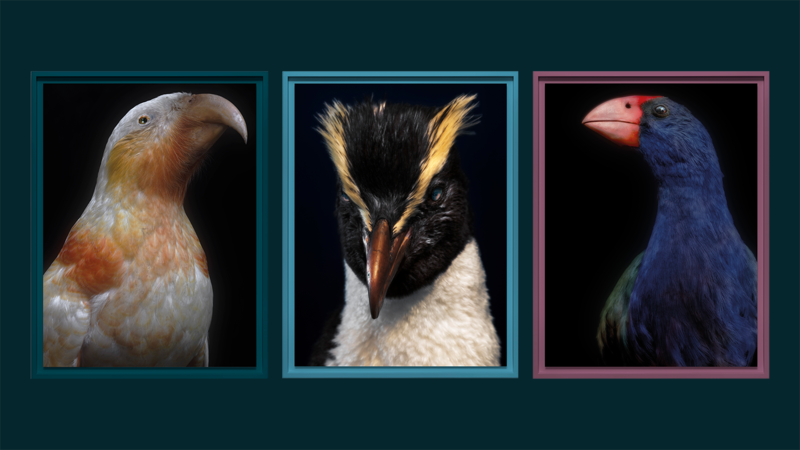
New Zealand photographer Fiona Pardington (born 1961, Auckland) is representing Aotearoa at the 61st Venice Biennale with her exhibition *Taharaki Skyside*, on view from May 9 to November 22, 2026, at the Aotearoa New Zealand Pavilion. The show features large-scale portraits of taxidermied birds from museum collections across New Zealand and Australia, focusing on endemic species including the extinct huia and whēkau. Curated by Felicity Milburn and Chloe Cull, the exhibition is presented by the Arts Council of New Zealand Toi Aotearoa (Creative New Zealand) and Christchurch Art Gallery Te Puna o Waiwhetū.

Hong Kong Artists Bring Quiet Reflection to Venice

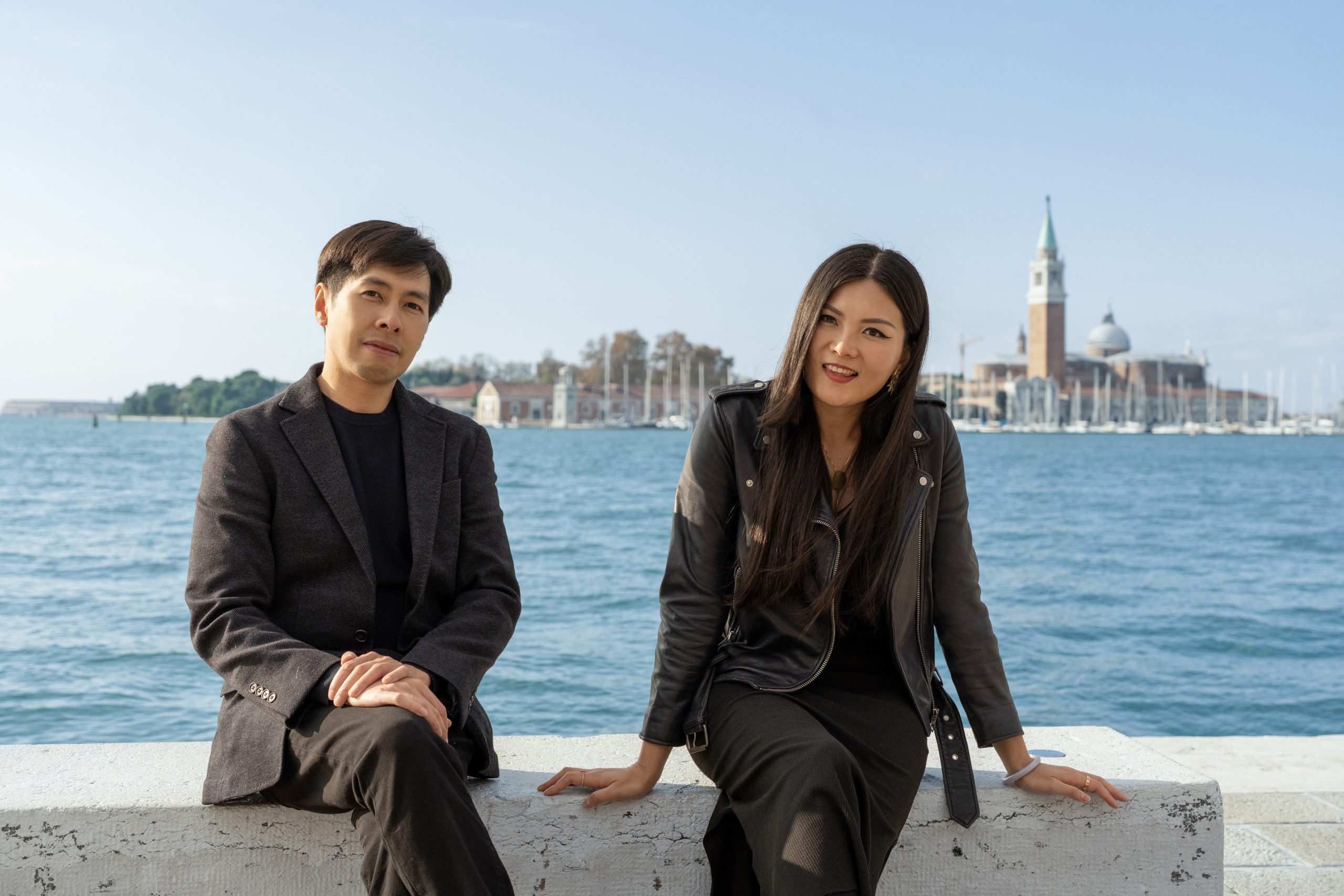
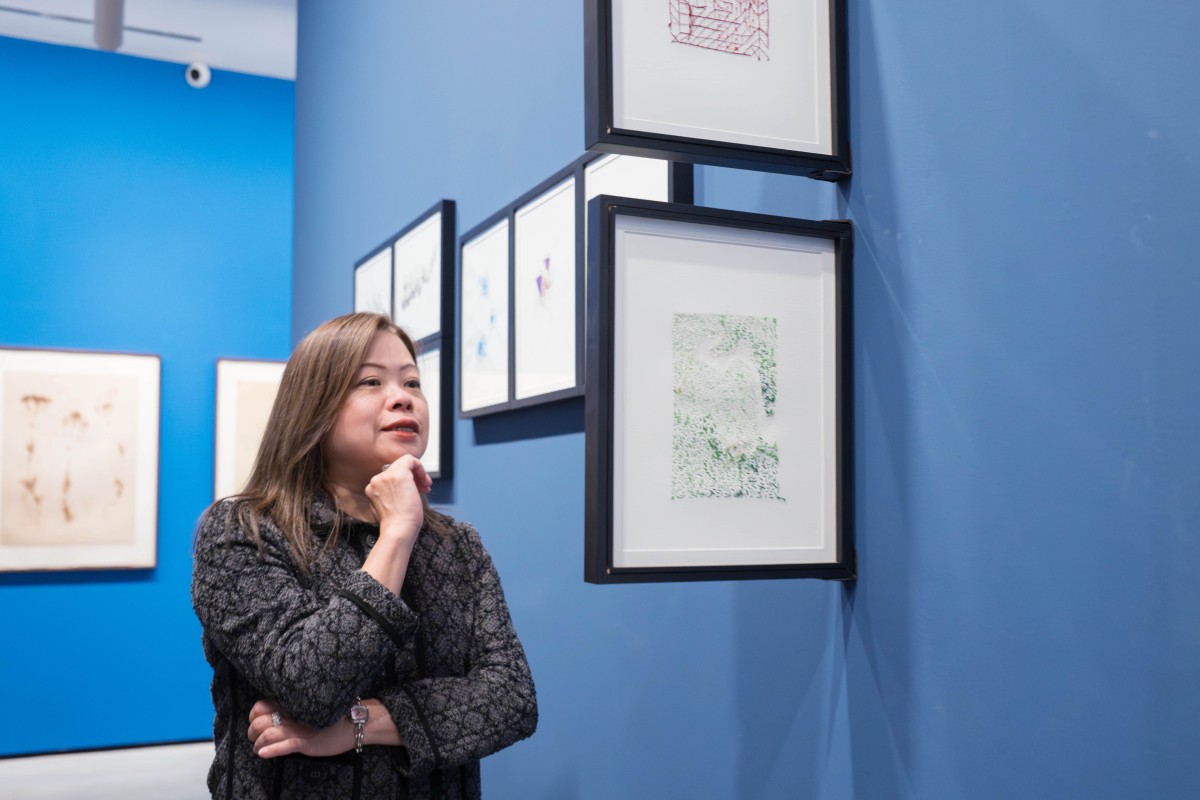
The 61st Venice Biennale, themed “In Minor Keys” by late curator Koyo Kouoh, emphasizes quiet reflection over spectacle. A collateral exhibition titled “Fermata: Hong Kong in Venice,” curated by the Hong Kong Museum of Art (HKMoA), runs through November 22, 2026, and features two Hong Kong-born artists: Kingsley Ng and Angel Hui. Ng’s installation *Laundry Nocturne* (2026) uses projections and sound to connect the shared laundry-drying traditions of Venice and Hong Kong, while Hui’s *I Would Like to Open a Window for You* (2026) incorporates wrought-iron window frames crafted with local metalsmiths. Both artists explore everyday experiences, memory, and quiet emotions, aligning with the Biennale’s call for a slower, more reflective engagement with art.

Ça bouchonne à Venise

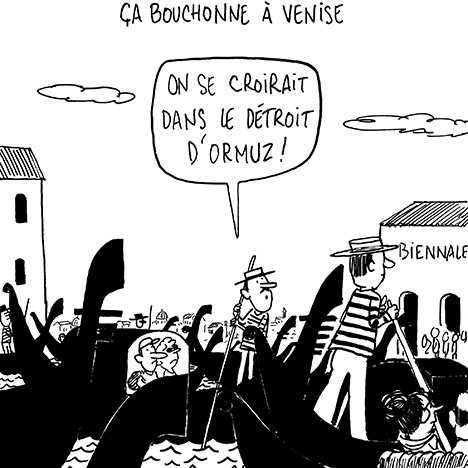
The latest issue of Le Journal des Arts (No. 677, May 15, 2026) leads with the opening of the Venice Biennale amid a tense climate. Other top stories include the final adoption of a French law on the restitution of cultural property looted during colonization, the V&A East museum's strategy to attract younger audiences, tensions in Giverny over the uneven economic benefits of Monet's legacy, and a market analysis showing the structuring of the Nabis art market.

Boats and trains, not planes: reflections on a greener—but sometimes greenwashed—Venice Biennale

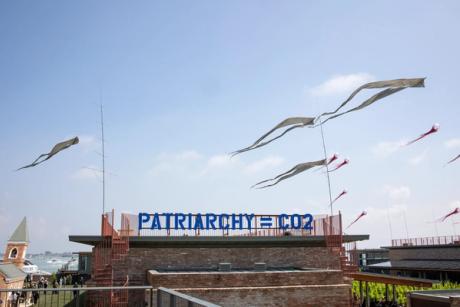
The article recounts the author's train journey from London to Venice for the 61st Venice Biennale, highlighting the environmental benefits and pleasant experience of traveling by rail versus flying, despite higher costs and longer duration. It then focuses on the Biennale's central exhibition "In Minor Keys" curated by the late Koyo Kouoh, which foregrounds environmental themes through works that engage with earth, nature, and ecological stakes, featuring artists like Otobong Nkanga, Célia Vasquez Yui, Theo Eshetu, Linda Goode Bryant, and Annalee Davis.

‘It’s like a Ouija board – I listen to the painting’: the supernatural art of Sanya Kantarovsky

Russian-born, New York-based artist Sanya Kantarovsky presents his new exhibition "Basic Failure" at Venice's Institute of Sciences, Letters and Arts, timed to coincide with the Venice Biennale. The show features his signature dishevelled, otherworldly figures—including a pallid boy with a cigarette, a child spinning in innocence, and a glass bust of a young boy with a dead spider under its eye—that explore tension, alienation, and the supernatural. Kantarovsky describes his process as listening to the painting like a Ouija board, and the exhibition includes works that confound narrative expectations, such as a scruffy toy panda and a recreation of Antonello Gagini's 16th-century sculpture.

The Cosmos in a Drop: Interview with Wallace Chan

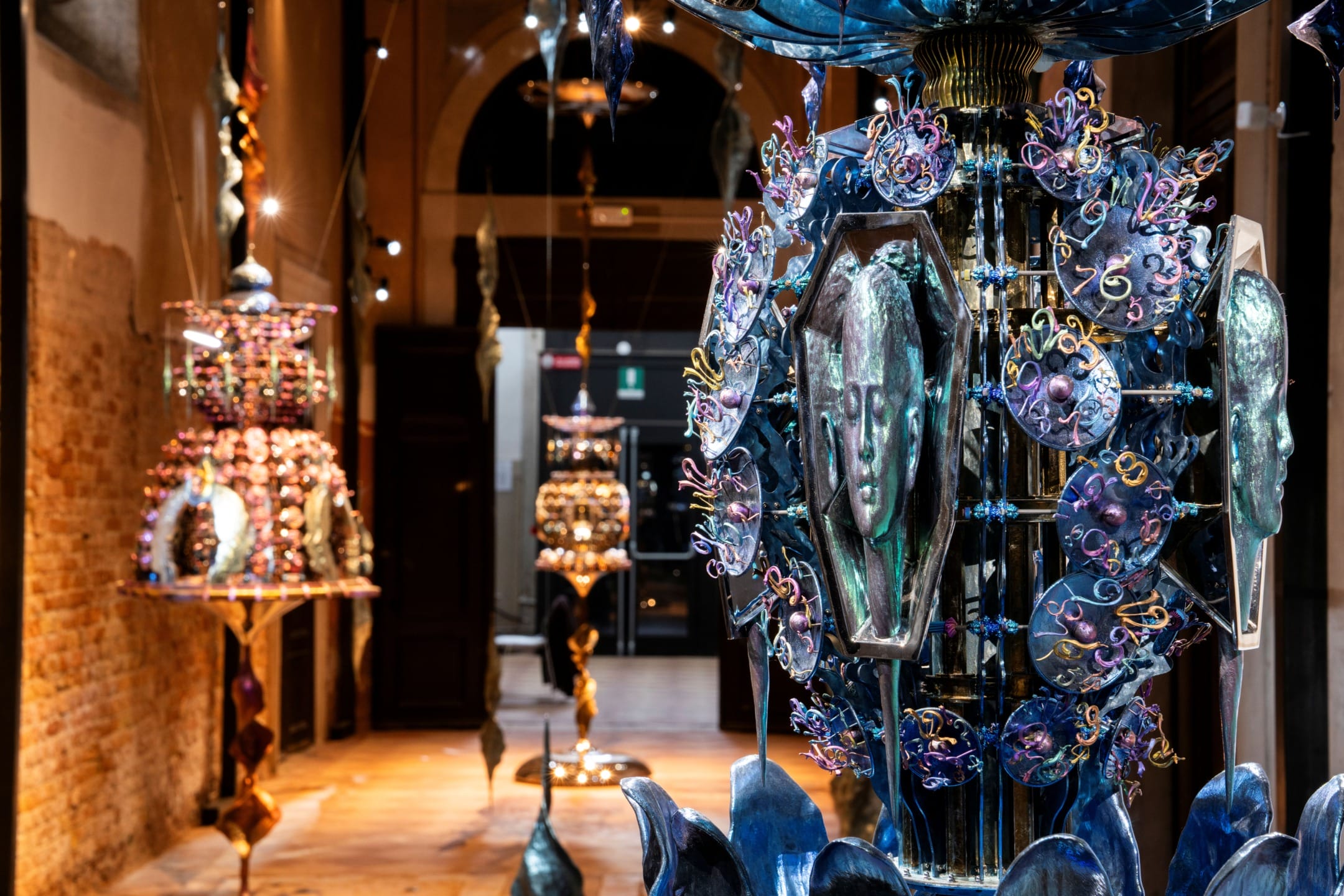
Wallace Chan, the Chinese artist known for his work across microscopic gemstone carving and monumental titanium sculpture, is presenting two concurrent exhibitions in Venice during the 61st Venice Biennale: “Vessels of Other Worlds” at the Pietà Chapel and “Mythos” at Scala Contarini del Bovolo. In an interview with ArtAsiaPacific, Chan discusses his artistic journey from traditional Chinese Buddhist carving to Western iconography, the spiritual resonance of the Pietà Chapel (where Vivaldi composed), and how his works explore themes of transformation, birth, growth, and rebirth through the lens of Buddhist philosophy and Catholic ritual.

Chiara Camoni on Representing Italy at the 61st Venice Biennale

Chiara Camoni, the artist representing Italy at the 61st Venice Biennale, discusses her upcoming pavilion installation titled "Con te con tutto" in an interview with ArtReview. The single installation will fill the entire Italian Pavilion in the Arsenale, combining existing and new works that incorporate ceramic, stone, plant elements, industrial waste, plastics, and found objects. Camoni emphasizes the choral dimension of her practice, involving family, neighbors, friends, schools, and museum groups in the creative process, thereby expanding the concept of authorship. She notes that her project aligns with the Biennale's curatorial theme "In Minor Keys" by Koyo Kouoh, focusing on monumentality defined not by scale but by reiteration and presence.

In Minor Keys A Cacophony At 61st Venice Biennale – Miranda Carroll

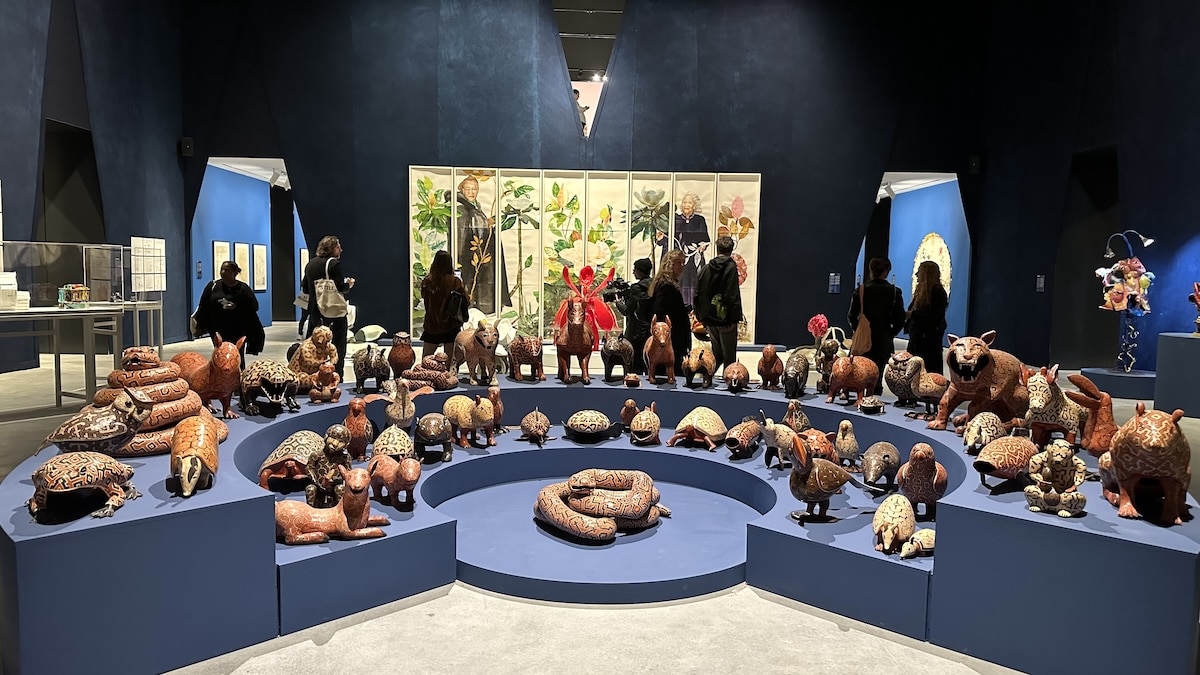
The 61st Venice Biennale, titled 'In Minor Keys,' opened with a central exhibition curated by the late Koyo Kouoh, who died in 2025. The show features 110 artists and collectives, realized by a team of five curators known as 'la squadra di Koyo.' The exhibition spans the Giardini and Arsenale venues, with works including Otobong Nkanga's living facade installation, Theo Eshetu's dying olive tree, and Nick Cave's vibrant sculptures. Poems and quotes by Refaat al-Areer, Etel Adnan, Toni Morrison, and Ben Okri punctuate the spaces, encouraging visitors to pause and reflect.

Wallace Chan in Venice and Shanghai

Wallace Chan will present "Vessels of Other Worlds," a monumental dual-site exhibition across Venice and Shanghai in 2026, coinciding with his 70th birthday and the 61st Venice Biennale. The exhibition premieres on May 8, 2026, at the Chapel of Santa Maria della Pietà in Venice, featuring a new series of titanium sculptures inspired by the three sacred oils of the Catholic Church, with a parallel exhibition opening on July 18, 2026, at the Long Museum (West Bund) in Shanghai, where the sculptures will be displayed at a dramatically larger scale. Curated by James Putnam, the project also includes a complementary site-specific exhibition, "Mythos," at Scala Contarini del Bovolo in Venice from April to October 2026.

Bright future for the next generation of artistic talent

Hong Kong Secretary for Culture, Sports and Tourism Rosanna Law Shuk-pui visited Venice to support the Hong Kong Collateral Event at the 61st Venice Biennale, themed “Fermata: Hong Kong in Venice.” The exhibition features artists Kingsley Ng and Angel Hui, with five installations exploring poetic rhythms in everyday life, curated by the Hong Kong Museum of Art (HKMoA). Law also viewed American artist Nick Cave’s sculpture *Amalga (Plot)* and announced the Venice Biennale Internship Programme 2026, which will send six arts-background interns to Venice for a six-week residency.

India pavilion returns to the Venice Art Biennale 2026 with a bang after seven-year hiatus

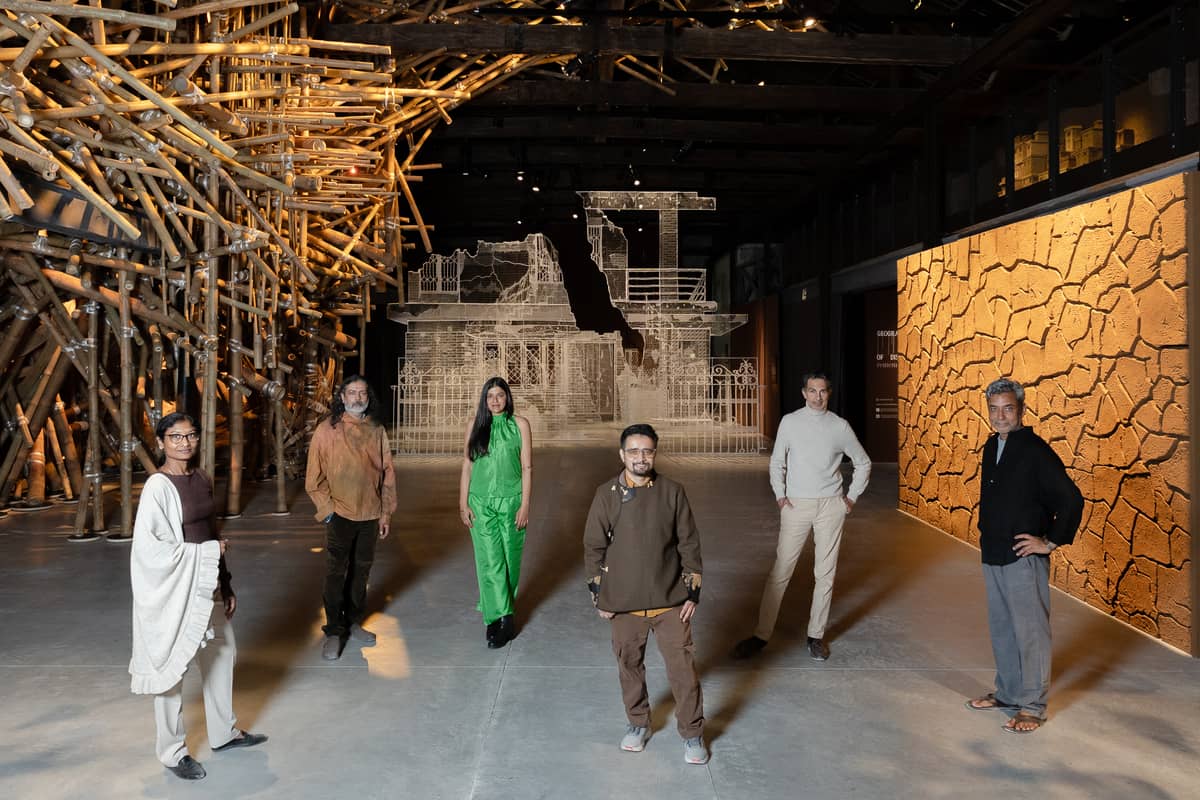
India has returned to the Venice Art Biennale with a national pavilion at the 61st International Art Exhibition, after a seven-year hiatus. The pavilion, titled "Geographies of Distance: Remembering Home," is presented by India's Ministry of Culture in partnership with the Nita Mukesh Ambani Cultural Centre and Serendipity Arts Foundation, curated by Amin Jaffer. It features five artists—Alwar Balasubramaniam, Sumakshi Singh, Ranjani Shettar, Skarma Sonam Tashi, and Asim Waqif—whose works explore themes of home, loss, displacement, and cultural memory through materials like soil, thread, bamboo, and clay.

In Venice, Wallace Chan’s Titanium Sculptures Offer Introspection and Reckoning

Wallace Chan, a Chinese sculptor and gem master, has opened a new exhibition titled “Vessels of Other Worlds” at the Chapel of Santa Maria della Pietà in Venice during the 61st Venice Biennale. The show features large-scale titanium sculptures that explore themes of life cycles, mortality, and introspection, with the artist drawing inspiration from the sounds of the city, including Vivaldi’s music from a neighboring church. Chan, who has presented works at two previous biennials in Venice, also marks his 70th birthday this year with a concurrent show at Shanghai’s Long Museum in July.

At this year's Venice Biennale, a clash of politics and art exposes the need for a rethink

The 2026 Venice Biennale is plagued by controversy and structural issues. Curator Koyo Kouoh died of cancer in 2025, leaving her team to execute the main exhibition "In Minor Keys" without her. The Biennale's jury resigned after refusing to judge entries from countries charged with war crimes, and media coverage during preview week focused on protests against the Israeli and Russian pavilions rather than the art. The sprawling exhibition features 96 national pavilions and 110 artists, with works ranging from Daniel Lind-Ramos's found-material figures to María Magdalena Campos-Pons's tribute to Toni Morrison and Kouoh.

US SCULPTURES AMID CONTROVERSY AT THE VENICE BIENNALE

The United States Pavilion at the 61st Venice Biennale features sculptor Alma Allen's exhibition "Call Me the Breeze," which opened with no clear funding just ten days prior. Unlike previous pavilions supported by major foundations like Ford and Mellon, Allen's show relies on a $375,000 US government contribution and public donations via the American Arts Conservancy. The selection process was unconventional: the State Department, which took over after Trump's NEA budget cuts, imposed restrictions on DEI policies and required proposals promoting "American exceptionalism." Curator Jeffrey Uslip directly approached Allen without a formal proposal, leading the artist's two galleries—Olney Gleason and Mendes Wood DM—to drop him when he accepted the commission.

Kazakhstan's creative industry accelerates. A new foundation supporting the art scene emerges

L’industria creativa del Kazakhstan accelera. Spunta una nuova fondazione che sostiene la scena artistica

A new private foundation called TOVA Foundation, based in Geneva, has been established to promote contemporary art from Central Asia, specifically focusing on Kazakhstan's art scene. The foundation debuted at the Venice Biennale with an exhibition titled "Trading Treasures" featuring Kazakh artists Saule Suleimenova and Sayan Baigaliyev at Casa dei Tre Oci. The initiative is backed by Togzhan Wertheimer, a Kazakh-born entrepreneur and philanthropist connected to the fashion industry through her husband David Wertheimer, and includes a board with figures like Tatiana de Pahlen and art consultant Jean-Olivier Despres. The foundation's curator is Vladislav Sludskiy, who previously worked at Ethan Cohen Gallery and co-founded the ARTBAT FEST and Eurasian Cultural Alliance.

Video interview with Cecilia Canziani and Chiara Camoni, curator and artist of the Italy Pavilion at the Venice Biennale

Video intervista a Cecilia Canziani e Chiara Camoni curatrice e artista del Padiglione Italia alla Biennale di Venezia

The article is a video interview with curator Cecilia Canziani and artist Chiara Camoni about the Italy Pavilion at the 61st Venice Biennale. Camoni's installation, titled "Con te e con tutto," features large, monumental figures called "Sisters" that evoke ancient yet contemporary presences, created through a slow, collective, and materially responsive process. The pavilion is divided into two spaces: a vertical, sacred-like area and a horizontal, convivial one that includes a sub-exhibition called "Dialoghi." The project builds on years of friendship and collaboration between Canziani and Camoni, and involves a fluid community of international students, weavers, midwives, and artists working at Camoni's studio in Fabbiano, on the Apuan Alps.

There is an absent pavilion at the 2026 Venice Art Biennale that no one has talked about: Venezuela

C’è un padiglione assente alla Biennale d’Arte di Venezia 2026 di cui nessuno ha parlato: il Venezuela

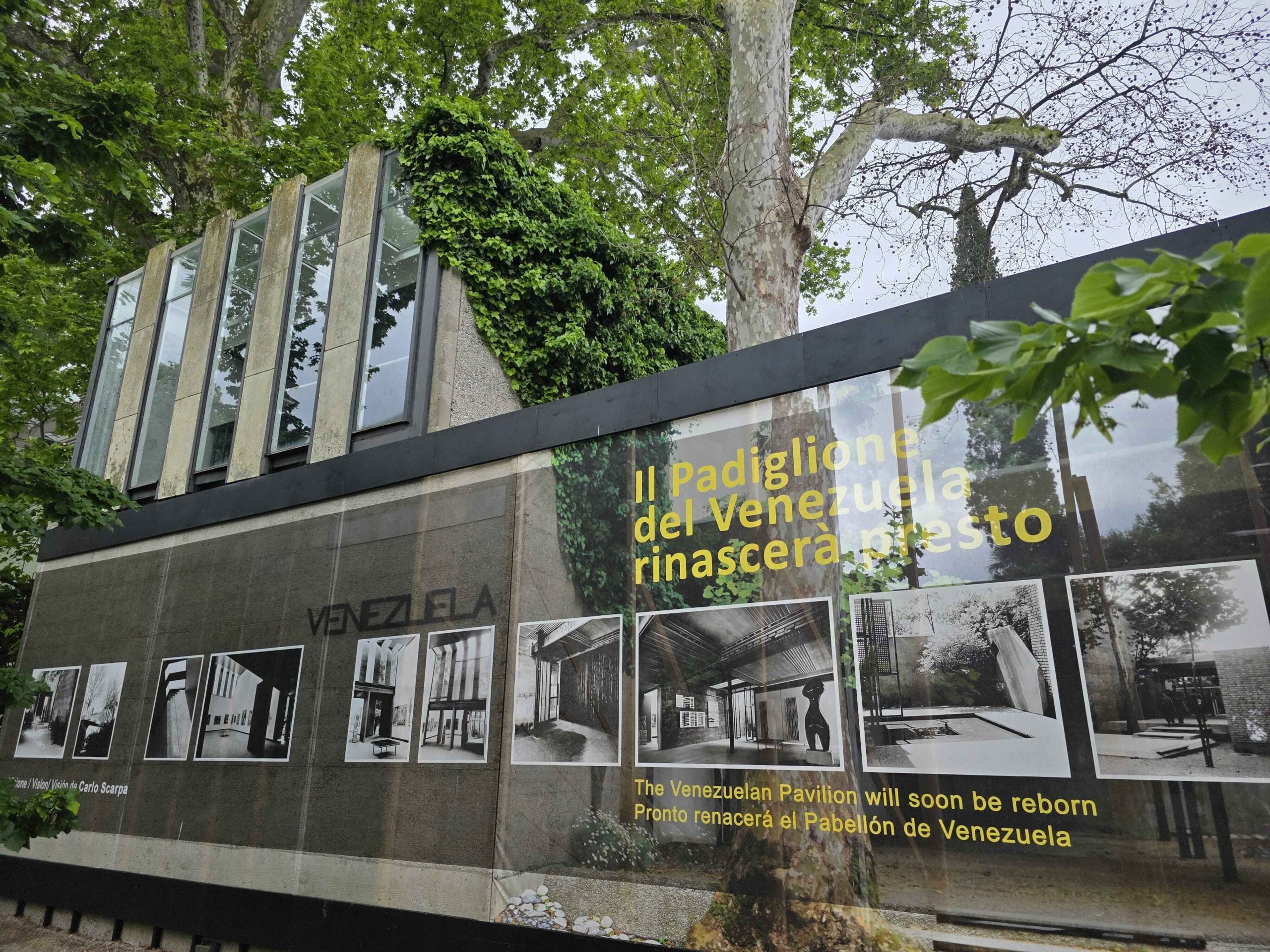
The Venezuelan pavilion at the 2026 Venice Art Biennale remains closed, an absence that has gone largely unnoticed amid other controversies surrounding the Russian, Israeli, South African, and Iranian pavilions. Designed by architect Carlo Scarpa and built between 1953 and 1956, the pavilion now displays a trilingual sign stating it will "rise again soon," reflecting the country's collapse after the kidnapping and imprisonment of President Nicolás Maduro by the United States and the installation of a fragile pro-American interim government.