filter_list Showing 18 results for "Visitor Lion" close Clear
dashboard All 18 article news 17article culture 1
date_range Range Today This Week This Month All
Subscribe

More than 70 Venice Biennale artists withdraw from awards

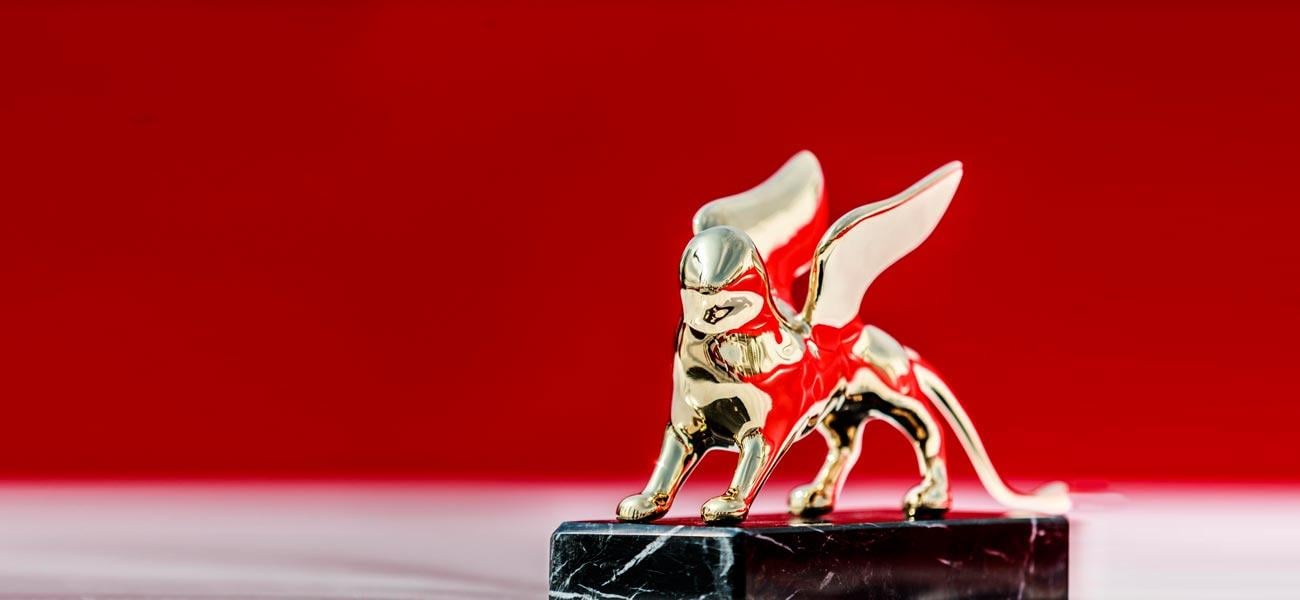
More than 70 artists participating in the 2025 Venice Biennale have withdrawn from consideration for the Golden Lion awards, which this year will be decided by public vote. The artists, including Walid Raad, Laurie Anderson, and Yto Barrada, signed a statement published on e-flux on May 9, withdrawing in solidarity with the entire prize jury that resigned last month over a dispute regarding the participation of Israel and Russia. The Biennale management replaced the traditional jury-selected awards with a new "Visitor Lion" system where ticket holders can vote, but the Biennale has acknowledged that if any of the withdrawing artists win, they will not collect the award.
Artists, Read the Fine Print

Artist Damien Davis writes a critical piece on how so-called 'standard' contracts in the art world systematically undermine artists' power, citing long consignment periods, moral rights waivers, and opaque terms that favor institutions. Separately, the Venice Biennale has scrapped its traditional Golden Lion awards after the awards jury resigned; instead, ticket holders will vote on 'Visitor Lions,' with results announced in November, and notably Israel and Russia remain eligible despite the jury's earlier ban. Other news includes damage to a 1,000-year-old Native American archaeological site by construction crews building President Trump's border wall.

Statement of Withdrawal from Visitor Lion Awards

Venice Biennale Artists Decline Consideration for Golden Lions Chosen by Public Vote

Nearly half of the artists in the main exhibition of the Venice Biennale have signed a statement declining consideration for the Golden Lion awards, in solidarity with the jury that resigned last month. The statement, published by e-flux, includes prominent names such as Alfredo Jaar, Tuan Andrew Nguyen, Otobong Nkanga, and Walid Raad, as well as national pavilion representatives from France, Lithuania, and the Netherlands. The Biennale had planned to replace the jury-selected Golden Lions with "Visitor Lions" decided by public vote, but the artists' refusal marks an unprecedented protest within the exhibition.

Political Fallout Rocks Venice Biennale Prize System

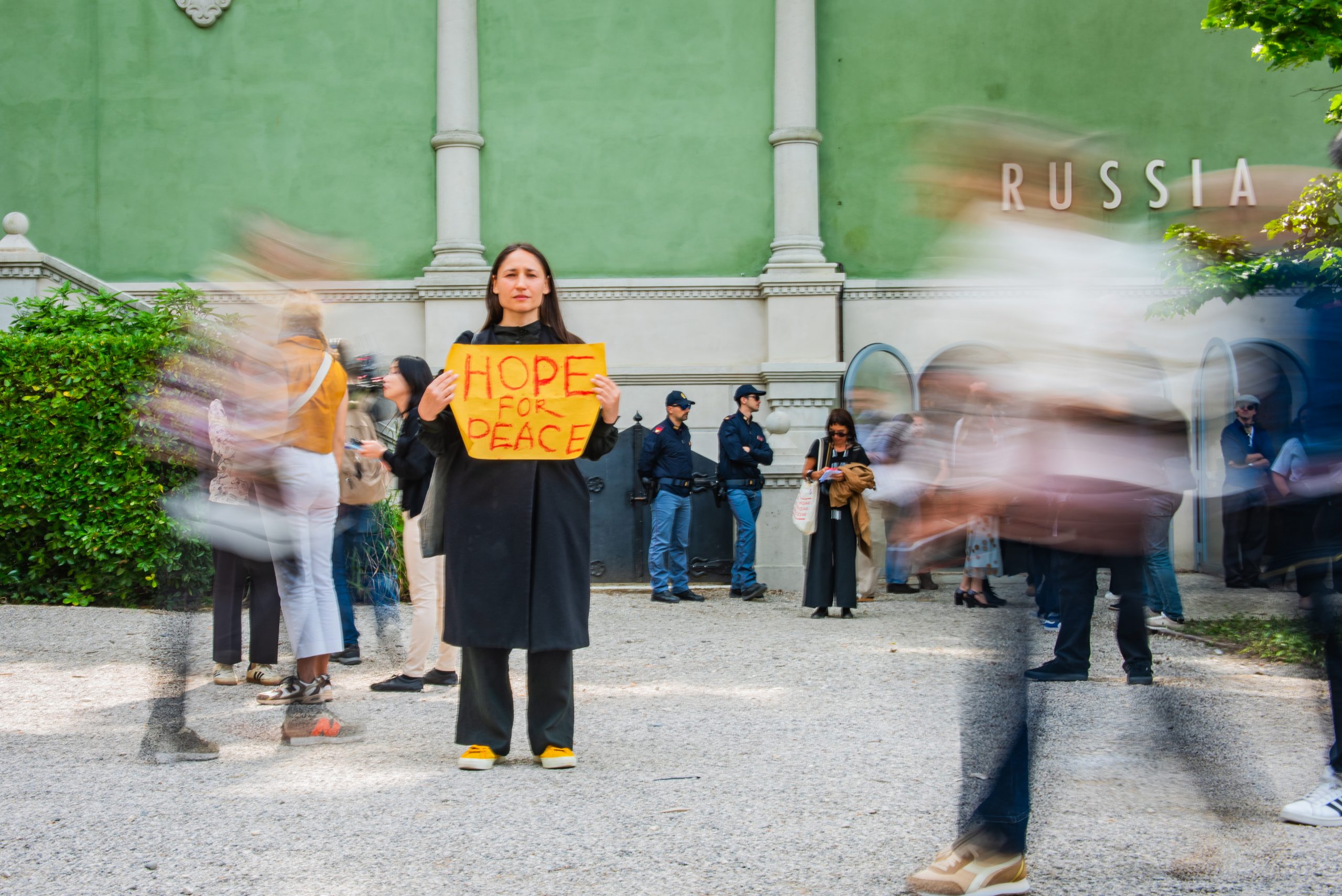
Dozens of artists participating in the 2026 Venice Biennale have withdrawn from consideration for the newly created Visitor Lion awards, replacing the traditional Gold and Silver Lion prizes. A total of 57 artists from the main exhibition and 22 national pavilions signed a statement published on e-flux on May 9, acting in solidarity with the five-person prize jury that resigned on April 30 over the continued participation of Russia and Israel. The jury had objected to awarding prizes to artists from countries whose leaders face International Criminal Court charges, including Russian president Vladimir Putin and Israeli prime minister Benjamin Netanyahu. In response, the Biennale organizers postponed the awards ceremony to November 22 and introduced visitor voting, a move they described as consistent with openness and dialogue. Meanwhile, the Russian Pavilion, which returned after lending its space to Bolivia in 2024, faced protests, closure after previews, and a €2 million funding pull by the European Union for the 2028 Biennale.

81 artists withdraw from Venice Biennale competition

Dozens of Venice Biennale Artists Withdraw From Awards En Masse

Almost half of the artists in the 61st Venice Biennale's international exhibition, along with 16 national pavilion teams, have withdrawn from awards consideration in solidarity with the jury's resignation. The jury resigned on April 30 after stating it would not consider countries whose leaders are charged with crimes against humanity by the ICC, effectively disqualifying Israel and Russia. The Biennale Foundation then replaced the traditional Golden Lions with new "Visitor Lions" decided by public vote, reinstating all pavilions including Israel and Russia. The withdrawal follows protests at the Russian and Israeli pavilions and a historic labor strike that shuttered multiple pavilions.

Iran Withdraws From 2026 Venice Biennale

Iran has withdrawn from the 2026 Venice Biennale, the world's most important art event, organizers announced on May 4. No official reason was given, but the withdrawal comes amid an uncertain ceasefire in Iran's war with the United States and Israel. The Biennale confirmed the decision in a statement, noting that 100 countries will still participate, including newcomers Tanzania and Seychelles. This follows South Africa's withdrawal over a legal dispute concerning a Gaza-focused artwork, and the closure of the Russian Pavilion to the public after the EU withdrew €2 million in funding over Russia's involvement.

Venice Biennale’s Visitor Lions Face Artist Boycott

Iran Will Not Participate in Venice Biennale, Organizers Say

Iran will not participate in the 61st Venice Biennale, which opens for previews this week, the Biennale Foundation announced on May 4. The decision comes two months after the United States and Israel launched strikes across Iran, and amid renewed tensions along the Strait of Hormuz. The Iranian pavilion was to be commissioned by Aydin Mehdizadeh Tehrani, director general of the visual arts office in the Iranian Ministry of Culture. Iran has had inconsistent attendance at the Biennale since 1958, with a long absence between the 1960s and 2003, but has participated semi-consistently over the last two decades, most recently in 2024.

Biennale, rules announced for Visitor's Lion. But dozens of artists withdraw

The Venice Biennale has announced the voting rules for the new Visitors' Lion awards, which replace the traditional Golden Lions after the original jury resigned before the opening. On the same day the popular voting opened, dozens of artists from the central exhibition 'In Minor Keys' and several National Pavilions announced their withdrawal from the competition in solidarity with the resigned jury, releasing a statement via e-flux on May 9, 2026. The voting system requires visitors to have attended both the Giardini and Arsenale venues, with anonymous voting open until November 22, 2026.

Venice Biennale in crisis: The controversies explained

The Venice Art Biennale's official awards ceremony, scheduled for May 9, has been canceled after the entire five-member jury resigned days before the event. The jury had previously announced they would not consider countries whose leaders face International Criminal Court charges, directly impacting Russia and Israel. Instead of jury-selected prizes, visitors will vote throughout the Biennale's run, with "Visitor Lions" awarded on November 22. The event, running from May 9 to November 22, features 100 national participations, including seven first-time countries, and a posthumous main exhibition titled "In Minor Keys" curated by the late Koyo Kouoh, the first African woman to lead the show. Iran withdrew on May 4 amid Middle East tensions, while Russia's return to the Biennale in 2026 has sparked EU threats to cut funding.

Israeli Pavilion Artist Made Legal Threats Before Venice Biennale Jury Resigned

New reports reveal that Israeli Pavilion artist Belu-Simion Fainaru issued legal threats against the Venice Biennale, alleging antisemitism and discrimination after the awards jury decided to exclude Israel and Russia from consideration due to human rights charges. The jury, which included Elvira Dyangani Ose, Zoe Butt, Marta Kuzma, Giovanna Zapperi, and Solange Farkas, initially stated on April 22 it would not consider nations whose leaders are charged with crimes against humanity by the International Criminal Court. Fainaru filed legal warnings with the Biennale, the Italian Ministry of Culture, and the Prime Minister's office. The jury abruptly resigned eight days later, leading the Biennale to scrap the Golden Lion awards and institute "Visitor Lions" decided by public vote. Reports indicate the Biennale's legal department warned jurors could be personally liable for damages, and Italian Culture Minister Alessandro Giuli promised to promote Fainaru's work.

Venice Biennale Scraps “Golden Lion” Awards as Turmoil Continues

The 61st Venice Biennale has scrapped its traditional Golden Lion awards, replacing them with public-voted “Visitor Lions” after the entire award jury resigned on April 30. The jury had previously announced its intention to exclude countries whose leaders are charged with crimes against humanity by the International Criminal Court, effectively targeting Russia and Israel. The Biennale Foundation, however, stated that all official national pavilions—including Russia and Israel—will be eligible for the new Visitor Lions, citing principles of inclusion and equal treatment. The awards ceremony has been moved from May 9 to November 22, the final day of the Biennale, to allow ticket holders to vote throughout the event.

From Minor Keys to Uproar: The Crisis of the Venice Biennale

DE LAS MINOR KEYS AL ESTRUENDO: LA CRISIS DE LA BIENAL DE VENECIA

The 61st Venice Biennale is engulfed in a structural crisis, marked by geopolitical tensions over the inclusion of Russia (amid its invasion of Ukraine) and Israel (amid the Gaza genocide). The Biennale Foundation, led by Pietrangelo Buttafuoco, defended their participation on legalistic grounds, sparking outrage from over 200 artists, curators, and cultural workers who demanded Israel's exclusion, aligning with Art Not Genocide Alliance (ANGA). The international jury, chaired by Solange Farkas and including Zoe Butt, Elvira Dyangani Ose, Marta Kuzma, and Giovanna Zapperi, resigned collectively on April 30 after deciding not to award prizes to countries whose leaders face International Criminal Court arrest warrants. This led to the cancellation of the traditional Golden and Silver Lions, replaced by audience-voted "Visitor Lions," with awards deferred until November. The European Commission suspended a €2 million subsidy over Russia's participation, and Italian Culture Minister Alessandro Giuli notably skipped the May 9 opening.

Endangered Species? Venice Biennale Ditches Golden, Silver Lions for 2026 Edition

The Venice Biennale has announced it will eliminate the Golden and Silver Lions for the 2026 edition, replacing them with Visitor Lions chosen by popular vote. The prizes, traditionally awarded on opening day (May 9), will now be presented at the closing ceremony (November 22). Russia and Israel, previously barred from consideration by the prize jury due to ICC charges against their leaders, will be eligible for the new Visitor Lions. The decision follows the mass resignation of the original prize jury after they excluded those nations and faced pressure to also ban the US.

Jury or Public? The Biennale Is Not an Algorithm, But Neither Is It a Liturgy

Giuria o pubblico? La Biennale non è un algoritmo, ma neppure una liturgia

The article critically examines the proposal for "Visitor Lions" (Leoni dei Visitatori) at the Venice Biennale, arguing that the idea is a fragile, quick-fix response to a deeper crisis. It questions whether replacing expert juries with public voting would truly improve the selection process, noting that both systems have significant flaws: juries are not necessarily neutral, often rushed and filtered, while public voting risks favoring accessible, easily consumable works and reinforcing existing hierarchies.

Golden Lions of the Biennale voted by the public? 7 reasons why they cannot work

Leoni d’Oro della Biennale votati dal pubblico? 7 motivi per cui non possono funzionare

On April 30, 2026, the International Jury of the Venice Art Biennale resigned en masse. In response, the Biennale Foundation hastily announced a new initiative called the "Visitor Lions" (Leoni dei Visitatori), where paying visitors would vote to award the Golden Lions for best artist and best national participation. The voting system would rely on ticket tracking to verify attendance at the main venues, the Giardini and the Arsenale. However, just a week before the public opening, no further details had been released, raising numerous practical concerns about the mechanism's feasibility.