filter_list Showing 15 results for "Visitors' Lion" close Clear
search
dashboard All 15 article news 11museum exhibitions 2article culture 1article policy 1
date_range Range Today This Week This Month All
Subscribe

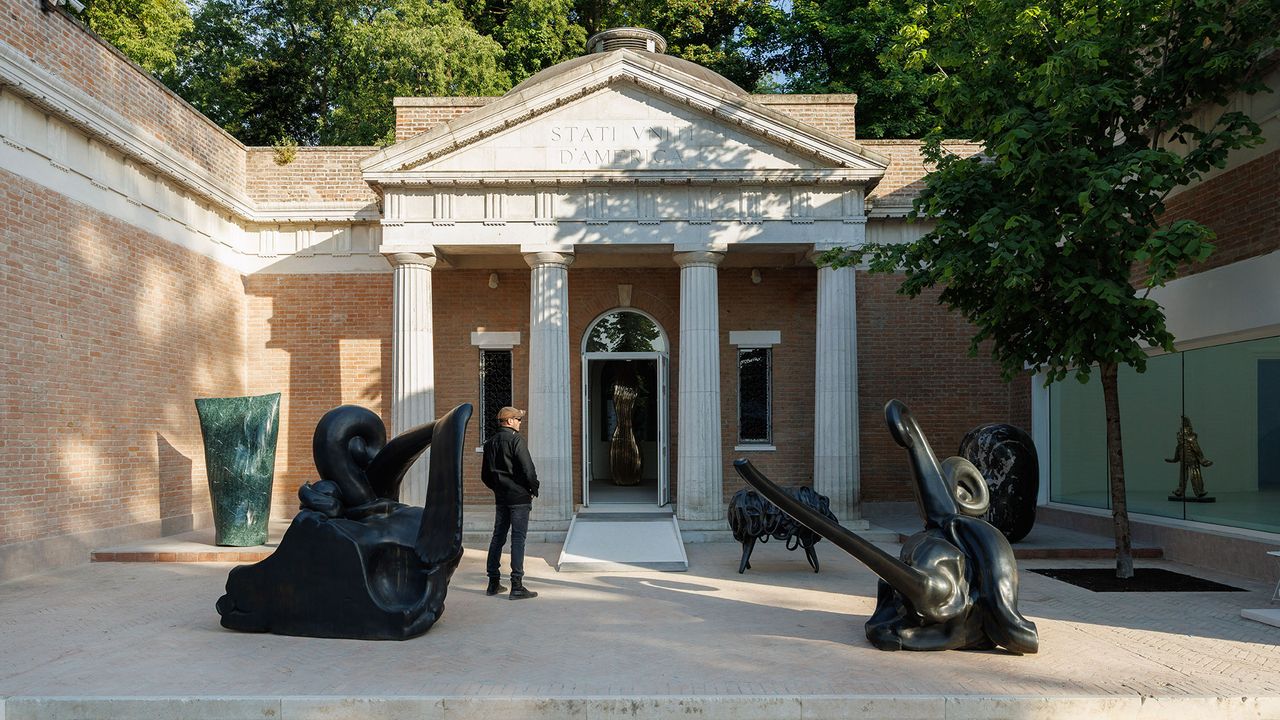
It’s the Most Controversial Venice Biennale in Years. Can the Art Stand Up to the Noise?

The 2026 Venice Biennale is embroiled in controversy, with the US Pavilion at the center of a political storm. The Trump administration's State Department overhauled the selection process, bypassing the usual NEA panel and commissioning a nonprofit, the American Arts Conservancy, to organize the pavilion. Artist Alma Allen, who accepted the invitation despite threats from galleries and curators, presents a show that critics find politically muted. The Biennale's jury resigned days before the opening, and annual prizes were canceled, adding to the turmoil.

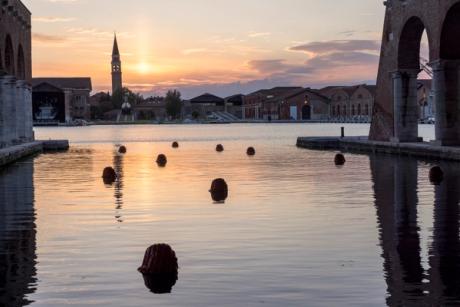
The Only Guide to This Year’s Venice Biennale You Will Ever Need

The 61st Venice Biennale opens amid significant turmoil. The entire jury of the International Art Exhibition resigned after a statement about withholding prizes from countries with leaders charged with crimes against humanity by the ICC, leading to the cancellation of the Golden Lion awards in favor of 'Visitors' Lions' to be given at the exhibition's end. The event has been further marred by the sudden death of artistic director Koyo Kouoh from liver cancer in early 2025, and the death of artist Henrike Naumann, who was set to debut work in the German pavilion. Additionally, the selection process for the American pavilion artist, Mexico-based sculptor Alma Allen, sparked controversy after a delayed grant application process.

More than 70 Venice Biennale artists withdraw from awards

More than 70 artists participating in the 2025 Venice Biennale have withdrawn from consideration for the Golden Lion awards, which this year will be decided by public vote. The artists, including Walid Raad, Laurie Anderson, and Yto Barrada, signed a statement published on e-flux on May 9, withdrawing in solidarity with the entire prize jury that resigned last month over a dispute regarding the participation of Israel and Russia. The Biennale management replaced the traditional jury-selected awards with a new "Visitor Lion" system where ticket holders can vote, but the Biennale has acknowledged that if any of the withdrawing artists win, they will not collect the award.

Art and politics clash at Venice Biennale, as world conflicts upstage exhibition's opening

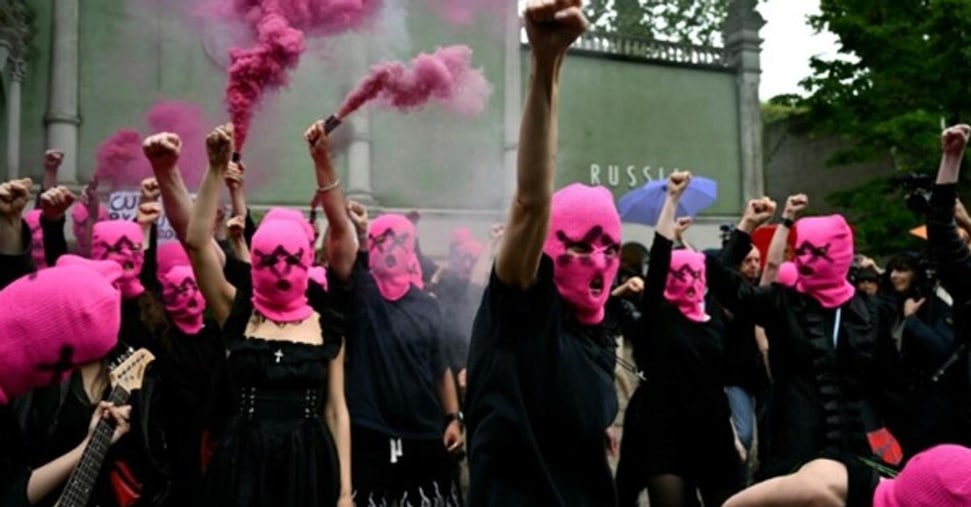
The 61st Venice Biennale, the world's most prestigious art exhibition, opens under unprecedented turmoil. For the first time, its vision was shaped by the late Cameroonian curator Koyo Kouoh, who centered artists from Africa and its diaspora. However, political conflicts over Russia and Israel have overshadowed the art. All five jurors resigned after the Italian culture minister investigated their decision to withhold prizes from Russia and Israel over alleged crimes against humanity. Protests erupted at the Russian pavilion, with Pussy Riot activists denouncing Russia's participation, while the Israeli pavilion artist threatened legal action over the jury's snub. The Biennale will proceed without a jury, with visitors voting for two awards, and the fate of the Golden Lion remains uncertain.

Venice Biennale Jury Resigns En Masse, Organizers to Award “Visitors’ Lions” in November

The jury for the 2026 Venice Biennale has resigned en masse, announcing the decision via e-flux's Instagram account on April 30 without providing a reason. The five-member jury, including president Solange Oliveira Farks, Zoe Butt, Elvira Dyangani Ose, Marta Kuzma, and Giovanna Zapperi, had previously stated they would not consider national pavilions from countries charged with crimes against humanity by the International Criminal Court, directly affecting Israel and Russia. In response, the Biennale postponed the awards ceremony from May to November 22 and replaced the Golden Lions with two "Visitors' Lions" voted on by the public.

Israeli Pavilion artist issued legal warnings before Biennale jury resignation

Belu-Simion Fainaru, the artist representing Israel at the 2026 Venice Biennale, issued legal warnings to the Biennale, the Italian Ministry of Culture, and the Italian Prime Minister’s office after the Golden Lion jury announced it would not consider pavilions from countries whose leaders are charged with crimes against humanity by the International Criminal Court, including Israel and Russia. Fainaru’s legal threats cited alleged antisemitism and nationality-based discrimination. Shortly after, the Biennale jury resigned, prompting organizers to postpone the awards ceremony to the closing day and replace the Golden and Silver Lions with two 'Visitors’ Lions' voted on by attendees, with all national participations eligible.

Art Biennale: artists reject the popular jury

Fifty-two artists and curators, along with sixteen National Participants of the 61st Venice Art Biennale, have withdrawn from the newly introduced 'Lions of the Visitors' (People's Prizes) competition. The boycott follows the resignation of the jury appointed by artistic director Koyo Kouoh, who died in 2025, and is a protest against the inclusion of Russia and Israel in the prize—countries initially excluded by the international jury. The controversy escalated after Italian Minister of Culture Alessandro Giuli publicly opposed the Biennale president Pietrangelo Buttafuoco's decision to allow Russia's participation, drawing in the European Commission and even Ursula von der Leyen, who warned of potential sanctions violations. The signatories include artists and curators from France, Belgium, Luxembourg, Turkey, Switzerland, Spain, the Netherlands, and several other nations.

The Biennale releases the rules for voting on the Visitors' Lions while many artists and pavilions renounce competing for the prizes

La Biennale diffonde il regolamento per votare i Leoni dei Visitatori mentre molti artisti e padiglioni rinunciano a concorrere ai premi

The 61st Venice Biennale has opened to the public, introducing a controversial new voting system for the Golden Lions. After the entire jury resigned en masse on April 30, the Biennale decided to let the public decide the winners of the so-called "Leoni dei Visitatori" (Visitors' Lions). Voting is open from May 9 to November 22, 2026, and requires ticket holders to visit both main venues (Giardini and Arsenale) to receive a voting link. One vote per person is allowed for each of two categories: an artist in the main international exhibition "In Minor Keys" curated by Koyo Kouoh, and a national pavilion.

Are the Visitors' Lions at the Venice Biennale an Opportunity for Art Criticism? Let's Seize It?

I Leoni dei Visitatori alla Biennale di Venezia sono un’opportunità per la critica d’arte. Cerchiamo di coglierla?

The article discusses the newly instituted "Leoni dei Visitatori" (Visitors' Lions) at the Venice Biennale, established after the resignation of the International Jury. The author, Alberto Villa, argues that this change shifts significant influence to art media and critics, as visitors will rely on reviews and recommendations from specialized magazines, websites, and social media to decide which pavilions to prioritize. Villa calls on critics to embrace this responsibility with heightened critical rigor, seeing it as an opportunity to revive the mediating role of art criticism.

What Did the Golden Lion Die Of? On Judgment and Disavowal at the Venice Biennale

The international jury of the 61st Venice Biennale announced it would exclude from prize consideration countries whose leaders are charged with crimes against humanity by the International Criminal Court, specifically targeting Russia and Israel. This prompted the Italian culture minister to send inspectors to the Biennale's offices, leading the jury to resign. The Biennale then replaced the Golden Lion with "Visitors' Lions" prizes voted by ticket-holders, immediately making Russia and Israel eligible again. The article traces this crisis to the Biennale's historical structure under Mussolini's 1930 Royal Decree, which established the national pavilion system as a diplomatic concession system designed to serve state power, and notes the recent acceptance of a €50 million donation from Qatar for a new permanent pavilion in the Giardini.

Jury for Venice Biennale's art prize resigns after refusing to recognise Israeli, Russian artists

The international jury of the 61st Venice Biennale art exhibition resigned just over a week before the May 9 prize ceremony, after announcing they would not consider artists from countries whose leaders face International Criminal Court charges—an apparent reference to Russia and Israel. The jury included president Solange Farkas, Zoe Butt, Elvira Dyangani Ose, Marta Kuzma, and Giovanna Zapperi. In response, the Biennale established two Visitors’ Lions to be awarded by ticket-holder vote, postponed the awards to November 22, and reaffirmed that all national participations remain eligible, effectively reinstating Russian and Israeli artists.

Biennale, rules announced for Visitor's Lion. But dozens of artists withdraw

The Venice Biennale has announced the voting rules for the new Visitors' Lion awards, which replace the traditional Golden Lions after the original jury resigned before the opening. On the same day the popular voting opened, dozens of artists from the central exhibition 'In Minor Keys' and several National Pavilions announced their withdrawal from the competition in solidarity with the resigned jury, releasing a statement via e-flux on May 9, 2026. The voting system requires visitors to have attended both the Giardini and Arsenale venues, with anonymous voting open until November 22, 2026.

How the Venice Biennale imploded over Israel

The 61st Venice Biennale, scheduled to open on May 9, has been thrown into turmoil after its International Jury announced that national pavilions and artists representing countries whose leaders are charged with crimes against humanity by the International Criminal Court will not be eligible for prizes. This excludes Israel, represented by sculptor Belu-Simion Fainaru, and Russia from competing for the Golden Lion. The decision follows an open letter signed by hundreds of artists and curators demanding Israel's exclusion over the war in Gaza, and comes amid ongoing geopolitical tensions, including Russia's absence from previous editions after its invasion of Ukraine. The Biennale's theme, 'In Minor Keys,' curated by the late Koyo Kouoh, aimed to focus on dignity and listening to marginalized voices, but the prize ban has sparked accusations that identity politics are overshadowing artistic merit.

Two Visitors’ Lions have been established for the Biennale Arte 2026

La Biennale di Venezia has announced the establishment of two Visitors' Lions for the 61st International Art Exhibition, following the resignation of the International Jury appointed by curator Koyo Kouoh. The awards ceremony, originally scheduled for May 9, has been moved to November 22, the final public day, echoing a similar shift during the 2021 Architecture Exhibition due to COVID-19. The Visitors' Lions will be voted on by ticket holders who visit both exhibition venues between May 9 and November 22, with one award for the Best Participant in the exhibition "In Minor Keys" by Koyo Kouoh and another for the Best National Participation.

Jury of the Venice Biennial resigns, Russia and Israel return to Award Contention

The five-member international jury of the 61st Venice Biennale, led by Brazilian curator Solange Farkas, has resigned effective April 30, 2026. The jury—comprising Solange Oliveira Farkas, Zoe Butt, Elvira Dyangani Ose, Marta Kuzma, and Giovanna Zapperi—announced their resignation in a written statement, referencing a prior Statement of Intention issued on April 22. In response, La Biennale di Venezia postponed the Awards Ceremony from May 9 to November 22, the final public day, and introduced two new "Visitors' Lions" awards—one for the Best Participant in the main exhibition "In Minor Keys" by Koyo Kouoh, and one for the Best National Participation—to be decided by ticket-holder vote.