
filter_list Showing 3 results for "Whistler show" close Clear
search
dashboard All 3 museum exhibitions 3
date_range Range Today This Week This Month All
Subscribe

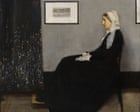
‘America’s Mona Lisa’: how chance, genius and cheap paint made the masterpiece Whistler’s Mother

James Abbott McNeill Whistler's iconic painting of his mother, Anna, known as 'Whistler’s Mother' or 'Arrangement in Grey and Black No 1', is returning to London for the first time in nearly two generations as part of a Tate Britain exhibition. The article recounts how the portrait was painted in 1871 in Whistler's Chelsea studio during a low point in his career, using cheap paint and a used canvas after a young sitter canceled. The author, who restored the painting for the Musée d'Orsay, details the work's accidental genesis, Whistler's radical minimalist aesthetic, and the initial critical confusion it caused.

The Top Exhibitions To See In London: May 2026

London’s art scene prepares for a major influx of high-profile exhibitions in May 2026, headlined by a comprehensive survey of Francisco de Zurbarán at the National Gallery and the grand opening of the Quentin Blake Centre for Illustration in Clerkenwell. Other significant highlights include a sprawling outdoor installation of Henry Moore’s monumental bronzes at Kew Gardens, the debut of the 'Rising Voices' contemporary art exhibition at the newly opened V&A East, and a rare European retrospective of James McNeill Whistler at Tate Britain featuring the iconic 'Whistler's Mother'.

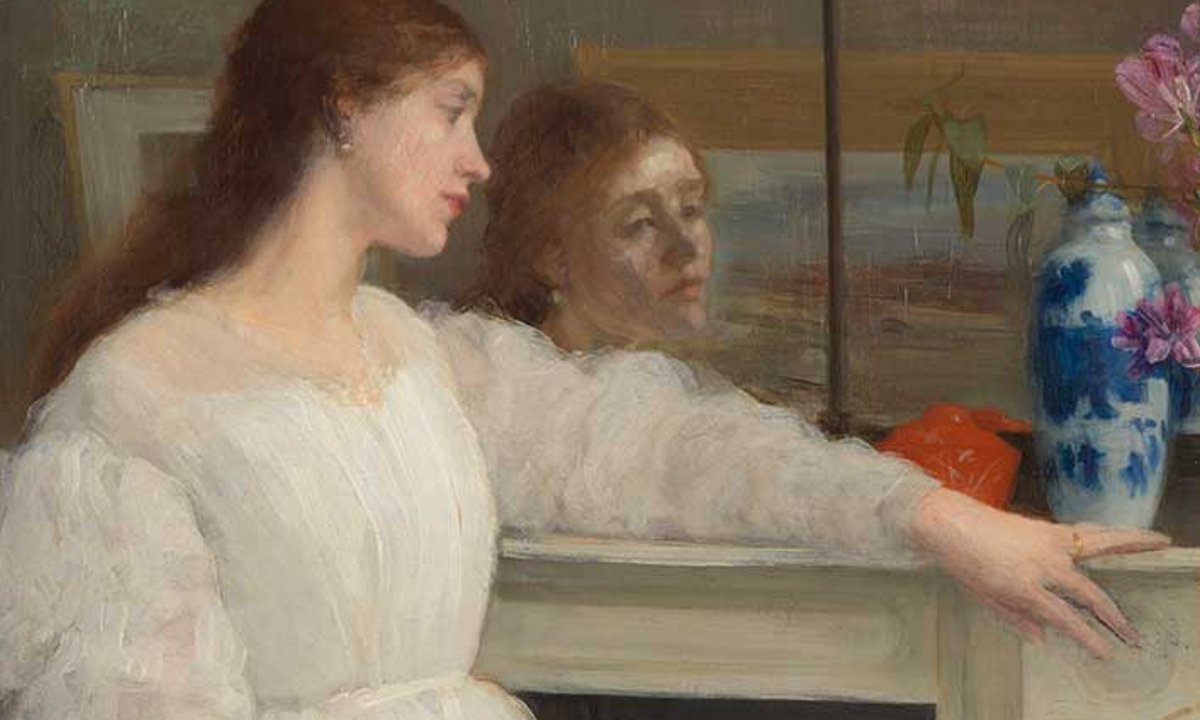
James McNeill Whistler was more than just a combative ‘coxcomb’

Carol Jacobi, curator of a new exhibition at Tate Britain in London, aims to reframe the legacy of James McNeill Whistler (1834-1903), an artist often reduced in public memory to his 1877 libel lawsuit against critic John Ruskin. The show, the UK's first full Whistler survey since 1994, highlights his prolific output, evolving style, and belief that art should seek "a more fundamental beauty" beyond mere impression. It brings together many of his celebrated nocturnes and, for the first time, his sketchbooks, though the infamous Nocturne in Black and Gold: The Falling Rocket (1875) could not be loaned.