filter_list Showing 15 results for "World War I" close Clear
dashboard All 15 museum exhibitions 7gavel restitution 5article culture 1article local 1trending_up market 1
date_range Range Today This Week This Month All
Subscribe

France Passes Landmark Restitution Law for Looted Art

France has passed a landmark restitution law for looted art, marking a significant shift in the country's approach to addressing Nazi-era confiscations and colonial-era acquisitions. The legislation establishes a legal framework for returning artworks and cultural objects to their rightful owners or heirs, streamlining a process that previously required case-by-case parliamentary approval. This law is expected to accelerate the return of thousands of items held in French museums and public collections.

Tiny Cranach Painting That Vanished During WWII Returns to Dresden

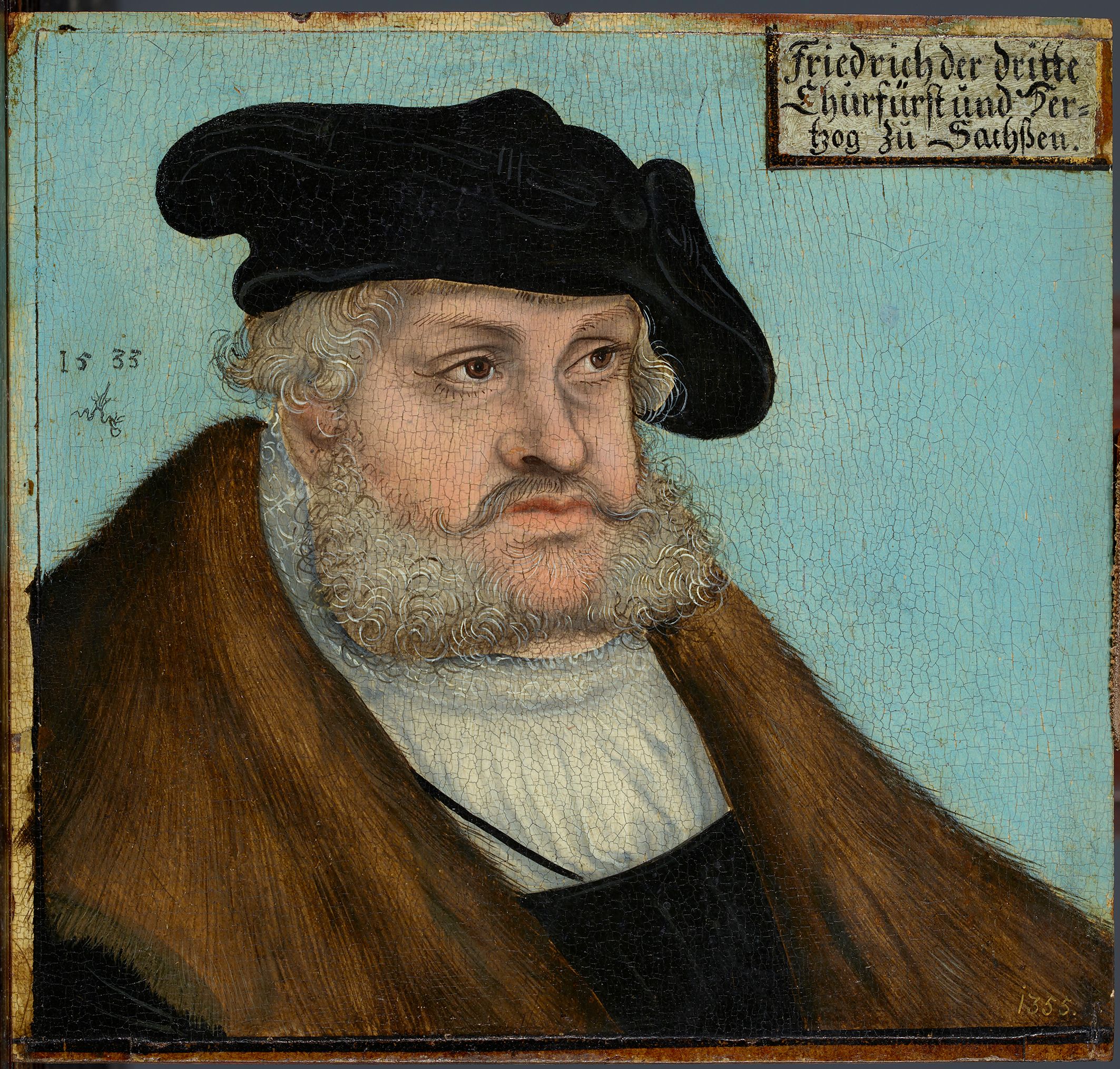
A miniature portrait of Friedrich III (Frederick the Wise) by Lucas Cranach the Elder, missing since World War II, has been returned to the State Art Collections of Dresden, Germany. The painting was last documented in May 1945 in a limestone quarry shelter near Pockau-Lengefeld before vanishing. It resurfaced in 2024 when consigned to Parisian auction house Artcurial, whose provenance investigation revealed a matching inventory number from 1722–1728. The Dreyfus family in France, the modern owners, returned the work after negotiations and a financial agreement. It is now on view at the Coin Cabinet of the Royal Palace in a special exhibition marking the 500th anniversary of Friedrich III's death, and will later be permanently displayed in the Semper Gallery.

Alain Passard's Art Recipe: Monet's Sublime 'Water Lilies' Invade the Plate

La recette d’art d’Alain Passard : les sublimes « Nymphéas » de Monet s’invitent dans l’assiette

Chef Alain Passard shares a recipe inspired by Claude Monet's "Nymphéas" (Water Lilies) series, connecting the painter's obsessive depictions of his Giverny water garden to a spring consommé decorated with flower petals. The article recounts Monet's move to Giverny in 1883, his creation of a water garden, and his decades-long focus on painting the pond's surface, light, and reflections—culminating in the immersive panoramic panels gifted to France in 1918 and now housed at the Musée de l'Orangerie in Paris.

A Lucas Cranach the Elder Masterpiece Once Hung in Hitler’s Munich Apartment

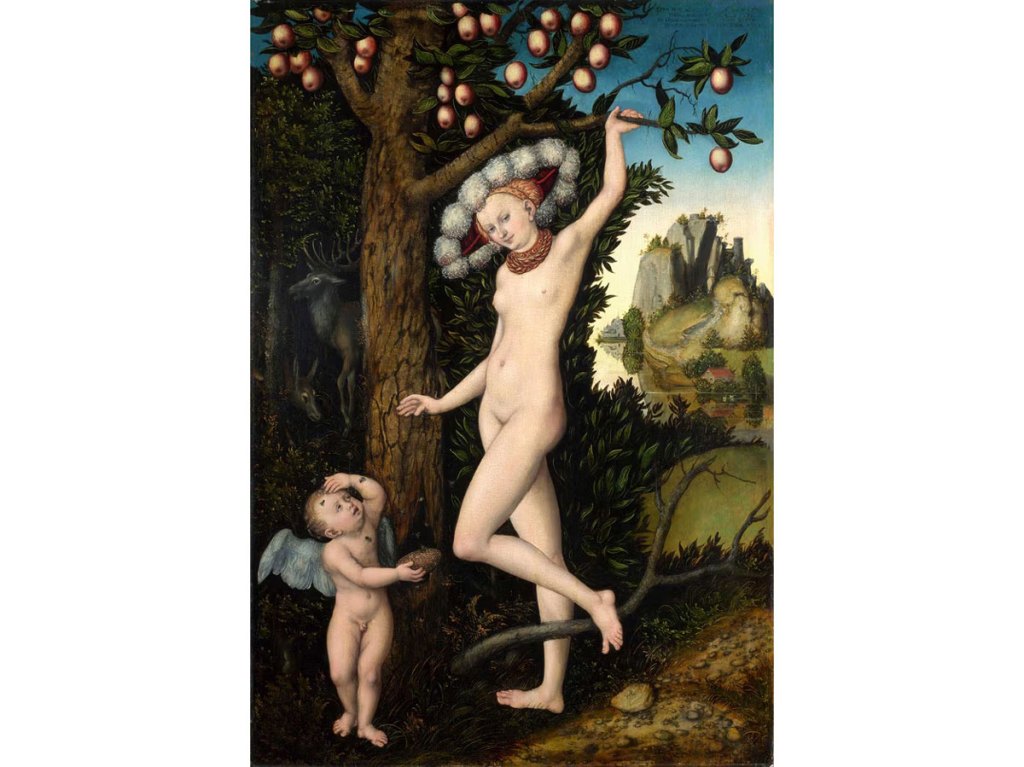
A Lucas Cranach the Elder painting, *Cupid complaining to Venus* (1526–27), once hung in Adolf Hitler's Munich apartment, according to a report by the Art Newspaper. The work was identified in a 1940s photograph published in a 1978 furniture catalog and later in a 2023 article by art historian Birgit Schwarz, who confirmed Hitler's ownership via a 2006 discovery of an album at the Library of Congress. After World War II, American journalist Patricia Lochridge took the painting from a warehouse in Berchtesgaden and smuggled it to the US. The National Gallery in London acquired it in 1963 from A. Silberman Galleries, which falsely claimed it came from the 1909 auction buyer's heir; it had actually been purchased from Lochridge.

Un grand dessin de Beckmann pour Stuttgart

The Staatsgalerie Stuttgart has acquired a monumental drawing by Max Beckmann titled *Resurrection*, measuring nearly five meters long and three and a half meters high. Executed between 1916 and 1918, it is the largest painting by the artist and a key work in his oeuvre, created after his traumatic experience as a volunteer medical orderly in World War I. Beckmann described the piece as expressing 'the terrifying cry of pain of deceived poor humanity,' marking a shift toward a new formal vocabulary influenced by the war.

Drained, Drowning, and Decay: The Best National Pavilions at the Venice Biennale

The 2026 Venice Biennale is defined by themes of ruin and decay, with standout national pavilions exploring bodily, infrastructural, and archaeological collapse. The Slovenian Pavilion features the Nonument Group repurposing materials from past Biennales into a ruin of a mosque for Bosnian Muslim soldiers from World War I. Syria presents its first national pavilion since the Civil War, with Sara Shamma invoking Palmyra, destroyed by ISIS. Germany's pavilion, titled "Ruin," features works by Henrike Naumann (who died in February) and Sung Tieu, questioning the pavilion's fascist architecture and nationalist residue. The Austrian Pavilion, curated by Florentina Holzinger, offers a visceral performance titled "Sea World." The Biennale is also marked by the abrupt resignation of its five-member jury, who refused to consider nations charged with crimes against humanity, leading to awards being chosen by public vote. Additionally, the main exhibition "In Minor Keys" was affected by the death of its curator, Koyo Kouoh.

In This Nazi-Era Restitution Dispute, the Focus Turns to a Missing Cow

A family is seeking restitution of a painting they believe is a lost Rubens work, looted by Nazis during World War II. However, an expert has cast doubt on the claim, arguing the painting is a copy because it lacks a distinctive detail found in the original: a urinating cow. The dispute has shifted focus to this missing element, complicating the family's efforts to recover the artwork.

Musée d’Orsay opens gallery dedicated to still-unclaimed works stolen by Nazis in WWII

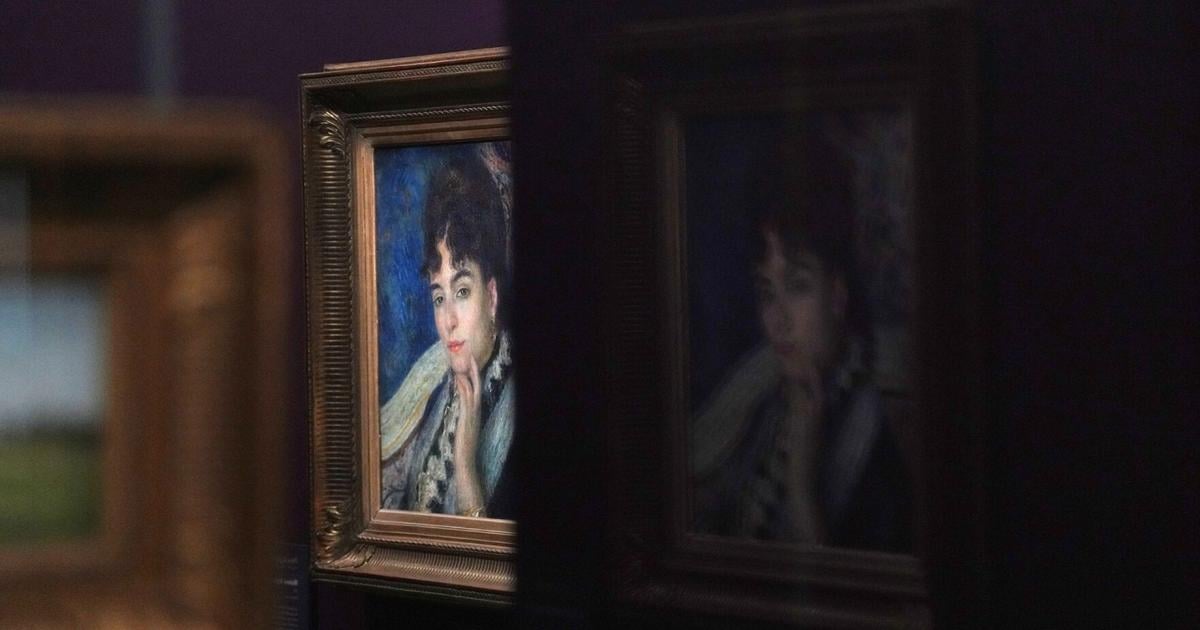
The Musée d'Orsay in Paris has opened a permanent gallery dedicated to artworks believed to have been looted by the Nazis from Jewish owners during World War II, but whose rightful owners have not been identified. The exhibition, titled "Who owns these works?", features a rotating selection of 225 such pieces held by the museum, with twelve paintings and one sculpture currently on display. Works by Renoir, Degas, Rodin, and Alfred Stevens are included, alongside provenance research detailing their murky histories—such as a Degas ballroom scene acquired by a Jewish collector later murdered at Auschwitz.

‘Your homes will be destroyed, your family killed’: the US has dropped millions of war propaganda leaflets – but do they work?

The United States military has been dropping propaganda leaflets in psychological operations (psyops) for over a century, from World War I through the Gulf War and the wars in Iraq and Afghanistan. A new interactive exhibit at Pioneer Works in Brooklyn, organized by the digital archive group Khajistan, displays hundreds of these leaflets, including those dropped on Japan during World War II and in more recent conflicts. However, declassified internal documents, such as a 1971 US Air Force report, reveal that leaflets were often used as toilet paper, cigarette rolling paper, or souvenirs by enemy soldiers, undermining the official narrative of their effectiveness.

There's still a time to catch Matisse's "Jazz" at the Art Institute of Chicago

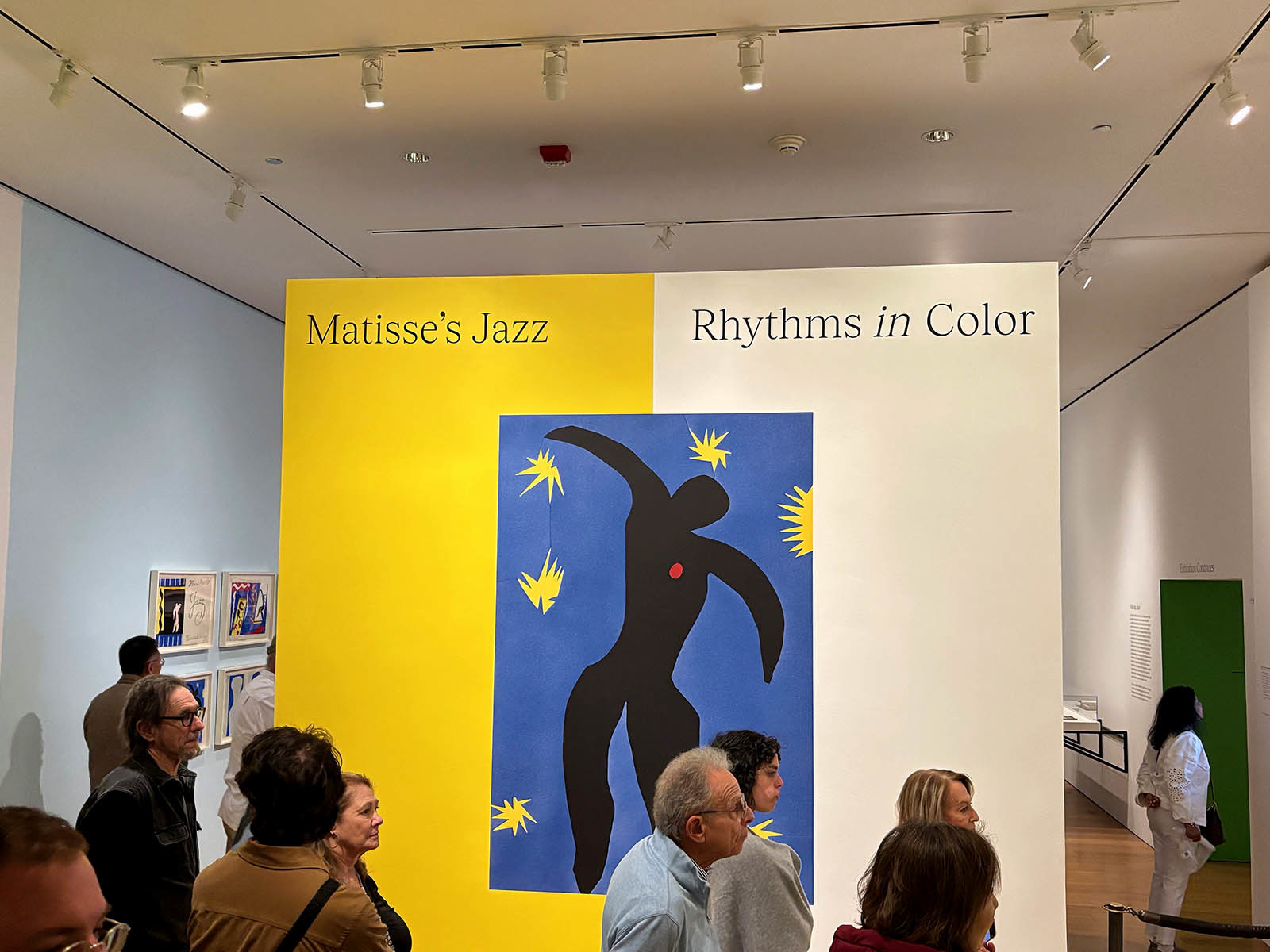
The Art Institute of Chicago is currently hosting "Matisse's Jazz: Rhythms in Color," an exhibition centered on Henri Matisse's 1947 artist's book "Jazz." The show, on view until June 1, features the iconic cut-paper works Matisse created after a 1941 surgery left him unable to paint. Visitors enter directly into the "Jazz" gallery before backtracking through earlier works, offering a chronological journey that culminates in the cut-paper technique. Wait times can exceed 90 minutes, but the museum recommends joining a virtual queue and exploring other galleries in the meantime.

WA’s Maryhill Museum of Art has ties to royalty, celebrates milestone

The Maryhill Museum of Art in Goldendale, Washington, is celebrating the 100th anniversary of its dedication by Queen Marie of Romania. Founded by entrepreneur Samuel Hill in 1907, the museum houses an eclectic collection including over 80 works by Auguste Rodin, French haute couture fashions, and thousands of Indigenous art objects. To mark the centennial, the museum has opened three new exhibitions highlighting Queen Marie's contributions: Russian icons, Romanian embroidery, and folk pottery, alongside her personal items like coronation gowns and gilded furniture.

Nazi-Looted Portrait Surfaces in Home of Descendants of Dutch SS Leader

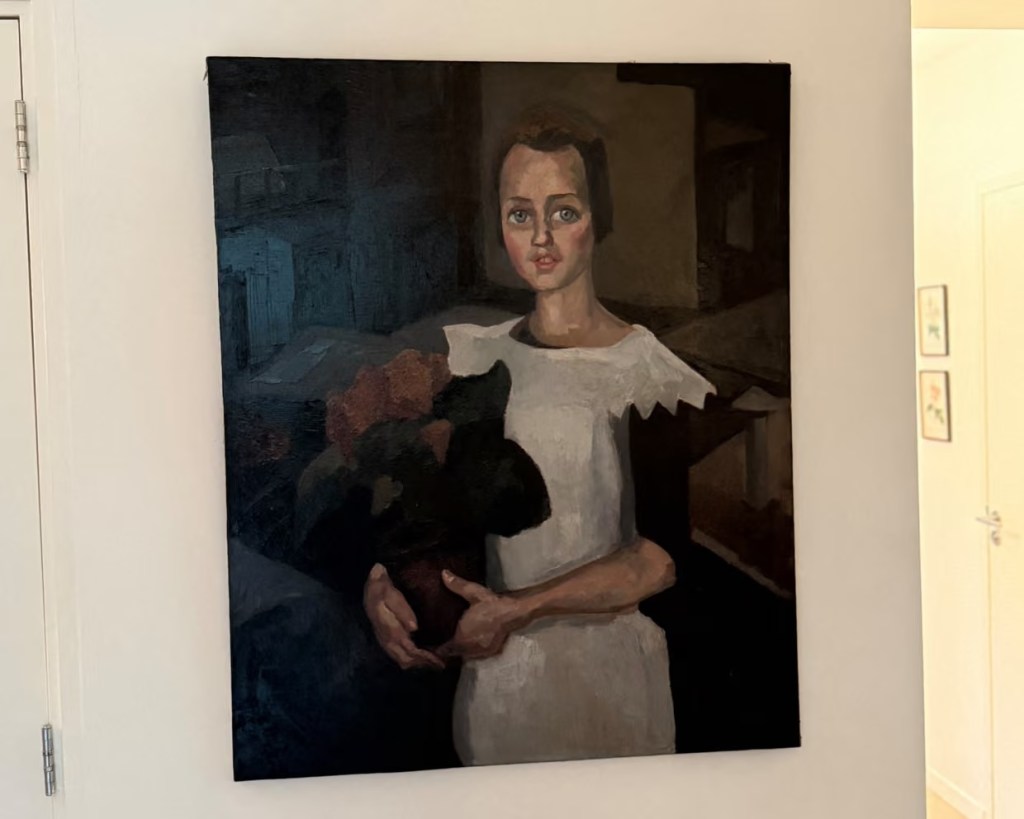
A Nazi-looted painting, *Portrait of a Young Girl* by Dutch artist Toon Kelder, has been discovered in the home of descendants of Hendrik Seyffardt, a Dutch SS collaborator who aided the Nazis during World War II. The work, stolen from the renowned Goudstikker collection, was allegedly displayed for decades by Seyffardt's family. An anonymous descendant contacted art detective Arthur Brand after learning of his family's past and seeing the painting in the hallway of Seyffardt's granddaughter. The family member told Dutch newspaper *De Telegraaf* that he feels "deep shame" and insists the painting must be returned to the Jewish rightful heirs.

Au musée de l’Image d’Épinal, les talents multiples de Frans Masereel, entre autres inventeur du roman graphique

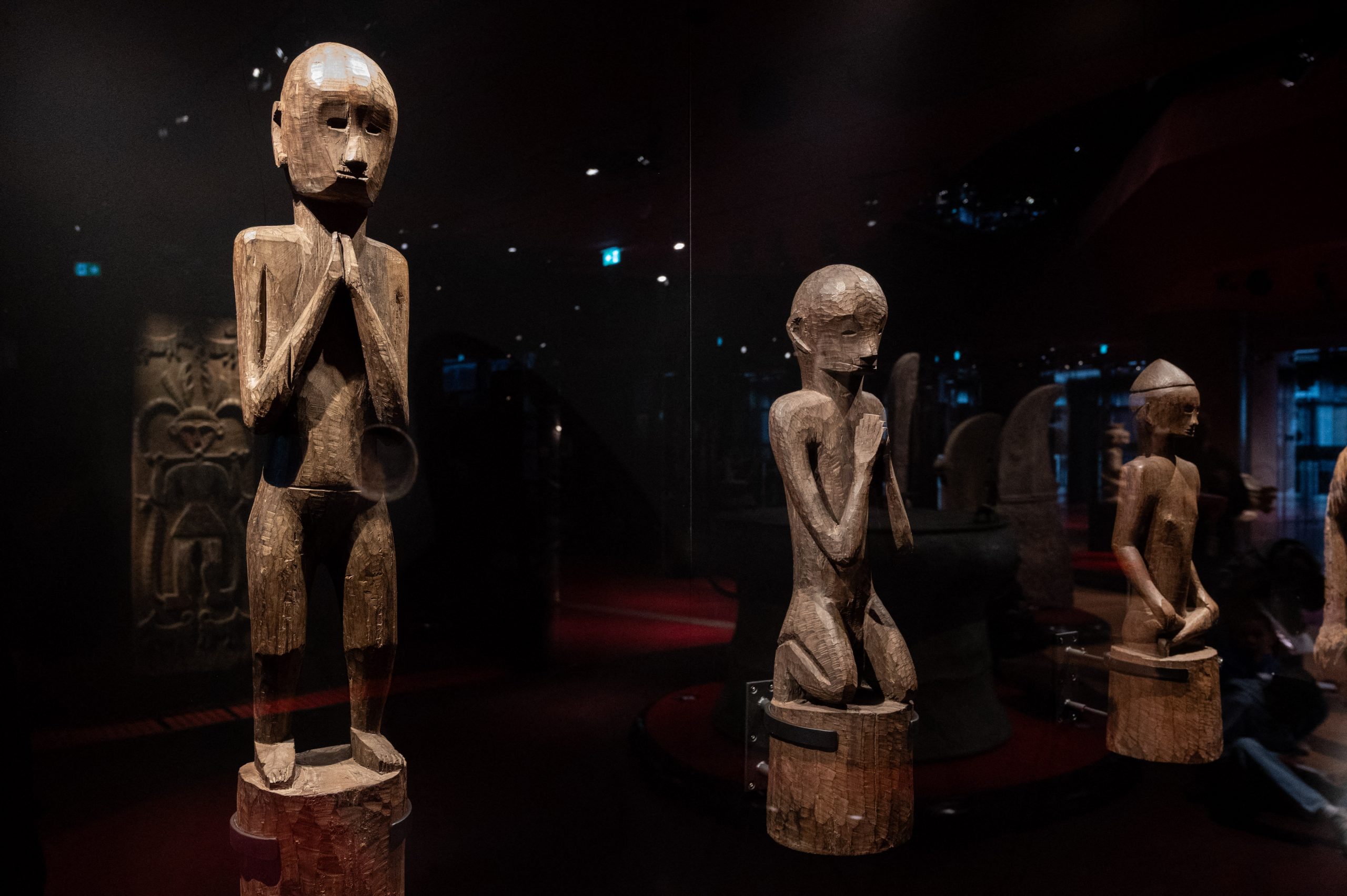
The Musée de l'Image d'Épinal is presenting a comprehensive exhibition on Belgian artist Frans Masereel (1889–1972), widely credited as the inventor of the graphic novel in 1918 with his wordless narratives composed of black-and-white woodcuts. The show, curated by Samuel Dégardin, brings together loans from major institutions and a private collection to reveal the full breadth of Masereel's practice, which spanned drawing, animation, painting, theater, ceramics, tapestry, and satirical press illustration. It highlights his pacifist activism during World War I, his collaborations with writers such as Stefan Zweig and Romain Rolland, and his humanist vision of a unified Europe.

In SF, a gallery transformed into an immense, red web of memory

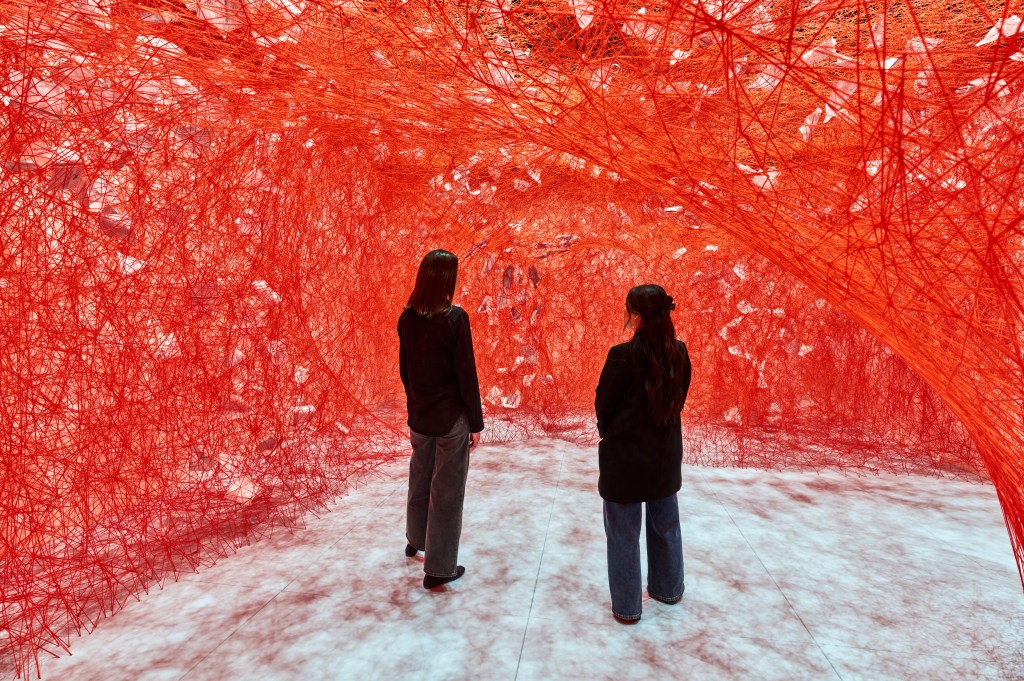
The Asian Art Museum in San Francisco has opened "Chiharu Shiota: Two Home Countries," the first solo museum exhibition in the Bay Area for the Berlin-based Japanese artist. The centerpiece is "Diary," an 88-foot-long network of blood-red yarn that incorporates pages from diaries of Japanese soldiers and German citizens from World War II, creating an immersive web of memory. The exhibition also includes a crimson dress unraveling into cords, set designs for a theatrical psycho-drama, performance videos, and paper works reflecting on the artist's experience as a cancer survivor.

The Museum of the Surrender of Reims Reopens After a Year of Renovations

Le Musée de la Reddition de Reims rouvre ses portes après un an de travaux

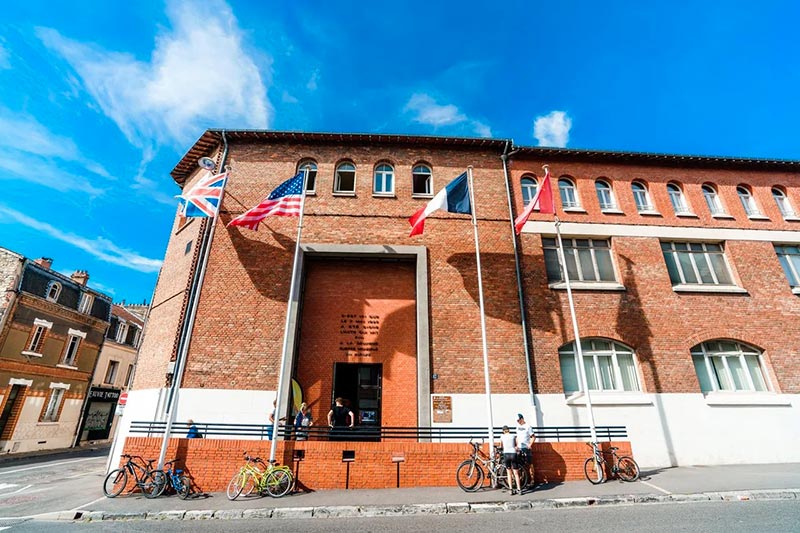
The Musée de la Reddition de Reims (Museum of the Surrender of Reims) reopened on May 7, the 81st anniversary of the German surrender signed in its map room, after a year-long closure. The renovation, costing approximately €2 million, focused on conservation: protective glazing, improved ventilation and lighting, and anoxic treatment of collections to halt degradation of original maps, documents, and war room objects. The museum also overhauled its scenography, designed by Belgian agency Kascen, to present a clearer chronological narrative covering the occupation, Allied presence in Reims, liberation, postwar reconstruction, and reconciliation, rather than just the surrender itself. The museum now displays 17 uniforms, 130 objects and weapons, and 65 archival documents, including the act of capitulation and General McAuliffe's jacket.