filter_list Showing 12 results for "anne boleyn" close Clear
search
dashboard All 12 museum exhibitions 5article news 5article culture 2
date_range Range Today This Week This Month All
Subscribe

Artists v fascists, Khmer Rouge horrors, fab flowers and an eye-popping nude – the week in art

This week's art roundup from The Guardian features a major exhibition at Towner Eastbourne titled 'Comrades in Art: Artists Against Fascism,' which examines how artists, poets, and intellectuals used their work to resist the rise of extremism in 1930s Europe, drawing on the history of the Artists International Association (AIA). Other highlights include 'Hidden: Photography and Displacement Under the Khmer Rouge' at The Wiener Holocaust Library in London, a show of early Netherlandish drawings at the British Museum, Katharina Grosse's colorful installations at White Cube, and a flower-themed survey at Kettle's Yard. The image of the week is Sylvia Sleigh's 1963 portrait 'The Bridge (Johanna Lawrenson),' part of a new exhibition of the Welsh artist's work. The article also covers news items such as Lydia Ourahmane's Venice Biennale installation, a Holbein portrait mystery, a restored stained-glass window by Edward Burne-Jones and William Morris, and Anish Kapoor's call to exclude the US from the Venice Biennale due to 'politics of hate.'

our favourite viral gen z marketing scripts 2560542

Museums and cultural institutions are participating in a viral social media trend where staff, often older guides or curators, deliver marketing scripts written entirely in Gen Z slang. The trend, which began with a video from England's Hever Castle in early September, has spread across TikTok and Instagram, with hundreds of organizations creating their own versions. Typical phrases include "no cap," "ate and left no crumbs," and "menty b," often accompanied by the "Millennial Pause" for comedic effect. The article highlights several examples, including the Poe Museum in Virginia and the New York Historical Society, and notes that the trend has expanded beyond the art world to include accountancy firms, donkey sanctuaries, and even the NYC Ferry.

AI Helps UK Researchers Identify Unknown Subject in Hans Holbein Drawing as Anne Boleyn

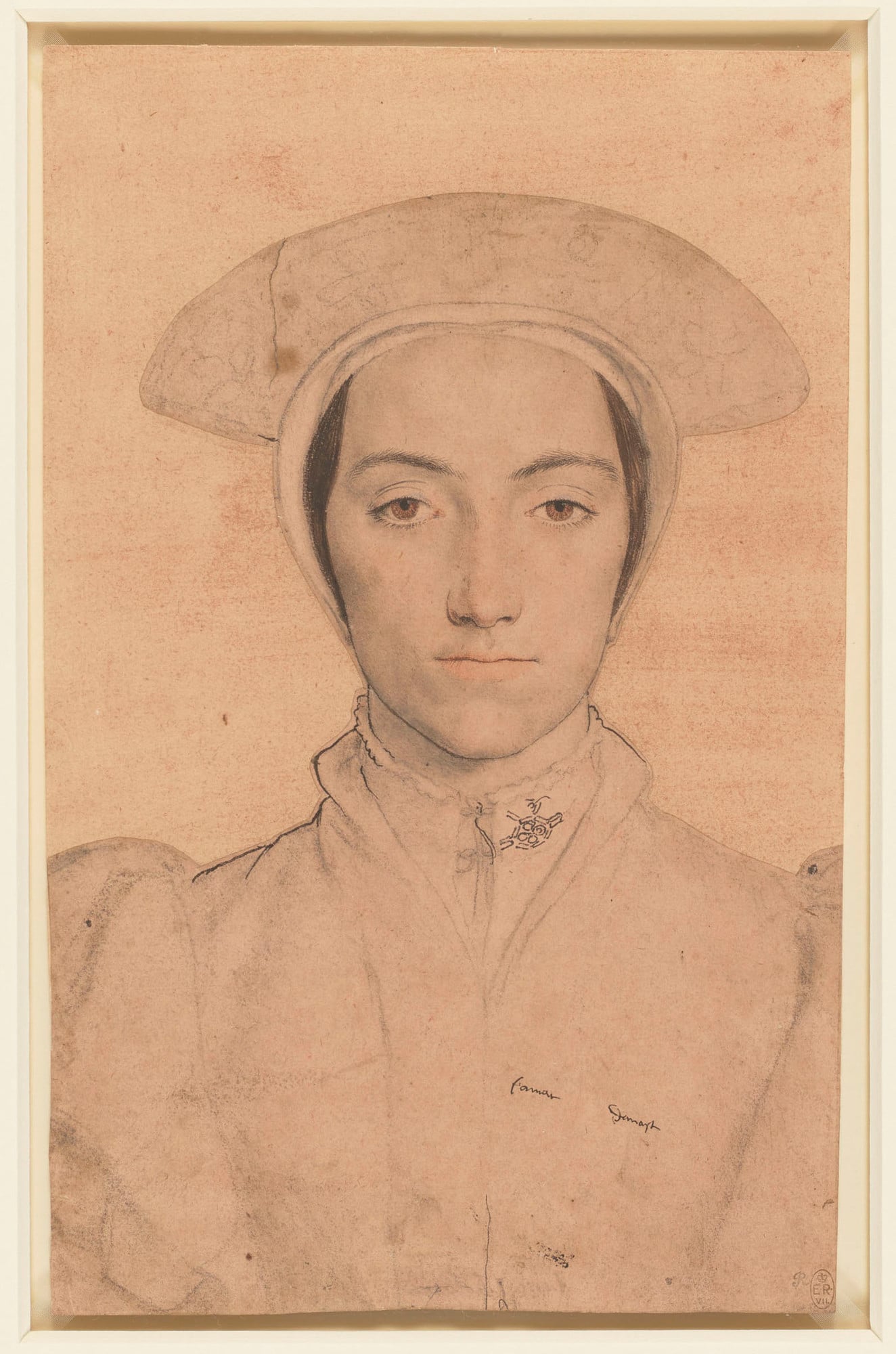
Researchers Karen L. Davies and Hassan Ugail used artificial intelligence facial recognition to analyze two Hans Holbein drawings from the Royal Collection Trust. Their study, published in npj Heritage Science, suggests that a portrait previously labeled as Anne Boleyn actually depicts her mother, Elizabeth Howard, while a drawing cataloged as an unidentified woman is the true likeness of Anne Boleyn. The findings challenge long-held identifications based on 18th-century inscriptions and align more closely with contemporary descriptions of Boleyn as slender with dark hair.

A.I. Identifies Holbein Drawing as Possible Portrait of Anne Boleyn

Researchers at the University of Bradford have used artificial intelligence to analyze preparatory drawings by Hans Holbein the Younger in the Royal Collection at Windsor Castle. The AI model, which previously identified a forgotten Raphael painting, suggests that a drawing long believed to depict Anne Boleyn actually shows her mother, Elizabeth Howard, while another drawing labeled "Unidentified Woman" likely portrays Anne Boleyn herself. The findings, published in Heritage Science, are based on biometric analysis of facial features, bone architecture, and proportional relationships, offering quantifiable evidence to resolve long-standing scholarly uncertainty about the sitters' identities.

anne boleyn portrait elizabeth i 2736805

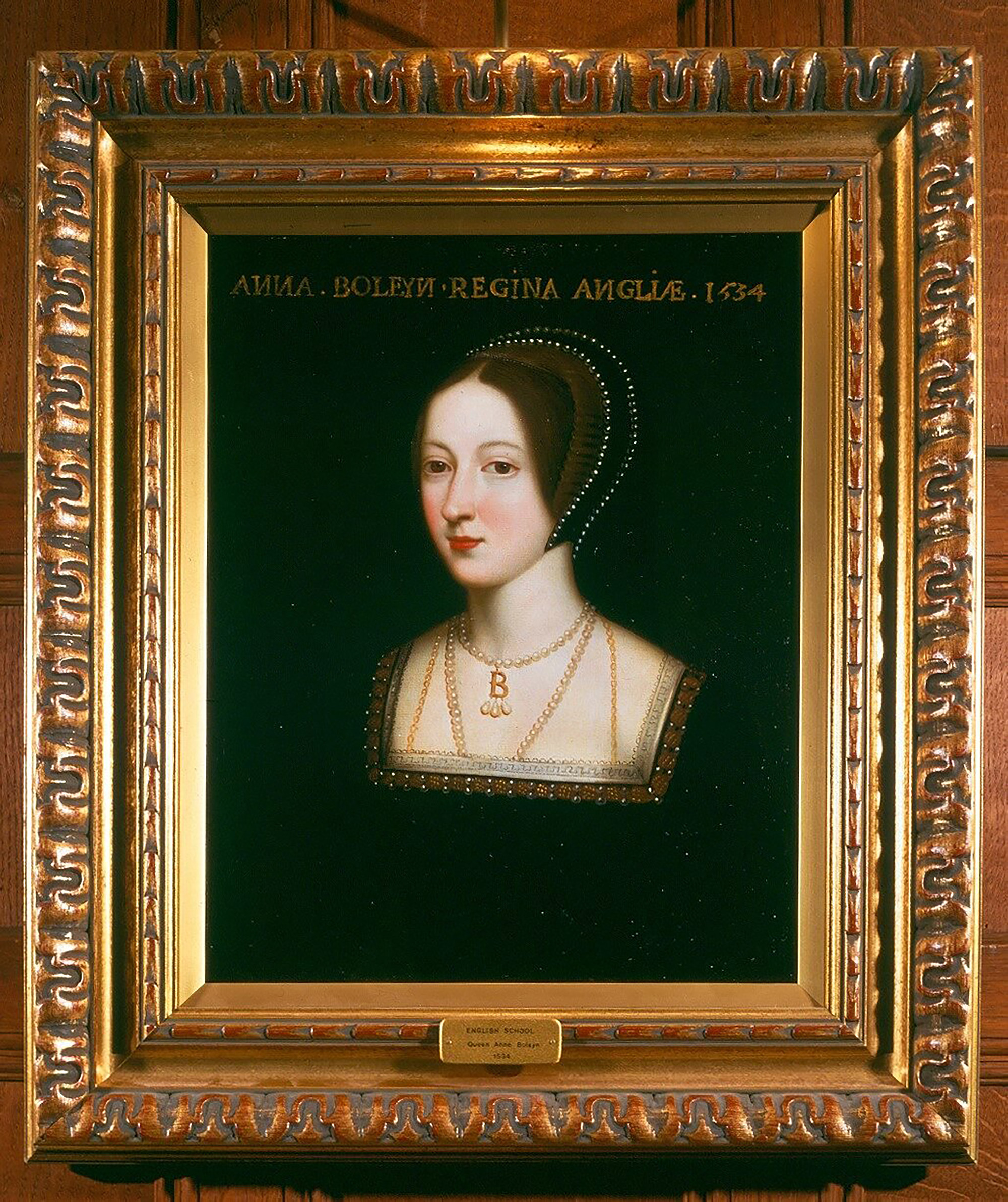
New research by Tudor historian Owen Emmerson suggests that the most famous portrait of Anne Boleyn, displayed at London’s National Portrait Gallery, actually depicts her daughter Queen Elizabeth I. Emmerson argues the late-16th-century painting was deliberately made to resemble Elizabeth I, reinforcing a legitimate Tudor succession. The theory is supported by comparisons with another portrait of Elizabeth at Compton Verney and by Lawrence Hendra of Philip Mould gallery. An upcoming exhibition at Hever Castle, "Capturing a Queen: The Image of Anne Boleyn," will present this and other evidence, alongside newly identified contemporaneous images of Boleyn, including a miniature from the British Museum and a drawing by Hans Holbein the Younger.

hans holbein tudor legacy 2722049

A new biography by art historian Elizabeth Goldring, titled "Holbein: Renaissance Master," traces the journey of German painter Hans Holbein the Younger from his humble beginnings in Augsburg to becoming the official painter of King Henry VIII in Tudor England. The book, already released in the U.K. and hitting U.S. bookshops on January 6, examines how Holbein's portraits—including the iconic image of Henry VIII and rival courtiers Thomas More and Thomas Cromwell—defined the visual legacy of the Tudor dynasty. Goldring highlights Holbein's ability to confer power through paint, with his works still shaping global perceptions of the Tudors centuries later.

Mystery sitter in Holbein portrait could be Anne Boleyn, AI analysis finds

Researchers using AI have analyzed two Renaissance sketches by Hans Holbein from the Royal Collection, known as the Windsor sketch and the Unidentified Woman. The AI model, developed by Professor Hassan Ugail at the University of Bradford, compared the entire Holbein corpus and found that the Unidentified Woman may actually be Anne Boleyn, while the Windsor sketch—long thought to depict Boleyn—may instead show her mother, Elizabeth Howard. The study suggests the works were incorrectly inscribed in the 1700s, leading to centuries of misidentification.

Anne Boleyn Exhibition at Hever Castle

anne boleyn hever castle 2746619

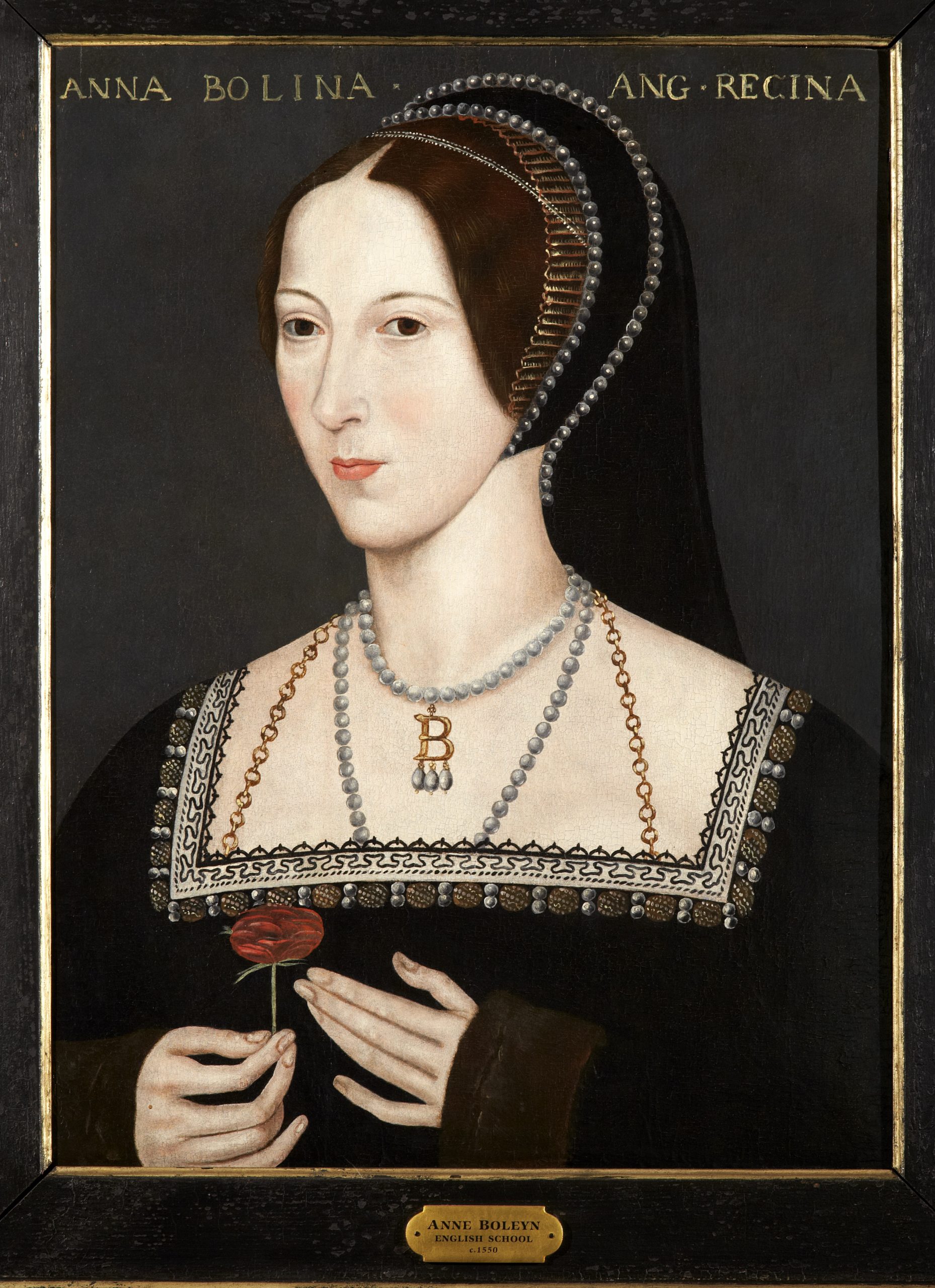
Hever Castle has launched "Capturing a Queen: The Image of Anne Boleyn," a landmark exhibition exploring the visual legacy of King Henry VIII’s second wife at her childhood home. The show brings together an unprecedented collection of portraits, woodcuts, and costumes to challenge the long-held myth that all contemporary likenesses of Anne were destroyed after her execution. Key highlights include infrared analysis of the 1583 "Rose" Portrait and research suggesting that some famous posthumous depictions actually blended her features with those of her daughter, Elizabeth I, to solidify Tudor legitimacy.

Twisting tale of ‘Henry VIII’s lost dagger’ to be told in London exhibition

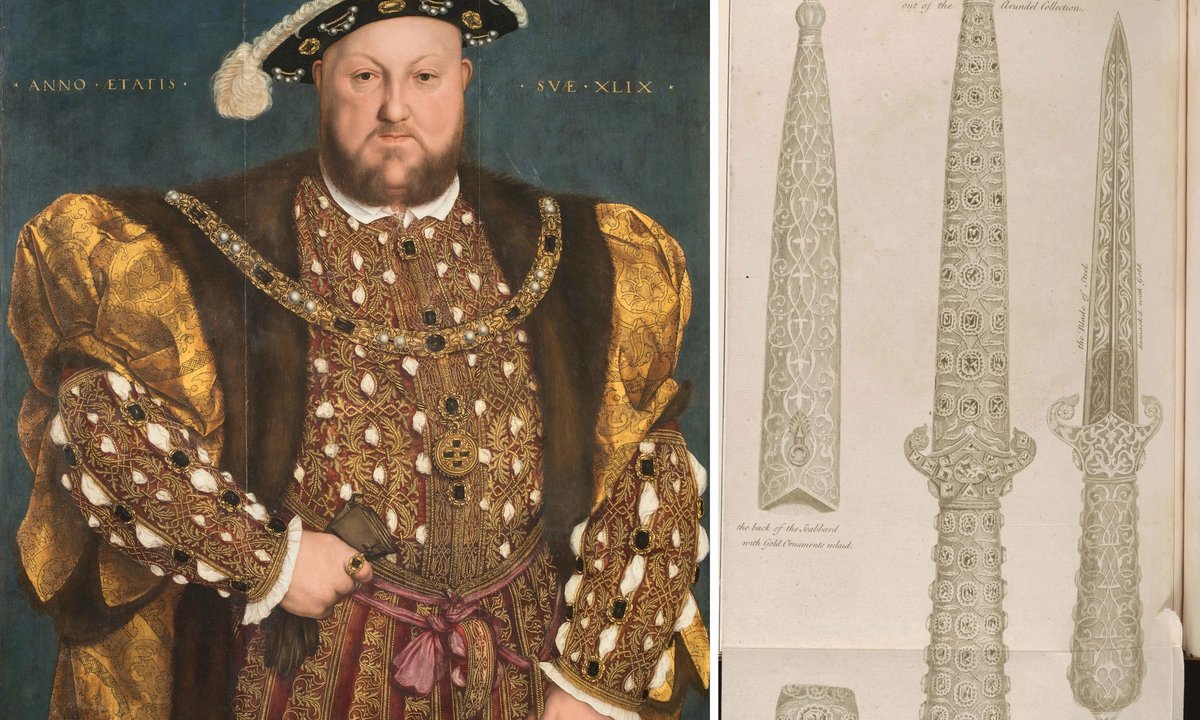
An exhibition opening at Strawberry Hill House in London on November 1 will explore the history of a jewel-encrusted Ottoman dagger long believed to have belonged to Henry VIII. Curator Silvia Davoli has uncovered that the dagger was actually made in late 16th-century Istanbul, decades after Henry's death, and was mistakenly attributed to the king by 18th-century engraver George Vertue. The dagger was owned by Horace Walpole, then passed through several hands before being stolen in a 1946 heist at Hever Castle, where it was kept by the Astor family. Though the original dagger remains missing, the exhibition will display two similar Ottoman daggers from Welbeck Abbey and Vienna's Kunsthistorisches Museum.

anne boleyn portrait sixth finger witchcraft rebuttal 2742210

Technical analysis of a 16th-century portrait of Anne Boleyn at Hever Castle has revealed that the artist deliberately reworked the queen's hands to clearly display five fingers. Using infrared reflectography and tree-ring dating, researchers determined the painting dates to 1583, during the reign of her daughter, Elizabeth I. This specific composition, known as the 'Rose' portrait, is now identified as the earliest scientifically dated panel portrait of the doomed queen.

anne boleyn portrait witch rumors 1234771856

A portrait of Anne Boleyn at Hever Castle in England has been revealed through infrared reflectography to have been altered to show her hands, countering rumors that she was a witch with six fingers. Tree-ring analysis dates the painting to around 1583, during the reign of her daughter Elizabeth I, making it the earliest known likeness of Boleyn. The underdrawing lacked hands, suggesting the unknown artist deliberately added them to rebut claims by Catholic activist Nicholas Sanders that Boleyn had six fingers.

Was This Anne Boleyn’s Seat? Rare 500-Year-Old Chair Linked to Tudor Queen

A rare, intricately carved wooden chair, potentially used by Anne Boleyn during her time in the French courts between 1510 and 1520, has been acquired and is now on display at Hever Castle. The chair was purchased by antiques dealer Paul Fitzsimmons from an online American auction in 2022, and its carvings—featuring dolphins, a Tudor rose, and the initials "AB" intertwined with a cordelière emblem of Queen Claude—suggest a strong link to the Tudor queen's early life.