filter_list Showing 15 results for "capodimonte" close Clear
search
dashboard All 15 museum exhibitions 5article policy 3article culture 2person people 2gavel restitution 2trending_up market 1
date_range Range Today This Week This Month All
Subscribe

painting female old master artemisia gentileschi sells 2 million

Artemisia Gentileschi's 17th-century painting 'Lucretia' sold for €1.88 million ($2 million) at Dorotheum's Old Master sale in Vienna, more than double its high estimate. The work, previously unseen in public, was acquired by an Australian collection, continuing a trend of strong auction results for the Baroque artist.

The Nearly Sixty-Year Career of Legendary Gallerist Enzo Cannaviello: A Wide-Ranging Interview

I quasi sessant’anni di carriera del leggendario gallerista Enzo Cannaviello. Intervista a tutto campo

Legendary Italian gallerist Enzo Cannaviello reflects on a career spanning nearly sixty years, marked by the opening of his ninth gallery space in Milan. The interview traces his journey from founding his first space in Caserta in 1968 to his influential years in Rome and his ultimate establishment in Milan, which he considers the only true art market in Italy. Cannaviello discusses his unwavering commitment to painting, his pivotal role in promoting the German Neo-Expressionists (Neue Wilde), and the current exhibition dedicated to Mimmo Rotella.

antonello da messina ecce homo

The Italian Ministry of Culture has acquired a rare double-sided Renaissance painting by Antonello da Messina, 'Ecce Homo; Saint Jerome in Penitence,' for $14.9 million in a private sale with Sotheby's New York. The work was withdrawn from a planned public auction, and its final institutional home is now the subject of a heated debate among major Italian museums and the artist's hometown.

museums of tomorrow roundtable 2025

The Fine Arts Museums of San Francisco (FAMSF) will host the 2025 Museums of Tomorrow Roundtable (MTR) from May 11-17, bringing together 14 global museum leaders and technology firms including Adobe, Anthropic, Bloomberg, and Salesforce. Participants include directors such as Marion Ackermann (Stiftung Preußischer Kulturbesitz), Stephanie Rosenthal (Guggenheim Abu Dhabi), Eike Schmidt (Museo di Capodimonte), Mami Kataoka (Mori Art Museum), and others, alongside Bay Area museum heads and AI artist Refik Anadol, who will speak in a free public program at the de Young Museum. The forum aims to bridge the museum and technology communities, exploring how advanced technologies can enrich operations and visitor experiences while supporting artists working with technology.

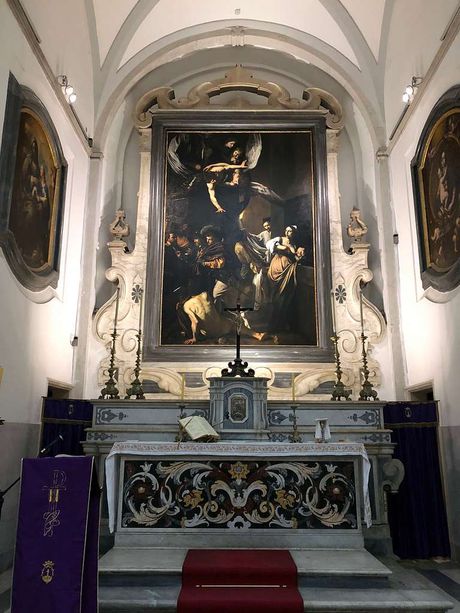
Comment | We must avoid amputating art in the name of preservation

The article recounts the author's experience viewing Caravaggio's *Seven Acts of Mercy* (1607) in its original chapel in Naples, where the painting's crowded, dramatic composition directly mirrors the chaotic streets of the city, revealing its sacred meaning through context. In contrast, the author describes Caravaggio's *Flagellation of Christ* (1607), moved from the church of San Domenico Maggiore to the Museo di Capodimonte for security reasons, as a painting "marooned"—its spiritual purpose broken, reduced to a mere object for aesthetic appreciation.

Art and Social Consciousness: The Ideals of Legendary Artist Joseph Beuys Told in a Comic

Arte e coscienza sociale: gli ideali del leggendario artista Joseph Beuys raccontati in un fumetto

A new graphic novel by Italian illustrator Gianluca Costantini explores the life and social ideals of the legendary German artist Joseph Beuys. The comic focuses on Beuys's final major work, 'Palazzo Regale' (1985), an environmental installation housed at the K20 museum in Düsseldorf, interpreting it as a synthesis of his belief in art as a transformative social force.

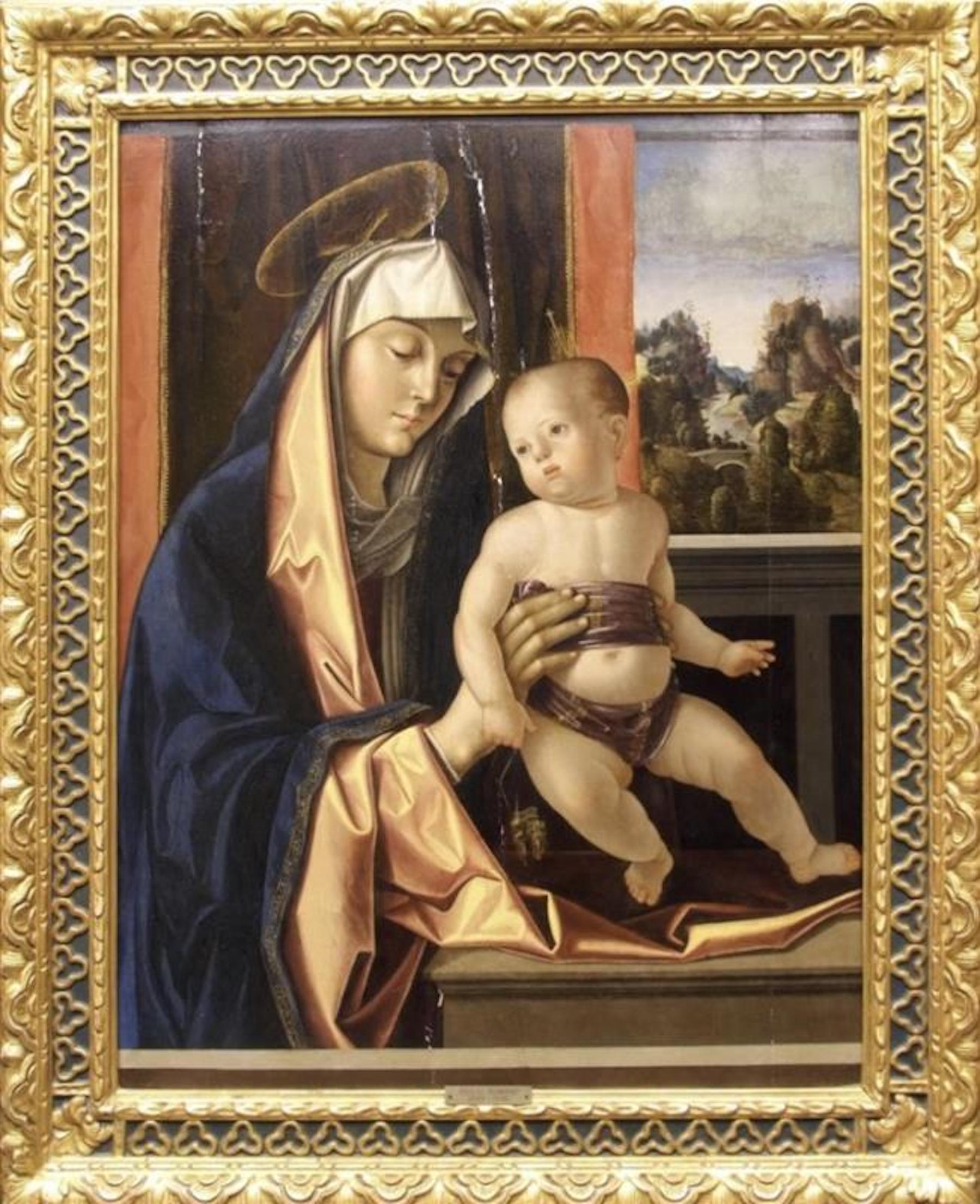
antonio solario stolen painting returned

A British woman, Barbara de Dozsa, has voluntarily returned a stolen Renaissance painting by Antonio Solario to the Civic Museum of Belluno in Italy, more than 50 years after it was stolen in a 1973 heist. The work, a Madonna and Child, was purchased by her late ex-husband, Baron de Dozsa, shortly after the theft and later inherited by her. Although UK law allowed her to keep it legally, she was persuaded by art recovery specialist Christopher Marinello to return it on moral grounds, citing the painting's status on the Interpol database and the museum's role as a guardian of cultural heritage.

Giorgio Vasari beyond the Lives: what the exhibition at the Capitoline Museums in Rome looks like

An exhibition titled "Vasari and Rome" has opened at the Capitoline Museums in Rome, running until July 19, 2026. Curated by Alessandra Baroni and promoted by Roma Capitale, the show features over seventy works—including drawings, prints, engravings, letters, medals, sculptures, and paintings—that trace Giorgio Vasari's relationship with 16th-century Rome. Sixteen autograph works and seven drawings are among the highlights, arranged in four sections that follow the chronology of Vasari's Roman sojourns, from his arrival in 1532 under Cardinal Ippolito de' Medici to his later engagements with patrons like Bindo Altoviti and Cardinal Alessandro Farnese. The exhibition is staged in an intimate, chamber-like setting on the top floor of Palazzo Caffarelli, contrasting the small space with the vast theme of Vasari's role in papal Rome's political and cultural life.

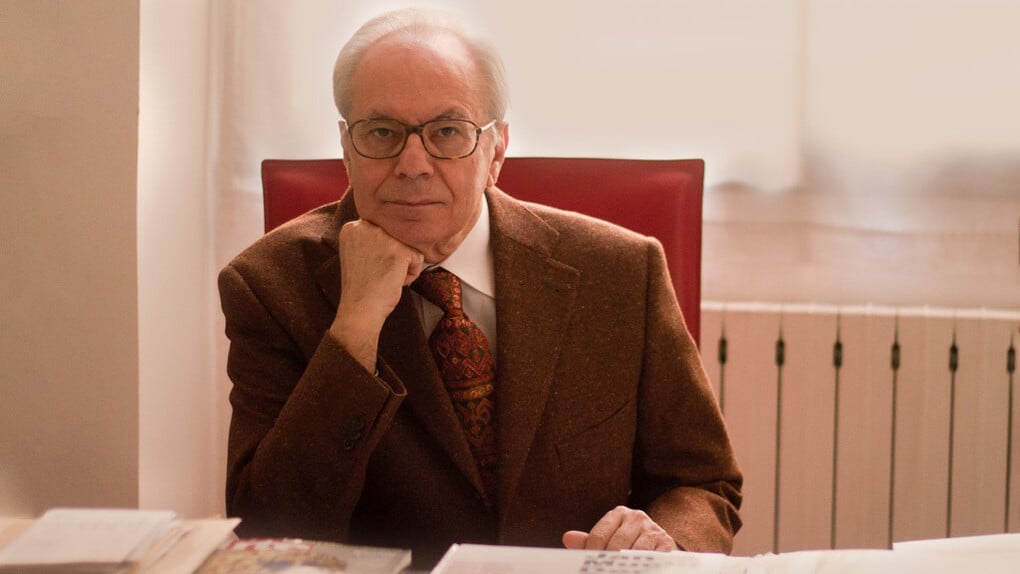
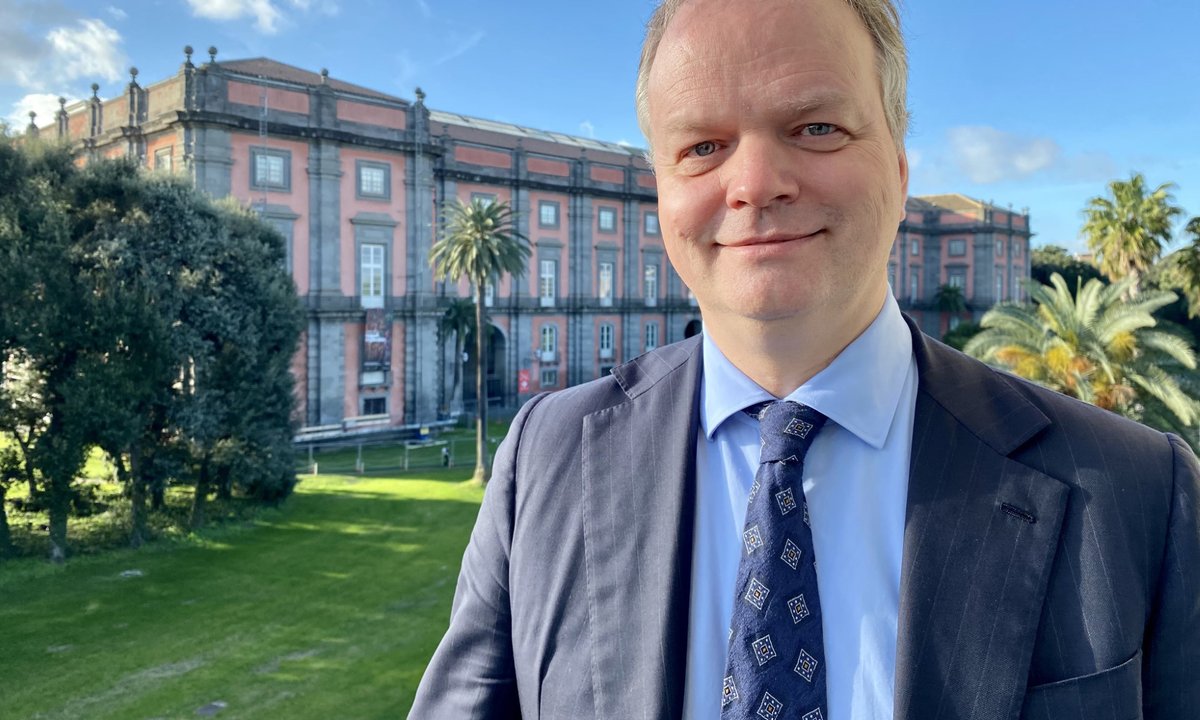
Influencer, politician, museum director: what Eike Schmidt did next

Eike Schmidt, the German-born museum director who led Florence's Uffizi Galleries from 2015, has taken on a series of high-profile and controversial roles. After restructuring the Uffizi and nearly leaving for Vienna's Kunsthistorisches Museum in 2019, he stayed on, then moved to Naples' Museo di Capodimonte in 2024. Months later, he ran for mayor of Florence as a centre-right independent backed by far-right parties, losing in a run-off. Now settled at Capodimonte, he reflects on his unpredictable career with no regrets.

I Am Not an Anacronista Painter: The Misunderstood Research of Artist Carlo Maria Mariani

“Io non sono Un Pittore Anacronista”. La ricerca fraintesa dell’artista Carlo Maria Mariani

The Fondazione Carlo Maria Mariani issues a corrective statement defending the late artist Carlo Maria Mariani (1931–2021) against persistent misclassification as an "Anacronista" or "Postmodern" painter. The foundation argues that critics and institutions have superficially lumped Mariani into the anachronistic movement of 1970s–80s Italy, ignoring the conceptual and cerebral foundations of his work. Currently, a solo exhibition titled *I Segni dei Tempi* is on view at the Museo e Real Bosco di Capodimonte in Naples until July 14, curated by Andrea Viliani and Antonio Martino. This follows a 2024 show at the Galleria degli Uffizi in Florence and precedes a major retrospective at Palazzo Citterio in Milan in 2026, curated by Eike Schmidt.

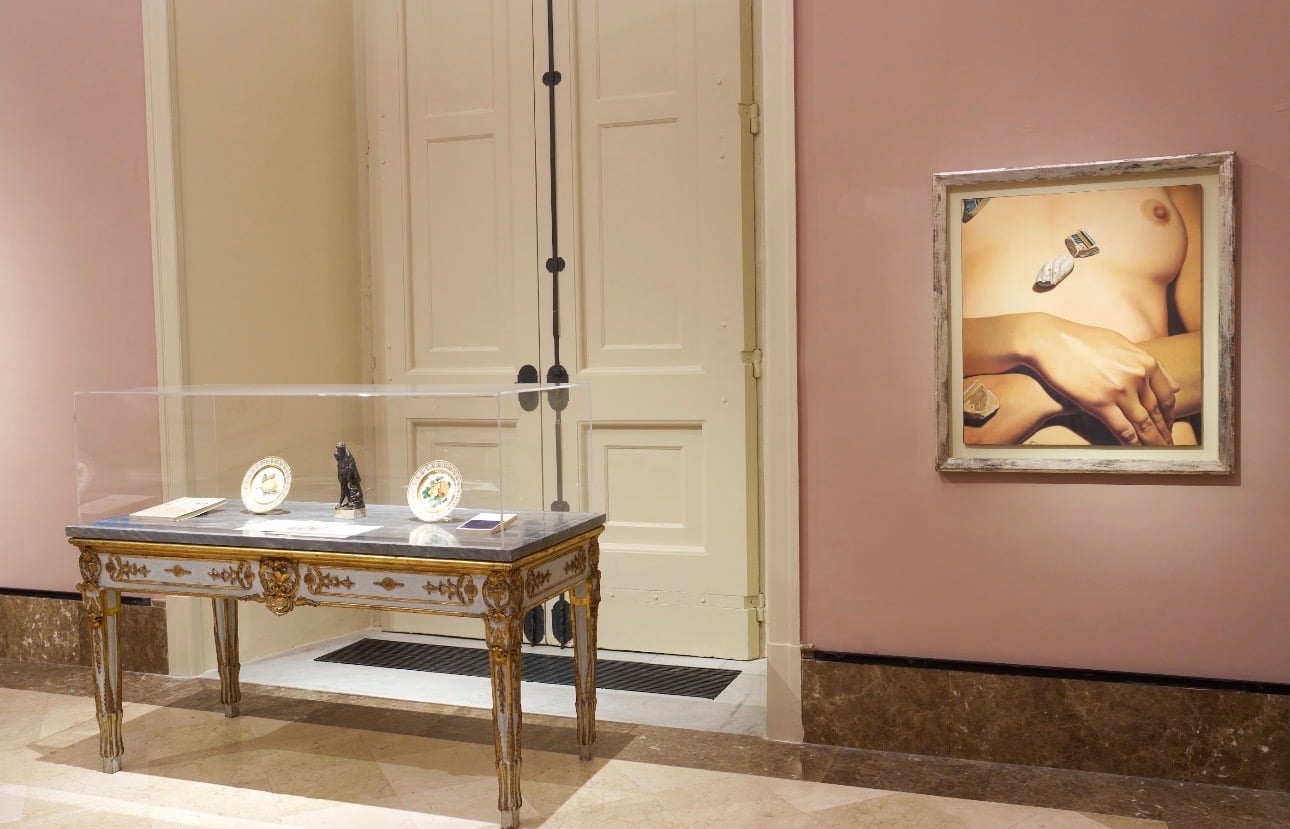
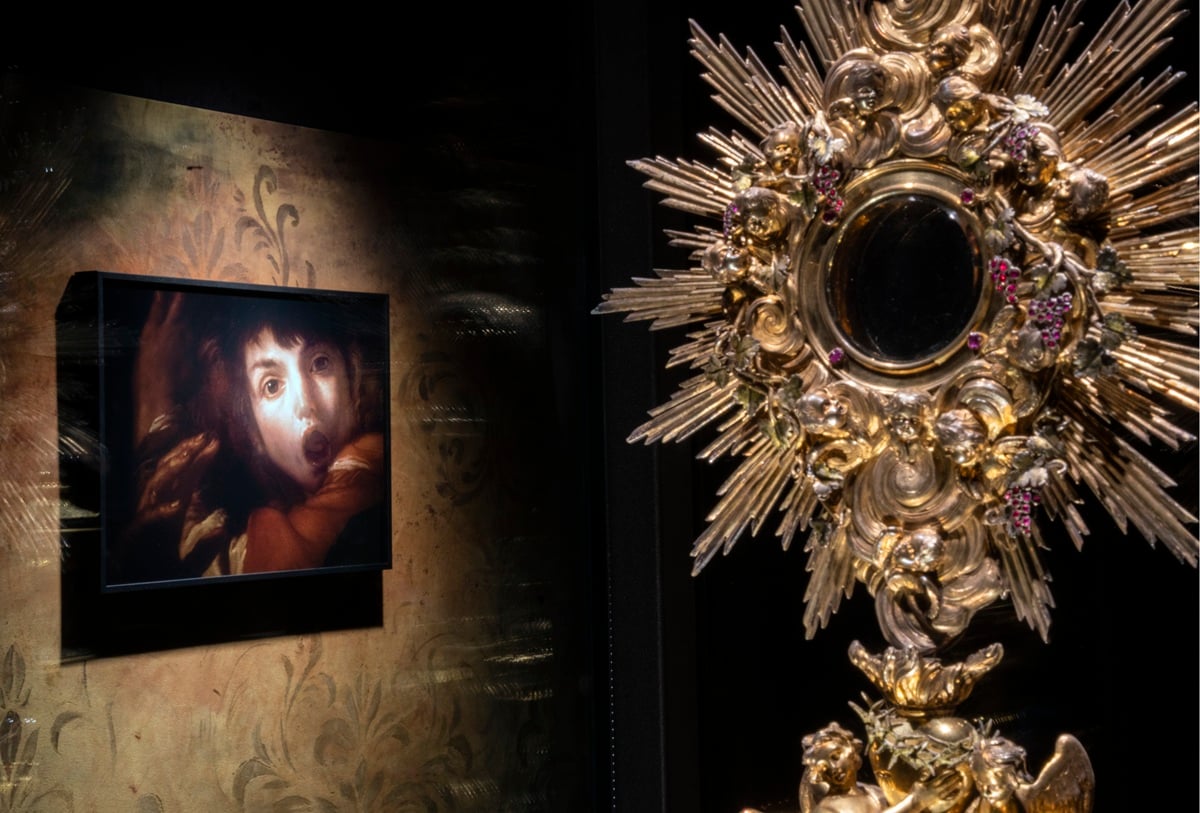
Mimmo Jodice in mostra al nuovo Museo del Tesoro di San Gennaro a Napoli. Rare foto ‘barocche’ a colori

Mimmo Jodice, the renowned Italian photographer who died in October 2025 at age 91, is being honored with a new exhibition at the Museo del Tesoro di San Gennaro in Naples. The show, curated by former Capodimonte director Sylvain Bellenger, presents Jodice's rare color photographs from the 1980s—his only color project—which focus on 17th-century Neapolitan Baroque paintings by artists such as Caravaggio, Jusepe de Ribera, and Artemisia Gentileschi. The exhibition runs until January 10, 2027, and also marks the inauguration of newly renovated welcome spaces at the museum, designed by Vanni del Gaudio.

Meloni takes control of Italian museums

Meloni reprend en main les musées italiens

Italy’s culture ministry under Prime Minister Giorgia Meloni has appointed 14 new directors for so-called “second-tier” museums, reinforcing a shift away from the international “super-director” model introduced by the 2014 Franceschini reform. All appointees are Italian except for French director Axel Hémery, who was reappointed at the Pinacoteca di Siena due to his strong performance. The move follows the earlier ousting of foreign directors at top-tier museums, with only two foreign-born directors—Eike Schmidt and Gabriel Zuchtriegel—remaining, both of whom hold Italian citizenship.

new european union law antiquities trafficking june 28

A new European Union law, Regulation 2019/880, aimed at preventing the sale of looted antiquities, is set to go into effect on June 28. The law imposes heightened due diligence requirements on anyone importing cultural goods from outside the EU, including fine arts, antiquities, and decorative arts. It categorizes cultural goods into three groups, with the strictest rules for archaeological items over 250 years old, which require an import license and proof of legal export. Non-compliance could lead to seizures or criminal consequences for art dealers, collectors, and professionals. While there is a partial exemption for temporary exhibitions, it primarily benefits museums outside the EU, leaving private collectors without the same protections.

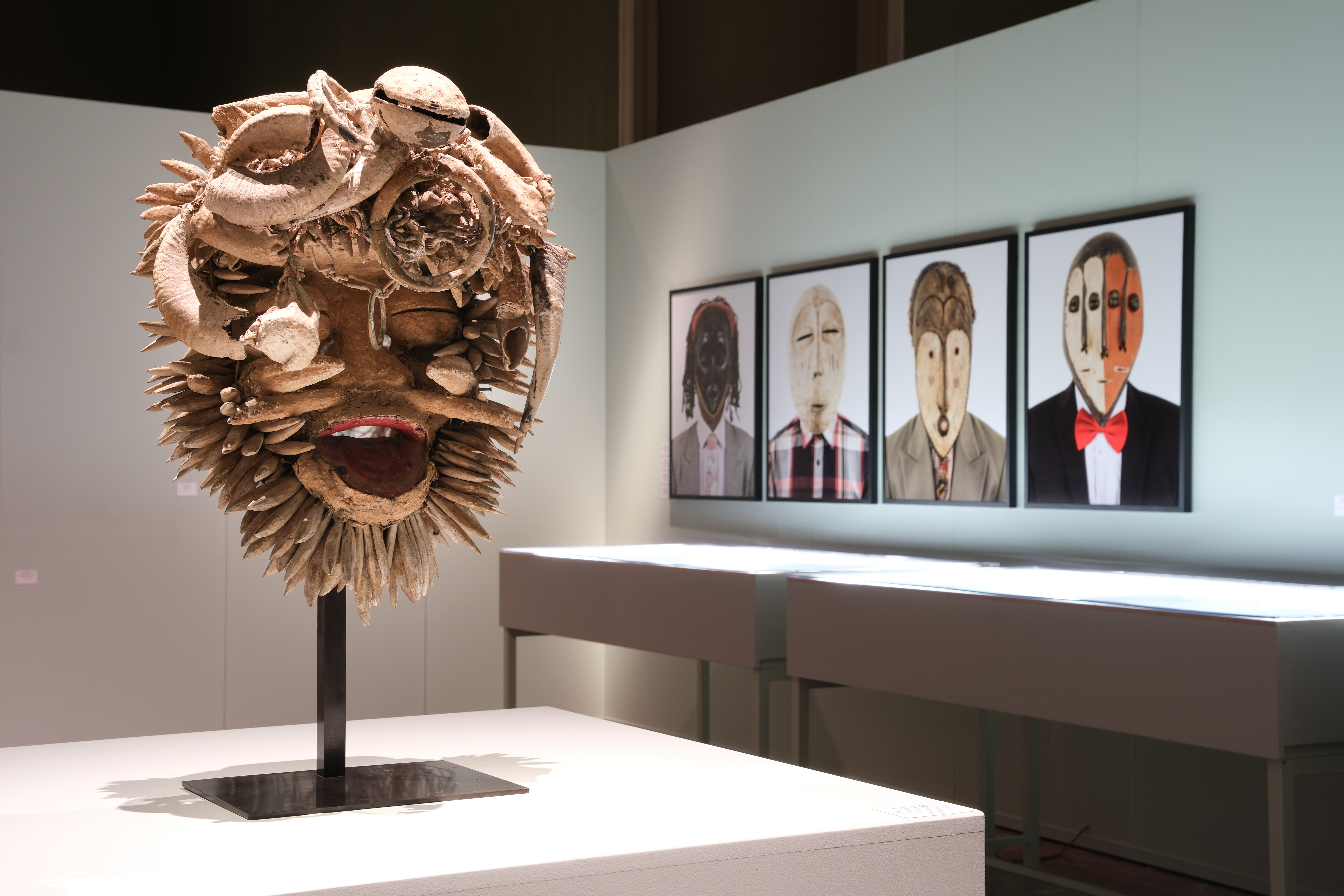
NAFRICA–MASCHERE: The Mask Strikes Back

Curator Simon Njami discusses his exhibition 'NAFRICA–MASCHERE' at the Museo e Real Bosco di Capodimonte, which juxtaposes the fascist anthropological archives of Lidio Cipriani with contemporary artworks. The show utilizes the metaphor of the mask to explore the tension between how individuals are perceived and how they project themselves, specifically addressing the persistence of colonial logic in the modern world. By including artists from Africa, America, and Italy, Njami seeks to move beyond a binary 'colonizer vs. colonized' narrative toward a broader inquiry into human representation and power.

Why the new EU law aimed at stopping antiquities trafficking may hamper museum loans

A new EU regulation (2019/880) taking effect on 28 June aims to prevent trafficking of looted antiquities by requiring importers to provide extensive provenance records and export permits for cultural goods over 200 years old or worth more than €18,000. While the law includes an exemption for temporary exhibitions, implementing rules limit this exemption to loans from museums outside the EU, excluding private collectors. Museum directors and art fair officials warn that the administrative burden may discourage private lenders from participating in temporary exhibitions, potentially reducing the diversity of cultural offerings in the EU.