
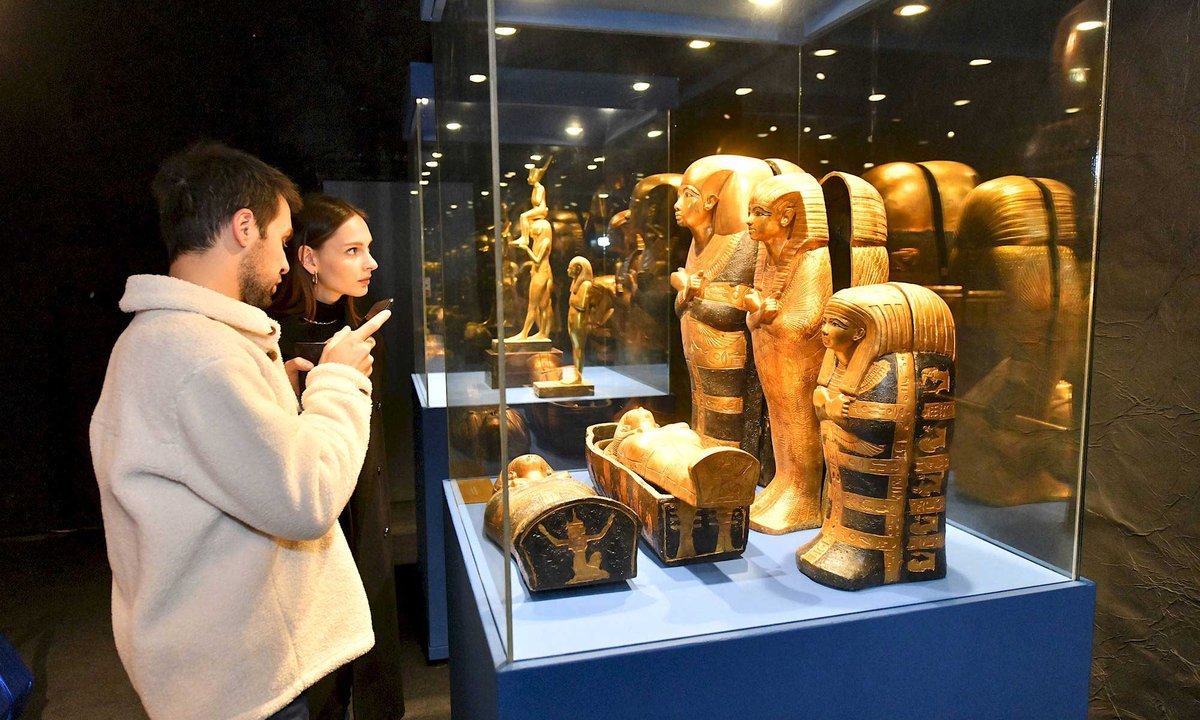
A new EU regulation (2019/880) taking effect on 28 June aims to prevent trafficking of looted antiquities by requiring importers to provide extensive provenance records and export permits for cultural goods over 200 years old or worth more than €18,000. While the law includes an exemption for temporary exhibitions, implementing rules limit this exemption to loans from museums outside the EU, excluding private collectors. Museum directors and art fair officials warn that the administrative burden may discourage private lenders from participating in temporary exhibitions, potentially reducing the diversity of cultural offerings in the EU.
This matters because the regulation, though well-intentioned in combating illicit trade fueled by conflicts like IS looting in Syria and Iraq, creates a tension between heritage protection and cultural exchange. Key figures like TEFAF's Will Korner and Capodimonte director Eike Schmidt highlight the lack of administrative infrastructure and the risk that private collectors will withdraw loans, impoverishing temporary exhibitions. The outcome will depend on how EU member states implement the rules, but the regulation could reshape international museum collaboration and the flow of cultural goods into Europe.