filter_list Showing 12 results for "cultural policy" close Clear
search
dashboard All 12 article policy 9article local 1article news 1candle obituary 1
date_range Range Today This Week This Month All
Subscribe

5 lieux d’art à visiter absolument à Rennes

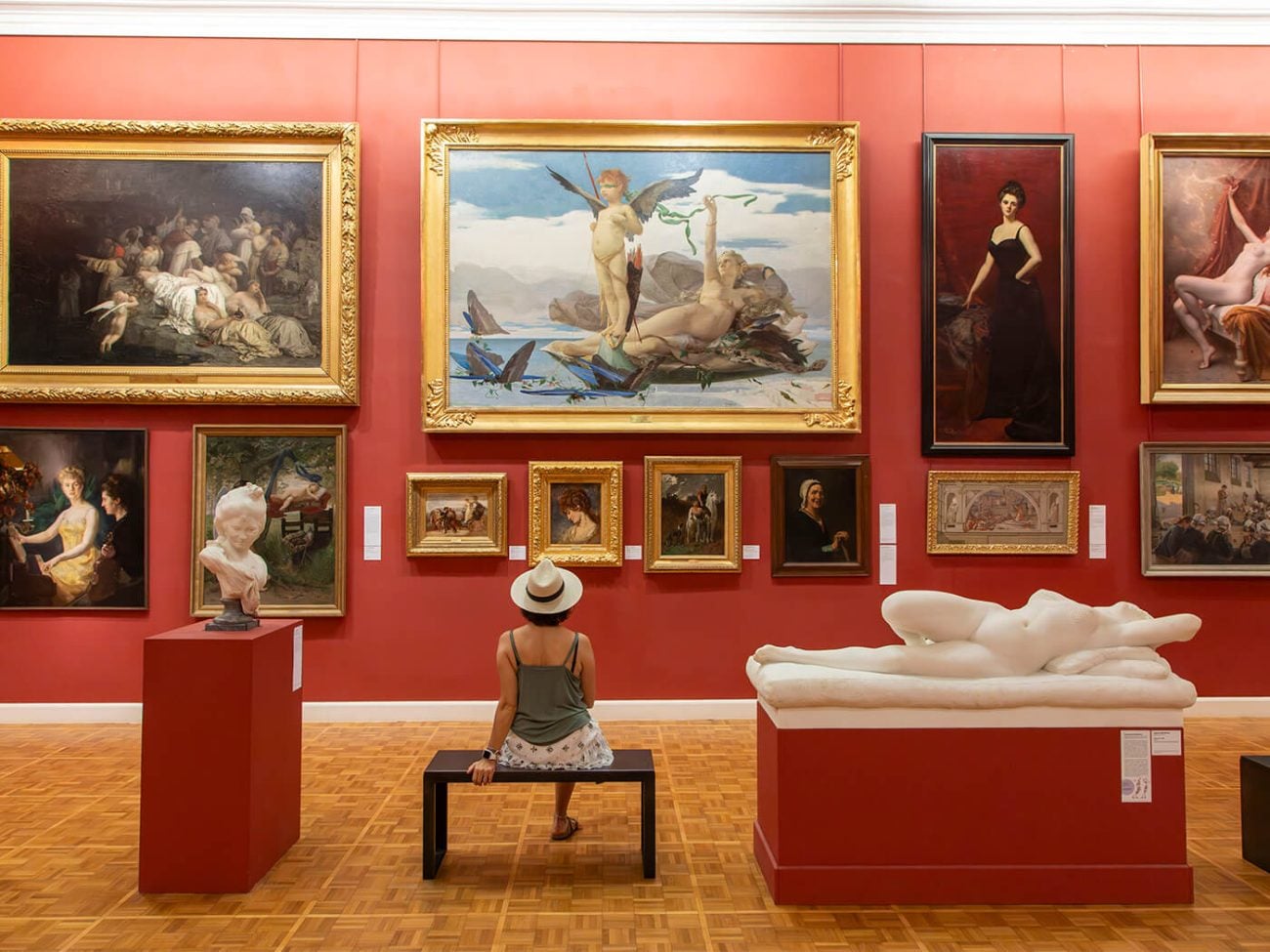
Beaux Arts Magazine highlights five must-visit art venues in Rennes, France, a city known for its youthful energy and cultural heritage. The featured locations include the Musée des Beaux-Arts de Rennes, which houses masterpieces like Georges de La Tour's *Le Nouveau-né* (c. 1645) and recently opened a free satellite space in the Maurepas neighborhood in 2025; Les Champs Libres, a multi-purpose cultural center with a library, museum of Brittany, and science space; and La Criée, a contemporary art center located in a covered market. Other notable spots include the Oniris gallery and the Couvent des Jacobins, which hosts exhibitions from the Pinault Collection.
Harald Metzkes, Postwar German Painter of ‘World Theater,’ Dies at 97

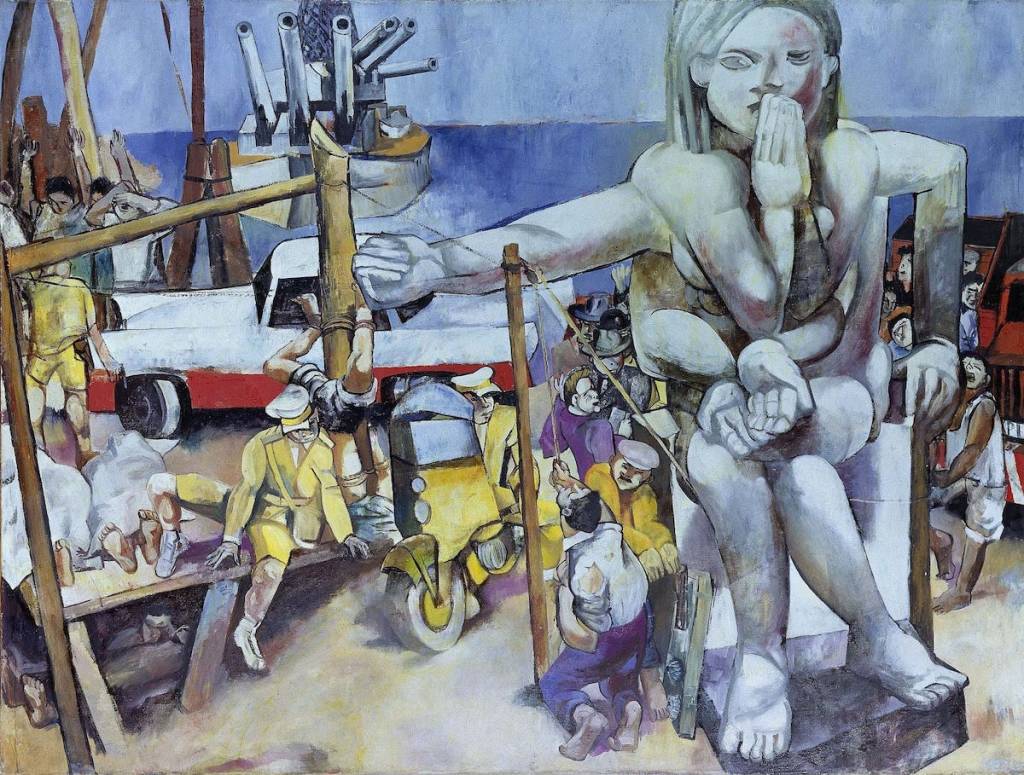
Harald Metzkes, the German painter known for his classically indebted and symbolically rich works created after World War II, died at age 97 in Brandenburg. His death was confirmed by his son, sculptor Robert Metzkes. Metzkes gained prominence in East Germany for rejecting socialist realism, instead developing a distinctive style that combined poetic imagery, references to classical modernism, and deeply symbolic visual worlds. The Neue Nationalgalerie is currently showing his painting "Removal of the Six-Armed Goddess" (1956) in an exhibition titled "Extreme Tension. Art between Politics and Society Collection of the Nationalgalerie 1945–2000."

Kiev bombardé

The Journal des Arts issue of May 15, 2026, covers multiple art-world stories: the Venice Biennale opening amid controversy, France's final adoption of a law on restitution of colonial-era looted cultural property, the new V&A East museum targeting younger audiences, tensions in Giverny where Monet's legacy does not benefit all, and the structuring of the Nabis art market.

Museums in England largely oppose proposal to charge admission for foreign tourists

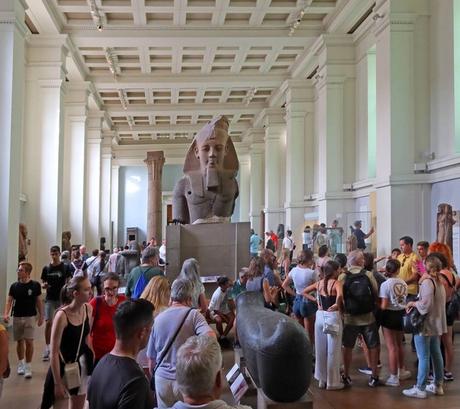
The UK government is exploring a proposal to charge admission fees for foreign tourists at national museums in England, sparking widespread opposition from cultural institutions. The idea was raised in a review of Arts Council England by Labour peer Margaret Hodge, who suggested digital ID checks could enable such a system, though she noted it would bring in less than £10 million and may not be worth the hassle. Museums like the Royal Armouries have condemned the plan as undermining universal access and projecting a lack of generosity, while the Cultural Policy Unit warns it would be logistically complex and ideologically problematic given the colonial origins of many collections.

The AfD Rehearses the Seizure of Power

Die AfD probt die Machtergreifung

The article reports that in the German state of Saxony-Anhalt, the far-right party AfD could achieve an absolute majority in the upcoming September election—a first in postwar German history. The state government has preemptively introduced a cultural funding law to protect the arts. The AfD's platform includes a "new patriotic cultural policy" under the slogan "#deutschdenken," which explicitly targets the Bauhaus and modernist art as symbols of an "identity disorder" they promise to "heal."

"Geschichtspolitisch fatal und realitätsblind"

A German media roundup reports on a planned restructuring of the Stiftung Flucht, Vertreibung, Versöhnung (Foundation Flight, Expulsion, Reconciliation), which would shift its focus toward German expellees and reduce the influence of the Federal Government Commissioner for Culture and the Media. The reform, criticized by FAZ commentator Andreas Kilb as a fundamental cultural-political intervention, would detach the foundation from the German Historical Museum and give greater weight to the Federation of Expellees in its board. Separately, the roundup covers a review of a legal study on artistic freedom sparked by the antisemitism debate around Documenta Fifteen, and a speech by Culture Minister Wolfram Weimer warning of democratic backsliding and rising antisemitism.

Giant glacier painting disappears from Argentina’s presidential palace after new law passes loosening protections for these icy regions

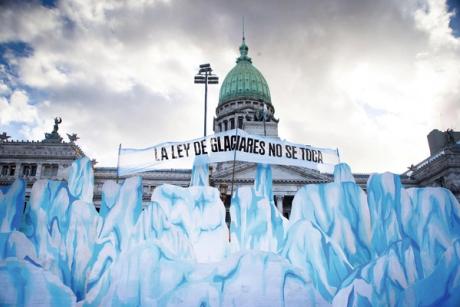
Days before Argentina’s Congress approved an amendment to the glacier law that weakens protections for glacial regions to facilitate mining, President Javier Milei’s government removed a monumental painting of the Perito Moreno Glacier from the Casa Rosada presidential palace. The work, Helmut Ditsch’s photorealist *The Triumph of Nature* (2006), had been on loan and on display since 2012. The government cited “maintenance reasons” and “structural damage,” but the artist says he was not notified and has contacted lawyers. A portrait of Juan Domingo and Evita Perón was also removed the same day, with the same vague explanation.

Hamburg Culture Prize Renamed After Namesake’s Nazi Ties Emerge

Hamburg's Senator Biermann Ratjen Medal, a culture prize awarded for nearly five decades, is being renamed the Medal for Art and Culture in Hamburg after historian Helmut Stubbe da Luz uncovered evidence that the prize's namesake, Hans Harder Biermann-Ratjen, confirmed his Nazi Party membership in a 1943 application. Biermann-Ratjen, who later served as Hamburg's senator for culture, had been deemed not to have been a member during post-war de-Nazification, but the new research prompted the city to rebrand the award.

Au Royaume-Uni les contraintes budgétaires des musées pèsent sur les effectifs

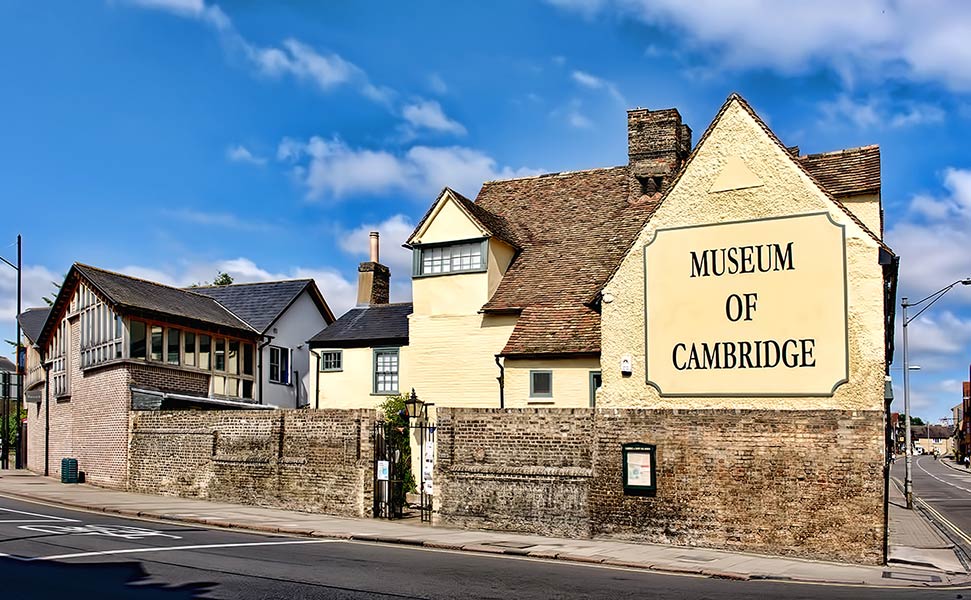
A survey of 329 museum directors in the UK, published in the Art Fund's Museum Directors Research 2026 report, reveals that staff shortages have overtaken building maintenance as the top concern for cultural institutions. Conducted by Wafer Hadley between January and March 2026, the study shows that 85% of directors cite team size and capacity as the main barrier to programming, ahead of budget constraints (67%) and lack of specialized expertise (23%). The National Gallery in London launched a voluntary redundancy plan in February 2026 to address a projected deficit of £8.2 million, while the Museum of Cambridge cut a third of its staff and reduced opening hours. Local authority grants have decreased or ceased for 45% of institutions between 2024-2025 and 2025-2026, and over a third of museums have reduced or plan to reduce opening hours and annual exhibitions.

Sachsen-Anhalt schützt Kunst und Kultur per neuem Gesetz

Sachsen-Anhalt has enshrined support for art and culture as a state objective in a new law, passed by the state parliament in Magdeburg with the exception of the AfD faction, which abstained. Culture Minister Rainer Robra (CDU) framed the law as fulfilling a promise from 1989, defining what constitutes art and culture in the state, including their roles in education and as an economic factor, and aiming to make cultural structures resilient against future attacks on artistic freedom.

Simone Venturini is the new mayor of Venice: here's what he wants to do for culture (and yes, the councilor will return)

Simone Venturini è il nuovo sindaco di Venezia ecco cosa vuole fare per la cultura (e sì, tornerà l’assessore)

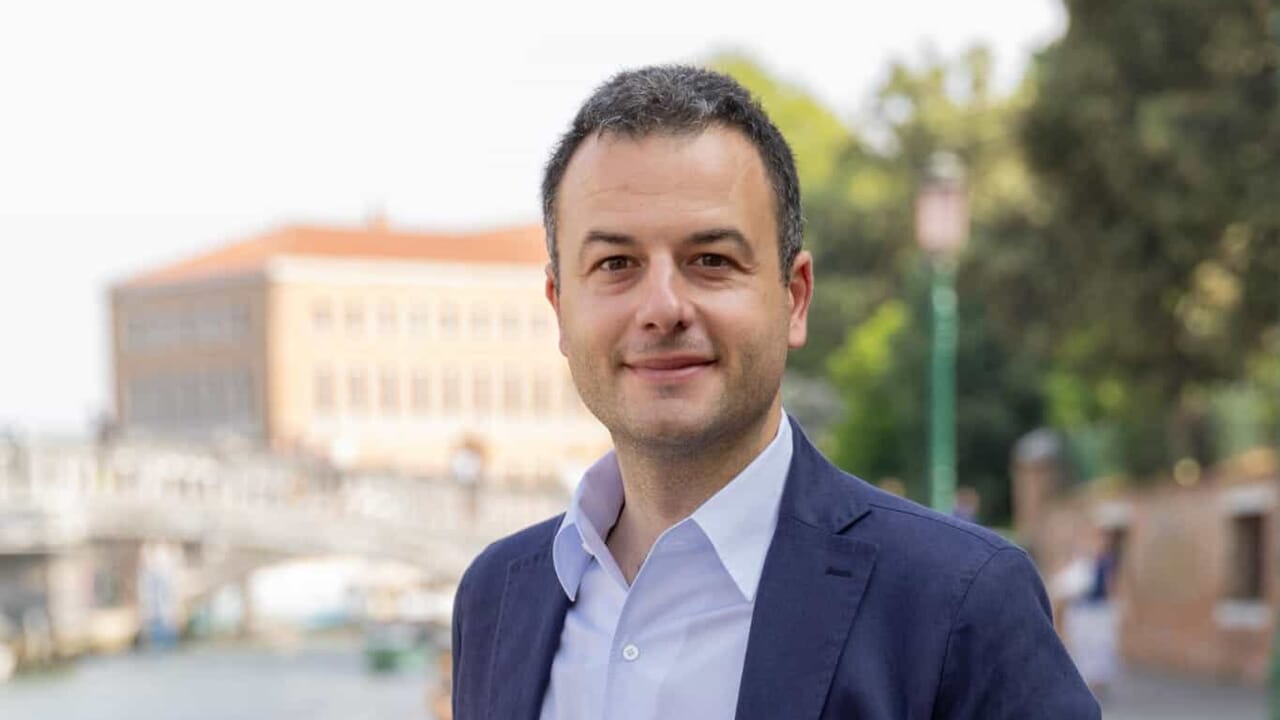
Simone Venturini, a 38-year-old center-right candidate, has been elected mayor of Venice in a surprise first-round victory on May 25, 2026. Born and raised in Marghera, Venturini entered politics at 22 and is seen as the protégé of outgoing mayor Luigi Brugnaro. His campaign emphasized daily belonging and crisis management experience, from the pandemic to overtourism.

Reasoning beyond accounting: here is the first step for a valuation of cultural heritage

Ragionare oltre la contabilità: ecco il primo step per una valutazione del patrimonio culturale

Angelo Argento recently published an article examining the valuation of cultural heritage in light of ongoing public accounting reforms in Italy. The piece moves beyond iconic landmarks like the Colosseum or Uffizi to focus on smaller, territorial assets such as archives, civic museums, and lesser-known archaeological sites, questioning how and whether a specific economic value can be assigned to them. It explores different international approaches—from market-based valuations in Australia and France to symbolic €1 entries in the U.S.—highlighting the global trend toward quantifying cultural heritage.