filter_list Showing 48 results for "cultural policy" close Clear
search
dashboard All 48 article policy 33article news 7article local 2person people 2museum exhibitions 2article culture 1candle obituary 1
date_range Range Today This Week This Month All
Subscribe

Seoul’s new Centre Pompidou Hanwha museum opens next month—can it live up to expectations?

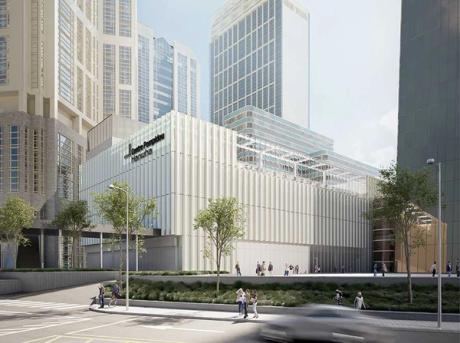
Seoul's new Centre Pompidou Hanwha museum will open to the public on June 4, 2025, marking the Pompidou's second Asian branch after its collaboration with Shanghai's West Bund Museum. The four-year partnership between the Hanwha Foundation of Culture and the Centre Pompidou will feature two exhibitions per year from the Pompidou collection, starting with "The Cubists: Inventing Modern Vision." The museum occupies 11,000 square meters over four floors of Hanwha Group's 63 Building, with one gallery dedicated to early 20th-century European art and another to global contemporary art with a Korean focus, curated in-house. The inaugural Korea Focus section includes local artists such as Kim Whanki and Yoo Youngkuk.

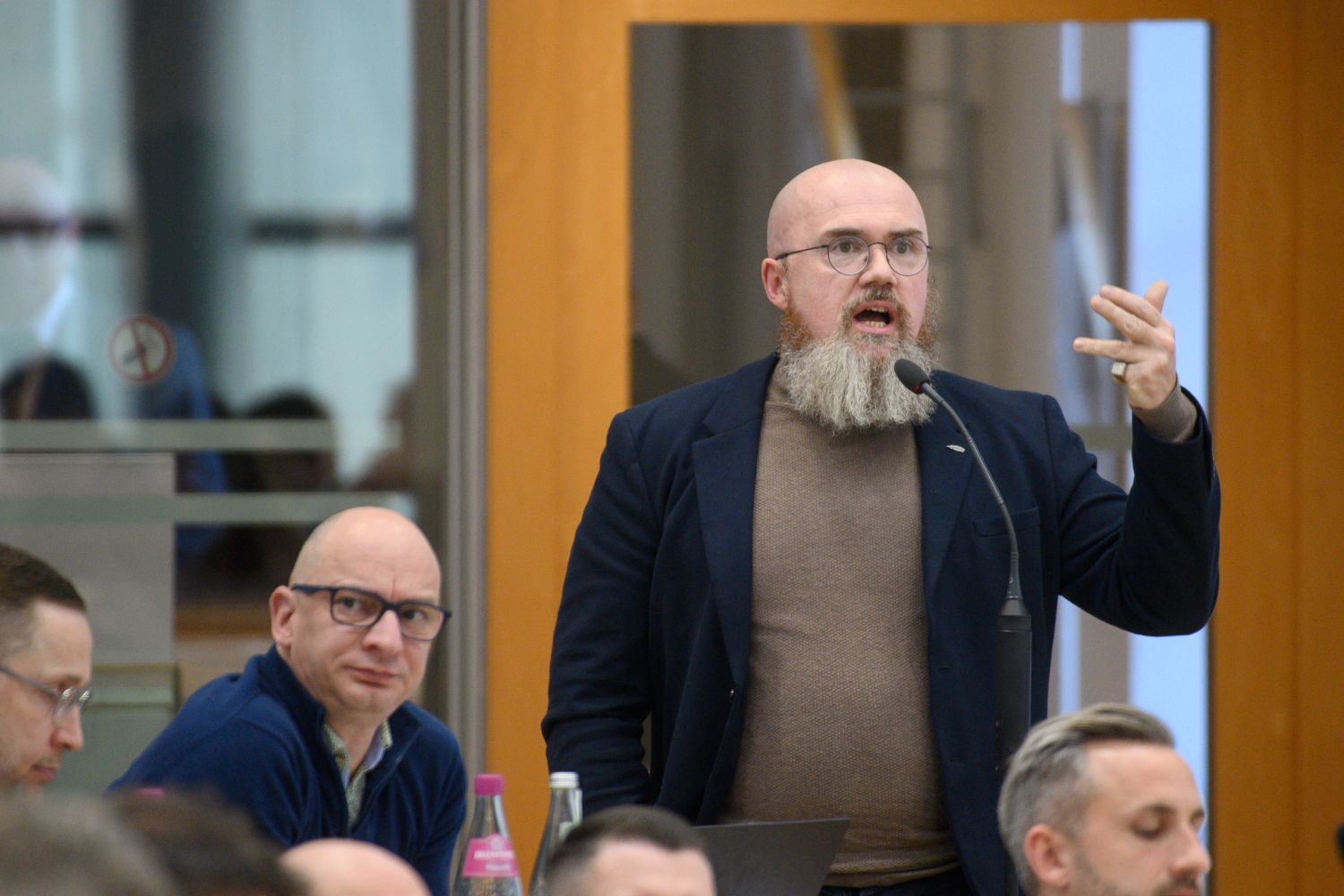
Difficult search for new culture senator in Berlin

Schwierige Suche nach neuem Kultursenator in Berlin

Berlin's culture senator Sarah Wedl-Wilson resigned on Friday after a state audit found that her allocation of anti-Semitism prevention funds was unlawful. The CDU politician is being succeeded by former justice senator and Bundestag member Thomas Heilmann (CDU), who is reportedly the favorite for the post. Heilmann, 61, studied law, ran a successful advertising firm, and served as Berlin's justice senator from 2012 to 2016 before sitting in the Bundestag from 2017 to 2025. Governing Mayor Kai Wegner has not yet made a final decision, but transport senator Ute Bonde publicly endorsed Heilmann, citing his experience with Berlin's administration.

5 lieux d’art à visiter absolument à Rennes

Beaux Arts Magazine highlights five must-visit art venues in Rennes, France, a city known for its youthful energy and cultural heritage. The featured locations include the Musée des Beaux-Arts de Rennes, which houses masterpieces like Georges de La Tour's *Le Nouveau-né* (c. 1645) and recently opened a free satellite space in the Maurepas neighborhood in 2025; Les Champs Libres, a multi-purpose cultural center with a library, museum of Brittany, and science space; and La Criée, a contemporary art center located in a covered market. Other notable spots include the Oniris gallery and the Couvent des Jacobins, which hosts exhibitions from the Pinault Collection.

Harald Metzkes, Postwar German Painter of ‘World Theater,’ Dies at 97

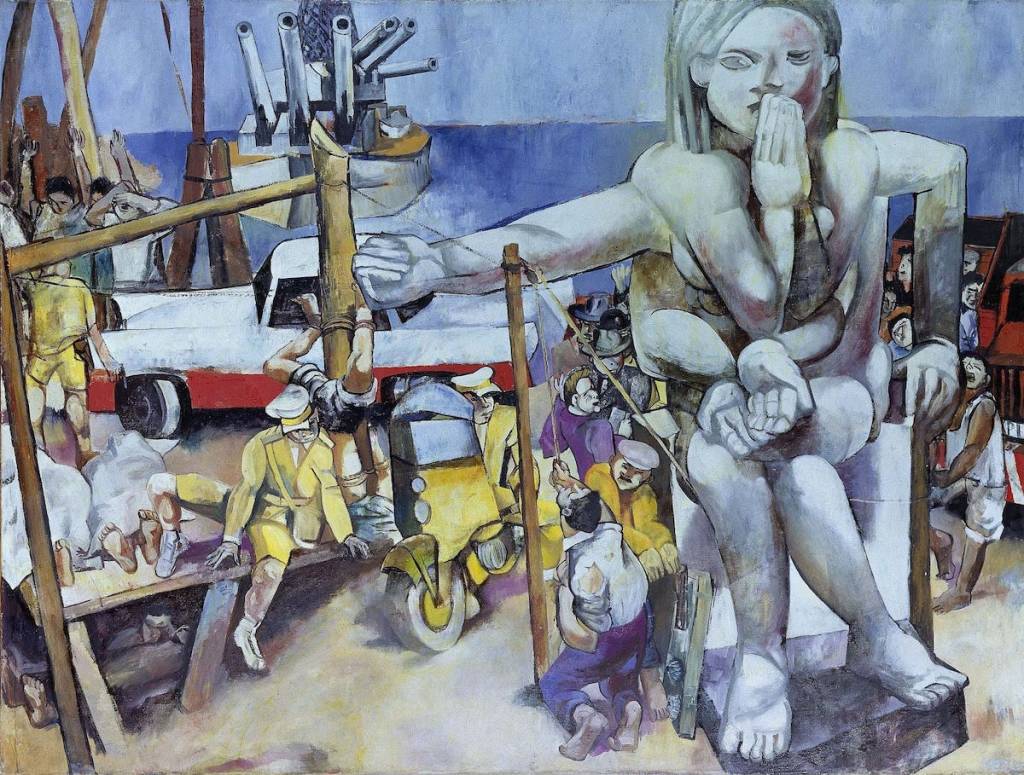
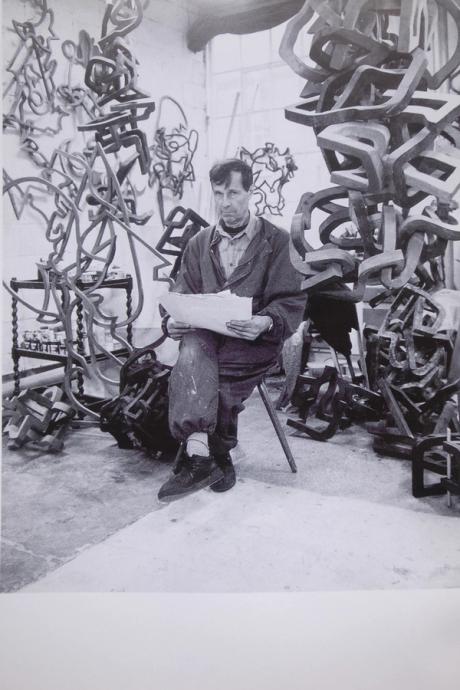
Harald Metzkes, the German painter known for his classically indebted and symbolically rich works created after World War II, died at age 97 in Brandenburg. His death was confirmed by his son, sculptor Robert Metzkes. Metzkes gained prominence in East Germany for rejecting socialist realism, instead developing a distinctive style that combined poetic imagery, references to classical modernism, and deeply symbolic visual worlds. The Neue Nationalgalerie is currently showing his painting "Removal of the Six-Armed Goddess" (1956) in an exhibition titled "Extreme Tension. Art between Politics and Society Collection of the Nationalgalerie 1945–2000."

"Kultursenator ist kein Nebenjob"

Berlin's finance senator Stefan Evers is set to additionally take on the role of culture senator following the resignation of Sarah Wedl-Wilson, a move criticized as a stopgap solution that creates a conflict of interest between austerity and cultural advocacy. Meanwhile, the Venice Biennale faces multiple controversies: critics question how to evaluate curator Koyo Kouoh's posthumous main exhibition "In Minor Keys," completed after her death in May 2025; Israeli artist Belu-Simion Fainaru speaks out against his exclusion from the Biennale competition, calling it politically biased and reminiscent of historical persecution; and German press decries the politicization of the Biennale, particularly the exclusion of Israel and Russia from the competition.

No Need to Shed a Tear for the Jury

"Man muss der Jury keine Träne nachweinen"

The entire jury of the Venice Biennale resigned shortly before the opening, prompting criticism of Biennale President Pietrangelo Buttafuoco. Italian Culture Minister Alessandro Giuli accused Buttafuoco of pursuing a misguided "pacificist fantasy" by readmitting Russia to the six-month exhibition, calling it failed "side foreign policy." Commentators in German media, including Niklas Maak (FAZ) and Marcus Woeller (Die Welt), see the resignation as a symptom of a crisis in the art world, with the jury having acted as a "political tribunal" by pre-judging artists based on nationality, particularly regarding Israel. The Biennale leadership defended inclusion, but the standoff has caused significant "image damage." Separately, Dirk Knipphals (wochentaz) delivers a scathing review of Wolfram Weimer's first year as cultural policy commissioner, accusing him of empty rhetoric and failing to counter right-wing cultural politics. Juliane von Mittelstaedt (Der Spiegel) reports on Saudi Arabia's use of a spectacular new art museum in Riyadh as a stability narrative amid regional conflict.

If fashion is art, why doesn’t CNZ fund it?

Creative New Zealand (CNZ) explicitly states on its website that it does not fund fashion design, classifying it as primarily part of the commercial creative industries. The article highlights the contradiction that while major institutions like The Dowse Art Museum, Auckland Art Gallery, and World of WearableArt treat fashion as art, CNZ denies funding to fashion designers, with rare exceptions for non-commercial, cross-cultural, or collaborative projects. Fashion designer Doris de Pont, founder of The New Zealand Fashion Museum, notes that even when her trust received CNZ support, it was for the art connection, not the fashion itself.

Some cry censorship, others cry antisemitism

"Die einen schreien Zensur, die anderen Antisemitismus"

A constitutional law scholar, Christoph Möllers, warns in an interview with Die Zeit about the dangerous escalation of cultural policy conflicts, sparked by Documenta 15, where accusations of censorship and antisemitism collide. In Poland, Adam Budak was removed as director of MOCAK in Krakow after just a few months, facing 79 allegations including mobbing and problematic leadership. Meanwhile, the New York spring auctions have launched, and Jason Farago's review of the Venice Biennale in the New York Times criticizes the shift from aesthetic innovation toward identity-driven art. Robin Pogrebin also reports on the merger of the Met and the Neue Galerie, described as a rare convergence of two museum models.

What will the future Louvre museum look like? The architects of the century's construction site have been chosen

À quoi ressemblera le futur musée du Louvre ? Les architectes du chantier du siècle désignés

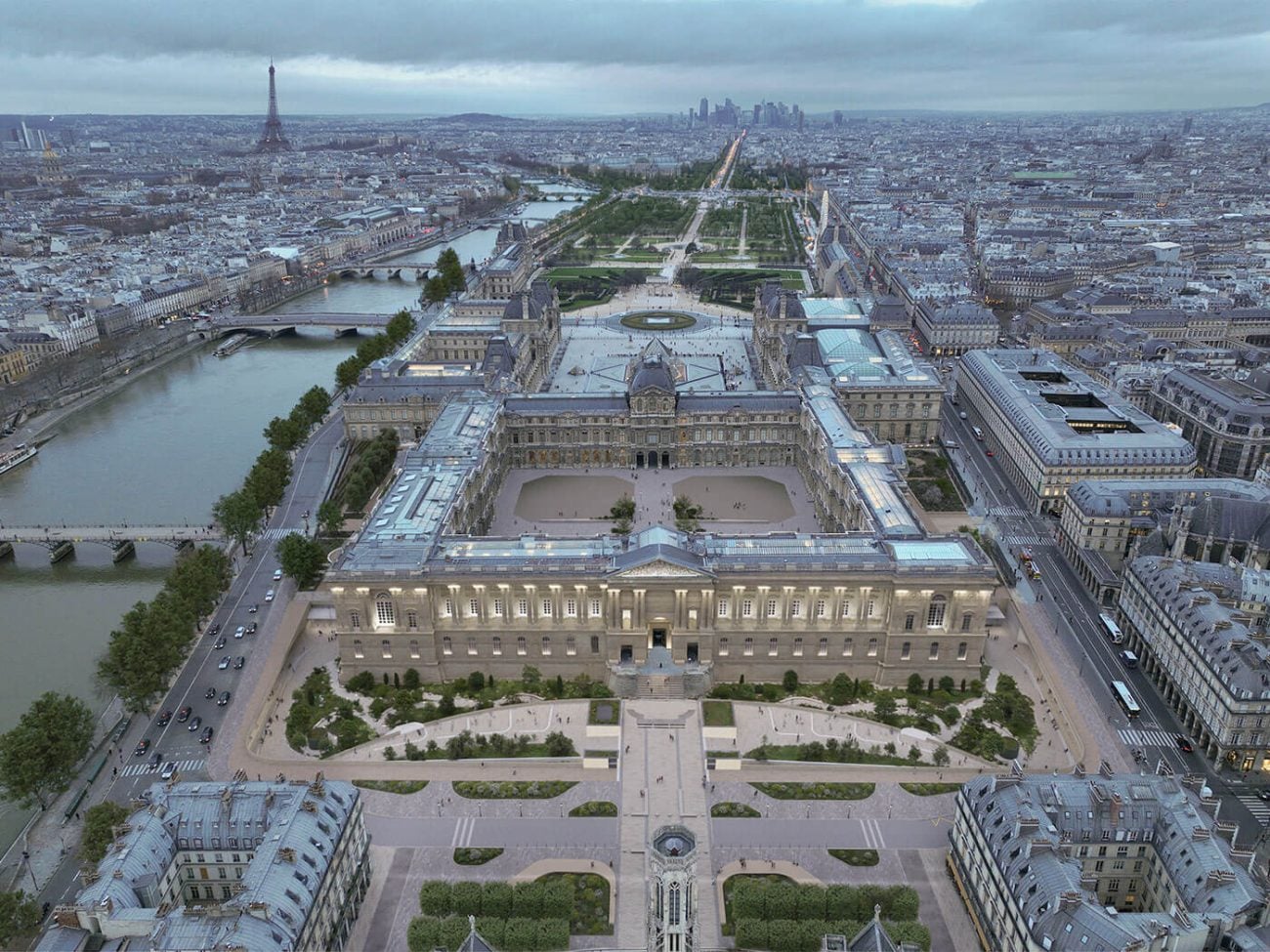
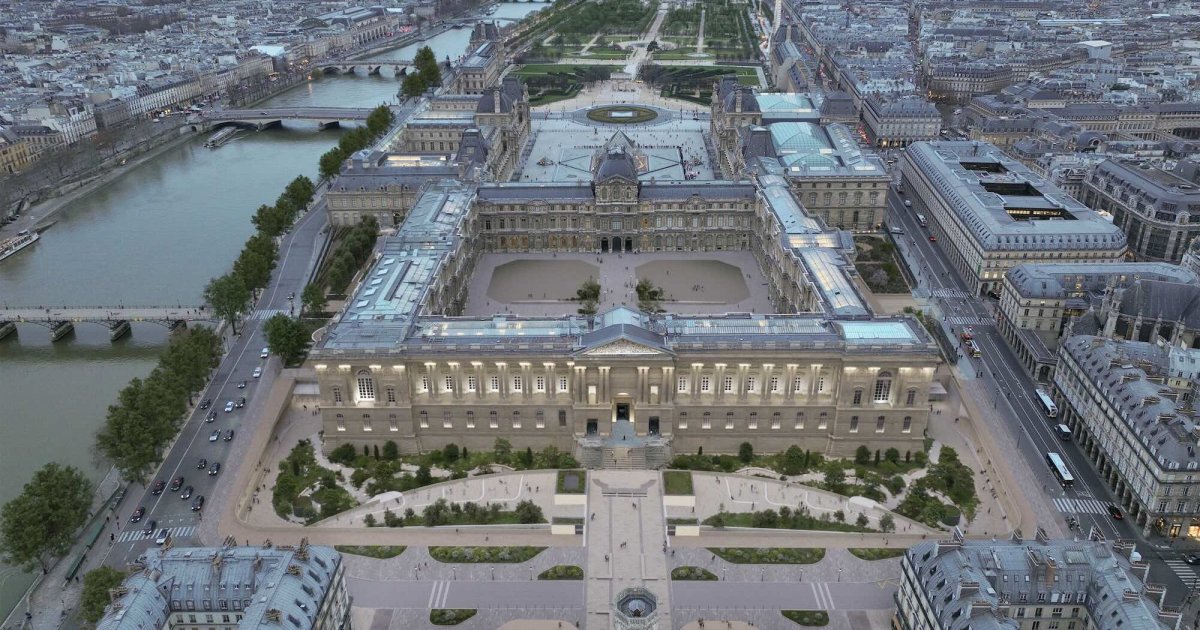
On May 18, the French Ministry of Culture announced the winner of the international competition for the 'Louvre Nouvelle Renaissance' plan, championed by President Emmanuel Macron in January 2025. The winning consortium, led by Studios Architecture Paris and Selldorf Architects with landscape firm Base, will design a major renovation of the Louvre. The project includes a new entrance on the east side near Saint-Germain-l’Auxerrois to relieve congestion at the pyramid, a belvedere overlooking vegetated moats, and a new 3,000-square-meter gallery dedicated to the Mona Lisa. Construction is not expected to begin before 2028.

Kiev bombardé

The Journal des Arts issue of May 15, 2026, covers multiple art-world stories: the Venice Biennale opening amid controversy, France's final adoption of a law on restitution of colonial-era looted cultural property, the new V&A East museum targeting younger audiences, tensions in Giverny where Monet's legacy does not benefit all, and the structuring of the Nabis art market.

Maximilien Durand

Maximilien Durand has been appointed to a new role in the art world, as reported by Le Journal des Arts. The article announces his position, though specific details of the appointment are not provided in the given text.

Opening of Berlin Modern postponed to 2030

L’ouverture du Berlin Modern repoussée à 2030

The opening of the Berlin Modern museum has been delayed to 2030 due to construction setbacks and cost overruns. According to German media outlet Monopol, the project has been plagued by humidity issues, including mold, algae, and bacteria on new surfaces, caused by winter dampness, concrete sensitivity, and faulty ventilation. Originally launched in 2019 with a planned opening in mid-2020, the museum's completion has been repeatedly pushed back, with costs soaring from an initial €200 million to over €500 million, making it the most expensive museum ever built in Germany. The building, designed by Swiss firm Herzog & de Meuron, is located at the Kulturforum and will house 20th-century art collections from the Nationalgalerie, the Marx Collection, the Pietzsch Collection, and holdings from the Kupferstichkabinett and the Kunstbibliothek.

Museums in England largely oppose proposal to charge admission for foreign tourists

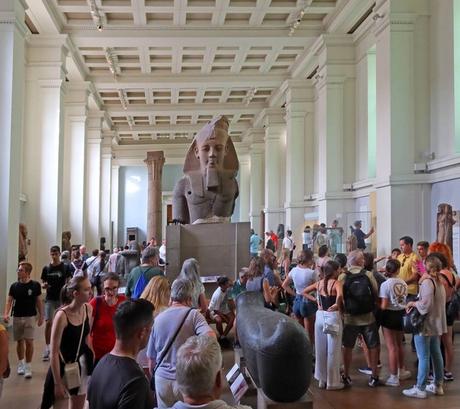
The UK government is exploring a proposal to charge admission fees for foreign tourists at national museums in England, sparking widespread opposition from cultural institutions. The idea was raised in a review of Arts Council England by Labour peer Margaret Hodge, who suggested digital ID checks could enable such a system, though she noted it would bring in less than £10 million and may not be worth the hassle. Museums like the Royal Armouries have condemned the plan as undermining universal access and projecting a lack of generosity, while the Cultural Policy Unit warns it would be logistically complex and ideologically problematic given the colonial origins of many collections.

A new wing to solve the problems of the Galleria Borghese in Rome. Beautiful challenge, tedious controversy

Una nuova ala per risolvere i problemi della Galleria Borghese a Roma. Bella sfida, stucchevoli polemiche

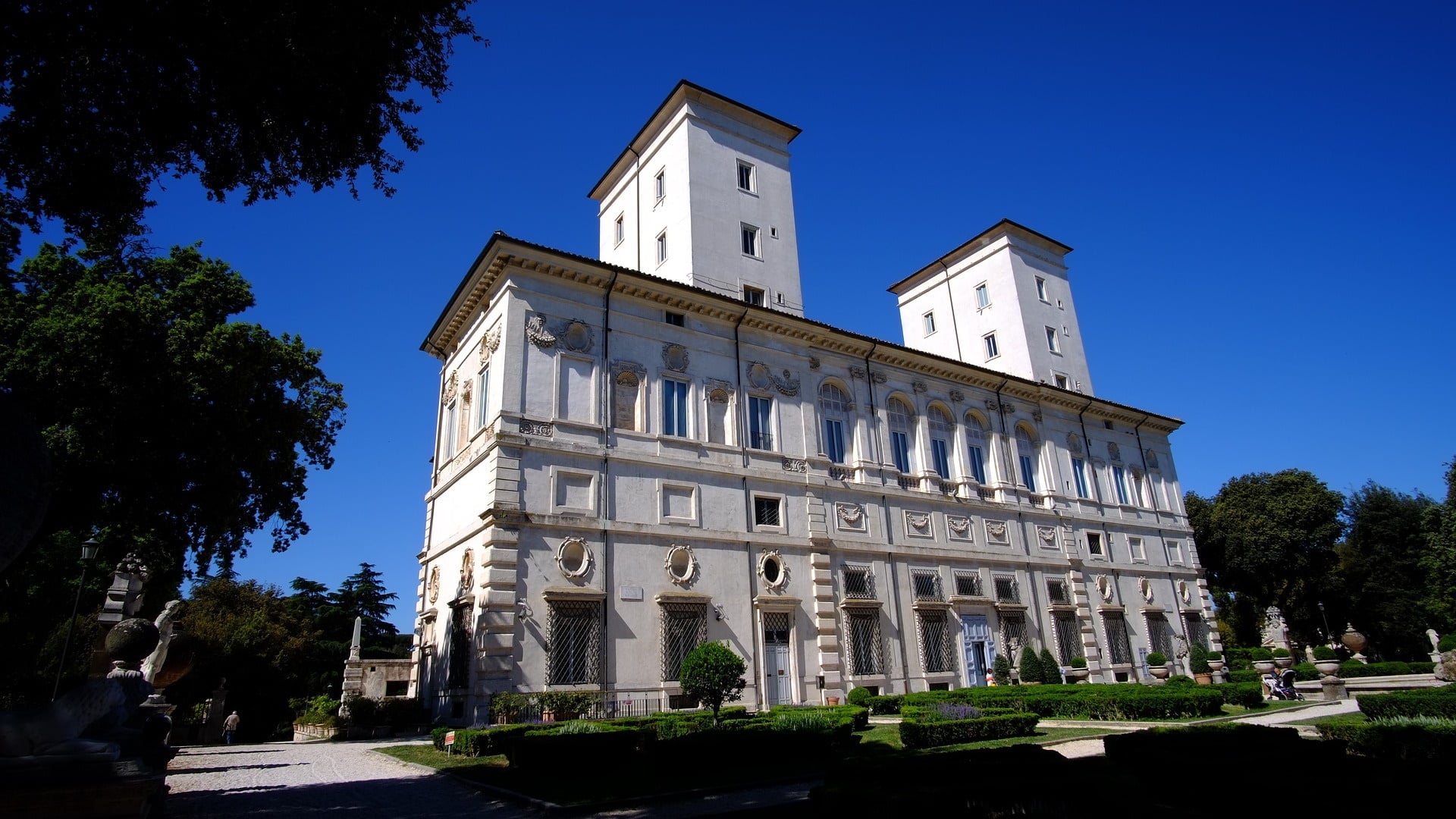
The Galleria Borghese in Rome, one of Italy's most extraordinary museums, faces significant accessibility and capacity issues due to its historic 17th-century structure. The museum is difficult for visitors with disabilities, overcrowded, and forces visitors to book far in advance—often waiting over a month for a time slot—while many masterpieces remain in storage. In 2025, the engineering firm Proger offered to sponsor a feasibility study for a new wing, contributing nearly 900,000 euros to fund an international architecture competition and a technical-economic feasibility plan. The study, currently underway, aims to explore whether a new annex can be built within the protected Villa Borghese park to create new entrances, exhibition spaces, and services.

Au Louvre, des directeurs de département entre responsabilités internes et rôle national

Maximilien Durand has been reappointed as head of the Department of Byzantine and Eastern Christian Arts at the Louvre Museum, a role that carries both internal museum responsibilities and national duties on behalf of the French state. Two decrees signed by Culture Minister Catherine Pégard formalize his renewal: one as head of the museum department, and another as head of the corresponding major heritage department, a status held by only nine of the Louvre's departments.

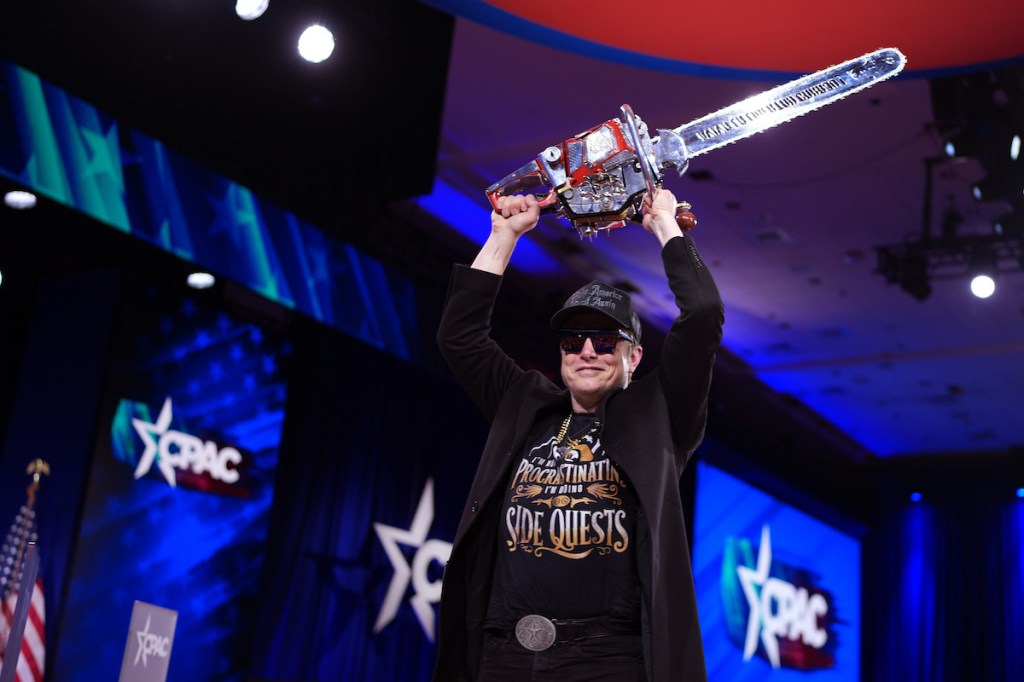
DOGE Cuts to National Endowment for the Humanities Were Unconstitutional, Court Rules

A federal judge ruled that the cancellation of over 1,400 grants by the National Endowment for the Humanities, carried out by Elon Musk's Department of Governmental Efficiency (DOGE), was unconstitutional. Judge Colleen McMahon of the Federal District Court in Manhattan ordered DOGE to rescind the cancellations, finding that the cuts violated the First Amendment and the equal protection component of the Fifth Amendment. The lawsuits were filed after the NEH chairman was dismissed and the agency was redirected under President Donald Trump's "America First" cultural campaign, with acting chair Michael McDonald cutting most grants awarded by the previous administration. The cuts, totaling more than $100 million, disrupted research, publications, and humanities programming, and were reportedly flagged using ChatGPT to target grants related to diversity, equity, and inclusion.

The AfD Rehearses the Seizure of Power

Die AfD probt die Machtergreifung

The article reports that in the German state of Saxony-Anhalt, the far-right party AfD could achieve an absolute majority in the upcoming September election—a first in postwar German history. The state government has preemptively introduced a cultural funding law to protect the arts. The AfD's platform includes a "new patriotic cultural policy" under the slogan "#deutschdenken," which explicitly targets the Bauhaus and modernist art as symbols of an "identity disorder" they promise to "heal."

"Geschichtspolitisch fatal und realitätsblind"

A German media roundup reports on a planned restructuring of the Stiftung Flucht, Vertreibung, Versöhnung (Foundation Flight, Expulsion, Reconciliation), which would shift its focus toward German expellees and reduce the influence of the Federal Government Commissioner for Culture and the Media. The reform, criticized by FAZ commentator Andreas Kilb as a fundamental cultural-political intervention, would detach the foundation from the German Historical Museum and give greater weight to the Federation of Expellees in its board. Separately, the roundup covers a review of a legal study on artistic freedom sparked by the antisemitism debate around Documenta Fifteen, and a speech by Culture Minister Wolfram Weimer warning of democratic backsliding and rising antisemitism.

The controversy raised by Timothée Chalamet has made us reflect on the fragility of culture

« La controverse soulevée par Timothée Chalamet a eu le mérite de nous faire réfléchir à la fragilité de la culture »

Timothée Chalamet, l'acteur franco-américain, a suscité une controverse en déclarant qu'il ne souhaitait pas travailler dans le ballet ou l'opéra, qualifiant ces disciplines de "trucs où c'est genre : 'Hé, continuez à faire tourner ça, même si plus personne n'en a rien à faire.'" Ses propos, tenus alors qu'il était en lice pour l'Oscar du meilleur acteur, ont provoqué des réactions dans le monde culturel, notamment dans le magazine Art Review, où Will Ferreira Dyke a défendu la pérennité du ballet et de l'opéra, arguant qu'ils survivraient aux attaques des "chalametistes". L'article relie cette polémique à la fragilité de la culture face aux coupes budgétaires, évoquant les demandes de Donald Trump pour augmenter le budget militaire américain au détriment de l'éducation, de la santé et de l'environnement.

Meloni takes control of Italian museums

Meloni reprend en main les musées italiens

Italy’s culture ministry under Prime Minister Giorgia Meloni has appointed 14 new directors for so-called “second-tier” museums, reinforcing a shift away from the international “super-director” model introduced by the 2014 Franceschini reform. All appointees are Italian except for French director Axel Hémery, who was reappointed at the Pinacoteca di Siena due to his strong performance. The move follows the earlier ousting of foreign directors at top-tier museums, with only two foreign-born directors—Eike Schmidt and Gabriel Zuchtriegel—remaining, both of whom hold Italian citizenship.

Victorien Bornéat : « De l’échec de la démocratisation culturelle est né un sentiment d’exclusion »

Victorien Bornéat has published a manifesto arguing that French cultural democratization policy, rooted in André Malraux's vision of making masterworks accessible to all, has failed. He cites budget cuts by regional presidents Laurent Wauquiez and Christelle Morançais, police raids on bookshops like Violette and Co, and statistical studies showing that working-class audiences still do not spontaneously attend theaters, museums, or opera. Bornéat contends that the policy's emphasis on direct confrontation with canonical works ignored the need for cultural codes and institutional literacy, creating an exclusion that politicians now exploit for electoral gain.

Under pressure, the jury of the 61st Venice Biennale will exclude Russian and Israeli pavilions from the awards

Sous pression, le jury de la 61e Biennale de Venise exclura les pavillons russe et israélien du palmarès

The 61st Venice Biennale, titled "In Minor Keys" and running from May 9 to November 22, 2026, has been embroiled in political controversy after organizers decided to reinstate the Russian pavilion, which had been excluded since Russia's 2022 invasion of Ukraine. Under pressure from the European Commission, which threatened to suspend a €2 million grant, the jury announced it will exclude artists from the Russian and Israeli pavilions from winning prizes, citing that leaders Vladimir Putin and Benjamin Netanyahu face International Criminal Court charges for crimes against humanity. The Russian pavilion will remain closed to the public but open for VIP press previews, while the Israeli pavilion stays open to the public. Italian Culture Minister Alessandro Giuli has refused to attend the opening ceremony in protest.

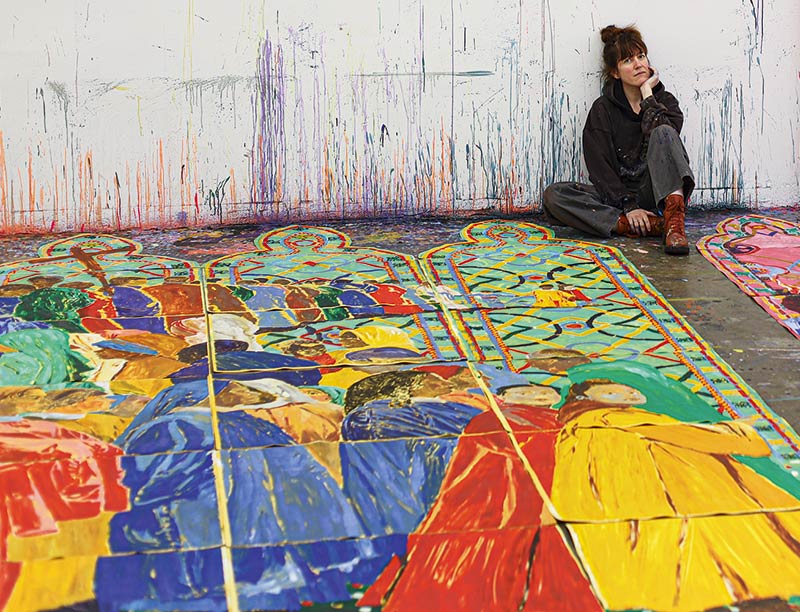
Notre-Dame : pas de suspension pour les vitraux !

On May 19, 2026, the Paris administrative court rejected requests from heritage associations Sites & Monuments and SOS Paris to suspend the removal and replacement of the stained-glass windows at Notre-Dame Cathedral. The associations had sought to block the prefect's authorization to remove the 19th-century windows by Alfred Gérente and install six new contemporary windows designed by Claire Tabouret, arguing legal doubts about the project. The judge ruled that the operation was reversible—since the new panels are the same size as the originals and the removed windows will be restored and displayed—thus no urgent suspension was warranted.

The Frigos in Danger

Les frigos en danger

The article reports on the deteriorating condition of Les Frigos, a historic artist studio complex in Paris that has been left neglected and abandoned. Once a vibrant hub for contemporary artists, the site now faces an uncertain future due to lack of maintenance and institutional support.

New space dedicated to Oleg Prokofiev—whose abstract art was censored by Soviet Russia—opens in London

A new art space called Prokofiev Studio has opened in Hackney, London, dedicated to the Russian artist Oleg Prokofiev. Its inaugural exhibition, 'Bending Time,' presents abstract works from the 1950s that were banned under Soviet censorship and long thought lost. The space was founded by Prokofiev’s children, including composer Gabriel Prokofiev, in collaboration with curator Anzhela Popova. The works were rediscovered in 1994 when Prokofiev returned to his former Moscow home and found them preserved by the new owner.

In Romagna, debate over the artistic legacy of the Fascist era

In Romagna c’è discussione attorno all’eredità artistica del Ventennio fascista

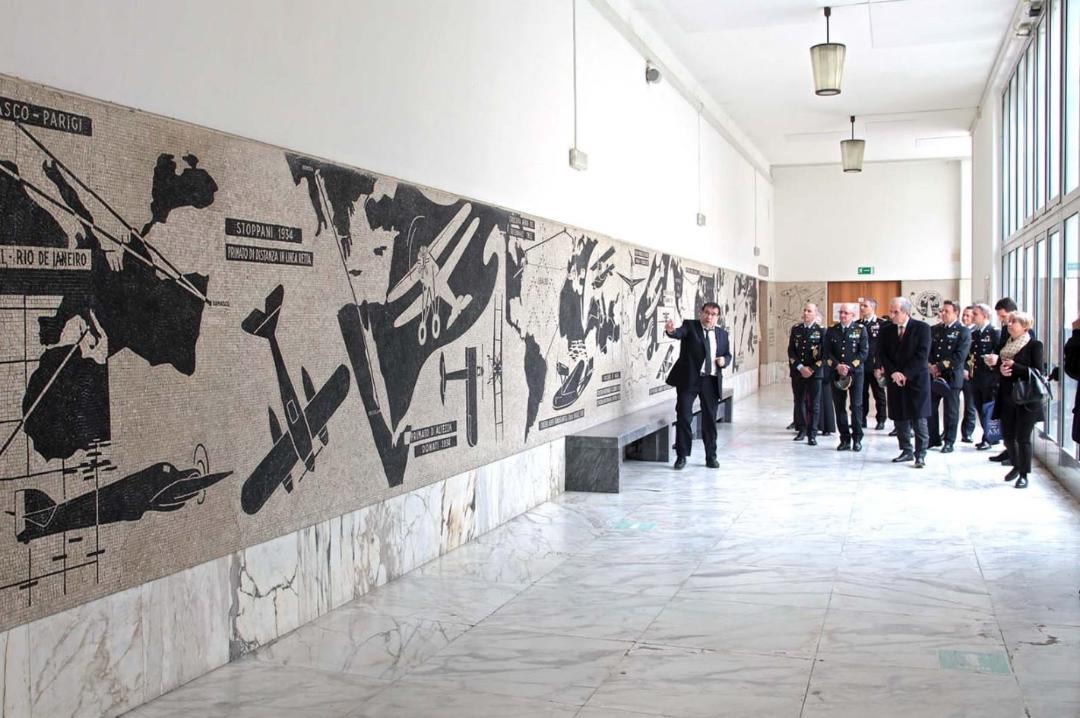
Recent developments in Romagna, Italy, have sparked debate over the artistic legacy of the Fascist era. The 102-meter-long Flight Mosaics at the former Aeronautical College in Forlì are now open to the public, and the Conad-Città di Forlì Auditorium, converted from a former GIL cinema, will inaugurate on May 13, 2026. Regional President De Pascale has announced initial funding to secure the Colonia Varese in Cervia, a Rationalist masterpiece, while long-awaited consolidation work has begun on the Casa del Fascio in Predappio, Benito Mussolini's birthplace. A 2010 plan to turn the Casa del Fascio into a cultural center documenting Fascism has stalled due to political changes and bureaucratic hurdles.

Louvre: Emmanuel Macron's Obstinacy

Louvre : l'obstination d'Emmanuel Macron

Emmanuel Macron, less than a year before leaving office, continues to push controversial projects that harm French historical monuments and museums, including the Louvre's Colonnade project. The article criticizes these initiatives as detrimental to cultural heritage, while noting that his only promising project, the Musée de l'Œuvre Notre-Dame, has been shelved. The piece also highlights the appointment of Christophe Leribault as director of the Louvre as a positive step, but argues that Macron's overall record on cultural heritage is damaging.

Giant glacier painting disappears from Argentina’s presidential palace after new law passes loosening protections for these icy regions

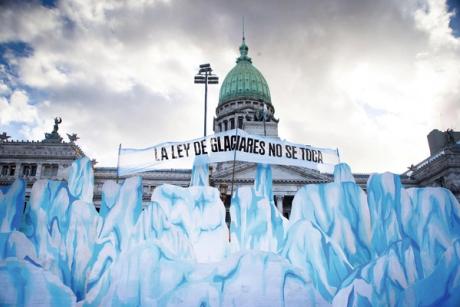
Days before Argentina’s Congress approved an amendment to the glacier law that weakens protections for glacial regions to facilitate mining, President Javier Milei’s government removed a monumental painting of the Perito Moreno Glacier from the Casa Rosada presidential palace. The work, Helmut Ditsch’s photorealist *The Triumph of Nature* (2006), had been on loan and on display since 2012. The government cited “maintenance reasons” and “structural damage,” but the artist says he was not notified and has contacted lawyers. A portrait of Juan Domingo and Evita Perón was also removed the same day, with the same vague explanation.

Hamburg Culture Prize Renamed After Namesake’s Nazi Ties Emerge

Hamburg's Senator Biermann Ratjen Medal, a culture prize awarded for nearly five decades, is being renamed the Medal for Art and Culture in Hamburg after historian Helmut Stubbe da Luz uncovered evidence that the prize's namesake, Hans Harder Biermann-Ratjen, confirmed his Nazi Party membership in a 1943 application. Biermann-Ratjen, who later served as Hamburg's senator for culture, had been deemed not to have been a member during post-war de-Nazification, but the new research prompted the city to rebrand the award.

The appalling mediocrity of the chosen project for the 'Grande Colonnade' of the Louvre

L'effarante médiocrité du projet retenu pour la « Grande Colonnade » du Louvre

The French Ministry of Culture has announced the winning team for the 'Grande Colonnade' project at the Louvre, selecting STUDIOS Architecture Paris and Selldorf Architects. The ministry's press release, described as self-congratulatory and written in trendy bureaucratic language, celebrates the choice as a major advancement. However, the article criticizes the lack of transparency, noting that only three exterior visuals have been released, and argues that the project is unfunded and threatens necessary renovations at the museum, as previously highlighted by the Cour des Comptes and parliamentary representatives.