filter_list Showing 5 results for "entartete kunst" close Clear
search
dashboard All 5 article culture 2museum exhibitions 2person people 1
date_range Range Today This Week This Month All
Subscribe

Albuquerque exhibition depicts German art made during the tragic ascent of authoritarianism

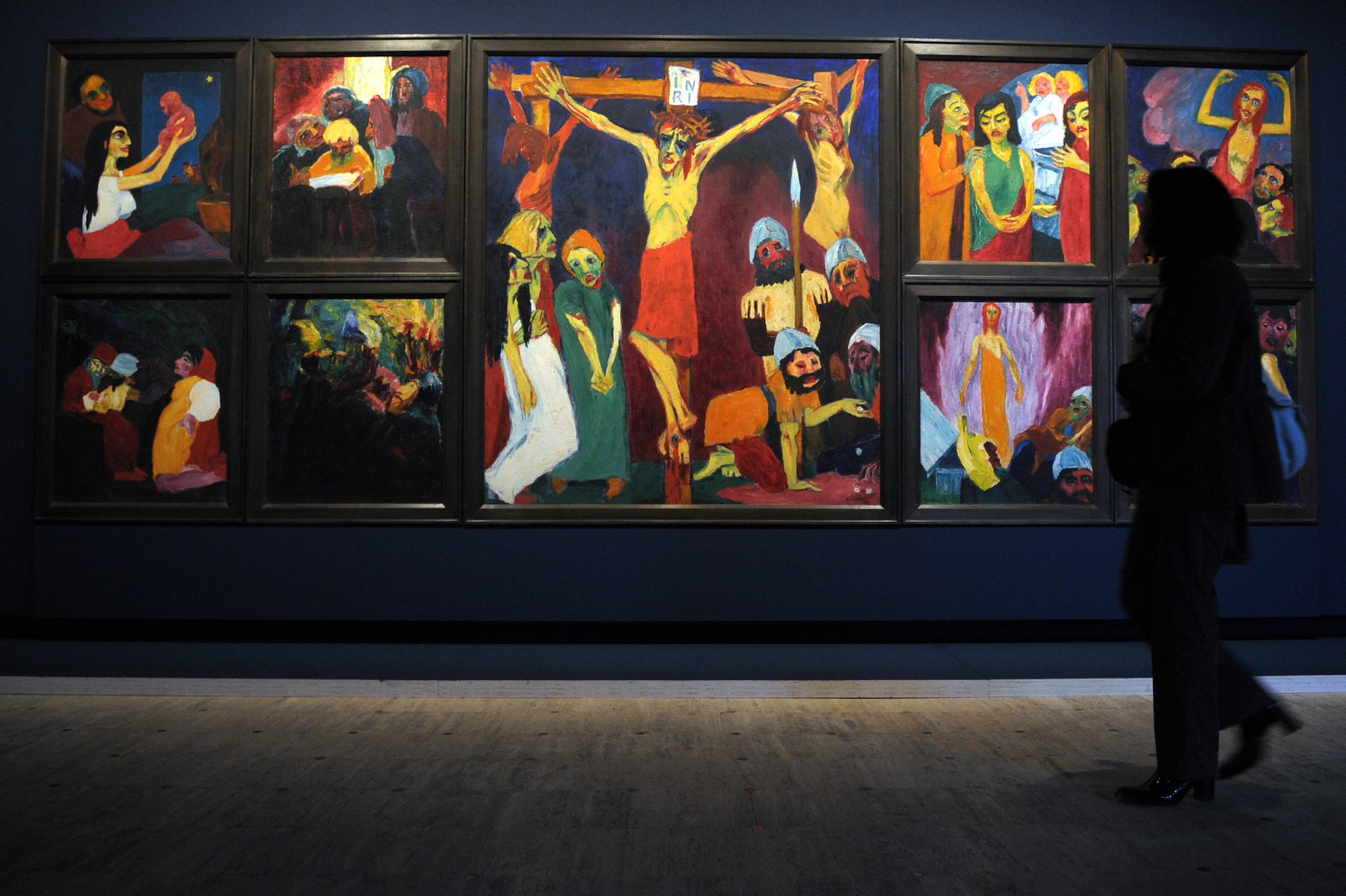
The Albuquerque Museum has opened a landmark exhibition titled "Modern Art and Politics in Germany 1910–1945: Masterworks from the Neue Nationalgalerie, Berlin," featuring German and European art from the early 20th century. The show traces the trajectory from the German Empire through World War I, the Weimar Republic, Nazi rule, and World War II, including works by Max Beckmann, George Grosz, Hannah Höch, Ernst Ludwig Kirchner, Paul Klee, and others. Many pieces were originally condemned as "degenerate art" by the Nazis. The exhibition, which has three U.S. stops, is currently in Albuquerque after appearing at the Kimbell Art Museum in Fort Worth and will travel to the Minneapolis Institute of Art.
The Disturbing Lessons of the 1937 ‘Degenerate Art’ Show

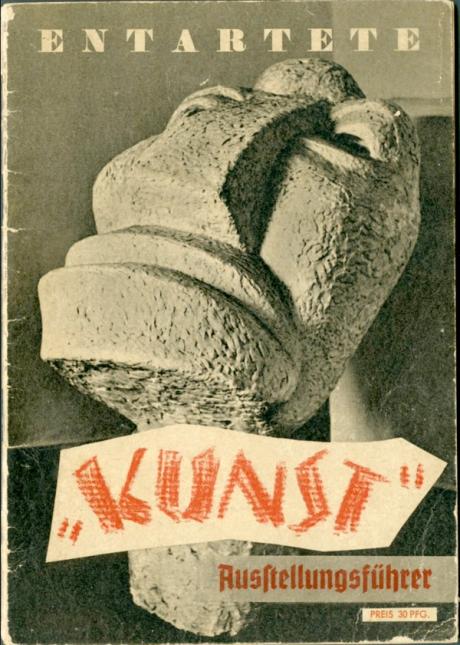
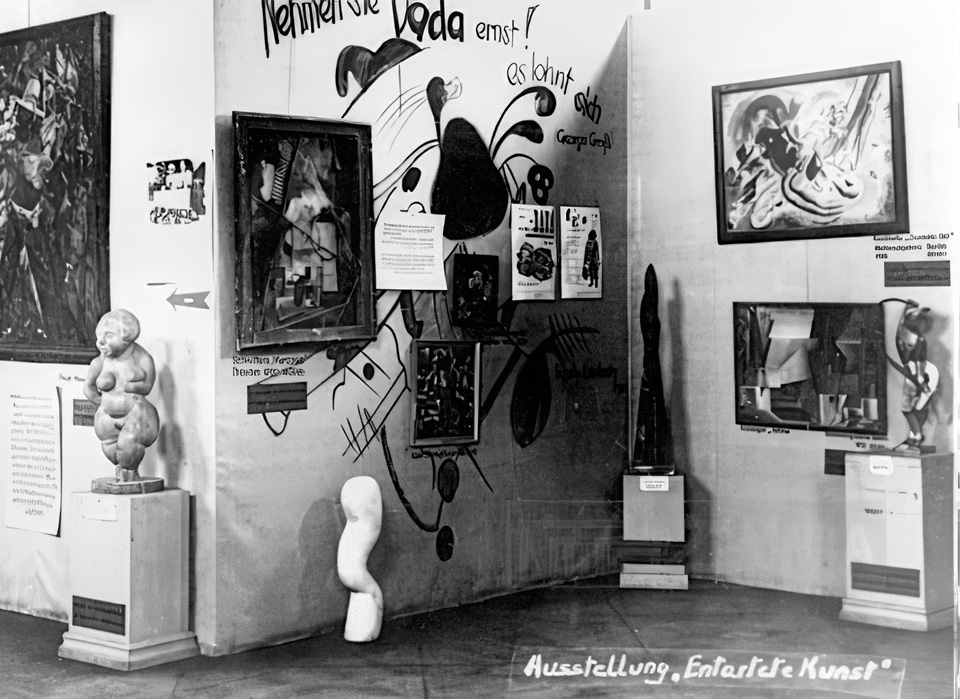
The article examines the historical context and enduring relevance of the 1937 Nazi-organized 'Degenerate Art Show' (Entartete Kunst) in Munich, which displayed hundreds of works by modern artists like George Grosz, Wassily Kandinsky, and Paul Klee as examples of moral and cultural corruption. It traces the concept's roots in 19th-century Social Darwinism, its adoption by Adolf Hitler and the Nazi Party to denigrate modern art, and the gradual escalation of cultural purification policies after Hitler seized power in 1933, including the firing of museum directors and the construction of the Haus der Deutschen Kunst.

Is Berlin not over yet?

Ist Berlin doch noch nicht over?

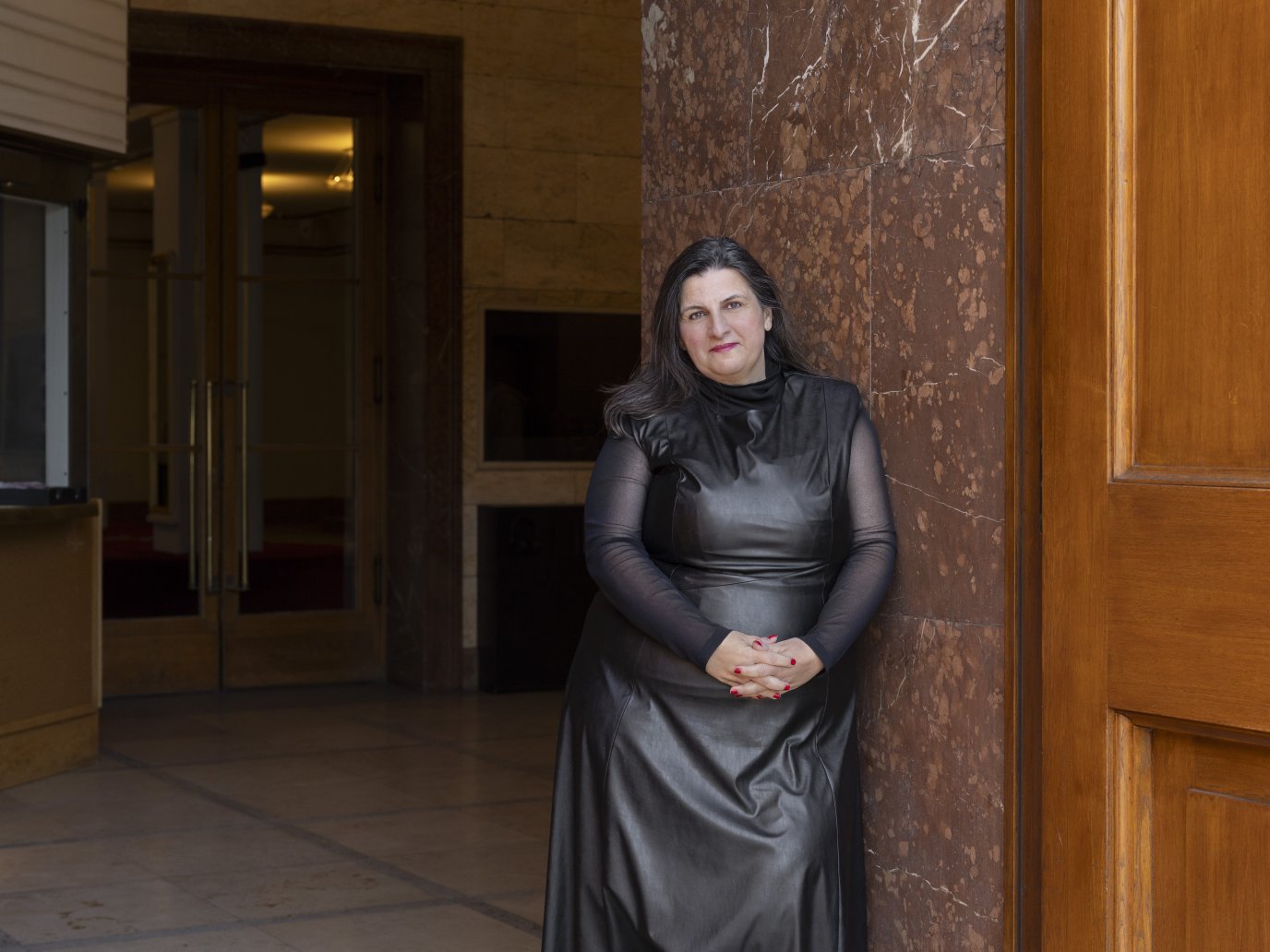
Çağla Ilk, who curated the German Pavilion at the Venice Biennale two years ago, has presented her plans as the new artistic director of the Maxim Gorki Theater in Berlin. Her program reimagines theater from the perspective of visual art, signaling a major shift in the city's theater landscape. The announcement comes amid broader reforms in Berlin's theater scene, including Matthias Lilienthal's upcoming takeover of the Volksbühne, and was met with both anticipation and anxiety, reminiscent of Chris Dercon's failed tenure at the Volksbühne in 2017.

Comment | Degenerate art all over again? Nazi attack on Modern art is not far away from trends in today’s world

The article draws a provocative parallel between the Nazi regime's attack on modern art—epitomized by the 1937 "Degenerate Art" (Entartete Kunst) exhibition—and contemporary political aesthetics, particularly around President Donald Trump. It traces the Nazi party's early use of visual spectacle, mass rallies, and monumental art to forge a national identity, contrasting this with Trump's proposed National Garden for American Heroes and stalled White House Ballroom, which the author dismisses as kitsch but lacking the cohesive fascist aesthetic of Albert Speer's masterplans.

The National WWII Museum Hosting Special Exhibit Highlighting Nazi Campaign against Modern Art

The National WWII Museum in New Orleans has opened a special exhibit titled 'Degenerate! Hitler’s War on Modern Art,' on loan from the Jewish Museum Milwaukee and running through May 10, 2026. The exhibit features over 65 works by artists deemed 'degenerate' by the Nazi regime, including Wassily Kandinsky, Max Beckmann, Pablo Picasso, and Marc Chagall, alongside documents and artifacts that explore how modernist art was suppressed and weaponized as propaganda. The museum has expanded the original exhibit to include a focus on suppressed music, featuring instruments from the era, such as a tenor saxophone played by Eddie Powers and a clarinet played by George Lewis, on loan from the New Orleans Jazz Museum.