filter_list Showing 11 results for "farah al qasimi" close Clear
search
dashboard All 11 museum exhibitions 7article news 4
date_range Range Today This Week This Month All
Subscribe

We visited the 2026 Venice Art Biennale: the exhibitions and pavilions you shouldn’t miss

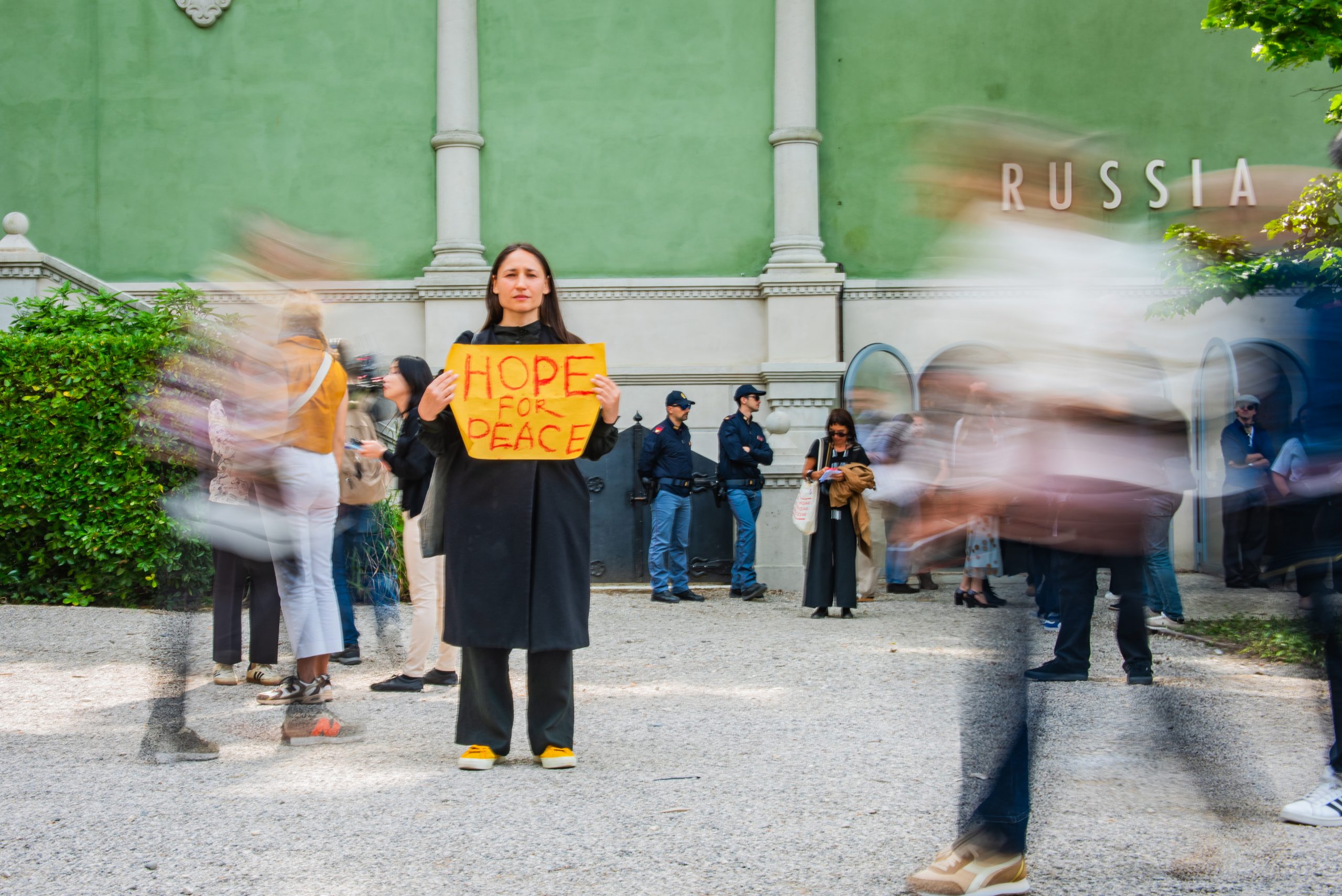
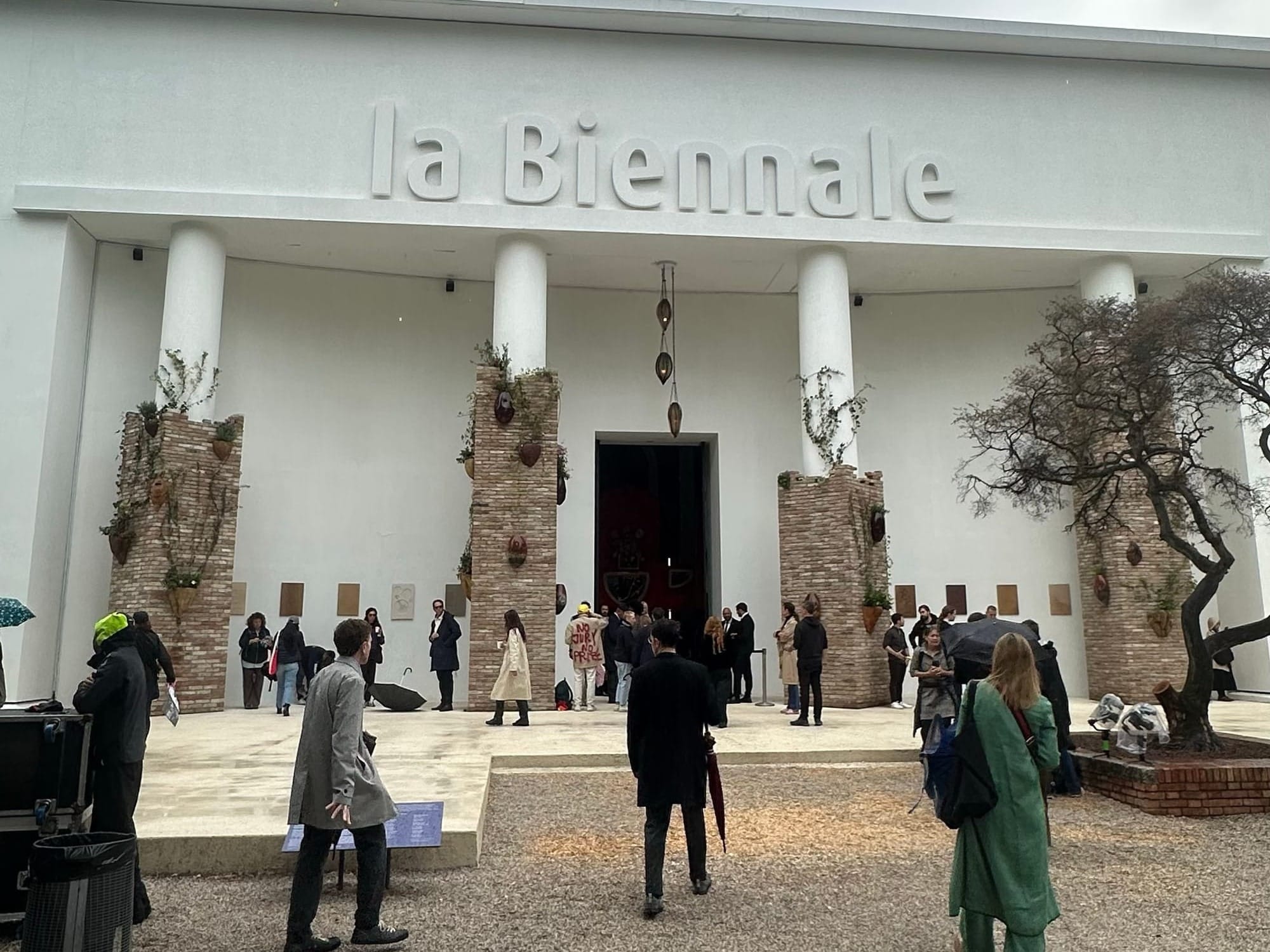
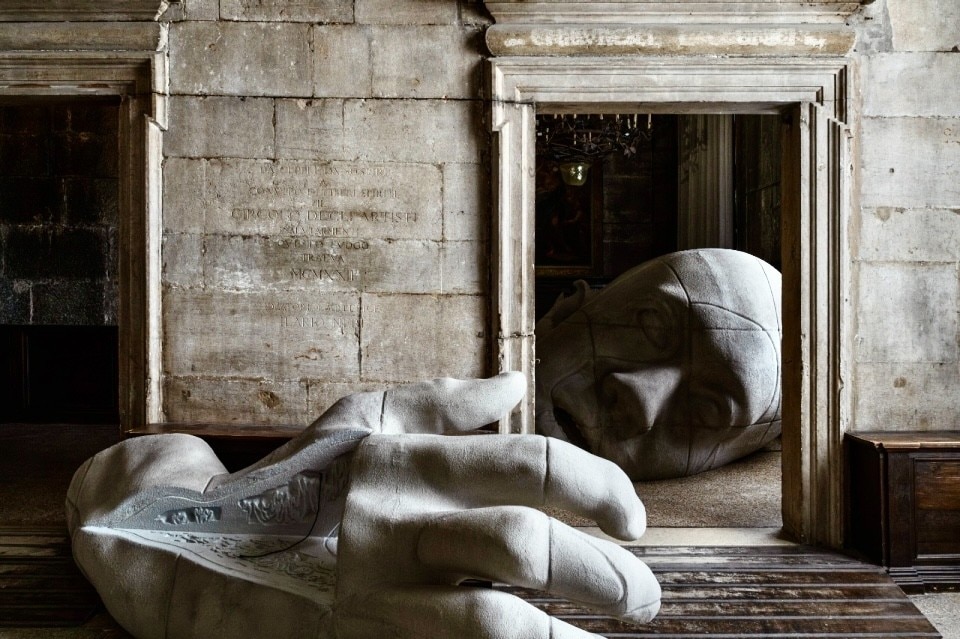
The 2026 Venice Art Biennale has opened across the Giardini, Arsenale, and venues throughout the city, with geopolitics, climate collapse, and national identities dominating the exhibitions. Notable pavilions include Austria's "Seaworld Venice" by Florentina Holzinger, the Czech and Slovak Pavilion's "Il Silenzio della Talpa" by Jakub Jansa and Selmeci Kocka Jusko, India's "Geographies of Distance: remembering home" featuring multiple artists, and the Taiwan Pavilion's "Screen Melancholy" by Li Yi-Fan. The Russian Pavilion has become a focal point of controversy, with guards and empty beer bottles outside, and the Pussy Riot collective staging a protest nearby.
Must-See National Pavilions at the 61st Venice Biennale

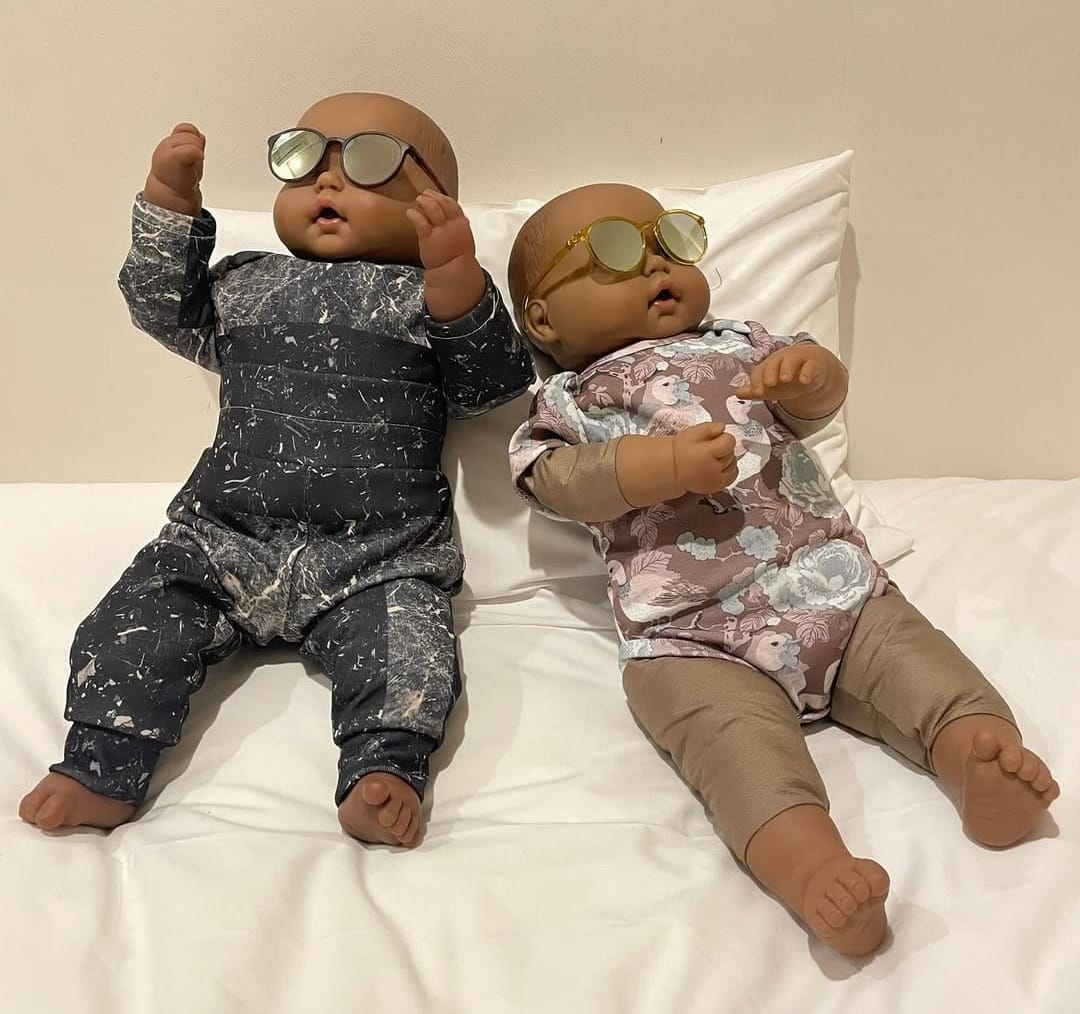
The 61st Venice Biennale features standout national pavilions from Japan, the Philippines, Timor-Leste, Singapore, and India. Japan presents Ei Arakawa-Nash's 'Grass Babies, Moon Babies,' an interactive exhibition with hand-sewn baby dolls and sound pieces exploring queer parenthood and collective care. The Philippines showcases Jon Cuyson's 'Sea of Love / Dagat ng Pag-ibig,' a solo show using 'mussel thinking' to highlight Filipino seafarers. Timor-Leste's 'Across Words' brings together three artists addressing ethnolinguistic diversity and cultural memory, while Singapore presents Amanda Heng's 'A Pause,' a feminist performance on vulnerability and resilience. India's pavilion features Ranjani Shettar's work, supported by Talwar Gallery.

Previews: 61st Venice Biennale: In Minor Keys

The 61st Venice Biennale, titled "In Minor Keys" and curated by the late Koyo Kouoh, opens amid global turmoil and internal controversy. Kouoh, who passed away in May 2025, conceived the exhibition around the metaphor of a "creole garden," emphasizing deep affinities between 111 artists from diverse locations such as Dakar, Beirut, and Salvador. The Biennale is overshadowed by recent geopolitical events, including US-Israeli airstrikes on Iran, and faces protests: over 70 participating artists signed an open letter opposing the participation of Israel, Russia, and the US, while the Australian pavilion saw the reinstatement of Khaled Sabsabi after being dropped, and South Africa withdrew its official pavilion over Gabrielle Goliath's femicide project, which she will still present independently.

Statement of Withdrawal from Visitor Lion Awards

Political Fallout Rocks Venice Biennale Prize System

Dozens of artists participating in the 2026 Venice Biennale have withdrawn from consideration for the newly created Visitor Lion awards, replacing the traditional Gold and Silver Lion prizes. A total of 57 artists from the main exhibition and 22 national pavilions signed a statement published on e-flux on May 9, acting in solidarity with the five-person prize jury that resigned on April 30 over the continued participation of Russia and Israel. The jury had objected to awarding prizes to artists from countries whose leaders face International Criminal Court charges, including Russian president Vladimir Putin and Israeli prime minister Benjamin Netanyahu. In response, the Biennale organizers postponed the awards ceremony to November 22 and introduced visitor voting, a move they described as consistent with openness and dialogue. Meanwhile, the Russian Pavilion, which returned after lending its space to Bolivia in 2024, faced protests, closure after previews, and a €2 million funding pull by the European Union for the 2028 Biennale.

In Protest of Israeli Pavilion, Activists and Unions Plan Strike on Venice Biennale’s Opening Day

The Art Not Genocide Alliance (ANGA) has announced a 24-hour strike and rally on May 8, the day before the 2026 Venice Biennale opens to the public, in protest of the Israeli Pavilion. ANGA, formed in opposition to Israel's inclusion in the 2024 Biennale, refers to the current Israeli presentation—featuring Haifa-based artist Belu-Simion Fainaru—as the "Genocide Pavilion." Over 200 artists, curators, and culture workers have signed an open letter demanding Israel's exclusion, and a separate action called Solidarity Drone Chorus involved 60 artists. ANGA is collaborating with local labor and culture organizations including Biennalocene, Vogliamo Tutt'altro, S.a.L.E. Docks, and Mi Riconosci.

Farah Al Qasimi: Psychic Repair

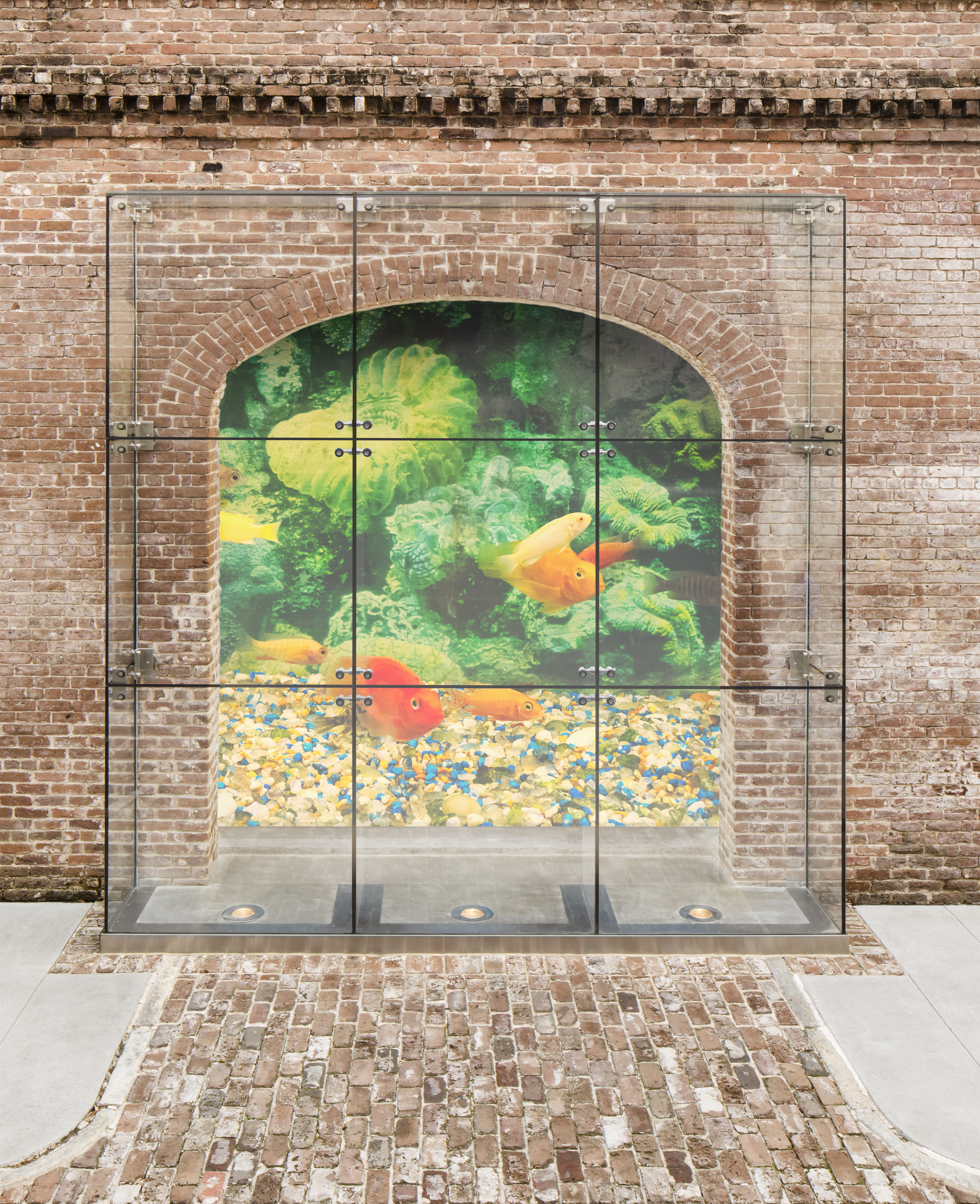
Emirati photographer and musician Farah Al Qasimi presents her solo exhibition "Psychic Repair" at the SCAD Museum of Art in Savannah, Georgia, running from January to June 7, 2026. Curated by SCAD Museum Associate Curator Brittany Richmond, the show explores self-presentation and consumerism through staged domestic interiors, vinyl works, framed photographs, and music videos. Key pieces include "Beauty Salon" (2024), "Aquarium" (2024), "Clothing Store" (2023), and "Painting and Astroturf" (2023), which appropriate signifiers of the attention economy. The exhibition is strategically positioned to respond to Savannah's history as a port city built on trade in cotton, indigo, rice, and enslaved people, with the museum itself occupying a former railway depot made of Savannah Gray brick produced by enslaved laborers.

Koray Duman is Architecting Engagement from the Venice Biennale to Carnegie International

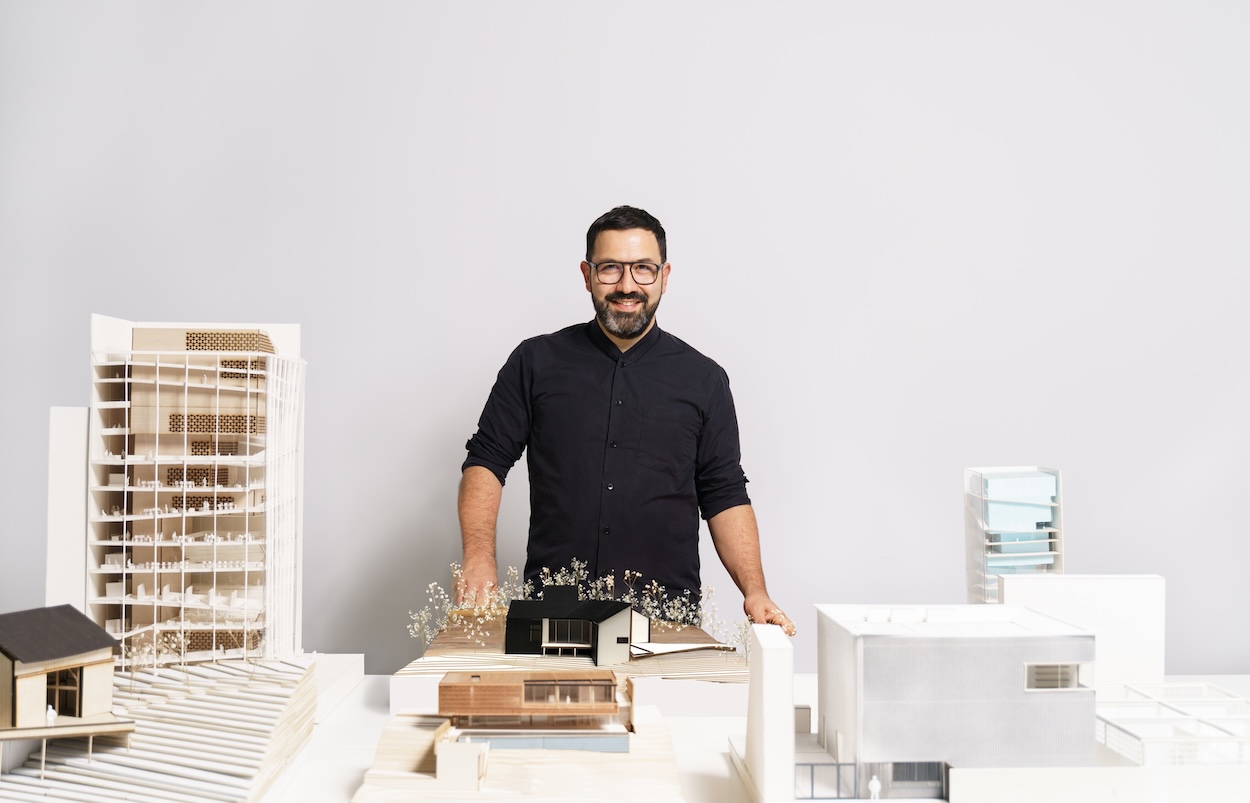
Architect Koray Duman and his studio Büro Koray Duman (B-KD) have unveiled five major international projects, including designs for the UAE National Pavilion and Denniston Hill's special project at the 61st Venice Biennale, the 59th Carnegie International in Pittsburgh, the National Academy's "Future Schools" exhibition in New York, and a multi-generational upstate residential project. Duman's work emphasizes inclusivity, cultural exchange, and architecture as a social tool, with installations like "Chimera" for Denniston Hill and a sound-and-memory-focused pavilion for the UAE.

Venice Biennale’s Visitor Lions Face Artist Boycott

Al Padiglione Emirati della Biennale di Venezia l’ascolto passa dall’architettura

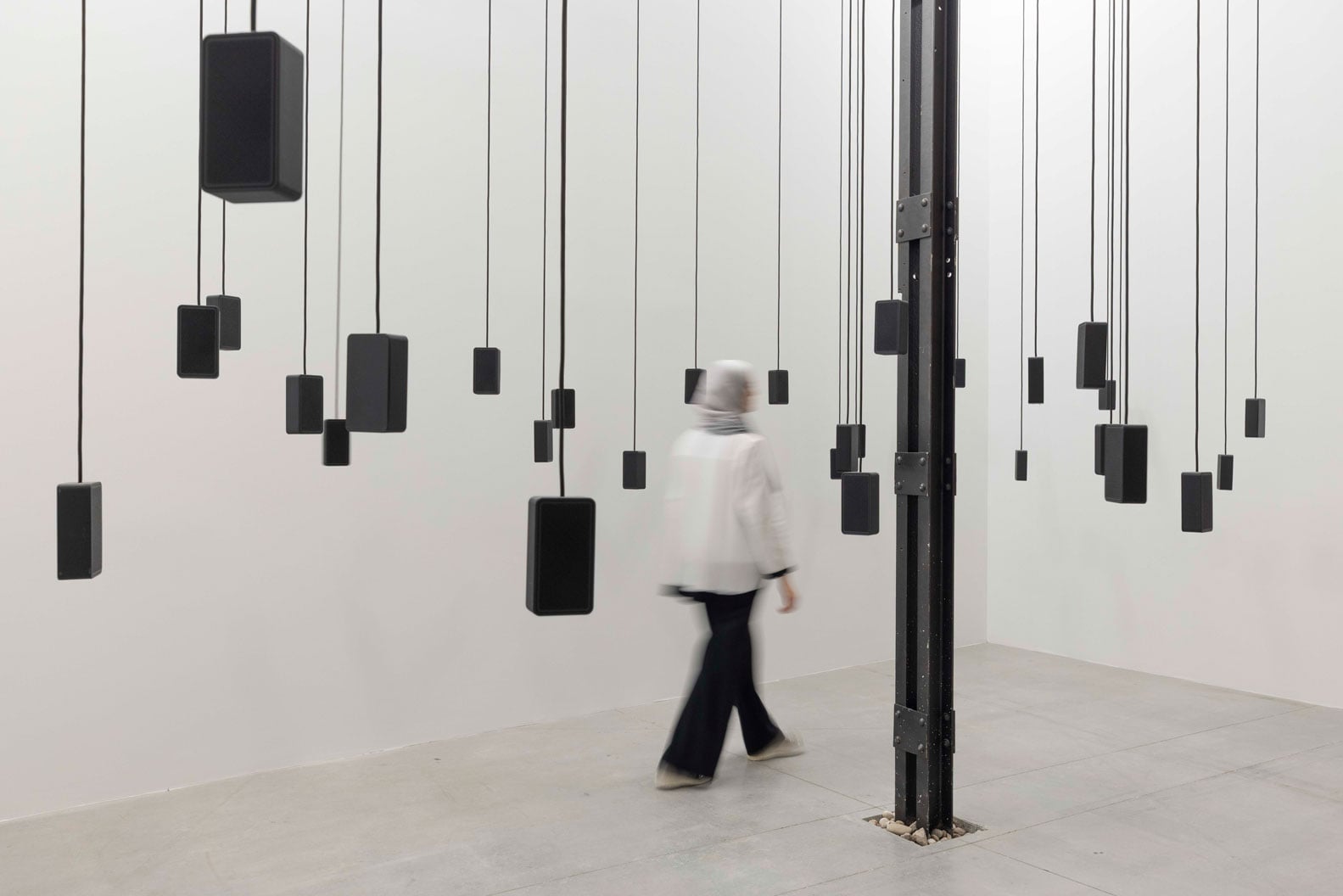
At the Venice Biennale, the UAE Pavilion at the Arsenale presents 'Washwasha,' a project curated by Bana Kattan that focuses on sound as an invisible infrastructure crossing cultures, memories, and identities. Featuring artists Tala Safié, Farah Al Qasimi, and Ala Younis, the pavilion eschews visual shock and political slogans for an immersive, auditory experience that prioritizes listening, proximity, and disorientation. Architect Koray Duman, who designed the space, explains in an interview that the pavilion is a deliberate counter to the contemporary culture of hyperstimulation and monetized attention, using architecture not as a container but as a system that organizes perception and emotional tension.

Inside the UAE Pavilion at Venice Biennale, a whisper becomes a portrait of a nation

The UAE Pavilion at the 61st Venice Biennale presents 'Washwasha,' an exhibition curated by Bana Kattan with assistant curator Tala Nassar. The show features six artists—Mays Albaik, Jawad Al Malhi, Farah Al Qasimi, Alaa Edris, Lamya Gargash, and Taus Makhacheva—whose works explore the concept of whispering in Arabic, encompassing oral history, language, rumor, and daily noise. Installations include glass sculptures, sound-based pieces from barbershops and farms, and a reconstructed hammam installation by Al Malhi that plays recordings of wedding rituals. The exhibition runs until November 22.