filter_list Showing 15 results for "hans holbein the younger" close Clear
search
dashboard All 15 article culture 5museum exhibitions 5rate_review review 3article news 2
date_range Range Today This Week This Month All
Subscribe

renovated frick expansion reopening highlights

The Frick Collection reopens to the public on April 17 after a five-year closure and a $220 million expansion and renovation by Selldorf Architects. The project adds 18,000 square feet, including 10 new galleries in the family's original second-floor living quarters, a marble staircase, cafe, gift shop, and a new auditorium. The percentage of the collection on view has increased from 25% to 47%, and Ukrainian artist Vladimir Kanevsky has created porcelain floral arrangements for the reopening. New director Axel Rüger, who joined from London's Royal Academy of Arts, welcomed journalists at a press preview.

Can Art Feel?

Hyperallergic's newsletter explores the question of whether artworks can possess personhood, drawing on Lisa Siraganian's essay that references the 2010 Citizens United Supreme Court decision and Pierre Huyghe's uncanny human statues. Other featured pieces include Ed Simon's review of Elizabeth Goldring's new book on Hans Holbein the Younger, Michael Glover's introduction to George Stubbs's equine portraits at the National Gallery in London, and news of a historic $116M gift to the National Gallery of Art for an artwork lending program. The newsletter also covers Byron Kim's exhibition at James Cohan Gallery, the new V&A East museum in London, and obituaries for Desmond Morris, James Hayward, and Flo Oy Wong.

jaqueline humphries aspen museum review

Jacqueline Humphries's survey exhibition at the Aspen Art Museum features her painting installation "TSLA" (2025), a five-panel work hung on bare metal studs that bisects the gallery space. The installation plays with perception through mirrors and anamorphic imagery, including a distorted Tesla logo, and includes a hidden set of red paintings visible only as reflections. The show also presents nine smaller works generated in part by artificial intelligence, housed in a green-walled adjacent room.

Frieze London diary: art historical speed dating and frozen faeces

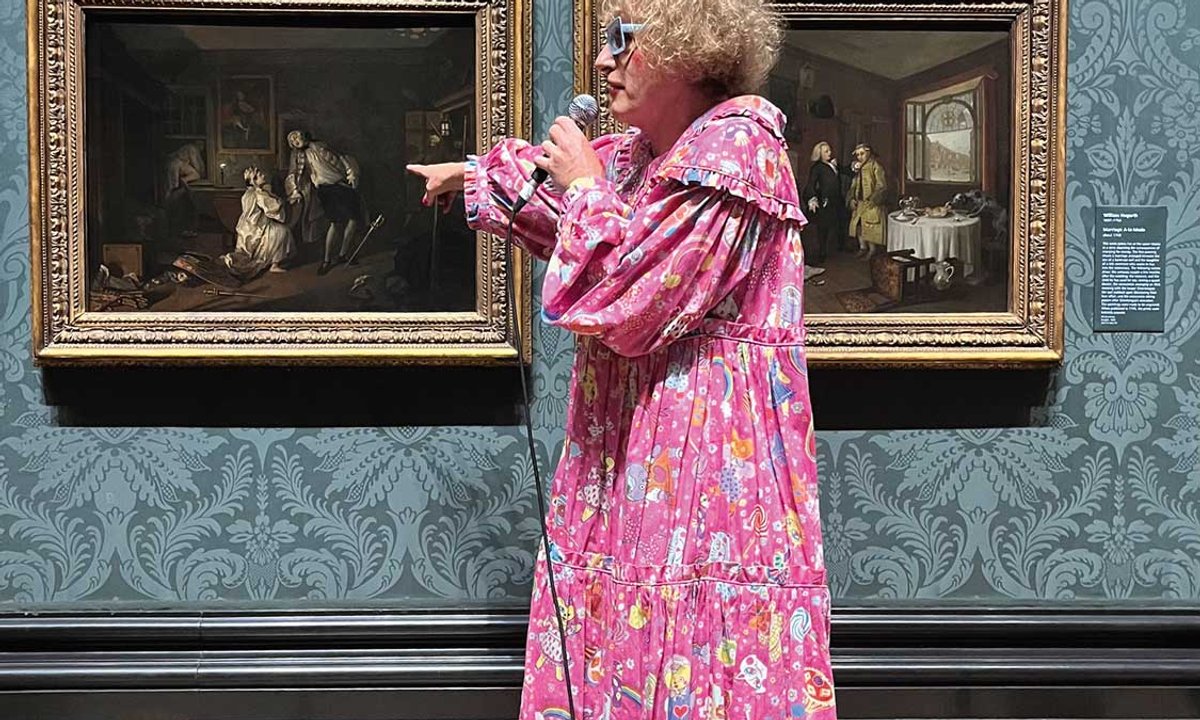
During Frieze week in London, the National Gallery hosted its 'Unexpected Views' talk series, where eight contemporary artists including Grayson Perry, Shirazeh Houshiary, and Haegue Yang gave ten-minute talks on their favorite works. Tracey Emin and British Museum director Nicholas Cullinan held a candid discussion titled 'Confessions in the Museum,' and the art collective Konn Artiss placed ice blocks containing frozen feces outside major galleries and auction houses as a protest against the art market. The week also featured a lavish Frieze Collectors' Dinner with guests including Ari Emanuel, Sadie Coles, and Christian Levett, and a secret performance by musician Sampha.

Anne Boleyn Exhibition at Hever Castle

anne boleyn hever castle

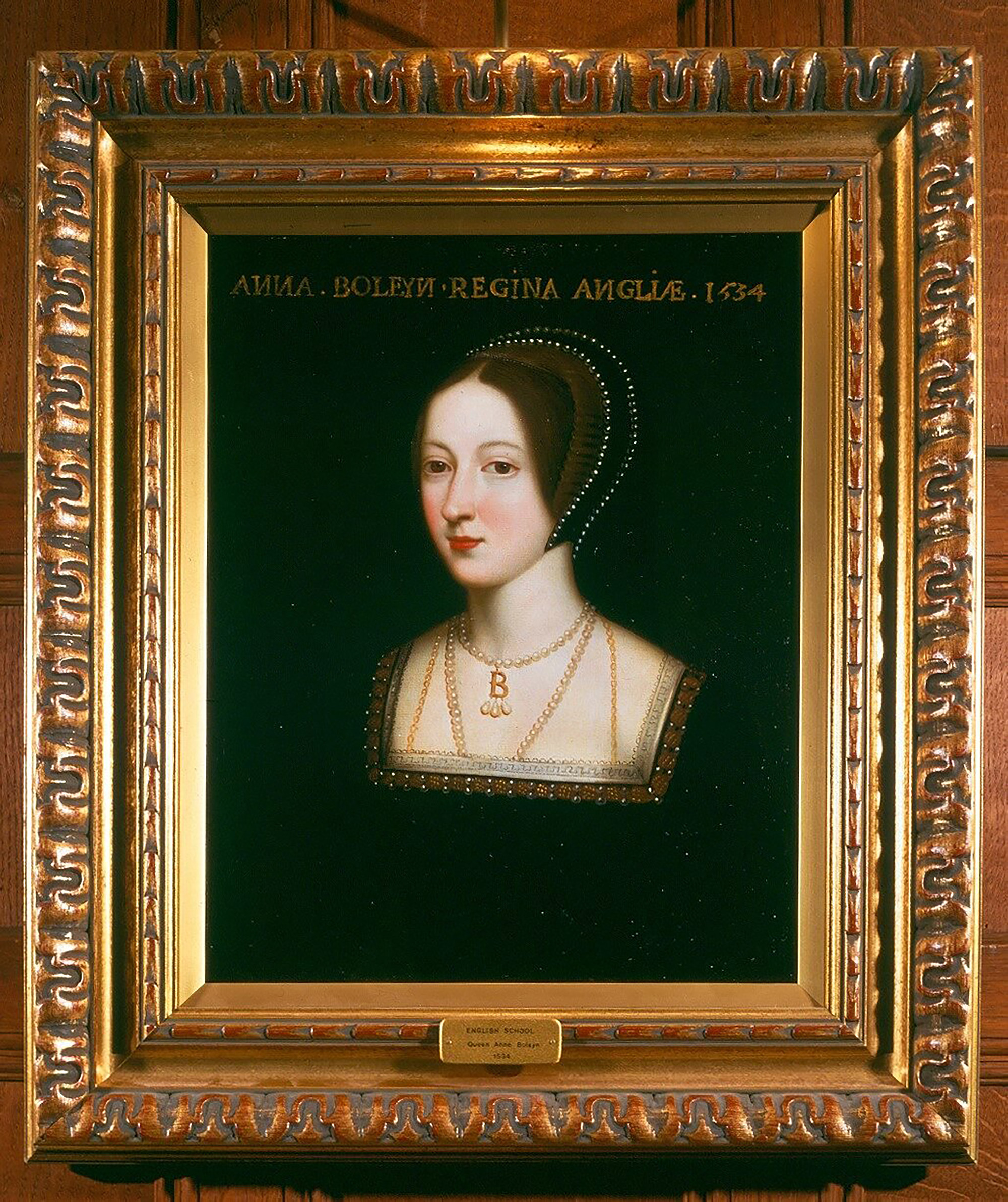
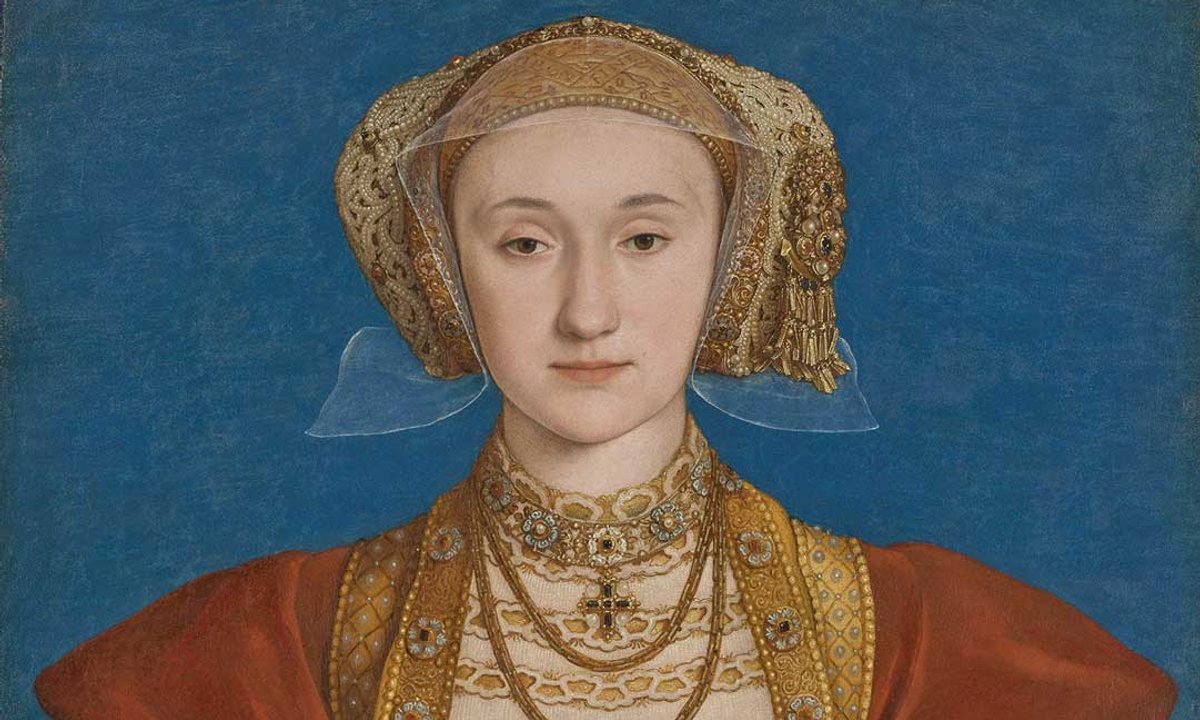
Hever Castle has launched "Capturing a Queen: The Image of Anne Boleyn," a landmark exhibition exploring the visual legacy of King Henry VIII’s second wife at her childhood home. The show brings together an unprecedented collection of portraits, woodcuts, and costumes to challenge the long-held myth that all contemporary likenesses of Anne were destroyed after her execution. Key highlights include infrared analysis of the 1583 "Rose" Portrait and research suggesting that some famous posthumous depictions actually blended her features with those of her daughter, Elizabeth I, to solidify Tudor legitimacy.

curators reveal their favorite artworks of all time

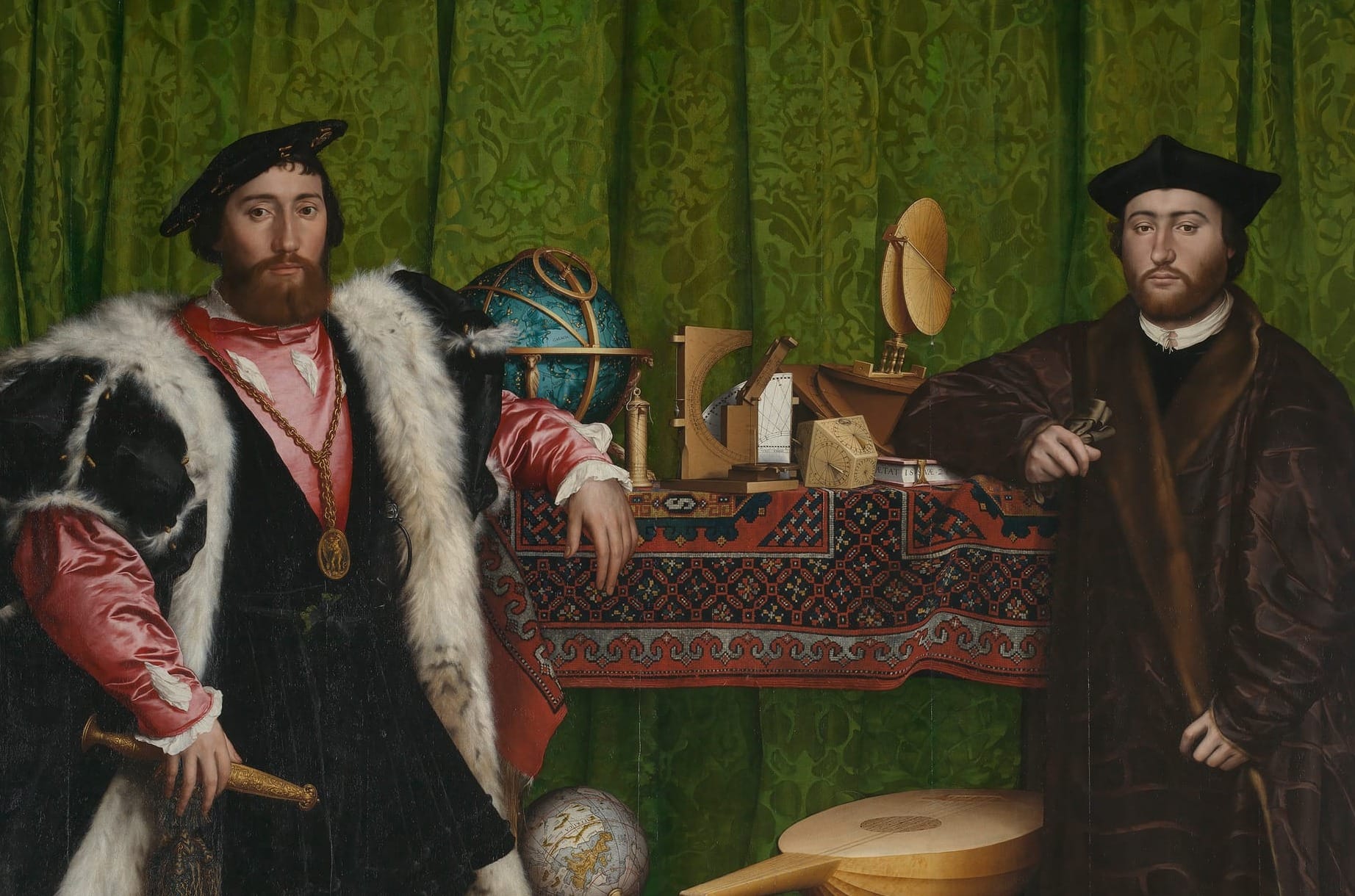
Artnet News asked leading curators and museum directors to share their favorite artworks of all time. Connie Butler of MoMA PS1 chose David Hammons's "Bliz-aard Ball Sale" (1983), praising its connection from Duchamp to AI. Julieta Gonzalez of the Wexner Center selected Hans Holbein the Younger's "The Ambassadors" (1533), highlighting its anamorphic skull as a metaphor for viewing modernity from the margins. Madeleine Grynsztejn of MCA Chicago picked Francisco Goya's "A Pilgrimage to San Isidro" (1819–23) from his Black Paintings cycle, calling it a metaphor for fanaticism.

burton the meeting on the turret stairs

The article explores Frederic William Burton's iconic Victorian watercolor *Hellelil and Hildebrand, the Meeting on the Turret Stairs* (1864), held at the National Gallery of Ireland. It recounts the tragic medieval Danish ballad that inspired the painting, in which the noblewoman Hellelil and her guard Heldebrand are doomed lovers. Burton, an Irish painter influenced by the Pre-Raphaelite Brotherhood, worked exclusively in watercolor and gouache, making this delicate piece a technical marvel. The museum displays it only one hour twice weekly to protect it from light damage.

hans holbein tudor legacy

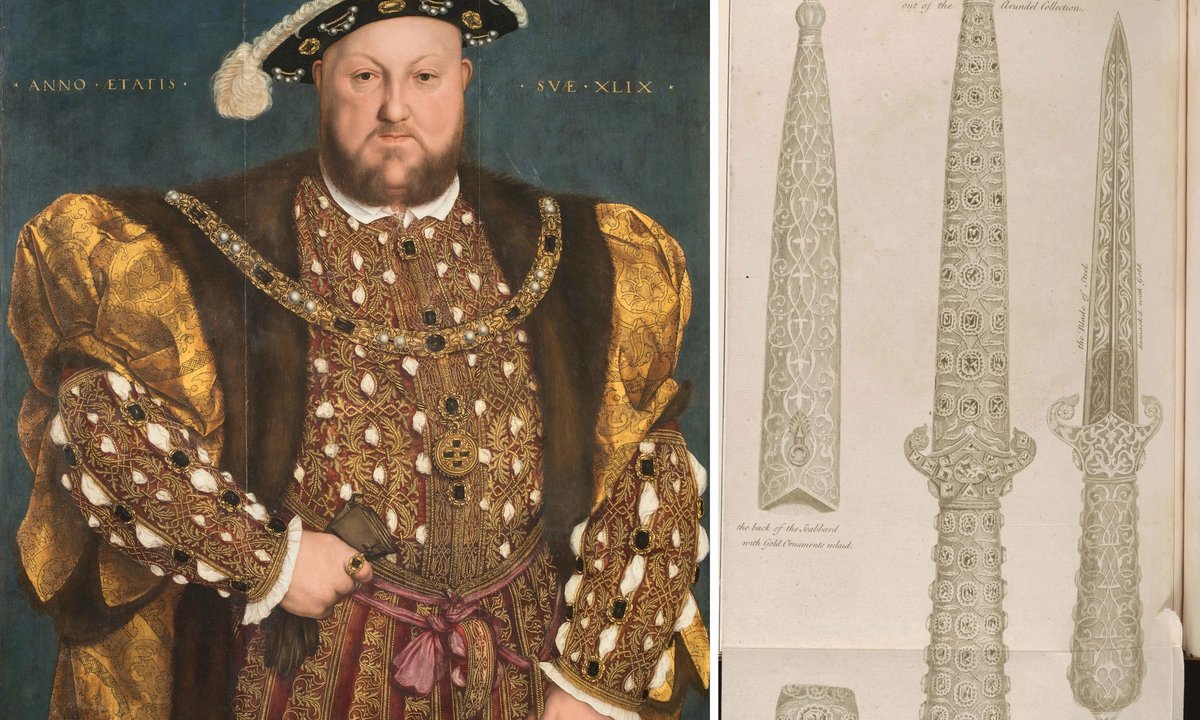
A new biography by art historian Elizabeth Goldring, titled "Holbein: Renaissance Master," traces the journey of German painter Hans Holbein the Younger from his humble beginnings in Augsburg to becoming the official painter of King Henry VIII in Tudor England. The book, already released in the U.K. and hitting U.S. bookshops on January 6, examines how Holbein's portraits—including the iconic image of Henry VIII and rival courtiers Thomas More and Thomas Cromwell—defined the visual legacy of the Tudor dynasty. Goldring highlights Holbein's ability to confer power through paint, with his works still shaping global perceptions of the Tudors centuries later.

Early 2026 Art Books From Yale University Press

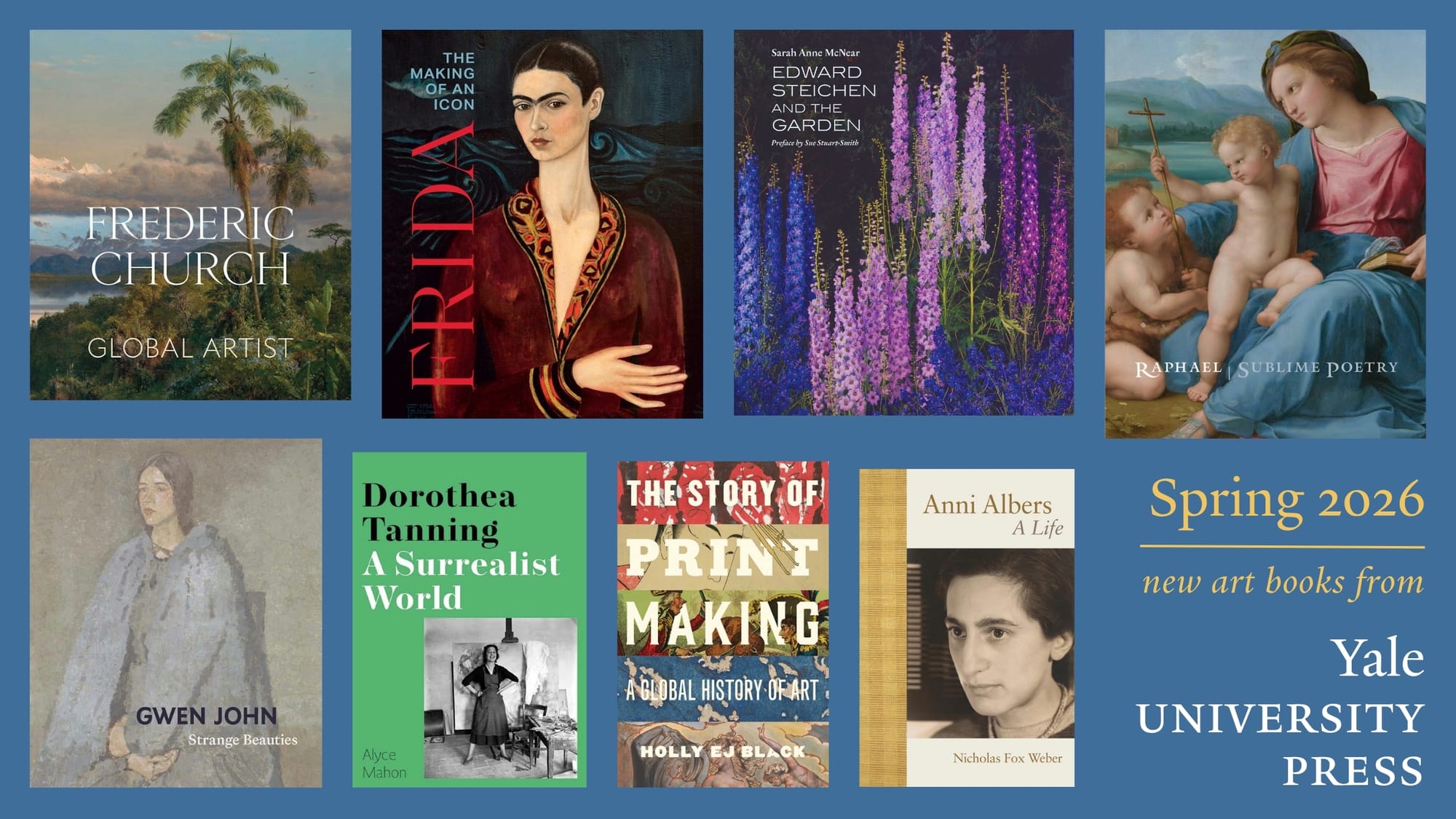
Yale University Press has announced its early 2026 art book lineup, featuring exhibition catalogues such as "Raphael: Sublime Poetry" from The Metropolitan Museum of Art, "Gwen John: Strange Beauties" from the Yale Center for British Art, "Edward Steichen and the Garden" from the George Eastman Museum, and "Frederic Church: Global Artist" from Olana NY State Historic Site. New releases also include a biography of Anni Albers by Nicholas Fox Weber, a catalogue titled "Anni Albers: Constructing Textiles" accompanying a European traveling exhibition, and Alyce Mahon's "Dorothea Tanning: A Surrealist Life," named a Best New Art Book of 2026 by Christie's. The press will hold a 50% off annual sale in May.

A.I. Identifies Holbein Drawing as Possible Portrait of Anne Boleyn

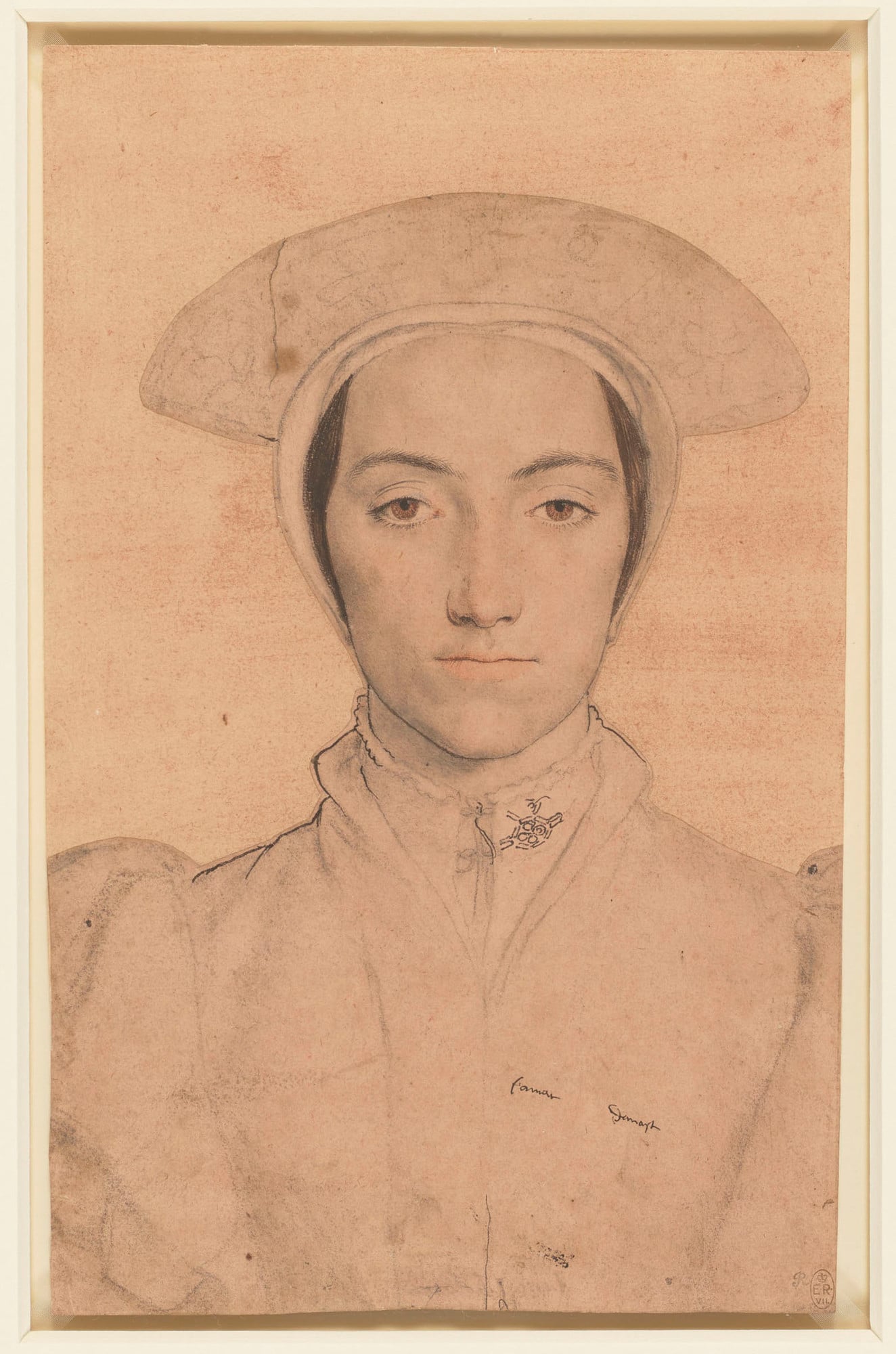
Researchers at the University of Bradford have used artificial intelligence to analyze preparatory drawings by Hans Holbein the Younger in the Royal Collection at Windsor Castle. The AI model, which previously identified a forgotten Raphael painting, suggests that a drawing long believed to depict Anne Boleyn actually shows her mother, Elizabeth Howard, while another drawing labeled "Unidentified Woman" likely portrays Anne Boleyn herself. The findings, published in Heritage Science, are based on biometric analysis of facial features, bone architecture, and proportional relationships, offering quantifiable evidence to resolve long-standing scholarly uncertainty about the sitters' identities.

anne boleyn portrait elizabeth i

New research by Tudor historian Owen Emmerson suggests that the most famous portrait of Anne Boleyn, displayed at London’s National Portrait Gallery, actually depicts her daughter Queen Elizabeth I. Emmerson argues the late-16th-century painting was deliberately made to resemble Elizabeth I, reinforcing a legitimate Tudor succession. The theory is supported by comparisons with another portrait of Elizabeth at Compton Verney and by Lawrence Hendra of Philip Mould gallery. An upcoming exhibition at Hever Castle, "Capturing a Queen: The Image of Anne Boleyn," will present this and other evidence, alongside newly identified contemporaneous images of Boleyn, including a miniature from the British Museum and a drawing by Hans Holbein the Younger.

british museum tudor heart henry viii

The British Museum has launched a high-profile fundraising campaign to acquire the Tudor Heart, a gold pendant from the early reign of Henry VIII, discovered by amateur metal detectorist Charlie Clarke in Warwickshire in 2019. The museum needs to raise £3.5 million ($4.6 million) by early next year to secure the piece, which features symbols of Henry VIII and Katherine of Aragon and is described as the only surviving Tudor jewelry of its kind. Actor Damian Lewis and historian Mary Beard are supporting the appeal, and the museum will host its first British Museum Ball on October 18 to further fundraising efforts.

Hans Holbein Painted the Human

A new book, 'Holbein: Renaissance Master' by Elizabeth Goldring, published by Yale University Press and the Paul Mellon Centre, offers a comprehensive scholarly examination of the 16th-century German painter Hans Holbein the Younger. The review focuses on Holbein's masterful portraiture, particularly his depictions of opposing Tudor-era figures like Sir Thomas More and Thomas Cromwell, which are highlighted as embodying the era's complex political and religious tensions through their visual presentation at the Frick Collection in New York.

Holbein biography interrogates the artist's life and work from a different angle

Elizabeth Goldring’s new biography of Hans Holbein the Younger takes a documentary-focused approach, prioritizing archival evidence over visual analysis. The book examines Holbein’s life (1497/8–1543) through chronological chapters, using inventories, correspondence, and other records to correct long-held assumptions and propose new theories about his work. Goldring’s detective work includes identifying the green curtain in Holbein’s portrait of Sir Thomas More as a reference to the sitter’s role as chancellor of the Duchy of Lancaster, and suggesting that a lost painting of the More family was given to Erasmus as a gift.

Twisting tale of ‘Henry VIII’s lost dagger’ to be told in London exhibition

An exhibition opening at Strawberry Hill House in London on November 1 will explore the history of a jewel-encrusted Ottoman dagger long believed to have belonged to Henry VIII. Curator Silvia Davoli has uncovered that the dagger was actually made in late 16th-century Istanbul, decades after Henry's death, and was mistakenly attributed to the king by 18th-century engraver George Vertue. The dagger was owned by Horace Walpole, then passed through several hands before being stolen in a 1946 heist at Hever Castle, where it was kept by the Astor family. Though the original dagger remains missing, the exhibition will display two similar Ottoman daggers from Welbeck Abbey and Vienna's Kunsthistorisches Museum.