filter_list Showing 7 results for "looting" close Clear
dashboard All 7 museum exhibitions 4gavel restitution 2article policy 1
date_range Range Today This Week This Month All
Subscribe

‘This is an opportunity that will never happen again’: Syrian artist Sara Shamma on rebuilding her country

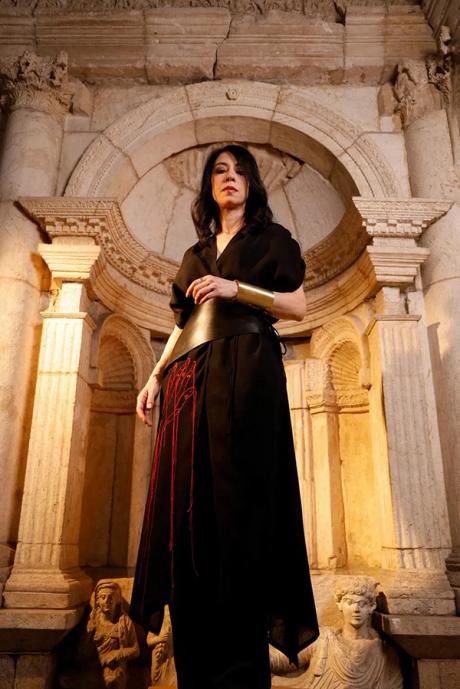
Syrian artist Sara Shamma has been selected to represent Syria at the 2026 Venice Biennale, marking the country's return to the event with a single-artist national pavilion for the first time. Her immersive installation, 'The Tower Tomb of Palmyra,' curated by Yuko Hasegawa and commissioned by Syria's ministry of culture, combines painting, architecture, light, sound, and scent. It draws on the ancient funerary towers of Palmyra destroyed by Islamic State in 2015, addressing cultural loss and the possibility of reconstruction. Shamma, who returned to Syria in September 2024 after eight years abroad, describes living through the fall of the Assad regime and the country's rebirth as a transformative personal and national moment.
Musée d’Orsay opens gallery dedicated to still-unclaimed works stolen by Nazis in WWII

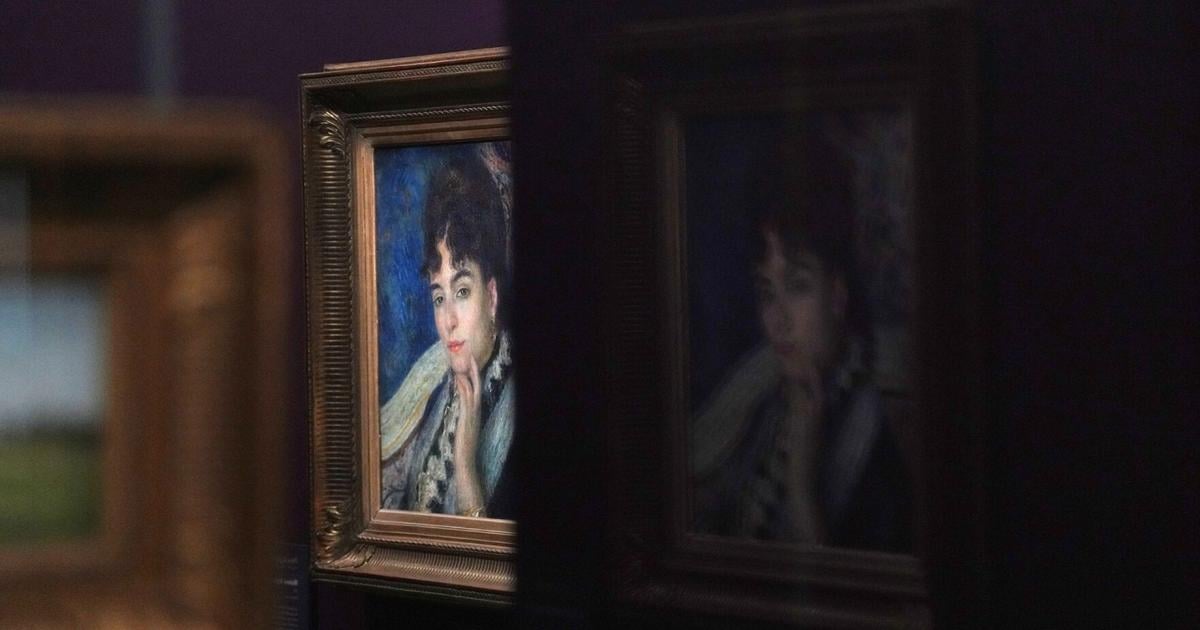
The Musée d'Orsay in Paris has opened a permanent gallery dedicated to artworks believed to have been looted by the Nazis from Jewish owners during World War II, but whose rightful owners have not been identified. The exhibition, titled "Who owns these works?", features a rotating selection of 225 such pieces held by the museum, with twelve paintings and one sculpture currently on display. Works by Renoir, Degas, Rodin, and Alfred Stevens are included, alongside provenance research detailing their murky histories—such as a Degas ballroom scene acquired by a Jewish collector later murdered at Auschwitz.

Pio Abad Explores Home and Diaspora for the 2026 Venice Biennale

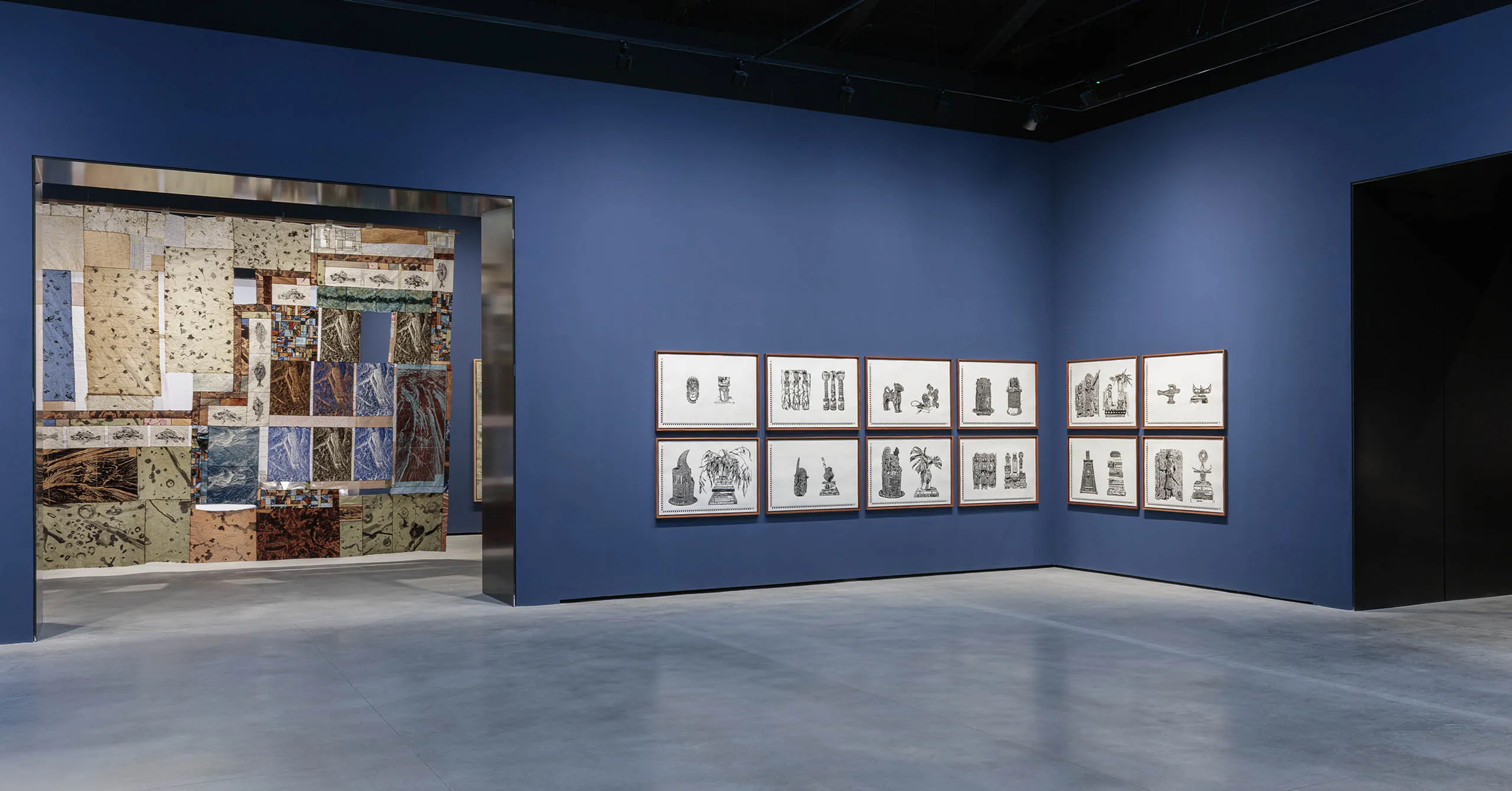
Filipino artist Pio Abad is presenting a series of intricate, hand-drawn works at the 2026 Venice Biennale as part of the exhibition "In Minor Keys," conceived by the late curator Koyo Kouoh. The works, created over four years with a 0.3-millimeter pen, include pieces such as "I’m Singing a Song That Can Only Be Born After Losing a Country" (first shown at the Ashmolean Museum in 2024), "Banua" (his first drawing on fabric), and "1897.76.36.18.6," which reflects on the looting of the Benin Bronzes. Abad, born in the Philippines and based in London, explores themes of migration, memory, exile, and the itinerant nature of objects and language.

Who Owns These Artworks? Musée d’Orsay Hopes Visitors Can Help Find Out.

The Musée d’Orsay in Paris has opened a new room in its permanent display featuring 13 artworks recovered from Germany and Austria after World War II, whose provenance remains unknown. The museum is inviting visitors to help identify the original owners of these pieces, which were looted or displaced during the war and later restituted to France.

Condemned by Francoism, a writer rehabilitated by the Spanish Congress

Condamné par le franquisme, un écrivain réhabilité par le Congrès espagnol

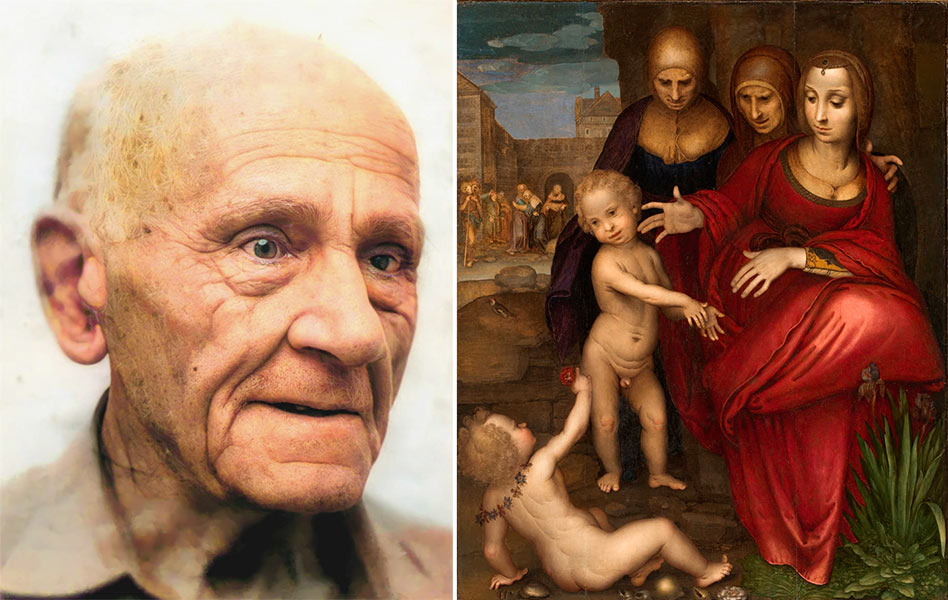
The Spanish Congress has officially rehabilitated Cipriano Salvador (1894-1975), a Republican intellectual wrongly accused by the Franco regime of stealing a Renaissance painting he actually saved. During the Spanish Civil War, Salvador hid Fernando Yáñez's "La Santa Generación" (c. 1525-1532) from destruction. After Franco's victory, a priest sold the work to the Prado Museum for 15,000 pesetas, while Salvador was arrested, sentenced to death (later commuted to 30 years), and spent seven years in prison. He died in 1975 without exoneration. The rehabilitation motion passed with 32 votes in favor, 3 against, and 1 abstention, with only far-right party Vox opposing.

La loi-cadre sur les restitutions définitivement adoptée par le Parlement

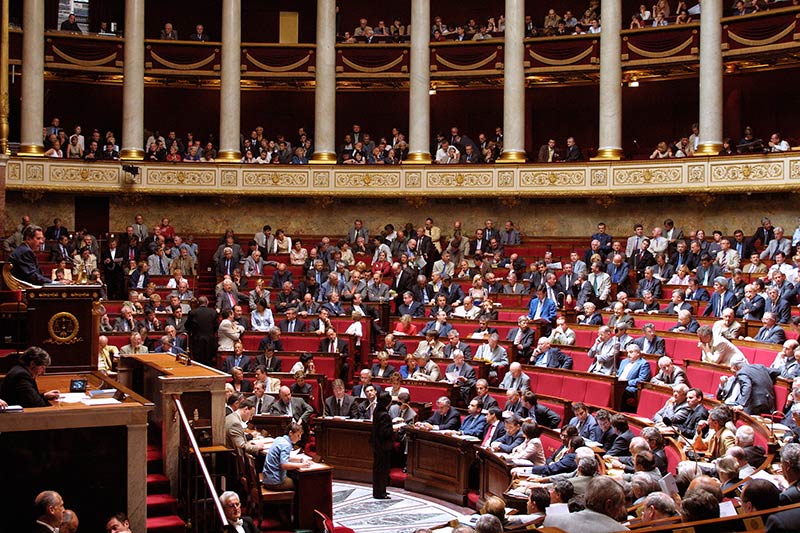
The French Parliament has definitively adopted a framework law on the restitution of cultural property that was illicitly acquired. The Senate unanimously approved the conclusions of the joint committee on May 7, following the National Assembly's approval on May 6, after an agreement was reached on April 30. The law establishes a general mechanism for returning objects from French public collections without requiring a specific law for each case, covering items acquired through looting, theft, forced sale, or other illicit means before the 1970 UNESCO Convention. It creates a permanent national commission and a bilateral scientific committee to assess claims, with restitution ultimately decided by government decree subject to legal review by the Council of State.

The Rothschilds and Sèvres Porcelain: A Collector's Passion at the Heart of an Exhibition in Paris

Les Rothschild et la porcelaine de Sèvres : une passion de collectionneurs au cœur d’une exposition à Paris

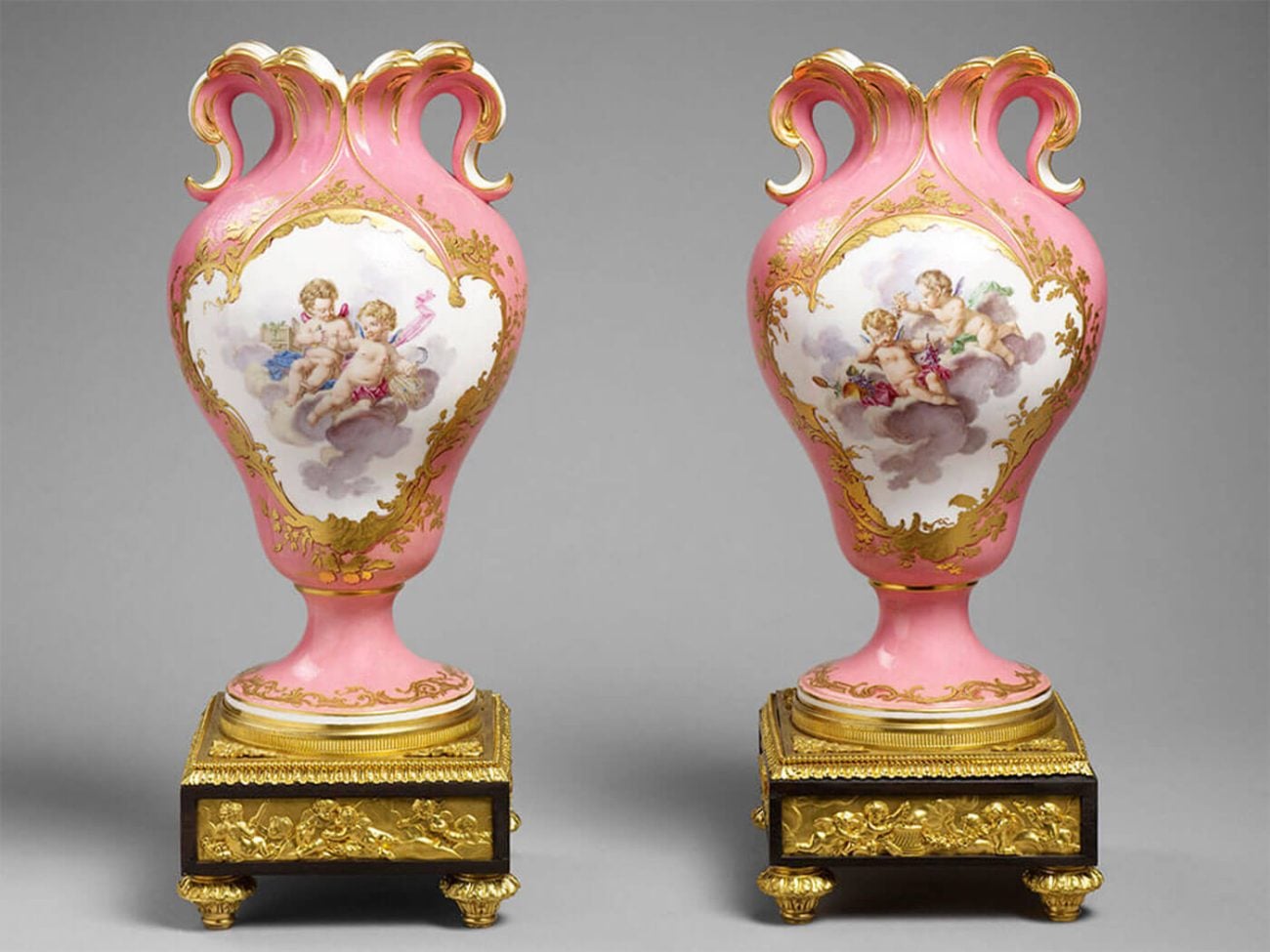
An exhibition at the Galerie des Gobelins du Mobilier national in Paris explores the Rothschild family's centuries-long passion for Sèvres porcelain. Titled "Sèvres, une passion Rothschild. De la Villa Ephrussi à Paris," it traces how the banking dynasty collected, traded, and bequeathed these delicate objects from the Ancien Régime, with a centerpiece table setting featuring pieces lent by family members from Vienna, England, and beyond. The show also highlights Béatrice Ephrussi de Rothschild, who amassed thousands of pieces and left them to the Villa Ephrussi de Rothschild, and includes a section on the Nazi looting of Rothschild collections in 1940, during which 22 Sèvres pieces were acquired by the Musée de Sèvres.