filter_list Showing 5 results for "maria de knuijt" close Clear
search
dashboard All 5 article culture 3museum exhibitions 1article news 1
date_range Range Today This Week This Month All
Subscribe

One Erased Vermeer, Two Books, and No Consensus

Two new books examine the legacy of Johannes Vermeer from contrasting angles. Ruth Bernard Yeazell's "Vermeer's Afterlives" (Princeton University Press) explores how the artist's open-ended, figureless interiors have inspired later creators, from painter George Deem to novelist Tracy Chevalier. Andrew Graham-Dixon's "Vermeer: A Life Lost and Found" restores the historical and religious context of 17th-century Delft, arguing that modern readings have overlooked the original meanings of Vermeer's works.

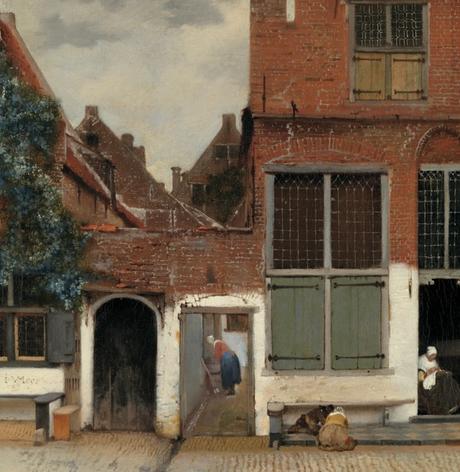
vermeer the street new research 2666535

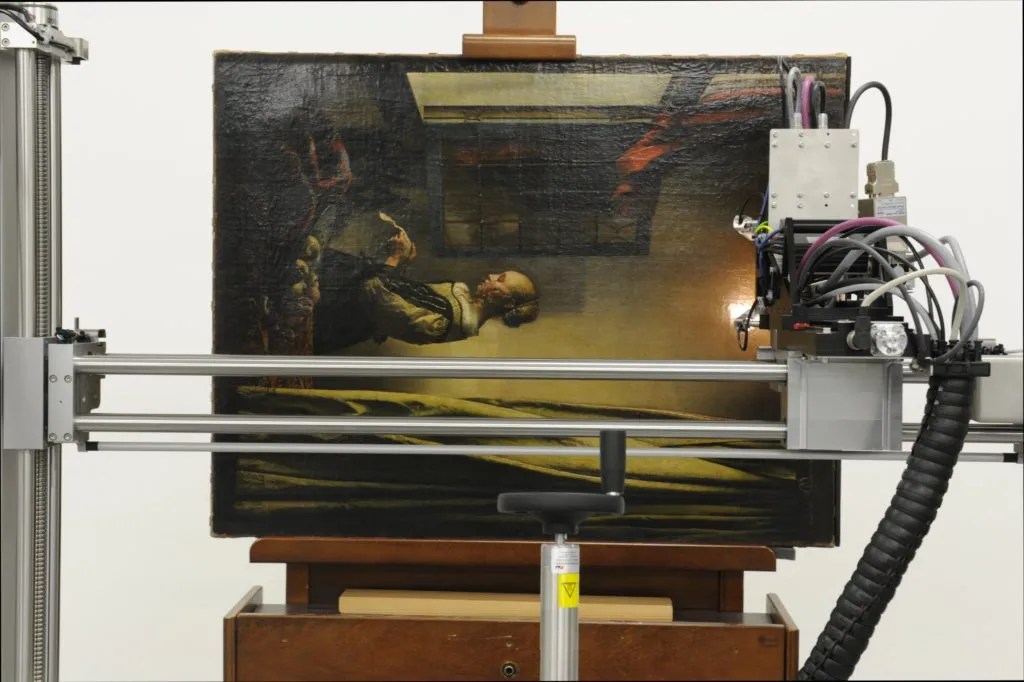
The Rijksmuseum's 2023 Vermeer exhibition, which brought together 28 of the artist's 34 surviving paintings, was a historic success, drawing 650,000 visitors and inspiring extensive new research. A new book, *Closer to Vermeer*, presents findings from advanced imaging techniques and archival studies, revealing that Vermeer made significant changes to 30 of his paintings. For example, in *The Little Street* (1658–59), the door was originally painted shut, the children were absent, and the woman was positioned differently, showing how Vermeer deliberately opened the scene to viewers. Other alterations include modifications to *The Milkmaid* (1657–58) and *Diana and her Nymphs* (1653–54).

girl with a pearl earring vermeer why so important 1234751348

This article explores the enduring fascination with Johannes Vermeer's "Girl with a Pearl Earring" (1665–67), examining the mystery of the unknown subject and the painting's history. It debunks popular theories about the sitter's identity, clarifying that the work is a "tronie"—a formal study of facial features, not a portrait—and traces Vermeer's life, his limited output of 34 known paintings, and his posthumous obscurity for 200 years before rediscovery in the mid-19th century.

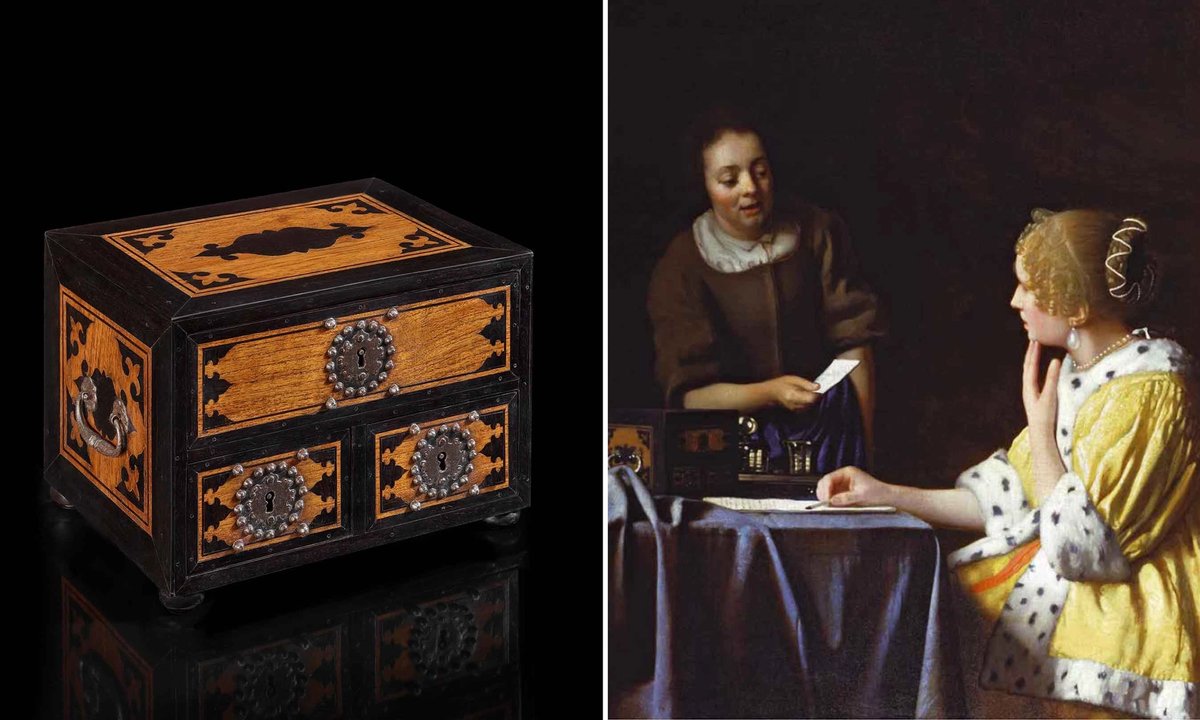
A rare jewellery box identified in Vermeer paintings sheds new light on the artist’s connections

New research by curator Alexandra van Dongen of Rotterdam’s Boijmans Van Beuningen Museum reveals that a rare Indo-Portuguese jewellery casket depicted in two Johannes Vermeer paintings—Mistress and Maid and A Lady Writing (both 1664-67)—is a real, surviving object. Van Dongen tracked down the sole known example in the Távora Sequeira Pinto collection in Porto, with help from Amsterdam dealer Dickie Zebregs. Her findings, published in the book De tastbare wereld van Johannes Vermeer, suggest the casket likely belonged to Vermeer’s patron Maria de Knuijt, a wealthy Dutch East India Company shareholder who may have asked the artist to include it in her paintings.

Keep it in the family: how Johannes Vermeer’s paintings remained out of view for so long

A new biography by art historian Andrew Graham-Dixon reveals that nearly two-thirds of Johannes Vermeer's known works were commissioned and owned by a single family, the Van Ruijvens, and later inherited by their daughter Magdalena and her husband Jacob Dissius. The collection of 20 Vermeer paintings remained intact within this family for nearly 40 years after the artist's death, only being dispersed after Jacob's death in 1695.