
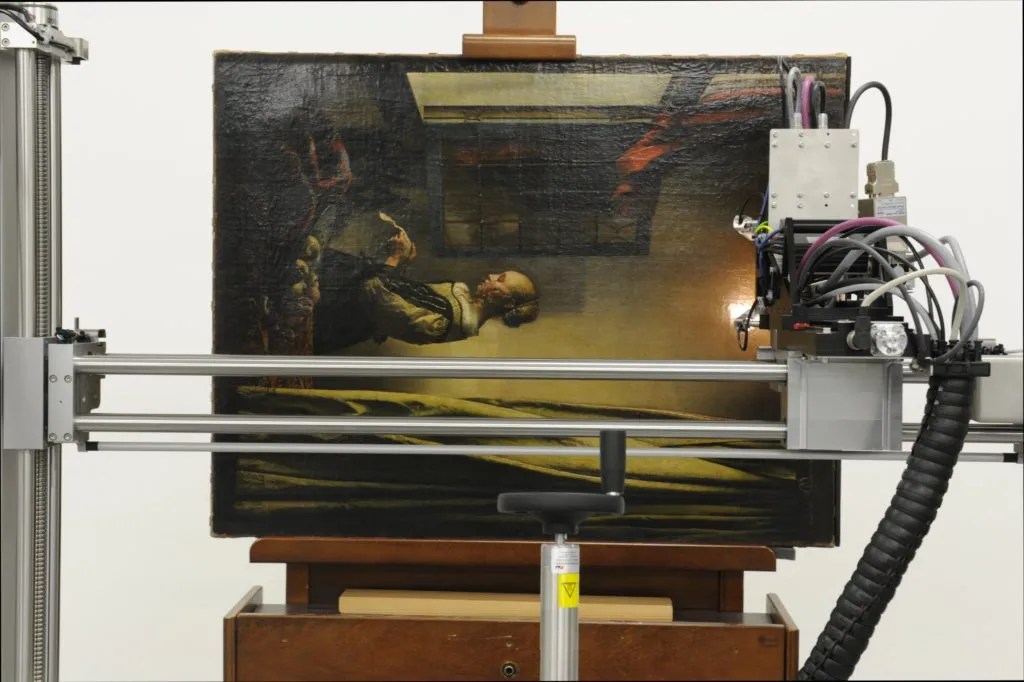
Two new books examine the legacy of Johannes Vermeer from contrasting angles. Ruth Bernard Yeazell's "Vermeer's Afterlives" (Princeton University Press) explores how the artist's open-ended, figureless interiors have inspired later creators, from painter George Deem to novelist Tracy Chevalier. Andrew Graham-Dixon's "Vermeer: A Life Lost and Found" restores the historical and religious context of 17th-century Delft, arguing that modern readings have overlooked the original meanings of Vermeer's works.
The simultaneous publication of these books highlights a persistent tension in Vermeer scholarship: whether his appeal lies in timeless psychological resonance or in specific historical circumstances. Yeazell's focus on artistic and literary afterlives underscores how Vermeer became a modern touchstone, while Graham-Dixon's deep dive into Dutch religious wars and Collegiant theology challenges that very modernity. Together, they show that Vermeer remains a canvas onto which each era projects its own concerns.