filter_list Showing 17 results for "national pavilion" close Clear
dashboard All 17 museum exhibitions 12article news 4article culture 1
date_range Range Today This Week This Month All
Subscribe

10 Shows Around Venice Not to Miss During the Biennale

ARTnews has published a guide to 10 exhibitions in Venice worth seeing during the 2026 Biennale, beyond the central show "In Minor Keys" curated by the late Koyo Kouoh and the national pavilions. Highlights include a major survey of Lee Ufan at the San Marco Art Centre (SMAC Venice), organized by the Dia Art Foundation and curated by Jessica Morgan; "Helter Skelter: Arthur Jafa and Richard Prince" at Fondazione Prada, curated by Nancy Spector; and "Strange Rules" at Palazzo Diedo, conceived by Hans Ulrich Obrist with Mat Dryhurst and Holly Herndon, introducing the concept of "Protocol Art." Other venues include the Gallerie dell'Accademia, Pinault Collection, Berggruen Arts & Culture, Fondazione Sandretto Re Rebaudengo, and a three-night-only performance at Teatro Goldoni.


Khaled Sabsabi on Representing Australia at the 61st Venice Biennale

Khaled Sabsabi, the artist representing Australia at the 61st Venice Biennale (2026), will exhibit works both in the Australia Pavilion in the Giardini and in the main Biennale exhibition titled "In Minor Keys." His pieces explore spirituality, migration, and shared humanity through Tasawwuf (Sufi) sensibilities, emphasizing flux and collective experience. Sabsabi is the first Australian artist to have work in both the national pavilion and the main exhibition in the same year, and he honors the curatorial vision of the late Koyo Kouoh.

What It Takes to Build the Venice Biennale

Three weeks before the Venice Biennale opens on May 5, the city remains a construction site, with the Giardini closed and parts of the Arsenale requiring special access. Artist Faustin Linyekula rehearses his performance *The Galeazze Project* in a 16th-century roofless complex, working with the existing gravel, natural light, and lagoon acoustics rather than imposing a structure. Geopolitical conflicts, supply chain disruptions, and the sudden resignation of the Biennale’s international jury via Instagram add pressure to the already challenging logistics of mounting the global exhibition.

The Carnegie International Makes Its Mark

The 59th Carnegie International opens in Pittsburgh, featuring 61 artists from around the world in the oldest survey of its kind in the United States. Critic Ed Simon reviews the exhibition, noting it captures the excitement of earlier editions while providing vital commentary on authoritarianism and militarism. In other news, activists protested Jeff Bezos's co-chair role at the Met Gala with a costumed action and guerrilla projections on his penthouse; Iran withdrew from its national pavilion at the Venice Biennale; MoMA PS1 announced the first US survey of Mexican artist Teresa Margolles; and Hakim Bishara reflects on MoMA's Marcel Duchamp exhibition.

Must-See National Pavilions at the 61st Venice Biennale

The 61st Venice Biennale features standout national pavilions from Japan, the Philippines, Timor-Leste, Singapore, and India. Japan presents Ei Arakawa-Nash's 'Grass Babies, Moon Babies,' an interactive exhibition with hand-sewn baby dolls and sound pieces exploring queer parenthood and collective care. The Philippines showcases Jon Cuyson's 'Sea of Love / Dagat ng Pag-ibig,' a solo show using 'mussel thinking' to highlight Filipino seafarers. Timor-Leste's 'Across Words' brings together three artists addressing ethnolinguistic diversity and cultural memory, while Singapore presents Amanda Heng's 'A Pause,' a feminist performance on vulnerability and resilience. India's pavilion features Ranjani Shettar's work, supported by Talwar Gallery.

Mind the baby! Visitors to the Japanese Venice Biennale pavilion will be asked to look after dolls

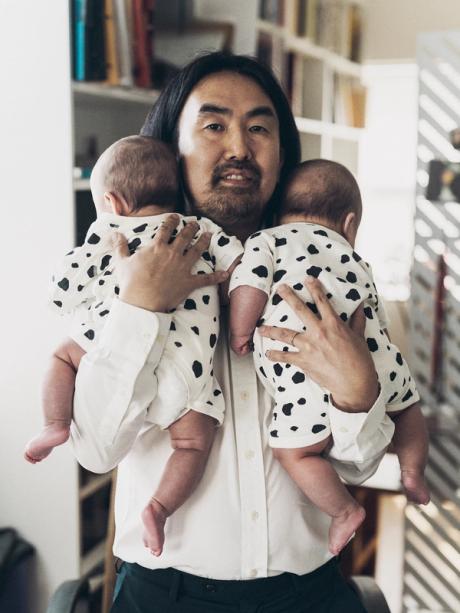
Ei Arakawa-Nash, a Japanese-born artist who no longer holds Japanese citizenship, will represent Japan at the Venice Biennale with an exhibition titled "Grass Babies, Moon Babies." The pavilion will feature over 100 baby dolls that visitors are invited to adopt and carry, engaging in caregiving tasks such as changing a nappy. Each doll corresponds to a historically significant date tied to minority communities, linking intimate acts of care to broader historical narratives. The project also includes a collaboration with the Korean Pavilion, marking the first such partnership between the two national pavilions in Biennale history.

Dozens of Venice Biennale Artists Stage ‘Drone’ Perfomance in Protest of Israel’s Participation

On the opening day of the Venice Biennale, around 60 artists and dozens of other participants staged a protest titled “Solidarity Drone Chorus” at the Giardini entrance, humming a viral song by Gazan composer Ahmed “Muin” Abu Amsha to sonically occupy the space. The action, organized by artists in the main exhibition over several months, protested Israel’s participation in the Biennale and expressed support for Palestine, with participants wearing T-shirts bearing the names and artworks of Gazan and Palestinian artists, many of whom have been killed. The protest follows an open letter from the Art Not Genocide Alliance demanding Israel’s exclusion.

Goen Choi and Hyeree Ro on Representing South Korea at the 61st Venice Biennale

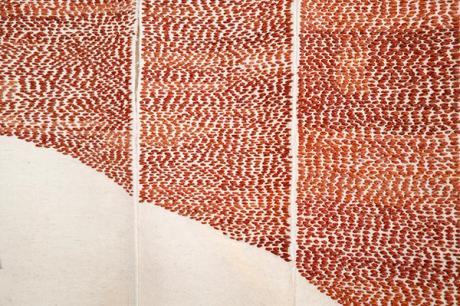
Goen Choi and Hyeree Ro are representing South Korea at the 61st Venice Biennale, which runs from 9 May to 22 November 2026. In an interview with ArtReview, Choi describes his sculptural installation "Meridian," featuring ruptured copper pipes that traverse the Korean Pavilion in the Giardini, exploring unseen infrastructures and unstable relations between fixed structures. Ro presents "Bearing," a membranelike waxed fabric installation with eight stations for mourning, remembering, and mending, inspired by Korean gardens and temples. Both artists respond to the Biennale's theme "In Minor Keys," emphasizing subtle forces, low vibrations, and contemplative spaces.

‘Art’s Selfish’: Canada Pavilion Artist Abbas Akhavan on What Comes After Venice

Abbas Akhavan, representing Canada at the 2026 Venice Biennale, has transformed the Canada Pavilion into a greenhouse-like installation titled “Abbas Akhavan: Entre chien et loup.” The pavilion’s wooden door has been replaced with glass, revealing a pond of pinkish water illuminated by sunlight and LED grow-lamps. Visitors encounter mossy boulders, a vintage fur coat sprayed with mist, sharpened bronze sticks, and frosted mirrors that blur the architecture. Three giant Bolivian water lilies, grown from seeds sent from Kew Gardens to Padua, will gradually fill the pond over the summer. Akhavan describes his role as a “custodian” rather than a controller, emphasizing the unpredictability of nature.

Morocco debuts at the Biennale with an exploration of its age-old craft traditions

Morocco is debuting its first national pavilion at the Venice Biennale with a monumental installation titled "Asetta" by artist Amina Agueznay. The 300-square-meter site-specific work, located in the Arsenale, draws on centuries-old Moroccan craft traditions, including weaving, beadwork, and embroidery. Agueznay conducted field research across Morocco and collaborated with over 130 artisans, mostly women, some of whom she has worked with for decades. The installation explores the transmission of traditional craftsmanship and shared memory, and incorporates the concept of the threshold (âatba) from Moroccan vernacular architecture, offering visitors both an immersive experience and functional seating.

Meet the Writer Who Sees Every Single Show at the Venice Biennale

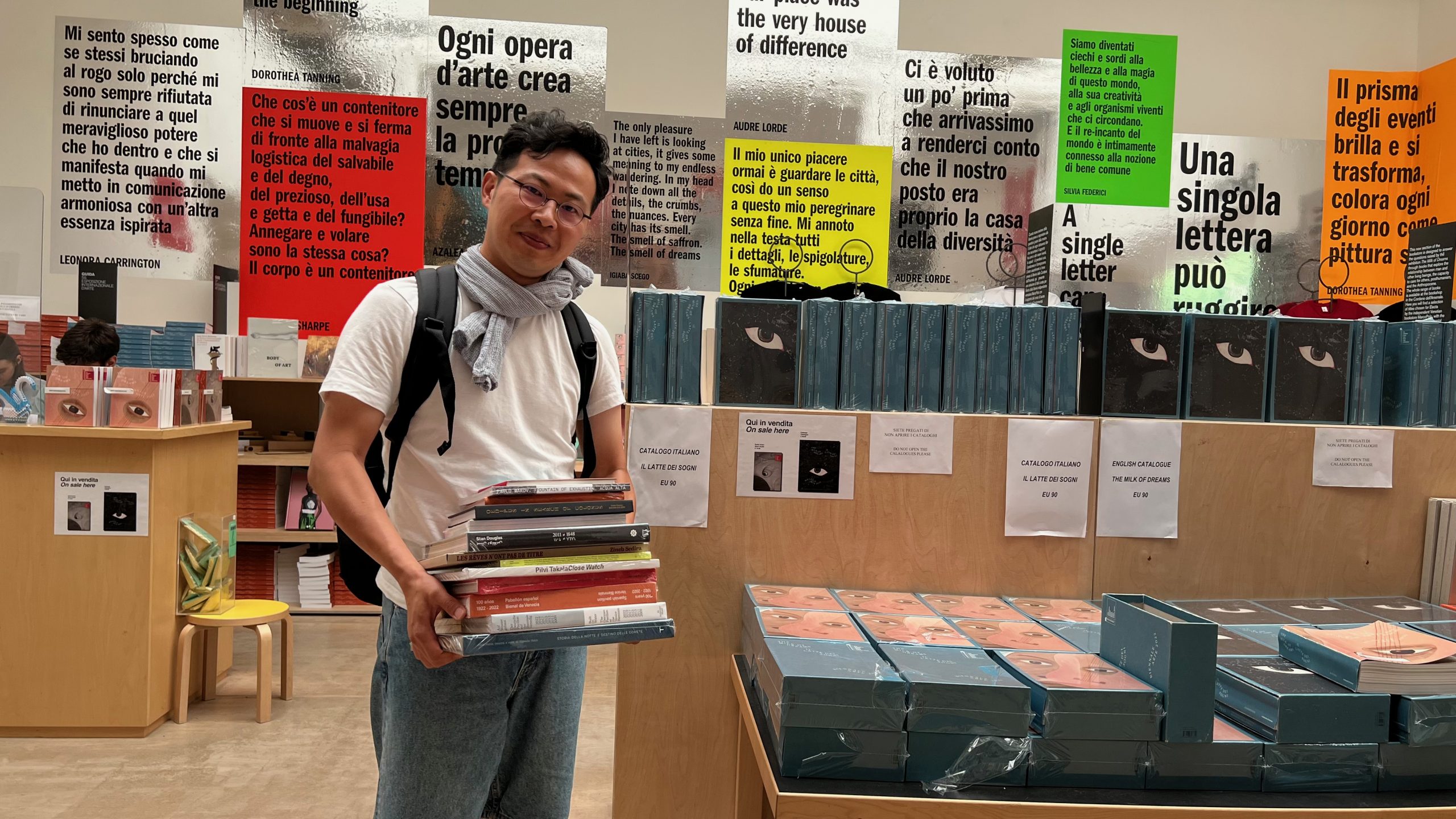
Jaeyong Park, a Seoul-based writer, translator, and interpreter, has attended every edition of the Venice Biennale since 2022—including both art and architecture cycles—and seen every single show, from the central exhibition and national pavilions to collateral and unofficial events. He documents his journeys in regular dispatches and has compiled a free bilingual guide to the biennial. Park organizes his trips with a group of fellow art workers, splitting accommodation costs and sharing reviews over dinner to ensure full coverage.

The Interview: Gabrielle Goliath

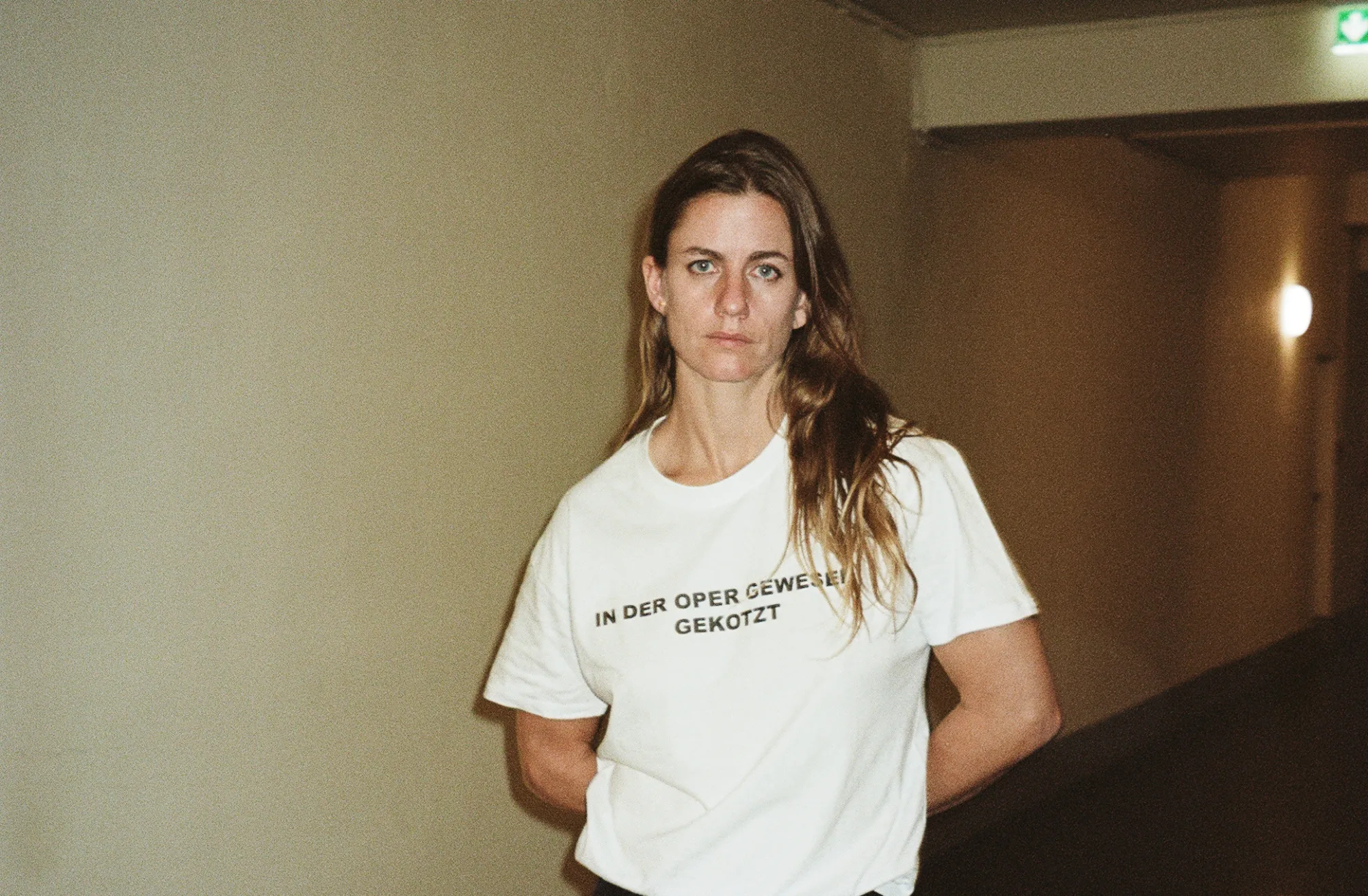
Gabrielle Goliath, a South African artist, created the performance work "Elegy" in 2015 after hearing a father mourn his daughter, Ipeleng Christine Moholane, who was raped and murdered. The piece features seven operatic women sustaining a single note in relay for an hour, evolving over a decade into a series of iterations that address systemic violence and grief. In January 2026, South Africa's Minister of Sport, Arts and Culture, Gayton McKenzie, cancelled Goliath's presentation of the latest version of "Elegy" at the 61st Venice Biennale, which was to include tributes to victims in South Africa, Namibia, and Gaza, including journalist Hiba Abu Nada. Goliath refused to alter the work, took legal action, and will now show it independently at the Chiesa di Sant'Antonin in Venice, while the official South African Pavilion will remain empty for the first time since 2011.

The 15th-century Ca' Giustinian Faccanon reopens in Venice. It will be a space for exhibitions and events

A Venezia riapre il quattrocentesco Ca’ Giustinian Faccanon. Sarà uno spazio per mostre ed eventi

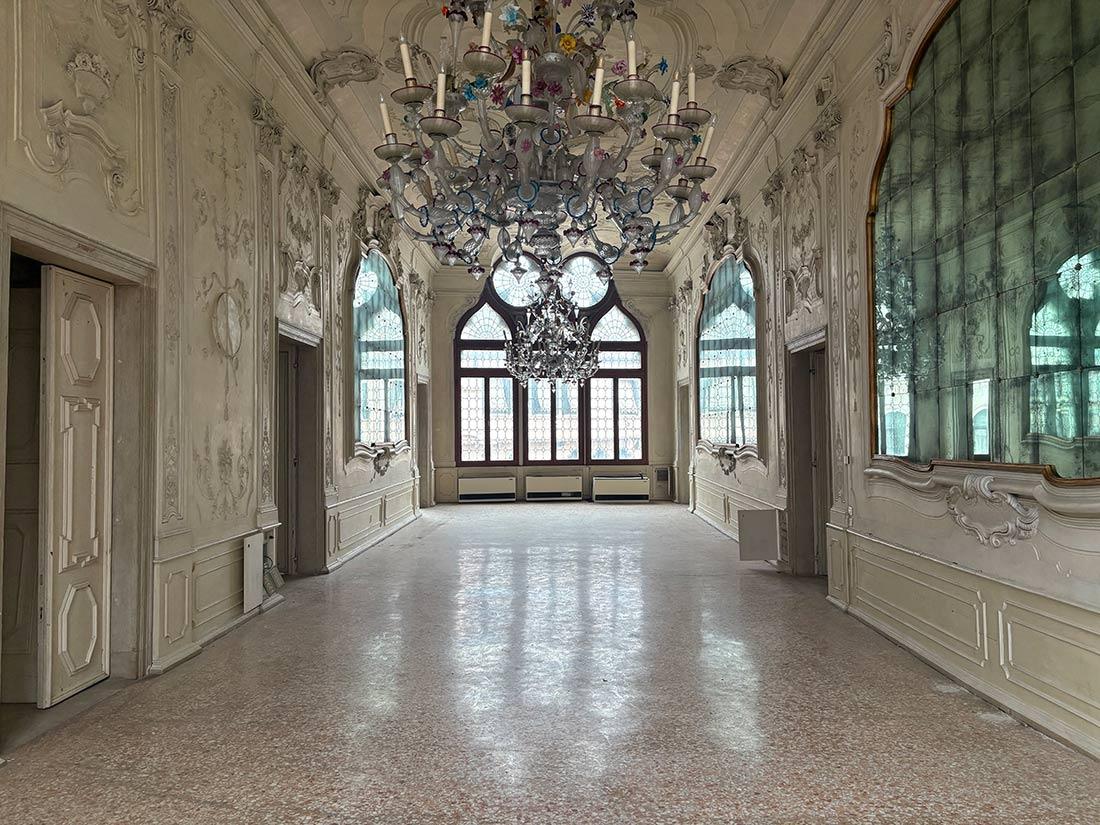
The historic Ca' Giustinian Faccanon, a rare example of Venetian Gothic architecture in the San Marco district, has reopened in Venice after over a year of restoration work. The 15th-century palace, acquired by entrepreneur Andrea Parisotto, will now serve as a space for exhibitions and events managed by Art Events and Cultural Real Estate Studio. During the 61st Venice Biennale, it will host the Vietnam Pavilion with the exhibition "Arte nel flusso globale" curated by Do Tuong Linh, marking Vietnam's first official participation, as well as a solo show by Korean sculptor Shim Moon-Seup titled "Harnessed From Nature."

Il Padiglione Italia alla Biennale? “Deve essere uno spazio di possibilità”. Intervista alla curatrice

The article announces Chiara Camoni's project "Con te con tutto" for the Italian Pavilion at the 61st Venice Biennale in 2026, curated by Cecilia Canziani. The project emphasizes relational and communal practices, rejecting the identity-driven rhetoric of national representation. It stems from a fifteen-year dialogue between artist and curator, incorporating workshops, shared readings, and collaborative works like "La Giusta Misura." The pavilion is conceived as an ecosystem of artworks, texts, and activations rather than a linear exhibition, with a catalog designed as a critical reader.

The Austrian Pavilion at the Biennale brings performances and installations around the Venice Lagoon

Il Padiglione Austria in Biennale porta performance e installazioni in giro per la Laguna di Venezia

Austrian artist and choreographer Florentina Holzinger (Vienna, 1986) will represent Austria at the 61st International Art Exhibition of the Venice Biennale with a project titled "SeaWorld Venice." Curated by Nora-Swantje Almes, the interdisciplinary initiative combines a permanent installation at the Austrian Pavilion with a series of site-specific performances and actions spread across Venice and its lagoon. The project explores the body, water, and the tensions between nature and technology, drawing on mythological and classical imagery populated by aquatic creatures. It includes "Études," performative formats developed by Holzinger since 2020, which activate urban spaces through participatory and immersive experiences, engaging both spectators and citizens.

With Free Vodka, and a Few Protests, Russia Returns to the Venice Biennale

Russia has reopened its national pavilion at the Venice Biennale for the first time since its full-scale invasion of Ukraine in 2022. The pavilion’s opening featured free vodka and drew a few protests, while Ukraine’s own exhibition is located nearby, highlighting the stark geopolitical tensions playing out at the prestigious art event.

Venue of National Centre for Contemporary Arts on Niakrasava Street to Cease Exhibition Activities in June

The National Centre for Contemporary Arts (NCCA) in Minsk, Belarus, has announced that its venue on Niakrasava Street will cease exhibition activities from June 22, 2026. The institution is set to be liquidated, with its premises and collections transferred to the National Art Museum, while the Niakrasava Street space will be taken over by the Belarusian State Academy of Arts. The closure is linked to the newly appointed chairman of the Union of Artists, Andrei Vasileuski, and reportedly supported by the Culture Ministry.