
filter_list Showing 6 results for "outsourcing" close Clear
dashboard All 6 article policy 5article news 1
date_range Range Today This Week This Month All
Subscribe

V&A Pulls Catalog Materials Due to Chinese Censorship Laws

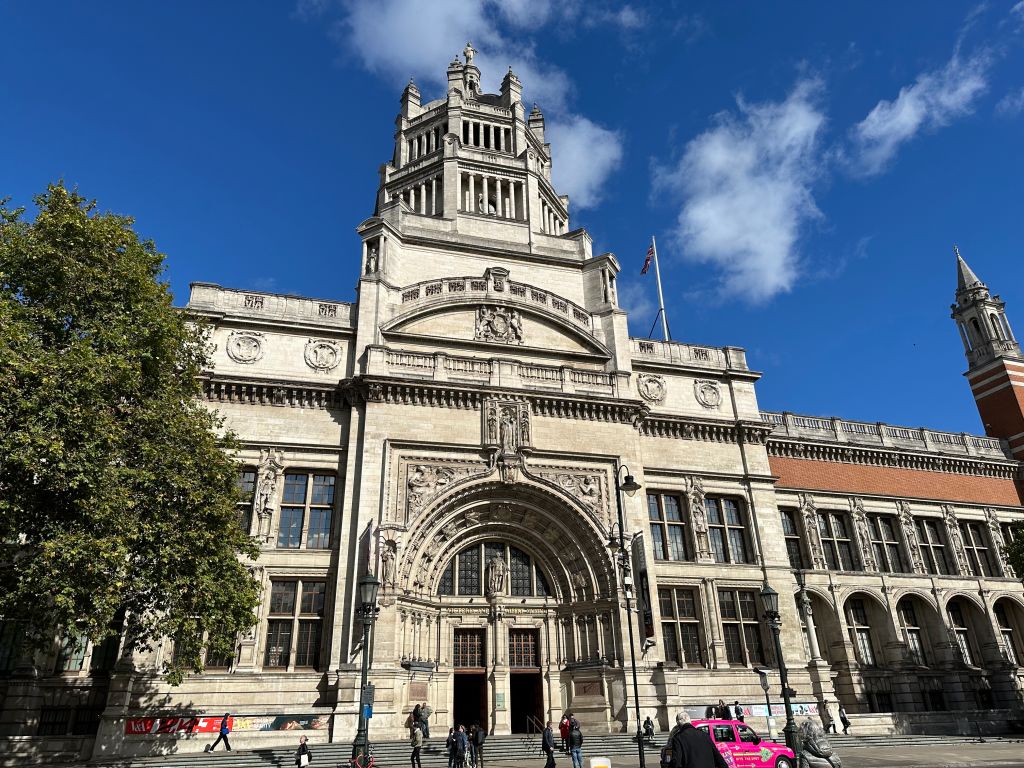
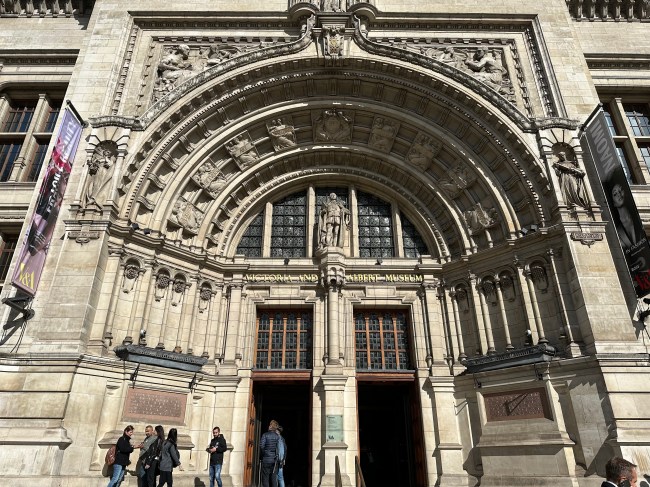
The Victoria and Albert Museum (V&A) in London has admitted to removing maps and images from two exhibition catalogs following censorship demands from a Chinese printing firm. Documents revealed that C&C Offset Printing flagged content in the catalogs for the exhibitions "Music Is Black" and "Fabergé: Romance to Revolution" as violating Chinese law. The censored items included a 1930s map of British trade routes and a photograph of Vladimir Lenin, which the printer claimed could not be produced under Beijing’s strict regulations.

Is Chinese Censorship Reaching Inside Britain’s Museums?

London’s Victoria and Albert Museum (V&A) has come under fire following reports that it altered exhibition catalogues to comply with Chinese government censorship. To reduce production costs, the museum utilized printers in China, which are subject to Beijing’s General Administration of Press and Publication (GAPP) regulations. Consequently, the museum removed historical maps and an image of Vladimir Lenin from publications for the "Music is Black" and "Fabergé: Romance to Revolution" exhibitions after they were flagged by Chinese authorities.

A young but already highly competitive profession

Un métier jeune mais déjà très concurrentiel

The museum visitor services sector in France is undergoing rapid professionalization as specialized outsourcing firms compete for lucrative contracts. Companies like Marianne International, Pénélope, and City One—originally rooted in corporate reception and event management—are now managing front-of-house operations for major institutions including the Palais de Tokyo, MuCEM, and the Musée d'Orsay. This shift reflects a broader trend of museums treating visitors as customers and seeking the high-volume staffing expertise found in the corporate world.

V&A Museum Has Acquiesced to Censorship Requests from Chinese Printer: Report

London’s Victoria and Albert Museum (V&A) reportedly complied with censorship demands from its Chinese printing firm, C&C Offset Printing, to alter exhibition catalogues. Internal emails revealed that the museum removed a photograph of Lenin from a Fabergé exhibition book and altered historical maps to align with Chinese government standards after the printers flagged them as "sensitive." Staff noted that while they were aware of contemporary geopolitical sensitivities, the restrictions had expanded to include historical imagery, forcing last-minute editorial changes to avoid production delays.

Outsourcing Museum Reception: A Booming Model

Externaliser l’accueil dans les musées, un modèle en plein essor

French museums are increasingly outsourcing front-of-house services, including ticketing, reception, and crowd management, to specialized private firms. This trend, which gained momentum with the opening of the Musée du quai Branly in 2006, allows public institutions to focus internal resources on core missions like conservation and curation while utilizing flexible, external labor for high-traffic operations. The market for these cultural services in France is projected to reach approximately €50 million by 2025.

Outsourcing a service is not prohibited, but managing the provider's employees is

Externaliser un service n’est pas interdit, diriger les salariés du prestataire l’est

A wave of legal complaints has been filed against several major French cultural institutions, including the Louvre, the Pinault Collection, and the MuCEM, alleging illegal labor practices. Labor unions Sud-Culture, SUD-PTT, and Solidaires claim these museums are engaging in "illicit lending of labor" and "bargaining" by exercising direct authority over outsourced staff from third-party agencies like Marianne International and Pénélope. While outsourcing services like ticketing and reception is legal in France, the lawsuits argue that museums are illegally managing these external employees' daily schedules, rotations, and disciplinary actions as if they were their own staff.