filter_list Showing 28 results for "peru" close Clear
search
dashboard All 28 museum exhibitions 24article culture 2article local 1article news 1
date_range Range Today This Week This Month All
Subscribe

5 free exhibitions to enjoy without cost during the May long weekends

5 expositions gratuites pour profiter sans frais des ponts du mois de mai

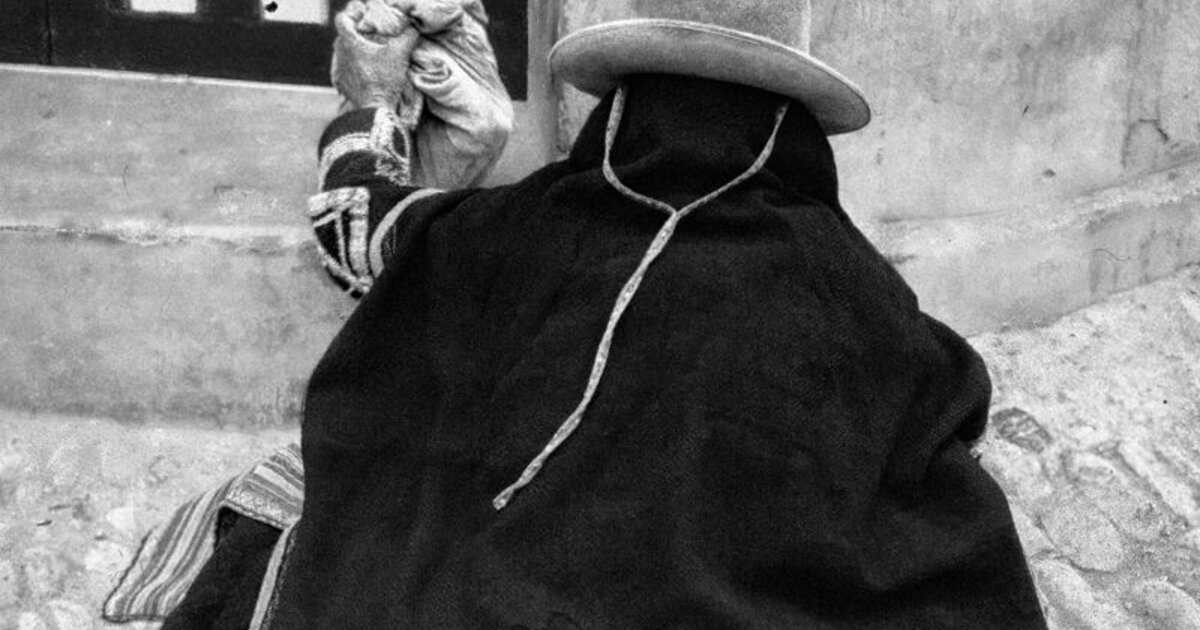
Beaux Arts Magazine highlights five free exhibitions to enjoy during the long weekends of May 2026 in France. The selections include "Diseuses de silence" at Espace Monte-Cristo in Paris, featuring 21 female sculptors such as Prune Nourry and Niki de Saint Phalle; a retrospective of Ernest Pignon-Ernest at Musée Ziem in Martigues; and the first French retrospective of Peruvian photographer Javier Silva Meinel at Maison de l'Amérique latine in Paris. Other venues mentioned are the Musée Ziem and the Magasins Généraux in Pantin, offering diverse contemporary art experiences without admission fees.
6 Rising Artists to Watch at This Year’s Venice Biennale

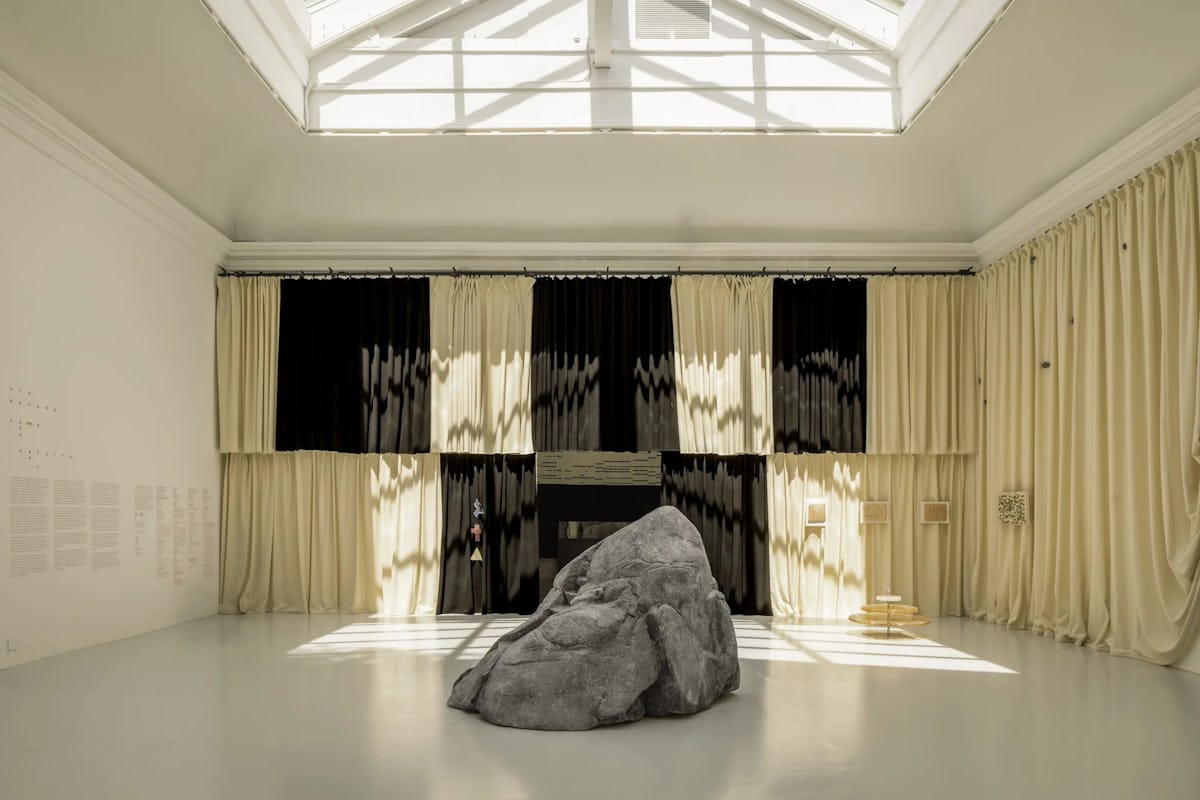
The article profiles six rising artists at the 2026 Venice Biennale, focusing on Sung Tieu and Gala Porras-Kim. Tieu transforms the German Pavilion with a tile shell recreating a former housing complex for Vietnamese contract workers, while inside she scatters chocolate ladybugs as a symbol of occupation. Porras-Kim presents work in the Arsenale examining 'institutionally defined damage' and how decay can realign objects with their natural state.

North America’s Longest-Running Exhibition of International Art Has Landed at the Carnegie Museum

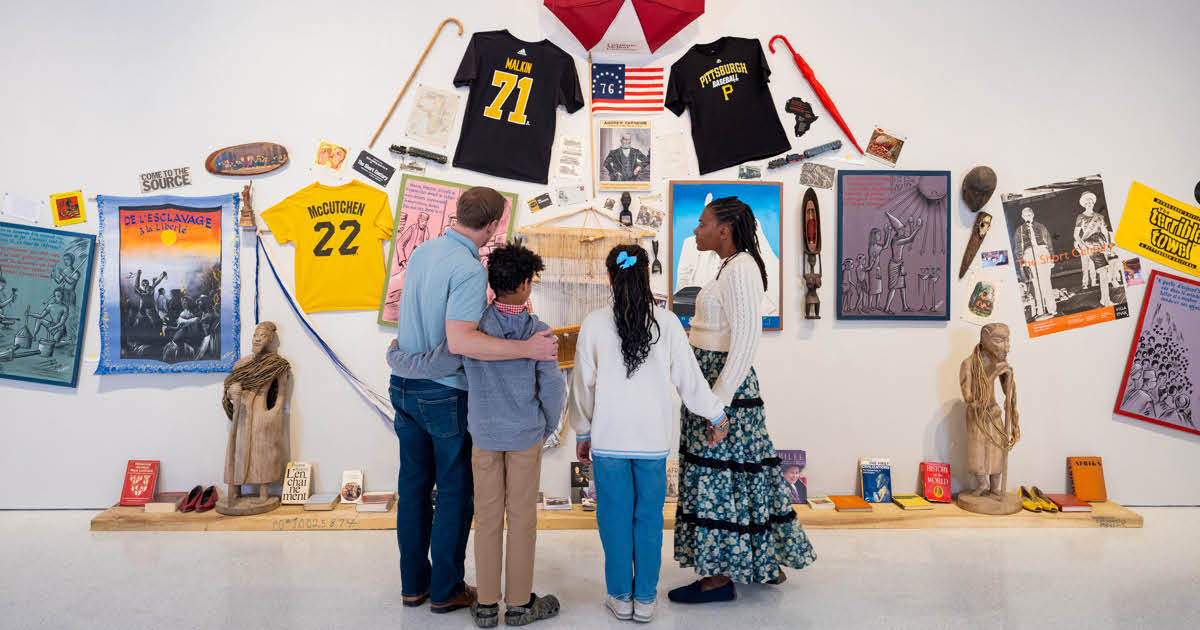
The 59th Carnegie International, titled "If the word we," has opened at the Carnegie Museum of Art in Pittsburgh, marking North America's longest-running exhibition of international art. Featuring 61 artists and collectives from countries including Brazil, Benin, China, Indonesia, Lebanon, Peru, Taiwan, and South Africa, the exhibition explores the theme of "we" as an evolving proposition. It includes nearly 40 newly commissioned projects—the largest number in the International's history—spanning painting, photography, sculpture, installation, video, and theater. Notable works include Jonathan González's performance "The Strikebreakers" and Georges Adéagbo's installation "Le Socialism Africain," which uses discarded objects to examine Western power and colonial legacies in Africa.

Venice Biennale 2026: What are the major trends that will mark the 99 national pavilions?

Biennale de Venise 2026 : quelles sont les grandes tendances qui vont marquer les 99 pavillons nationaux ?

The article previews the 2026 Venice Biennale, highlighting key trends across its 99 national pavilions. Major themes include the hybridization of theater, dance, and performance, particularly in pavilions from Austria, Luxembourg, Belgium, and Lithuania, where artists like Florentina Holzinger, Aline Bouvy, Miet Warlop, and Eglė Budvytytė use radical, body-centric works. Geopolitical engagement is also central, with the Ukrainian pavilion featuring Zhanna Kadyrova's work on resistance and the British pavilion exploring themes of exile and migration. Other notable pavilions include Spain's focus on imagery, a sound installation for the Vatican, a polyphonic piece for Romania, and a film on sign language song for Poland.

Not-to-miss exhibitions in Italy — May 2026

May 2026 brings a packed calendar of exhibitions across Italy, ranging from independent galleries to major museums. Highlights include Igor Grubić's early works at Laveronica Gallery in Modica, a photographic exhibition by Lisetta Carmi at Galleria Nazionale dell'Umbria in Perugia, thematic investigations into Ettore Sottsass in Pistoia, Larry Nederlof's solo show at Extra Factory in Livorno, and an archaeological exhibition titled "Parthenope. The Siren and the City" at the National Archaeological Museum. The article also provides practical tips for visitors, such as checking opening times, booking tickets online, and planning transport.

In Perugia, Giotto and the Giotteschi to celebrate the 800th anniversary of the death of Saint Francis

A Perugia Giotto e i Giotteschi per celebrare gli 800 anni dalla morte di San Francesco

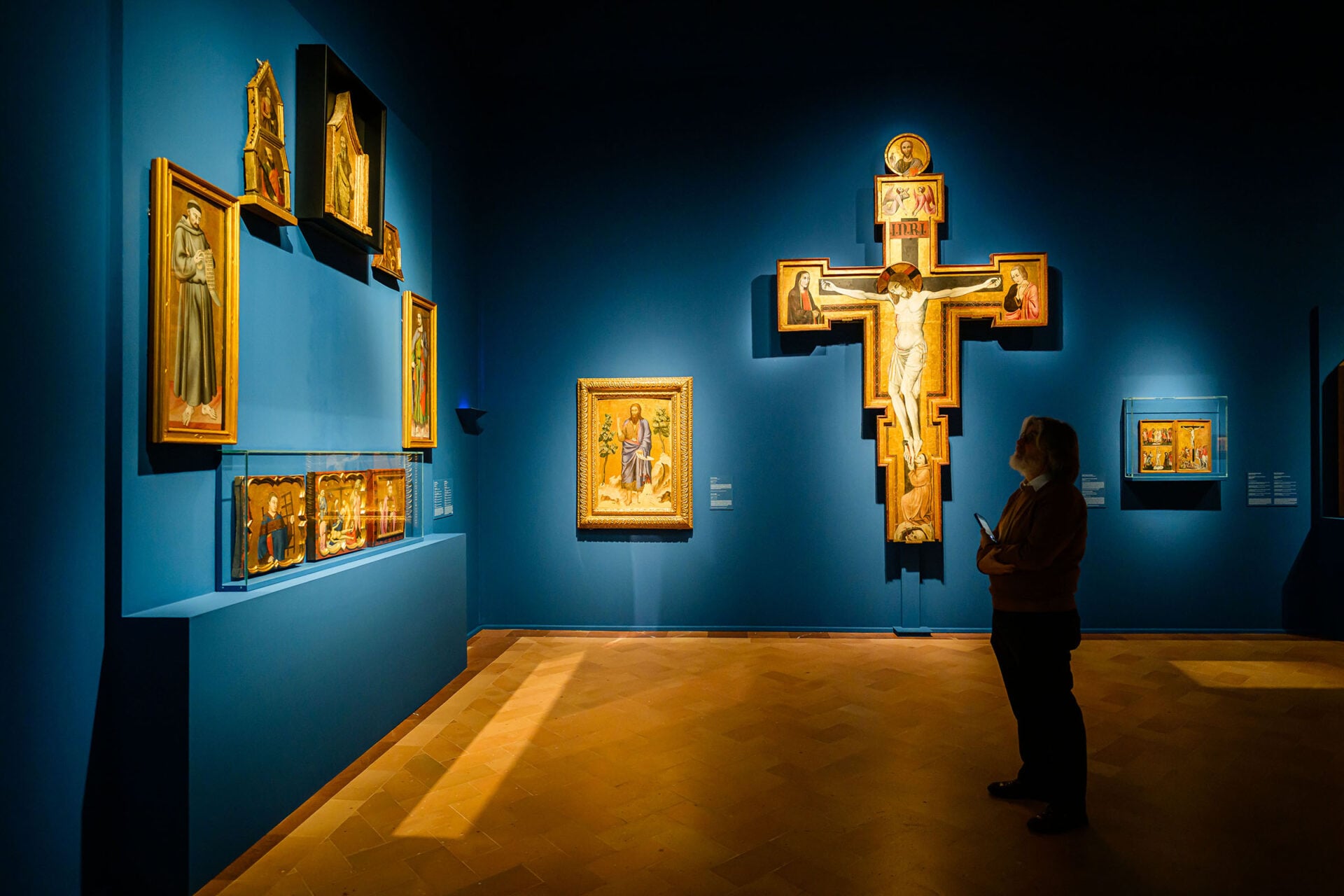
The Galleria Nazionale dell'Umbria in Perugia has opened the exhibition "Giotto e san Francesco. Una rivoluzione nell'Umbria del Trecento" to mark the 800th anniversary of the death of Saint Francis of Assisi. Curated by Veruska Picchiarelli and Emanuele Zappasodi, the show brings together major international loans to reunite works by Giotto and his Umbrian and Sienese followers, exploring the artistic revolution sparked by Francis's life and Giotto's break from Byzantine tradition toward naturalism.

First Indigenous Representative of Peru at the Venice Biennale, Sara Flores Opens the Doors of Her Studio in the Heart of the Amazon

Première représentante autochtone du Pérou à la Biennale de Venise, Sara Flores ouvre les portes de son atelier au cœur de l’Amazonie

Sara Flores, a 76-year-old artist from the Shipibo-Konibo Indigenous community in the Peruvian Amazon, has been selected as the first Indigenous artist to represent Peru at the Venice Biennale. In her open-air studio deep in the rainforest, she creates large-scale geometric compositions in the kené ("true drawing") tradition, using natural dyes from local plants. She is also co-founder of the Bakish Mai Multiversity, an educational institution dedicated to Indigenous knowledge and artist residencies, alongside Matteo Norzi, one of the two curators of the Peruvian pavilion. The article offers an intimate portrait of her life, her matriarchal family, and her creative process.

Drained, Drowning, and Decay: The Best National Pavilions at the Venice Biennale

The 2026 Venice Biennale is defined by themes of ruin and decay, with standout national pavilions exploring bodily, infrastructural, and archaeological collapse. The Slovenian Pavilion features the Nonument Group repurposing materials from past Biennales into a ruin of a mosque for Bosnian Muslim soldiers from World War I. Syria presents its first national pavilion since the Civil War, with Sara Shamma invoking Palmyra, destroyed by ISIS. Germany's pavilion, titled "Ruin," features works by Henrike Naumann (who died in February) and Sung Tieu, questioning the pavilion's fascist architecture and nationalist residue. The Austrian Pavilion, curated by Florentina Holzinger, offers a visceral performance titled "Sea World." The Biennale is also marked by the abrupt resignation of its five-member jury, who refused to consider nations charged with crimes against humanity, leading to awards being chosen by public vote. Additionally, the main exhibition "In Minor Keys" was affected by the death of its curator, Koyo Kouoh.

Exhibition at the Sarasota Art Museum uses shadows to explore the way identity changes based on experiences

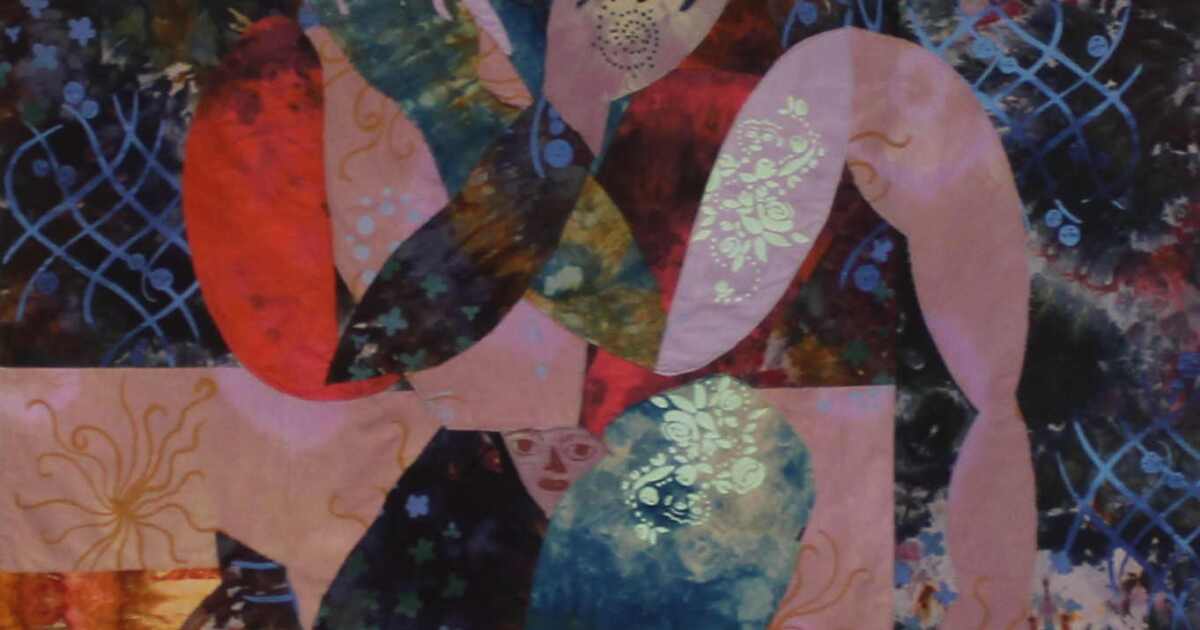
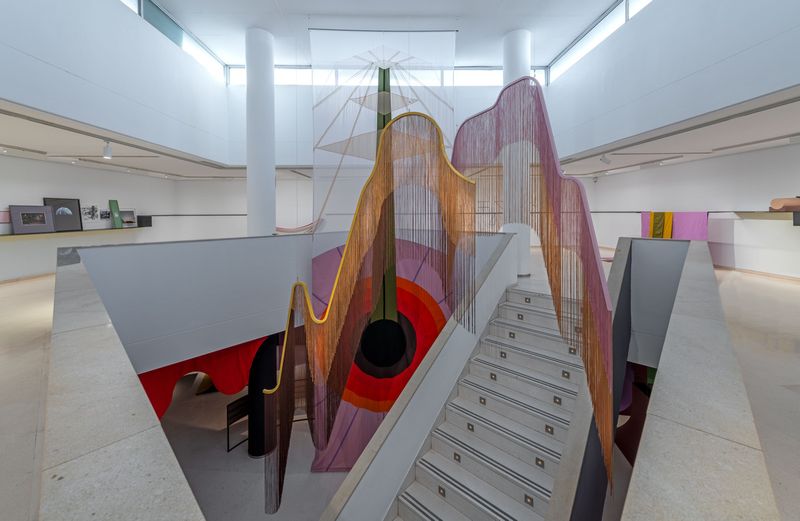
Sarasota Art Museum presents 'Penumbra,' a solo exhibition by textile artist Maria A. Guzman Capron. The show features 10 works, including traditional wall hangings and a suspended 15-foot textile sculpture titled 'Sombra,' all exploring how identity shifts based on context and experience. Curator Lacie Barbour explains that the title refers to the penumbra—a liminal space between light and dark—serving as a metaphor for the multiplicity of identities. Capron, who was born in Milan to Peruvian and Colombian parents and later moved to Texas, draws on her own cross-cultural experiences, using hand-dyed, painted, and screen-printed fabrics to create layered portraits of multi-faceted figures.

Sandra Gamarra: “Réplica” Is Not a Copy

Sandra Gamarra Heshiki's exhibition "Réplica" at MASP in São Paulo opens with an unplanned replica of Francisco Laso's "Habitante de las cordilleras del Perú" (1855), which could not travel from Lima due to bureaucracy. Gamarra produced an inverted, altered version, establishing a critical distinction between copying and responding. The exhibition is organized into sections that parody the classical chronology of encyclopedic museums—"Pre-colonial," "Colonial," "Post-independence," "Modern," and "Contemporary"—transforming the museum into an object of analysis. Gamarra's paintings engage with colonial iconographies, such as the pinturas de castas, by inscribing racial classifications directly onto the figures, making the colonial verdict inseparable from the bodies depicted.

The great antique fair of Assisi has half a century of history. The interview

La grande fiera dell’antiquariato di Assisi ha mezzo secolo di storia. L’intervista

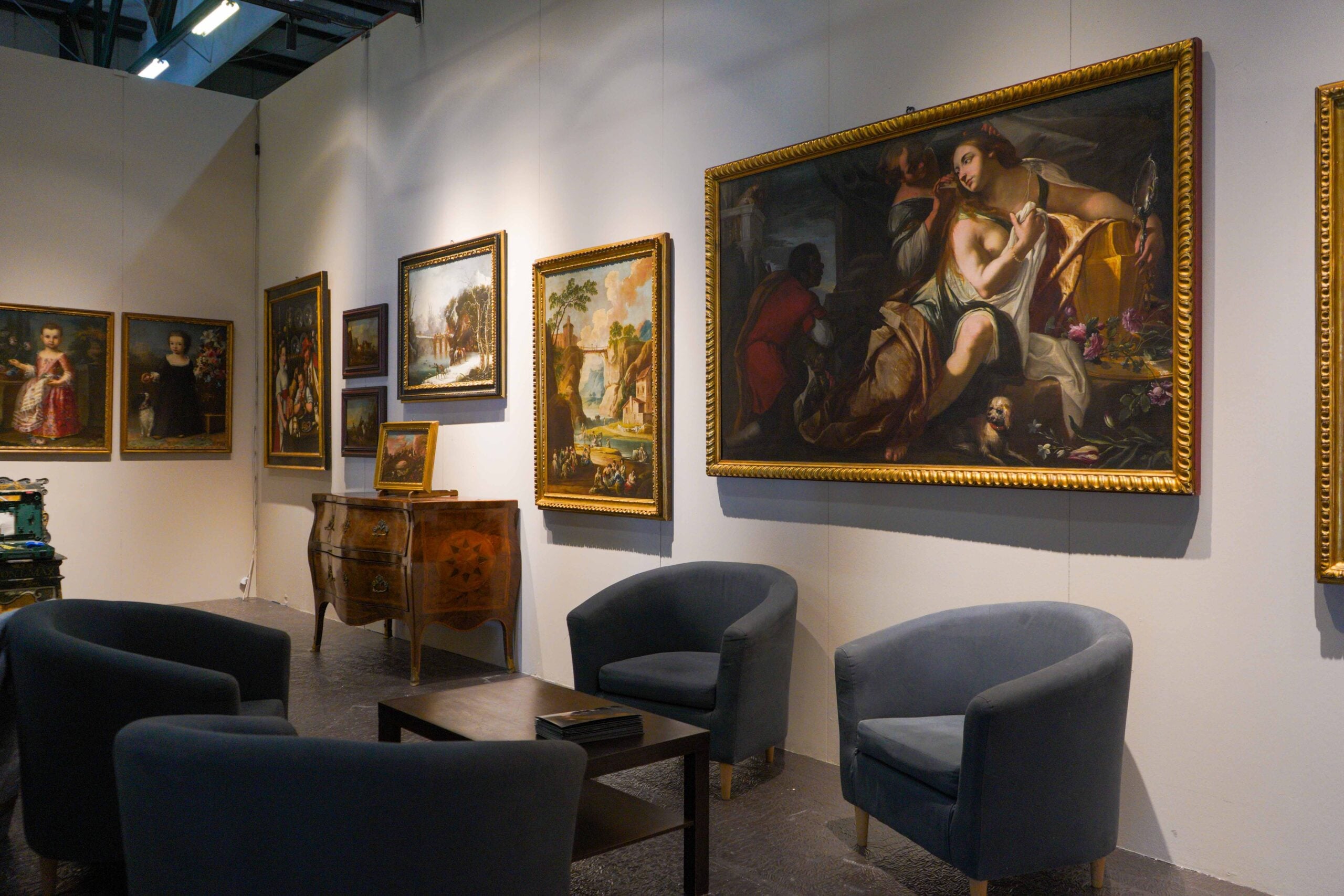
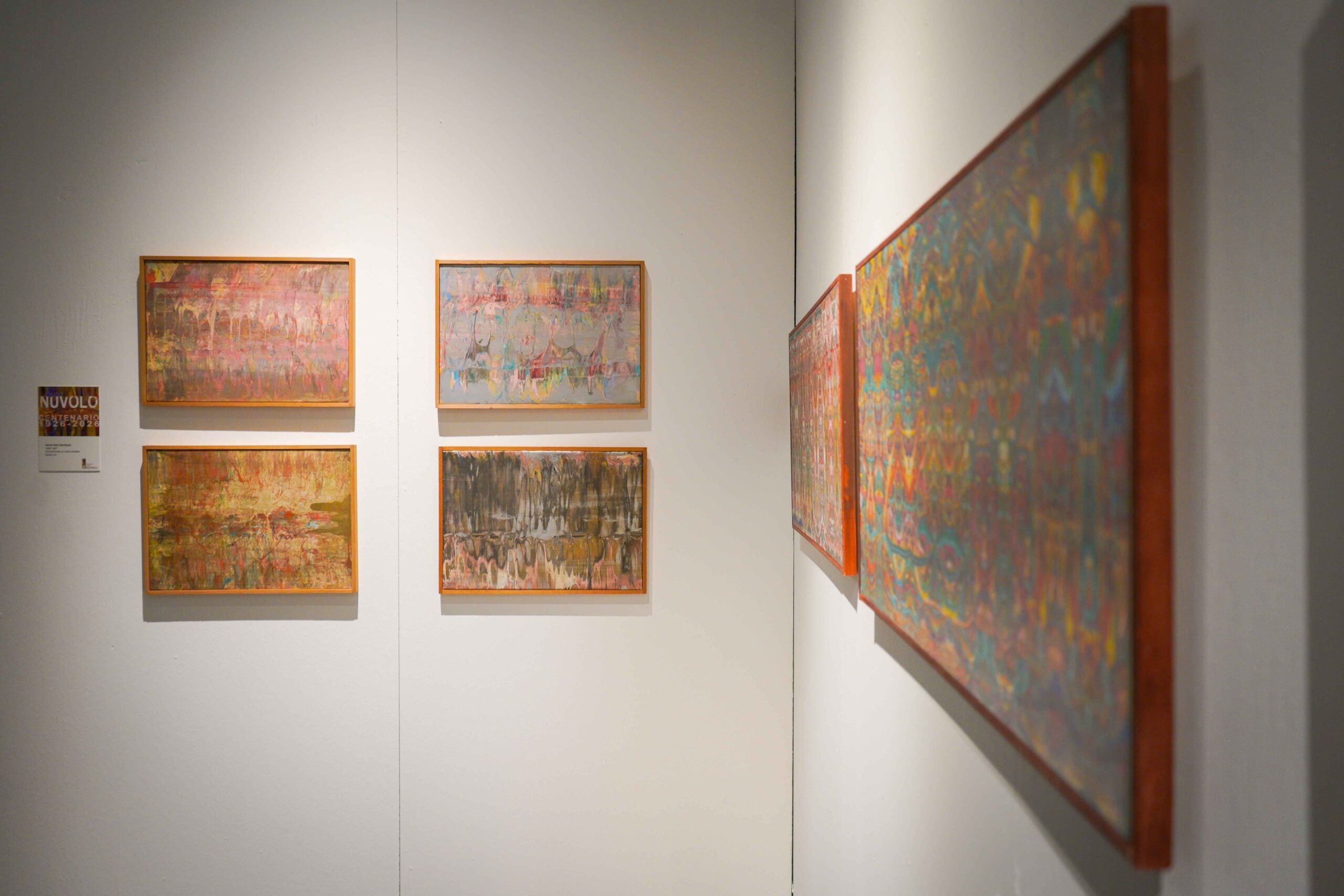
AMAB – Assisi Mostra Arte Antiquariato Bastia Umbra, the antique fair founded in Assisi in 1973 and moved to the Umbria Fiere exhibition center in 1989, celebrated its 50th edition in 2025 and will reopen from April 24 to May 3, 2026. The 10-day event features 90 exhibitors and includes special exhibitions marking the 800th anniversary of the death of Saint Francis of Assisi (at Palazzo Collicola in Spoleto and the Galleria Nazionale dell'Umbria in Perugia) and the centenary of the birth of artist Giorgio Ascani, known as Nuvolo, curated by Bruno Corà, as well as a project on costume designer Tita Tegano with costumes from the Renato Bruson collection. Director Emo Antinori Petrini, son of founder Mario, discusses the fair's evolution, its commitment to quality, and its new focus on contemporary art installations and performances.

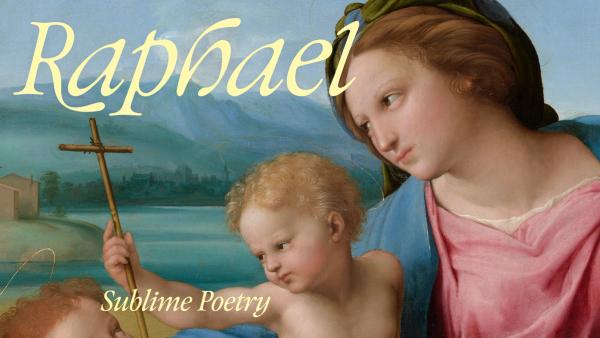
Raphael: Sublime Poetry

This article announces the first comprehensive U.S. exhibition on Raphael, titled "Raphael: Sublime Poetry," which offers an immersive look at the artist's meteoric career through drawings, paintings, prints, and tapestries. It traces Raphael's journey from his birth in Urbino in 1483, through his training under his poet-painter father Giovanni Santi and later Pietro Perugino, to his rise as a peer to Leonardo and Michelangelo in Florence and his final decade as the favorite artist of the popes in Rome, where he was celebrated as the "prince of painters."

Architecture as Microcosm: Interview with Architects Barclay & Crousse Coming to an Exhibition in Milan

Architettura come microcosmo. Intervista agli architetti Barclay & Crousse che arrivano in mostra a Milano

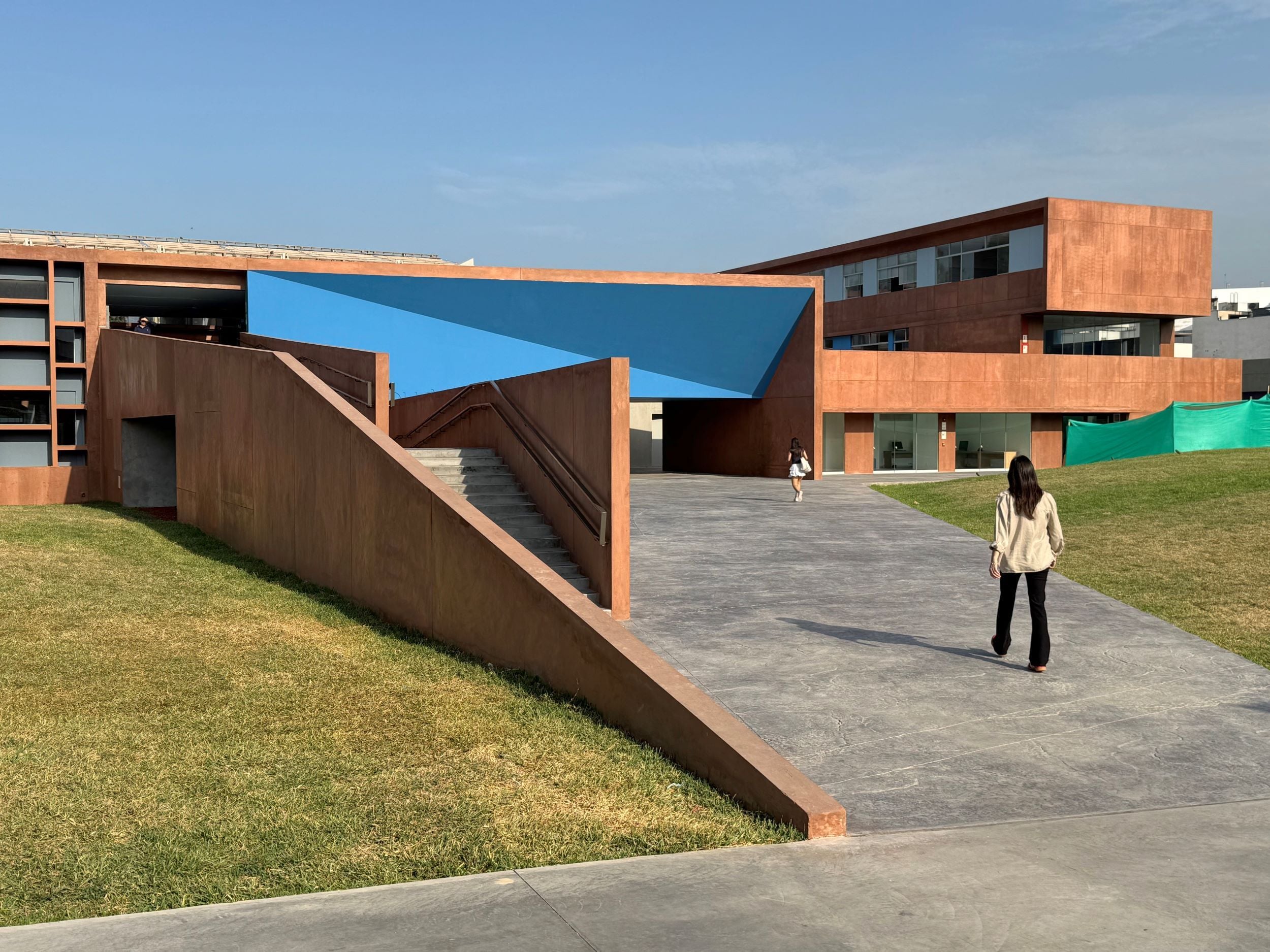
Architects Sandra Barclay and Jean Pierre Crousse, founders of Barclay & Crousse Architecture, are the subject of a feature interview and exhibition in Milan. The studio, established in Paris in 1994 and now based in Peru, is known for projects that deeply engage with the Peruvian landscape, particularly the coastal desert between the Pacific Ocean and the Andes. Their notable works include the Lugar de la Memoria (Lima, 2015), the Museo de Paracas (2016), and the Franco-Peruvian School in Lima (2025), which recently won the Grand International Prize at the X Bienal Internacional de Arquitectura de Santa Cruz (Bolivia) in 2026. The article traces their education across Peru, France, and Italy, and their return to Peru in 2006, where they continue to run a French branch called Atelier Nord Sud.

Pinta Lima Offered Curated Content–and Context–for the Curious

Pinta Lima, the 13th edition of the art fair, opened with a vibrant VIP preview and strong attendance of 16,000 visitors. The fair features around 50 booths and special presentations, with a curation-driven approach that includes sections like NEXT (curated by Juan Canela) and RADAR (curated by Ilaria Conti), as well as FORO panel discussions. The fair emphasizes Latin American art, particularly Peruvian contemporary art, and is part of the broader Pinta network that stages fairs and Art Weeks across Latin America and the U.S. Textile, fiber, and ceramic works are notably prominent, recontextualizing indigenous craft traditions.

100 anni fa nasceva Nuvolo. Ecco chi era l’artista partigiano che firmava col nome di battaglia

Giorgio Ascani, known by his partisan nickname Nuvolo, was born 100 years ago in Città di Castello, Italy. He adopted the name during the Resistance at age 17, inspired by his ability to appear and disappear like a cloud. Nuvolo became a painter and taught at the Accademia di Belle Arti di Perugia, serving as director from 1979 to 1984. His works are held in museums and collections worldwide. In 2025, a major exhibition curated by Bruno Corà, Aldo Iori, and Paolo Ascani was held at Palazzo Collicola in Spoleto, and in 2018, New York's Galleria Di Donna mounted a retrospective curated by Germano Celant. Now, the fair AMAB in Assisi joins centenary celebrations with 15 works spanning his career, including pieces from the Genesi cycle, Serotipie, and OIGROIG series.

Between Ritual and Institution: Andrea Canepa's Interventions in Spain

ENTRE EL RITO Y LA INSTITUCIÓN: LAS INTERVENCIONES DE ANDREA CANEPA EN ESPAÑA

Andrea Canepa, a Peruvian artist born in 1980, has installed "Fardo" at the Palacio de Cristal in Madrid's Parque del Retiro, running from January 13, 2026 to January 1, 2027. The work wraps the building's perimeter in a printed fabric bearing patterns from Paracas funerary textiles, a pre-Columbian culture from southern Peru. Created during the palace's ongoing restoration (which began in 2023), the installation challenges the building's colonial history—it was built for the 1887 Exhibition of the Philippine Islands—by introducing indigenous visual and ritual references. Canepa also presented "Entre lo profundo y lo distante" at the IVAM in Valencia until April 12, 2026, which uses Andean huacas (sacred spaces) to propose a non-linear relationship between time, body, and space. Both works transform passive contemplation into active, bodily participation, using ritual as a means to reorganize the exhibition experience.

HARRY CHÁVEZ: DONDE MUERDE EL MITO

Harry Chávez: Donde muerde el mito was the first presentation of Peruvian artist Harry Chávez's work at the Museo de Arte de Lima (MALI), held as part of the MALI Colecciones. Intervenciones contemporáneas program. The exhibition recently won the Premio Luces 2026 from El Comercio in the best exhibition category, a public-vote award reflecting its impact. The show explores symbolic conflicts between serpent and feline in Andean and Amazonian mythology, featuring works like 'Salto mortal' and 'Nacimiento del dragón' that depict cosmic struggles and hybrid transformations.

1,000-year-old archaeological site bulldozed during construction of Mexico-US border wall

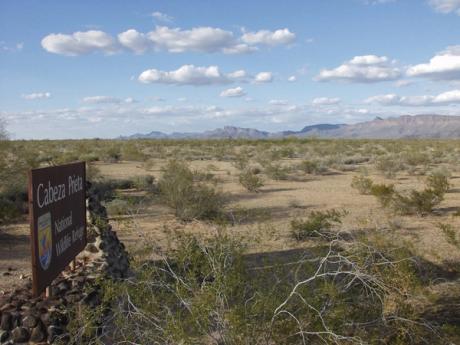
On 24 April, a Department of Homeland Security contractor bulldozed a 1,000-year-old intaglio—a 280ft by 50ft etching in the desert sand—during construction of the US-Mexico border wall in Arizona's Cabeza Prieta National Wildlife Refuge. The site, sacred to local Indigenous communities including the Hia-Ced O’odham, was part of a UNESCO biosphere and contained over 3,000 petroglyphs. Despite warnings from tribal members and refuge staff, the contractor destroyed a 70ft stretch of the fish-shaped intaglio, which elders and archaeologists describe as an irreplaceable cultural and archaeological treasure.

Street art festival transforms Morocco's capital into open-air gallery

The 11th JIDAR Rabat Street Art Festival has transformed Morocco's capital into an open-air gallery, with artists from Ecuador, South Africa, Peru, Russia, and Morocco painting large-scale murals on buildings. Works include Oscar Medina's bird clutching the sun and moon, Keya Tama's lion with Arabic script, and Mohamed Roshdi's portrait of a woman holding fish. The festival runs until 27 April.

MiC initiates cultural bridge between Italy and Mozambique on contemporary art

On April 20, 2026, the Italy-Mozambique project "A Bridge Made in Art" launched in Maputo, Mozambique, running until June 2027. Sponsored by Italy's Ministry of Culture and the National Museums of Perugia, the initiative includes workshops, exhibitions, and training in contemporary art, involving Mozambican institutions such as Universidade Eduardo Mondlane, Fundação Leite Couto, and Núcleo de Arte. The program is part of the Mattei Plan for Africa, aiming to redefine Italy-Africa relations through cultural cooperation.

Carlos Runcie Tanaka's Ceramics in Pinta Lima's Special Project

CARLOS RUNCIE TANAKA S CERAMICS IN PINTA LIMA S SPECIAL PROJECT

The art fair Pinta Lima is presenting a Special Project dedicated to the late Peruvian ceramic artist Carlos Runcie Tanaka. Organized by Fundación Pinta, Henrique Faría Gallery, and the artist's estate, the exhibition brings together a selection of works from 2001 to 2007, focusing on his mastery of the clay sphere and his unique visual language.

The Image of Another World Takes Shape in a Vibrant Form: Five Peruvian Artists at Pinta Lima 2026

THE IMAGE OF ANOTHER WORLD TAKES SHAPE IN A VIBRANT FORM FIVE PERUVIAN ARTISTS AT PINTA LIMA 2026

Pinta Lima 2026, an art fair in Peru, has unveiled a Special Project curated by Florencia Portocarrero and Irene Gelfman, featuring five young Peruvian artists: Elizabeth Vásquez, Fátima Rodrigo, Pierina Másquez, Verovcha, and Yone Makino. The exhibition transforms the gallery into an immersive, habitable space where diverse works in textiles, ceramics, painting, and installation form a cohesive map of contemporary Peruvian art.

In che modo la rigenerazione sta provando a cambiare l’Italia? Risponde la newsletter Render

Artribune's newsletter "Render" is set to release its 57th issue on May 11, featuring stories on urban regeneration projects across Italy. Highlights include a new library under construction in Latisana near the train station, a square-shaped island in the Venice lagoon transformed into an exhibition space after decades of abandonment, participatory tactical urbanism initiatives in Torre Annunziata funded by a Ministry of Social Policies and Labor grant, and a post-war complex in Rome poised to become a cultural hub. The issue will also profile the Peruvian architecture duo Barclay & Crousse ahead of their exhibition at the Politecnico di Milano and include a reflection on contemporary green spaces inspired by a visit to a private English park.

NEYRA PÉREZ: RETURN TO ROEBIRI

NEYRA PÉREZ: RETORNO A ROEBIRI

Neyra Pérez, an Iskonawa artist, presents her exhibition "El retorno del Roebiri" at the Centro Cultural Ricardo Palma in Lima, Peru, running until May 9, 2026. The show features her distinctive kené designs, which she creates using natural materials like yakuchapana resin and virgin clay on raw canvas, fixed through sunlight and river washing. The works reference Roebiri, a mountain in the Amazonian Sierra del Divisor that was the ancestral territory of the Iskonawa people, from whom they were displaced in the late 1950s by missionaries and the military. Since 2018, Pérez has been part of a cultural revitalization effort led by anthropologist Carolina Rodríguez to recover these traditional designs and practices.

Prairie Arts Council May Exhibit: Mixed-media artist Jennifer Eustis

The Prairie Arts Council in Princeton, Illinois, is hosting a May exhibition featuring mixed-media artist Jennifer Eustis. The show runs weekends in May 2026, with an opening reception on May 1. Eustis, based in Peru, Illinois, works across 2D and 3D sculpture, silversmithing, and textile arts, often described as "Modern Folk." Her work reimagines historical influences like Santos Cage Dolls through contemporary techniques, including copper etching. Her pieces have been exhibited across the Midwest and East Coast and are held in private collections internationally.

How One Cooperative Champions the Quechua Weavers of Peru’s Sacred Valley

The nonprofit organization Awamaki was founded in 2009 to support Quechua communities in Peru's Sacred Valley, particularly women weavers, as they navigate economic shifts and climate change. It now assists nine cooperatives comprising 174 artisans, providing structural support for selling traditional textiles and coordinating tourism to generate income while preserving cultural practices.

Cuzco Time Capsule

Soho Photo Gallery in New York is presenting "Cuzco Time Capsule," an exhibition of 18 black-and-white photographs by Michael Page Miller, taken in 1972 during his travels in highland Peru. The images capture laborers, craftsmen, market vendors, and Quechua people in and around Cuzco, shot with a 35mm Nikkormat and Tri-X film. The show runs from May 20 to June 14, 2026, with each print priced at $600.

NEREIDA APAZA MAMANI A HISTORY OF MIGRATION AND VIOLENCE AT THE ICPNA CULTURAL IN MIRAFLORES

Nereida Apaza Mamani presents a solo exhibition at ICPNA Cultural in Miraflores, Lima, featuring 150 works across watercolor, painting, printmaking, photography, sculpture, embroidery, and installation. The show traces stories of migration and displacement through cartographies, maps, and family trees, drawing on embroidery techniques inherited from her mother and grandmother. Curated by Miguel López, the exhibition explores belonging in a country marked by discrimination and centralism, incorporating the artist's notebooks begun in 2009 and works that address political violence and memory.