
filter_list Showing 3 results for "raphael rooms" close Clear
dashboard All 3 article news 2museum exhibitions 1
date_range Range Today This Week This Month All
Subscribe

10 art restorations in 2025 2725850

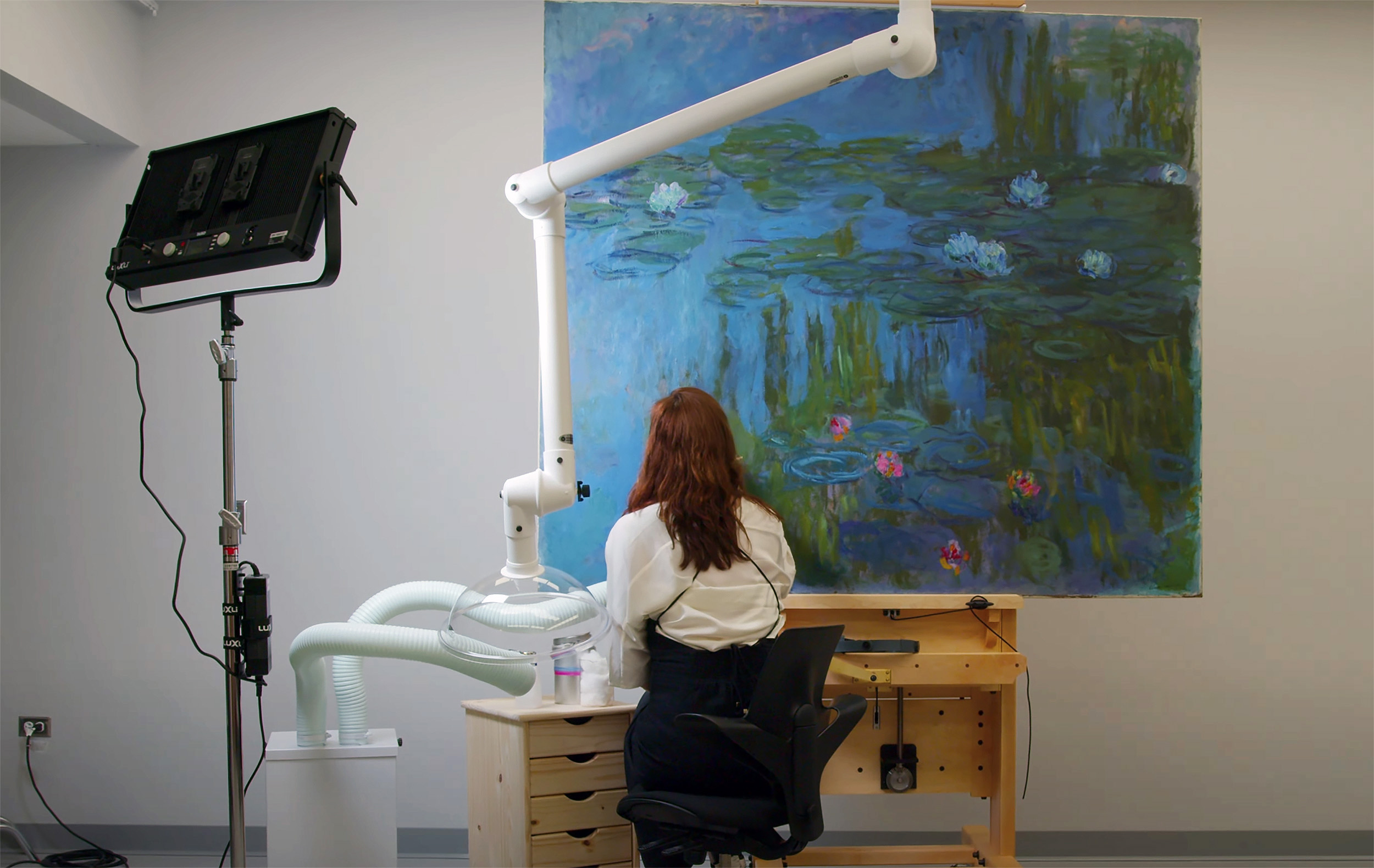
In 2025, a series of major art restorations unveiled transformative discoveries in masterpieces by Caravaggio, Raphael, and Artemisia Gentileschi, among others. Caravaggio's final work, *The Martyrdom of St. Ursula* (1610), owned by Intesa Sanpaolo, was cleaned ahead of Rome's "Caravaggio 2025" exhibition, revealing hidden faces and a soldier's helmet previously only visible by x-ray. At the Vatican Museums, a decade-long restoration of the Raphael Rooms concluded with the revelation that two allegorical figures in the Hall of Constantine were painted by Raphael himself, not just his assistants, rewriting art history. Meanwhile, Artemisia Gentileschi's *Hercules and Omphale* (ca. 1635–37), damaged in the Beirut explosion, underwent emergency conservation by the Getty.
raphael rooms restoration discovery 2662624

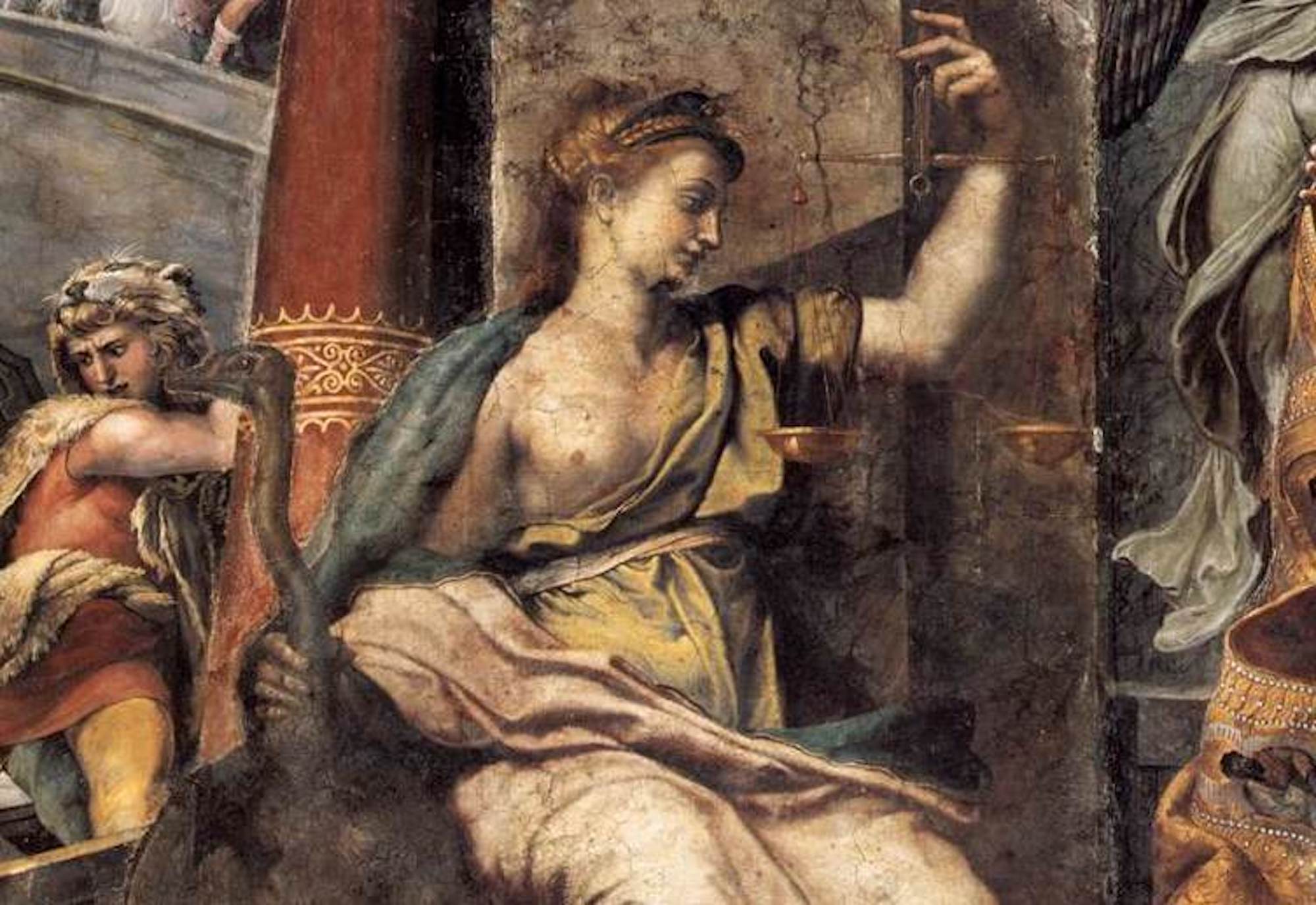
The Vatican Museums have completed the decade-long restoration of the Hall of Constantine, one of the Raphael Rooms, revealing that Renaissance master Raphael himself painted two figures—Justice and Friendship—in the hall, contrary to the long-held belief that the entire room was executed solely by his assistants after his death. Conservators identified Raphael's hand by his distinctive oil-on-resin technique, which differed from the traditional fresco methods used by his assistants Giulio Romano, Gianfrancesco Penni, and Raffaellino del Colle. The discovery was made during a meticulous restoration that began in March 2015 and finished in December 2024.

vatican museums restored raphael rooms cleaning project 1234746433

The Vatican Museums have unveiled the final room of the Raphael Rooms in the Apostolic Palace after a decade-long cleaning and restoration. The project revealed that Raphael used a novel mural painting technique, applying oil paint directly to the wall rather than using traditional fresco. Restorers discovered a grid of metal nails embedded in the walls, intended to hold a natural resin surface for the oil paint, confirming earlier reports of this experimental approach. The room, dedicated to the Roman emperor Constantine, was completed by Raphael's students after his death in 1520.