filter_list Showing 18 results for "sanctions" close Clear
dashboard All 18 article news 15article policy 2gavel restitution 1
date_range Range Today This Week This Month All
Subscribe

Advocates Try to Save Brutalist Fountain in San Francisco, José Aparicio Painting Returns to Prado Museum: Morning Links for April 30, 2026

This ARTnews Morning Links roundup covers multiple art-world stories from April 30, 2026. A new Banksy sculpture appeared in London's Waterloo Place, depicting a suited man marching off a plinth with a flag covering his face, though Banksy had not confirmed the work. Italian Culture Minister Alessandro Giuli ordered inspectors to the Venice Biennale headquarters amid intensifying scrutiny over Russia's participation, following internal emails suggesting sanctions were circumvented. Obituaries note the deaths of German 'total artist' Timm Ulrichs at 86 and Japanese sculptor Shigeo Toya at 78. A José Aparicio painting, 'The Year of the Famine in Madrid' (1818), returned to the Prado Museum after 150 years. In San Francisco, a group called Friends of the Plaza filed an appeal to block dismantling of the Vaillancourt Fountain. A feature in Cultured Magazine explores Bucharest's ambitions as a global arts hub through the Romanian Art Dealers fair.

Affaire Indiana : un éditeur d’art condamné à 102 millions de dollars

A federal jury in Manhattan has ordered Michael McKenzie and his company American Image Art to pay $102 million (€95 million) to the Morgan Art Foundation for unauthorized exploitation of works by artist Robert Indiana (1928-2018), including his iconic LOVE image. The case, filed in May 2018 just before Indiana's death, alleged that McKenzie—a former agent of the artist—produced and sold unauthorized editions, sculptures, and merchandise under Indiana's name, violating exclusive reproduction and commercialization rights granted to the foundation in the 1990s. The jury found McKenzie guilty of trademark infringement, copyright violation, and contractual interference, with $6.2 million specifically tied to 44 LOVE works. The defense, weakened by sanctions for hiding evidence and refusing to cooperate, plans to appeal.

Emails Suggest Venice Biennale Organizers Planned for Limited Russian Participation, SF Appoints First Arts and Culture Director, and More: Morning Links for April 28, 2026

Emails between Venice Biennale organizers and the Russian Pavilion commissioner reveal plans for limited Russian participation: the pavilion would open during the vernissage (May 5–8) with live performances, then close to the public after May 9, with multimedia documentation viewable from outside. The messages, dating to June 2025, also show Biennale staff helping Russian artists obtain visas. Organizers insist they complied with European sanctions, which prohibit financial support or direct collaboration with state-backed Russian entities. Separately, San Francisco has appointed Matthew Goudeau as its first executive director of arts and culture, a new role overseeing three public art agencies amid local arts closures.

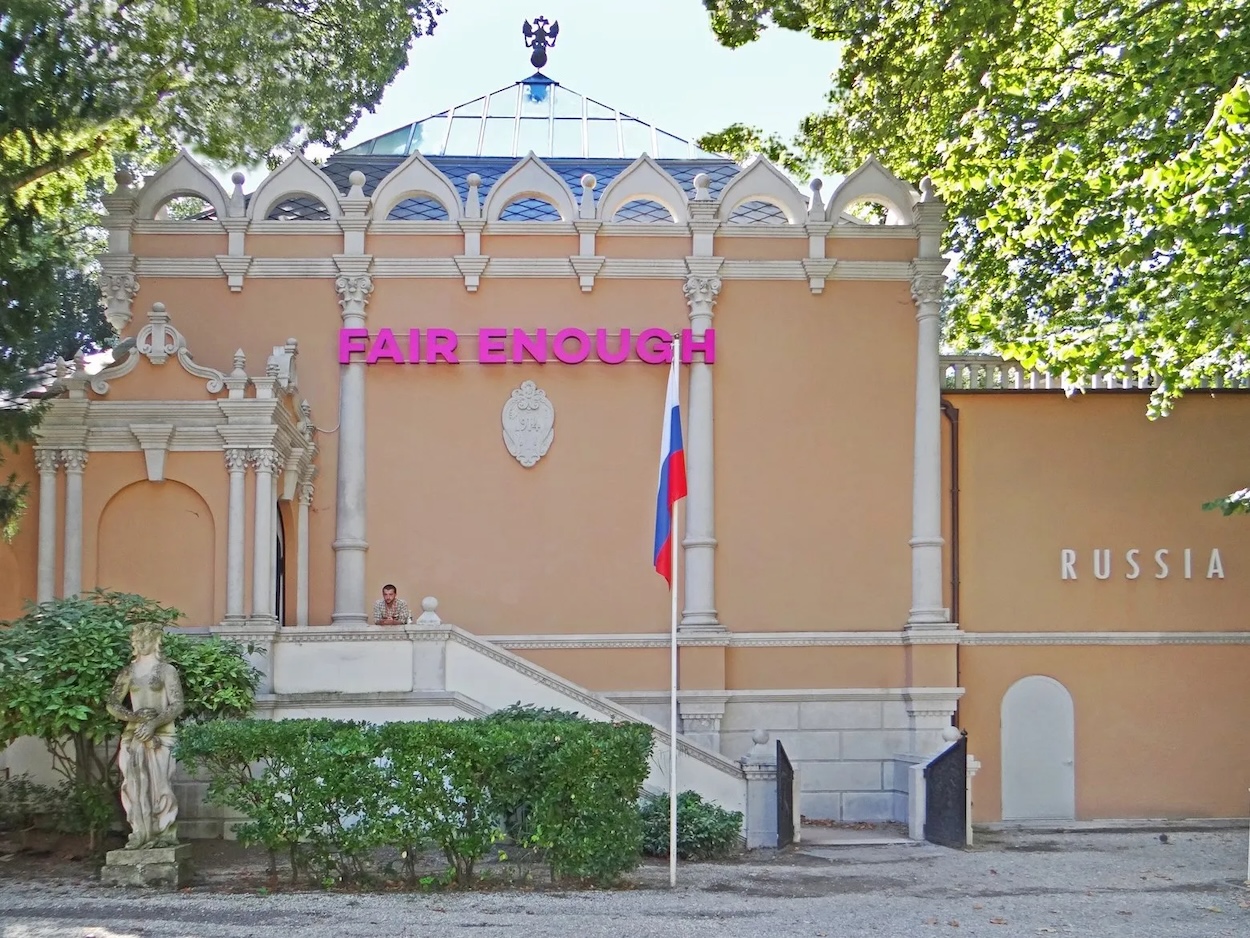
Russian Pavilion Will Be Closed to the Public During Venice Biennale: Report

The Russian Pavilion will be closed to the public for most of the 2025 Venice Biennale, opening only during the pre-opening vernissage (May 5–8) for live performances tied to the exhibition “The Tree Is Rooted in the Sky.” After May 9, the pavilion will remain closed, with digital documentation displayed in the windows. The compromise follows weeks of pressure from European cultural and political figures—including Italy’s culture minister—to shutter the pavilion due to Russia’s ongoing war in Ukraine. Plans were confirmed via email correspondence between Biennale Foundation president Pietrangelo Buttafuoco, general director Andrea Del Mercato, and Russian Pavilion commissioner Anastasia Karneeva, as reported by Italian outlets Open and La Repubblica.

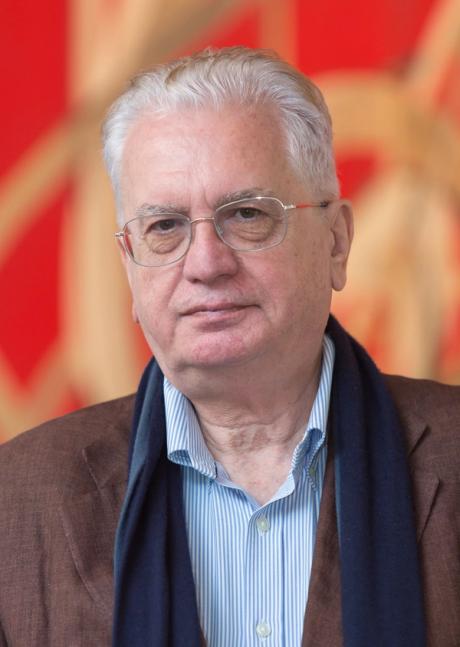
EU imposes sanctions on Mikhail Piotrovsky, director of Russia's State Hermitage Museum

The European Union has imposed sanctions on Mikhail Piotrovsky, the director of Russia's State Hermitage Museum, as part of its 20th sanctions package adopted on 23 April. Piotrovsky, a vocal supporter of Russia's full-scale invasion of Ukraine, is cited for being a close associate of Vladimir Putin and for actively supporting the war, including justifying Russian cultural policies that incorporate Ukrainian museum items into Russia's State Museum Fund and enabling unauthorized archaeological excavations in occupied Crimea. The sanctions also target three other cultural officials involved in the Crimean digs. Meanwhile, Hermitage archaeologist Alexander Butyagin, arrested in Poland in December 2025 at Ukraine's request, was released in a prisoner exchange on 28 April.

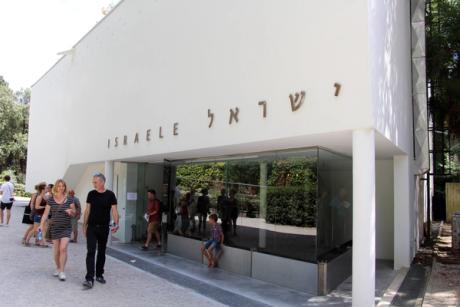
Israel’s foreign ministry accuses Venice Biennale's jury of ‘politicising’ exhibition

Israel’s foreign ministry has accused the Venice Biennale's jury of politicizing the exhibition after jurors announced they would not consider for prizes countries whose leaders face International Criminal Court charges for crimes against humanity. The jury’s statement, which did not name specific nations, is broadly understood to apply to Israel and Russia, both returning to the Biennale for the first time since the Gaza war and the Ukraine invasion, respectively. The Israeli ministry posted on X that the jury had decided to 'boycott' Israeli sculptor Belu-Simion Fainaru, calling it 'a contamination of the art world.' The Biennale distanced itself from the jury’s announcement, stating the jury acts autonomously, while the Russian pavilion is reportedly set to open only for a limited pre-opening period due to budget constraints amid sanctions.

Venice Bound? Here’s All the News You Need to Know About This Year’s Biennale

The 61st Venice Biennale is embroiled in geopolitical controversy over Russia's return to the event in 2026, which has sparked widespread backlash. Nearly 10,000 artists and cultural leaders signed an open letter opposing Russia's participation, and the European Union withdrew €2 million in funding for the 2028 edition. Leaked emails reveal Biennale officials worked with Russian pavilion commissioner Anastasia Karneeva to circumvent EU sanctions, while Italy's culture minister Alessandro Giuli plans to boycott the opening week. Meanwhile, activists continue to push for Israel's removal from the Biennale, though Israel will be accommodated in the Arsenale this year.

Venice Biennale jury resigns in latest politically charged controversy at art exhibition

The entire jury of the Venice Biennale has resigned, including president Solange Farkas and members Zoe Butt, Elvira Dyangani Ose, Marta Kuzma, and Giovanna Zapperi. The jury had announced it would not consider for prizes countries charged with crimes against humanity by the International Criminal Court, a stance that would affect Israel and Russia, both of which have national pavilions at the exhibition. As a result, the Biennale will not award several jury prizes, including the Golden Lion for best national pavilion and best artist in the group show, replacing them with visitor-voted awards.

Venice Biennale’s jury resigns

The entire jury of the 61st Venice Biennale, presided by Brazilian curator Solange Farkas and comprising four other curators, resigned just nine days before the exhibition's scheduled opening on 9 May 2026. The jury had announced it would not award prizes to countries whose leaders are charged with crimes against humanity by the International Criminal Court, a move widely understood to target Israel and Russia. In response, the Biennale's organisers cancelled the prize-giving ceremony and will instead award Golden Lions via a popular vote among ticketholders. The row escalated further when the Israeli representative, sculptor Belu-Simion Fainaru, accused the jury of discrimination and threatened legal action, prompting intervention from Italy's culture ministry.

Russia's 2026 Venice Biennale Will Not Open to the Public, and Other News.

Russia's pavilion at the 2026 Venice Biennale will be closed to the public for nearly the entire run of the exhibition (May 9–November 22), with access limited to a brief preview period for press and invited guests. Instead of physical access, visitors will experience the pavilion's project—titled 'The Tree Is Rooted in the Sky'—via video documentation displayed on exterior screens. The arrangement is widely seen as a compromise shaped by international sanctions and political backlash over Russia's return following its absence after the 2022 invasion of Ukraine. In other news, Matthieu Blazy unveiled his first Chanel cruise collection in Biarritz; San Francisco appointed Matthew Goudeau as its first-ever executive director of arts and culture; the Saudi Arabia Museum of Contemporary Art received a $490 million construction grant from Diriyah Company; and online auction sales grew 8 percent in 2025, generating $423.9 million.

Museum diplomacy in action at ICOM UK 2026: museums in a changing world

ICOM UK hosted its 2026 annual conference in Oxford, bringing together delegates from over 20 countries to explore the theme of 'Museum Diplomacy.' Keynote speaker Dr. Sascha Priewe of the Aga Khan Museum and ICOM Canada framed the current geopolitical moment as a 'GZERO World,' where no country is willing or able to lead globally, and discussed how sanctions, export controls, and shifting alliances are straining international museum collaborations. Sessions featured case studies from the Science Museum Group and International Arts & Artists, emphasizing that trust and networks, not grand gestures, are essential for enduring partnerships.

Hermitage Museum Director and Putin Ally Mikhail Piotrovsky Sanctioned by European Union

The European Union has sanctioned Mikhail Piotrovsky, the longtime director of the State Hermitage Museum in St. Petersburg, for his close association with Vladimir Putin and his active support of Russia's war against Ukraine. Announced on April 23, the sanctions are part of a broader package targeting over a hundred individuals and entities, including other cultural figures like Sergei Obryvalin, Igor Solonin, and Andrey Polyakov, for their roles in the seizure of Ukrainian cultural property and the spread of Russian propaganda in occupied regions.

Italian Culture Minister Launches Inspection of Venice Biennale’s Russian Pavilion

Italian Culture Minister Alessandro Giuli has launched an official inspection of the Russian Pavilion at the 61st Venice Biennale, just days before the exhibition opens. An inspector has been sent to Venice to review all documentation related to Russia's participation, focusing on potential irregularities such as visa issues for Russian artists and delegation members. The investigation follows the Biennale's international jury decision to exclude Russia and Israel from awards due to accusations of crimes against humanity. The Russian Pavilion will be open only during the pre-opening vernissage, after which it will close, with digital documentation displayed in its windows.

Row Over Russia’s Return to the Venice Biennale Deepens

Newly leaked emails reveal that the Venice Biennale has been secretly coordinating with Russia since last summer to facilitate its return to the 2025 edition, despite ongoing international sanctions. The correspondence, published by Italian outlets Open and La Repubblica, shows Biennale president Pietrangelo Buttafuoco, director Andrea Del Mercato, and Russian commissioner Anastasia Karneeva working together on visa issues, pavilion logistics, and a legal strategy to bypass E.U. sanctions prohibiting collaboration with state-backed Russian entities. Russia's pavilion will be open during preview days with performers activating the space, while footage will play for the public from a closed pavilion thereafter.

Russia's Venice Pavilion to Close to the Public in Compliance With Sanctions

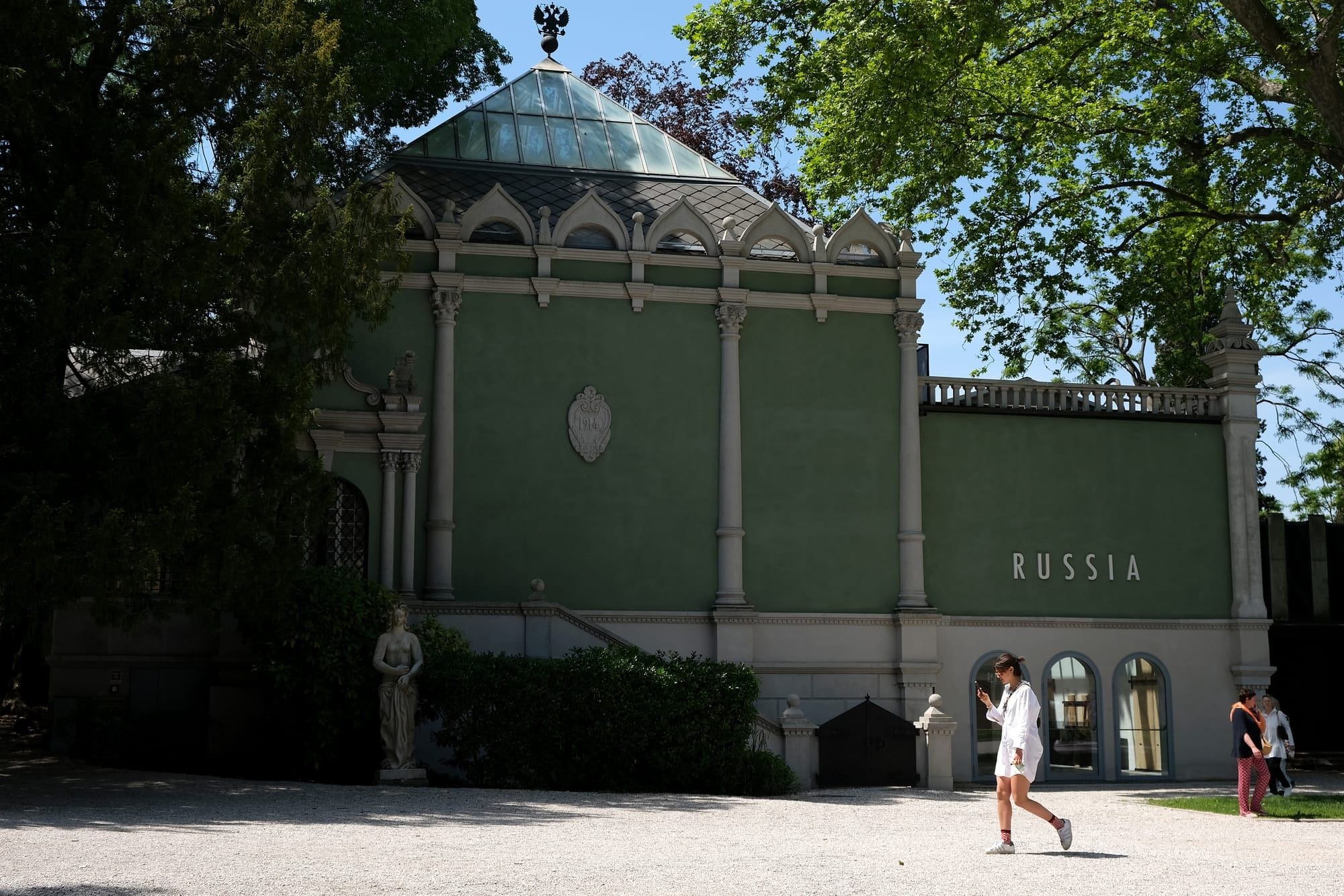
Russia will return to the 61st Venice Biennale with its national pavilion, but the exhibition will only be physically open to the press and select guests during the vernissage dates of May 5–8. From May 9 onward, the pavilion will remain closed to the public, with multimedia documentation of performances displayed on screens at the windows. The arrangement follows leaked emails among Biennale Foundation President Pietrangelo Buttafuoco, General Director Andrea Del Mercato, and Russian Pavilion Commissioner Anastasia Karneeva, revealing efforts to comply with EU sanctions while still allowing Russia's participation after two consecutive absences since its invasion of Ukraine.

Venice Biennale denies it helped ‘circumnavigate’ sanctions against Russia with pavilion

The Venice Biennale is facing allegations that it helped Russia circumvent EU sanctions by allowing the Russian pavilion to operate during preview days, when only arts professionals and press are present. Investigative website Open published emails between Biennale officials and Russian pavilion organizers, including requests for visa assistance for artists and staff. The commissioner, Anastasia Karneeva, is the daughter of a Rostec deputy CEO and runs a consultancy with the daughter of Russia's foreign minister. The Biennale denies any wrongdoing, stating it acted in compliance with international law. Russia has been absent from the Biennale since 2022 but retains a permanent pavilion in the Giardini.

Russia’s Venice Pavilion Will Be Closed to Public for Duration of Biennale

Russia's pavilion at the 2026 Venice Biennale will be closed to the public for the duration of the exhibition, from May 9 to November 22, following escalating controversy over the country's participation. The group show, titled “The tree is rooted in the sky,” will only be open to press and industry insiders during the preview days (May 5–8). The move comes after the International Criminal Court accused Russia of crimes against humanity, leading the Biennale to bar Russia and Israel from competing for awards. Italian culture minister Alessandro Giuli has also boycotted the preview and opening ceremony in protest.

Jury of the Venice Biennale Resigns

Jury der Venedig-Biennale tritt zurück

The entire jury of the Venice Biennale, appointed by artistic director Koyo Kouoh, has resigned with immediate effect. In a statement released on Thursday, the jury members—including chair Solange Oliveira Farkas, Zoe Butt, Elvira Dyangani Ose, Marta Kuzma, and Giovanna Zapperi—cited a prior declaration from April 22 in which they announced they would not award Golden or Silver Lions to artists from countries whose political leadership is currently indicted by the International Criminal Court (ICC) for crimes against humanity. Although no specific countries were named, the move implicitly targets Russia (President Vladimir Putin) and Israel (Prime Minister Benjamin Netanyahu), both subject to ICC arrest warrants. The resignation comes amid escalating tensions over Russia's participation in the Biennale despite EU sanctions, which had already led to a freeze of EU funding and widespread protests.