filter_list Showing 41 results for "sanctions" close Clear
dashboard All 41 article news 31article policy 8gavel restitution 1museum exhibitions 1
date_range Range Today This Week This Month All
Subscribe

Emails Suggest Venice Biennale Organizers Planned for Limited Russian Participation, SF Appoints First Arts and Culture Director, and More: Morning Links for April 28, 2026

Emails between Venice Biennale organizers and the Russian Pavilion commissioner reveal plans for limited Russian participation: the pavilion would open during the vernissage (May 5–8) with live performances, then close to the public after May 9, with multimedia documentation viewable from outside. The messages, dating to June 2025, also show Biennale staff helping Russian artists obtain visas. Organizers insist they complied with European sanctions, which prohibit financial support or direct collaboration with state-backed Russian entities. Separately, San Francisco has appointed Matthew Goudeau as its first executive director of arts and culture, a new role overseeing three public art agencies amid local arts closures.

Advocates Try to Save Brutalist Fountain in San Francisco, José Aparicio Painting Returns to Prado Museum: Morning Links for April 30, 2026

This ARTnews Morning Links roundup covers multiple art-world stories from April 30, 2026. A new Banksy sculpture appeared in London's Waterloo Place, depicting a suited man marching off a plinth with a flag covering his face, though Banksy had not confirmed the work. Italian Culture Minister Alessandro Giuli ordered inspectors to the Venice Biennale headquarters amid intensifying scrutiny over Russia's participation, following internal emails suggesting sanctions were circumvented. Obituaries note the deaths of German 'total artist' Timm Ulrichs at 86 and Japanese sculptor Shigeo Toya at 78. A José Aparicio painting, 'The Year of the Famine in Madrid' (1818), returned to the Prado Museum after 150 years. In San Francisco, a group called Friends of the Plaza filed an appeal to block dismantling of the Vaillancourt Fountain. A feature in Cultured Magazine explores Bucharest's ambitions as a global arts hub through the Romanian Art Dealers fair.

Affaire Indiana : un éditeur d’art condamné à 102 millions de dollars

A federal jury in Manhattan has ordered Michael McKenzie and his company American Image Art to pay $102 million (€95 million) to the Morgan Art Foundation for unauthorized exploitation of works by artist Robert Indiana (1928-2018), including his iconic LOVE image. The case, filed in May 2018 just before Indiana's death, alleged that McKenzie—a former agent of the artist—produced and sold unauthorized editions, sculptures, and merchandise under Indiana's name, violating exclusive reproduction and commercialization rights granted to the foundation in the 1990s. The jury found McKenzie guilty of trademark infringement, copyright violation, and contractual interference, with $6.2 million specifically tied to 44 LOVE works. The defense, weakened by sanctions for hiding evidence and refusing to cooperate, plans to appeal.

May You Live in Less Interesting Times

The international jury for the Venice Biennale has collectively resigned just before the press preview, following their announcement that countries accused of crimes against humanity—specifically Israel and Russia—would be excluded from award consideration. The jurors did not provide an explicit reason for their resignation. Meanwhile, Russia's return to the 61st Venice Biennale will involve workarounds to comply with international sanctions, including restricted pavilion access. The article also highlights a widely-read essay by Hakan Topal on the financialization and 'administrification' of American art schools and academia.

At the Venice Biennale I saw anger at Russia and Israel – and its leadership pretending everything was fine | Charlotte Higgins

At the 2024 Venice Biennale, the Russian pavilion returned with festive performances and prosecco deliveries, drawing sharp criticism from observers who saw it as a propaganda effort to distract from Russia's war in Ukraine. Meanwhile, Ukraine's Kramatorsk was bombed, and protests erupted, including a Pussy Riot intervention. Biennale president Pietrangelo Buttafuoco defended Russia's and Israel's participation, rejecting preemptive bans despite open letters and appeals. European Commission investigated potential sanctions breaches, and culture ministers from Ukraine, Poland, Estonia, and Baltic states boycotted or condemned the biennale's stance, accusing it of yielding to the aggressor.

Art and politics clash at Venice Biennale, as world conflicts upstage exhibition's opening

The 61st Venice Biennale, the world's most prestigious art exhibition, opens under unprecedented turmoil. For the first time, its vision was shaped by the late Cameroonian curator Koyo Kouoh, who centered artists from Africa and its diaspora. However, political conflicts over Russia and Israel have overshadowed the art. All five jurors resigned after the Italian culture minister investigated their decision to withhold prizes from Russia and Israel over alleged crimes against humanity. Protests erupted at the Russian pavilion, with Pussy Riot activists denouncing Russia's participation, while the Israeli pavilion artist threatened legal action over the jury's snub. The Biennale will proceed without a jury, with visitors voting for two awards, and the fate of the Golden Lion remains uncertain.

Russian Pavilion Will Be Closed to the Public During Venice Biennale: Report

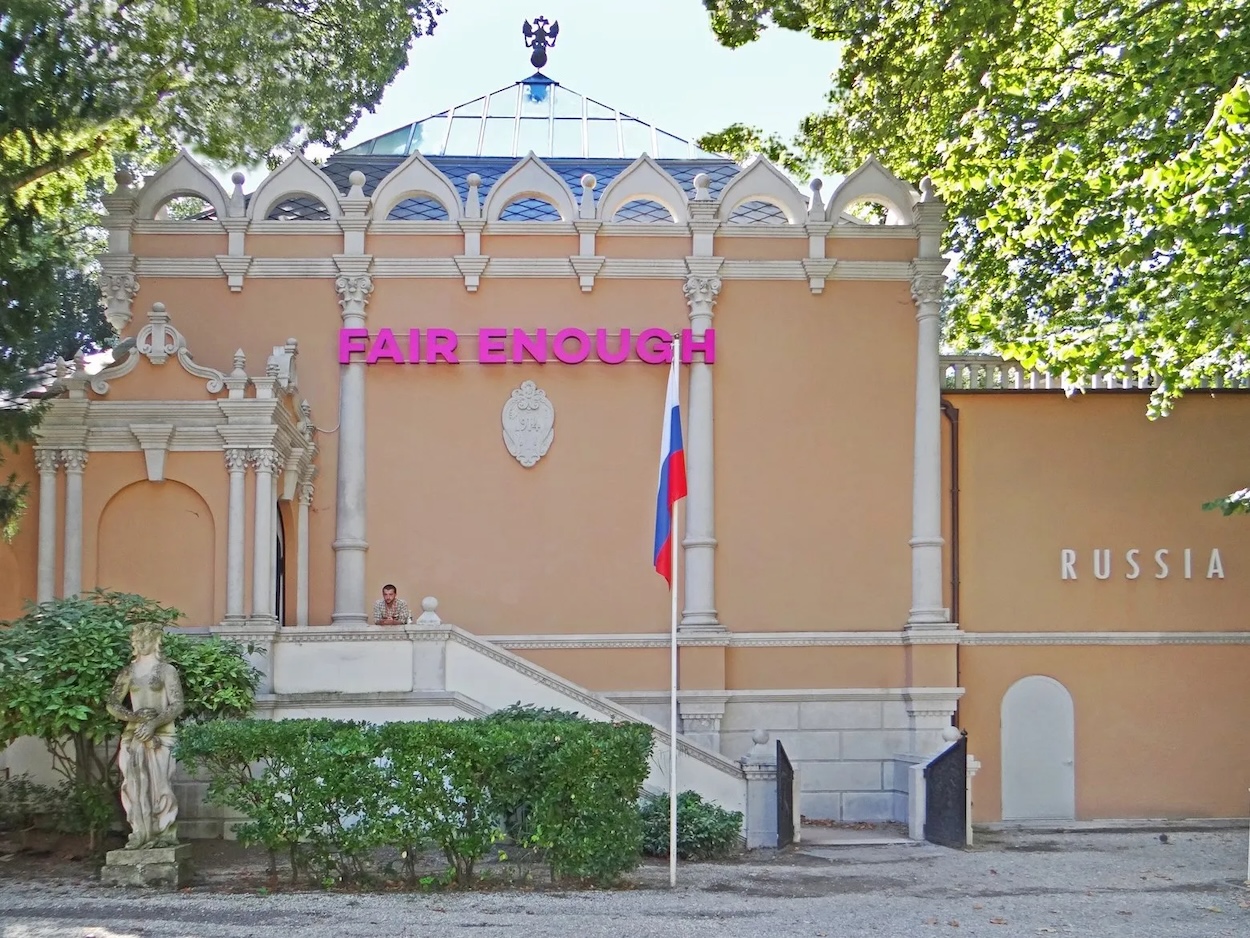
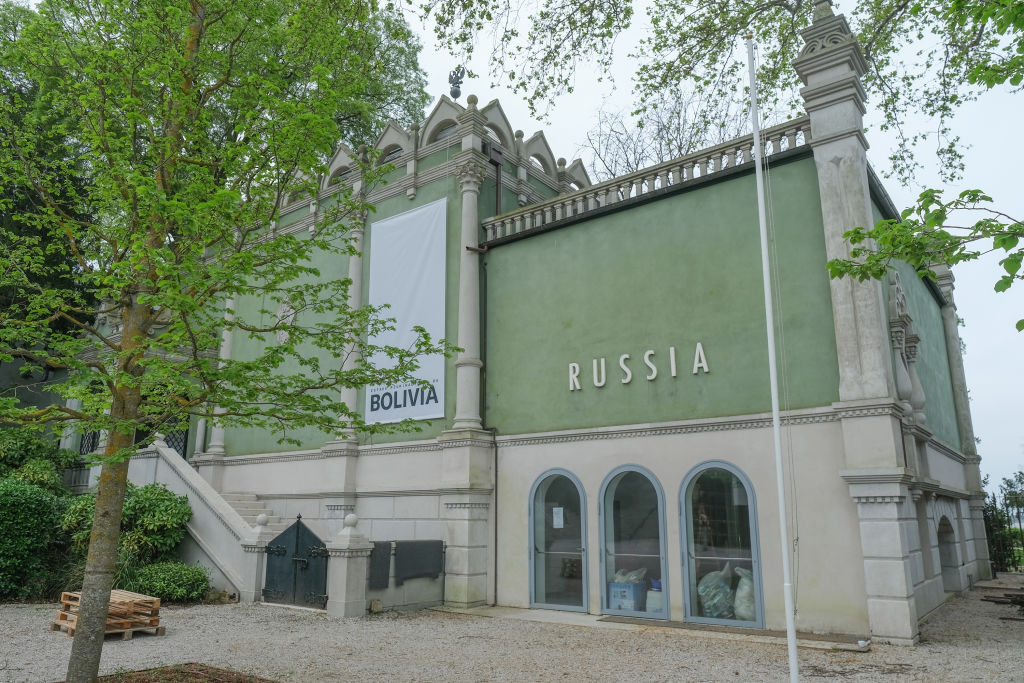
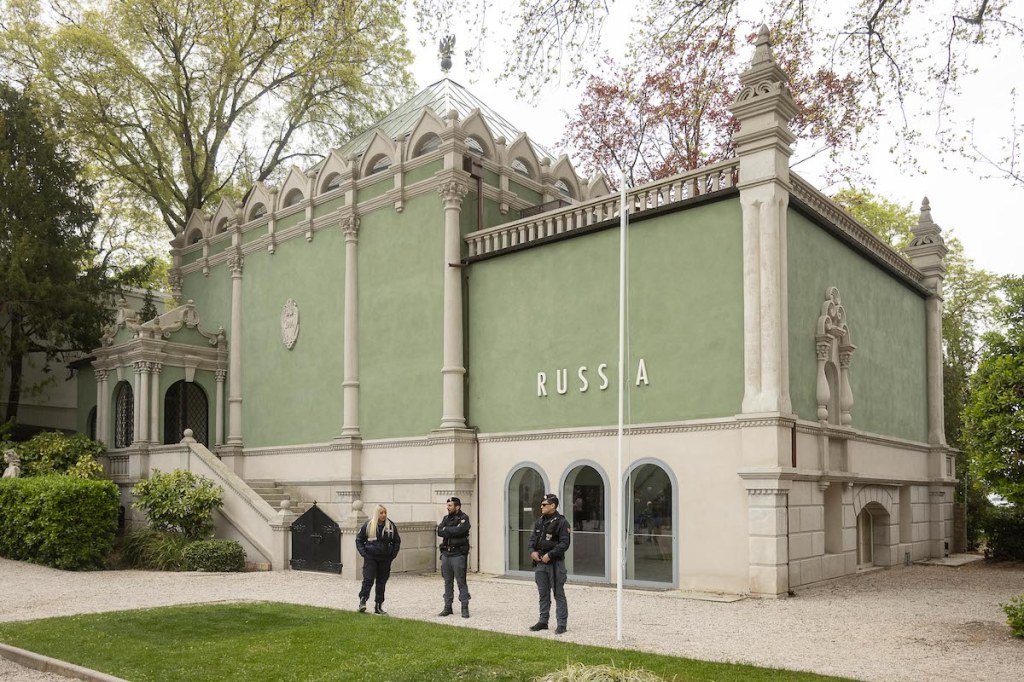
The Russian Pavilion will be closed to the public for most of the 2025 Venice Biennale, opening only during the pre-opening vernissage (May 5–8) for live performances tied to the exhibition “The Tree Is Rooted in the Sky.” After May 9, the pavilion will remain closed, with digital documentation displayed in the windows. The compromise follows weeks of pressure from European cultural and political figures—including Italy’s culture minister—to shutter the pavilion due to Russia’s ongoing war in Ukraine. Plans were confirmed via email correspondence between Biennale Foundation president Pietrangelo Buttafuoco, general director Andrea Del Mercato, and Russian Pavilion commissioner Anastasia Karneeva, as reported by Italian outlets Open and La Repubblica.

EU imposes sanctions on Mikhail Piotrovsky, director of Russia's State Hermitage Museum

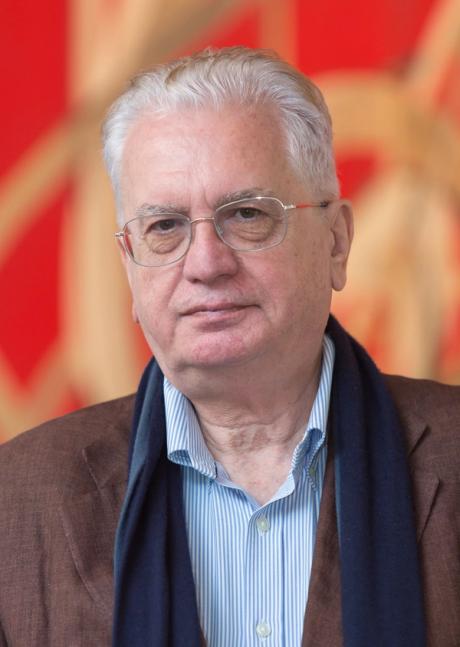
The European Union has imposed sanctions on Mikhail Piotrovsky, the director of Russia's State Hermitage Museum, as part of its 20th sanctions package adopted on 23 April. Piotrovsky, a vocal supporter of Russia's full-scale invasion of Ukraine, is cited for being a close associate of Vladimir Putin and for actively supporting the war, including justifying Russian cultural policies that incorporate Ukrainian museum items into Russia's State Museum Fund and enabling unauthorized archaeological excavations in occupied Crimea. The sanctions also target three other cultural officials involved in the Crimean digs. Meanwhile, Hermitage archaeologist Alexander Butyagin, arrested in Poland in December 2025 at Ukraine's request, was released in a prisoner exchange on 28 April.

Israel’s foreign ministry accuses Venice Biennale's jury of ‘politicising’ exhibition

Israel’s foreign ministry has accused the Venice Biennale's jury of politicizing the exhibition after jurors announced they would not consider for prizes countries whose leaders face International Criminal Court charges for crimes against humanity. The jury’s statement, which did not name specific nations, is broadly understood to apply to Israel and Russia, both returning to the Biennale for the first time since the Gaza war and the Ukraine invasion, respectively. The Israeli ministry posted on X that the jury had decided to 'boycott' Israeli sculptor Belu-Simion Fainaru, calling it 'a contamination of the art world.' The Biennale distanced itself from the jury’s announcement, stating the jury acts autonomously, while the Russian pavilion is reportedly set to open only for a limited pre-opening period due to budget constraints amid sanctions.

Pussy Riot Storms Russia Pavilion at Venice Biennale

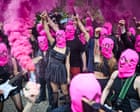
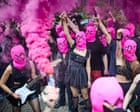
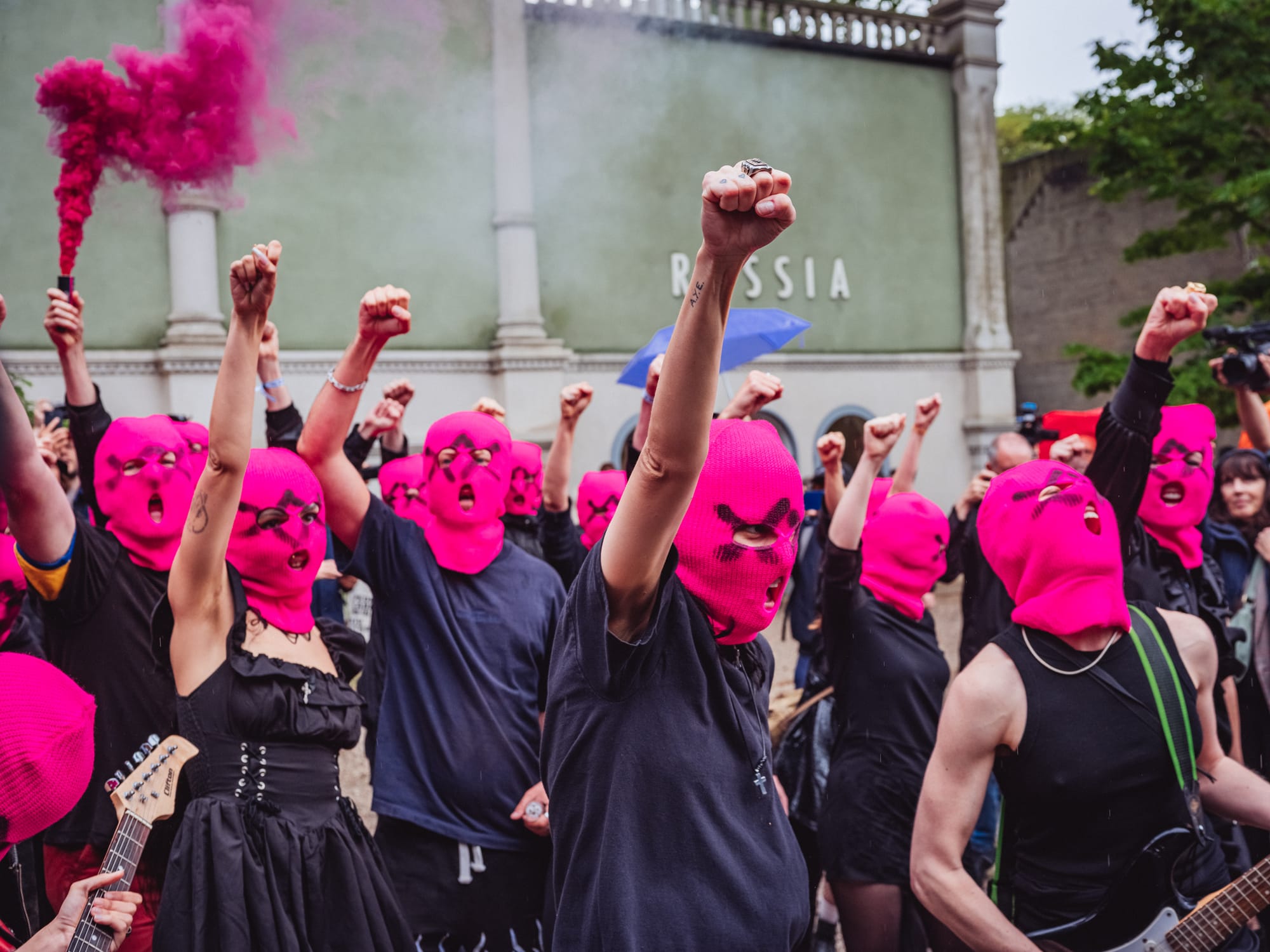
Pussy Riot staged a dramatic protest at the Russia Pavilion during the Venice Biennale, releasing pink smoke and waving Ukrainian flags while chanting slogans like 'Blood is Russia’s art.' Around 50 protesters, including members of Femen, occupied the area. Pussy Riot founder Nadya Tolokonnikova called for the pavilion to be closed and given to oppressed peoples, challenging Biennale president Pietrangelo Buttafuoco to meet her. The protest lasted about 20 minutes, with performers climbing the pavilion and exposing political slogans on their chests.

What You Need to Know About the Venice Biennale’s Russian Pavilion Controversy

The Russian pavilion is set to return to the Venice Biennale for the first time since the 2022 invasion of Ukraine, presenting an exhibition titled 'The tree is rooted in the sky.' This has sparked significant controversy, with artists, curators, and politicians from Ukraine and several European nations calling for the pavilion's exclusion, citing the ongoing war and sanctions. The Biennale organizers have refused to remove Russia, stating they lack the authority to exclude a state recognized by Italy and emphasizing the event's role as a neutral space for cultural dialogue.

Venice Bound? Here’s All the News You Need to Know About This Year’s Biennale

The 61st Venice Biennale is embroiled in geopolitical controversy over Russia's return to the event in 2026, which has sparked widespread backlash. Nearly 10,000 artists and cultural leaders signed an open letter opposing Russia's participation, and the European Union withdrew €2 million in funding for the 2028 edition. Leaked emails reveal Biennale officials worked with Russian pavilion commissioner Anastasia Karneeva to circumvent EU sanctions, while Italy's culture minister Alessandro Giuli plans to boycott the opening week. Meanwhile, activists continue to push for Israel's removal from the Biennale, though Israel will be accommodated in the Arsenale this year.

Pussy Riot protest at Venice Biennale forces Russian pavilion to briefly close

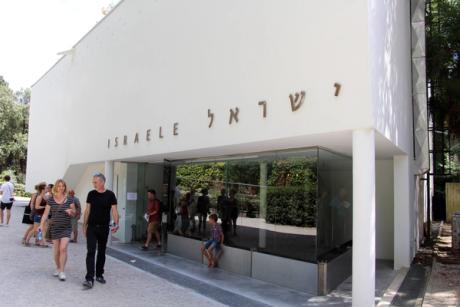
On the second day of the Venice Biennale preview, the activist group Pussy Riot staged a chaotic protest at the Russian pavilion, forcing it to temporarily close. Wearing pink balaclavas and carrying flares, about 40 activists—including members of Femen—gathered outside the pavilion, shouting slogans like "Blood is Russia's Art" and attempting to enter before being pushed back by police. Founding member Nadya Tolokonnikova led the protest, condemning Europe for allowing Russian participation despite the war in Ukraine. Separately, the Art Not Genocide Alliance (Anga) demonstrated outside the Israeli pavilion, which was locked from inside, over Israel's war in Gaza.

Venice Biennale Jury Bars Israel and Russia from Official Prizes

The international jury of the 61st Venice Biennale announced on April 23 that it will not consider the Israeli and Russian pavilions for official prizes, including the Golden Lion for national participation. The five-member, all-women panel—comprising Solange Farkas, Zoe Butt, Elvira Dyangani Ose, Marta Kuzma, and Giovanna Zapperi—said it would exclude countries whose leaders are currently charged with crimes against humanity by the International Criminal Court, a criterion that applies to Israel and Russia due to ICC arrest warrants for Benjamin Netanyahu and Vladimir Putin. The decision comes amid mounting controversy over the Biennale's decision to host both pavilions, with Russia returning after its artists withdrew in 2022 over the Ukraine invasion and Israel reopening after its 2024 pavilion remained closed pending a Gaza ceasefire. The European Commission had also threatened to suspend a €2 million grant over the Russian pavilion's reopening.

Venice Biennale’s jury resigns

The entire jury of the 61st Venice Biennale, presided by Brazilian curator Solange Farkas and comprising four other curators, resigned just nine days before the exhibition's scheduled opening on 9 May 2026. The jury had announced it would not award prizes to countries whose leaders are charged with crimes against humanity by the International Criminal Court, a move widely understood to target Israel and Russia. In response, the Biennale's organisers cancelled the prize-giving ceremony and will instead award Golden Lions via a popular vote among ticketholders. The row escalated further when the Israeli representative, sculptor Belu-Simion Fainaru, accused the jury of discrimination and threatened legal action, prompting intervention from Italy's culture ministry.

Russia's 2026 Venice Biennale Will Not Open to the Public, and Other News.

Russia's pavilion at the 2026 Venice Biennale will be closed to the public for nearly the entire run of the exhibition (May 9–November 22), with access limited to a brief preview period for press and invited guests. Instead of physical access, visitors will experience the pavilion's project—titled 'The Tree Is Rooted in the Sky'—via video documentation displayed on exterior screens. The arrangement is widely seen as a compromise shaped by international sanctions and political backlash over Russia's return following its absence after the 2022 invasion of Ukraine. In other news, Matthieu Blazy unveiled his first Chanel cruise collection in Biarritz; San Francisco appointed Matthew Goudeau as its first-ever executive director of arts and culture; the Saudi Arabia Museum of Contemporary Art received a $490 million construction grant from Diriyah Company; and online auction sales grew 8 percent in 2025, generating $423.9 million.

Museum diplomacy in action at ICOM UK 2026: museums in a changing world

ICOM UK hosted its 2026 annual conference in Oxford, bringing together delegates from over 20 countries to explore the theme of 'Museum Diplomacy.' Keynote speaker Dr. Sascha Priewe of the Aga Khan Museum and ICOM Canada framed the current geopolitical moment as a 'GZERO World,' where no country is willing or able to lead globally, and discussed how sanctions, export controls, and shifting alliances are straining international museum collaborations. Sessions featured case studies from the Science Museum Group and International Arts & Artists, emphasizing that trust and networks, not grand gestures, are essential for enduring partnerships.

Director of the Hermitage Museum Sanctioned by the European Union

Le directeur du Musée de l'Ermitage sanctionné par l'Union européenne

The European Union has imposed sanctions on Mikhail Piotrovsky, the 81-year-old director of the State Hermitage Museum in Saint Petersburg, as part of its 20th sanctions package against Russia. Piotrovsky was blacklisted for supporting the war in Ukraine and overseeing illegal archaeological excavations in occupied Crimea. The EU cited his use of Kremlin war rhetoric—calling the museum's exhibition policy a "cultural special operation"—and the Hermitage's role in incorporating Ukrainian cultural objects from occupied territories into Russia's state museum fund. Additionally, under his leadership, unauthorized digs were conducted at the ancient Greek site of Myrmekion in Crimea, led by Hermitage archaeologist Alexander Butyagin, who was arrested in Warsaw and later released in a prisoner exchange.

Seen in Venice, Bought in Venice

"In Venedig gesehen, in Venedig gekauft"

The article reports on multiple developments surrounding the Venice Biennale. Iran has withdrawn from the Biennale, citing political and economic crises, with logistical challenges such as no flights or postal service making participation nearly impossible. Artist Anish Kapoor has called for the exclusion of the United States from the Biennale, criticizing its "abhorrent policy of hate" and "ongoing warmongering." A memorial installation by Derrick Adams for the late curator Koyo Kouoh, who was set to lead the main exhibition, will be displayed near the Arsenale. Additionally, the Biennale faces a funding cut from the EU due to Russia's continued participation despite the Ukraine war, leading to the resignation of the jury and the culture minister's withdrawal.

The Biennale Isn’t a Court. Tell That to the Protesters.

Pietrangelo Buttafuoco, president of the Venice Biennale, defended the decision to allow Russia to reopen its pavilion for the first time since its 2022 invasion of Ukraine, stating that the Biennale is "not a court; it is a garden of peace." The move has sparked widespread backlash, including threats to pull €2.3 million in EU funding. Protests have erupted on the ground, with Pussy Riot and FEMEN staging a theatrical demonstration outside the Russian Pavilion, setting off smoke flares and chanting slogans. Separately, around 60 artists performed a "Solidarity Drone Chorus" to protest Israel's participation, and the Art Not Genocide Alliance has called for a 24-hour strike and rallies across Venice. The Russian Pavilion will be open only during press preview days due to EU sanctions, with video projections visible from outside for the rest of the Biennale's run.

‘Exclusion can only satisfy the ego’: Venice Biennale president hits out at critics amid Russia and Israel controversy

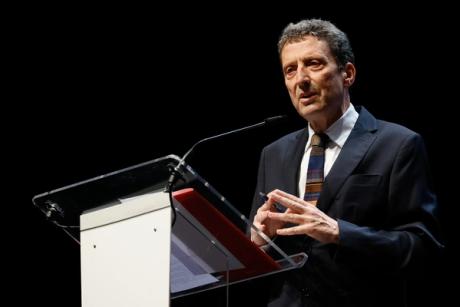
Venice Biennale president Pietrangelo Buttafuoco defended the institution against critics at a conference on May 6, three days before the public opening, amid controversy over Russia's return to the event for the first time since its 2022 invasion of Ukraine and ongoing disputes over Israel's participation. He accused critics of “narcissism” and “censorship,” while Italian culture minister Alessandro Giuli sent inspectors to investigate whether Russia's involvement breached sanctions; a report was submitted to Prime Minister Giorgia Meloni's office. Meanwhile, the Biennale faces legal threats from the artist representing Israel over alleged discrimination, and protests have erupted, including a demonstration by Art Not Genocide Alliance and a Pussy Riot action at the Russia pavilion.

How Pussy Riot Is Challenging Russia’s Return to the Venice Biennale

The feminist art collective Pussy Riot is campaigning to replace the official Russian exhibition at the 2024 Venice Biennale with their own show, "Resistance Imprisoned." The alternative exhibition features art created by nearly 30 current and former political prisoners in Russia, using improvised materials like envelopes, bedding, and blood. The collective's founder, Nadya Tolokonnikova, aims to expose the country's repressive system, drawing from her own experience in a penal colony.

EU Cuts Venice Biennale Funding Over Russia Involvement

The European Commission has withdrawn a $2.3 million grant from the Venice Biennale, following through on a threat made last week. The funding cut is a direct response to the Biennale's decision to readmit Russian artists as a government-funded delegation for its 2026 edition, which the EU argues violates sanctions and provides Russia a cultural platform during its war against Ukraine.

Pussy Riot and Topless Activists Rally Against Russian Pavilion at Venice Biennale

On May 6, 2026, the art collective Pussy Riot and the Ukrainian feminist group FEMEN staged a protest outside the Russian Pavilion at the 61st Venice Biennale. Approximately 50 activists released pink smoke and blue-and-yellow flares evoking the Ukrainian flag, while FEMEN members staged a topless protest with anti-war slogans like “RUSSIA KILLS, BIENNALE EXHIBITS.” Italian police and Biennale security blocked access to the pavilion, and some Pussy Riot activists were tackled after entering. The protest targeted Russia’s participation in the Biennale for the first time since its full-scale invasion of Ukraine in 2022, with activists condemning the event for lending legitimacy to Russian officials and artists aligned with the government.

Hermitage Museum Director and Putin Ally Mikhail Piotrovsky Sanctioned by European Union

The European Union has sanctioned Mikhail Piotrovsky, the longtime director of the State Hermitage Museum in St. Petersburg, for his close association with Vladimir Putin and his active support of Russia's war against Ukraine. Announced on April 23, the sanctions are part of a broader package targeting over a hundred individuals and entities, including other cultural figures like Sergei Obryvalin, Igor Solonin, and Andrey Polyakov, for their roles in the seizure of Ukrainian cultural property and the spread of Russian propaganda in occupied regions.

Venice Biennale jury resigns in latest politically charged controversy at art exhibition

The entire jury of the Venice Biennale has resigned, including president Solange Farkas and members Zoe Butt, Elvira Dyangani Ose, Marta Kuzma, and Giovanna Zapperi. The jury had announced it would not consider for prizes countries charged with crimes against humanity by the International Criminal Court, a stance that would affect Israel and Russia, both of which have national pavilions at the exhibition. As a result, the Biennale will not award several jury prizes, including the Golden Lion for best national pavilion and best artist in the group show, replacing them with visitor-voted awards.

Italian Culture Minister Launches Inspection of Venice Biennale’s Russian Pavilion

Italian Culture Minister Alessandro Giuli has launched an official inspection of the Russian Pavilion at the 61st Venice Biennale, just days before the exhibition opens. An inspector has been sent to Venice to review all documentation related to Russia's participation, focusing on potential irregularities such as visa issues for Russian artists and delegation members. The investigation follows the Biennale's international jury decision to exclude Russia and Israel from awards due to accusations of crimes against humanity. The Russian Pavilion will be open only during the pre-opening vernissage, after which it will close, with digital documentation displayed in its windows.

EU Says It ‘Intends’ to Cut Funding to Venice Biennale Because of Russian Pavilion

The European Union has declared its intention to cut its €2 million funding contribution to the Venice Biennale in response to the exhibition's decision to host a Russian national pavilion for the first time since Russia's 2022 invasion of Ukraine. EU foreign policy chief Kaja Kallas stated that allowing Russia to exhibit while it "bombs museums, destroys churches and seeks to erase Ukrainian culture" is morally wrong, marking the union's strongest condemnation to date.

Finland Pulls Back Venice Biennale Presence Over Return of Russian Pavilion

Finland’s political leadership has announced it will boycott the Venice Biennale if the Russian Pavilion proceeds with its planned exhibition. While Finnish public officials will still attend to support their own national artists, the Ministry of Education and Culture stated that Russia should be excluded as long as the war in Ukraine continues. This move follows an open letter from 22 European nations and a warning from the European Commission regarding potential sanctions violations.

European Commission Tells Venice Biennale to ‘Clear Its Name’ Regarding Russian Pavilion or Risk Losing $2.3 M. Grant for 2028

The European Commission has issued a 30-day ultimatum to the Venice Biennale, threatening to withdraw a €2 million ($2.3 million) grant for the 2028 edition unless the organization addresses concerns regarding the Russian Pavilion's inclusion in 2026. The Commission alleges that hosting a government-funded delegation violates EU sanctions and provides a cultural platform for Russian state interests amidst the ongoing war in Ukraine. The Biennale's president, Pietrangelo Buttafuoco, must respond by May 11, just two days after the exhibition's public opening.