filter_list Showing 4 results for "spanish baroque painting" close Clear
search
dashboard All 4 museum exhibitions 2rate_review review 2
date_range Range Today This Week This Month All
Subscribe

Simply divine: the extraordinary supernatural visions of Francisco de Zurbarán

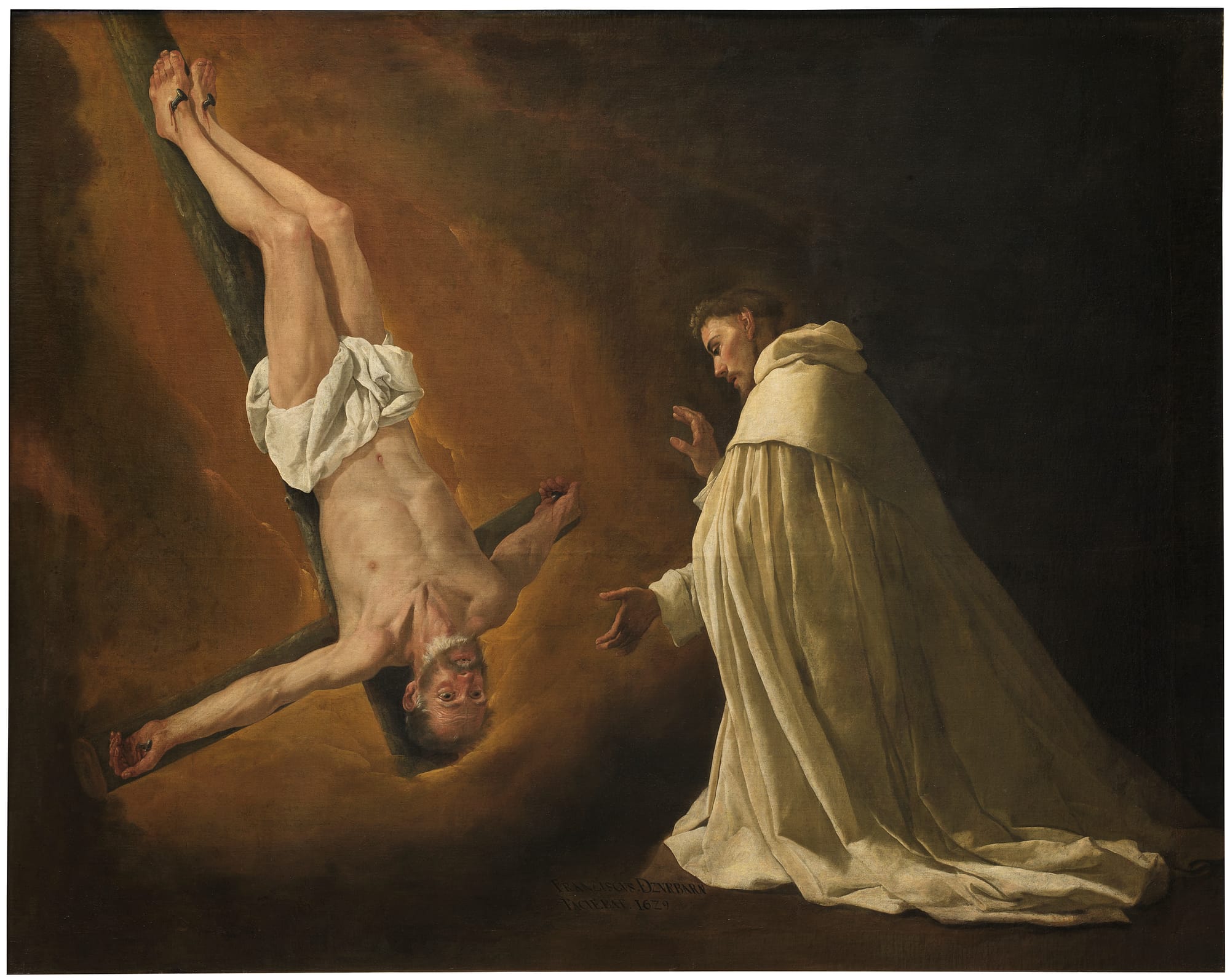
Francisco de Zurbarán, one of the three great Spanish 17th-century painters alongside Velázquez and Murillo, is finally receiving his first solo exhibition in the UK at the National Gallery in London. The show highlights his distinctive style of religious painting, characterized by stark chiaroscuro, sculptural realism, and a meditative stillness that makes the immaterial seem tangible. Works such as his crucified Christ and The Apparition of Saint Peter to Saint Peter Nolasco exemplify his ability to depict visions and inner spirituality, often commissioned by powerful religious foundations in Seville during the Counter-Reformation.
Zurbarán: a ‘magnificently choreographed’ showing of the Spanish ‘genius’

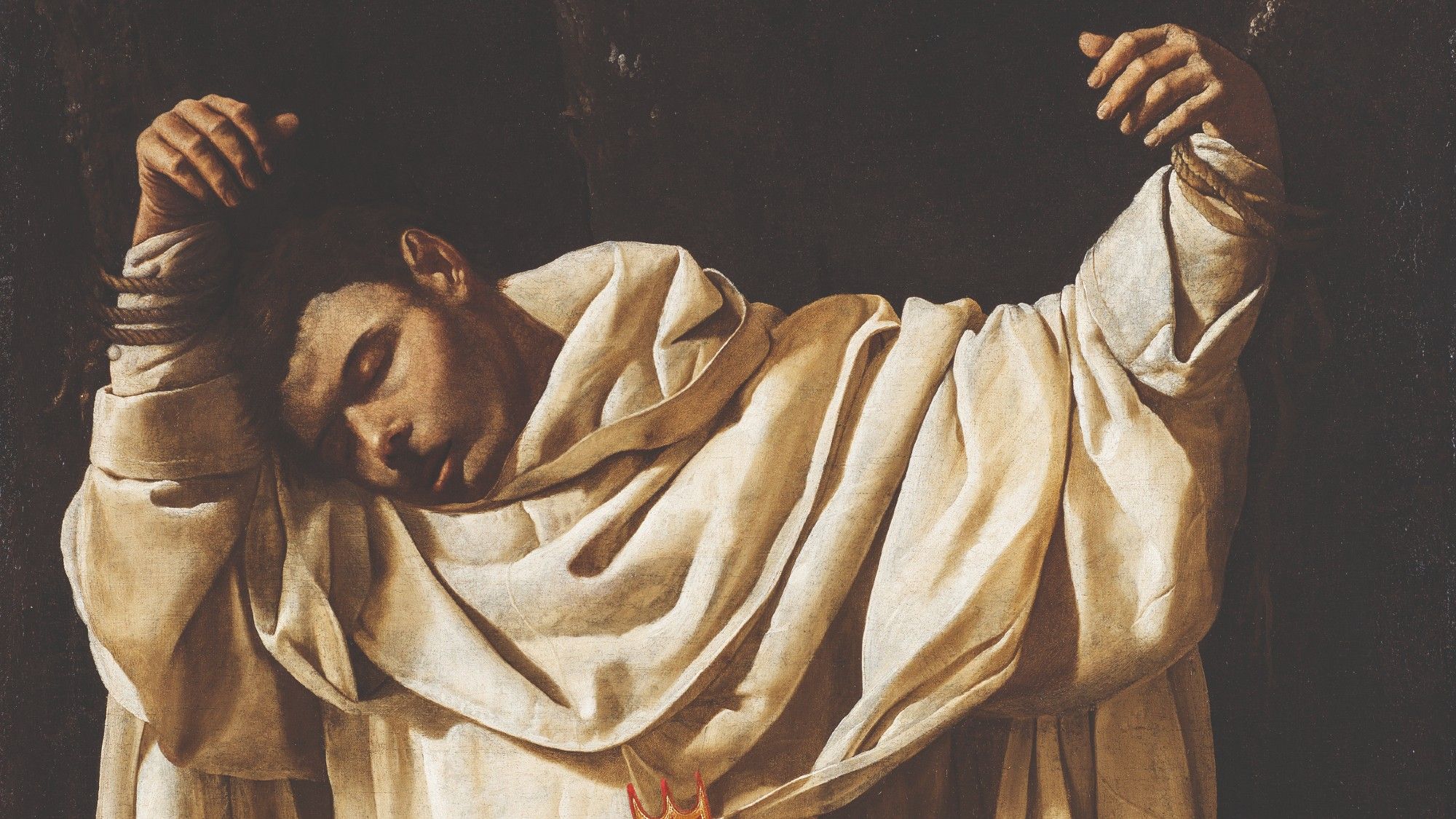
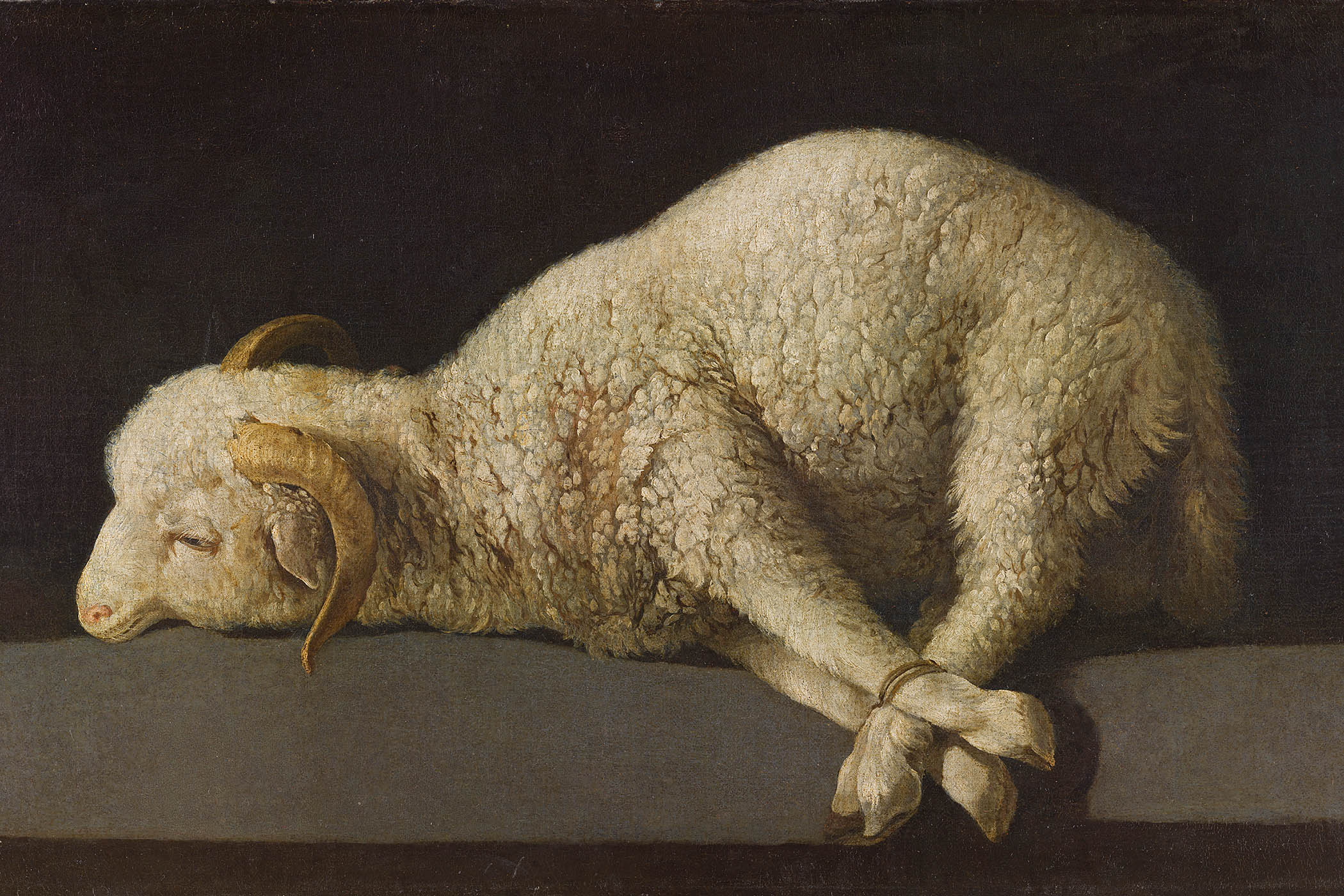
The article reviews the first-ever British exhibition dedicated to Spanish Baroque painter Francisco de Zurbarán, held at the National Gallery in London. The show brings together 40 works from collections spanning Seville to San Diego, featuring his hyper-real religious paintings and radiant still lifes, described as a 'magnificently choreographed' trawl through his oeuvre. Critics praise the exhibition for its dramatic lighting and revelatory presentation, though some note uneven quality in his later works.

Zurbarán at the National Gallery - an unmissable show of baroque genius

The National Gallery in London presents a landmark exhibition of Francisco de Zurbarán (1598-1664), the first major retrospective of the Spanish Baroque master in Britain. In collaboration with the Louvre and the Art Institute of Chicago, the gallery has assembled over 40 works from institutions worldwide, including Seville and San Diego. The show features Zurbarán's electrifying religious paintings and radiant still lifes, displayed in darkened galleries that echo the chiaroscuro of his compositions. Highlights include the shattering *The Crucifixion* (1627) and *Saint Peter Nolasco's Vision of Saint Peter the Apostle* (1629), which demonstrate his hyper-real, sculptural approach to sacred subjects.

Did Zurbarán Believe What He Painted?

An exhibition of Francisco de Zurbarán's 17th-century religious paintings at London's National Gallery prompts a critic to question whether the artist's personal faith influenced his artistic skill. The show features monumental works from Spanish churches and monasteries, displayed dramatically against black walls, including crucifixion scenes, monks, and saints. The critic notes that no personal records of Zurbarán survive—only contracts—leaving his beliefs unknown, and compares him to Agnolo Bronzino, who painted pious scenes but wrote obscene verses. A small painting of a crucified Christ with a painter, possibly a self-portrait of Bronzino, is presented as ambiguous evidence of faith.