filter_list Showing 9 results for "the hay wain" close Clear
search
dashboard All 9 museum exhibitions 4rate_review review 2article culture 1article news 1article policy 1
date_range Range Today This Week This Month All
Subscribe

National Gallery London's 200th anniversary

The National Gallery in London is celebrating its 200th anniversary, marking two centuries since its founding in 1824. The milestone is being commemorated with a series of special exhibitions, events, and public programs throughout the year, highlighting the museum's collection of over 2,300 paintings and its role as a cornerstone of British cultural heritage.

Weston Loan Programme with Art Fund marks first decade

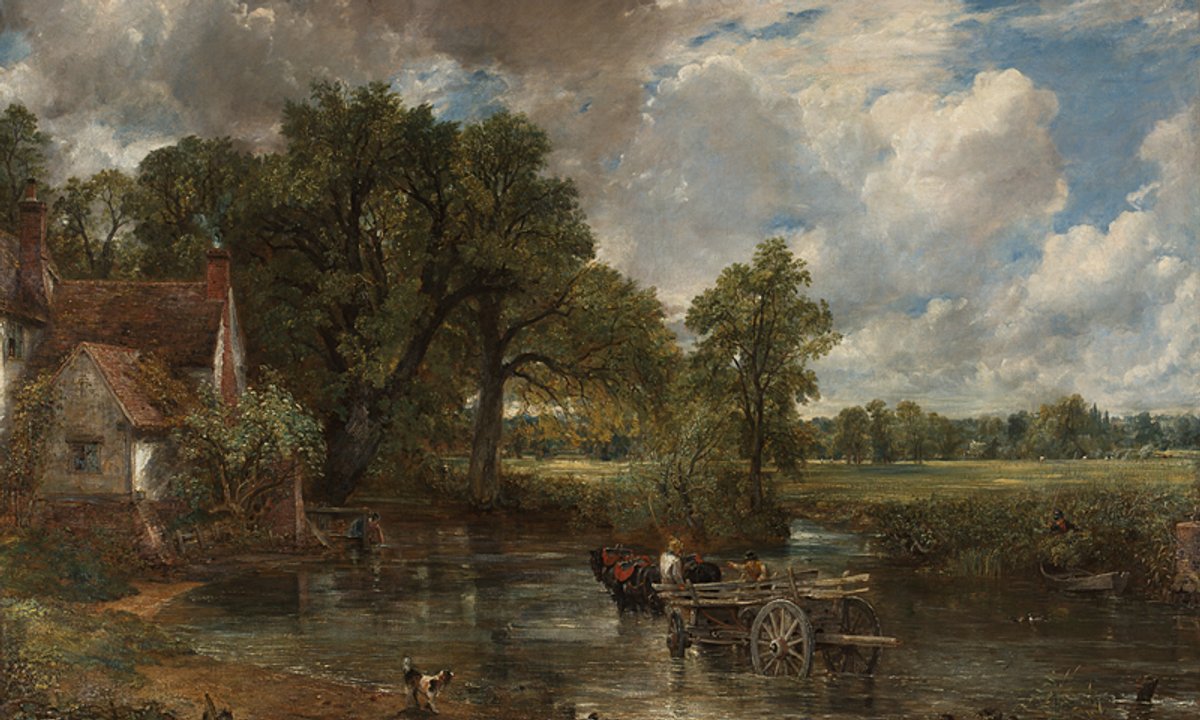
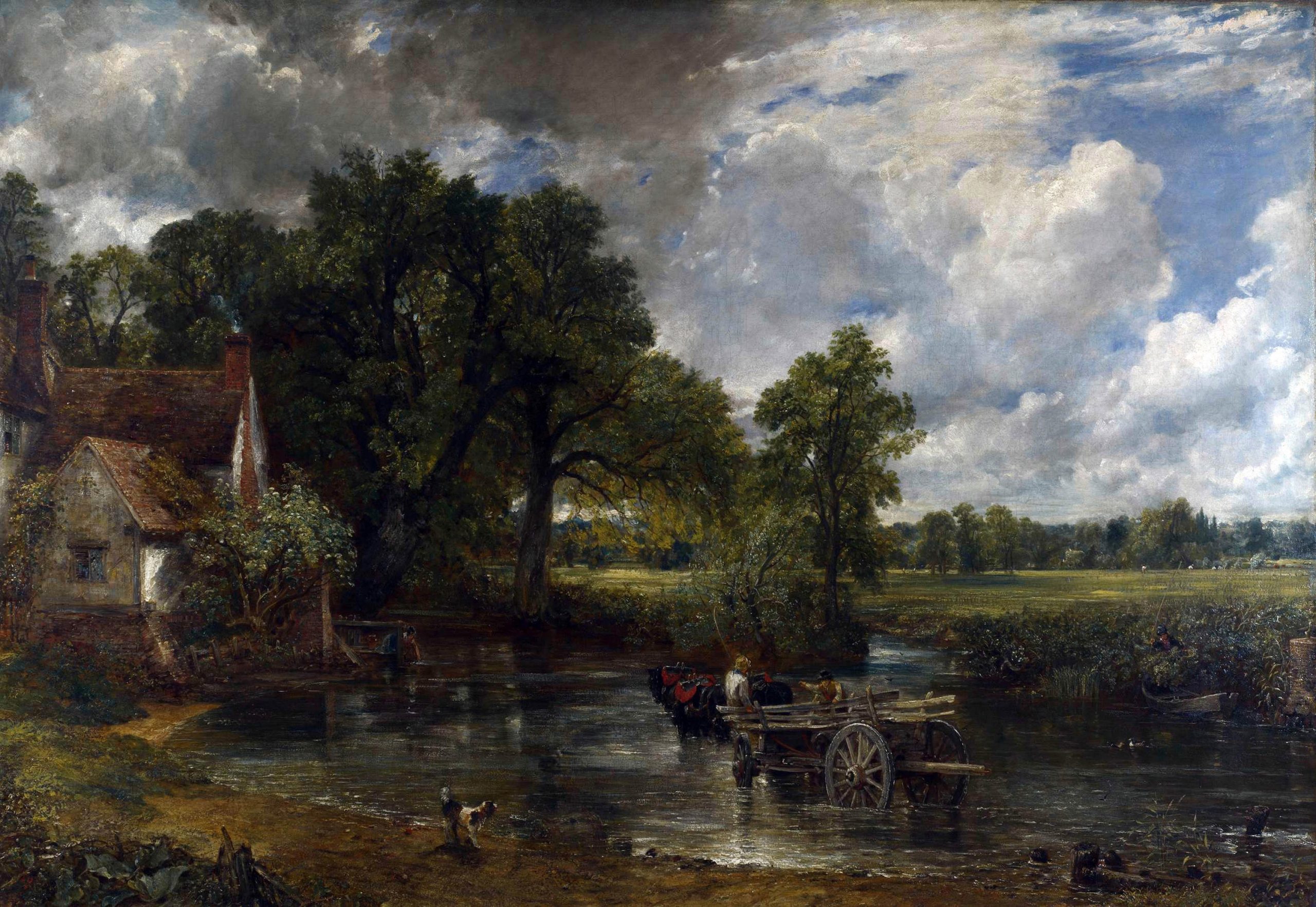
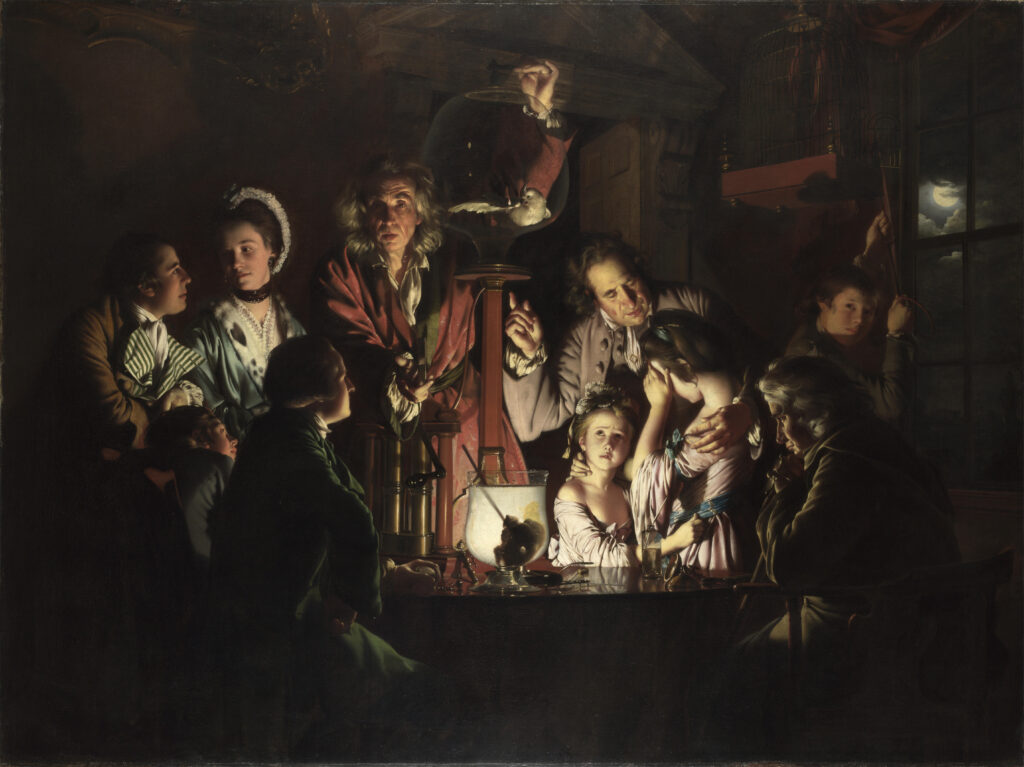
The Weston Loan Programme with Art Fund has announced support for 15 new exhibitions as it celebrates its tenth anniversary. This grant initiative provides regional and smaller UK museums with the necessary funding to cover logistical costs—such as insurance, transport, and security—required to borrow major works from national collections. Notable upcoming projects for 2026 include the return of John Constable’s 'The Hay Wain' to Suffolk and Joseph Wright of Derby’s 'An Experiment on a Bird in the Air Pump' to the artist's hometown for the first time in eight decades.

Art Fund celebrates decade of lending programme with Rossetti and Surrealist loans

The Art Fund is celebrating the tenth anniversary of its Weston Loan Programme by facilitating the loan of major masterpieces to 15 regional UK institutions. High-profile works, including Dante Gabriel Rossetti’s 'Beata Beatrix' and Joseph Wright of Derby’s 'An Experiment on a Bird in the Air Pump', will travel from national collections like the National Gallery and Tate to smaller galleries in Newcastle, Derby, and Ipswich. The program covers essential logistical costs such as insurance, transport, and security that are typically prohibitive for local museums.

First Constable 250 exhibition to open this month at Christchurch Mansion

Ipswich Borough Council has announced a major year-long celebration marking the 250th anniversary of John Constable's birth, centered at Christchurch Mansion. The program launches on March 28 with 'Constable: A Cast of Characters,' an exhibition featuring over 100 artworks and personal artifacts—including the artist's paint box and his wife's wedding ring—that explore the social circle and patrons who influenced his career. The celebration will culminate in the historic return of 'The Hay Wain' to Suffolk in July 2026, marking the first time the masterpiece will be exhibited in the county it depicts.

Comment | Turner gets all the kudos, but it was Constable who was the truly radical painter

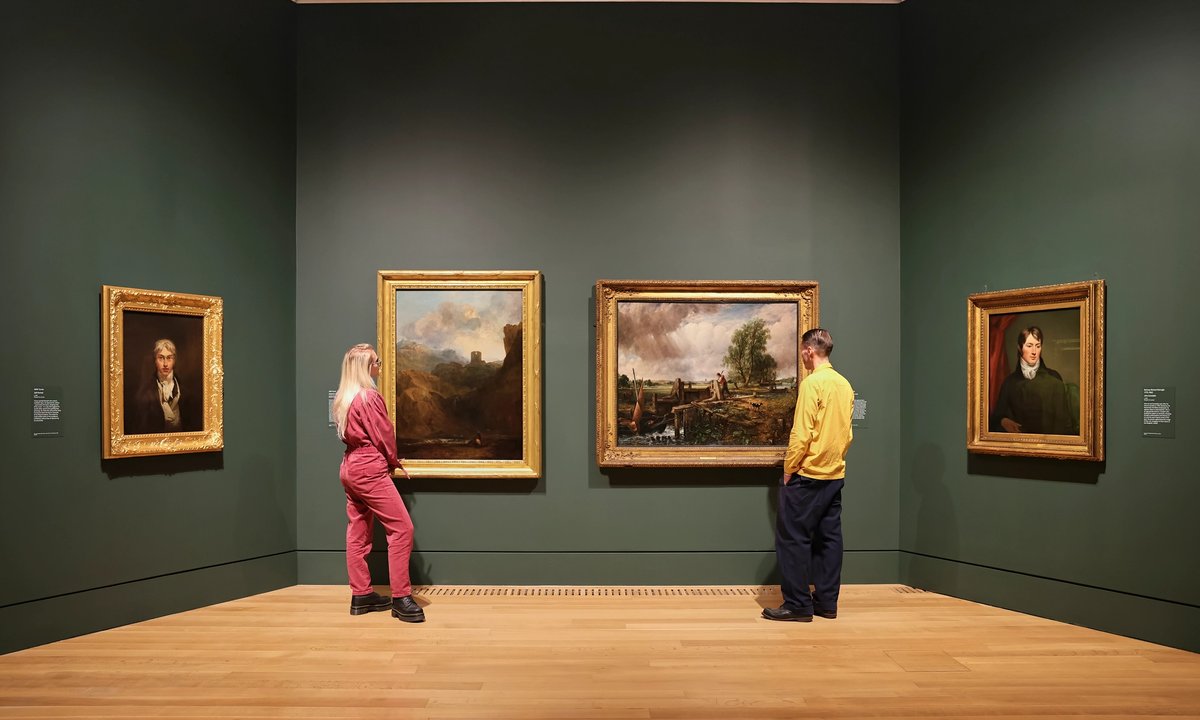
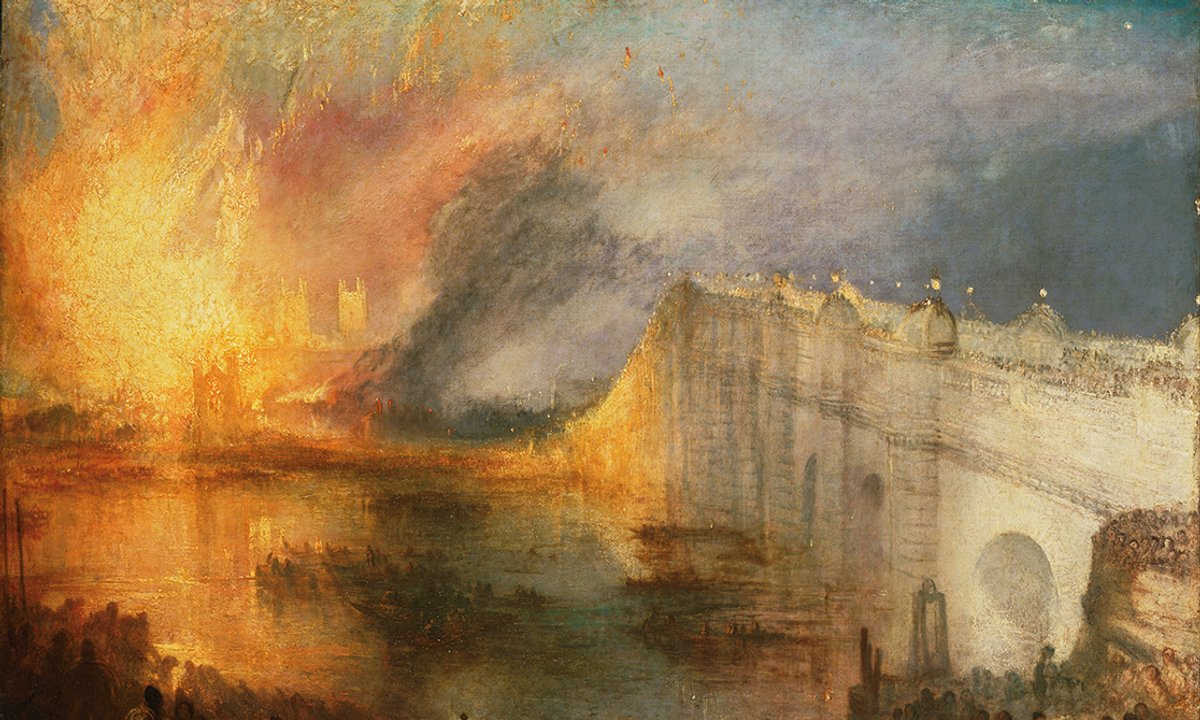
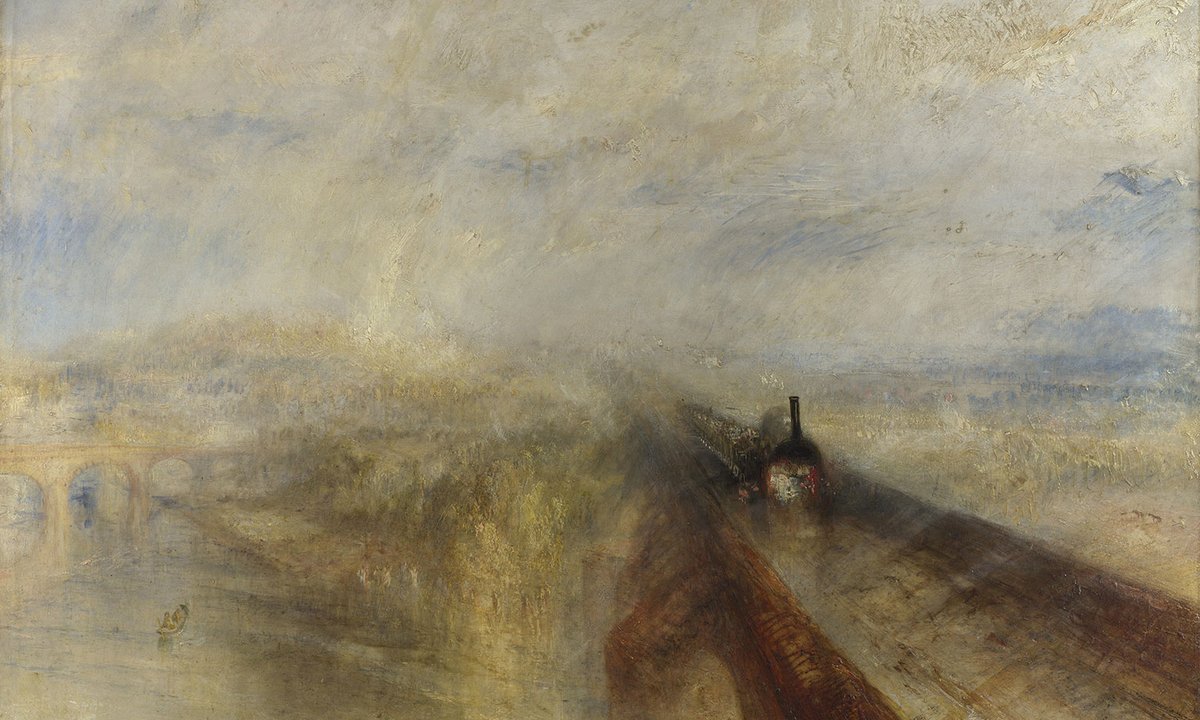
A commentary argues that John Constable, not J.M.W. Turner, was the truly radical painter, despite Turner receiving far greater public recognition through a museum, a prize, and a place on the £20 note. The article highlights a new exhibition, "Turner and Constable," opening at Tate Britain (until 12 April 2026), which recreates their 1831 Royal Academy display and contrasts Constable's English pastoral scenes with Turner's dramatic, un-British visions. It contends that Constable's full-size oil sketches, such as those at the Victoria and Albert Museum, had a deeper and more lasting effect on modern painting than Turner's work.

‘The Hay Wain’ to go on show in Constable's home county for the first time

John Constable's iconic painting *The Hay Wain* (1821) will be exhibited in Suffolk, the artist's home county, for the first time in 2026 as part of the 250th anniversary of his birth. The work, on loan from the National Gallery in London, will be shown at Christchurch Mansion in Ipswich from 11 July to 4 October 2026, within the exhibition *Constable: Walking the Landscape*. It will be reunited with preparatory sketches from the Ipswich collection and accompanied by loans from the Tate, the Victoria and Albert Museum, the Royal Academy of Arts, and the National Galleries of Scotland. Two additional exhibitions at Christchurch Mansion—*Constable: A Cast of Characters* and *Constable to Contemporary*—also form part of the broader Constable 250 project, which is funded by the National Lottery Heritage Fund and supported by the Weston Loan Programme.

A biography of Turner and Constable that goes beyond the stereotypes

Nicola Moorby, curator of British art 1790-1850 at Tate, has published a new book titled *Turner & Constable: Art, Life, Landscape*, which examines the lives and careers of J.M.W. Turner and John Constable side by side for the first time in such depth. Published in the 250th anniversary year of Turner's birth and ahead of Constable's in 2026, the study uses a thematic approach within a chronological framework to compare their approaches to landscape painting, including their treatment of rivers like the Thames and the Stour, their differing paths to success, and famous flashpoints at Royal Academy exhibitions.

Turner vs Constable: is it time for art historians to choose?

Art historian and author James Hall, writing in The Art Newspaper, reviews Nicola Moorby's new book "Turner and Constable: Art, Life, Landscape" and uses it as a springboard to argue that art historians should not shy away from making value judgments about artists. He compares the legacies of J.M.W. Turner and John Constable, noting that Turner currently dominates popular and institutional esteem—appearing on banknotes, celebrated by Tate Britain as the greatest British artist, and fitting modern conceptions of the artist as a rebellious, eccentric genius. Hall contrasts this with Constable's more conservative image and declining presence in commercial culture.

In John Constable’s Hometown, a Trio of Shows Marks His 250th Birthday

A series of three exhibitions in Suffolk, England, celebrates the 250th anniversary of John Constable's birth. The program, hosted at Christchurch Mansion in Ipswich, includes "Constable: A Cast of Characters," focusing on his personal life and circle; "The Hay Wain: Walking Constable's Landscape," featuring his iconic paintings including *The Hay Wain* displayed in its depicted county for the first time; and "Constable to Contemporary," examining his ongoing influence on modern artists.