
filter_list Showing 3 results for "unesco" close Clear
dashboard All 3 museum exhibitions 3
date_range Range Today This Week This Month All
Subscribe

Still in 'war mode': Tehran Museum of Contemporary Art reopens with exhibitions about conflict

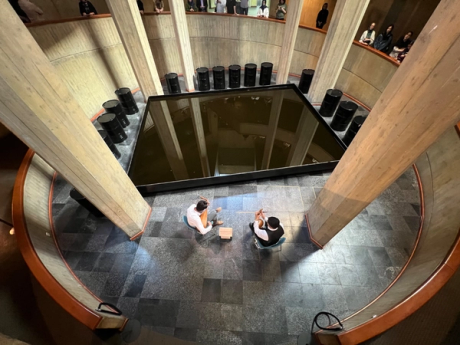
The Tehran Museum of Contemporary Art (TMoCA) has reopened with a weekly rotating post-ceasefire program called 'Art and War,' following weeks of bombardment that forced its closure and prompted emergency efforts to protect its collection. The program began with works by American Pop artists James Rosenquist, Roy Lichtenstein, and Robert Indiana, and this week features three works from Pablo Picasso's Weeping Woman series, focusing on Spain. Museum director Reza Dabirinezhad described the challenges of safeguarding the collection during US-Israeli strikes, including removing 80% of the oil from Noriyuki Haraguchi's installation 'Matter and Mind' (1977) to prevent fire risk, and protecting outdoor sculptures by Henry Moore, René Magritte, and Max Bill.
Urban Art Biennale: Rust, dust and decay revamps Germany's Völklingen ironworks

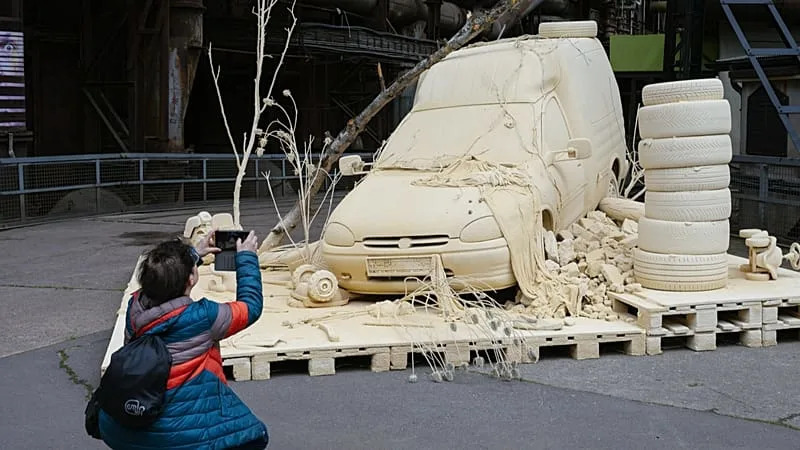
Dozens of urban artists from 17 countries have gathered at Germany's Völklinger Hütte (Völklingen Ironworks), a UNESCO World Heritage site, for the Urban Art Biennale 2026 opening this Saturday. The exhibition features 50 artists including Tomas Lacque, Boris Tellegen (Delta), Vortex-X, Ampparito, Remi Rough, and Anders Reventlov, who have created site-specific installations that engage with the industrial landmark's sprawling spaces, rust, dust, and sense of decay. Works range from a van covered in ash-like paint to a massive wooden sculpture and a rooftop text piece visible from 45 meters high.

Inside Saudi Arabia’s pavilion at the Venice Biennale

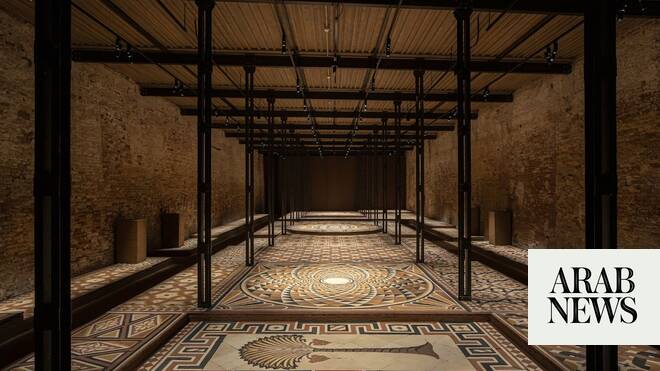
Saudi Arabia's national pavilion at the 61st Venice Biennale features a new installation by Saudi-Palestinian artist Dana Awartani titled "May your tears never dry, you who weep over stones." Curated by Art Jameel's director Antonia Carver and assistant curator Hafsa Alkhudairi, the work comprises over 29,000 handmade clay bricks arranged in intricate mosaics referencing 23 threatened cultural heritage sites across the Arab world, including Syria, Lebanon, and Palestine. The installation, which took more than 30,000 labor hours with 32 artisans, has become a crowd favorite since the biennale opened on May 9.