filter_list Showing 50 results for "unesco" close Clear
dashboard All 50 museum exhibitions 25article culture 7article news 7article local 4article policy 3gavel restitution 2trending_up market 1rate_review review 1
date_range Range Today This Week This Month All
Subscribe

Still in 'war mode': Tehran Museum of Contemporary Art reopens with exhibitions about conflict

The Tehran Museum of Contemporary Art (TMoCA) has reopened with a weekly rotating post-ceasefire program called 'Art and War,' following weeks of bombardment that forced its closure and prompted emergency efforts to protect its collection. The program began with works by American Pop artists James Rosenquist, Roy Lichtenstein, and Robert Indiana, and this week features three works from Pablo Picasso's Weeping Woman series, focusing on Spain. Museum director Reza Dabirinezhad described the challenges of safeguarding the collection during US-Israeli strikes, including removing 80% of the oil from Noriyuki Haraguchi's installation 'Matter and Mind' (1977) to prevent fire risk, and protecting outdoor sculptures by Henry Moore, René Magritte, and Max Bill.
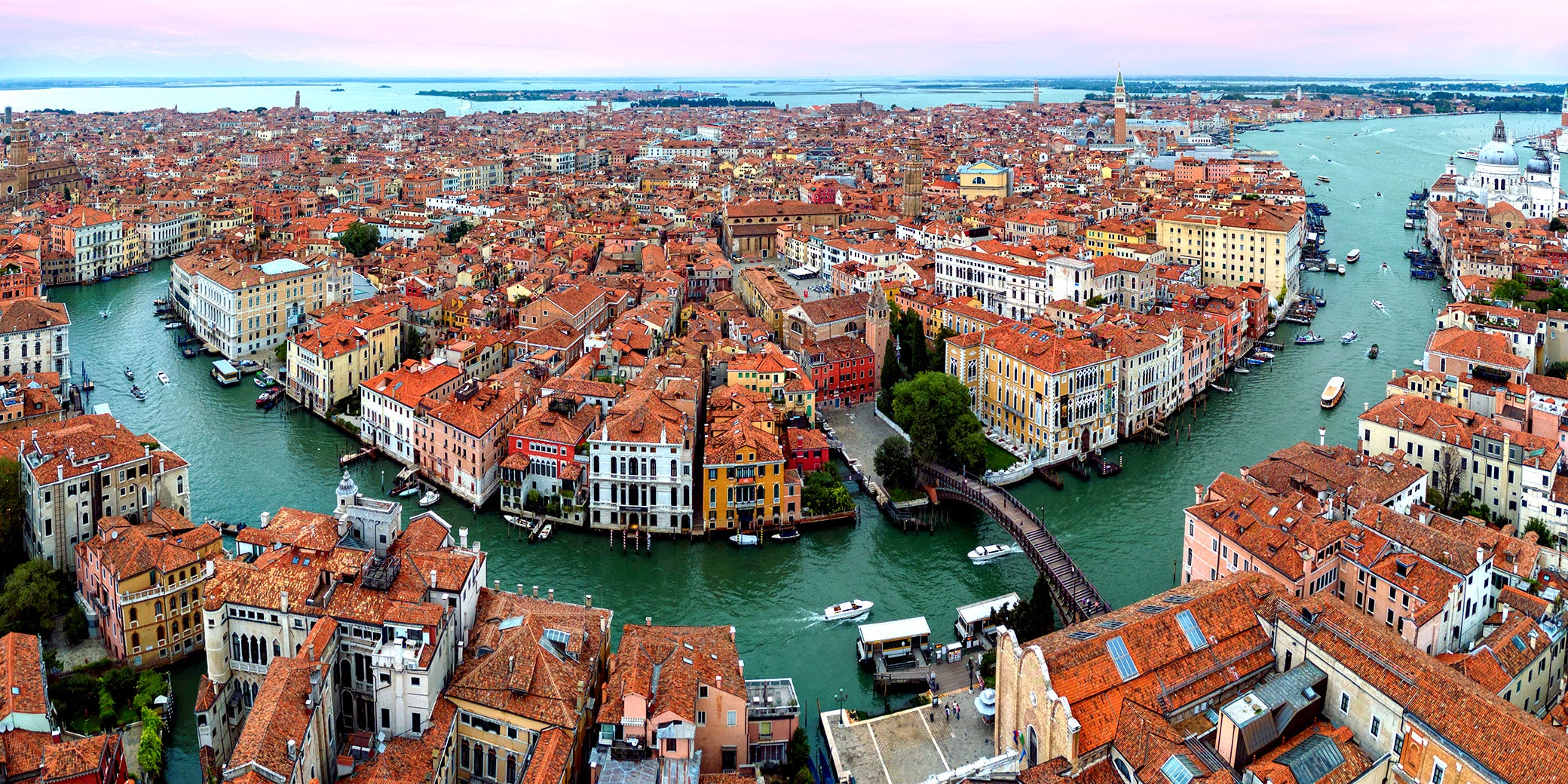
From monumental glass sculptures to a lagoon in the sky: what to see beyond the Venice Biennale pavilions

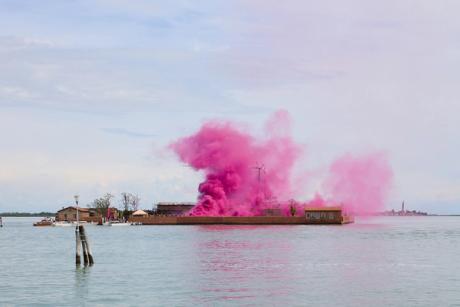
The article highlights several must-see exhibitions and installations beyond the main Venice Biennale pavilions. Patrizia Sandretto Re Rebaudengo's redevelopment of the island of San Giacomo opens on 7 May, transforming abandoned Napoleonic-era powder magazines into exhibition spaces with a solo show by British artist Matt Copson and a group show from her collection. American artist Melissa McGill presents 'Marea', a street-spanning installation of 100 paintings created with local residents and students, addressing climate change and rising sea levels. Dale Chihuly returns to Venice with 'Chihuly: Venice 2026', featuring monumental glass installations along the Grand Canal, including 'Gold Tower' (2025). Wallace Chan unveils titanium sculptures at the Chapel of Santa Maria della Pietà, with a parallel exhibition at the Long Museum in Shanghai.

Jennifer Gilbert Consigns Blue-Chip Works to Sotheby’s to Fund Detroit Arts Space

Philanthropist Jennifer Gilbert is consigning a selection of blue-chip postwar artworks to Sotheby’s this spring to fund Lumana, a new arts nonprofit in Detroit. The auction highlights include Joan Mitchell’s 'Loom II', estimated at $5 million to $7 million, and a significant target-style painting by Kenneth Noland that could set a new auction record for the artist. The collection also features works by George Rickey and Harry Bertoia, emphasizing a cohesive blend of midcentury abstraction and design.

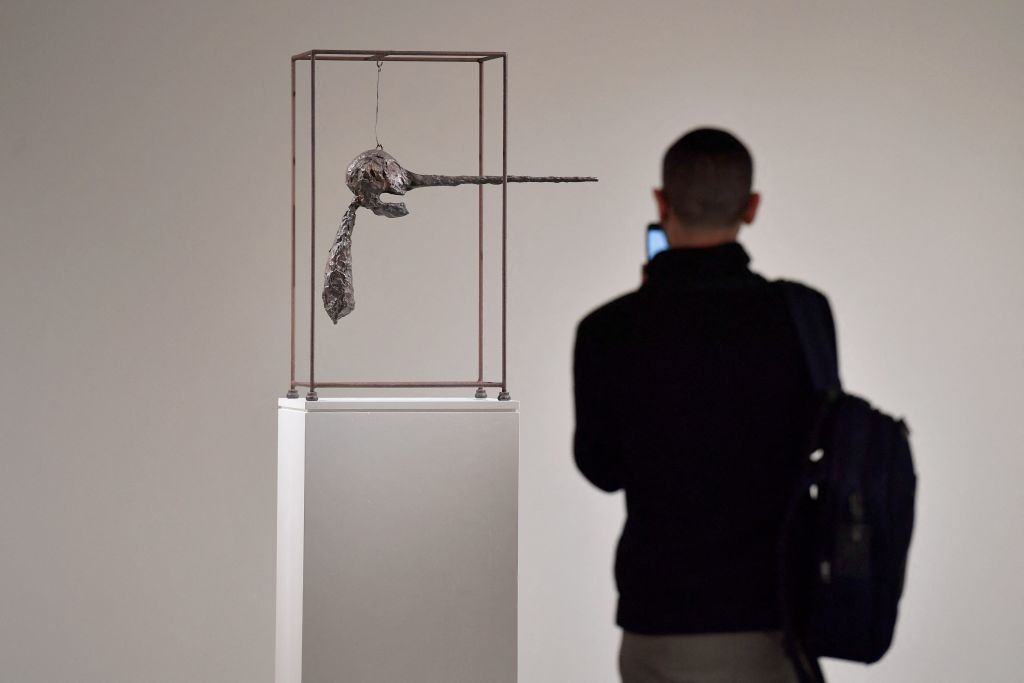
What We Miss When We Talk About Giacometti

This article explores a critical reevaluation of Alberto Giacometti’s career, specifically focusing on the decade between 1935 and 1945. While Giacometti is globally recognized for his spindly, post-war 'Existentialist' figures, art historian Joanna Fiduccia’s new book, *Figures of Crisis*, argues that his mid-career departure from Surrealism to study human likeness was not a mere transition but a profound response to the political crises and nationalism of interwar France.

Venice Biennale 2026: What are the major trends that will mark the 99 national pavilions?

Biennale de Venise 2026 : quelles sont les grandes tendances qui vont marquer les 99 pavillons nationaux ?

The article previews the 2026 Venice Biennale, highlighting key trends across its 99 national pavilions. Major themes include the hybridization of theater, dance, and performance, particularly in pavilions from Austria, Luxembourg, Belgium, and Lithuania, where artists like Florentina Holzinger, Aline Bouvy, Miet Warlop, and Eglė Budvytytė use radical, body-centric works. Geopolitical engagement is also central, with the Ukrainian pavilion featuring Zhanna Kadyrova's work on resistance and the British pavilion exploring themes of exile and migration. Other notable pavilions include Spain's focus on imagery, a sound installation for the Vatican, a polyphonic piece for Romania, and a film on sign language song for Poland.

Gibraltarian artists exhibit in Margate in collaborative exhibition

A collaborative exhibition titled 'Traces of Humanity' has opened in Margate, England, organized by Gibraltar Cultural Services on behalf of the Ministry for Culture, in partnership with the Lloyds Group of London. The show features works by Gibraltarian artists, members of the Lloyds Art Group, and internationally renowned artists, drawing inspiration from the Gorham’s Cave complex, a UNESCO World Heritage Site. The launch was hosted by the Mayor of Margate, Councillor Katie Pope, and attended by local dignitaries and visiting Gibraltarian artists. Curated by Philippa Beale, the exhibition will travel to the Noho Gallery in London's West End from 20th to 29th May before arriving in Gibraltar in June.

What to See at the 2026 Venice Biennial

The 2026 Venice Biennale, opening May 9 and running through November 22, features a main exhibition titled "In Minor Keys" organized by the late Koyo Kouoh, alongside 99 national pavilions. The event spans the Giardini and Arsenale sites, with concurrent shows across the city, including a group exhibition at the Fondazione Dries Van Noten, Melissa McGill's installation "Marea" at Corte Nova, Illy's artist-designed espresso cups at Giardini Reali, and a solo exhibition of Hernan Bas's paintings at Ca' Pesaro International Gallery of Modern Art.

In Piedmont, Langhe, Roero and Monferrato increasingly focus on contemporary art and cultural tourism

In Piemonte le Langhe, il Roero e il Monferrato puntano sempre di più sull’arte contemporanea e il turismo culturale

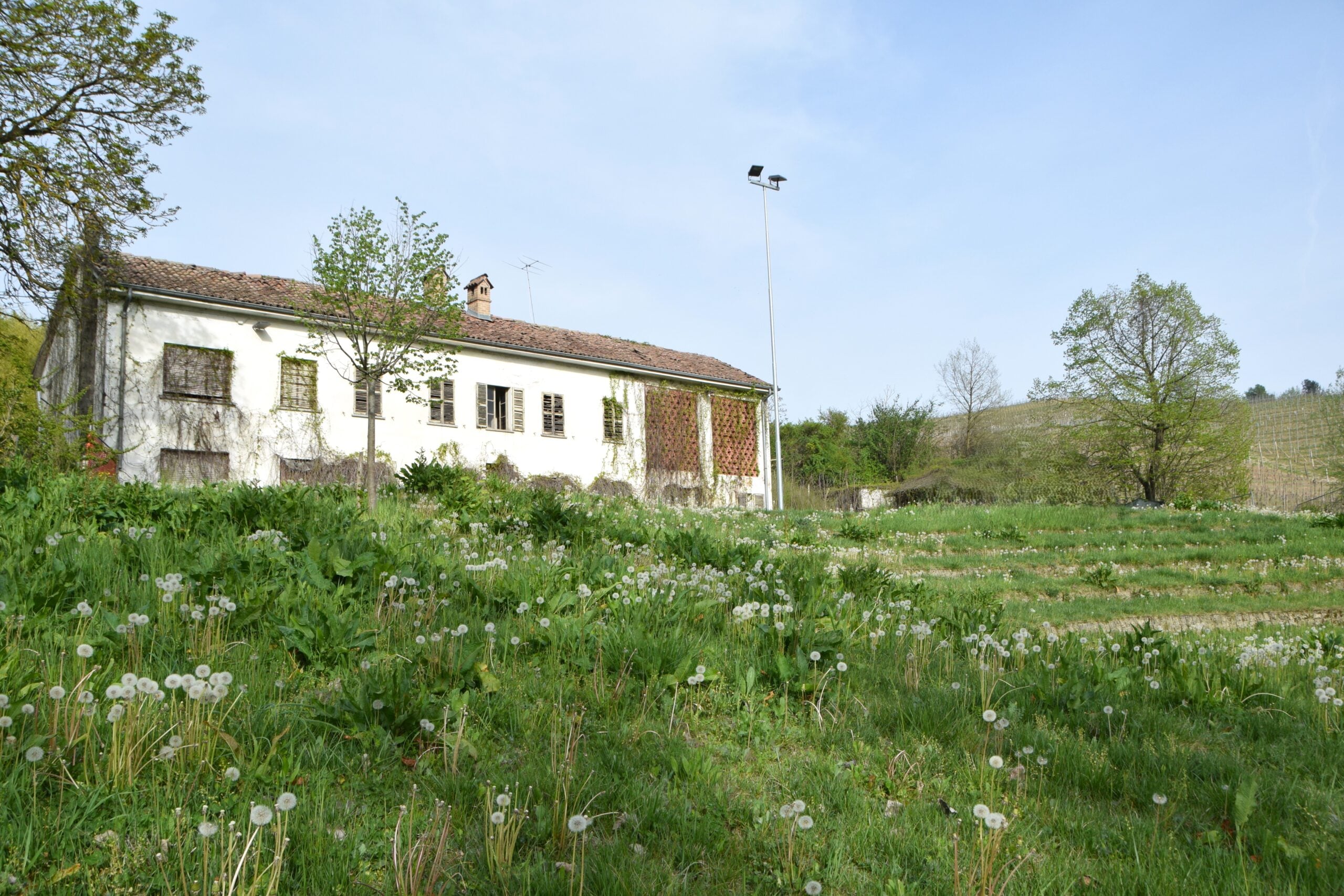
The Langhe, Roero, and Monferrato regions of Piedmont, Italy, have consolidated their cultural alliance under the name Orma, a unified system launched in 2025 that brings together four existing festivals—Creativamente Roero, Resté, Germinale Monferrato Art Fest, and La collina sale sempre—to offer a widespread contemporary art program across the UNESCO World Heritage territory. In 2026, Orma expands its activities from May to November, involving over 60 municipalities, with new entries like Canelli hosting a site-specific work by Brazilian artist Maria Theresa Alves in partnership with Castello di Rivoli, and projects such as Prospettive / Perspectives with Fondazione Sandretto Re Rebaudengo and Villa Arson. The program includes artist residencies, permanent interventions, and exhibitions, with Resté already underway in the Langhe towns of Diano d'Alba, Montelupo Albese, Rodello, and Cerretto Langhe.

Beyond the Sagrada Família: These 6 Surprising Places in Barcelona Reveal a Lesser-Known Gaudí

Au-delà de la Sagrada Família, ces 6 lieux étonnants à Barcelone qui révèlent un Gaudí méconnu

Beaux Arts Magazine highlights six lesser-known architectural works by Antoni Gaudí in Barcelona, beyond his famous Sagrada Família. The article features Casa Vicens (1883–1885), his first private commission; Torre Bellesguard (1900–1909), a medieval-inspired tower with panoramic views; Casa Calvet (1897), a residential building with textile-themed details; and the Finca Güell and Palau Güell, experimental projects for his patron Eusebi Güell. These sites showcase Gaudí's organic style, fusion of nature and architecture, and influences from Japanese, Arabic, and Catalan Gothic traditions, with several recently opened to the public.

‘It’s a world heritage site, but it’s my home’: the last resident of Casa Milà on life in Gaudí’s masterwork

Ana Viladomiu, a 70-year-old writer, is the last remaining tenant of Antoni Gaudí’s Casa Milà (La Pedrera) in Barcelona, a UNESCO World Heritage site that receives about a million visitors annually. She has lived in the luminous apartment since 1988, originally moving in with her then-husband Fernando Amat, owner of the iconic design store Vinçon. Viladomiu holds a rare renta antigua (fixed-rent contract) that allows her to stay until she or Amat dies, after which the not-for-profit foundation managing the building will take ownership. The rest of the building now houses offices and cultural event spaces.

‘It has become a symbol of hope’: the epic journey of Ukraine’s origami deer to the Venice biennale

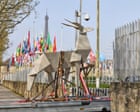
Ukrainian artist Zhanna Kadyrova's concrete origami deer sculpture, originally installed in Pokrovsk in 2018, has been evacuated from the war-torn Donetsk region and transported across Europe to become the centerpiece of Ukraine's national pavilion at the 2026 Venice Biennale. The sculpture, which replaced a Soviet fighter-bomber monument in a local park, was rescued in August 2024 by co-curator Leonid Marushchak amid intensifying Russian attacks, with the help of city authorities and museum staff.

Museum Moves 24 – 30 April 2026

This article is a weekly roundup of museum news from 24–30 April 2026, covering openings, closures, and exhibitions across the UK. Highlights include the permanent closure of Blackpool's Tramtown museum due to structural unsafety, the reopening of Sibsey Trader Windmill after a five-year restoration, and several new exhibitions: 'Vennels: Perth’s Little Streets' at Perth Museum, 'The 90s: Art and Fashion' at Tate Britain, 'Regeneration' at Hull's Streetlife Museum, 'Inspiration' at Stockport Station, 'Our Story with David Attenborough' at Outernet London, and 'Lynn Chadwick at Houghton Hall' in Norfolk.

Bruges inaugurates BRUSK art hall with major exhibitions and festival weekend

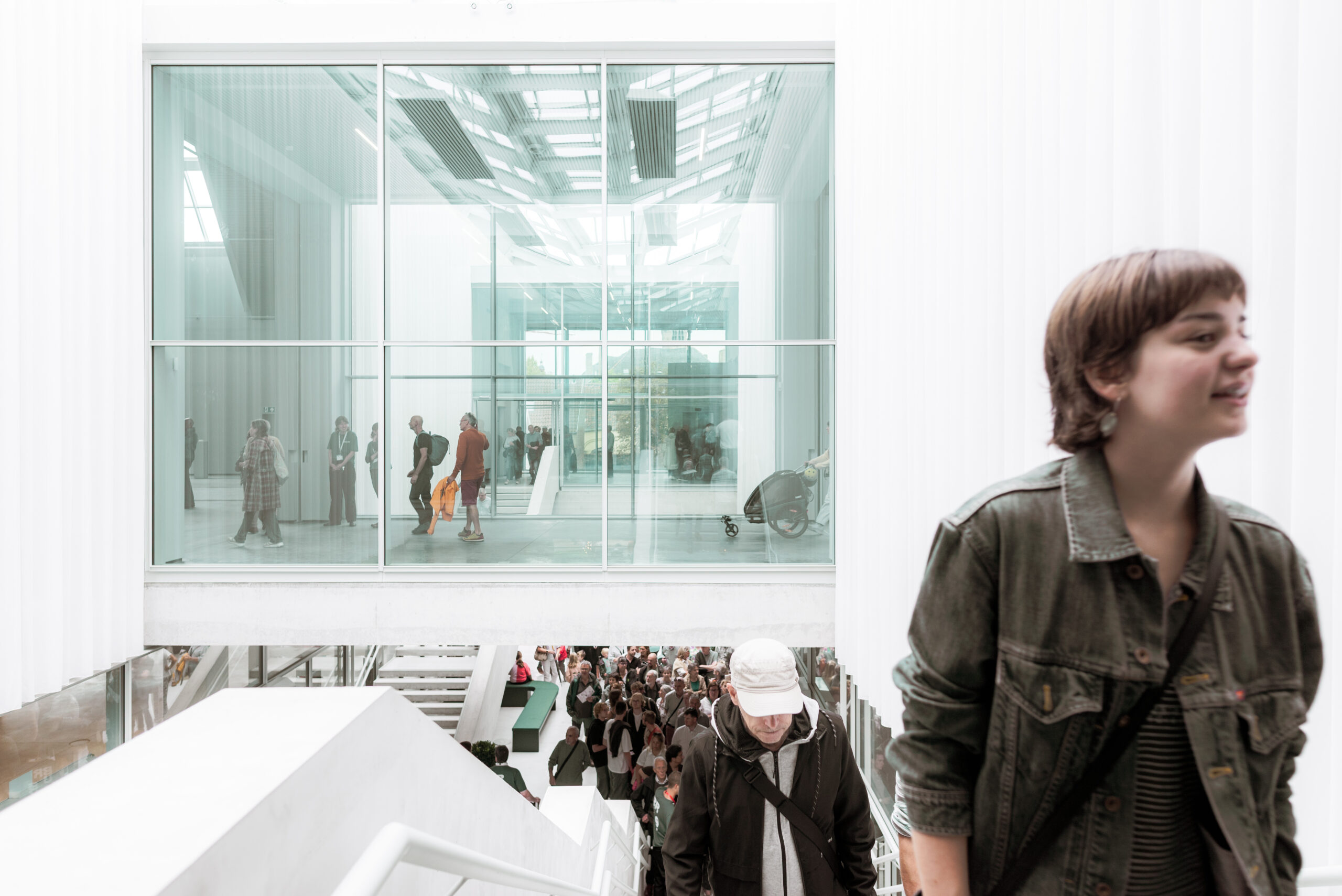
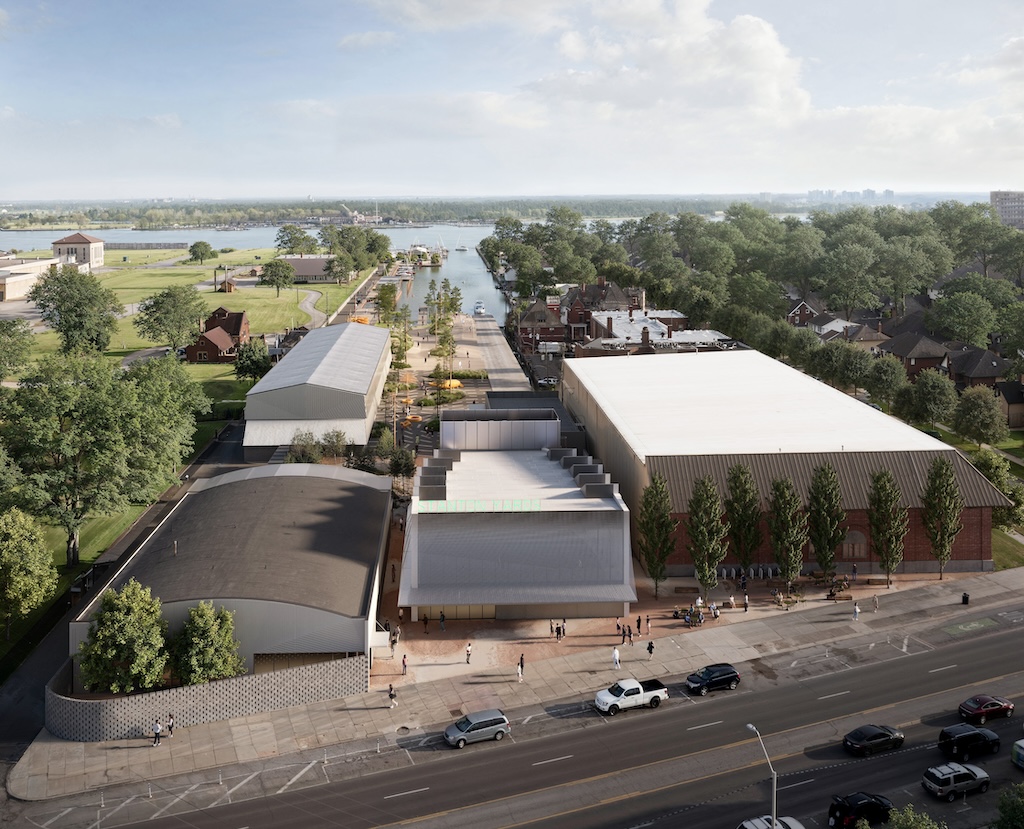
Bruges, Belgium, will open a new art gallery called BRUSK on May 8, 2026, designed by Robbrecht en Daem architecten. The launch features two major exhibitions: 'Latent City', a digital art experience by Turkish-American artist Refik Anadol (his first solo show in Belgium), and 'Bigger Picture. Connected worlds of Bruges 900-1550', a cultural-historical exhibition examining Bruges as a medieval metropolis. A three-day city festival, BRUSK FEST, will accompany the opening weekend with free performances, workshops, and music.

Best Exhibitions Starting in May 2026

Tokyo Art Beat has curated a selection of the best art exhibitions opening across Japan in May 2026, with a heavy concentration in Tokyo. Highlights include a retrospective of nihonga painter Kawai Gyokudō at the Yamatane Museum of Art, a Gaudí exhibition at 21_21 Design Sight, the third edition of the Tokyo Architecture Festival, a solo show of illustrator Mizumaru Anzai at Play! Museum, painter Yoko Matsumoto's first large-scale museum solo at Fuchu Art Museum, a Hiroko Koshino retrospective at the Museum of Contemporary Art Tokyo, a Van Gogh exhibition at Ueno Royal Museum, and a qipao fashion history show at the Japan-China Friendship Center Art Museum.

"We are among those in the crowd who are overjoyed"

"Wir gehören zu denjenigen in der Menge, die überglücklich sind"

The Hungarian art scene is celebrating a major political shift following Péter Magyar’s electoral victory over Viktor Orbán, ending 16 years of restrictive cultural policies. Local figures, including gallerist Margit Valkó and artist János Sugár, express immense relief and hope for a future defined by institutional autonomy and international engagement after years of state-led hostility toward contemporary art.

The Palais des Papes in Avignon cancels Macha Makeïeff's exhibition

Le Palais des Papes d’Avignon renonce à l’exposition de Macha Makeïeff

The Palais des Papes in Avignon has cancelled its planned summer exhibition, 'Les Choses divines – Inventaire fantaisiste,' conceived by French director, scenographer, and visual artist Macha Makeïeff. The cancellation, officially attributed to a combination of administrative, technical, and budgetary constraints, may also be linked to the recent municipal election that saw Olivier Galzi succeed Cécile Helle as mayor.

8 musées incontournables à visiter à Montréal

Montréal, a UNESCO City of Design, is home to a wealth of cultural institutions. This article highlights eight must-visit museums, including the Musée des Beaux-Arts de Montréal (the city's largest art museum, with nearly 47,000 works from antiquity to today), the Musée McCord Stewart (a centennial museum focusing on Canadian history and Indigenous voices), the Écomusée du Fier Monde (dedicated to working-class history and eco-design), and Pointe-à-Callière (an archaeology and history museum built on the city's original foundations). Each museum offers a unique perspective on art, history, and society.

Matisse, Soulages, Chagall… The most beautiful churches and chapels decorated by artists throughout France

Matisse, Soulages, Chagall… Les plus belles églises et chapelles décorées par des artistes dans toute la France

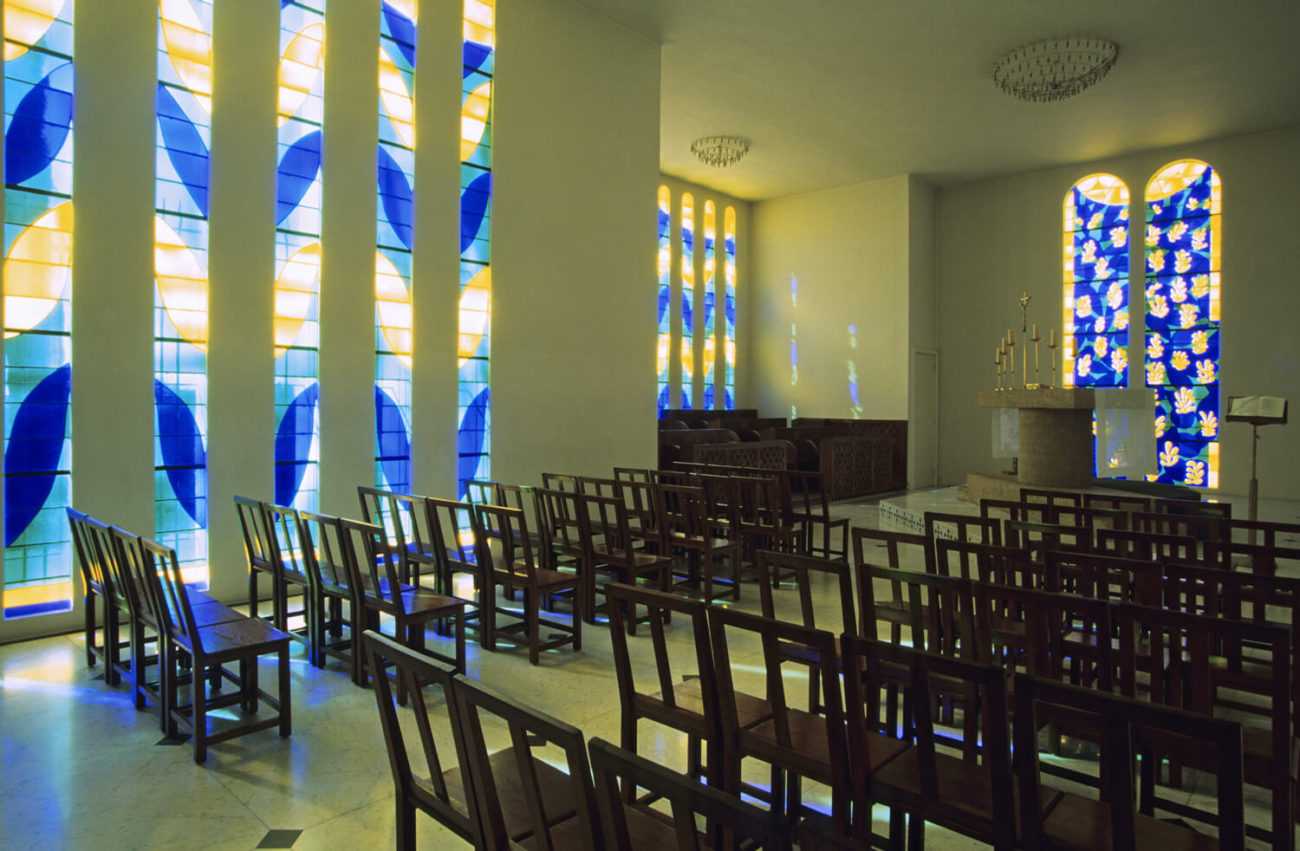
Renowned modern and contemporary artists have transformed various religious sites across France into immersive 'total works of art.' From Pierre Soulages’ translucent stained-glass windows in the Abbey of Sainte-Foy in Conques to Pablo Picasso’s monumental 'War and Peace' murals in Vallauris, these projects demonstrate how secular artists have engaged with sacred architecture. The article highlights ten specific locations where artists like Matisse, Chagall, and Cocteau integrated painting, glasswork, and furniture into historic ecclesiastical settings.

“Clean / Clear / Cut” Malta Biennale 2026

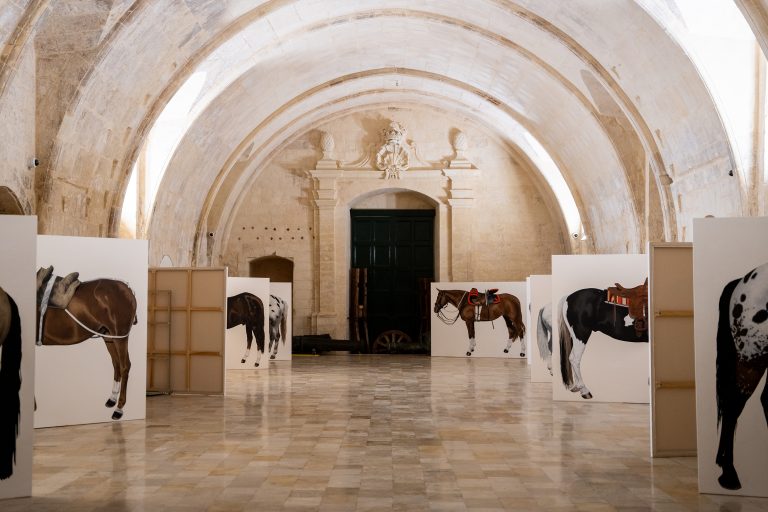
The Malta Biennale 2026, titled "Clean / Clear / Cut," launched on March 11 and runs through May 29, transforming historical sites and cultural landmarks across Malta and Gozo into venues for contemporary art and critical dialogue. The biennale is under the artistic direction of international curator Rosa Martínez.

The Founders of Open Restitution Africa (ORA) on Their New Open Data Platform

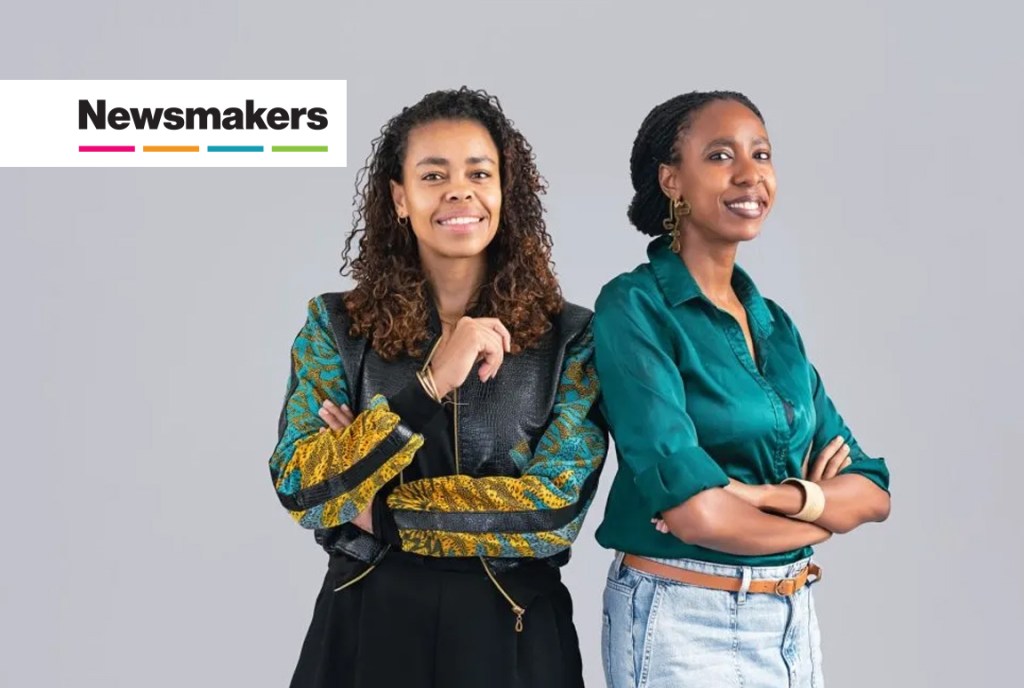
On March 31, the research initiative Open Restitution Africa (ORA) launched the ORA Open Data Platform, a database providing information on the restitution of African artifacts and ancestral remains. Developed over six years by ORA’s all-woman, pan-African team, the site uses case histories and AI-powered tools to offer practical insights into the return process, available in French and English. It presents 25 case histories spanning 200 years, using data visualizations, essays, and interactive tools to help individuals and communities develop their own restitution strategies. ARTnews interviewed founders Chao Tayiana Maina and Molemo Moiloa about the project's origins and goals.

With Nearly 30,000 Clay Earth Bricks, Dana Awartani Remakes History in the Saudi Arabia Pavilion

Dana Awartani, a Jeddah- and New York-based artist of mixed Palestinian, Saudi, Jordanian, and Syrian descent, has created the Saudi Arabia Pavilion at the Venice Biennale using nearly 30,000 clay earth bricks. The installation, titled "May your tears never dry, you who weep over stones," replicates traditional mosaic motifs sourced from over 20 cultural heritage sites across the Arab world that have been destroyed by human conflict. Awartani emphasizes collaboration, crediting numerous skilled craftsmen—economic migrants to Saudi Arabia—who worked alongside her, and her practice blends formal training at Central St. Martins with Islamic geometry and illumination studies in Turkey.

Tourist Damages Florence’s Neptune Fountain in Pre-Wedding Stunt

A 28-year-old tourist in Florence climbed the Neptune Fountain in Piazza della Signoria and caused €5,000 ($5,800) in damage while attempting to touch the statue's genitals as part of a pre-wedding challenge. Police intervened, and specialists from the Fabbrica di Palazzo Vecchio later found damage to a horse's legs and a frieze. The woman has been reported to judicial authorities but is presumed innocent until a verdict.

Karmic Modernism. In Conversation with Elizabeth Englander by Nick Irvin

Elizabeth Englander, an artist working primarily in assemblage with materials like children's furniture, nutcrackers, and old clothing, discusses her recent exhibitions and spiritual approach to art in an interview with Nick Irvin for Flash Art. The conversation covers her show "The Elizabethan Lumber Room" (2026) at a. SQUIRE in London, the modular barrister's bookcase inherited from her mother, and her "Parinirvana" series (2025) that explores themes of death and sacred art through papier-mâché, paint, and mylar. Englander also references influences such as Constantin Brâncuși, her graduate advisor Tom Weaver, and Erwin Panofsky's writings on tomb sculpture.

1,000-year-old archaeological site bulldozed during construction of Mexico-US border wall

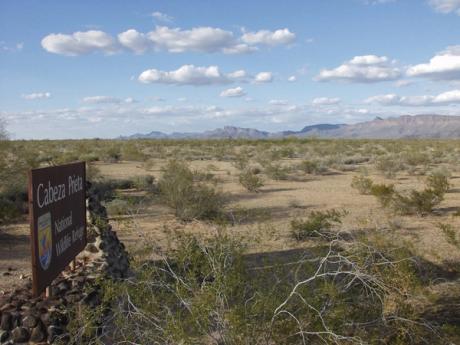
On 24 April, a Department of Homeland Security contractor bulldozed a 1,000-year-old intaglio—a 280ft by 50ft etching in the desert sand—during construction of the US-Mexico border wall in Arizona's Cabeza Prieta National Wildlife Refuge. The site, sacred to local Indigenous communities including the Hia-Ced O’odham, was part of a UNESCO biosphere and contained over 3,000 petroglyphs. Despite warnings from tribal members and refuge staff, the contractor destroyed a 70ft stretch of the fish-shaped intaglio, which elders and archaeologists describe as an irreplaceable cultural and archaeological treasure.

Lebanon appeals to Unesco to intervene amid fears protected citadel has been destroyed

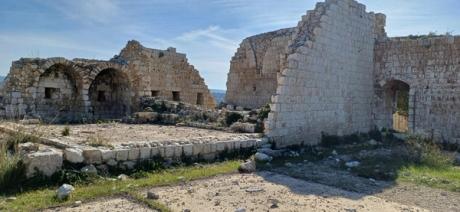
Lebanon’s Ministry of Culture has filed an urgent complaint with Unesco following reports that Israeli military forces destroyed the 12th-century Chama’ Citadel in southern Lebanon. The site, a Crusader-era fortress, had recently been granted "enhanced protection" status under the 1954 Hague Convention, a designation intended to shield it from military targeting. Lebanese authorities are currently unable to access the site due to ongoing military occupation and have requested that Unesco utilize satellite imagery to verify the extent of the demolition.

A Buddha Is Reborn on the High Line

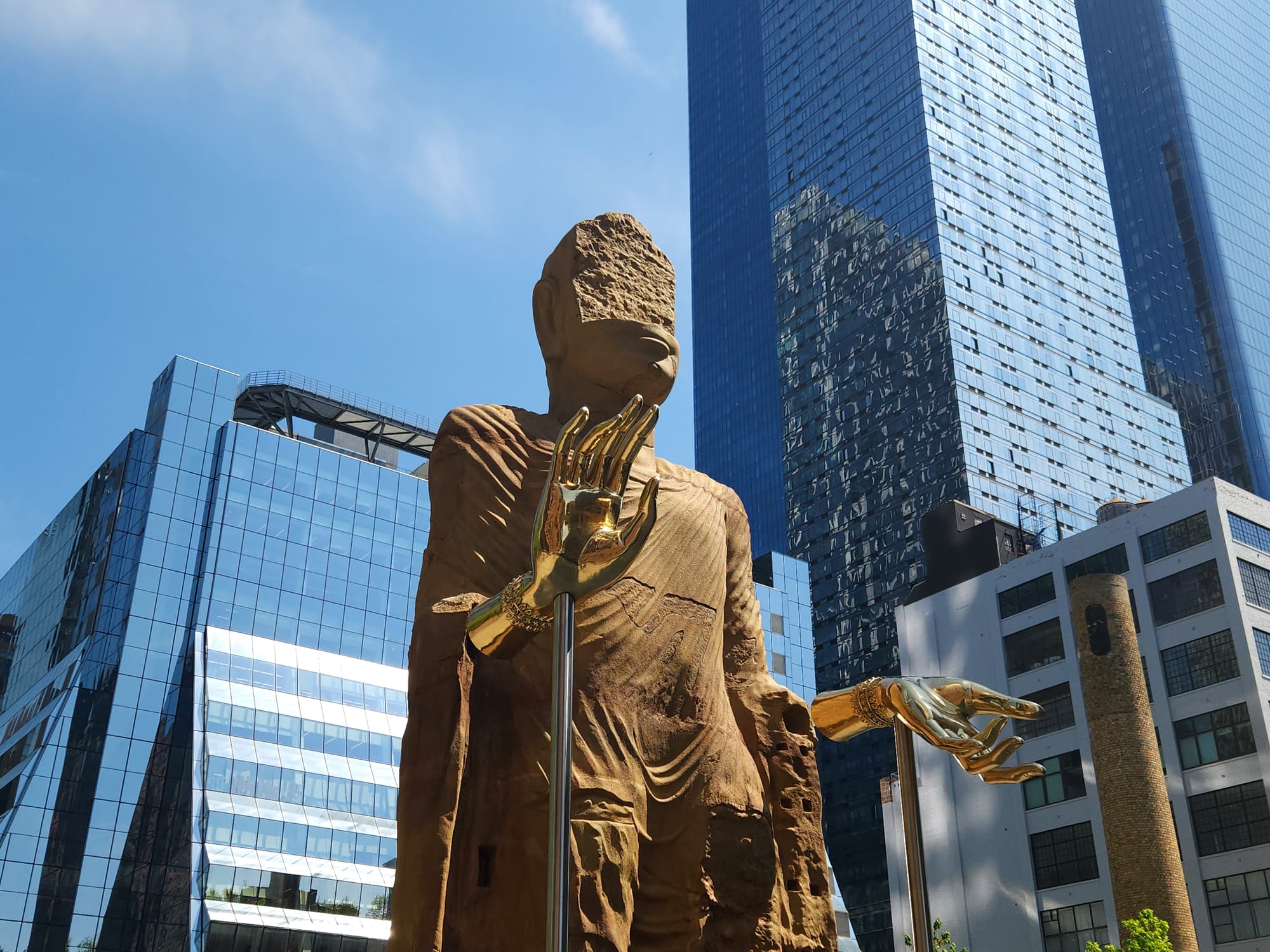
Tuan Andrew Nguyen's sandstone and brass sculpture "The Light That Shines Through the Universe" (2026) has been installed on the High Line in Manhattan as the park's fifth site-specific commission. The 27-foot-tall work, selected from nearly 60 proposals, resurrects the destroyed Bamiyan Buddhas of Afghanistan, which were demolished by the Taliban in 2001. Nguyen sourced artillery brass from Afghanistan to cast the sculpture's mudra hand gestures, symbolizing fearlessness and compassion, and had the sandstone carved in Vietnam. The piece is on view through Spring 2027.

What Did the Golden Lion Die Of? On Judgment and Disavowal at the Venice Biennale

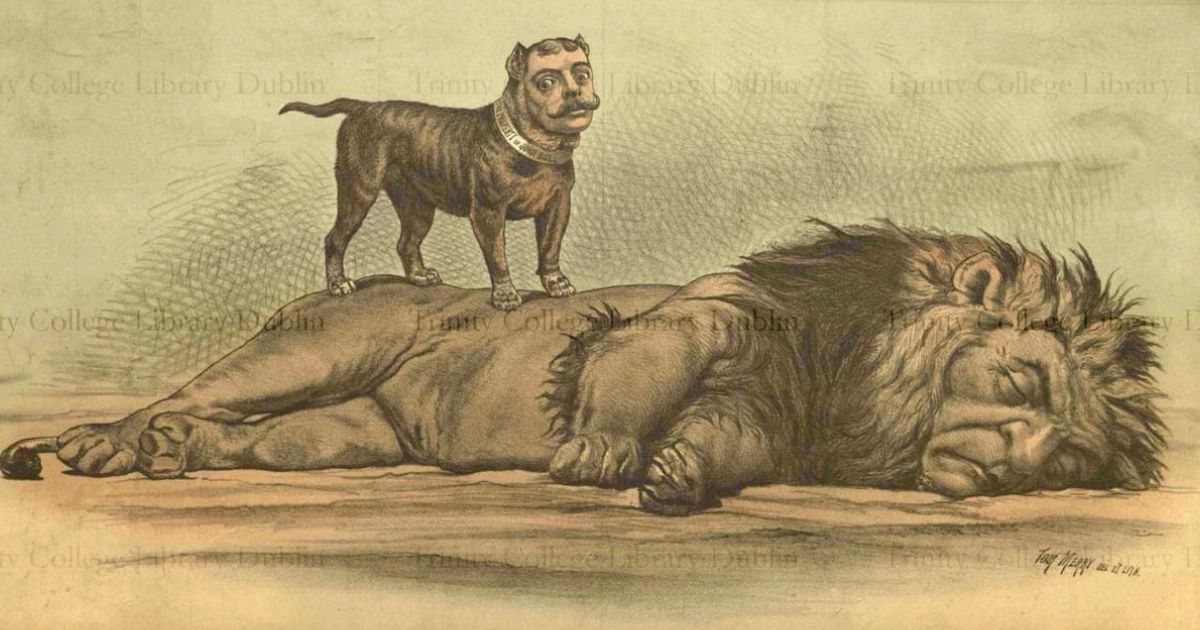
The international jury of the 61st Venice Biennale announced it would exclude from prize consideration countries whose leaders are charged with crimes against humanity by the International Criminal Court, specifically targeting Russia and Israel. This prompted the Italian culture minister to send inspectors to the Biennale's offices, leading the jury to resign. The Biennale then replaced the Golden Lion with "Visitors' Lions" prizes voted by ticket-holders, immediately making Russia and Israel eligible again. The article traces this crisis to the Biennale's historical structure under Mussolini's 1930 Royal Decree, which established the national pavilion system as a diplomatic concession system designed to serve state power, and notes the recent acceptance of a €50 million donation from Qatar for a new permanent pavilion in the Giardini.

Urban Art Biennale: Rust, dust and decay revamps Germany's Völklingen ironworks

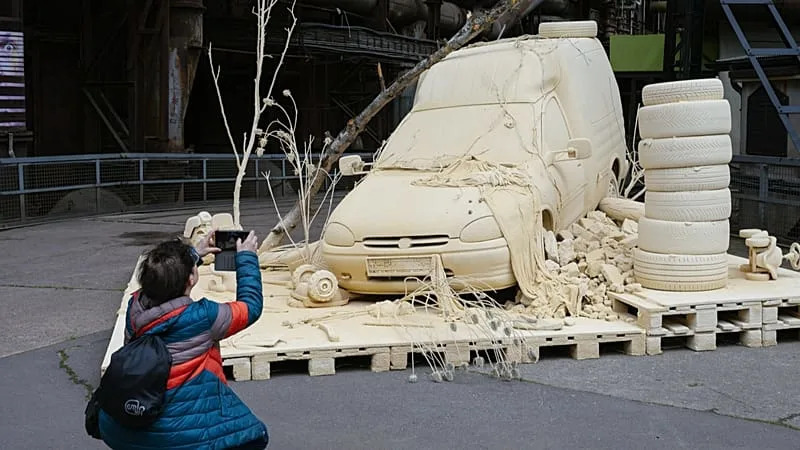
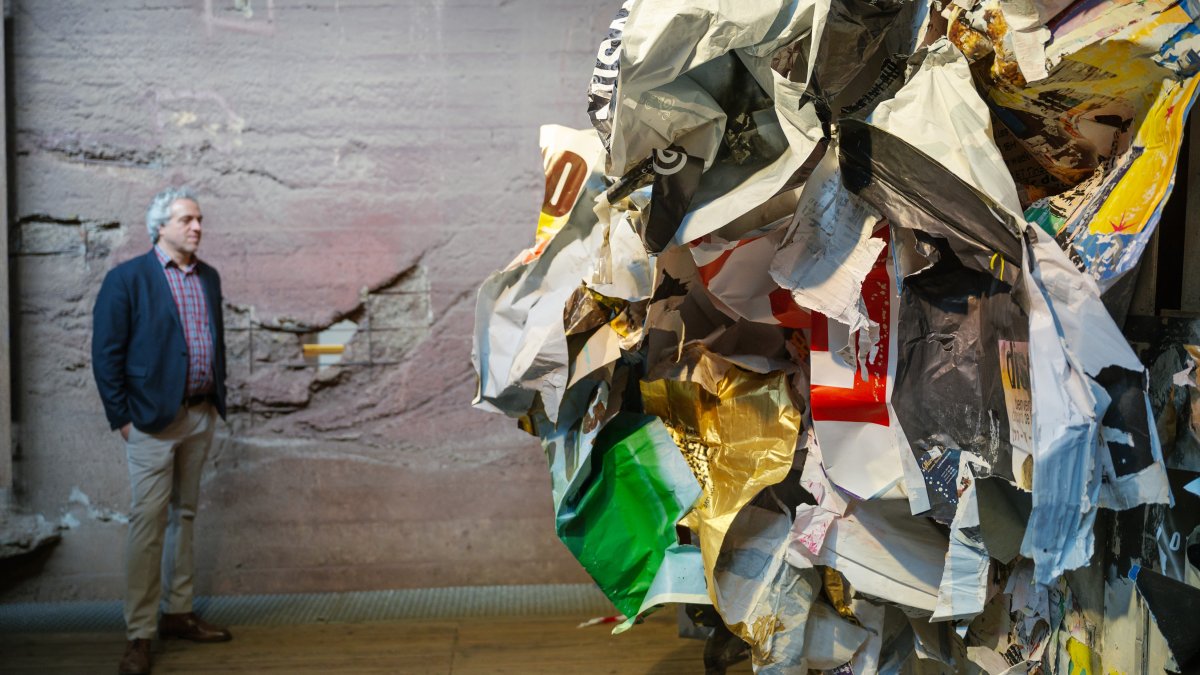
Dozens of urban artists from 17 countries have gathered at Germany's Völklinger Hütte (Völklingen Ironworks), a UNESCO World Heritage site, for the Urban Art Biennale 2026 opening this Saturday. The exhibition features 50 artists including Tomas Lacque, Boris Tellegen (Delta), Vortex-X, Ampparito, Remi Rough, and Anders Reventlov, who have created site-specific installations that engage with the industrial landmark's sprawling spaces, rust, dust, and sense of decay. Works range from a van covered in ash-like paint to a massive wooden sculpture and a rooftop text piece visible from 45 meters high.

Urban Art Biennale returns to UNESCO industrial site in Germany | Daily Sabah

Dozens of urban artists from 17 countries have gathered at the Völklinger Hütte (Völklingen Ironworks) in Germany, a UNESCO World Heritage Site and former ironworks, for the Urban Art Biennale 2026. The exhibition features 50 artists, including Tomas Lacque, Boris Tellegen, Ampparito, Remi Rough, Anders Reventlov, and the collective Vortex-X, who have created site-specific installations, murals, and sculptures that engage with the industrial ruins and history of the 15-acre complex, which ceased production in 1986.

What the renovation of the Pergamon Museum costs

Was die Sanierung des Pergamonmuseums kostet

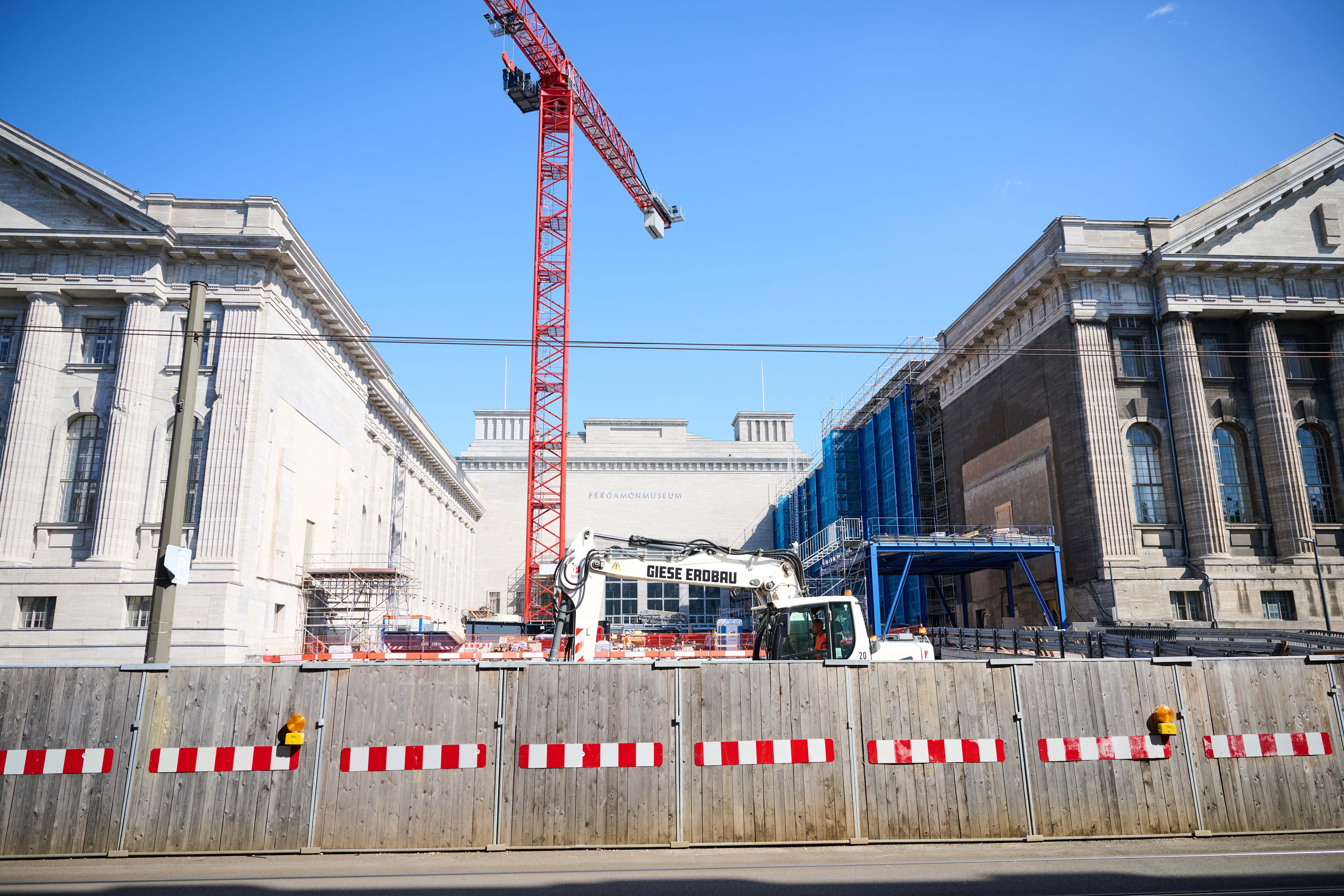
The Pergamon Museum in Berlin is undergoing a major renovation with a total budget of €1.5 billion for both construction phases, including cost risks. The Federal Office for Building and Regional Planning (BBR) has announced that current projections indicate the overall costs will not be exceeded. Phase A, which includes the hall housing the famous Pergamon Altar, is expected to open on June 4, 2027, with a potential cost increase of up to 5% over the originally approved €489 million. Phase B, covering the Ishtar Gate and Babylonian Processional Way, has seen its cost forecast reduced by €27 million to €722.4 million, with an additional €295.6 million set aside for risks and price increases. The museum will fully reopen only in 2037.