filter_list Showing 83 results for "venice biennale" close Clear
dashboard All 83 museum exhibitions 38article news 24article policy 11person people 4article culture 2rate_review review 1article event 1trending_up market 1candle obituary 1
date_range Range Today This Week This Month All
Subscribe

Finland Pulls Back Venice Biennale Presence Over Return of Russian Pavilion

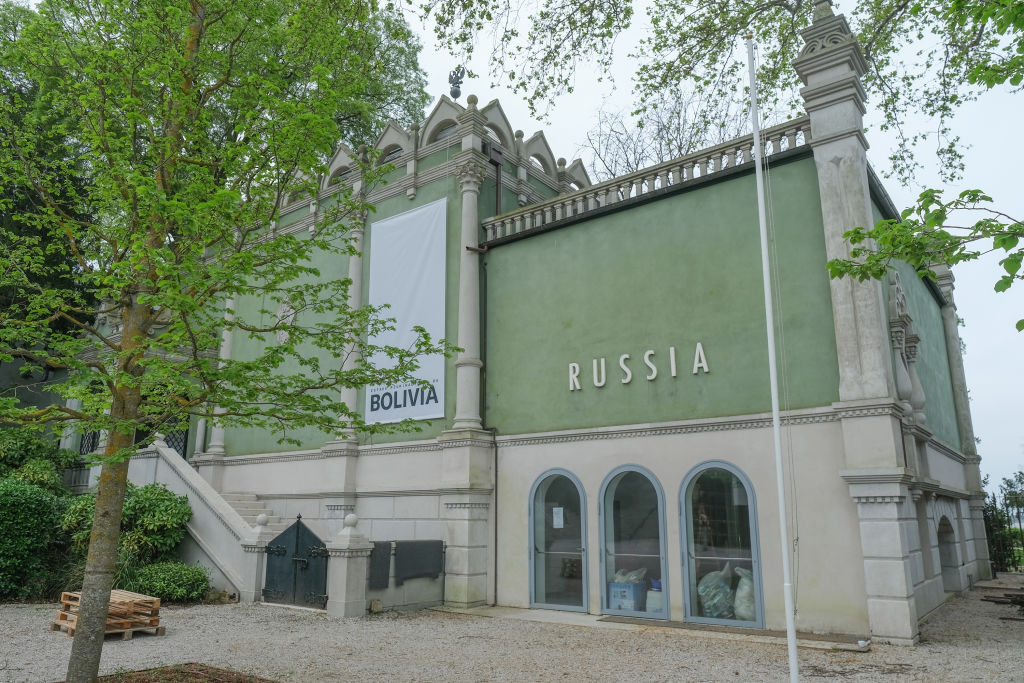
Finland’s political leadership has announced it will boycott the Venice Biennale if the Russian Pavilion proceeds with its planned exhibition. While Finnish public officials will still attend to support their own national artists, the Ministry of Education and Culture stated that Russia should be excluded as long as the war in Ukraine continues. This move follows an open letter from 22 European nations and a warning from the European Commission regarding potential sanctions violations.
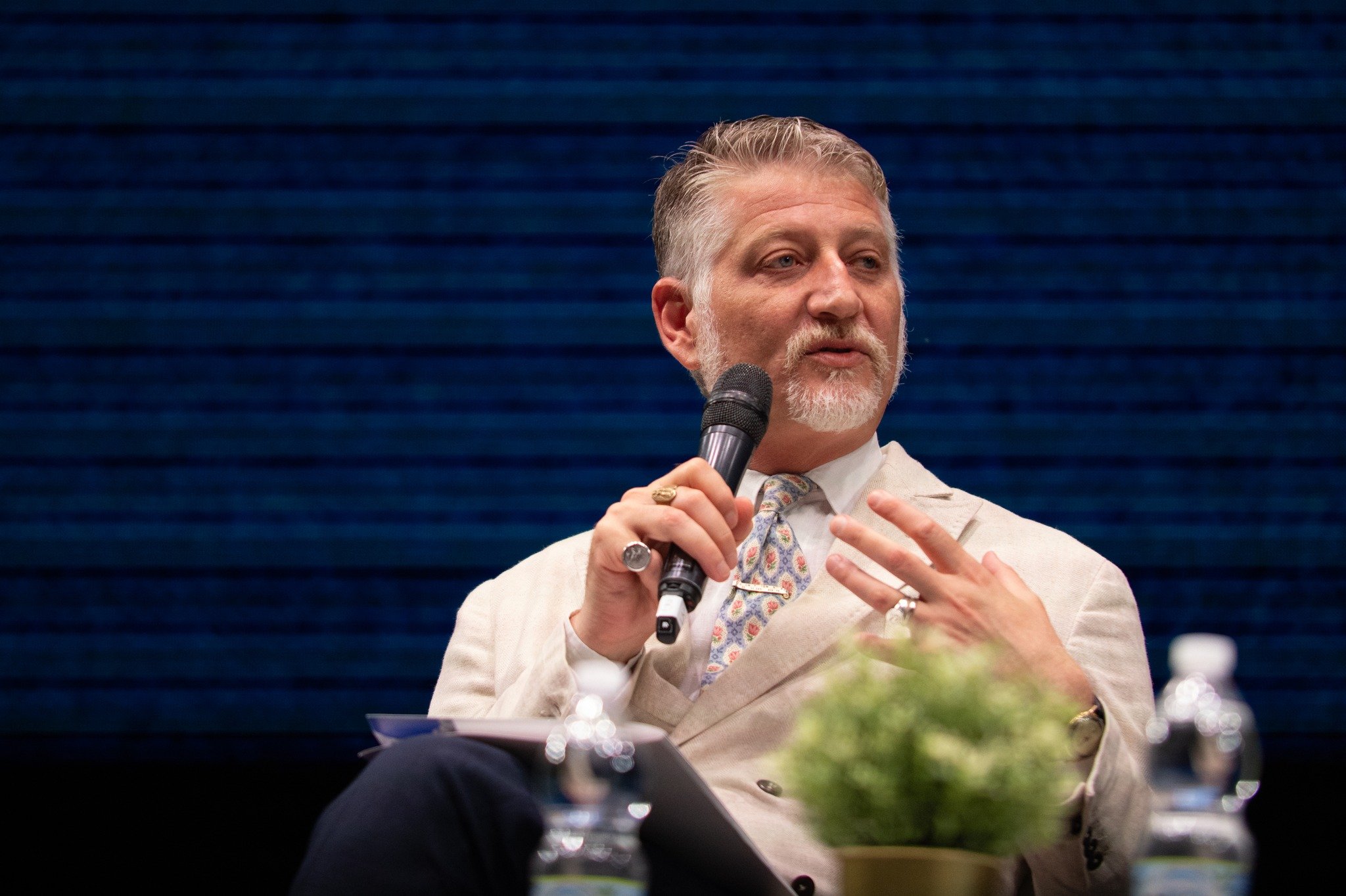
The soap opera continues. Minister Giuli will boycott the inauguration of the Venice Biennale

La telenovela continua. Il Ministro Giuli diserterà l’inaugurazione della Biennale di Venezia

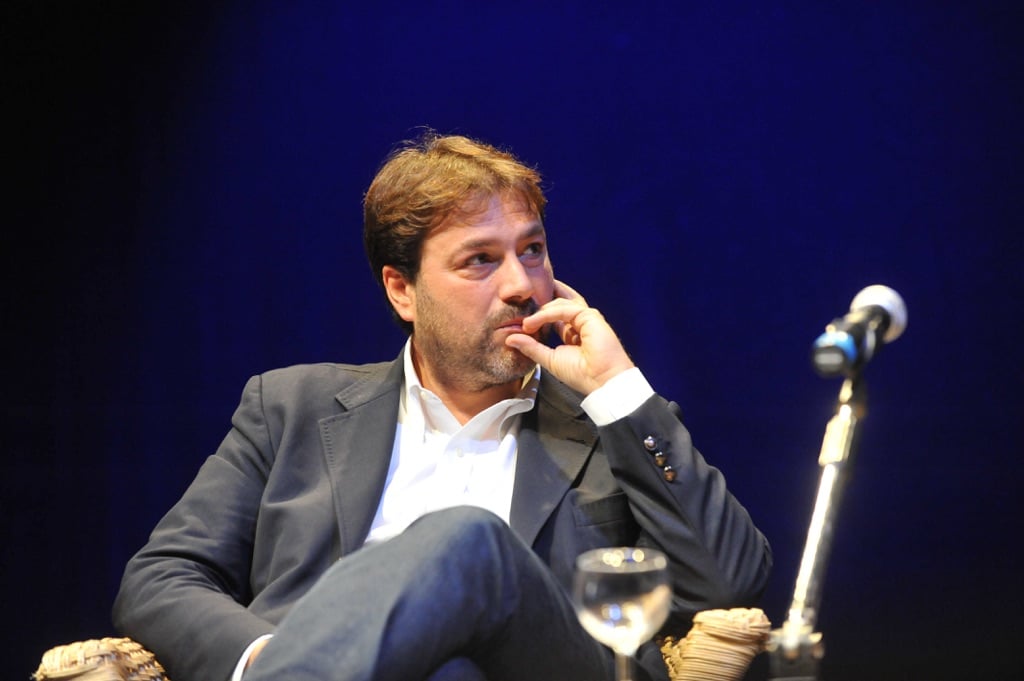
Alessandro Giuli, Italy's Minister of Culture, has announced he will boycott the pre-opening and inauguration ceremony of the 61st Venice Biennale on May 9, 2026, escalating a political and cultural crisis. The dispute began when Biennale president Pietrangelo Buttafuoco allowed the Russian pavilion to reopen, absent since 2022 due to the Ukraine invasion, citing artistic freedom. Giuli demanded the removal of ministry representative Tamara Gregoretti from the Biennale board for failing to oppose the decision. Tensions flared during the Italy Pavilion press conference, where journalists were confined to a separate streaming room and questions were restricted. The European Commission condemned the Russian pavilion's reopening, cutting €2 million in funding and issuing a 30-day ultimatum, while 22 European countries signed a letter pressuring the institution. The Biennale's international jury, led by Solange Oliveira Farkas, then excluded Russia and Israel from award consideration, citing ethical guidelines against countries whose leaders face International Criminal Court charges for crimes against humanity.

Venice Biennale’s Prize Ban on Israel and Russia Falls Short for Critics

The jury of the 2026 Venice Biennale has ruled that Israel and Russia will be ineligible for the Golden and Silver Lion prizes, citing International Criminal Court charges of crimes against humanity against their leaders. The decision follows years of activism and political pressure, with the European Union withdrawing €2 million in funding from the event in protest of Russia's participation. While groups like Art Not Genocide Alliance praised the move as an unprecedented step, critics argue it falls short of a full ban on participation. Israel's artist representative, Belu-Simion Fainaru, condemned the policy as discriminatory, and an open letter signed by 70 artists and curators called for excluding all regimes committing war crimes, including the United States.

Stockholm's Market Art Fair is a new model art fair from which to learn something

La Market Art Fair di Stoccolma è un nuovo modello di fiera d’arte da cui imparare qualcosa

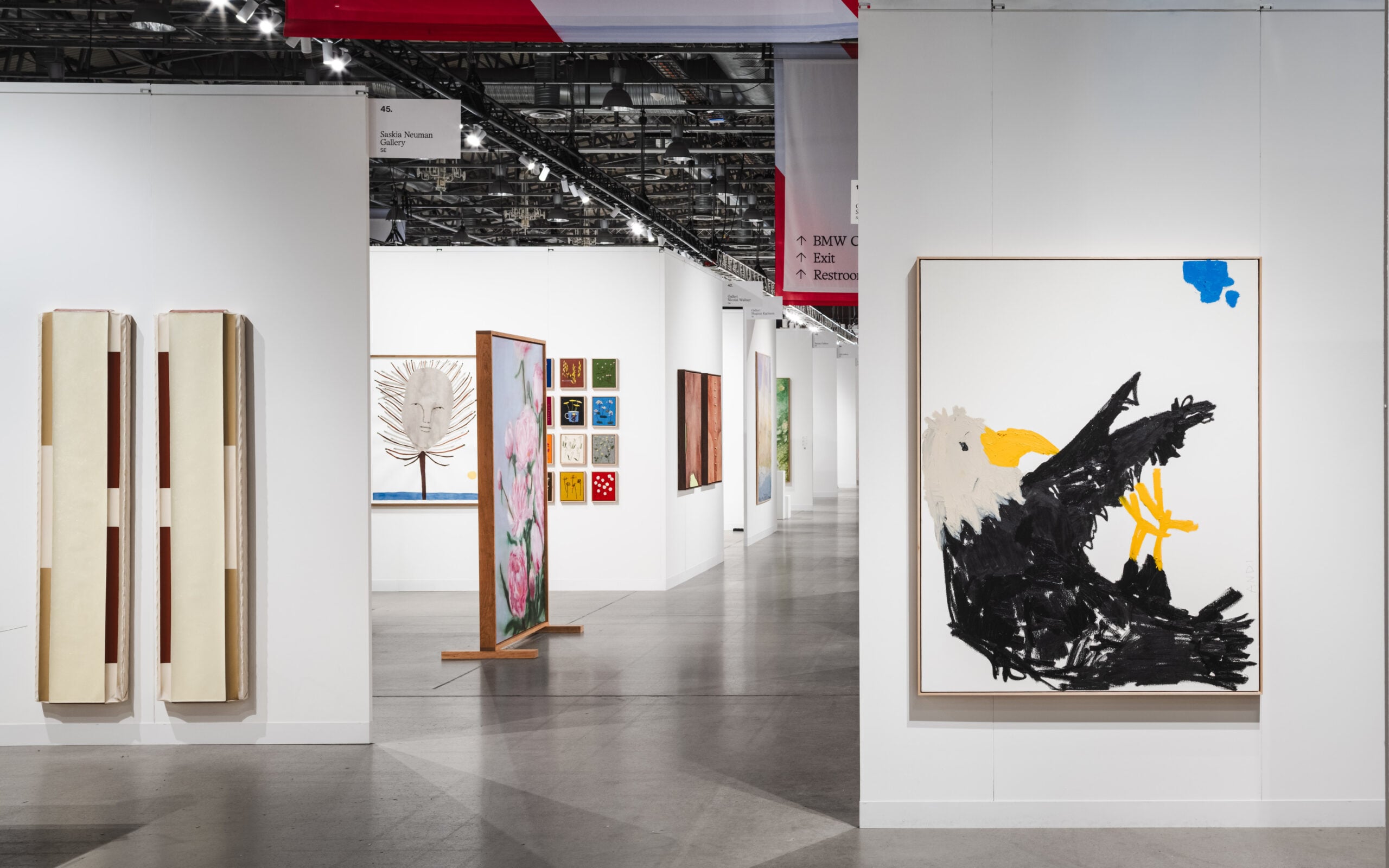
The Market Art Fair in Stockholm, founded in 2006 by galleries from Denmark, Sweden, Norway, and Finland, held its 20th edition from April 23-26, 2026, at Magasin 9 during Stockholm Art Week. The fair features 54 exhibitors from 8 countries and 150 artists, with 80% of works tied to the Nordic context and 20% international. Highlights include a solo presentation by Olafur Eliasson at i8 Gallery (Reykjavík) featuring his sculpture *Rare metallic plant* (2026), and a preview of the Nordic Pavilion at the Venice Biennale by artist Benjamin Orlow at Season 4 Episode 6 gallery. The fair has recently opened its selection to international galleries, a shift welcomed by collectors.

At the Venice Biennale, the Armenian Pavilion Transforms into an Artist's Workshop: Works Are Born in Front of the Public

Alla Biennale di Venezia il Padiglione dell’Armenia si trasforma in bottega d’artista: le opere nascono di fronte al pubblico

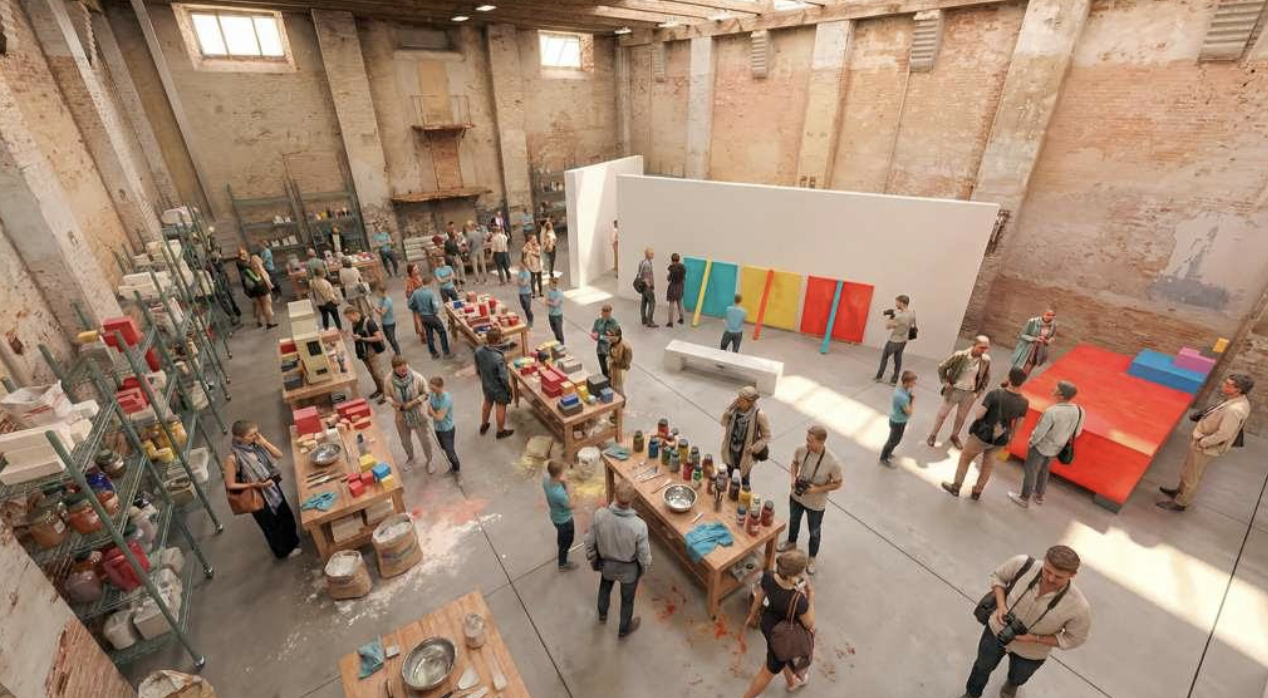
The Armenian Pavilion at the 2026 Venice Biennale will transform into a functioning artist's studio, where sculptor Zadik Zadikian will create works in real time before the public. Titled "The Studio," the project is curated by gallerist Tony Shafrazi and curator Tina Chakarian, and will operate daily from May 6 to November 22 at the Tesa 41 of the Arsenale. Zadikian, born in Yerevan in 1948 and now based in the US, will work with traditional Armenian plaster techniques alongside his son Aram and studio assistants, emphasizing the process of making over the finished object.

"Etwas zaghaft, etwas ängstlich, etwas sicher"

The article surveys recent art-world commentary, focusing on a critical review of the Turner Prize shortlist in The Guardian, where Eddy Frankel calls the selection "timid, anxious, safe" and laments a self-perpetuating, elitist system. It also covers a Hyperallergic essay by Lisa Siraganian questioning whether artworks can possess personhood, sparked by Pierre Huyghe's Venice exhibition. Additionally, it reports on controversy at the Venice Biennale, where the jury preemptively excluded countries whose leaders are sought by the International Criminal Court—namely Russia and Israel—drawing sharp criticism from Die Welt's Marcus Woeller. A podcast interview with US sculptor Alma Allen, selected for the US Pavilion, rounds out the coverage.

Thom Yorke and Stanley Donwood Plot a Mysterious Art Show in Venice

Musician Thom Yorke and artist Stanley Donwood will present a new exhibition titled “No Go Elevator (not without no keycard)” in a small gallery in Venice next month, coinciding with the Venice Biennale. The show marks their first showcase outside the U.K. and features a mix of drawings and a large painting created in London this year, with cryptic textual components and no unifying theme, according to the artists.

Jenna Sutela on Representing Finland at the 61st Venice Biennale

Jenna Sutela, representing Finland at the 61st Venice Biennale, will present an exhibition titled *Aeolian Suite* in the Giardini pavilion. The work features sound sculptures that engage with wind as both a physical and political force, using meteorological data, wind machines, recorders, a children's woodwind orchestra, and recordings of winds from Venice, Helsinki, and beyond. Sutela explores noise as a creative medium, drawing on the concept of deep listening inspired by artist Pauline Oliveros, and connects her project to the Biennale's theme, *In Minor Keys*, curated by Koyo Kouoh.

Taiwanese Indigenous artist stripped of national prize after sexual assault conviction

Taiwan has revoked the National Award for Arts from Indigenous artist Sakuliu Pavavaljung after his sexual assault conviction was upheld by the Supreme Court. The Ministry of Culture and the National Culture and Arts Foundation announced the withdrawal on 17 April 2025, and Pavavaljung must return the NT$1 million prize. The conviction stems from a February 2021 incident involving a woman under his artistic mentorship; he was sentenced to four years and six months in prison. Allegations first surfaced in December 2021 via social media, prompting further accusations. Pavavaljung had previously been dropped from representing Taiwan at the Venice Biennale and suspended from Documenta 15.

Venice Biennale jury ‘will not award artists from countries facing war crimes charges’

The jury of the Venice Biennale has announced it will not award prizes to artists from countries whose leaders face charges of crimes against humanity by the International Criminal Court, a decision widely seen as targeting Russia and Israel. The five-member jury, appointed by the late curator Koyo Kouoh, stated its commitment to human rights and will exclude artists from nations whose governments are under ICC investigation when selecting winners of the Golden and Silver Lion awards for the 2026 edition, which opens on 9 May. The move follows controversy over Russia’s participation in the biennale, with the European Commission threatening to suspend a €2m grant due to Russia’s involvement, and Italy’s far-right government opposing the decision.

Who are the members of the Venice Biennale jury?

Qui sont les membres du jury de la Biennale de Venise ?

The 61st Venice Biennale, opening May 9, 2026, has announced its international jury, which is composed entirely of women. The five members are Solange Oliveira Farkas (president), Zoe Butt, Elvira Dyangani Ose, Marta Kuzma, and Giovanna Zapperi, hailing from Brazil, Thailand, Spain, the United States, and Switzerland. Their backgrounds span the Global South, feminist studies, and transnational curatorial practices.

Venice Biennale Jury Bars Israel and Russia from Official Prizes

The international jury of the 61st Venice Biennale announced on April 23 that it will not consider the Israeli and Russian pavilions for official prizes, including the Golden Lion for national participation. The five-member, all-women panel—comprising Solange Farkas, Zoe Butt, Elvira Dyangani Ose, Marta Kuzma, and Giovanna Zapperi—said it would exclude countries whose leaders are currently charged with crimes against humanity by the International Criminal Court, a criterion that applies to Israel and Russia due to ICC arrest warrants for Benjamin Netanyahu and Vladimir Putin. The decision comes amid mounting controversy over the Biennale's decision to host both pavilions, with Russia returning after its artists withdrew in 2022 over the Ukraine invasion and Israel reopening after its 2024 pavilion remained closed pending a Gaza ceasefire. The European Commission had also threatened to suspend a €2 million grant over the Russian pavilion's reopening.

Gearing Up for Venice

The 2026 Venice Biennale's awards jury has announced it will not consider artists from countries whose leaders are charged with crimes against humanity by the International Criminal Court, specifically naming Israel and Russia. In other news, satellite imagery confirms Azerbaijan demolished an Armenian church in Artsakh, the World Press Photo of the Year was awarded to Carol Guzy for an image of ICE detaining a father, and Argentine abstract painter Ides Kihlen died at age 108. Hyperallergic also published a guide to the Biennale by Hrag Vartanian and reported on Lynda Roscoe Hartigan's appointment as director of the Smithsonian American Art Museum.

The Venice Biennale Korean Pavilion was built in 1995 as the 26th national pavilion in Giardini Cast..

The article reports on the upcoming 61st Venice Biennale in 2026, focusing on the Korean Pavilion's exhibition titled "Liberation Space: Fortress and Nest." The Korean Pavilion, built in 1995 as the 26th national pavilion in Giardini Castello Park, will present itself as a temporary monument exploring Korea's post-colonial history, specifically the liberation period (1945-1948) and the concept of sovereignty. Artistic director Choi Bit-na has curated the exhibition to address Korea's geopolitical context, viewing the pavilion's 1995 entry as a key moment of decolonization alongside the demolition of the Government-General building and the founding of the Gwangju Biennale.

« Le monde entier semble s’être mis en mouvement, animé par une soif d’expériences culturelles »

The article explores the transformation of cultural travel for artists and art lovers, contrasting the arduous, unknown journeys of historical figures like Eugène Delacroix, Paul Gauguin, and Ella Maillart with today's accessible, curated experiences. It describes how contemporary artists such as Ólafur Elíasson, JR, and Marina Abramović now use travel itself as a medium, creating works that engage with climate change, social issues, and presence. Destinations like the Venice Biennale, AlUla in Saudi Arabia, Naoshima in Japan, and Le Voyage à Nantes are highlighted as hubs where art and travel merge into immersive, sensory experiences.

Turkish artist Nilbar Gures brings defiance to 61st Venice Biennale

Turkish artist Nilbar Güneş will represent Türkiye at the 61st Venice Biennale (May 9–November 22, 2026) with her exhibition "A Kiss on the Eyes" in the Arsenale's Türkiye Pavilion. Güneş, born in Istanbul in 1977 and educated at Marmara University, the Academy of Fine Arts Vienna, and the University of Applied Arts, works across photography, film, painting, performance, and mixed media. Her practice draws on personal biography to address societal issues, and she has shown internationally at venues including Osmos in New York and Vortic Art in London.

Venice Biennale jury to avoid artists from nations with ICC-charged leaders

The jury for the Venice Biennale International Art Exhibition announced on April 24, 2026, that they will not consider artists from countries whose leaders face charges at the International Criminal Court, an apparent reference to Israel and Russia. The five jury members, tasked with selecting Golden and Silver Lion winners among 110 participants, stated they felt compelled to commit to the defense of human rights. The ICC has issued arrest warrants for Russian President Vladimir Putin and Israeli Prime Minister Benjamin Netanyahu for alleged war crimes. The decision follows criticism of the Biennale for allowing Russia to reopen its pavilion after its 2022 invasion of Ukraine.

CUBA PRESENTS FREE MEN AT THE VENICE BIENNALE

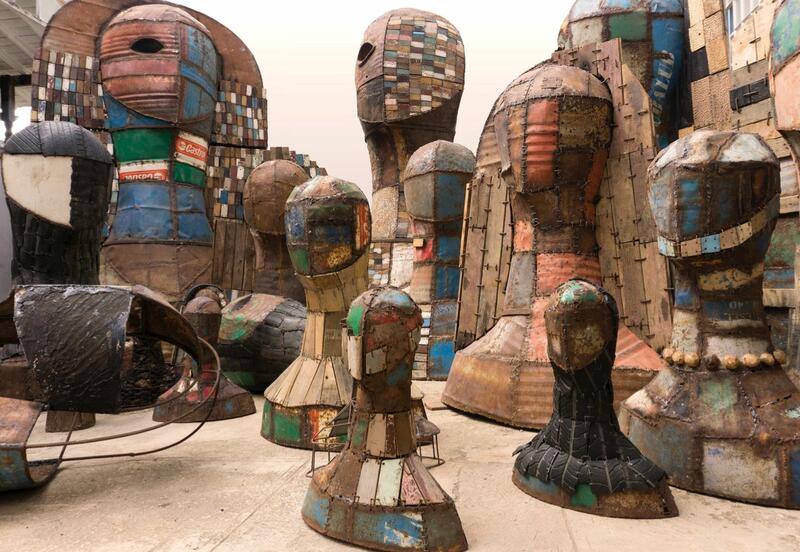
Cuba presents Roberto Diago's installation "Hombres Libres (Free Men)" at the 61st Venice Biennale, curated by Nelson Ramirez de Arellano Conde and commissioned by Daneisy García Roque. The work, on view from May 9 to November 22, 2025, features a group of sculpted heads made from oxidized metals, wood, plastics, and reclaimed materials that advance toward viewers, bearing scars that evoke a history of pain and resistance.

Venice Biennale jury excludes Russia and Israel from artist awards as EU threatens funding cut

The Venice Biennale jury has excluded Russia and Israel from eligibility for artist awards, following the EU's threat to cut funding over geopolitical concerns. The decision bars artists from these countries from being considered for official prizes at the prestigious international art exhibition.

Hyperallergic’s Guide to the 2026 Venice Biennale

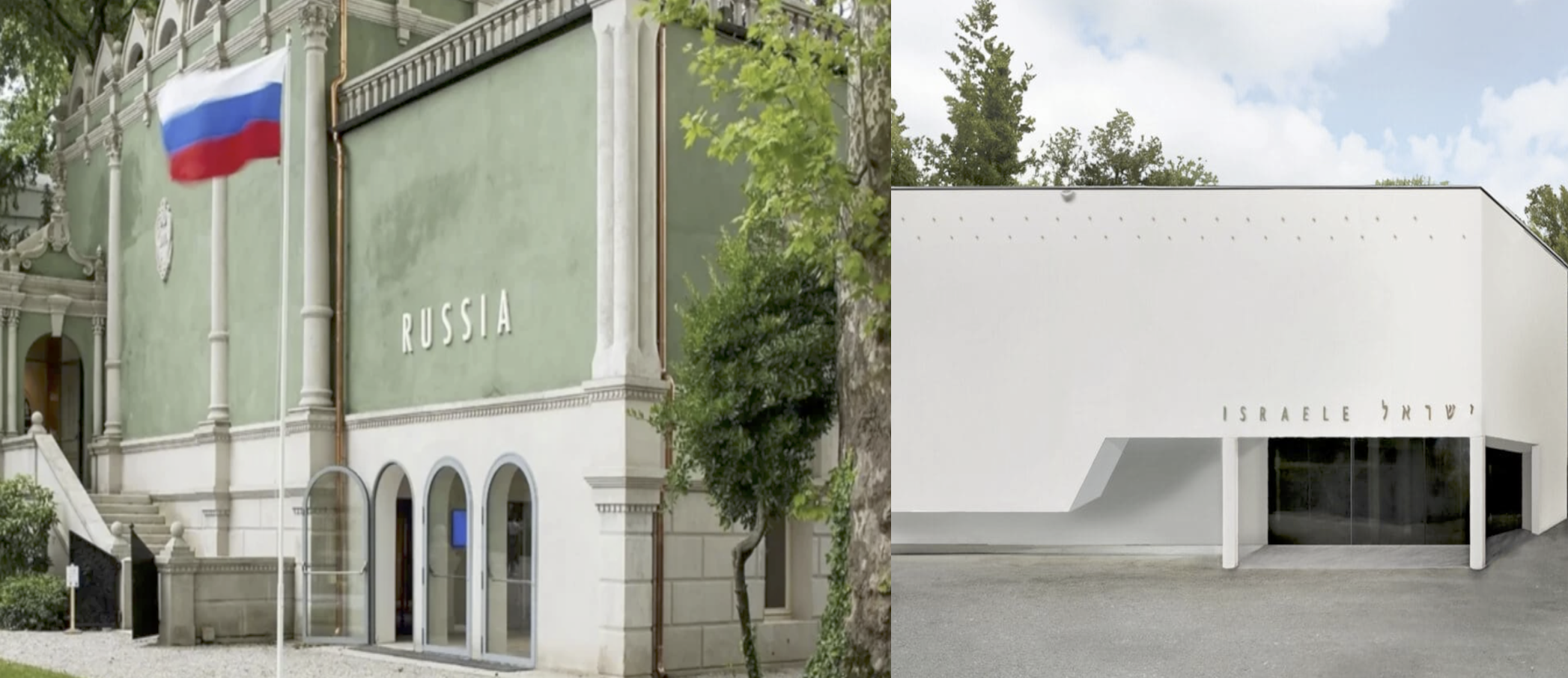
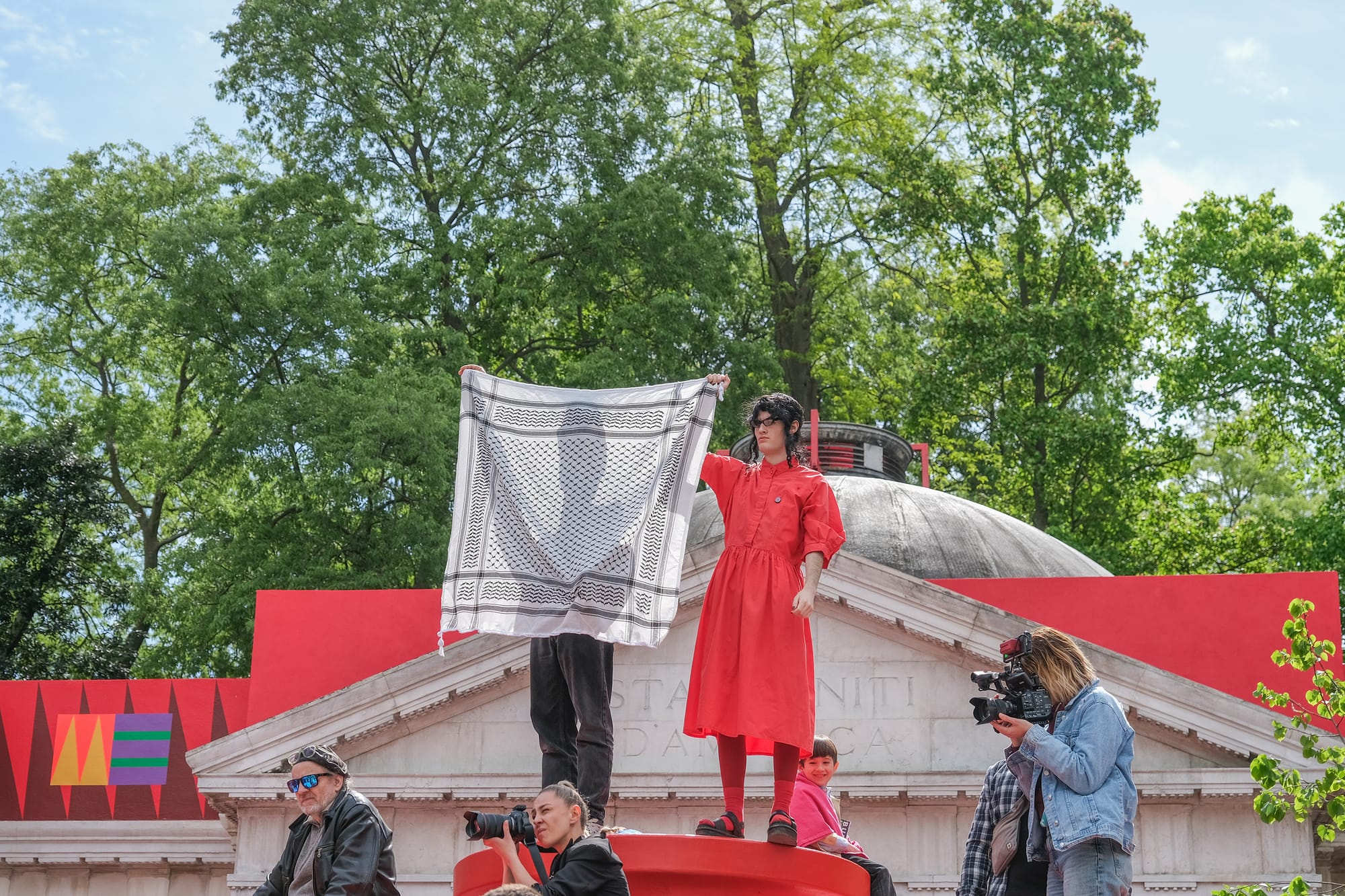
Hyperallergic has published its guide to the 2026 Venice Biennale, detailing what to see and do at this year's edition. The guide covers the three main categories of the Biennale—the Giardini with 29 permanent national pavilions, the Arsenale with temporary rented spaces, and collateral events across the city. Key developments include the return of Russia to its permanent Giardini pavilion and Israel's participation with a new contractual stipulation preventing its artist from closing the pavilion, after Ruth Patir's protest in 2024. South Africa withdrew following the cancellation of Gabrielle Goliath's video installation 'Elegy,' which mourns victims of Israel's genocide in Gaza and will now be shown at a historic church. The United States will be represented by Alma Allen after Barbara Chase-Riboud stepped down, and Qatar is set to become the first country in decades to build a new pavilion in the Giardini.

What Is the Venice Biennale? Everything You Need to Know

The Venice Biennale returns for its 61st edition, running from May 9 to November 22, 2026. The event, often called the Olympics of the art world, comprises a central exhibition curated by an artistic director, national pavilions from dozens of countries, and officially approved Collateral Events. This year's edition was to be curated by Koyo Kouoh, a celebrated Cameroonian-born curator, but she died at 57 in May 2025 before announcing the title and theme, “In Minor Keys.” The Biennale organization has moved forward with a team of five curatorial advisers executing her vision. The event is overseen by president Pietrangelo Buttafuoco and is expected to draw over 800,000 visitors.

Russia and Israel cannot win any prizes at the next Venice Art Biennale 2026. The jury takes a stand

Russia e Israele non potranno vincere nessun premio alla prossima Biennale Arte di Venezia 2026. La giuria prende posizione

The international jury for the 61st Venice Biennale, led by Solange Farkas, has unanimously declared it will not consider countries whose leaders are currently accused of crimes against humanity by the International Criminal Court. This means Russia and Israel are excluded from competing for the Golden Lion awards, including Best National Participation and Best Artist. The jury's statement, published on e-Flux Notes, emphasizes the Biennale's historical role as a platform connecting art with contemporary urgencies and acknowledges the complex relationship between artistic practice and state representation.

Nations Charged With Crimes Against Humanity Will Not Be Considered for Venice Biennale Awards

The jury for the 2026 Venice Biennale announced it will not consider contributions from countries whose leaders are charged with crimes against humanity for the Golden and Silver Lion awards, effectively excluding Israel and Russia. The decision, framed as a commitment to human rights and aligned with curator Koyo Kouoh's vision, comes amid broader controversy over participating pavilions, including American artists declining to represent the US and the EU withdrawing a $2.3 million grant over Russia's involvement.

Apre a Venezia una nuova fondazione per l’arte. Il progetto dell’artista curdo Ahmet Güneştekin a Palazzo Gradenigo

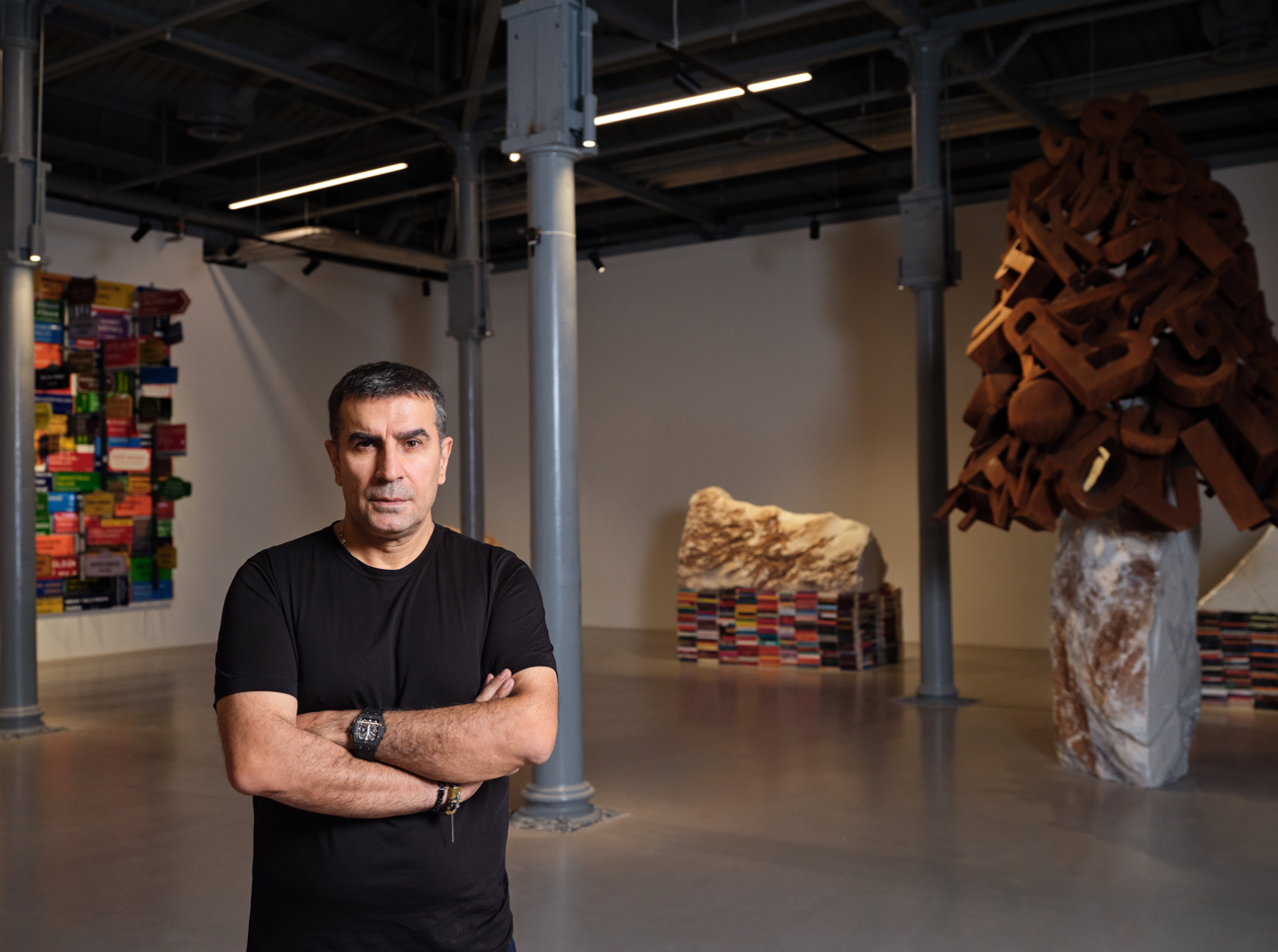
Kurdish artist Ahmet Güneştekin has opened a new foundation in Venice at Palazzo Gradenigo, a 16th-century building in the Castello district. The foundation's inaugural exhibition, titled "Sessizlik/Silenzio/Silence," will open on May 6 during the Venice Biennale. The show features 11 new bronze sculptures and 11 oil paintings. The palace, closed to the public for 17 years, was purchased by the artist and is undergoing a conservative restoration led by architects Alberto Torsello and Elisa Santoro, set to complete by late 2026. The foundation, entirely self-funded through sales of Güneştekin's works and royalties, aims to provide exhibition and training opportunities for young artists, especially from Turkey, in an international context.

Venice Biennale Awards Jury Won’t Consider Russia and Israel

The international awards jury for the 61st Venice Biennale has announced it will not consider countries whose leaders are charged with crimes against humanity by the International Criminal Court (ICC) for prizes. The all-women jury, chaired by Solange Farkas, published a statement on e-flux declaring this policy, which implicitly targets Russia and Israel, whose leaders Vladimir Putin and Benjamin Netanyahu face ICC warrants. The jury is responsible for awarding Golden Lions for the best national pavilion and best artist in the central exhibition. A majority of artists in the main show issued an open letter supporting the decision, while the Biennale Foundation faces criticism for allowing both nations to participate in 2026.

Now we open a Palestinian Pavilion at the Biennale. Interview with Tomaso Montanari

“Ora apriamo un Padiglione Palestina in Biennale”. Intervista a Tomaso Montanari

Tomaso Montanari, a member of the scientific committee for the exhibition "Gaza, il futuro ha un cuore antico. Materie e memorie del Mediterraneo" at Fondazione Merz in Turin, discusses the show's aim to highlight Gaza's 5,000-year history beyond the current war imagery. The exhibition, organized in collaboration with the Museo Egizio and the MAH – Musée d’art et d’histoire de Genève, juxtaposes ancient artifacts with contemporary artworks to assert the cultural and historical significance of Palestine. Montanari also addresses the upcoming Venice Biennale, criticizing the lack of a Palestinian pavilion and suggesting that the Turin exhibition itself serves as a de facto Palestinian pavilion, while calling for accountability for Israel's actions.

First Indigenous Representative of Peru at the Venice Biennale, Sara Flores Opens the Doors of Her Studio in the Heart of the Amazon

Première représentante autochtone du Pérou à la Biennale de Venise, Sara Flores ouvre les portes de son atelier au cœur de l’Amazonie

Sara Flores, a 76-year-old artist from the Shipibo-Konibo Indigenous community in the Peruvian Amazon, has been selected as the first Indigenous artist to represent Peru at the Venice Biennale. In her open-air studio deep in the rainforest, she creates large-scale geometric compositions in the kené ("true drawing") tradition, using natural dyes from local plants. She is also co-founder of the Bakish Mai Multiversity, an educational institution dedicated to Indigenous knowledge and artist residencies, alongside Matteo Norzi, one of the two curators of the Peruvian pavilion. The article offers an intimate portrait of her life, her matriarchal family, and her creative process.

Shigeo Toya, artist who looked to nature with his wood sculptures, 1947–2026

Shigeo Toya, the Japanese artist renowned for his chainsaw-hewn wood sculptures, has died at age 79. Born in 1947 in a small village in Nagano Prefecture, Toya began his signature Woods series in 1984, carving rough textures into tall lumber and arranging the pieces like a forest. His series Twenty Eight Deaths featured stacked wooden blocks with cavities and burn marks. Toya represented Japan at the Venice Biennale in 1988 and later exhibited at the Asia Pacific Triennial (1993) and Gwangju Biennale (2000). A major survey of his work was held at the Nagano Prefectural Art Museum and The Museum of Modern Art, Saitama, in 2022–23.

Venice Biennale Jury Says It Won’t Consider Countries Charged with Crimes Against Humanity, Including Israel and Russia

The Venice Biennale's jury announced it will not consider nations whose leaders are charged with crimes against humanity by the International Criminal Court, effectively excluding Israel and Russia from competing for top honors. The jury, led by Videobrasil founder Solange Farkas, stated this decision aligns with curator Koyo Kouoh's vision and the Biennale's historical role as a platform connecting art to urgent issues. The ICC has issued arrest warrants for Israeli Prime Minister Benjamin Netanyahu and Russian President Vladimir Putin, while other indicted leaders like Sudan's Omar al-Bashir and Afghan officials lack Biennale pavilions.

Venice Golden Lion jury won’t consider Russian and Israeli pavilions

The jury for the Golden and Silver Lion awards at the 61st Venice Biennale has announced it will not consider the national pavilions of any country whose leaders are currently charged with crimes against humanity by the International Criminal Court. This decision specifically excludes Russia, whose president Vladimir Putin is charged with unlawful deportation of Ukrainian children, and Israel, whose prime minister Benjamin Netanyahu is charged with targeting Palestinian civilians and using starvation as a weapon. The jury, presided over by Solange Oliveira Farkas and including Zoe Butt, Elvira Dyangani Ose, Marta Kuzma, and Giovanna Zapperi, issued a full statement explaining their commitment to human rights and alignment with the curatorial vision of the late Koyo Kouoh.