filter_list Showing 36 results for "venice biennale 2026" close Clear
search
dashboard All 36 museum exhibitions 22article news 10rate_review review 2article culture 1trending_up market 1
date_range Range Today This Week This Month All
Subscribe

In Venice, the Monumental Farewell of Georg Baselitz at the Cini Foundation

À Venise, l’adieu monumental de Georg Baselitz à la fondation Cini

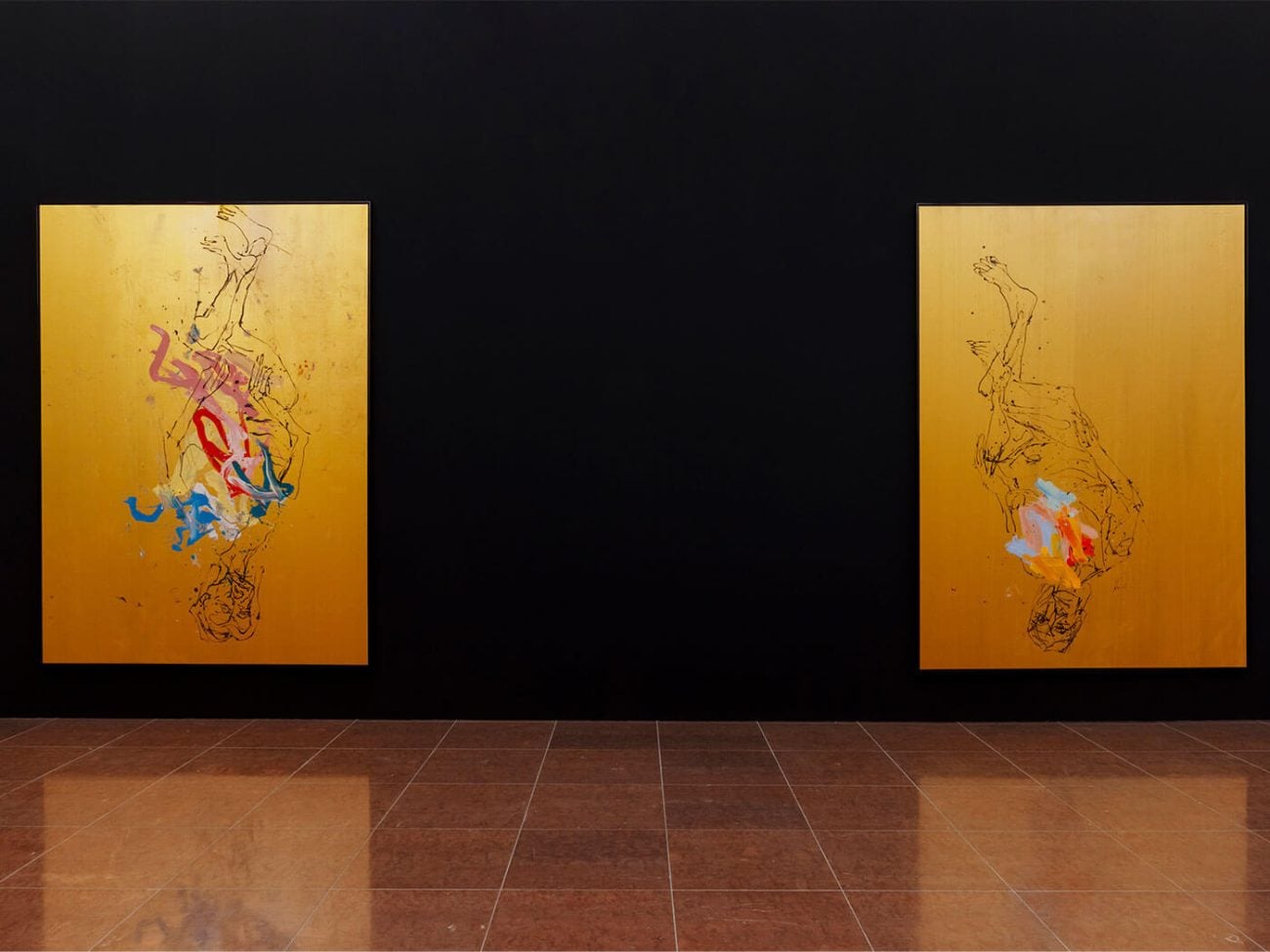
The Fondazione Giorgio Cini on Venice's San Giorgio Maggiore island has opened "Georg Baselitz. Eroi d'Oro," an exhibition of the late German artist's final works, just one week after his death in 2026. The show, presented alongside the Venice Biennale, features monumental self-portraits and portraits of his wife Elke, painted over gold-leaf backgrounds. Created in the last two years of his life, these works represent Baselitz's ultimate creative gesture, synthesizing six decades of experimentation with his signature inverted figures and expressionist color, supported by Galerie Thaddaeus Ropac.
Christie’s Kiran Nadar Exhibition Is the Latest Indicator of the South Asian Art Market’s Growing Importance

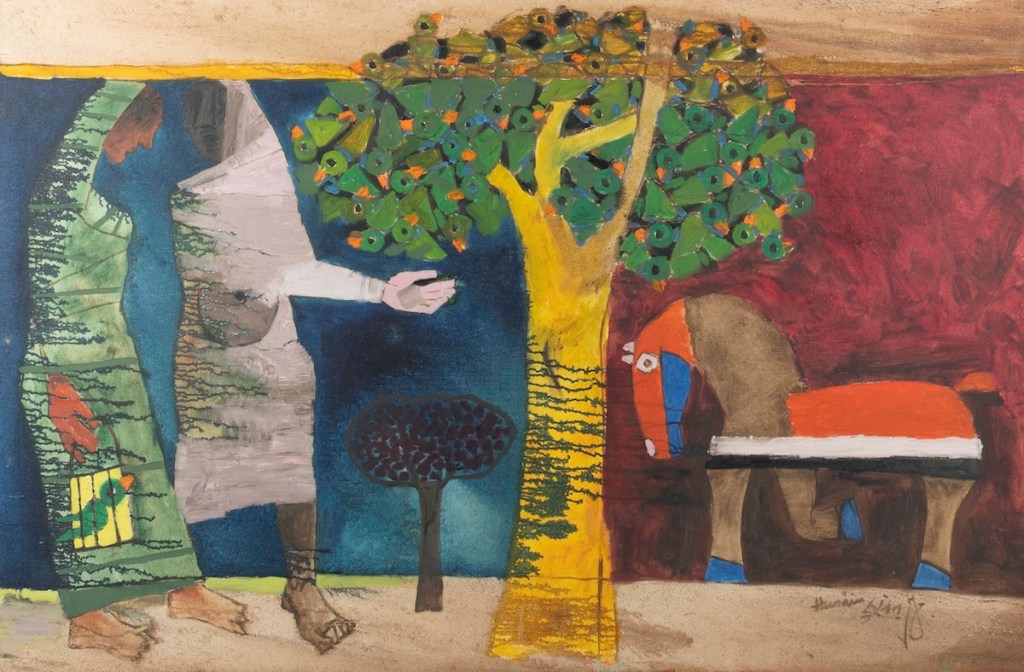
Christie’s London will host “The Meeting Ground,” a non-selling exhibition of works from the Kiran Nadar Museum of Art (KNMA) in New Delhi, from July 16 to August 21, 2025. The show features Indian modernists such as M.F. Husain, S.H. Raza, K.G. Subramanyan, and F.N. Souza, alongside contemporary South Asian artists, Indigenous art practitioners, and diaspora artists. Admission is free. The exhibition follows a series of record-breaking auction sales for South Asian art, including Husain’s *Untitled (Gram Yatra)* (1954) sold at Christie’s New York for $13.8 million in March 2025 and Raja Ravi Varma’s *Yashoda and Krishna* (ca. 1890s) sold at Saffronart for $17.9 million.

8 Standout Shows at the Venice Biennale 2026

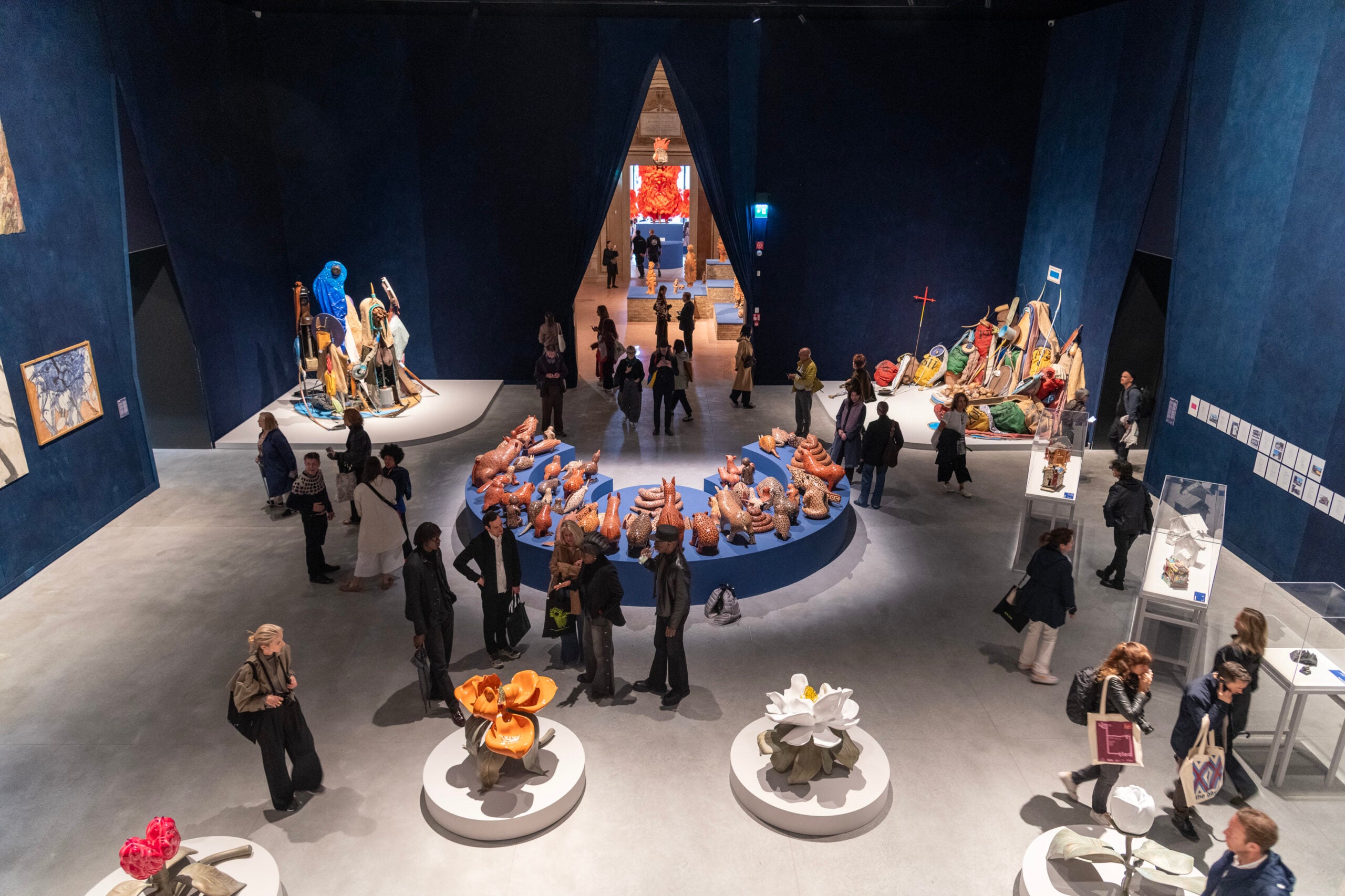
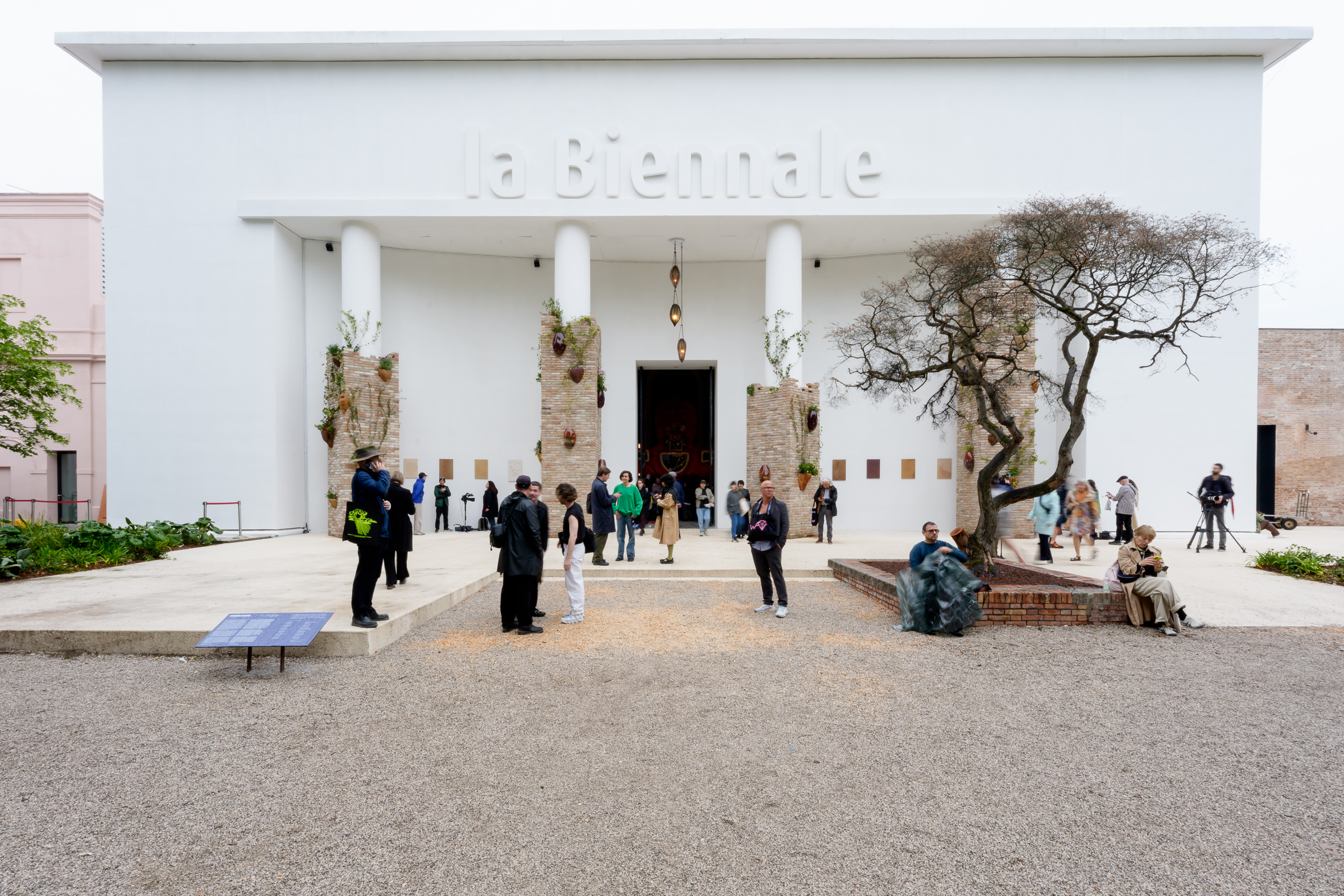
The 61st International Art Exhibition of La Biennale di Venezia, titled "In Minor Keys" and curated by Artistic Director Koyo Kouoh, opened in Venice in 2026, running through November 22 at the Giardini, Arsenale, and various city locations. The main exhibition features 110 invited artists, collaborative duos, collectives, and artist-led organizations, realized by Kouoh's team after her passing in May 2025. Alongside 100 National Participations in historic pavilions, 31 Collateral Events and independent projects are on view. Art & Object highlights eight standout shows, including Lu Yang's immersive digital installation "DOKU The Illusion" at Espace Louis Vuitton, Oriol Vilanova's postcard-based "Los restos" at the Spanish Pavilion, and JR's photographic reinterpretation "Il Gesto" at The Venice Venice Hotel.

Kiev bombardé

The Journal des Arts issue of May 15, 2026, covers multiple art-world stories: the Venice Biennale opening amid controversy, France's final adoption of a law on restitution of colonial-era looted cultural property, the new V&A East museum targeting younger audiences, tensions in Giverny where Monet's legacy does not benefit all, and the structuring of the Nabis art market.

IA et musées

This issue of Le Journal des Arts covers several major art news stories: the opening of the Venice Biennale amid a tense climate, the final adoption of a French law on the restitution of cultural property looted during colonization, the new V&A East museum targeting younger audiences, the uneven economic benefits of Monet's legacy in Giverny, and the structuring of the Nabis art market.

Relaxe pour le coupeur de tête

The latest issue of Le Journal des Arts (n°677, May 15, 2026) covers several major art-world stories: the Venice Biennale opening amid controversy, the final adoption of a French law on the restitution of cultural property looted during colonization, the V&A East museum's strategy to attract younger audiences, the uneven economic impact of Monet's legacy on the town of Giverny, and the structuring of the market for Nabis artists.

1,1 milliard de dollars

The Journal des Arts' issue No. 677, dated May 15, 2026, leads with the opening of the Venice Biennale amid a tense climate. Other top stories include the final adoption of a French law on the restitution of cultural property looted during colonization, the V&A East museum's strategy to attract younger audiences, a report on how Monet's legacy in Giverny does not benefit everyone locally, and an analysis of the structuring market for the Nabis artists.

Record pour Pollock

The Journal des Arts' May 15, 2026 issue (No. 677) covers a range of art-world developments: the Venice Biennale opens amid controversy, a French law on the restitution of cultural property looted during colonization is definitively adopted, the V&A East museum targets younger audiences, the town of Giverny struggles to benefit from Monet's legacy, and the market for Nabis artists is becoming more structured.

Bruno Birmanis and Mareunrol’s on Representing Latvia at the 61st Venice Biennale

Bruno Birmanis and the artist duo Mareunrol’s (Mārite Mastiņa-Pēterkopa and Rolands Pēterkops) will represent Latvia at the 61st Venice Biennale in 2026, with their pavilion located in the Arsenale. Their project draws on memories of Latvia in the 1990s, particularly the avant-garde fashion event The Untamed Fashion Assembly (UFA), conceived by Birmanis, which took place two months after Latvia regained independence from the Soviet Union. The installation is not a nostalgic archive but a space of dialogue and reflection, using the visual codes of a fashion show backstage to explore themes of memory, freedom, and utopian intentions.

The Short Circuit of Art in Venice. The Tensions at the Biennale Are Not Just Geopolitics

Il cortocircuito dell’arte a Venezia. Le tensioni alla Biennale non sono solo geopolitica

The article analyzes the recent tensions and controversies surrounding the 2026 Venice Biennale, which began with President Pietrangelo Buttafuoco's announcement in March that Russia, Iran, Israel, Ukraine, and Belarus would all be allowed to participate, framing it as a foreign policy gesture. This sparked immediate polarization, leading to two open letters from half the invited artists and curators demanding the exclusion of Russia, Israel, and the United States; the resignation of the jury a week before the opening over a decision to exclude countries under ICC indictment; and a historic strike by workers on May 8 that shut down many pavilions, merging protests against genocide with those against precarious labor conditions.

Review of the Italian Pavilion by Chiara Camoni and its relationship with the Biennale

La recensione del Padiglione Italia di Chiara Camoni e la sua relazione con la Biennale

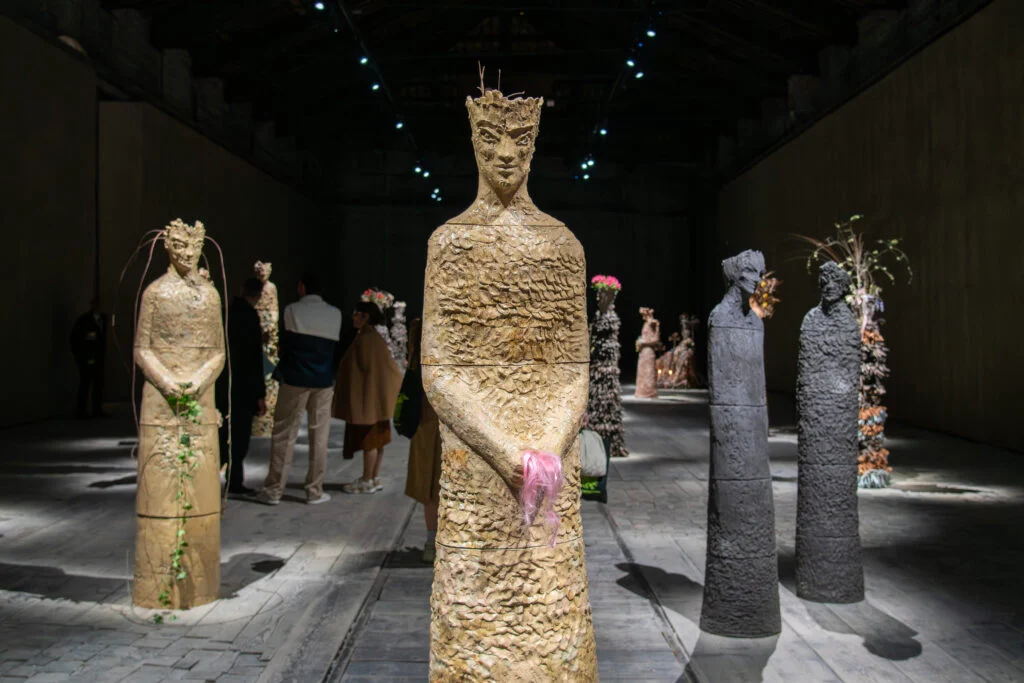
Chiara Camoni's Italian Pavilion at the 2026 Venice Biennale, titled "Con te con tutto," is reviewed in relation to Koyo Kouoh's central exhibition "In Minor Keys." Camoni's installation features a crowd of female figures sculpted in clay and natural materials, described as "donne tronco" (trunk women), which evoke growth, transformation, and the intuitive, manual gestures that Kouoh champions. The review highlights how Camoni's work dialogues with Kouoh's curatorial emphasis on drawing, painting, and craft as intuitive practices, moving away from conceptual art. It also notes a performance by Magdalena Campos Pons at the Tese theatre, which includes a portrait of Toni Morrison and Kouoh, accompanied by music by Kamal Malak.

Interview with Wallace Chan, the artist who created a bridge between Venice and Shanghai through water

Intervista a Wallace Chan, l’artista che attraverso l’acqua ha creato un ponte tra Venezia e Shanghai

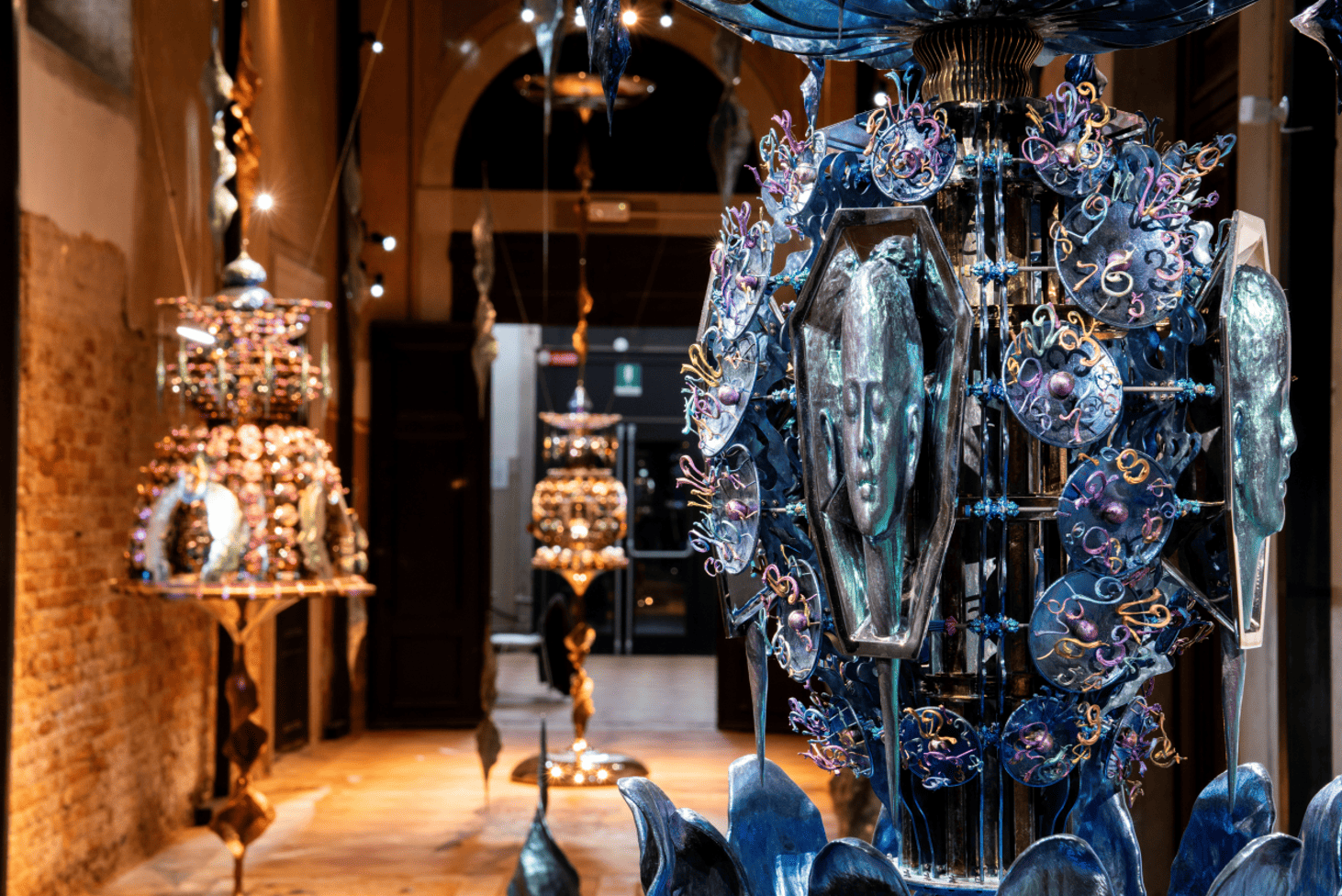
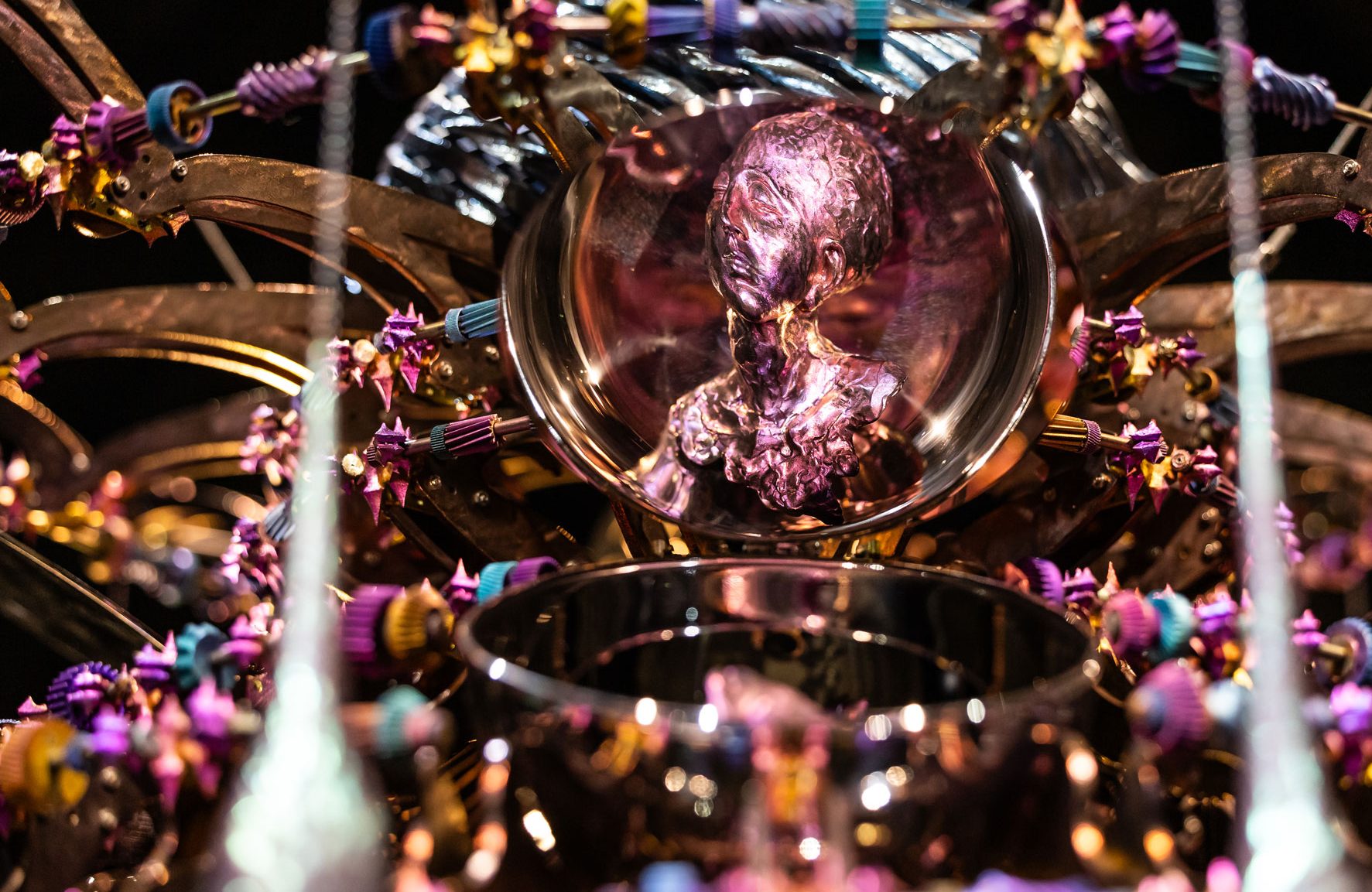
Wallace Chan, the Hong Kong-born artist turning 70, has launched a dual-exhibition project titled "Vessels of Other Worlds" between Venice and Shanghai, curated by James Putnam. In Venice, the show runs concurrently with the Biennale at the Cappella di Santa Maria della Pietà (Vivaldi's church), featuring three titanium sculptures inspired by Catholic holy oils, surrounded by smaller works evoking water droplets. In Shanghai, the same sculptures appear at the Long Museum (West Bund) starting July 18, 2026, on a monumental scale—seven, eight, and ten meters tall—with a kaleidoscopic interior accessible through a door in the central piece. The exhibitions also include sound compositions by Brian Eno and reference Chan's earlier Venice shows (Titans, Totem, Transcendence).

Russian art today is blood. A tough interview with Pussy Riot

“L’arte russa oggi è il sangue”. Una dura intervista alle Pussy Riot

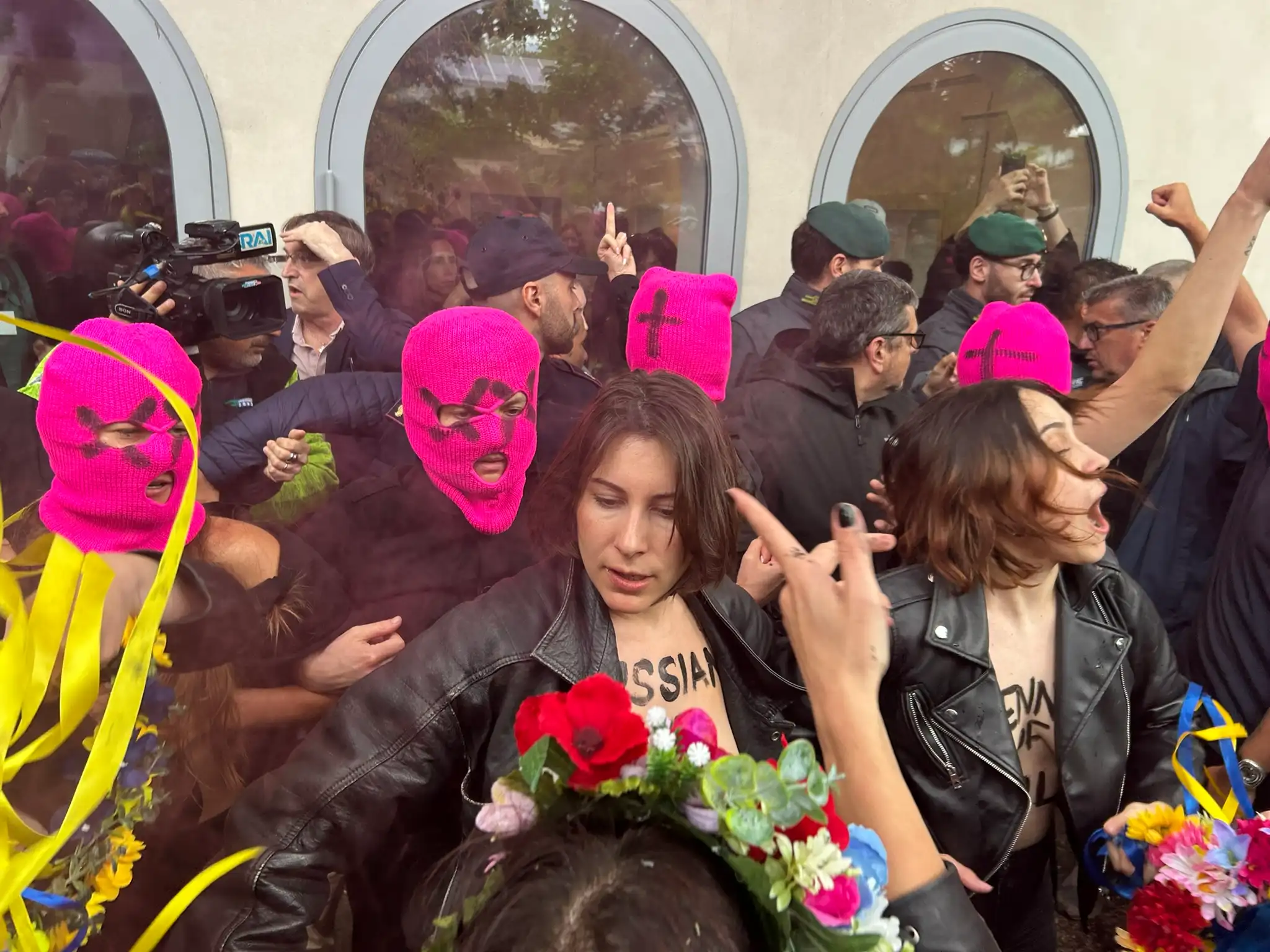
During the preview of the 2026 Venice Biennale, the Russian Pavilion became the site of a protest by Pussy Riot and FEMEN, who staged an action called "STORM OF VENICE." Wearing pink balaclavas and carrying radical slogans, they denounced Russia's presence at the Biennale, accusing the Kremlin and the European cultural system of complicity. The protest centered on the phrase "Blood is Russia's art." In an interview, Pussy Riot member Nadya Tolokonnikova argues that artists who represent the official Russian Pavilion become instruments of the aggressive imperial state, and that the Biennale confuses cultural dialogue with political normalization.

Hong Kong Artists Bring Quiet Reflection to Venice

The 61st Venice Biennale, themed “In Minor Keys” by late curator Koyo Kouoh, emphasizes quiet reflection over spectacle. A collateral exhibition titled “Fermata: Hong Kong in Venice,” curated by the Hong Kong Museum of Art (HKMoA), runs through November 22, 2026, and features two Hong Kong-born artists: Kingsley Ng and Angel Hui. Ng’s installation *Laundry Nocturne* (2026) uses projections and sound to connect the shared laundry-drying traditions of Venice and Hong Kong, while Hui’s *I Would Like to Open a Window for You* (2026) incorporates wrought-iron window frames crafted with local metalsmiths. Both artists explore everyday experiences, memory, and quiet emotions, aligning with the Biennale’s call for a slower, more reflective engagement with art.

Boats and trains, not planes: reflections on a greener—but sometimes greenwashed—Venice Biennale

The article recounts the author's train journey from London to Venice for the 61st Venice Biennale, highlighting the environmental benefits and pleasant experience of traveling by rail versus flying, despite higher costs and longer duration. It then focuses on the Biennale's central exhibition "In Minor Keys" curated by the late Koyo Kouoh, which foregrounds environmental themes through works that engage with earth, nature, and ecological stakes, featuring artists like Otobong Nkanga, Célia Vasquez Yui, Theo Eshetu, Linda Goode Bryant, and Annalee Davis.

Chiara Camoni on Representing Italy at the 61st Venice Biennale

Chiara Camoni, the artist representing Italy at the 61st Venice Biennale, discusses her upcoming pavilion installation titled "Con te con tutto" in an interview with ArtReview. The single installation will fill the entire Italian Pavilion in the Arsenale, combining existing and new works that incorporate ceramic, stone, plant elements, industrial waste, plastics, and found objects. Camoni emphasizes the choral dimension of her practice, involving family, neighbors, friends, schools, and museum groups in the creative process, thereby expanding the concept of authorship. She notes that her project aligns with the Biennale's curatorial theme "In Minor Keys" by Koyo Kouoh, focusing on monumentality defined not by scale but by reiteration and presence.

Biennale Arte 2026: which national pavilions strike us and why

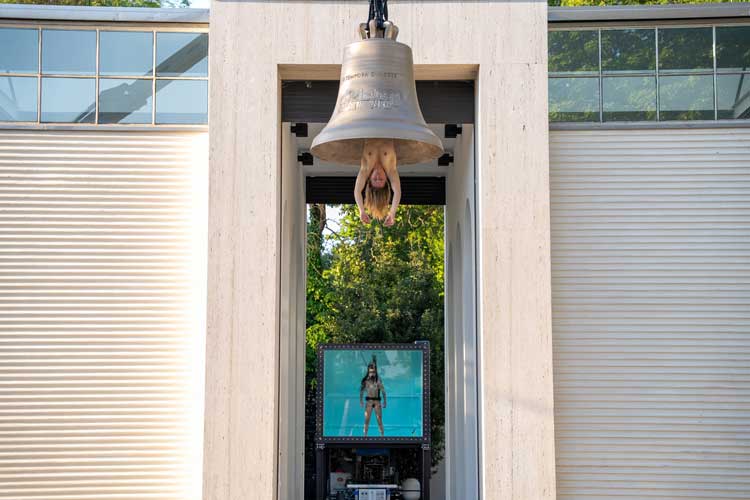
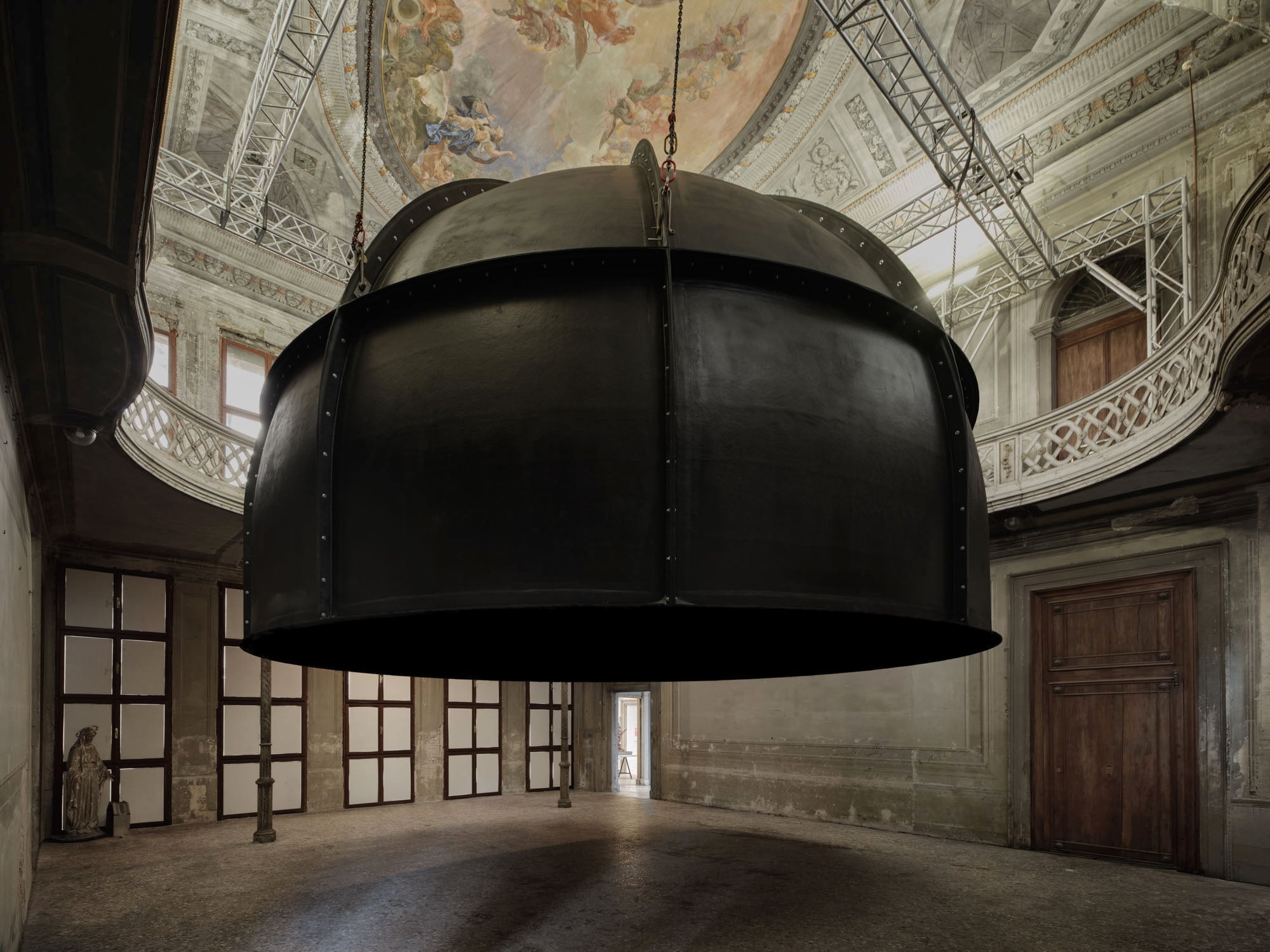
The 61st International Art Exhibition of La Biennale di Venezia, titled "In Minor Keys" and curated by Koyo Kouoh (who passed away in May 2025), opened amid intense controversy over its artist list and geopolitical tensions. Protests erupted against the participation of Israel and Russia, with a petition signed by 22 countries to exclude Russia, threats from the European Commission to suspend funding, and the resignation of the international jury. Around 18 national pavilions staged strikes and partial closures to denounce the normalization of Israel's presence and precarious labor in the art world. The Austria Pavilion's performance by Florentina Holzinger, featuring a girl hanging upside down inside a tilting bell, became a viral symbol refocusing attention on art itself.

Venice Biennale 2026 Roundup

The 61st Venice Biennale, titled "In Minor Keys" and curated by the late Koyo Kouoh, opened in May 2026 amid significant turmoil. The Austrian Pavilion features Florentina Holzinger's performance piece "Seaworld Venice," centered on a giant bell that chimes hourly. The biennale has been marked by the death of its curator, the resignation of the international jury over the inclusion of Russia and Israel, protests by Pussy Riot and the Art Not Genocide Alliance, and the cancellation of the South African Pavilion over Gabrielle Goliath's "Elegy," which honors murdered women including a Palestinian poet. The US Pavilion's state-sponsored offerings have also drawn criticism.

In Minor Keys A Cacophony At 61st Venice Biennale – Miranda Carroll

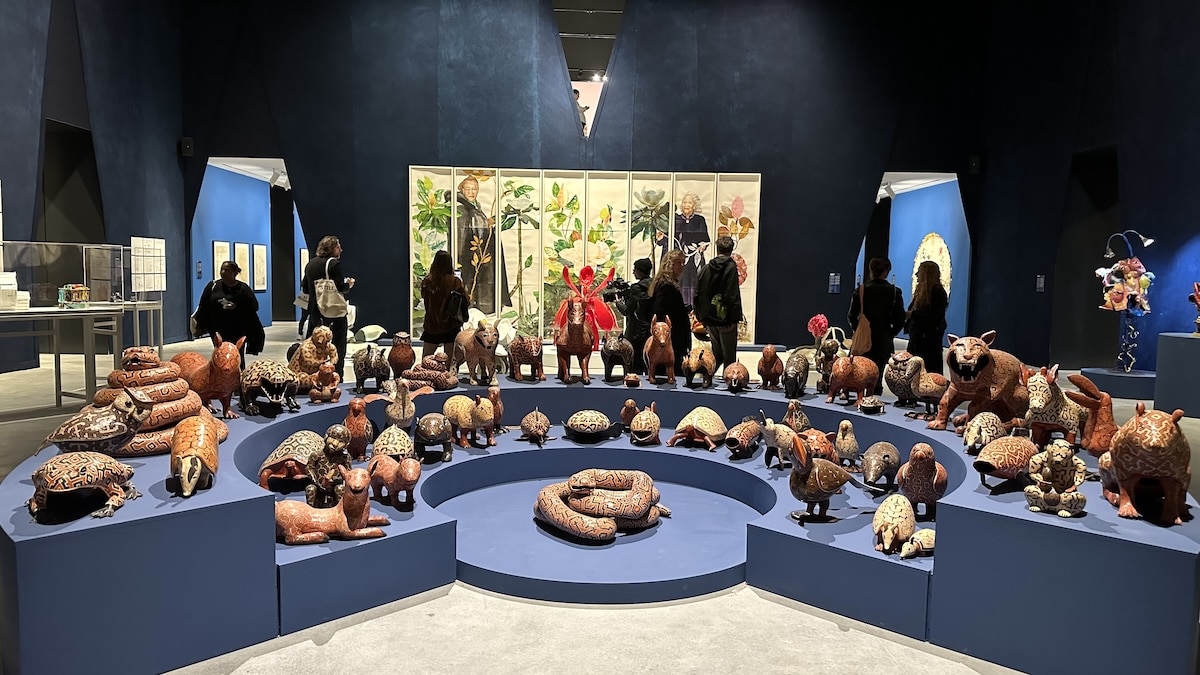
The 61st Venice Biennale, titled 'In Minor Keys,' opened with a central exhibition curated by the late Koyo Kouoh, who died in 2025. The show features 110 artists and collectives, realized by a team of five curators known as 'la squadra di Koyo.' The exhibition spans the Giardini and Arsenale venues, with works including Otobong Nkanga's living facade installation, Theo Eshetu's dying olive tree, and Nick Cave's vibrant sculptures. Poems and quotes by Refaat al-Areer, Etel Adnan, Toni Morrison, and Ben Okri punctuate the spaces, encouraging visitors to pause and reflect.

Wallace Chan in Venice and Shanghai

Wallace Chan will present "Vessels of Other Worlds," a monumental dual-site exhibition across Venice and Shanghai in 2026, coinciding with his 70th birthday and the 61st Venice Biennale. The exhibition premieres on May 8, 2026, at the Chapel of Santa Maria della Pietà in Venice, featuring a new series of titanium sculptures inspired by the three sacred oils of the Catholic Church, with a parallel exhibition opening on July 18, 2026, at the Long Museum (West Bund) in Shanghai, where the sculptures will be displayed at a dramatically larger scale. Curated by James Putnam, the project also includes a complementary site-specific exhibition, "Mythos," at Scala Contarini del Bovolo in Venice from April to October 2026.

Finally, Culture Minister Giuli visited the Italy Pavilion at the 2026 Venice Biennale and made peace with President Buttafuoco

Finalmente il Ministro della Cultura Giuli ha visitato il Padiglione Italia alla Biennale di Venezia 2026 e ha fatto pace con il Presidente Buttafuoco

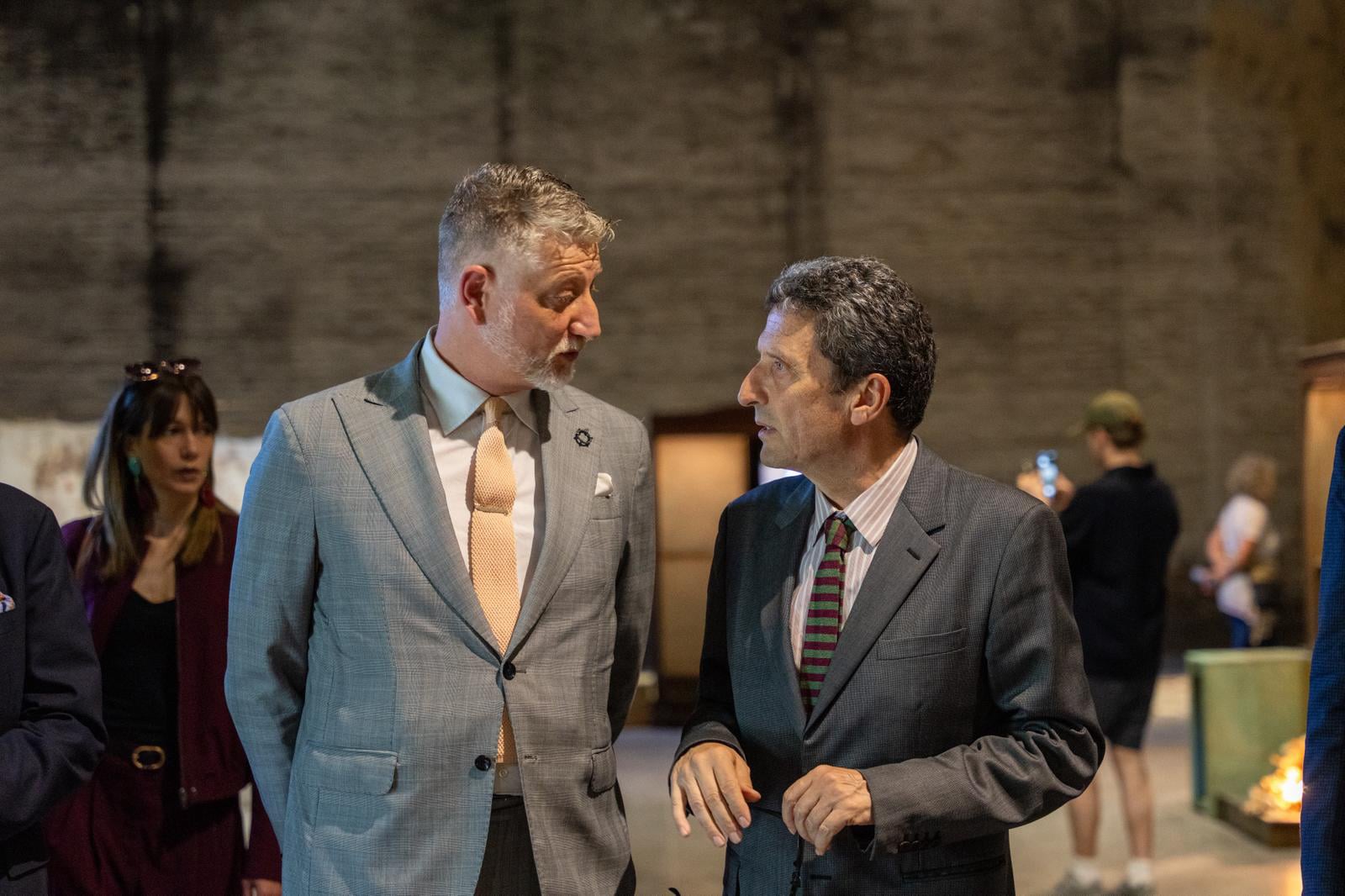
Italian Culture Minister Alessandro Giuli finally visited the Italy Pavilion at the 2026 Venice Biennale alongside Biennale President Pietrangelo Buttafuoco, marking their first public appearance together after earlier tensions led Giuli to skip the opening ceremony. During the visit, Buttafuoco proposed that the work of artist Chiara Camoni, whose exhibition "Con te con tutto" is curated by Cecilia Canziani, should find a permanent home after the Biennale ends, sparking discussion about the future of pavilion artworks.

US SCULPTURES AMID CONTROVERSY AT THE VENICE BIENNALE

The United States Pavilion at the 61st Venice Biennale features sculptor Alma Allen's exhibition "Call Me the Breeze," which opened with no clear funding just ten days prior. Unlike previous pavilions supported by major foundations like Ford and Mellon, Allen's show relies on a $375,000 US government contribution and public donations via the American Arts Conservancy. The selection process was unconventional: the State Department, which took over after Trump's NEA budget cuts, imposed restrictions on DEI policies and required proposals promoting "American exceptionalism." Curator Jeffrey Uslip directly approached Allen without a formal proposal, leading the artist's two galleries—Olney Gleason and Mendes Wood DM—to drop him when he accepted the commission.

Open Letter in Support of the Artist Asel Kadyrkhanova

An open letter initiated by members of the Kazakhstani and international art community protests the removal of artist Asel Kadyrkhanova's work *Machine* (2013) from the Kazakhstan pavilion at the 2026 Venice Biennale. The mixed-media installation, which addresses Stalinist repression through a vintage typewriter, arrest warrants, and red threads, was dismantled on May 5, 2026, reportedly by order of Kazakhstan's Ministry of Culture and Information, just before the pavilion's opening. The artist and curator were allegedly pressured to alter the work beforehand, and the ministry initially cited restrictions from the Italian side, but the Italian Ministry of Defense denied involvement.

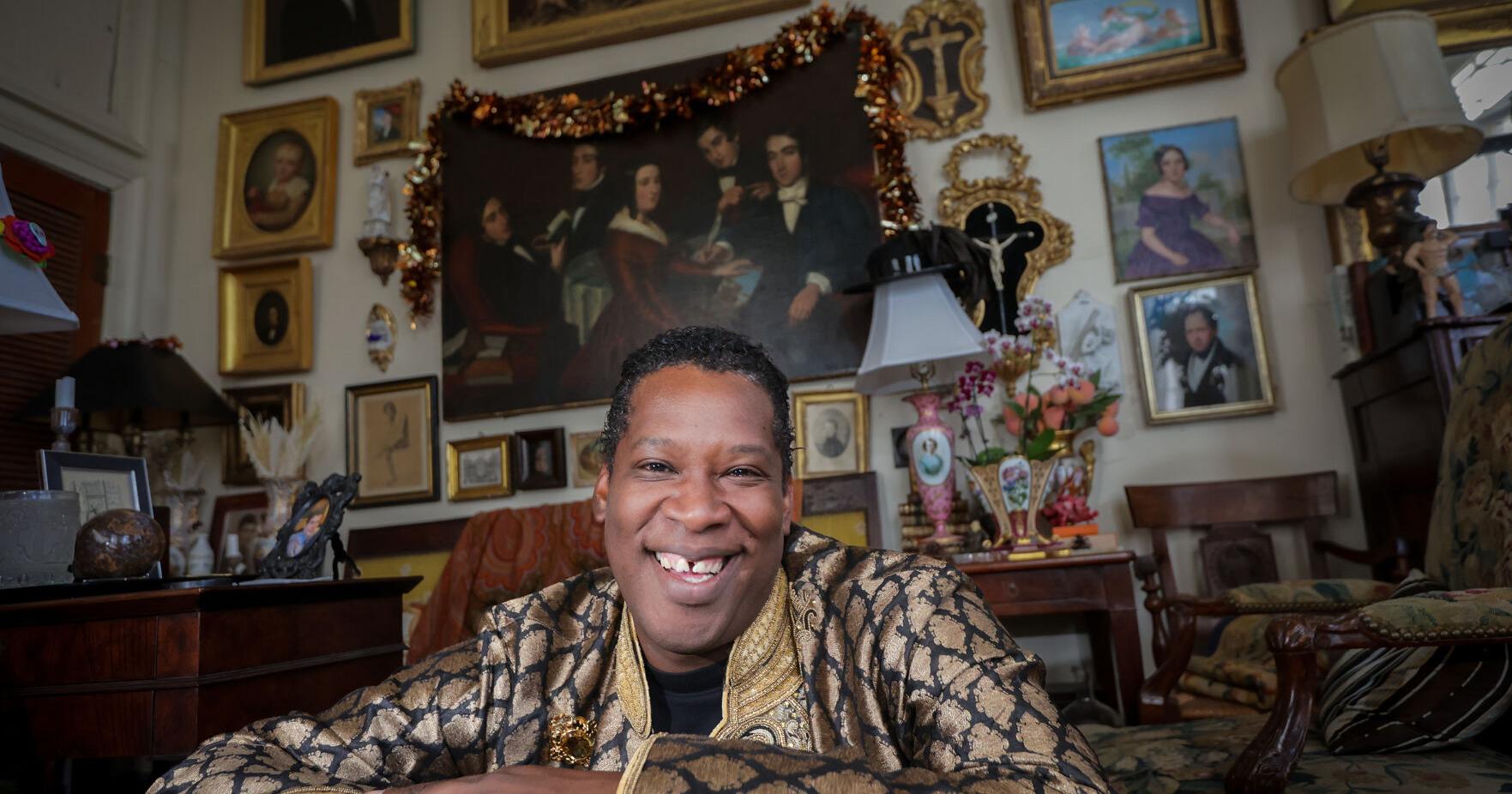
New Orleans artist Andrew Lamar Hopkins channels folk art legend Clementine Hunter in new exhibit

The article profiles New Orleans artist Andrew Lamar Hopkins and his new exhibition "Her Way, His Way" at the Orleans Gallery on Julia Street. The show pairs Hopkins' contemporary folk-inspired works with paintings by the late, legendary Louisiana folk artist Clementine Hunter, who died in 1988. Hopkins, now 48, draws directly from Hunter's subjects—such as wildflower bouquets and pecan harvesting scenes—creating a dialogue between two artists who never met. The piece also traces Hopkins' career trajectory from a self-taught history nerd in Mobile, Alabama, to a rising star with works displayed in Venice during the Venice Biennale.

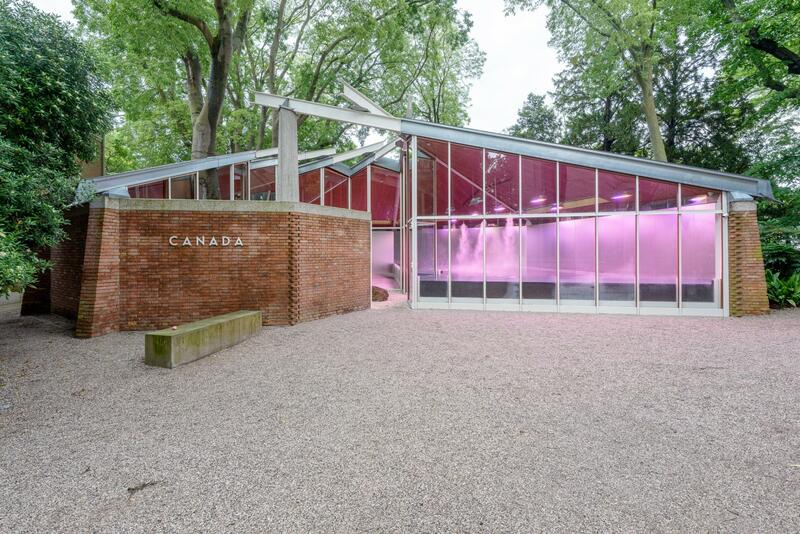
BETWEEN DOG AND WOLF CANADA BRINGS TWILIGHT TO THE VENICE BIENNALE

Abbas Akhavan, born in Tehran in 1977, represents Canada at the 61st Venice Biennale with an exhibition titled "Entre chien et loup" (Between Dog and Wolf). Commissioned by the National Gallery of Canada and curated by Kim Nguyen, the installation transforms the Canada Pavilion into a monumental Wardian case—a 19th-century plant transport device—converted into a greenhouse for Victoria water lilies. The lilies, native to South America and germinated at the Orto Botanico di Padova from seeds provided by the Royal Botanic Gardens, Kew, reference their prominent display in the Crystal Palace during the 1851 Great Exhibition. The exhibition runs until November 22, 2026.

ENTRE PERRO Y LOBO CANADA LLEVA EL CREPUSCULO A LA BIENAL DE VENECIA

Abbas Akhavan, born in Tehran in 1977, will represent Canada at the 61st Venice Biennale in 2026 with an exhibition titled "Entre chien et loup" (Between Dog and Wolf). Commissioned by the National Gallery of Canada and curated by Kim Nguyen, the Canada Pavilion is transformed into a monumental Wardian case—a 19th-century plant transport device—serving as a greenhouse for Victoria water lilies. The seeds were germinated at the Orto Botanico di Padova in collaboration with the Royal Botanic Gardens, Kew, and the installation will be on view until November 22, 2026.

Sculpture as a Form of Architecture: Happening at the Foundation of Super Artist Anish Kapoor in Venice

La scultura come forma di architettura. Succede alla Fondazione del super artista Anish Kapoor a Venezia

Anish Kapoor has opened a major solo exhibition at Palazzo Manfrin in Venice, a 16th-century building he purchased in 2018, now home to his foundation. The show, running until August 8 during the 61st Venice Biennale, spans over fifty years of his practice, featuring models, studies, and installations that blur the line between sculpture and architecture. Works include the Monte Sant'Angelo metro station in Naples, the ArcelorMittal Orbit tower for the 2012 London Olympics, the inflatable concert hall Ark Nova, and the environmental installation Temenos. The palazzo itself remains under restoration, with exposed construction elements and workspaces visible, reinforcing the exhibition's theme of continuous transformation.

Performance Cuts Through the Noise at the Venice Biennale

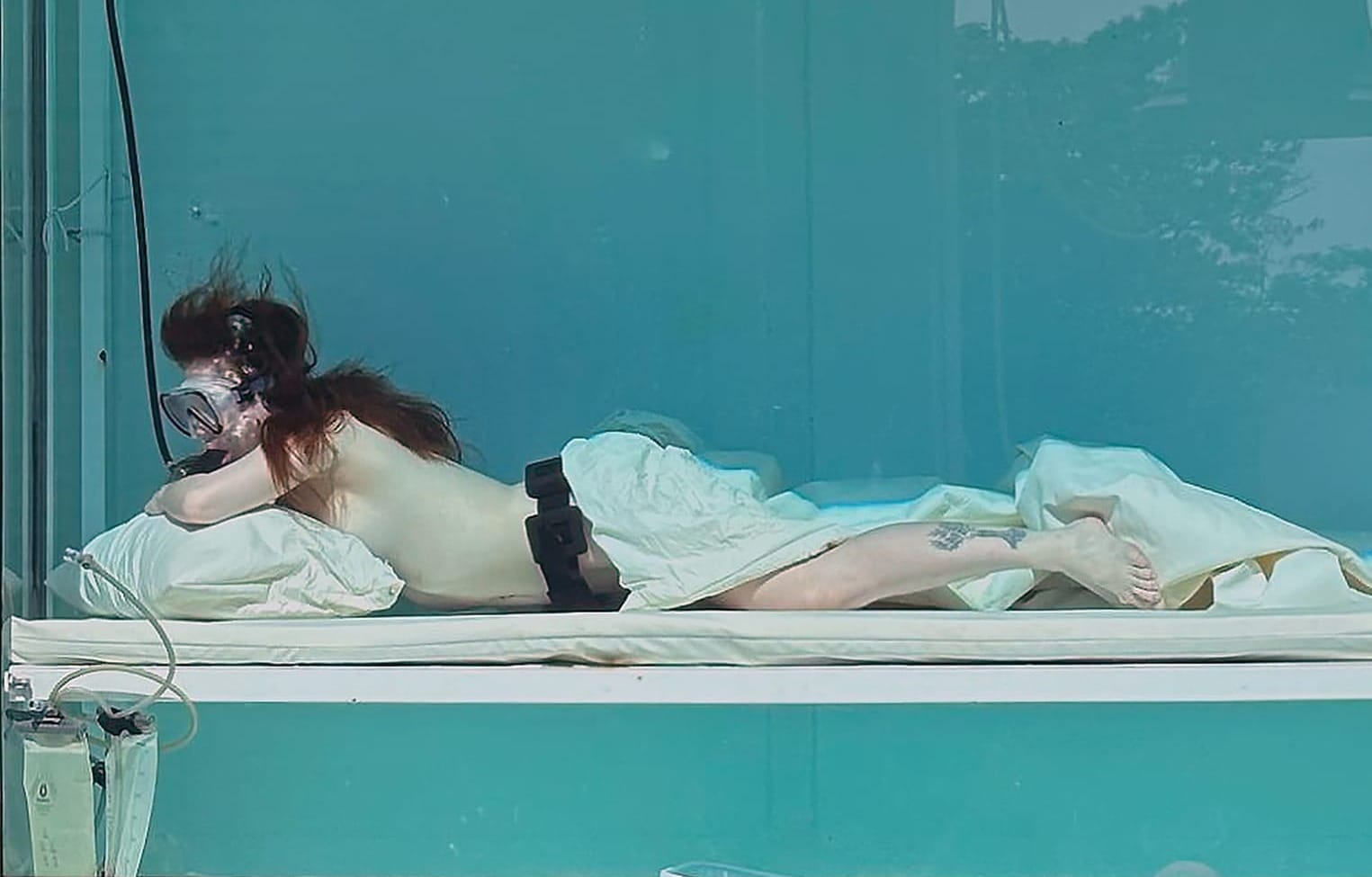
Florentina Holzinger and Miet Warlop have transformed the Austrian and Belgian pavilions at the 2026 Venice Biennale into immersive, performance-driven spectacles. Holzinger's "SEA WORLD VENICE" floods the Austrian pavilion with water and urine, featuring jet-skiing, suspended performers, and participatory toilets, while Warlop's "IT NEVER SSST" turns the Belgian pavilion into a chaotic arena of tile-throwing, chanting, and dancing. Both works demand sustained attention amid a fraught Biennale marked by the death of artistic director Koyo Kouoh, canceled pavilions, boycotts, and a jury resignation.

Endre Koronczi on Representing Hungary at the 61st Venice Biennale

Endre Koronczi, the artist representing Hungary at the 61st Venice Biennale (2026), discusses his upcoming exhibition in the Giardini pavilion. His project, titled "Pneuma Cosmic," explores the movement of air as both a physical and metaphysical phenomenon, drawing on decades of research into invisible forces like wind and breath. The exhibition also references his long-term experimental zone, Ploubuter Park, inspired by drifting plastic bags. Koronczi notes a strong resonance with the Biennale's curatorial theme, "In Minor Keys" by Koyo Kouoh, describing it as a "cosmic zeitgeist."

À la Biennale de Venise, le pavillon de l’Ouzbékistan fait revivre la mer d’Aral

The Uzbekistan Pavilion at the 61st Venice Biennale, curated around the figure of author Allayar Darmenov, brings together artists including Vyacheslav Akhunov, Zi Kakhramonova, A. A. Murakami, Zulfiya Spowart, and Nguyen Phuong Linh to explore the ecological disaster of the Aral Sea. Once the world's fourth-largest lake, it was drained by Soviet irrigation projects for cotton farming; the pavilion's installations—such as Kakhramonova's participatory salt-fish molding piece and Spowart's cradle-like sculpture—imaginatively revive the vanished sea and its endemic species.