

filter_list Showing 3 results for "viktor orbán" close Clear
dashboard All 3 article policy 2article news 1
date_range Range Today This Week This Month All
Subscribe

"We are among those in the crowd who are overjoyed"

"Wir gehören zu denjenigen in der Menge, die überglücklich sind"

The Hungarian art scene is celebrating a major political shift following Péter Magyar’s electoral victory over Viktor Orbán, ending 16 years of restrictive cultural policies. Local figures, including gallerist Margit Valkó and artist János Sugár, express immense relief and hope for a future defined by institutional autonomy and international engagement after years of state-led hostility toward contemporary art.
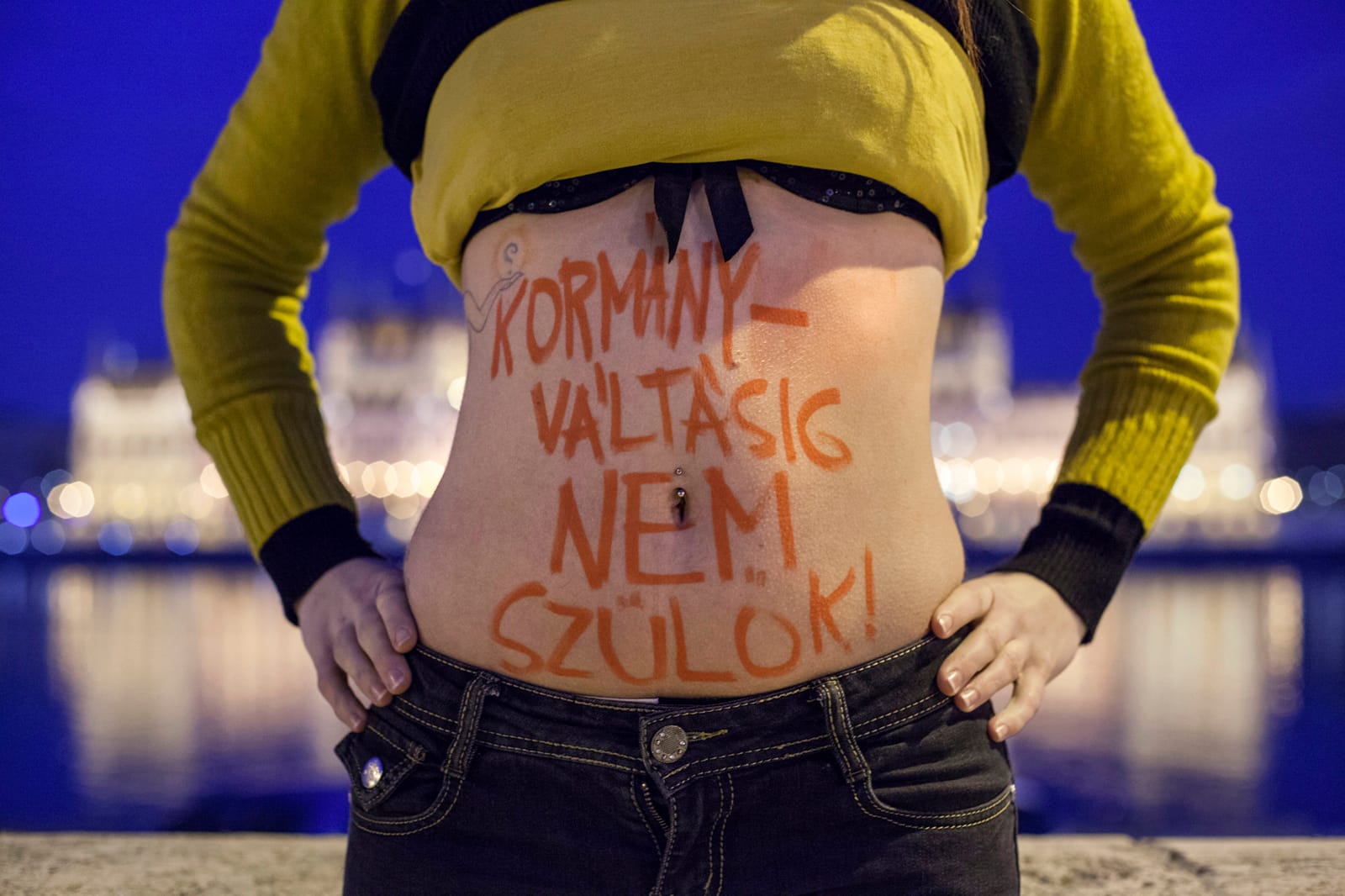
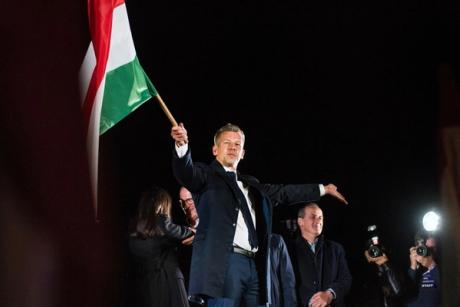
Dismantling Orbán's 16-Year Grip on Hungary's Art World

Following the recent electoral defeat of Viktor Orbán’s Fidesz-KDNP coalition by the opposition party Tisza, the Hungarian art world faces a monumental task of institutional restoration. For 16 years, the regime’s 'System of National Cooperation' (NER) systematically co-opted cultural institutions, installing loyalists in leadership roles at major venues like the Kunsthalle and Ludwig Museum to promote an ethno-nationalist agenda. This period was marked by the exodus of independent curators, the occupation of museums by activists, and a fractured ecosystem where state funding was tied to political compliance.

‘The extremely happy part of the crowd’: Hungarian arts figures hope for change after 16 years of Orbán rule

The 16-year tenure of Viktor Orbán has come to an end following a landslide victory for Péter Magyar’s Tisza Party in the 2026 Hungarian parliamentary election. The shift in power has sparked widespread celebration among Hungary’s progressive art community, which has long felt stifled by Orbán’s nationalist and socially conservative agenda. Figures from major Budapest galleries and the contemporary art scene report a profound sense of relief, signaling a potential departure from the "illiberal democracy" that dominated the country for nearly two decades.