arrow_back Back to all stories

person Alejandra Villasmil

newspaper Artishock Revista article 10 articles

JUAN CANELA: “LOS MUSEOS DEBEN POSICIONARSE INEQUÍVOCAMENTE A TRAVÉS DE SUS PROGRAMAS”

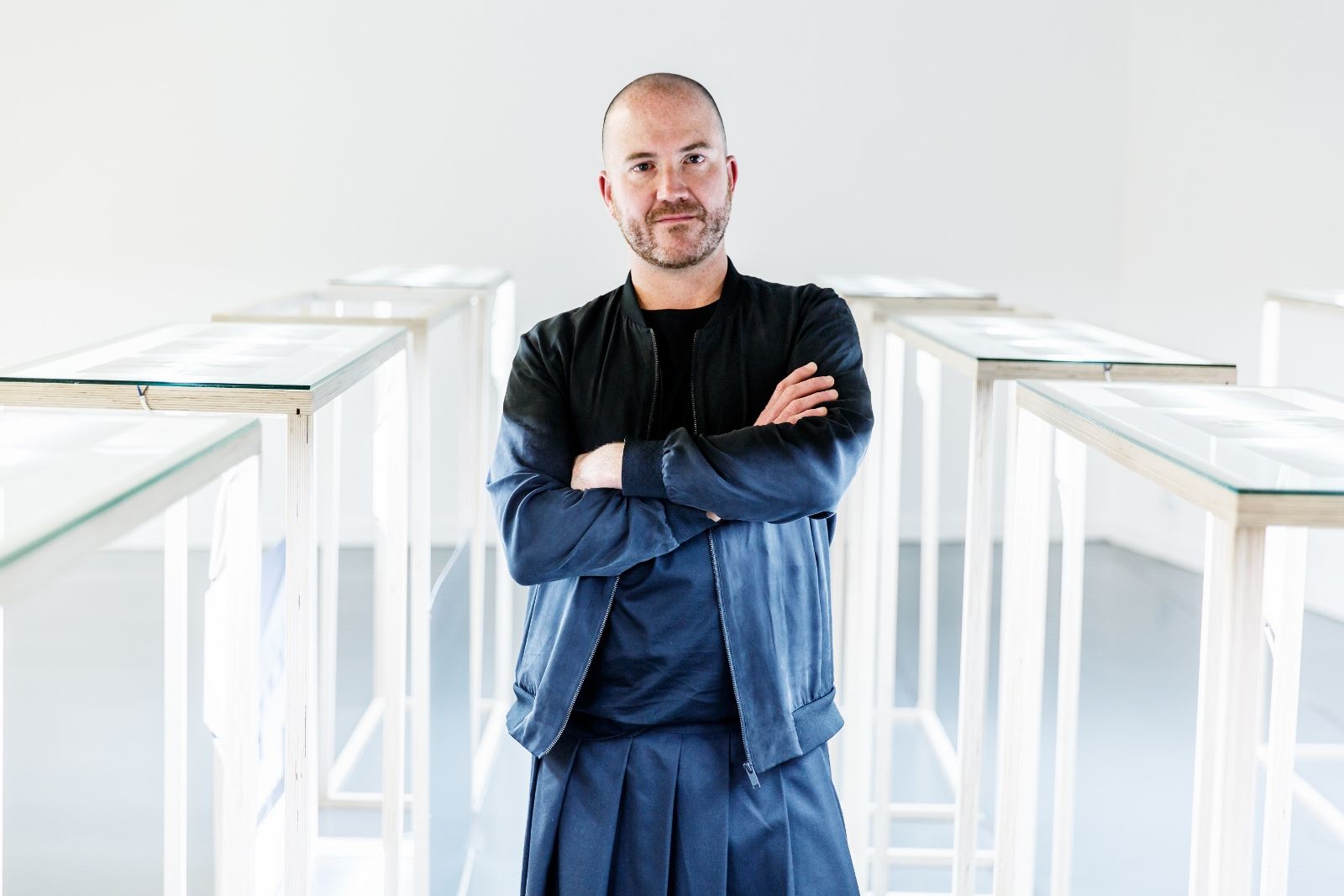
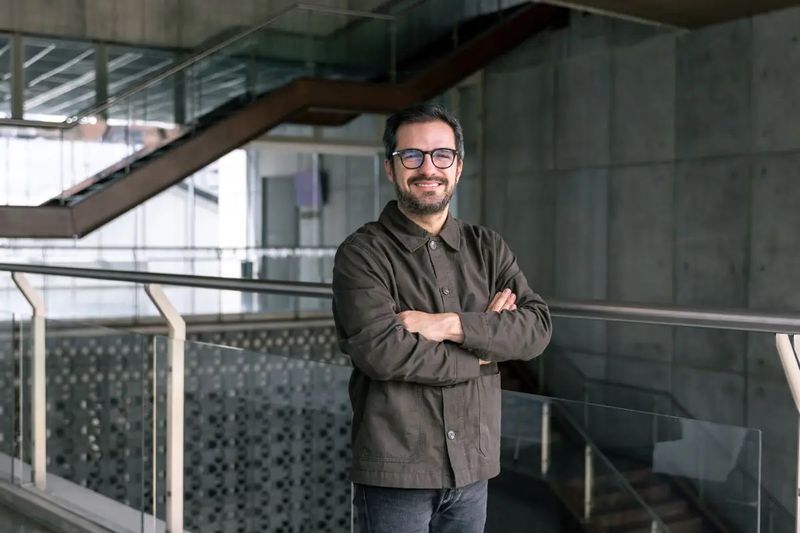
In an interview for Artishock Revista's series on museum directors in Latin America, Juan Canela, chief curator of the Museo de Arte Contemporáneo de Panamá (MAC Panamá), discusses the urgent need for museums to take clear political and ethical stances through their programming. He argues that in a time of fascist resurgence, war, genocide, and the collapse of Western extractivist and colonial systems, museums must become spaces of resistance, critical thought, and collective imagination. Canela emphasizes that museums should not rely solely on social media statements but must embed their positions in exhibitions and activities that denounce injustice, defend human rights, and foster affective refuge.
RAFAEL TAMAYO: “TODO EL SECTOR DE LOS MUSEOS EN COLOMBIA DEBE REPENSARSE”

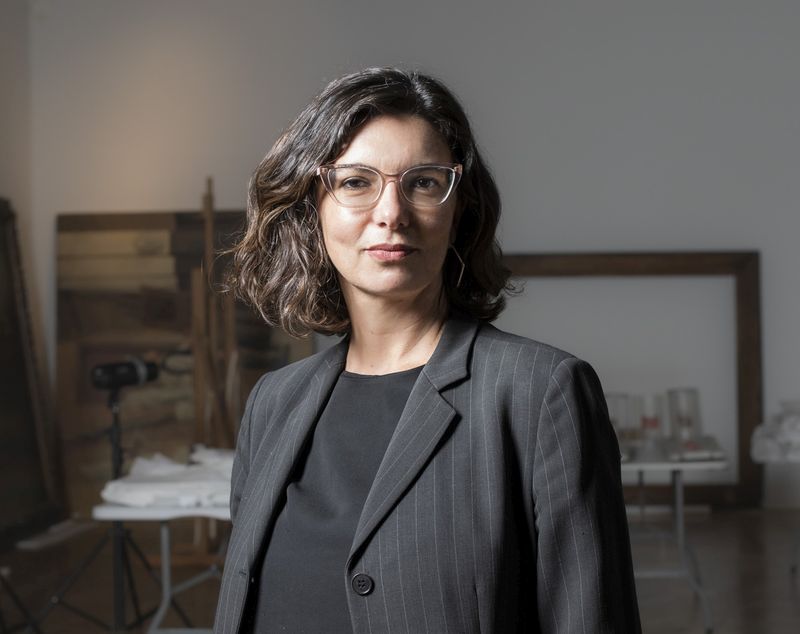
Rafael Tamayo Franco, director of the Museo de Arte Moderno de Medellín (MAMM), argues in an interview that the entire museum sector in Colombia must rethink itself. He discusses the opportunities and risks of museums engaging with social crises, emphasizing the need for museums to be critical spaces that complexify and confront tensions through art, while avoiding both sanitized debate and the violation of visitors. Tamayo also highlights structural challenges facing Latin American museums, including budget constraints and bureaucratic hurdles, but praises the region's professionals for their resourcefulness and resilience.

VARINIA BRODSKY ZIMMERMANN: “ENTIENDO AL MUSEO COMO UN CAMPO DE REVERBERACIÓN”

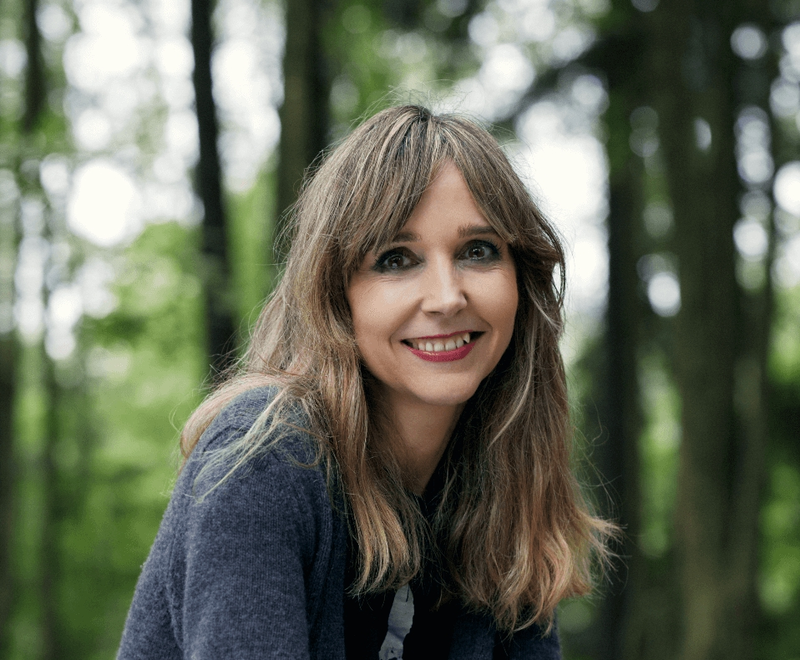
Varinia Brodsky Zimmermann, director of the Museo Nacional de Bellas Artes de Chile, is interviewed as part of a series on contemporary museums in Latin America. She describes the museum as a "field of reverberation" that amplifies social, cultural, and political questions without reacting mechanically to demands. The conversation covers structural challenges facing public museums in Chile, including budget precarity and suspended exhibition projects, and Brodsky advocates for more permeable, horizontal, and sustainable institutions that maintain critical depth while engaging diverse communities.

MANUEL SEGADE: “PRESERVAR LA COMPLEJIDAD DEL MUNDO ES UNA DE LAS TAREAS FUNDAMENTALES DEL MUSEO”

Manuel Segade, director of the Museo Nacional Centro de Arte Reina Sofía, is interviewed as part of a series for International Museum Day. He discusses the museum's role as a space historically tied to critique, conflict, and negotiation with tradition, emphasizing the need to preserve the world's complexity. Segade advocates for institutions that can speak on multiple levels, from introductory lectures to para-academic research, and stresses transforming internal structures toward more horizontal and interdependent models.

SOL HENARO: “BAJAR LA VELOCIDAD ES POLÍTICO Y, AUNQUE CUESTA MUCHO, HAY QUE SEGUIR INTENTÁNDOLO”

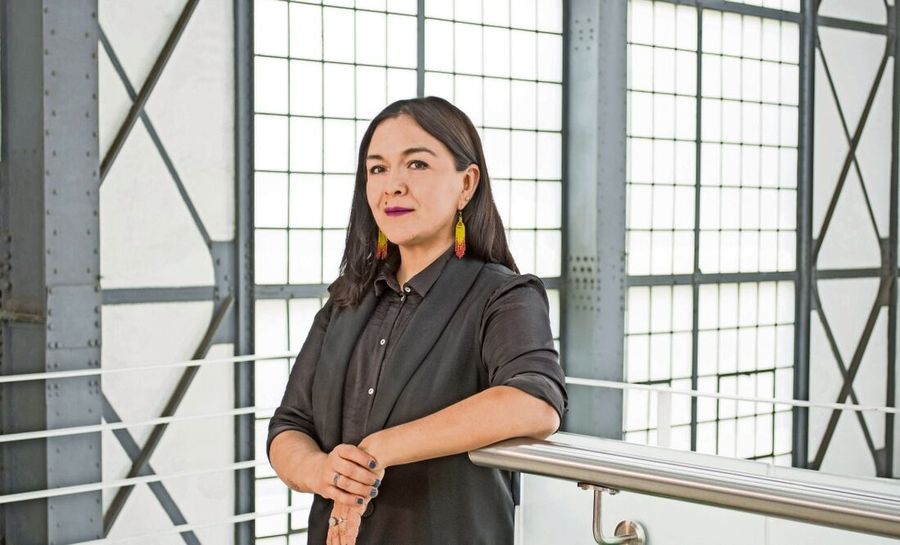
Sol Henaro, director of the Museo Universitario del Chopo in Mexico City, argues in an interview for Artishock Revista that museums must resist neoliberal pressures to accelerate production, spectacularize content, and convert cultural experience into immediate consumption. She advocates for the museum as a space of plurality, deceleration, and critical thought, emphasizing the need for horizontal, careful practices that allow for dissent and coexistence. The interview is part of a series on International Museum Day featuring directors from Latin American and Ibero-American institutions.

BLANCA DE LA TORRE Y EL “MUSEO ANFIBIO”: “A MÍ ME INTERESA EL PÚBLICO, NO NECESARIAMENTE LAS MASAS”

Blanca de la Torre, director of the Institut Valencià d’Art Modern (IVAM), discusses her concept of the "Museo Anfibio" (Amphibious Museum) in an interview for Artishock Revista's series on Ibero-American museum leaders. She proposes reimagining the museum as a relational institution that mediates between physical and symbolic territories, communities, and ecosystems, structured around two axes: Territories-Earth and Aquatic Environments. The interview is part of a series leading up to International Museum Day, with previous entries including Nicolás Gómez Echeverri of the Banco de la República de Colombia.

NICOLÁS GÓMEZ ECHEVERRI: “LA TRASCENDENCIA DEL MUSEO ES VULNERABLE A LA IMPOSICIÓN DE MODAS POR PARTE DEL ALGORITMO”

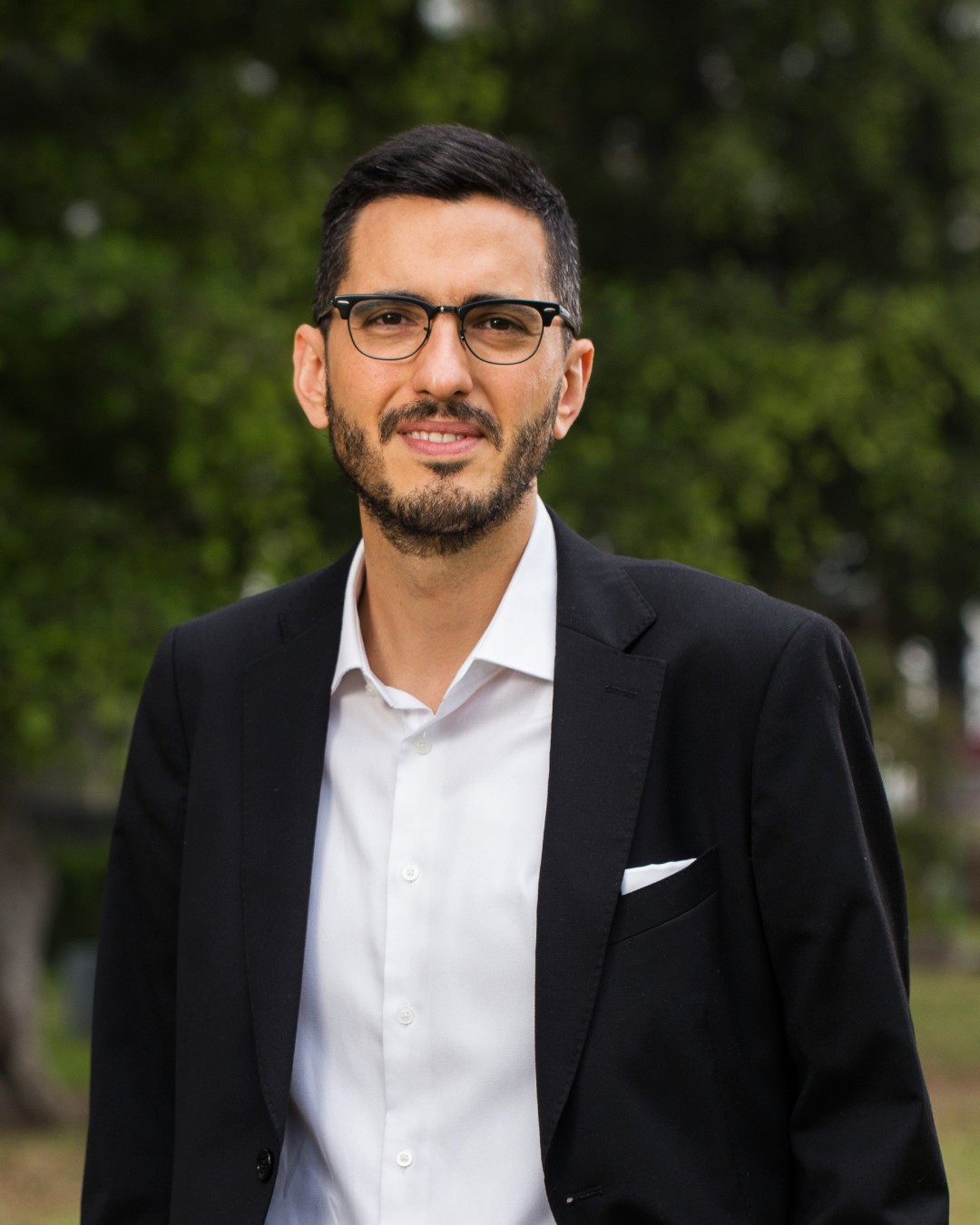
Nicolás Gómez Echeverri, director of the Unidad de Artes y Otras Colecciones at the Banco de la República de Colombia, reflects on the challenges facing museums in Iberoamérica in an interview published for International Museum Day. He oversees institutions including the Museo de Arte Miguel Urrutia (MAMU), the Museo Botero, and the Casa de Moneda. Gómez Echeverri describes the museum as a "radar" that captures decentralized artistic practices and integrates them into collective narratives, while emphasizing the need for mediation, public debate, and long-term cultural projects amid economic constraints and the pressures of digital immediacy.

LUCRECIA LIONTI: GRAFISMOS DESTERRADOS

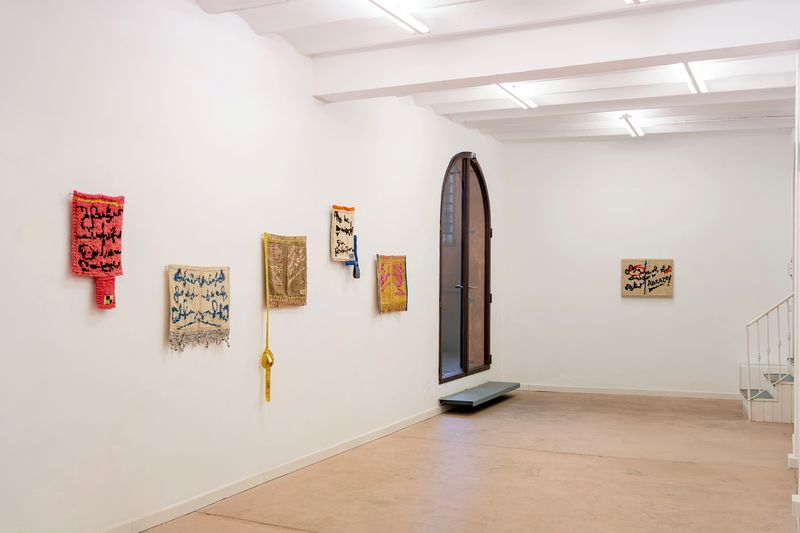
Lucrecia Lionti, an Argentine textile artist from Tucumán, is the subject of a feature examining her solo exhibition "Grafismos desterrados" at Sorondo Projects in Barcelona (2026). The article details how Lionti's practice, spanning over fifteen years, merges modern art with craft, using textiles as a political and affective device. It highlights her involvement since 2018 with the feminist collective La Lola Mora – Trabajadoras de las Artes de Tucumán, and her recent exhibition at MALBA titled "Fabril la mirada." The show presents works where language becomes material—woven, knotted, and frayed—featuring illegible marks that blur writing and drawing, evoking loss and exile.

Form in the Age of Living Materials. Interview with Curator Pablo José Ramírez

LA FORMA EN LA ERA DE LOS MATERIALES VIVOS. ENTREVISTA AL CURADOR PABLO JOSÉ RAMÍREZ

The Hammer Museum in Los Angeles is presenting "Several Eternities in a Day: Form in the Age of Living Materials," an exhibition curated by Pablo José Ramírez running until August 23. Featuring 22 artists from the Americas, the show explores materials such as avocado, cacao, achiote, cochineal, stone, clay, and natural dyes that evolve, degrade, or transform over time. Organized into three acts, the exhibition challenges conventional notions of the art object by treating these materials as living agents with memory and agency, rooted in Indigenous knowledge and the concept of "brownness." In an interview, Ramírez discusses how these materials destabilize extractivist logics and institutional frameworks, forcing a rethinking of conservation protocols and the very conditions of exhibition-making.

QUISQUEYA HENRÍQUEZ: THE CENTER CAN BE EVERYWHERE

QUISQUEYA HENRÍQUEZ: EL CENTRO PUEDE ESTAR EN TODAS PARTES

A major retrospective exhibition titled "El centro puede estar en todas partes" (The Center Can Be Everywhere) for artist Quisqueya Henríquez has opened at the Centro de Arte Complutense in Madrid. Curated by René Morales with Isabella Lenzi and Alfonsina Martínez, the show presents the most comprehensive European review of Henríquez's multidisciplinary work, spanning photography, video, collage, and installation, and is organized thematically rather than chronologically.

OSCAR MURILLO: PAINTING AS A WELL OF ACCUMULATION

ÓSCAR MURILLO: LA PINTURA COMO POZO DE ACUMULACIÓN

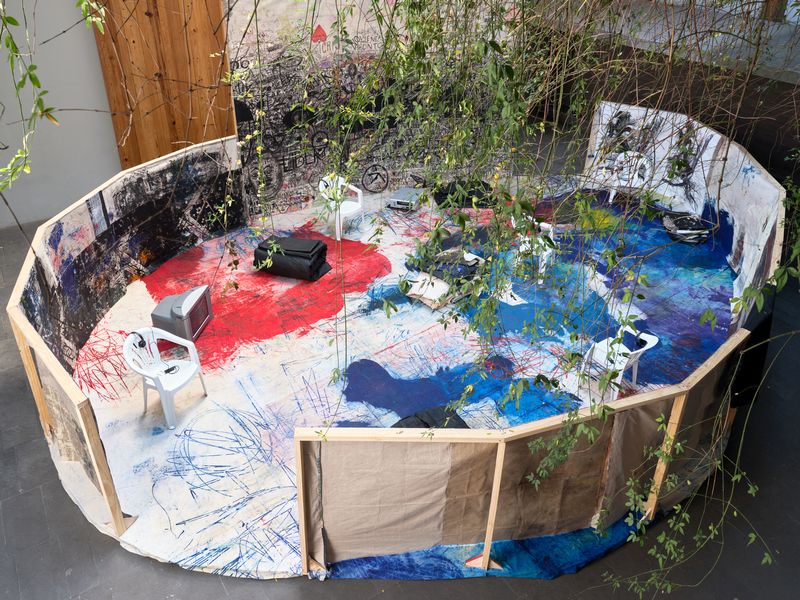
The article profiles Colombian-born artist Oscar Murillo and his expansive, socially-engaged practice. It details his rise to international prominence in the early 2010s with large-scale paintings that incorporate text, textiles, and studio detritus, and highlights his ongoing, collaborative project 'Frequencies,' which involves students from over thirty countries creating works on canvases attached to school desks. The piece also references his major solo exhibitions, including 'El pozo de agua' at kurimanzutto in Mexico City (2026), 'Masas' at WIELS in Brussels (2024), and 'The flooded garden' at Tate Modern (2024).