arrow_back Back to all stories

person Hadani Ditmars

newspaper The Art Newspaper article 3 articles

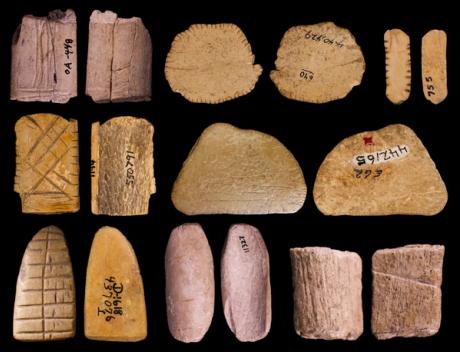
Native Americans created dice more than 12,000 years ago, study finds

Archaeological research from Colorado State University has identified the world's oldest known dice, created by Native American hunter-gatherers on the western Great Plains over 12,000 years ago. These two-sided "binary lots," found at Folsom-period sites in Wyoming, Colorado, and New Mexico, predate the earliest known Old World dice by more than 6,000 years. The study reclassifies artifacts previously overlooked or misidentified, highlighting that these objects were the only decorated, non-utilitarian items found at these late-Pleistocene sites.

Canada returns 11 artefacts to Turkey in the first repatriation between the countries

Canada has returned 11 Ottoman-era artefacts to Turkey, marking the first official repatriation of cultural property between the two nations. The items, which include manuscript pages and calligraphy works from the 17th to 19th centuries, were handed over in a ceremony at the Canadian Conservation Institute in Ottawa following a federal court ruling.

Canadian foundation with ties to Israel’s biggest real-estate company ceases funding for Toronto Arts Foundation following protests

The Azrieli Foundation, a major Canadian philanthropic organization with ties to Israel's largest real-estate company, has ended its funding agreement with the Toronto Arts Foundation. The decision follows a sustained two-year protest campaign by the group Artists Against Artwashing, which included disruptions at a major Toronto arts event and an open letter signed by over 450 artists and cultural workers.

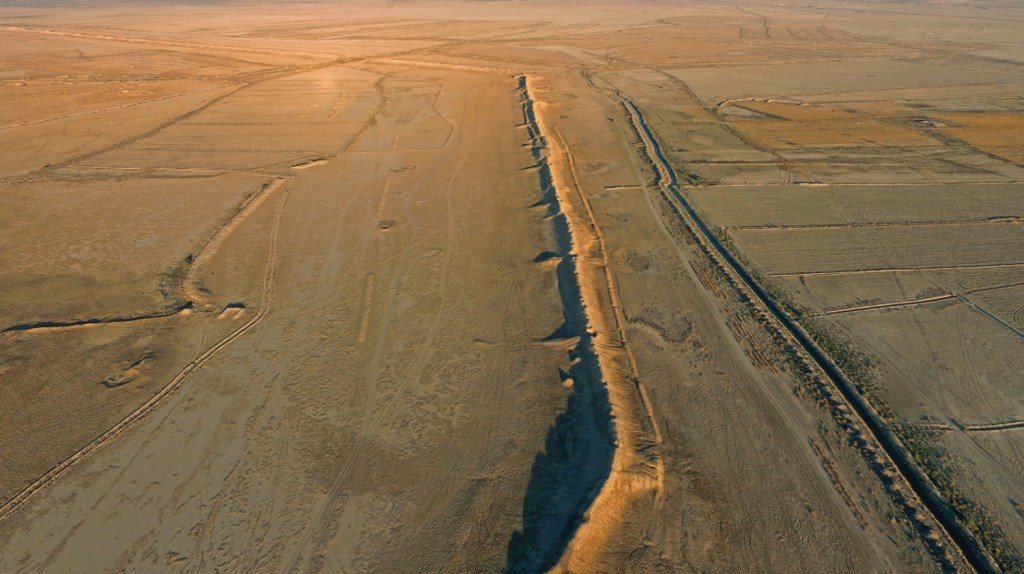
Researchers Confirm Location of Lost City of Alexandria on the Tigris

An international research team has confirmed the rediscovery of the lost city of Alexandria on the Tigris in Iraq. Founded by Alexander the Great, the city was a major trading hub until the 3rd century CE. Its location was identified through a combination of historical research, aerial photography, and recent non-invasive surveys using drones and magnetometry, which revealed the city's planned layout under difficult security conditions.