arrow_back Back to all stories

person Suzette Bell-Roberts

newspaper ART AFRICA article 38 articles

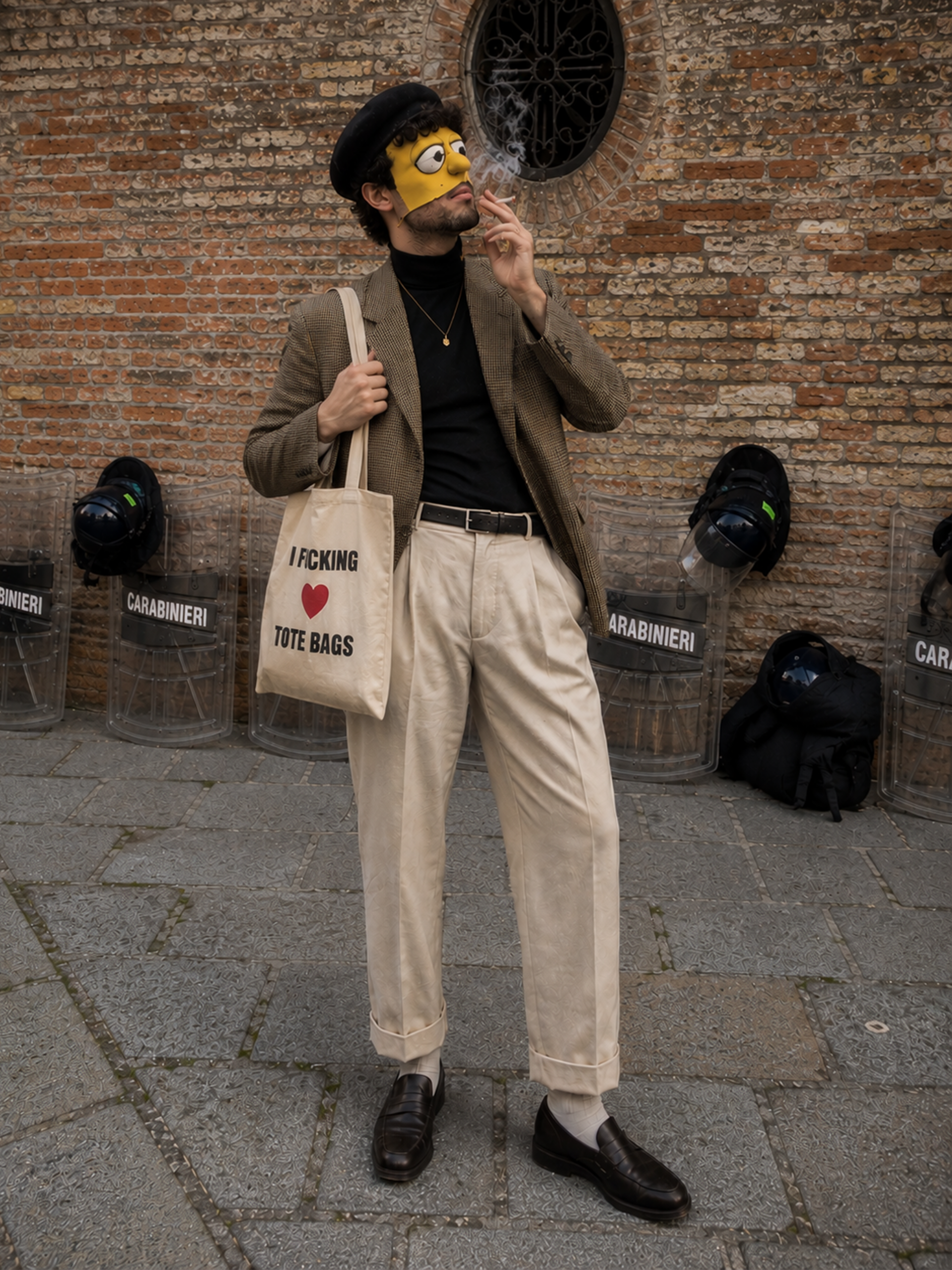
THE MERCHANT OF VENUES

The article is a scathing critique of the Venice Biennale, describing it as a morally bankrupt spectacle where spectacle, sponsorship, and political theatre overshadow the art itself. The author, writing as an audio technician for ART AFRICA, observes the exhaustion, humiliation, and performative activism that pervade the event, with superyachts, branded tote bags, and luxury-sponsored panels replacing genuine engagement. The piece highlights how artists are processed like luggage, cultures are commodified, and the Biennale functions as a "floating tax haven for cultural capital" rather than a meaningful exhibition.
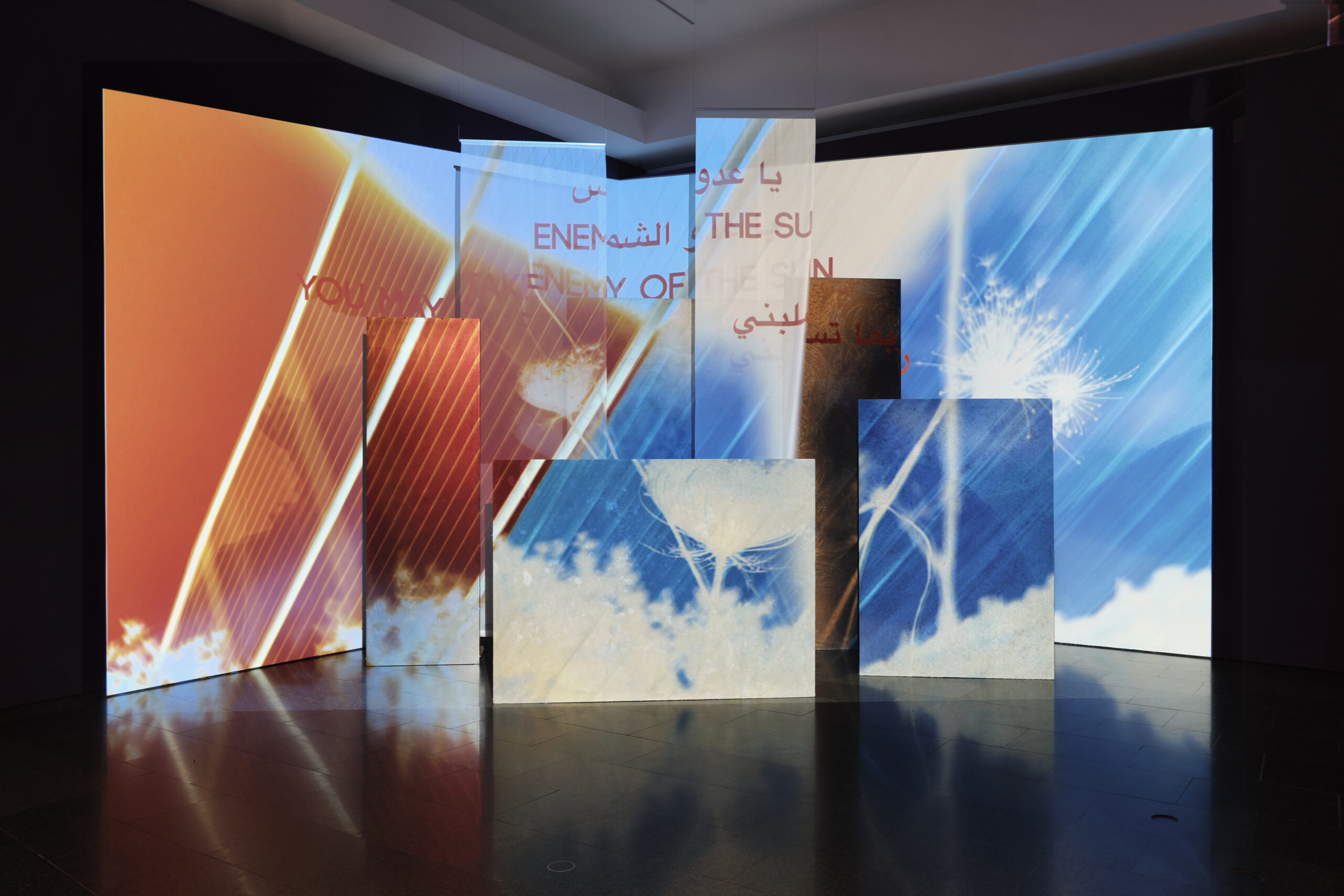
Prisoners of Love: Until the Sun of Freedom

Basel Abbas and Ruanne Abou-Rahme present 'Prisoners of Love: Until the Sun of Freedom' at MACBA – Museu d’Art Contemporani de Barcelona. The immersive installation explores Palestinian incarceration through sound, memory, and poetic fragments, refusing linear narrative and documentary conventions. It features testimonies, songs, and spectral traces that create a polyphonic meditation on captivity, resistance, and the persistence of voice against erasure.

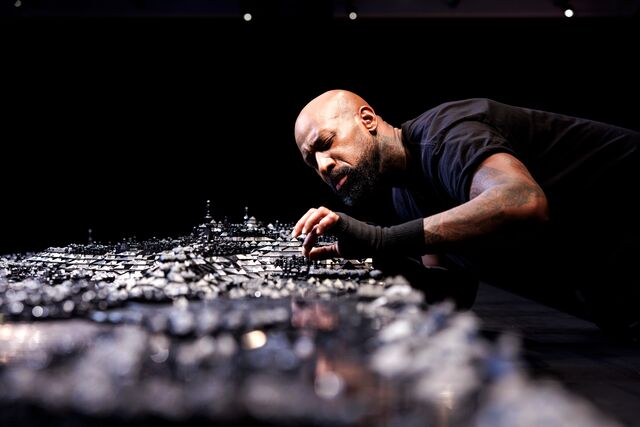
Ekow Nimako: Reimagining African Futures in Black LEGO

Ghanaian-Canadian artist Ekow Nimako presents 'Building Black Civilisations – The Nile 3025 CE' at Wereldmuseum Amsterdam, an exhibition of monumental sculptures constructed entirely from black LEGO elements. The works imagine a liberated Africa in the year 3025, merging ancient Nile civilizations with Afrofuturist visions of technological transcendence and ancestral memory. In an interview with ART AFRICA, Nimako discusses how his practice uses the cultural polarity of LEGO—a childhood toy—to build serious, Black-centered narratives that resist historical erasure and propose expansive futures for the African continent.

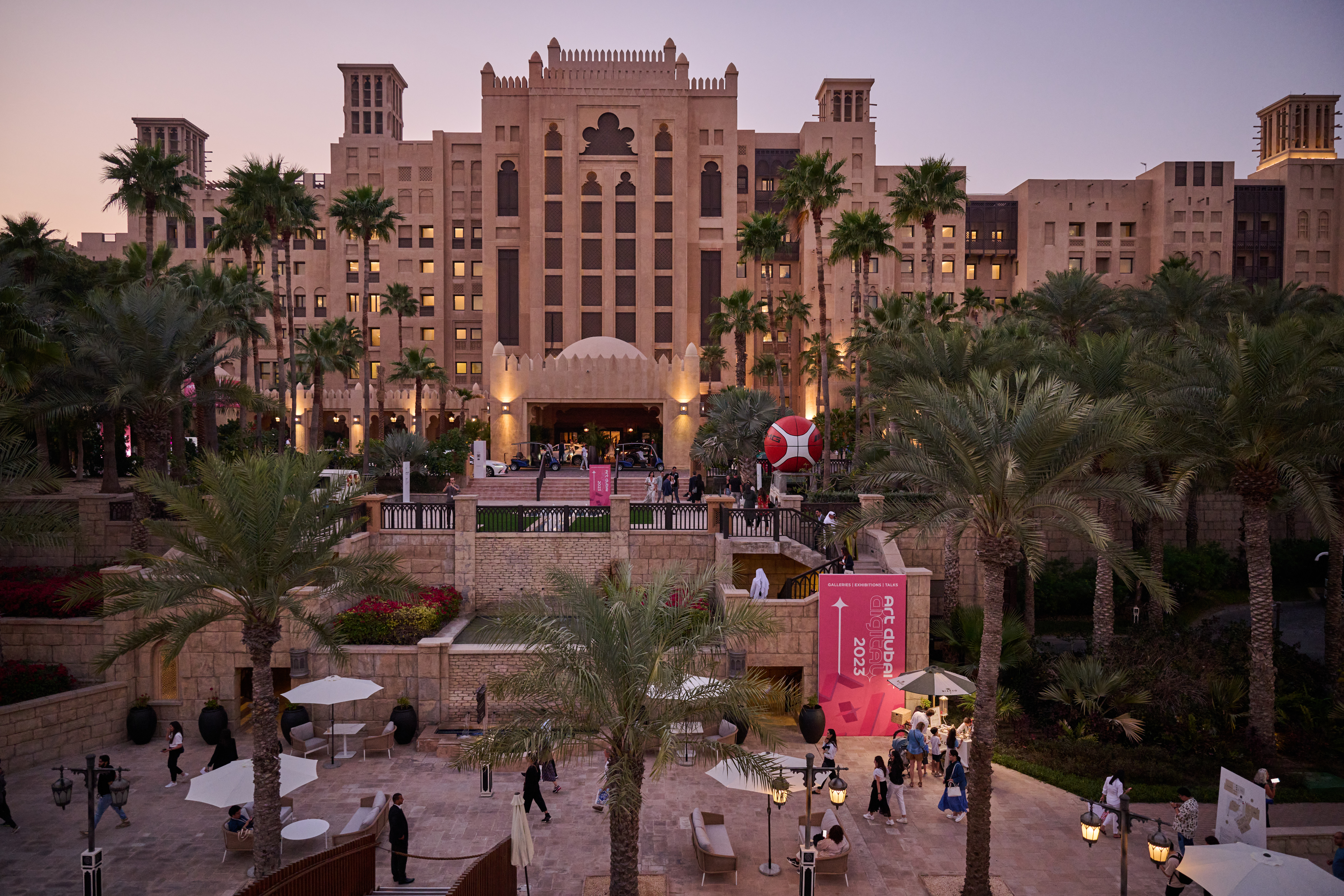
Art Dubai Marks 20 Years with Special Edition Focused on Collaboration and Cultural Exchange – Friday, 15-17 May 2026.

Art Dubai returns to Madinat Jumeirah from 15–17 May 2026 for a special 20th-edition programme that reflects on the fair's evolution and reaffirms Dubai's role as a global cultural hub. Presented in partnership with A.R.M. Holding and Dubai Culture, the fair features approximately 75 presentations from commercial galleries, institutional partners, and cultural initiatives, with around 60% of participating galleries drawn from the region. Highlights include the Made Forward presentation from Dubai Collection, the 20th edition of the Global Art Forum titled 'Before and After Everything', and an exhibition of modern Arab art from the Barjeel Art Foundation. The fair also introduces an innovative risk-sharing model where booth costs are payable based on sales performance, and entry is free for all visitors.

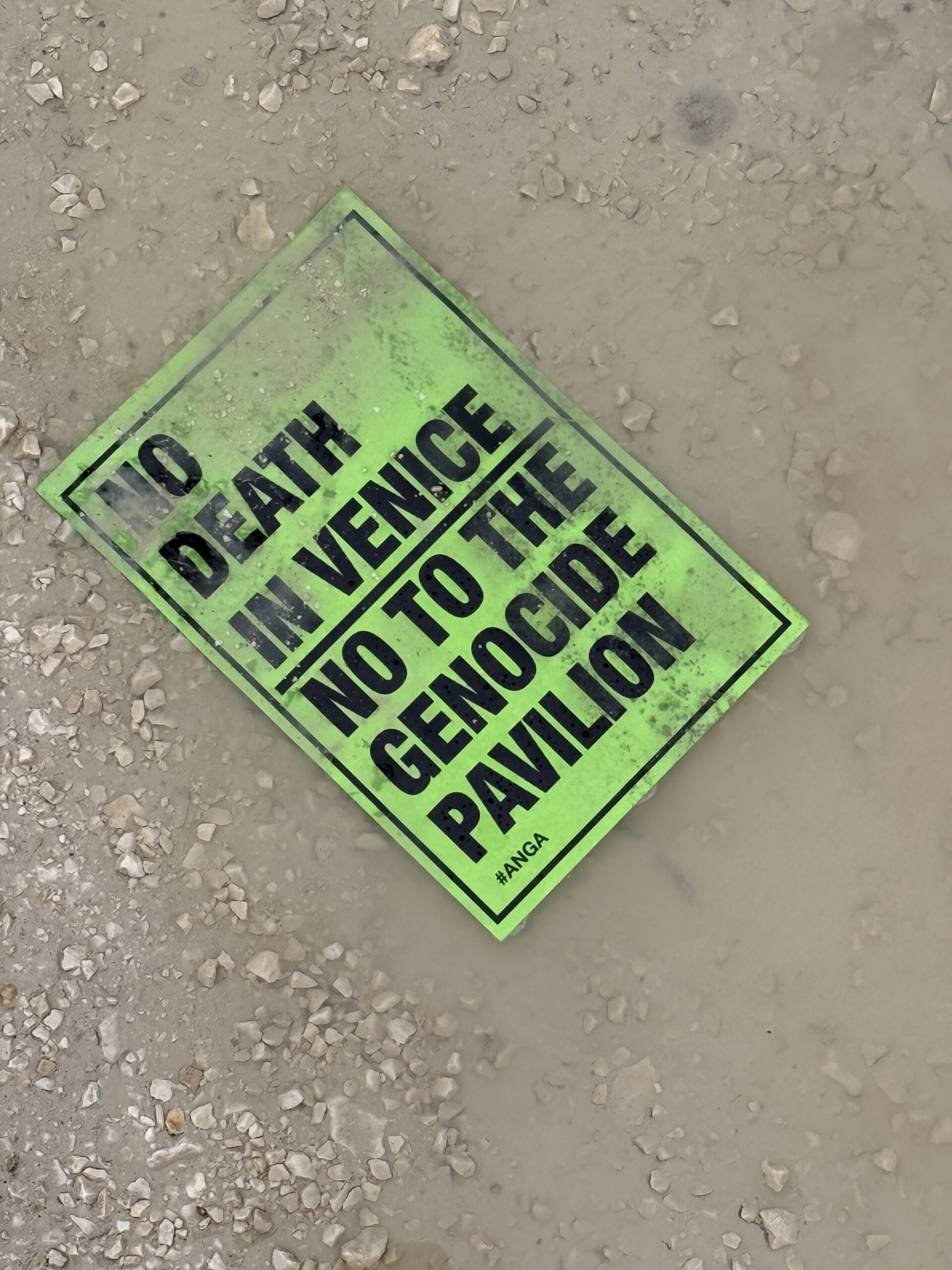
Venice Biennale Opens Amid Strikes, Protests and Institutional Rupture.

The 61st Venice Biennale opened in May 2026 amid strikes, protests, and political unrest, rather than celebration. Coordinated by Italian labor groups and transnational coalitions, demonstrators targeted the Biennale's decision to allow participation by Israel and Russia during the ongoing wars in Gaza and Ukraine. The Art Not Genocide Alliance (ANGA) led protests against Israel's participation, while Pussy Riot and FEMEN activists staged a protest outside the Russian pavilion. The Israeli pavilion's relocation from the Giardini to the Arsenale added symbolic weight, with critics viewing it as institutional endorsement. The late curator Koyo Kouoh's vision for the exhibition, titled "In Minor Keys," emphasized tenderness and complexity, contrasting with the volatile atmosphere.

AKKA Venice Project: Beyond the Exhibition

Lidija Khachatourian, founder of AKKA Project, discusses her gallery's evolution from Dubai to Venice, where it remains the only gallery dedicated to African and diasporic artists. In an interview with ART AFRICA, she explains her shift from a market-driven model toward a research-led, custodial approach that prioritizes long-term relationships and slowness over high-volume programming. The gallery, established in Venice in 2019, operates with a deliberate resistance to market pressures, focusing on care, continuity, and direct material support for its artists.

OPEN CALL – Diriyah Art Futures: Emerging New Media Artists 2026-2027 Edition.

Diriyah Art Futures (DAF) in Riyadh, Saudi Arabia, has opened applications for its third Emerging New Media Artists Programme, a one-year fully supported residency running from October 2026 to October 2027. Developed in collaboration with Le Fresnoy – Studio National des Arts Contemporains in France, the programme offers emerging artists aged 35 or under access to professional equipment, a production budget, mentorship by international digital artists, and multidisciplinary training in art, science, and technology. The deadline for applications is May 31, 2026, with a focus on applicants from the Middle East and North Africa.

Mapping the Invisible: Saudi Arabia’s A Necessary Fiction Unfolds in Venice

A new exhibition titled "A Necessary Fiction: Maps, Art, and Models of Our World" has opened in Venice, presented by the Saudi Ministry of Culture in tandem with the 61st International Art Exhibition of La Biennale di Venezia. Held at the Abbazia di San Gregorio from 6 May to 22 November 2026, the show is curated by Sara Almutlaq and Aurora Fonda, with associate curators Zaira Carrer and Amina Diab. It features historical maps and contemporary artworks by artists including Wael Shawky, Nasser Al Salem, Matilde Sambo, Monira Al Qadiri, Shilpa Gupta, Reena Saini Kallat, Manal AlDowayan, Nolan Oswald Dennis, Ibrahim Mahama, Trevor Paglen, Eva & Franco Mattes, Giorgio Andreotta Calò, and Yoko Ono, exploring cartography as an imaginative and ideological act rather than a neutral science.

Zīnah (Adornment): Oman’s Pavilion Tunes the Biennale to Resonance Over Spectacle

At the 60th Venice Biennale, the Sultanate of Oman presents "Zīnah (Adornment)," a pavilion conceived by artist and curator Haitham Al Busafi. The immersive installation, on view at the Arsenale Artiglierie from 9 May to 22 November 2026, draws on the Omani tradition of adorning horses with silver (al-zaanah) to explore themes of relation, movement, and shared presence. Visitors enter through darkness into a field of Omani sand, beneath a canopy of silver elements that respond to movement with sound. The work incorporates drawings by students and emerging artists from a workshop in Muscat, emphasizing collective authorship.

Echoes of Memory and Quiet Revolutions

The Henrike Grohs Art Award concludes its final edition, naming Tanzanian artist Rehema Chachage as the 2026 laureate. Chachage, who works across performance, video, text, scent, and installation, creates a "performative archive" in collaboration with her mother and grandmother, transforming personal and ancestral memory into shared sensory experiences. The two finalists are Younès Ben Slimane, a Tunisian filmmaker and visual artist whose silent, disorienting works challenge cinematic narrative structures, and Egyptian artist Rania Atef, whose participatory practice turns domestic spaces into stages for revealing power dynamics. The award received over 600 applications from more than 30 African countries.

‘In Mali, When Animals Dance’ – Inside the Pulse of Sogo Bò

Yoann Cormier curates 'In Mali, When Animals Dance' at the Musée des Confluences, an exhibition dedicated to sogo bò, a Malian performance tradition blending theater, dance, music, and community. Rejecting static displays, Cormier uses immersive scenography—light, sound, film footage from the early 2000s by Sonia and Albert Loeb, and reconstructed masks made with the Lyon Opera costume workshop—to evoke the festive atmosphere of sogo bò, moving visitors through a simulated Malian day from afternoon to night.

In Minor Keys: The 61st Biennale di Arte Venezia Opens Under Koyo Kouoh (1967–2025).

The 61st Biennale di Arte Venezia opens under the posthumous curatorial vision of Koyo Kouoh (1967–2025), the late Cameroonian-born curator who reshaped contemporary African and diasporic art discourse. The central exhibition, spanning the Giardini and Arsenale, features 111 participants including artists, collectives, and artist-led organizations from across the Global South, with works in textiles, film, sculpture, and performance that interrogate colonialism, migration, and ecological repair. The Biennale is also marked by a pronounced presence of African and diasporic narratives across national pavilions, including several first-time pavilions from the African continent.

Speaking in Signs: Kwame Akoto’s Worlds Across Contexts.

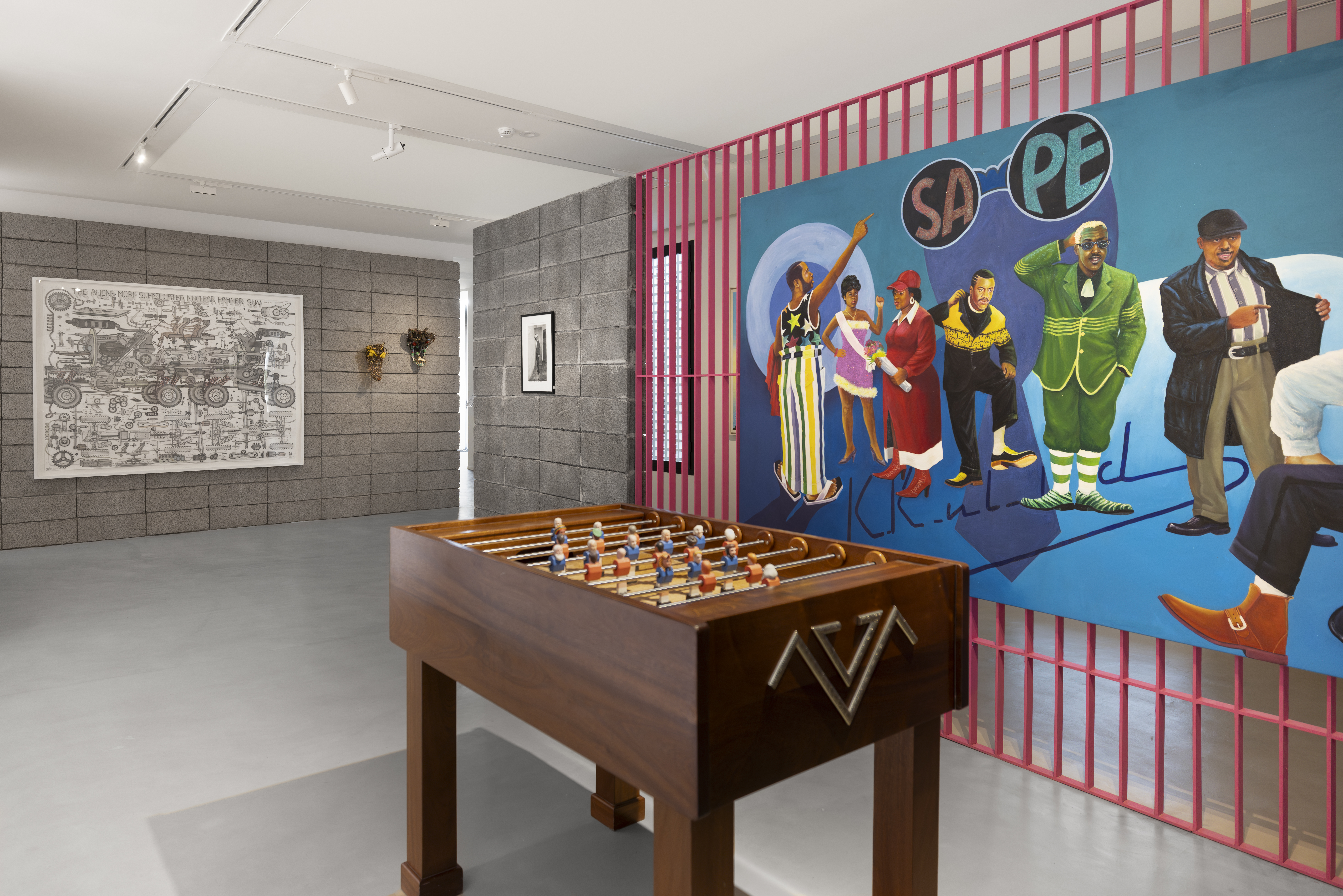
Ghanaian painter Kwame Akoto, known for his vibrant signboard works blending bold imagery with urgent text, is the subject of his first major French exhibition, 'Almighty God Art Works', at the Musée du quai Branly – Jacques Chirac in Paris. In an interview with ART AFRICA, Akoto discusses how his paintings transform when moving from the streets of Kumasi—where they function as everyday spiritual and commercial communication—into a European museum context, addressing themes of translation, shared authorship, and the shifting meanings of images across cultural and institutional boundaries.

Sharjah Biennial 17 Assembles 109 Artists Across a Restless Global Landscape.

Urban Reflections, Daniel Melim on the City as Studio, Archive and Collective Space

Brazilian artist Daniel Melim discusses his exhibition "Urban Reflections" at São Bernardo do Campo in an interview with Brendon Bell-Roberts. Melim, who emerged from the graffiti and stencil cultures of ABC Paulista, describes how the city functions as an active collaborator in his practice, transforming the gallery into an expanded studio where boundaries between street, studio, and institution dissolve. The exhibition juxtaposes pivotal and previously unseen works, tracing his artistic evolution and layered urban memory.

Language Games in a Haunted Present.

Ndéyé Kouagou has opened her first solo exhibition in Italy at Collezione Maramotti, presented in conjunction with the Fotografia Europea 2026 festival. The exhibition, titled 'Ghosts of the Moment', features recent works and new commissions that showcase her language-driven practice, blending text, performance, and image to explore unstable meaning and contemporary subjectivity.

WURUS – Light catches before form does.

Artist Caroline Gueye presents 'WURUS', a new installation for the Senegal Pavilion at the 61st Venice Biennale. Curated by Massamba Mbaye, the work is a shifting field of brass and polymer bronze elements, using mirrors and light to create an environment where perception is contingent on the viewer's movement and position. The title invokes gold, opening onto histories of extraction, but the work deliberately resists singular meaning.

Nobody Can Handle Me: Brazil Rewrites the Pavilion as Living Memory.

Brazil's 2026 Venice Biennale pavilion, curated by Diane Lima, presents a radical, sensorial exhibition titled 'Comigo ninguém pode' featuring artists Adriana Varejão and Rosana Paulino. The show transforms the modernist pavilion into an active participant, where historical and new works by the two artists create friction and resonance, exploring themes of colonial violence, the Black female body as archive, and spiritual resistance.

Echoes from the Margins: Guinea’s Debut Pavilion Resonates in Venice.

Guinea has presented its first-ever national pavilion at the 61st Venice Biennale. Titled 'Le Son de l’Art,' the exhibition is installed on the island of San Servolo and is curated by Koyo Kouoh, featuring a multidisciplinary group of artists exploring memory, materiality, and postcolonial identity.

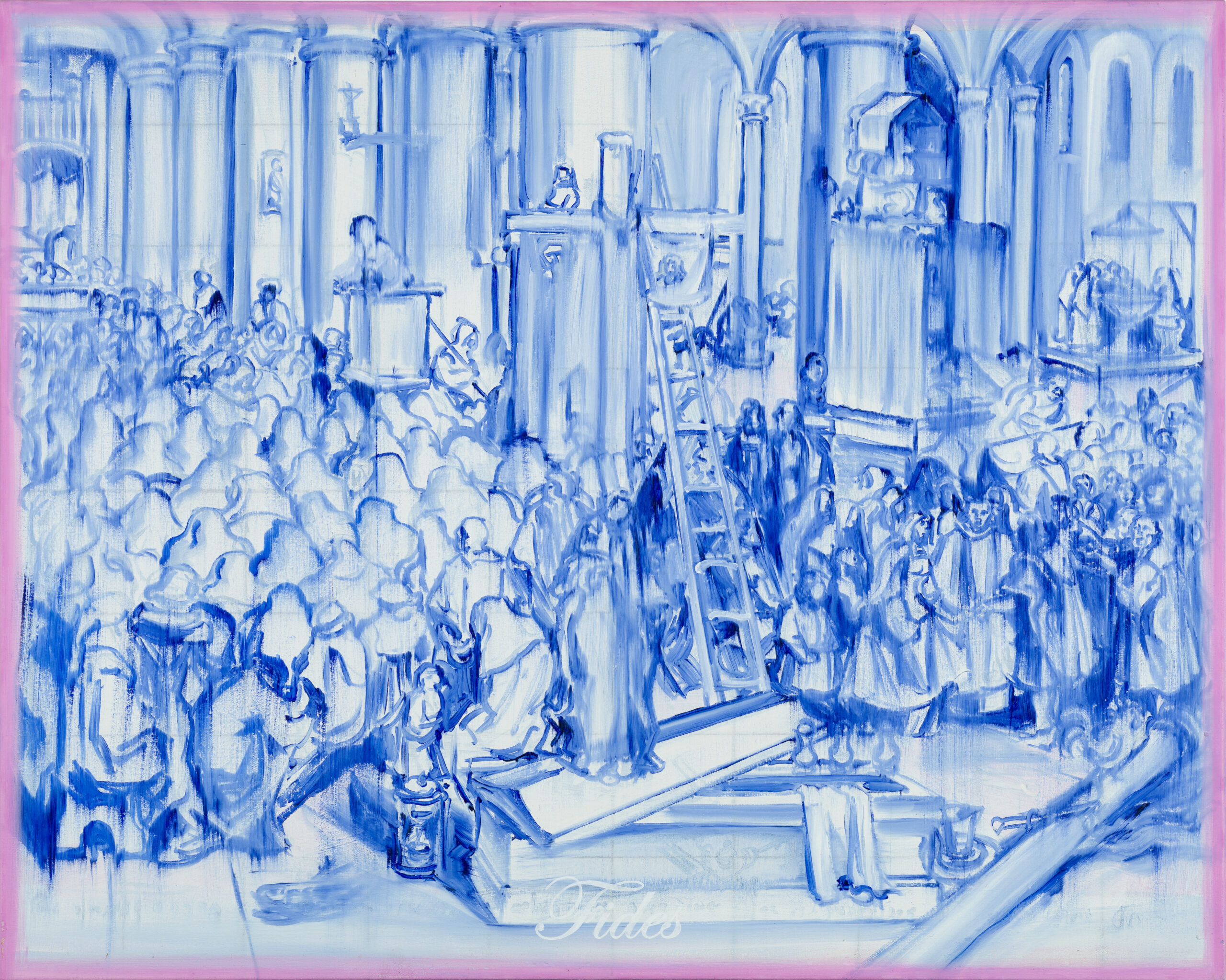
Johannes Phokela: Exploring Virtue, Contradiction, and Power at the Venice Biennale 2026.

South African artist Johannes Phokela is set to showcase a significant body of work at the 2026 Venice Biennale, building on his recent series 'The Seven Virtues' and 'Original Sin'. Curated under a vision initiated by the late Koyo Kouoh and supported by Eclectica Contemporary, Phokela’s paintings subvert the aesthetics of European Old Master traditions. His works, including 'Fides' and 'Temperantia', utilize Baroque visual languages to critique constructed morality, institutional power, and the performance of virtue.

Minor Keys, Major Shifts: Sierra Leone’s Resonant Debut in Venice.

Sierra Leone has made its inaugural appearance at the 61st Venice Biennale with a pavilion titled 'Worlds of Today' located at the Liceo Guggenheim. Curated with a focus on "minor keys" rather than grand spectacles, the exhibition features Sierra Leonean artists Hawa-Jane Bangura, Ayesha Feisal, Hickmatu Bintu Leigh, and Abu Bakarr Mansaray alongside practitioners from other ECOWAS nations. The pavilion functions as a sensorial, porous space that prioritizes communal resilience and spiritual epistemologies over the commodification of identity.

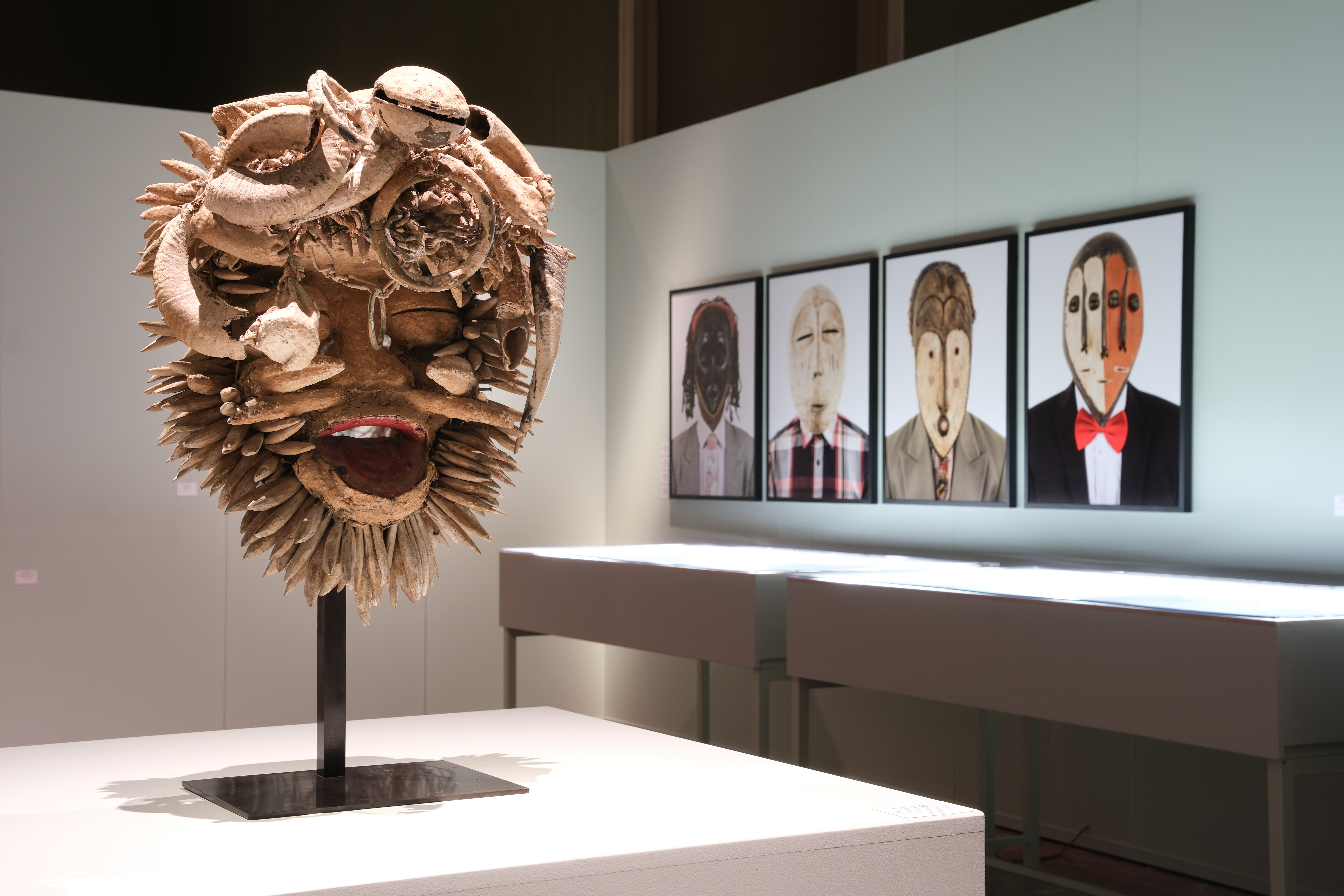
NAFRICA–MASCHERE: The Mask Strikes Back

Curator Simon Njami discusses his exhibition 'NAFRICA–MASCHERE' at the Museo e Real Bosco di Capodimonte, which juxtaposes the fascist anthropological archives of Lidio Cipriani with contemporary artworks. The show utilizes the metaphor of the mask to explore the tension between how individuals are perceived and how they project themselves, specifically addressing the persistence of colonial logic in the modern world. By including artists from Africa, America, and Italy, Njami seeks to move beyond a binary 'colonizer vs. colonized' narrative toward a broader inquiry into human representation and power.

‘Washwasha’ (Whispers Across Water): Sonic Cartographies of the UAE at the Venice Biennale.

The National Pavilion UAE has announced its upcoming exhibition for the 61st Venice Biennale in 2026, titled ‘Washwasha’ (Whispers Across Water). Curated by Bana Kattan with assistant curator Tala Nassar, the presentation features six artists: Mays Albaik, Jawad Al Malhi, Farah Al Qasimi, Alaa Edris, Lamya Gargash, and Taus Makhacheva. The exhibition moves away from traditional visual spectacle to focus on sound, oral traditions, and 'sonic cartographies' that explore memory, migration, and the fluid identity of the UAE through an architectural environment designed by Büro Koray Duman Architects.

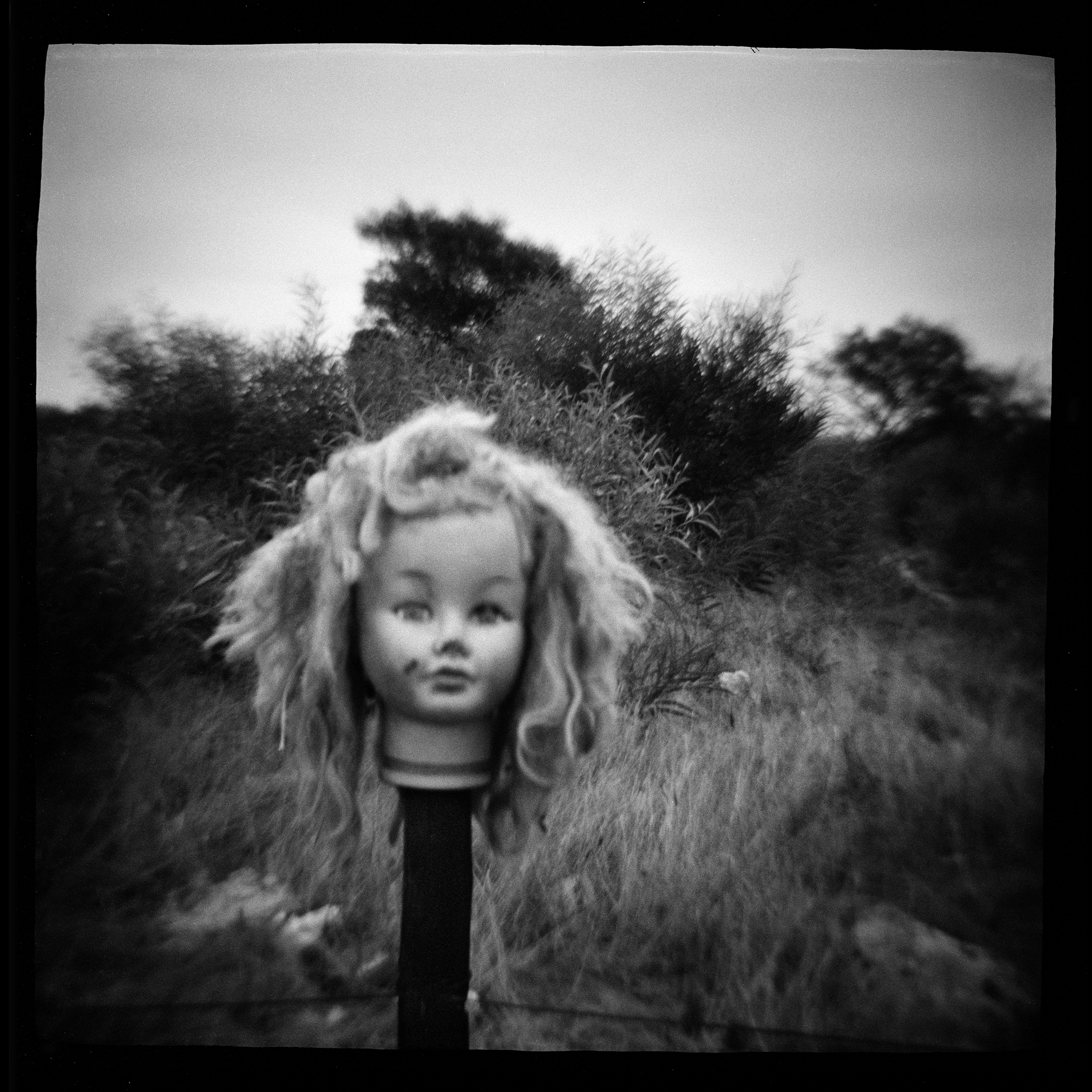
‘Out of Place’ : The Afterlives of Landscape.

The major retrospective ‘Out of Place’ at ART AFRICA showcases over 200 images by South African photographer Jo Ractliff, spanning four decades of her career. The exhibition traces Ractliff’s evolution from her early 1980s street photography to her mature, atmospheric landscapes that examine the scars of colonialism, apartheid, and regional conflicts in Southern Africa. By focusing on the 'afterlife' of violence rather than the events themselves, the collection highlights her unique ability to capture how history sediments within the physical terrain.

‘We refuse_d’: rehearsing refusal as method, memory, and possibility.

Marking the fifteenth anniversary of Mathaf: Arab Museum of Modern Art, the traveling exhibition ‘we refuse_d’ has opened at M HKA in Antwerp. Curated by Nadia Radwan and Vasif Kortun, the project draws on the intellectual lineage of Hannah Arendt’s reflections on displacement and the historical precedent of the Salon des Refusés. The exhibition features a constellation of works by artists including Khalil Rabah, Barış Doğrusöz, and Nour Shantout, exploring refusal not as a simple negation, but as a complex strategy for survival, dignity, and the preservation of memory.

‘House of Galleries (Volume 11)’: Niquu Eyeta and Ghizlane Sahli in a Shared Field of Care, Memory, and Material Becoming.

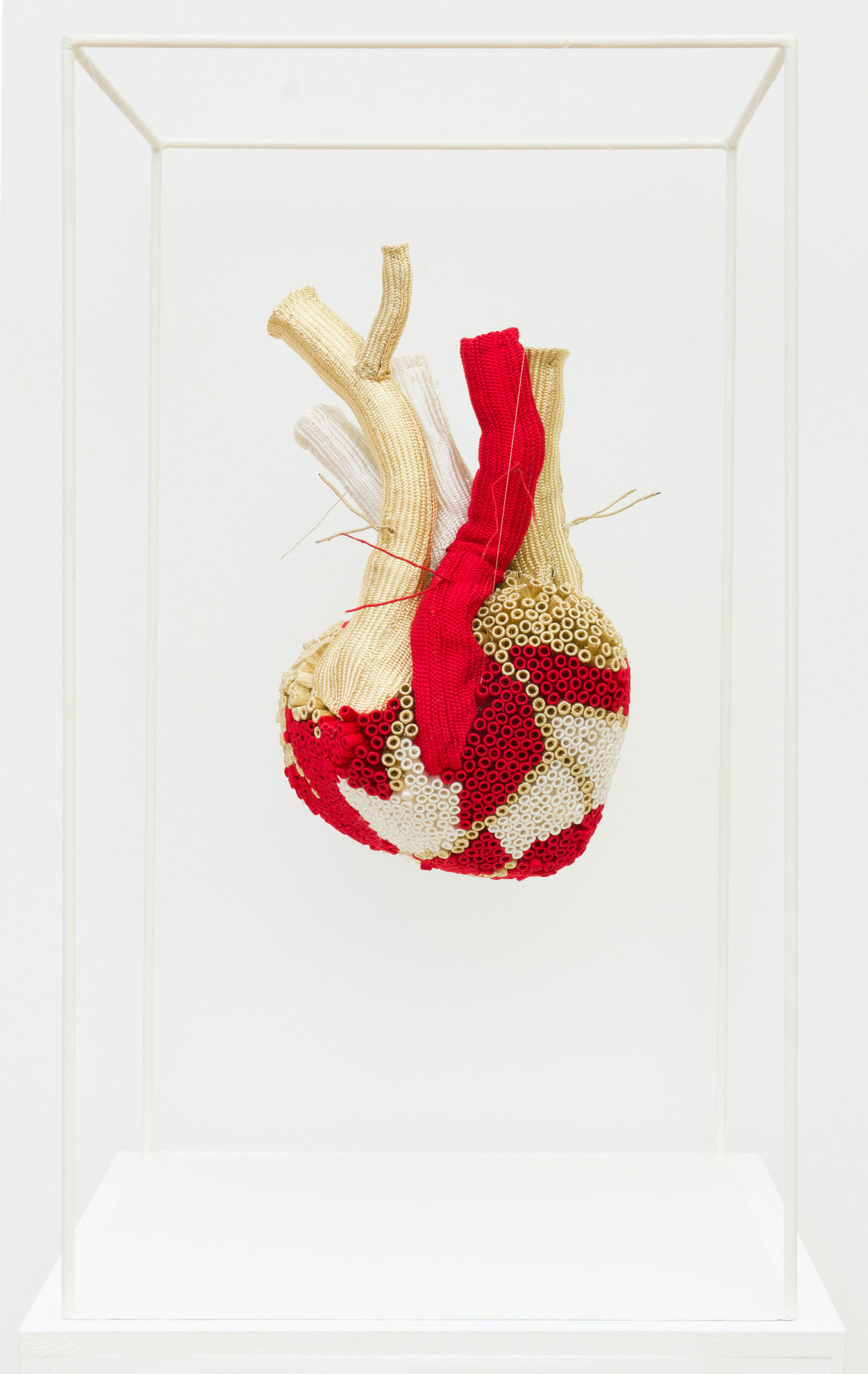
Artists Niquu Eyeta and Ghizlane Sahli are featured in a dual presentation titled ‘House of Galleries (Volume 11),’ showcased by the gallery Sakhile&Me. The exhibition creates a dialogue between Eyeta’s organic compositions, which utilize plant pigments and clay, and Sahli’s intricate 'alveoli' structures made from silk and repurposed plastic. Both artists emphasize the concept of material as a living archive, focusing on themes of ecological consciousness, ritualistic repetition, and the reanimation of discarded matter.

Sunkissed and the Poetics of Repetition.

Jeddah-based artist Ahaad Alamoudi presents 'Sunkissed' at the Sharjah Art Foundation, a solo exhibition curated by Amal Al Ali that explores the rapidly shifting cultural landscape of the Gulf. Through a series of newly commissioned and recent works, including looping videos and mechanical installations, Alamoudi utilizes repetition and pop-culture symbols like falcons and fly traps to examine how collective identity is negotiated amidst accelerated urban development and technological change.

What Faces Do Not Say: Reimagining Portraiture Beyond Recognition.

Curator Yasmin Sarnefors challenges the traditional boundaries of portraiture in the exhibition 'What Faces Do Not Say,' which features artists from Africa and its diaspora. Moving away from the expectation of physical resemblance, the show explores identity through ambiguity, memory, and the use of archives, landscapes, and abstract gestures. By presenting works that obscure or transform the human face, the exhibition highlights the psychological and political dimensions of how individuals are perceived and represented.

‘We Are Here’: Queer Presence and Memory in African Art

The Smithsonian's National Museum of African Art has opened 'Here: Pride and Belonging in African Art,' an exhibition curated by Kevin D. Dumouchelle and Serubiri Moses. Developed through years of direct dialogue with LGBTQ+ artists across Africa and its diaspora, the show foregrounds self-representation and community, ensuring artists defined the terms of their inclusion. It features contemporary works alongside historical precedents, creating a continuum of queer presence in African art history.

Statues Also Breathe: A Chorus of Clay and Memory, Where the Missing Return as Form.

The exhibition 'Statues Also Breathe' has opened at the Museum of African Contemporary Art Al Maaden (MACAAL) in Marrakech. Curated by Meriem Berrada, the installation features 108 terracotta heads created by artist Prune Nourry in collaboration with artisans and students. The work draws inspiration from the historic sculptural tradition of Ife in Nigeria while directly addressing the ongoing trauma of the 2014 kidnapping of the Chibok schoolgirls, using portraiture to represent the missing.

Nigeria At Venice: Speaking on Our Own Terms.

Nigeria is preparing for its return to the Venice Biennale in 2028 with a fundamentally different approach, framing its participation as a structural intervention rather than mere inclusion. Curator Richard Vedelago, in conversation with Suzette Bell-Roberts, outlines a strategy focused on ownership, authorship, and building a self-sustaining cultural ecosystem, moving beyond seeking validation from global art structures.

Tide of Returns: Reclaiming Memory Through Oceanic Ritual

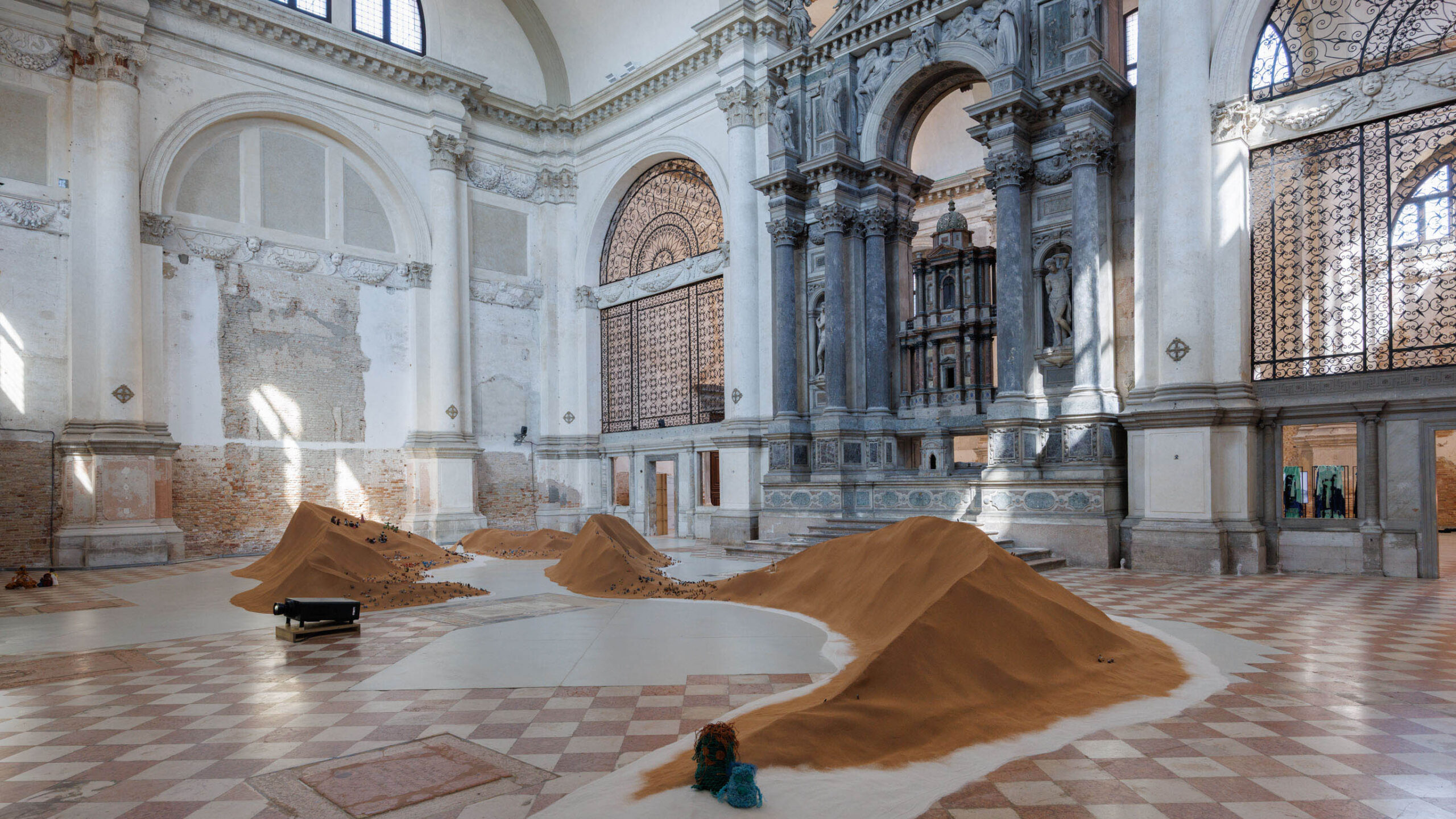
Thyssen-Bornemisza Art Contemporary (TBA21) Academy has opened its 2026 program at Ocean Space in Venice with the exhibition 'Tide of Returns'. Developed by the Repatriates Collective, the show features artists, filmmakers, and Indigenous communities from across the globe, transforming the former Church of San Lorenzo into an immersive environment. It moves beyond conventional restitution debates by presenting repatriation as a living, tidal process expressed through ritual, memory, and community care, using materials like sand from Anindilyakwa Country and returned shell dolls.

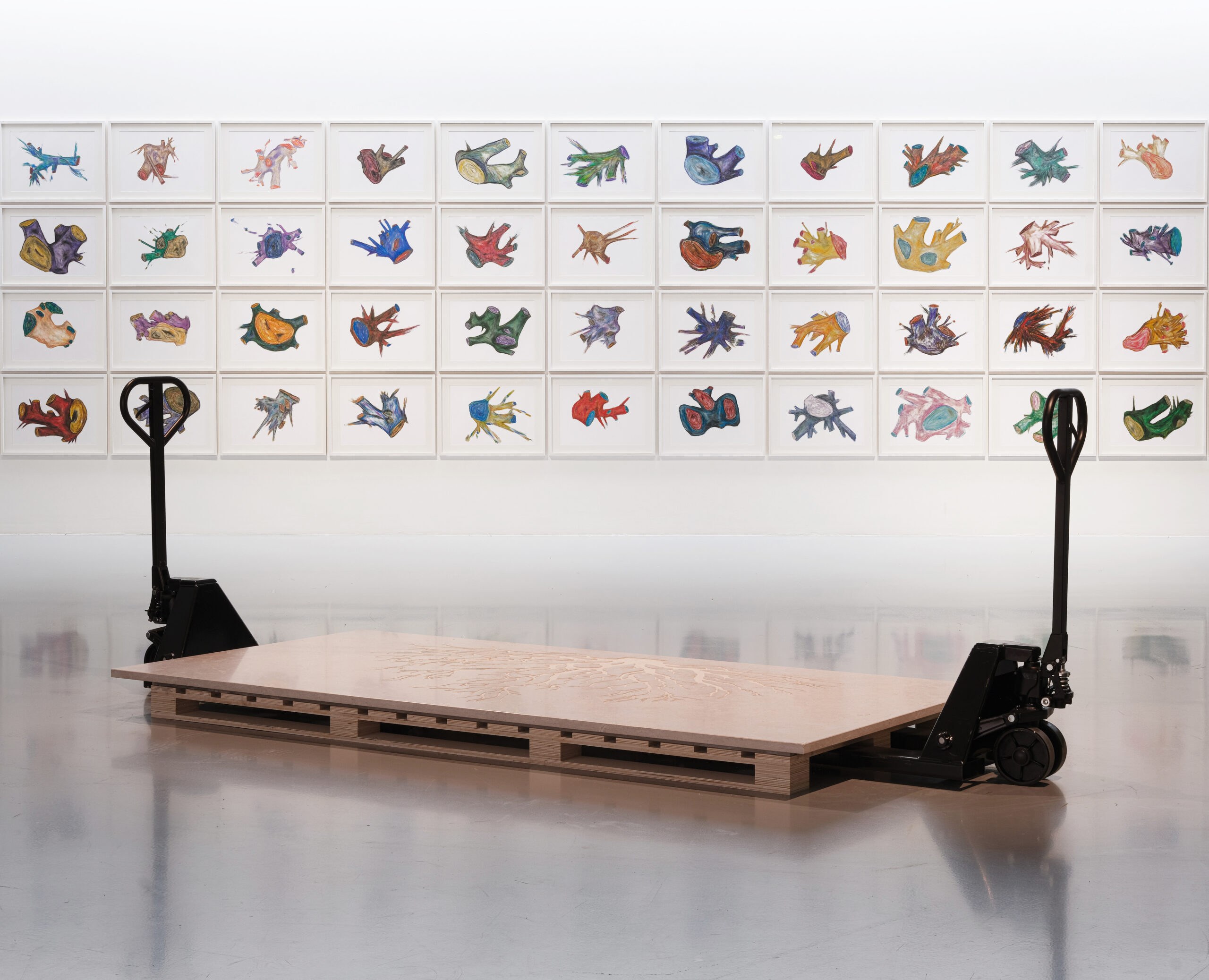
Rewiring the System: Jean Katambayi Mukendi.

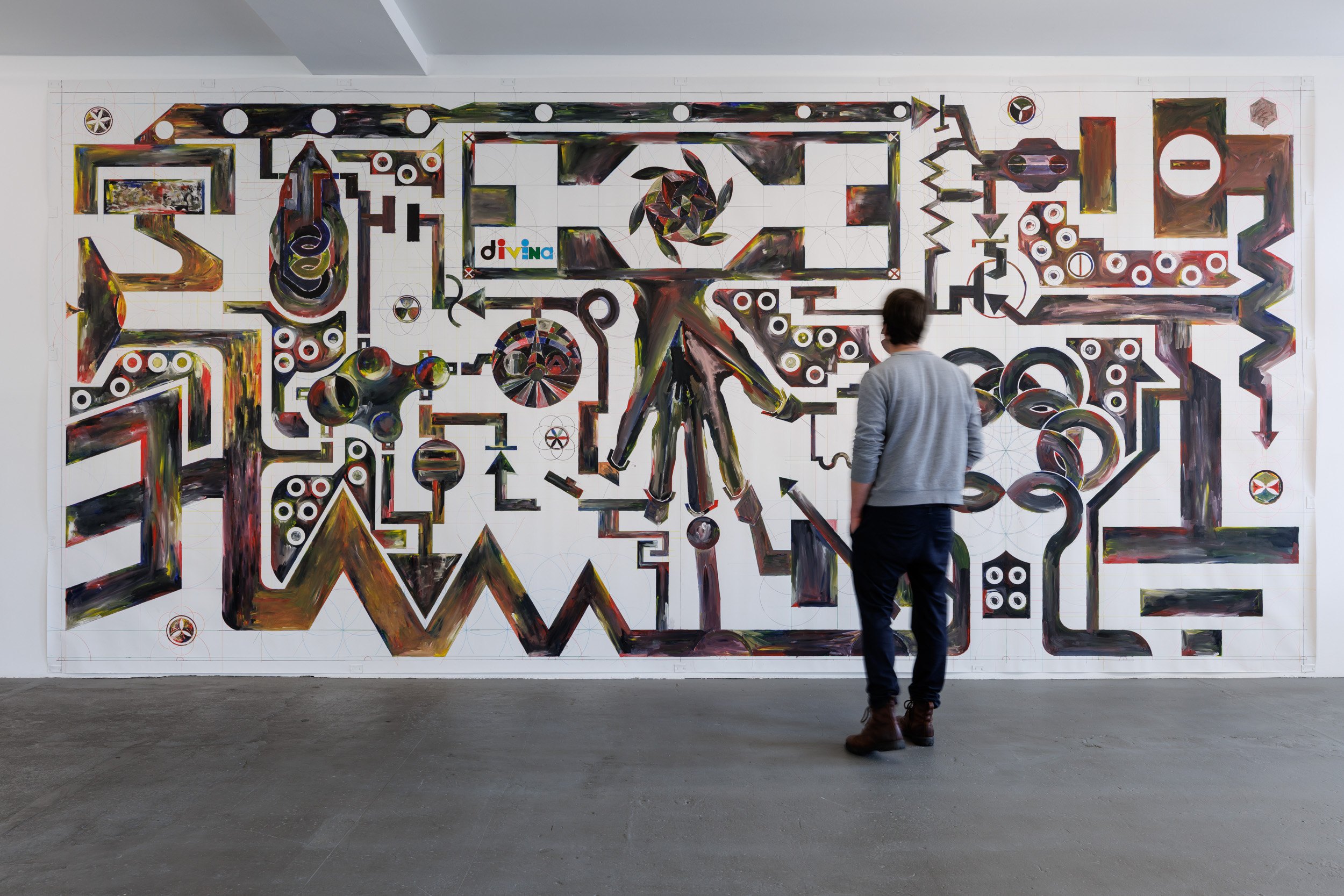
Congolese artist Jean Katambayi Mukendi presents his first solo exhibition in Germany, 'Ratio,' at the KW Institute for Contemporary Art in Berlin. The exhibition features drawings, sculptural installations, and works made from recycled materials that examine technological systems, energy infrastructures, and mineral extraction.

Post-Mortemism: An Autopsy of “Nigerian Modernism: Art and Independence” at Tate Modern.

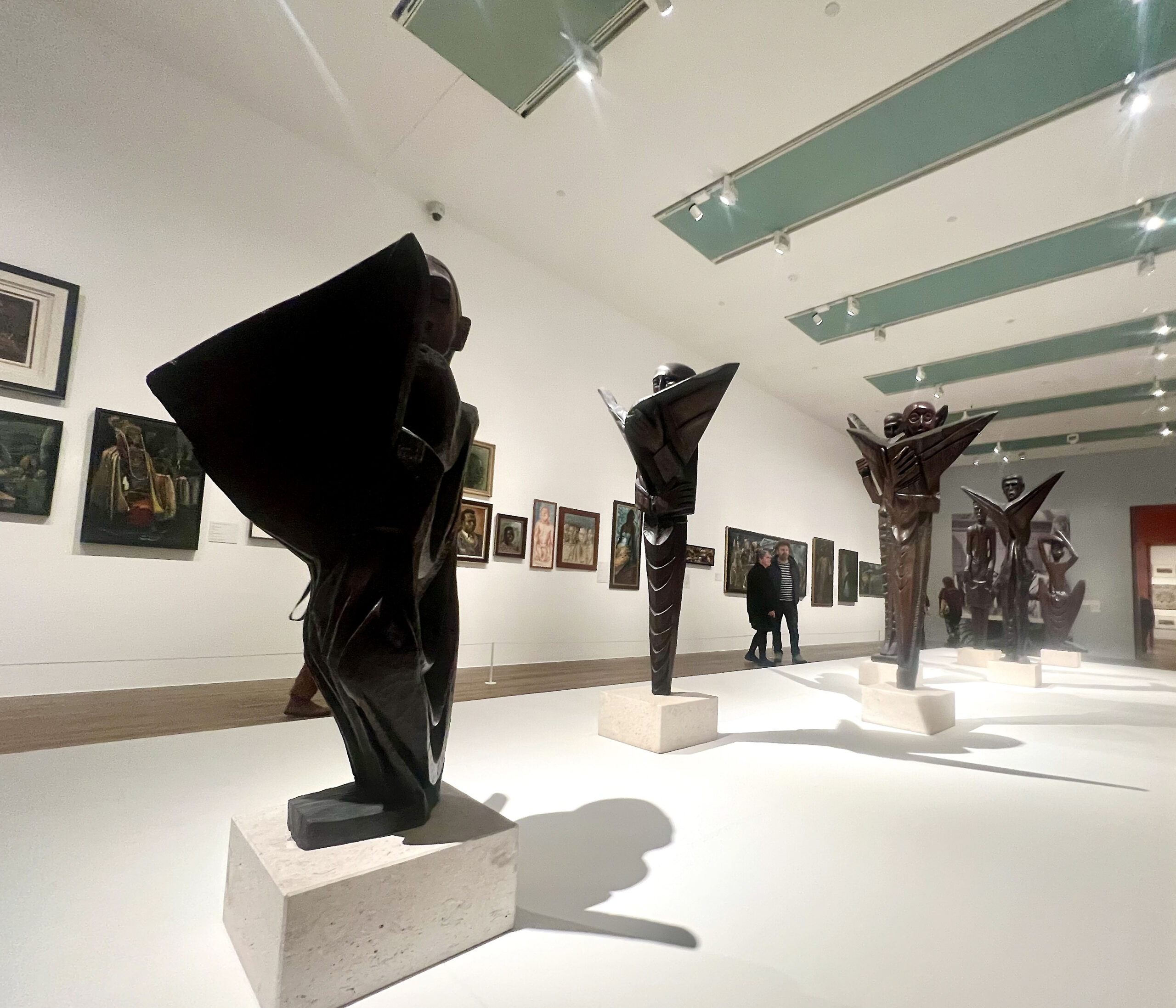
A critical essay by Ayọ̀ Akínwándé performs a forensic 'autopsy' of the Tate Modern exhibition 'Nigerian Modernism: Art and Independence.' The review dissects the show's structure, arguing it fails in its curatorial framework by isolating Nigerian artists within a regional category, using ethnographic display methods, relying on incomplete research, and excluding key artists and historical context.

Diane Victor at Académie des Beaux-Arts.

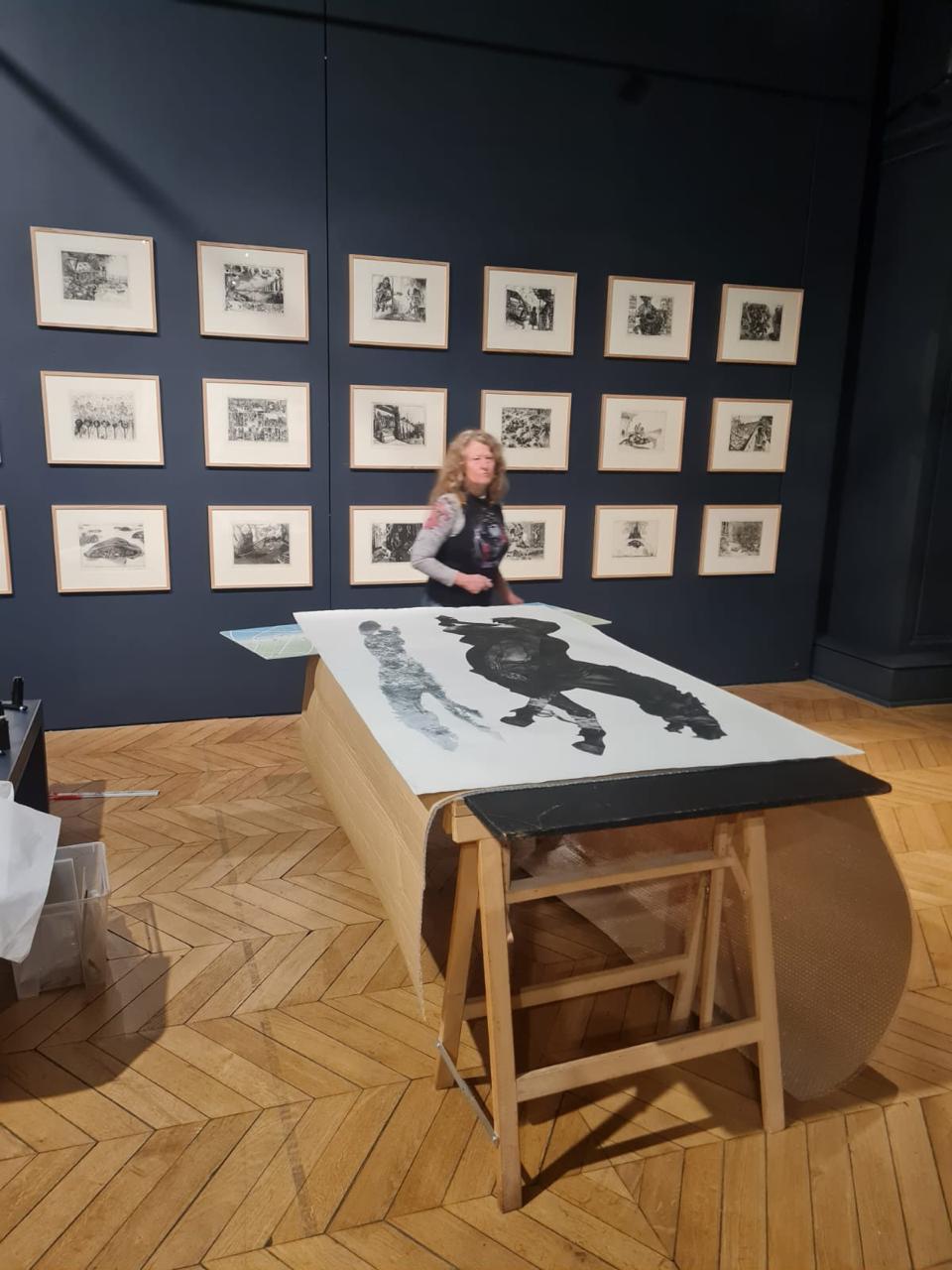
South African artist Diane Victor has been awarded the 10th Mario Avati Engraving Prize 2025 by the Academy of Fine Arts in Paris. Her work is currently the subject of an exhibition at the Académie des Beaux-Arts, which runs until May 31, 2026.

Hangar Announces Longitudes Residency Open Call for Artists, Writers, Curators and Musicians.

Hangar – Centro de Investigação Artística in Lisbon has launched an open call for its Longitudes Residency programme. The call invites artists, writers, curators, researchers, and musicians from diverse disciplines to apply for stays of one to three months. The programme is process-based and non-prescriptive, encouraging participants to develop projects in response to Lisbon's environment or to pursue research within its cultural context.

Fundación Botín Opens 2026–2027 Art Grants for International Artists

The Fundación Botín has opened applications for its 2026–2027 Art Grants program, offering six grants of €23,000 each to support individual artistic projects. The nine-month grants fund research, training, or production, with selected artists' work to be featured in the Itinerarios exhibition at Centro Botín. Applications close on 8 May 2026.

OPEN CALL – CIMAM Travel GRANTApply for a CIMAM Travel Grant: International Open CallOPEN CALL – CIMAM Travel GRANT

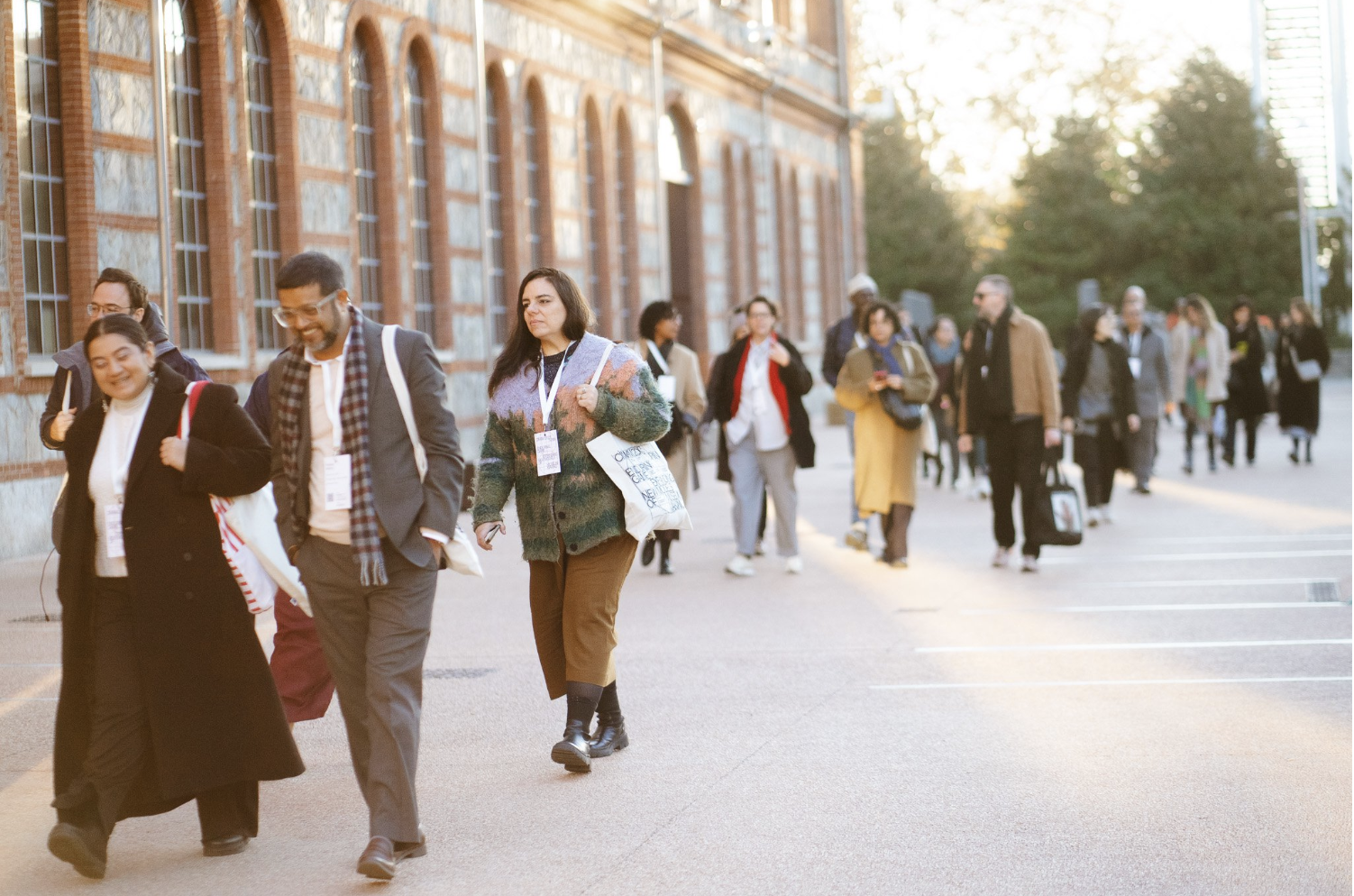
CIMAM (International Committee for Museums and Collections of Modern Art) has launched an open call for its 2026 Travel Grant Programme. The grants will fund museum professionals, curators, and researchers from emerging and developing economies to attend the organization's 58th Annual Conference in Harare, Zimbabwe, under the theme 'Museums Beyond Limits: Imagining Repair Across Cultures, Ecologies and Knowledges.'