
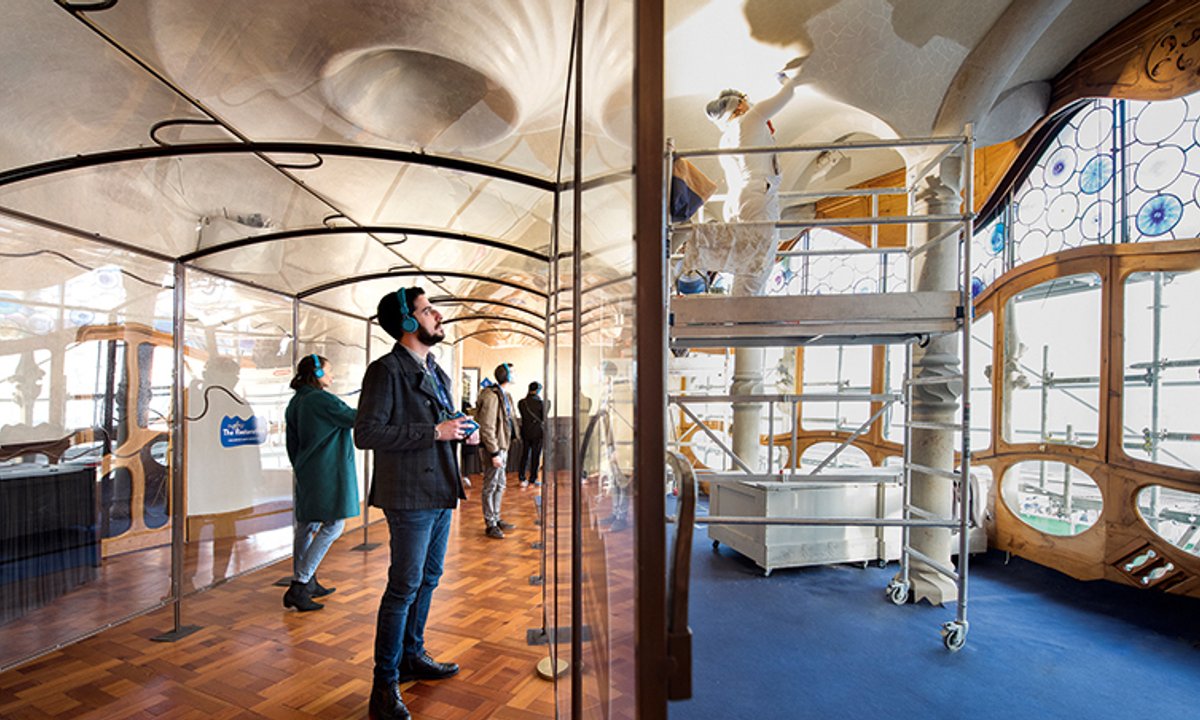
Antoni Gaudí’s Casa Batlló in Barcelona, completed in 1906 and designated a UNESCO World Heritage site in 2005, has undergone a series of ambitious multi-million-euro restorations and a hi-tech revamp over the past decade. Acquired by the Bernat family in 1993 and opened to the public in 2002, the monument now draws over 1.5 million visitors annually, generating a record €56 million in income in 2023—a 54% increase from the previous year. Recent projects include a €30 million investment (2018-2024) that uncovered original gold-leaf patterns and expanded immersive exhibitions such as Refik Anadol’s "Gaudí Dreams." The family plans to open the third floor for private events by late 2025.
This story matters because it illustrates how a historic landmark can remain commercially viable and culturally relevant through constant reinvention and digital innovation, even amid conservation challenges and urban pressure. Casa Batlló’s success—doubling visitor numbers in a decade—offers a model for other heritage sites balancing preservation with tourism. The article also highlights tensions between accessibility and conservation, as narrow corridors and high foot traffic create bottlenecks, and UNESCO warnings about vandalism underscore the fragility of Gaudí’s works in a busy commercial district.