
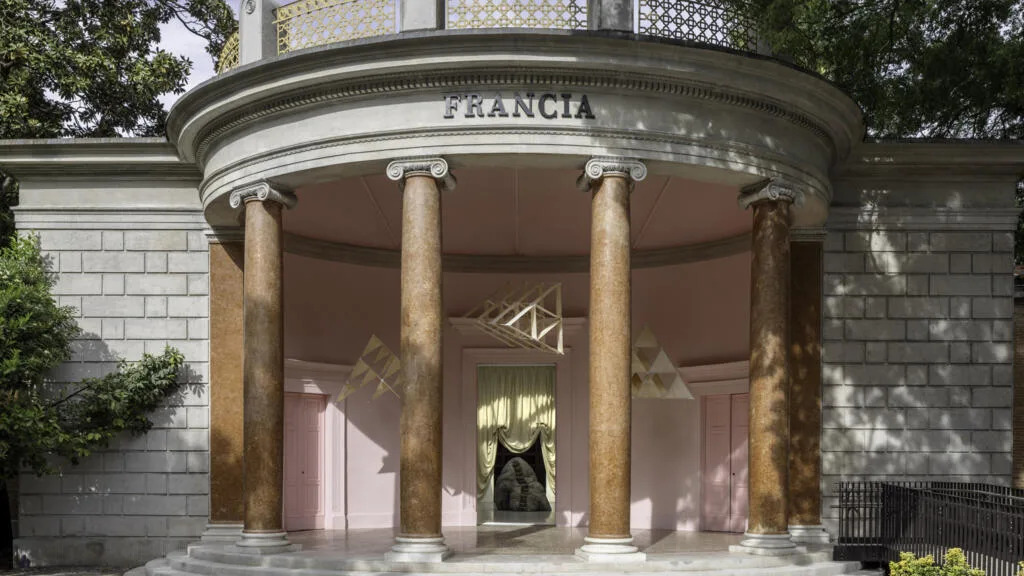
The 61st Venice Biennale opened under heavy protest as Russia returns to the event for the first time since its 2022 invasion of Ukraine. Ukrainian feminist collective Femen and Russian punk band Pussy Riot demonstrated outside the Russian pavilion, with activists accusing Russia of using art as a weapon in a hybrid war. Meanwhile, pro-Palestinian protesters gathered outside Israel's pavilion, holding banners reading 'No artwashing genocide' and demanding Israel's exclusion over the war in Gaza. The Biennale's international jury resigned last month, refusing to award prizes to countries led by figures subject to ICC arrest warrants, namely Vladimir Putin and Benjamin Netanyahu. EU foreign policy chief Kaja Kallas called Russia's participation 'morally wrong' and threatened to cut €2 million in funding, while culture ministers from 22 European countries urged organizers to reconsider.
This controversy matters because it exposes the tension between art's claim to neutrality and the political realities of war and human rights. The Biennale's president, Pietrangelo Buttafuoco, defended inclusion on the grounds that art should remain neutral, but critics argue that granting Russia a prestigious platform sends a deeply troubling signal. The protests and diplomatic pressure highlight how major cultural institutions are increasingly forced to take sides in geopolitical conflicts, with implications for funding, participation, and the very definition of art's role in society. The Biennale's decision to keep the Russian pavilion closed to the public but still eligible for prizes, decided by visitor vote, represents an awkward compromise that satisfies neither side.