
Un artista italiano fa una mostra a Tunisi ispirandosi alle architetture di Le Corbusier
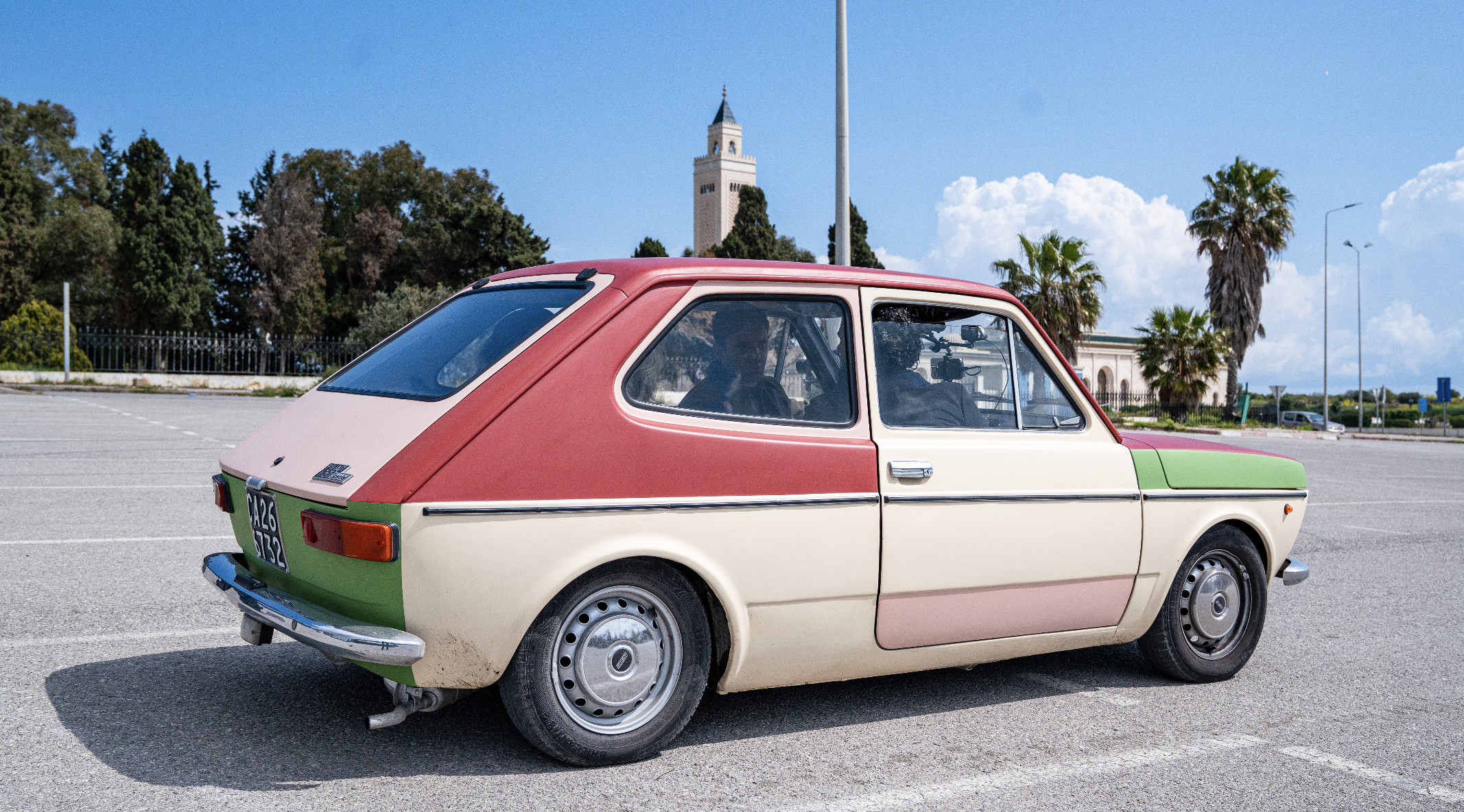
Italian artist Cristian Chironi has opened the seventh chapter of his ongoing project "My house is a Le Corbusier" with an exhibition in Tunis titled "My house is a Le Corbusier (Villa Baizeau)". The project centers on Villa Baizeau, a Le Corbusier-designed house built between 1928 and 1930 for industrialist Lucien Baizeau, which is now inaccessible inside the Tunisian presidential park. Chironi, inspired by a failed attempt by artist Costantino Nivola to bring Le Corbusier's architecture to his hometown Orani, instead travels the world temporarily inhabiting Le Corbusier's buildings. For this iteration, he set up a residency at La Boîte – Centre d'Art & d'Architecture in the Medina of Tunis from January 22 to April 5, 2026, culminating in an exhibition that opened April 3, 2026, using the villa as a lens to read the city rather than a physical space to occupy.
This project matters because it transforms an architectural impossibility—a house that cannot be entered—into a conceptual framework for exploring what "dwelling" means in the 21st century. By linking Le Corbusier's modernist vision with local Tunisian culture and the personal history of Costantino Nivola, Chironi bridges colonial architectural legacies, contemporary art practice, and questions of access and belonging. The work also highlights how modernist prototypes intended as replicable models can become inaccessible monuments, while Chironi's use of a Fiat 127 as a mobile studio extends the idea of home into a nomadic, narrative space. This exhibition adds a critical layer to the broader discourse on heritage, migration, and the politics of space in the Mediterranean.