
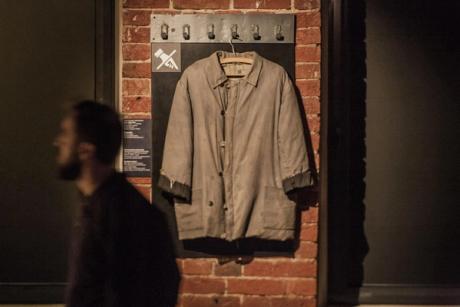
The Kremlin is systematically erasing the memory of Soviet repression under Joseph Stalin from Russian museums. The Gulag Museum in Moscow, which documented Stalin-era crimes, has been rebranded as a "Museum of Memory" focused on Nazi war crimes, with its entire website replaced and exhibitions packed up. Simultaneously, Russia's supreme court banned Memorial, a human rights organization founded to document Stalin-era atrocities, labeling it an "anti-Russian" extremist group. The Yeltsin Presidential Center in Yekaterinburg has also removed references to Memorial from its walls, and the Sakharov Center in Moscow was disbanded and evicted from its facilities.
This coordinated assault matters because it represents a state-directed effort to rewrite history and eliminate independent narratives about political repression in Russia. By rebranding the Gulag Museum to focus on Nazi crimes and banning Memorial, the Kremlin is consolidating a nationalist, pro-government historical narrative that aligns with President Vladimir Putin's justification for the war in Ukraine—framed as a campaign to "de-Nazify" the country. The closures and rebrandings follow a pattern of suppressing dissent and controlling historical memory, with earlier takeovers of the Perm-36 gulag museum and the forced closure of a Gulag history museum in Yoshkar-Ola. This erasure threatens the preservation of evidence of state violence and undermines the work of human rights advocates.