
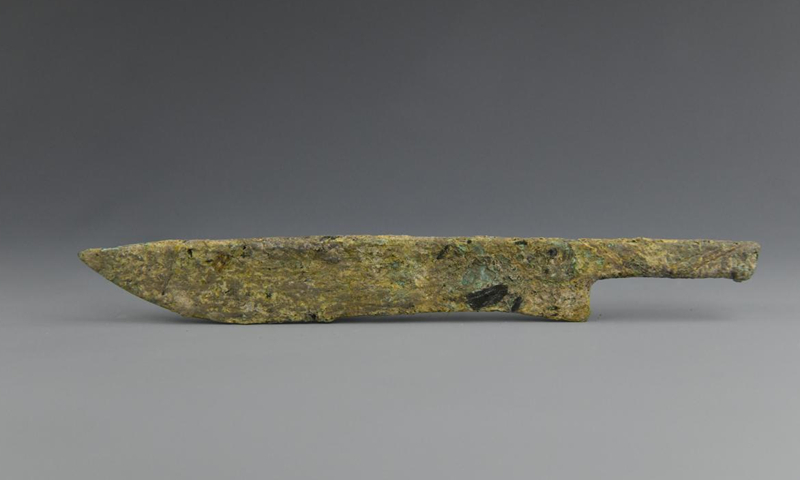
Archaeologists at the Shenduntou site near the Yangtze River have unearthed a significant Bronze Age metal-working center dating back to the Zhou dynasty. The excavation, led by Nanjing Normal University, revealed approximately 1,000 artifacts including clay molds, arrowheads, and knives, alongside evidence of furnaces and protective earthen walls. These findings confirm the existence of a high-level workshop dedicated to large-scale bronze production within the ancient Wu kingdom.
The discovery is historically significant because it provides physical evidence of a state-controlled industrial model where the government strictly managed metallurgy to bolster national strength. By centralizing artisans and resources, the Wu rulers were able to produce superior weaponry and tools, a strategic advantage that facilitated their territorial expansion during the 6th century BC. This find offers a rare glimpse into the sophisticated social and political structures that governed ancient Chinese technology and trade.