
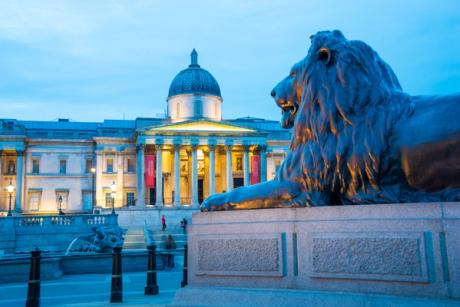
The UK Treasury is reportedly pushing to end universal free entry to Britain’s 15 national museums, including the British Museum, the National Gallery, and Tate, by charging overseas visitors. The policy, introduced by Labour in 2001, has been hailed as one of the most successful cultural initiatives of modern times, boosting visitor numbers by around 40% over two decades. The article argues that practical obstacles—such as the lack of mandatory ID cards to verify residency, the cost of installing ticketing infrastructure, and the risk of creating a two-tier system between wealthy and poorer museums—make the plan unworkable.
The proposal matters because it threatens to reverse decades of progress in broadening public access to museums, undermining the principle of free cultural heritage. The article also highlights a deeper issue: while government funding has largely kept pace with inflation, museum operating costs have soared—the National Gallery’s annual expenditure rose from £25m in 2005/06 to £65m in 2024/25, a real-terms increase of over 60%. The author suggests that before charging visitors, the Treasury should address the inefficiencies and lack of accountability driving these rising costs, which could preserve free entry without new fees.