
Guida ai tre cimiteri monumentali di Bologna: la Certosa, il Cimitero Ebraico e il Polacco
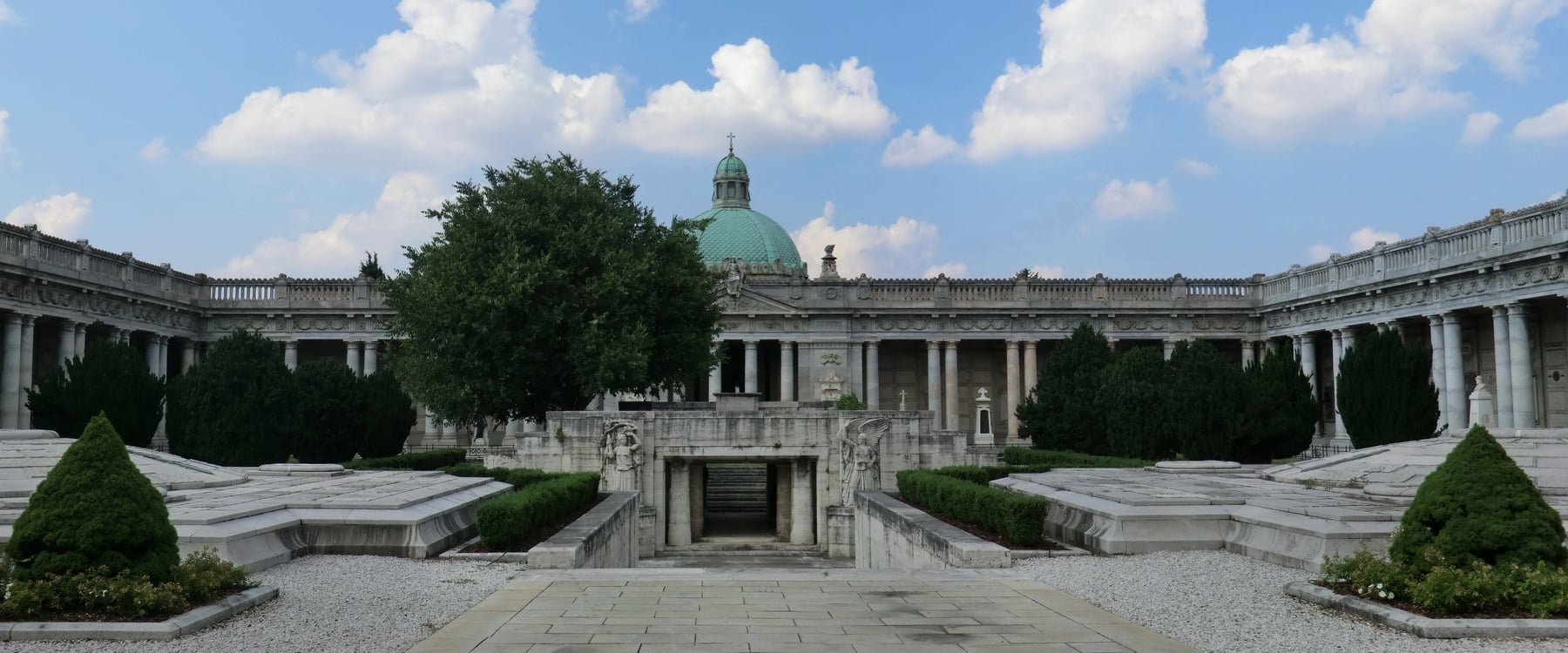
The article explores three monumental cemeteries in Bologna, Italy: the Certosa, the Jewish Cemetery, and the Polish Military Cemetery. The Certosa, founded in 1801 on a 14th-century convent, evolved into a neoclassical masterpiece and a UNESCO World Heritage site, housing the tombs of figures like Giosue Carducci, Giorgio Morandi, and Lucio Dalla. The Jewish Cemetery, established in 1867, features three distinct sections with notable artistic tombs, including a Liberty-style monument by Silverio Montaguti and a modernist chapel by Enrico De Angeli, built in 1938 amid racial laws. The Polish Military Cemetery, the largest of four Polish cemeteries in Italy, contains 1,432 graves of soldiers from the 2nd Corps who died liberating Bologna in 1944-1945, and is part of the Liberation Route Europe.
This article matters because it reframes cemeteries not as morbid spaces but as living cultural heritage that reveals the social, political, and artistic history of a city. Bologna's approach to preserving these sites as active patrimony offers a model for how urban memory can be curated through funerary art, architecture, and commemoration. The piece underscores the intersection of art, politics, and identity, showing how tomb design reflects class, religion, and historical trauma, while also highlighting the city's role in European memory networks.