
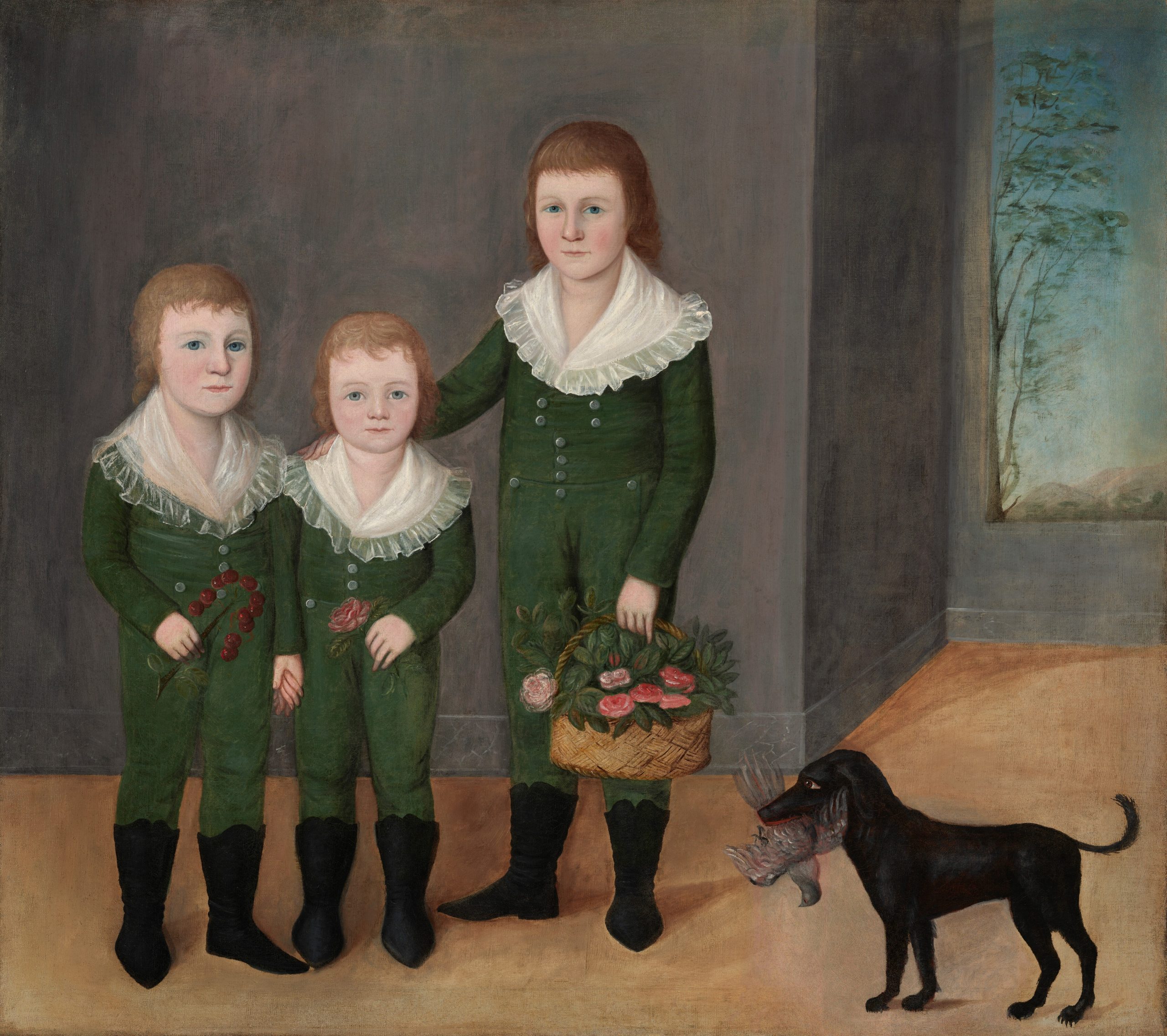
Joshua Johnson, born into slavery in Maryland around 1763, emerged in the late 18th century as the first documented Black professional artist in the United States. After gaining his freedom in 1782, Johnson established himself in Baltimore as a self-taught portraitist, advertising his services in local newspapers and catering to the city's prominent families. His body of work, consisting of approximately 83 attributed paintings, is characterized by a distinct flatness and three-quarter profile compositions typical of early American folk art.
Johnson's legacy is a vital component of the effort to recover the stories of marginalized figures in early American art history. Rediscovered by art historians in the 1930s and further illuminated by archival research in the 1990s, his career challenges traditional narratives of the American republic's dawn. As the U.S. approaches its 250th anniversary, Johnson’s success as a Black professional in a period of systemic enslavement serves as a significant testament to artistic resilience and the complexity of the early American art market.