
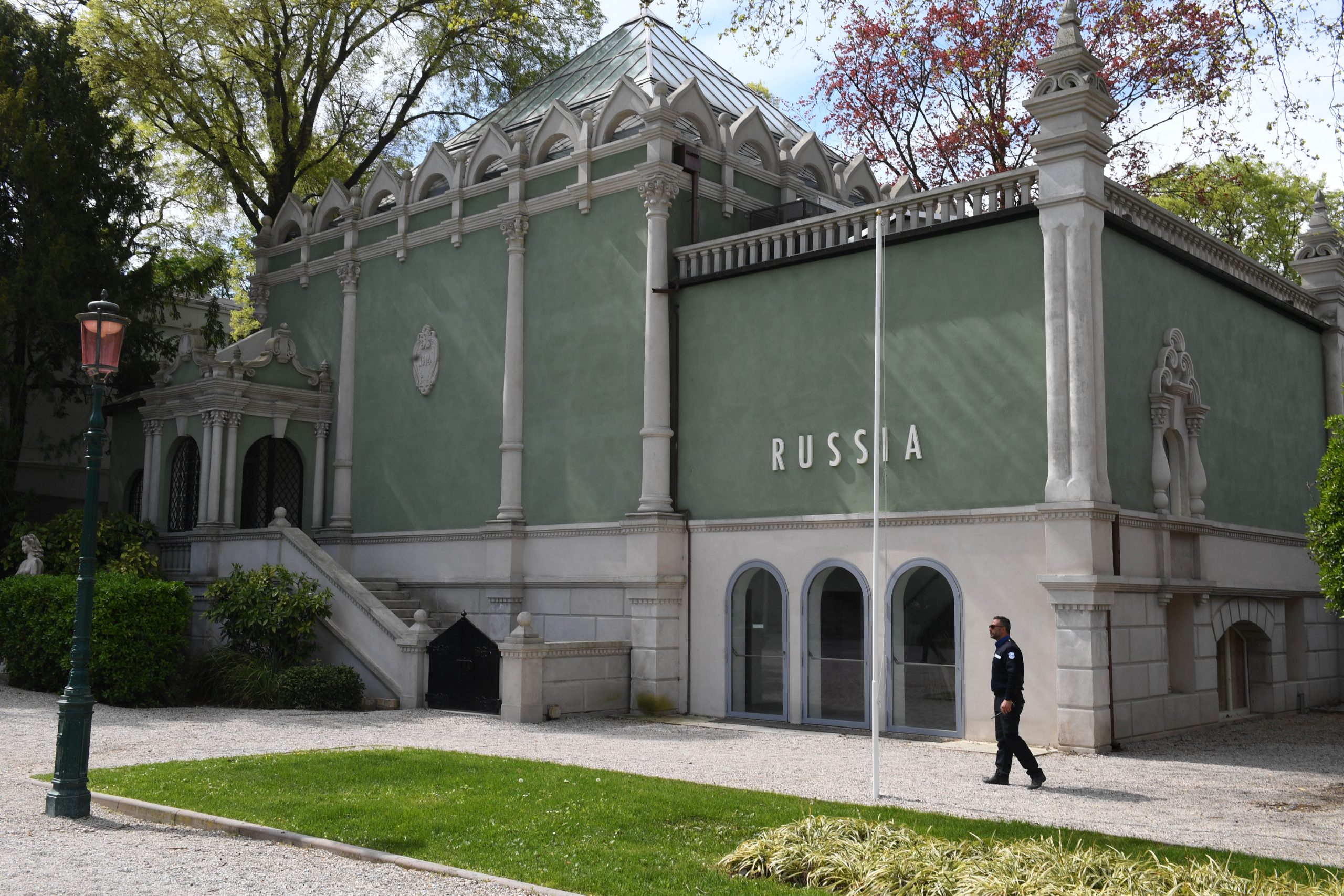
The European Union has threatened to withdraw a €2 million grant from the Venice Biennale following Russia's decision to return to the international exhibition for its 61st edition. The EU Commission warned that providing a platform for a Russian national pavilion risks legitimizing figures connected to the Kremlin and violating sanctions, while Biennale organizers have defended the move as a commitment to artistic freedom and a rejection of censorship.
This dispute highlights the intensifying intersection of cultural diplomacy and geopolitics, as over 7,000 artists and several European ministers have signed letters of protest. The controversy is further fueled by the Russian pavilion's leadership, specifically commissioner Anastasia Karneeva's ties to a state-owned defense contractor, raising significant questions about the ethics of institutional funding and the role of international art events during active global conflicts.