
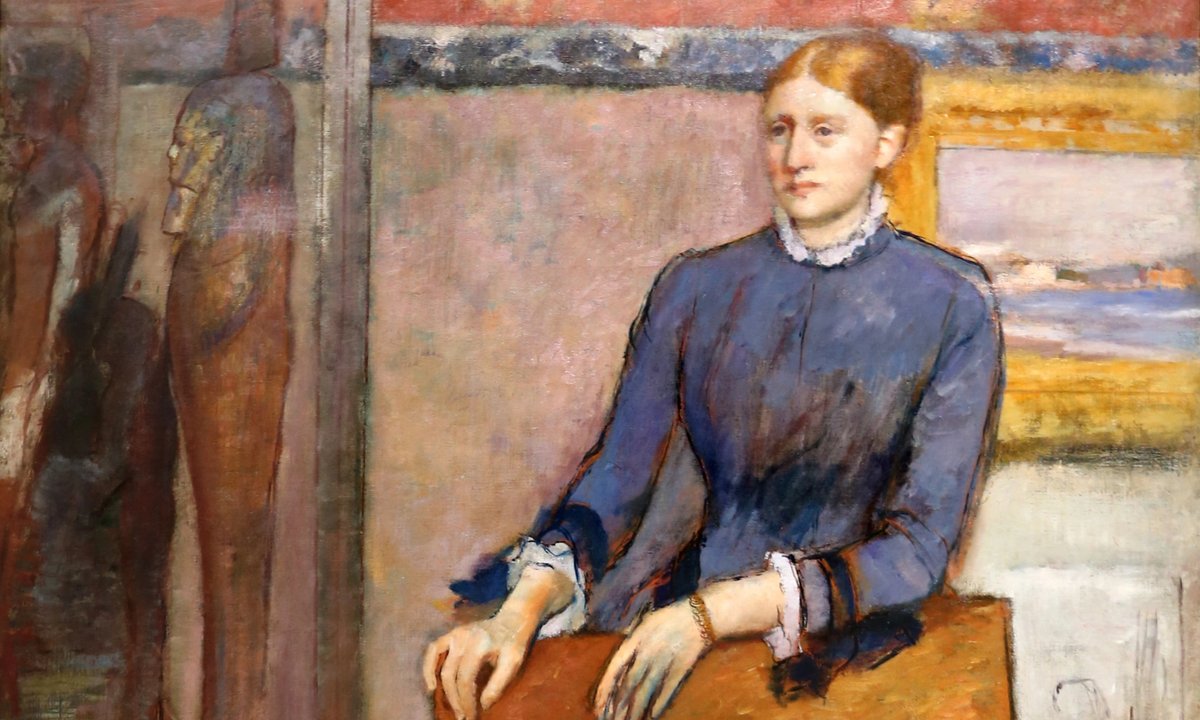
The article explores the perennial struggle artists face in determining when a work is complete, a process often fraught with the risk of overworking or 'wrecking' a piece. Drawing on insights from Howard Hodgkin and David Sylvester, it examines how artists like Degas, Matisse, and Cézanne navigated the boundary between a finished object and a work-in-progress, sometimes intentionally leaving canvases 'open' or 'fragmentarily complete' to preserve their emotional and visual immediacy.
This discussion is particularly relevant given several major current exhibitions that highlight the evolution of artistic process over finality. By analyzing the 'unfinished' qualities of masterpieces at institutions like the Fondation Beyeler and the Grand Palais, the piece argues that viewers and subsequent generations of artists often find more value in these visible struggles and open structures than in traditionally 'polished' results.