filter_list Showing 50 results for "10" close Clear
search
dashboard All 793 museum exhibitions 397article local 117trending_up market 107article news 60article culture 50article policy 20person people 13rate_review review 12gavel restitution 10candle obituary 7
date_range Range Today This Week This Month All
Subscribe

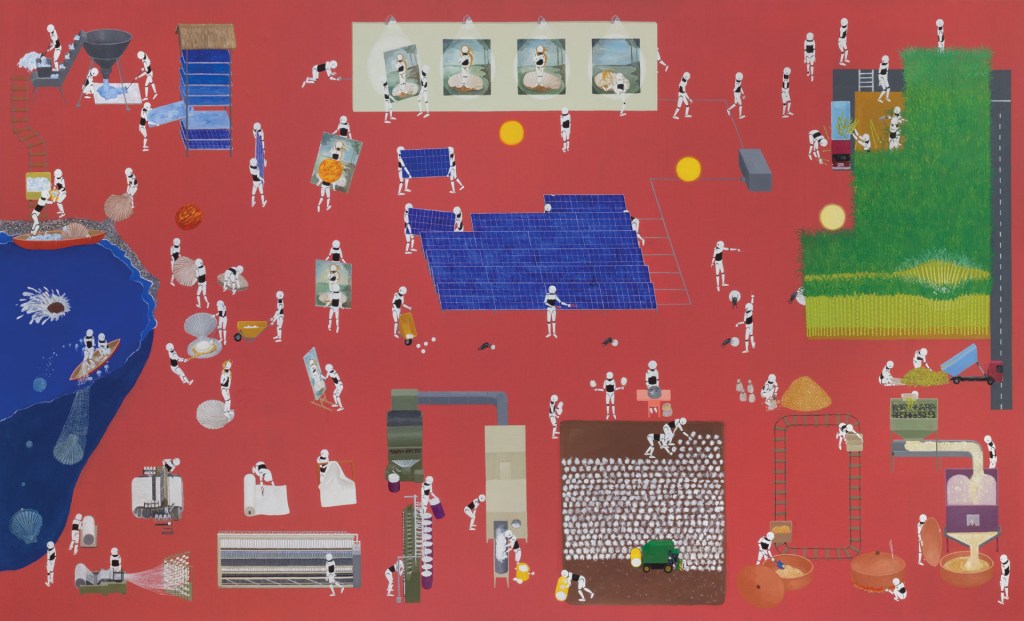
The 21st Century’s Biggest Art Trend is Not a Style. But Once You See It, You’ll Notice It Everywhere.

The article traces the evolution of "systems art," a term coined by critic Jack Burnham in 1968 to describe art that uses rules, seriality, and repetition to mirror and reveal the growing protocols of the Cold War era. It highlights early practitioners like Kenneth Noland, Robert Morris, Dan Flavin, and notably Hans Haacke and Adrian Piper, who shifted from atmospheric systems (e.g., Haacke's *Condensation Cube*) to social systems (e.g., Haacke's *Shapolsky et al. Manhattan Real Estate Holdings*). The piece argues that systems thinking has become unavoidable in contemporary life—from algorithms to systemic racism—and that art remains a crucial tool for making these invisible systems legible.
‘A gift that keeps on giving’: the witty world of Lee Friedlander – in pictures

The Guardian published a photo essay celebrating American photographer Lee Friedlander, featuring images from his career spanning the 1950s to the 2010s. The article highlights his new book "Life Still," published by Aperture, which collects over 130 photographs—most previously unpublished—showcasing his signature wit and his eye for the American social landscape, including chain link fences, roadside signs, and still lifes. The piece includes commentary from curator Peter Galassi and notes Friedlander's influences from Walker Evans and Robert Frank.

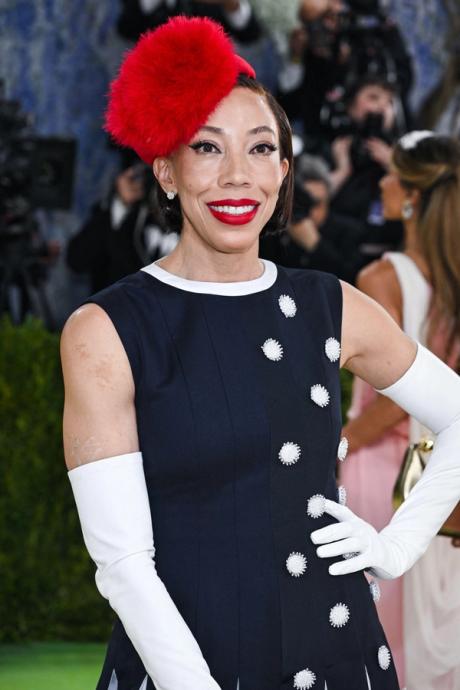
Artists made their mark at 2026 Met Gala

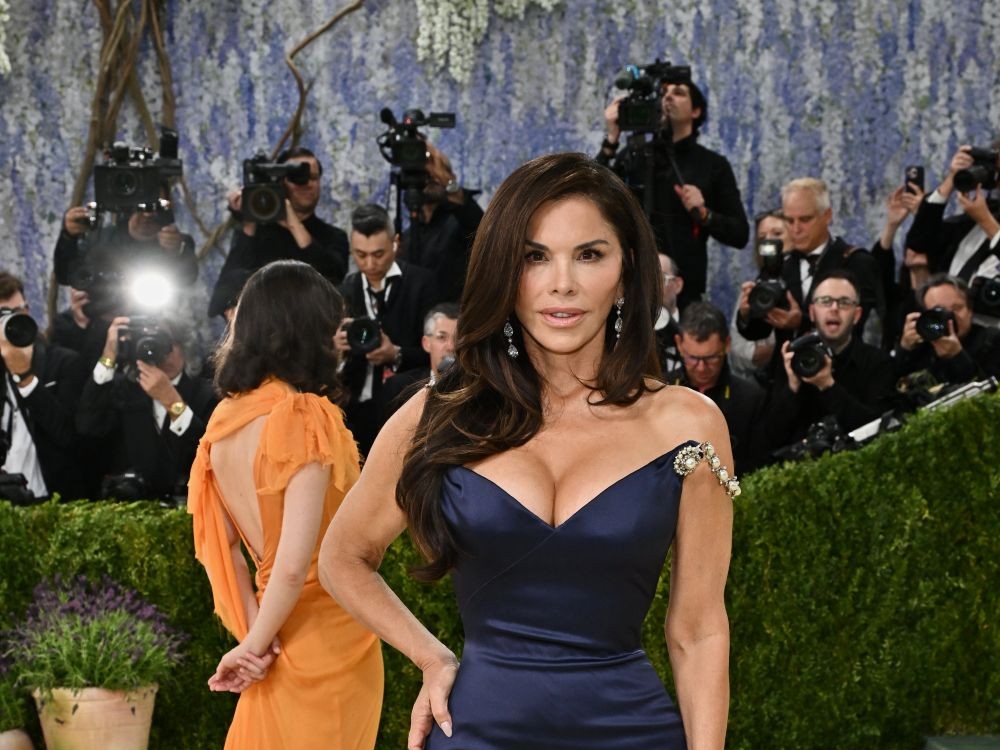
The 2026 Met Gala, held on May 4 at the Metropolitan Museum of Art, raised a record $42 million for the Costume Institute, surpassing last year's $31 million. Honorary chairs Jeff Bezos and Lauren Sanchez Bezos contributed at least $10 million, but their involvement sparked protests outside the event, with demonstrators holding signs like "Tax the Rich" and a group called Everyone Hates Elon leaving fake urine bottles labeled with Bezos's face. Inside, artists made a strong impression: Amy Sherald wore a Thom Browne look based on her painting; Jordan Roth donned a Robert Wun outfit inspired by a Met collection work; and Tschabalala Self collaborated with Brandon Blackwood on a gown evoking Degas's ballerina sculpture. The gala's dress code was "fashion is art," and the accompanying exhibition, "Costume Art" (May 10–January 10, 2027), debuts the Met's new 12,000-square-foot Condé M. Nast Galleries.

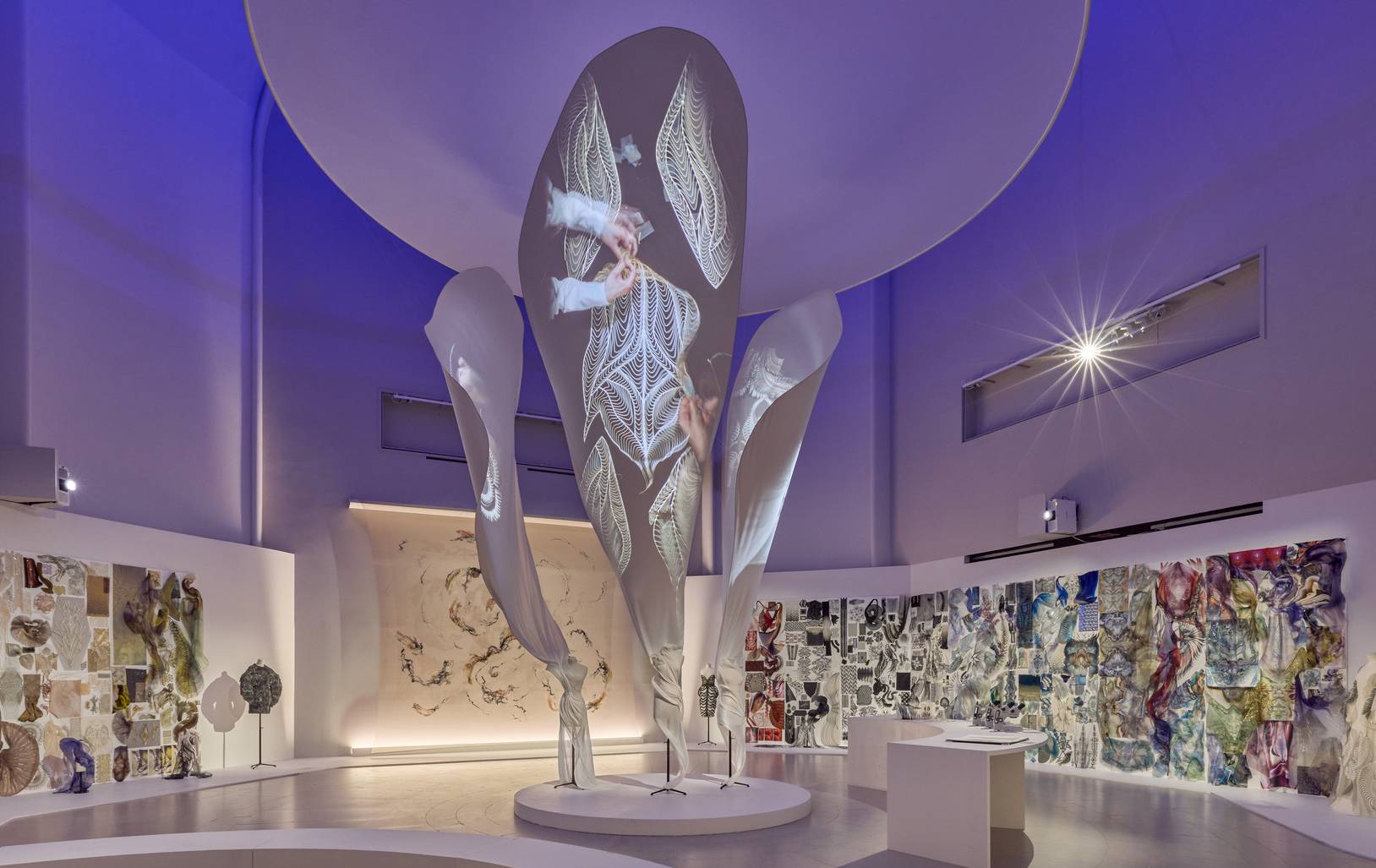
10 Artists to Follow if You Like Iris van Herpen

Artsy Editorial profiles 10 contemporary artists whose work aligns with the visionary, technology-driven approach of fashion designer Iris van Herpen. The article highlights van Herpen's career milestones, including her 2011 invitation to join the Chambre Syndicale de la Haute Couture, and her ongoing fusion of traditional craftsmanship with cutting-edge technology to create wearable art. It then presents a curated list of artists who similarly explore themes of organic form, digital fabrication, and the intersection of art and fashion.

Louis Vuitton revives Keith Haring collaboration at lavish New York show

Louis Vuitton staged a lavish fashion show at the Frick Collection in New York, reviving a collaboration with the estate of artist Keith Haring. The collection, designed by Nicolas Ghesquière, featured Haring's signature motifs on classic LV handbags and was presented in the museum's marble galleries. The event also marked a three-year sponsorship deal, with Louis Vuitton funding exhibitions, public access, and a curatorial position at the Frick, including rebranded free entry evenings as Louis Vuitton Free Fridays.

We are in danger of losing our sense of community

"Wir drohen das Gespür für die Gemeinschaft zu verlieren"

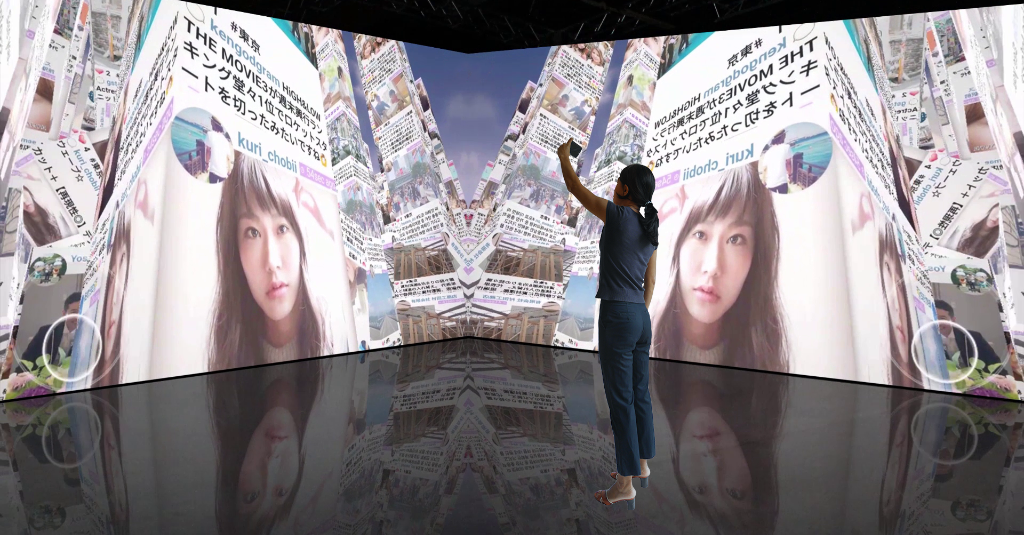
Christophe Cherix, the new director of the Museum of Modern Art in New York, discusses his first months in the role, emphasizing museums as "safe social places" in an era of anxiety and screen-induced isolation. He advocates for collective vision-building with staff and defends the MoMA's independence against political pressure in Trump-era America. Separately, critic Paco Barragán argues in The Observer that biennials are in a structural crisis of repetition, tracing their history from instruments of national soft power to a "Global Neo-Liberal Biennial" system that co-opts diversity without changing its core logic. He introduces the concept of the "vibe-ennial," where discourse is replaced by atmosphere and critique by affect. Meanwhile, longtime Bonn museum director Stephan Berg critiques the boom in immersive art experiences like "Van Gogh – The Immersive Experience," calling them a "surrogate reality" tailored to the Instagram age that destroys the integrity of original works. Artforum reconstructs late-1960s debates on art criticism, focusing on Barbara Rose's challenge to formalists like Clement Greenberg and Rosalind Krauss, arguing that art must engage with societal conflicts such as Black Power and war resistance.

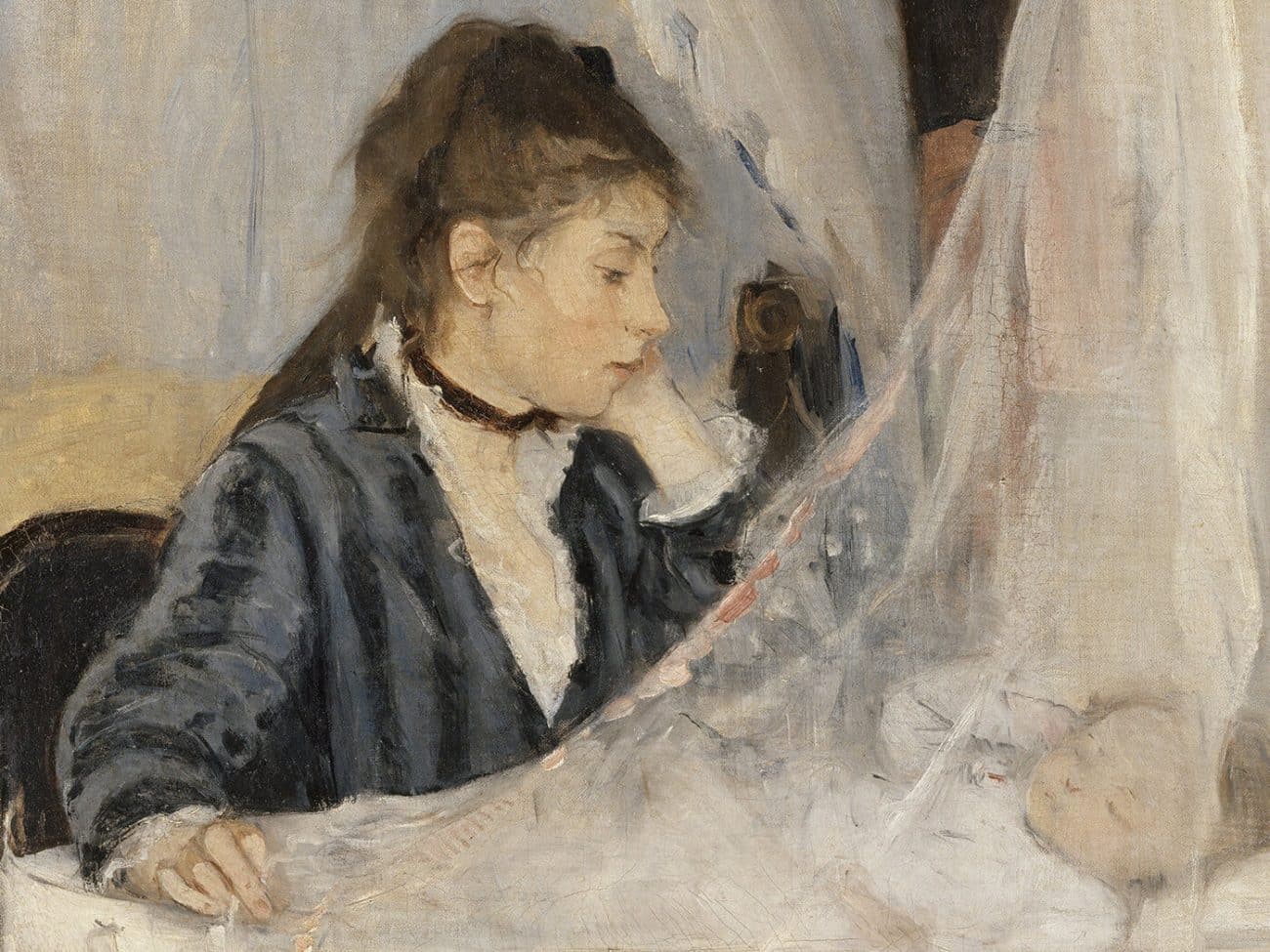
10 chefs-d’œuvre de l’impressionnisme décryptés par Beaux Arts

Beaux Arts Magazine presents a detailed dossier analyzing ten iconic masterpieces of Impressionism, including works by Edgar Degas, Édouard Manet, Berthe Morisot, Auguste Renoir, Gustave Caillebotte, Claude Monet, and Mary Cassatt. The article explores the technical innovations, modern subjects, and revolutionary spirit of the movement, which began in 1874 and was initially rejected by critics. Each featured painting—such as *Le Déjeuner sur l’herbe*, *Impression, soleil levant*, and *Le Bal du moulin de la Galette*—is examined by art historians and journalists to reveal its composition, historical context, and lasting impact.

Can Digital Art Ever Truly Replicate the Gallery Experience?

The article explores whether digital art platforms can replicate the experience of visiting a physical gallery. It acknowledges the impressive progress of virtual exhibitions—global accessibility, VR tours, AR overlays, and high-resolution zoom—and notes that 35% of UK adults digitally engaged with the arts in 2024/25, up from 27% in 2021/22. However, it argues that something essential is lost without physical presence: the tactile encounter with a painting's texture and scale, the serendipity of in-person discovery, and the spatial awe of standing before a Rothko in a white cube.

Dansaekhwa has taken over the modern art world. But the story of how that happened is up for debate.

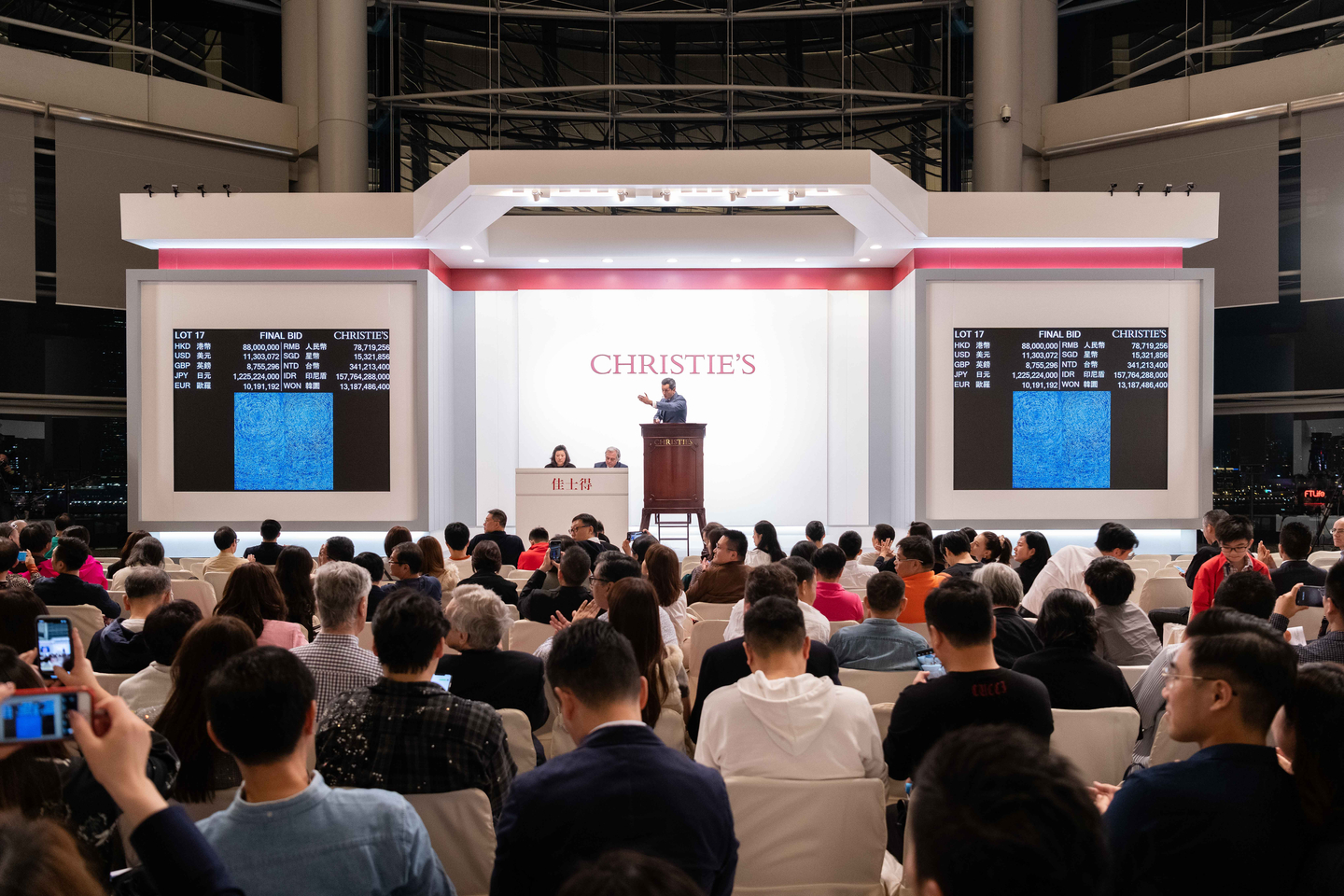
The article examines the global rise of Dansaekhwa, a Korean monochrome painting style that has achieved record auction prices and widespread collector interest over the past decade. It traces key milestones, including two pivotal 2014 exhibitions at Kukje Gallery in Seoul and Blum & Poe in Los Angeles, and the surge in auction prices for artists like Kim Whan-ki, Park Seo-bo, and Chung Sang-hwa, culminating in a $13 million sale in 2019.

Artist Henry Ossawa Tanner

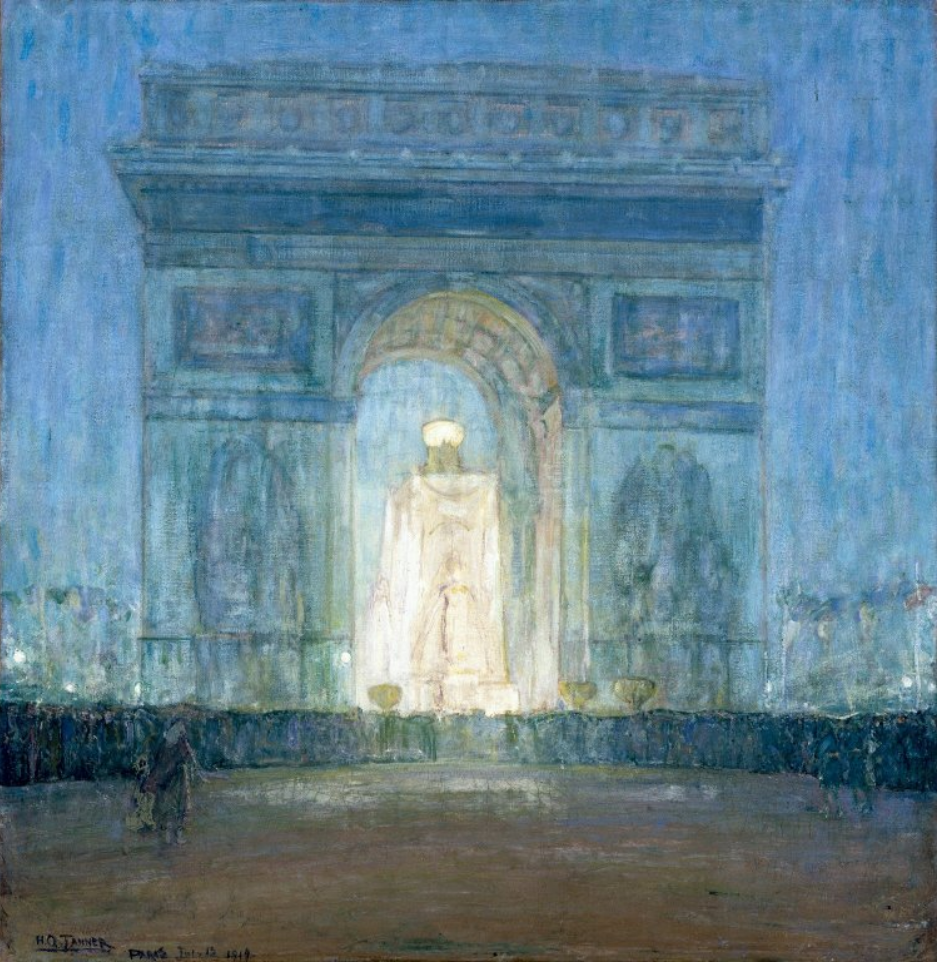
This article profiles Henry Ossawa Tanner (1859–1937), the pioneering African American artist who achieved international fame in the 19th and early 20th centuries. Born in Pittsburgh to a bishop father and a mother who escaped slavery, Tanner studied under Thomas Eakins at the Pennsylvania Academy of Fine Arts before moving to Paris to escape racial discrimination. He studied at the Académie Julian, became a mentor to Black artists including Aaron Douglas and Hale Woodruff, and gained renown for his biblical paintings such as "Daniel in the Lions' Den" (1896). Tanner traveled widely—to Egypt, Morocco, and Palestine—and was named a chevalier of the French Legion of Honor in 1927. The article lists numerous works by Tanner held in major collections, including the first painting by an African American artist acquired for the White House Collection.

Sur Arte Radio et dans une expo, l’enquête d’Adrianna Wallis sur les traces de sa grand-mère peintre spoliée par les nazis

Artist Adrianna Wallis (born 1981) discovers that her paternal grandmother, painter Diane Esmond (1910–1981), was a victim of Nazi looting during World War II. After being contacted by historians Patricia Helletzgruber and Sophie Juliard, Wallis learns that much of Esmond's work was systematically destroyed by the ERR, the Nazi organization responsible for art theft in occupied countries. This revelation sparks a personal investigation that becomes a podcast for Arte Radio titled "Il restera la gravité," blending documentary, autobiographical inquiry, and sound installation. Wallis delves into archives, examining microfilms and lists that detail 46 of Esmond's paintings—each methodically described and declared destroyed, such as "Woman in blue evening dress: annihilated."

Stühle, die zum Reden zwingen

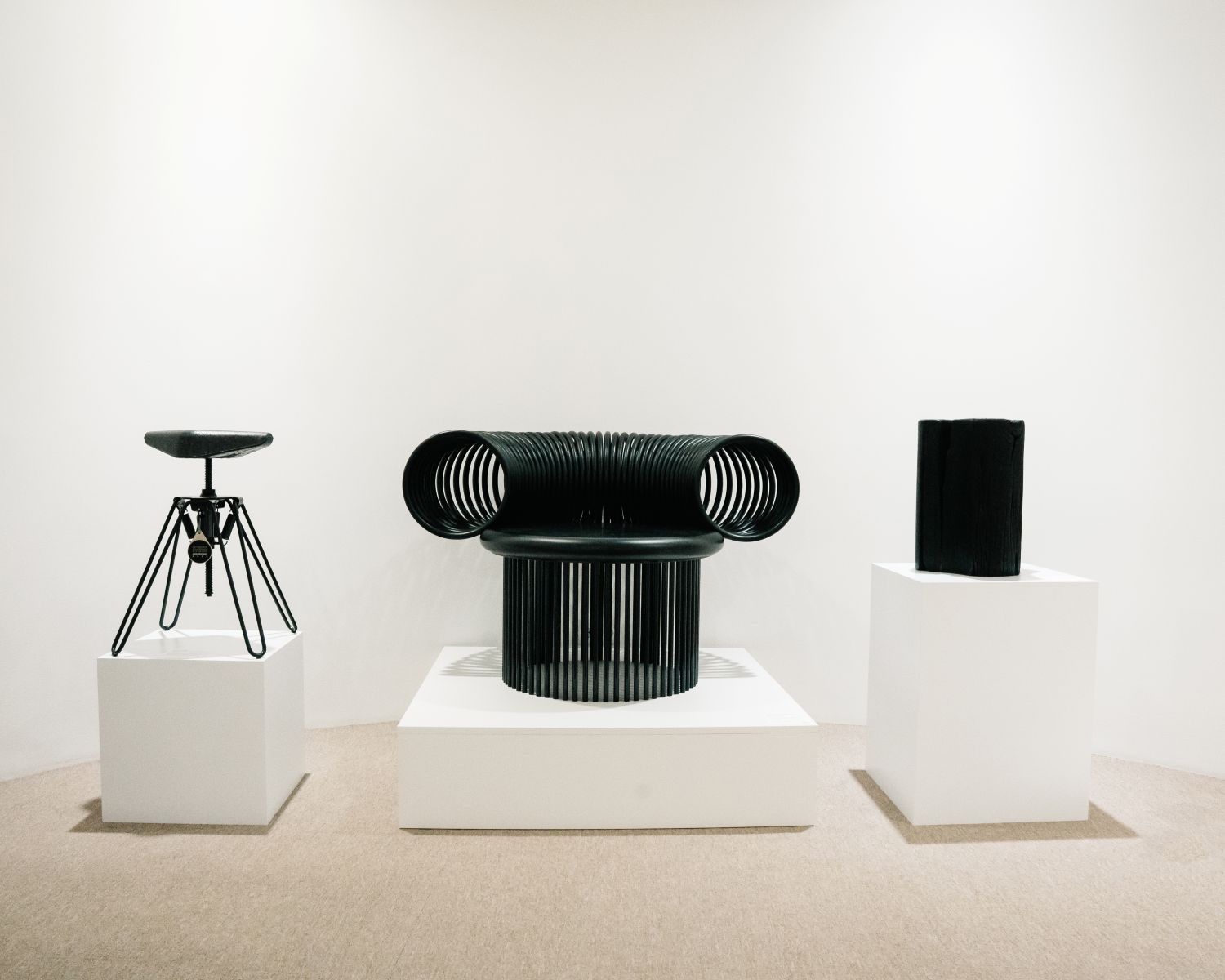
The article examines a peculiar three-seat sofa called the "Indiscret" on display in the Louvre, designed in 19th-century France under Napoleon III to force conversation among sitters. This "Conversation Chair" reflects an era when furniture was deliberately crafted to create social intimacy and control guest behavior, in stark contrast to modern public seating that often discourages lingering through hostile architecture.

How Tech Billionaires Turn Couture into Content

Wie Tech-Milliardäre Couture zu Content machen

The Met Gala, long considered the premier event for fashion and cultural influence, has become increasingly dominated by tech billionaires. This year, Jeff Bezos and Lauren Sánchez Bezos purchased their role as co-hosts, sparking protests in New York and raising questions about whether money alone now buys entry into the highest echelons of fashion. Individual tickets cost $10,000 and a table $350,000, with sponsors including OpenAI, Snapchat, and Meta. The event, organized by Anna Wintour to raise funds for the Costume Institute at the Metropolitan Museum of Art, raised $31 million last year but has transformed from a benefit into a spectacle optimized for viral moments and algorithmic appeal.

Sheila Hicks en 2 minutes

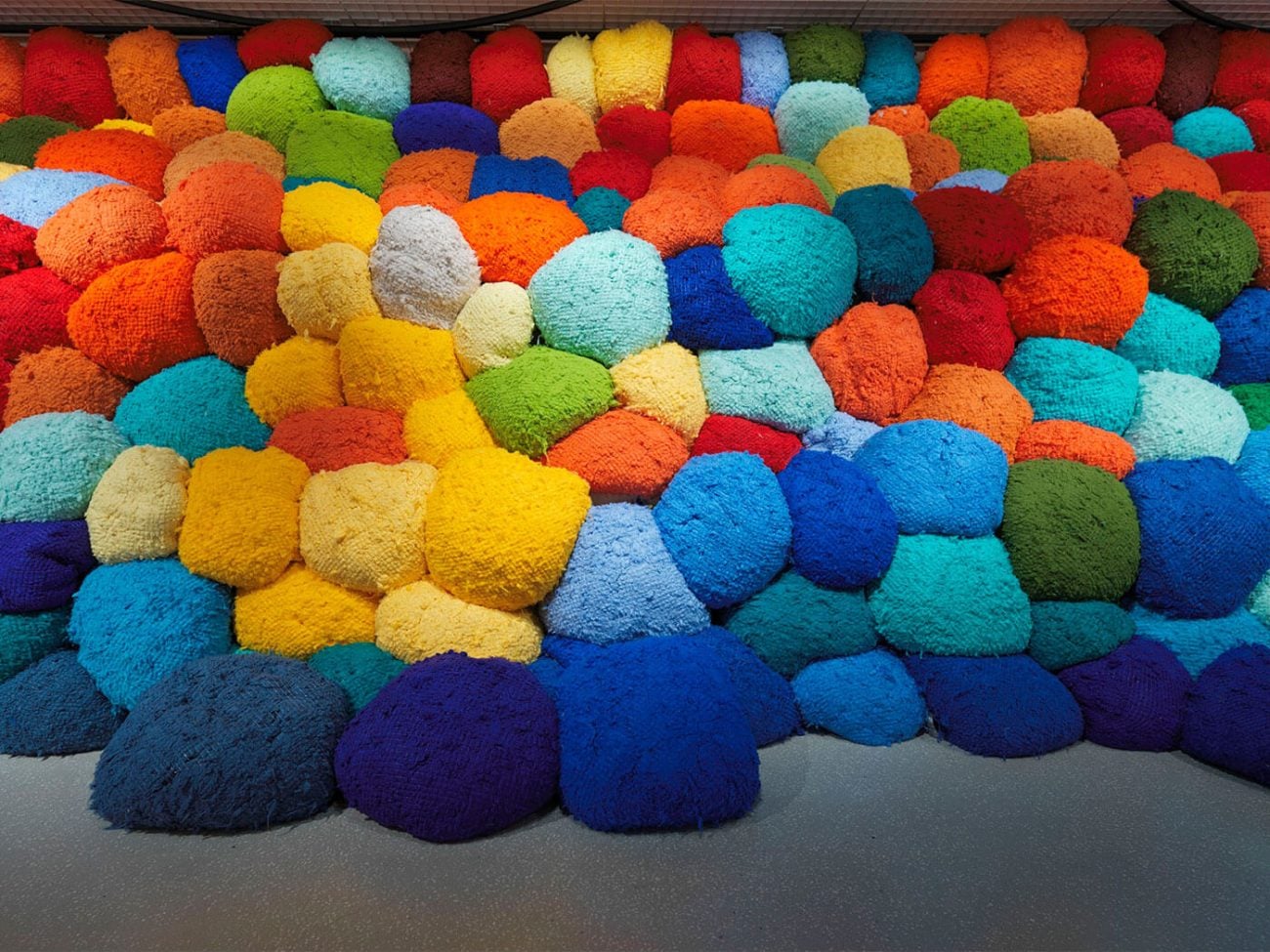
Sheila Hicks, the American textile artist born in 1934, is profiled in a concise overview of her career. The article traces her journey from studying under Josef Albers at Yale and learning weaving from Andean artisans in Chile, to establishing her studio in Mexico and later Paris. It highlights her monumental commissions for hotels, embassies, and public spaces, as well as her intimate "Minimes" works. Key milestones include her 2014 piece "Pillar of Inquiry/Supple Column" at the Whitney Biennial, her 2017 installation at the Venice Biennale, and a major retrospective at the Centre Pompidou in 2018.

The Best and Worst of the Stars at the 2026 Met Gala Inspired by Art History

Le meilleur et le pire des stars au Met Gala 2026 inspiré par l’histoire de l’art

On May 4, 2026, the Met Gala brought together 450 guests at the Metropolitan Museum of Art in New York under the theme "Fashion is Art," tied to the exhibition "Costume Art." Attendees were asked to draw inspiration from specific artworks, resulting in standout looks: Madonna channeled Leonora Carrington's "The Temptation of Saint Anthony" (1945) in a Saint Laurent gown, Kim Kardashian wore a custom piece by Allen Jones extending his "Cover Story 4/4" (2021), Hunter Schafer embodied Gustav Klimt's portrait "Mäda Primavesi" (1912-1913) in Prada, and Tessa Thompson referenced Yves Klein's "Anthropométries" in Valentino. Gracie Abrams also paid homage to Klimt's "The Kiss."

Ready for their close-ups: celebrity passport photos

Dave Sharkey, a former professional boxer, and his wife Ann founded a photographic studio on Oxford Street in London in 1953, offering passport photos with a 10-minute turnaround. The studio, later run by their son Philip, became a popular spot for celebrities including Muhammad Ali, Mick and Bianca Jagger, David Hockney, and Tilda Swinton. A new book titled 'Passport Photo Service,' published by Phaidon Press, compiles over 300 of these celebrity passport portraits from the 1950s to the 2010s.

Three artists, three questions: Immersed in colors

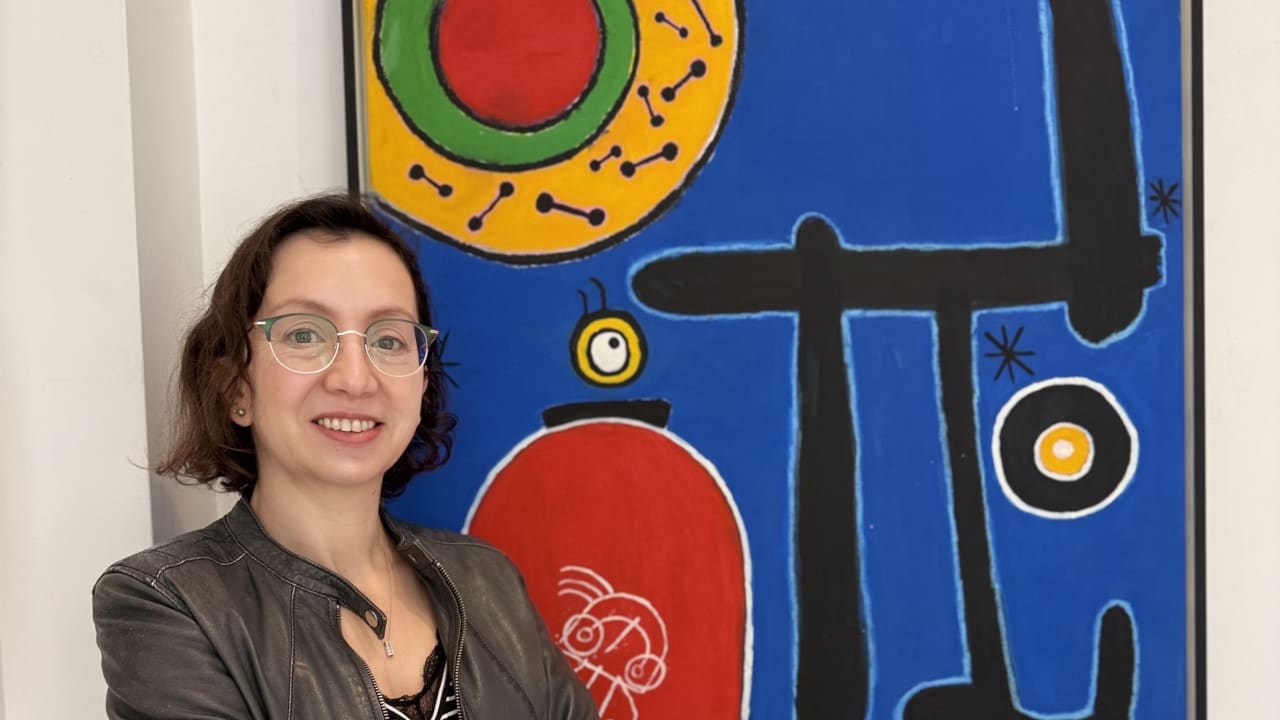
Three Israeli artists—Vera Kunis, Avraham Kan, and Tal Tenne Czaczkes—are featured in a column exploring their use of color amid the ongoing war with Iran. Kunis, a data engineer and artist, opened her first solo exhibition, "Imagination Algorithm," at the Global Art Gallery in Tel Aviv on March 10, 2026, during the conflict. The interview was conducted remotely due to war conditions, with a siren interrupting the conversation. The artists discuss their inspirations, definitions of art, and what makes their work unique, emphasizing resilience and optimism through color.

parties cult100 cultured magazine guggenheim

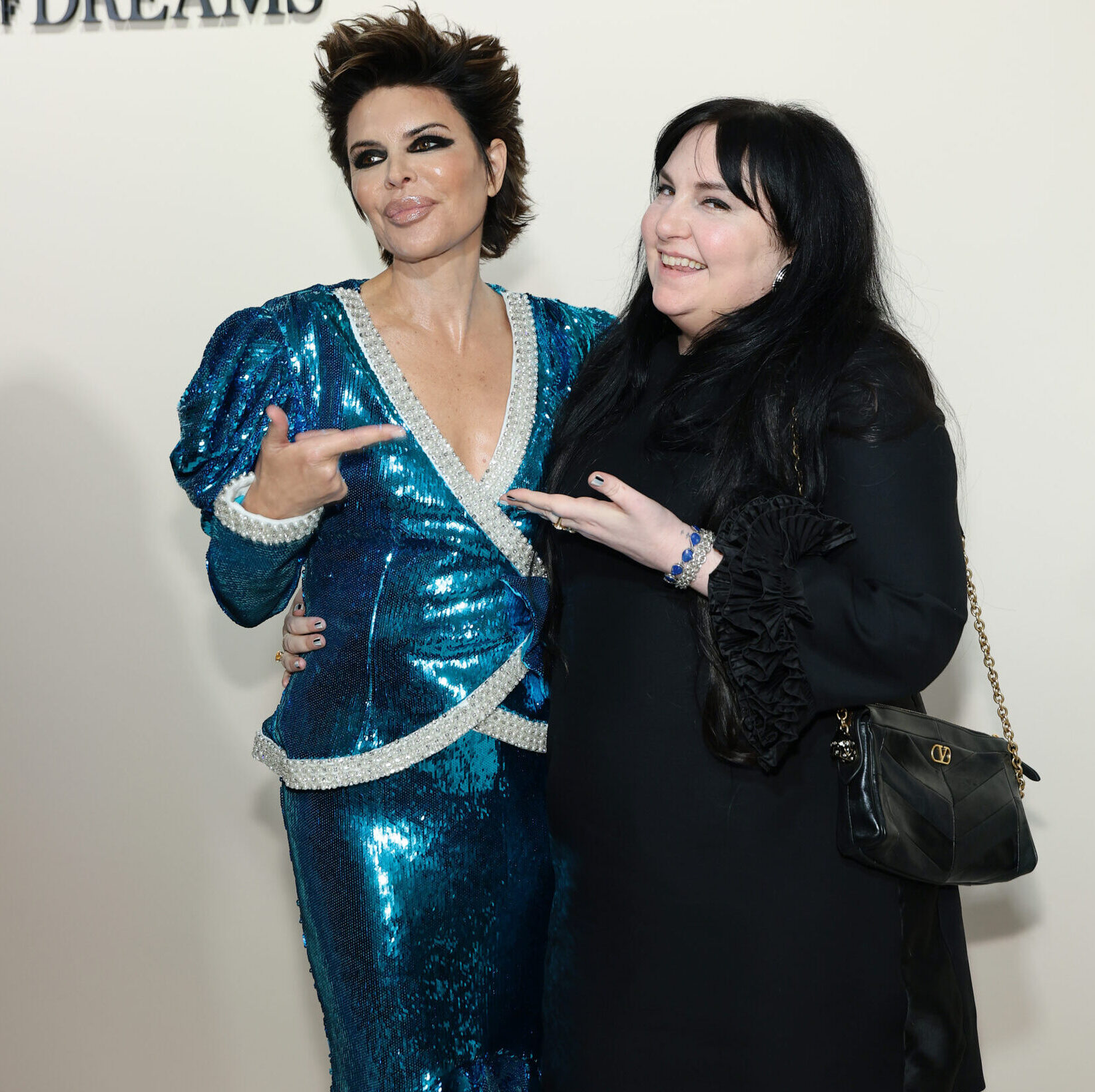
CULTURED magazine hosted its second annual CULT100 party at the Guggenheim Museum in New York, in exclusive partnership with Valentino and Valentino Beauty. The event celebrated the magazine's spring issue, a 400-page edition honoring 100 luminaries and rising talents across food, film, art, fashion, and more. Guests including Keke Palmer, Lena Dunham, Naomi Watts, Adam Scott, and Anne Imhof gathered in the Frank Lloyd Wright-designed rotunda for cocktails, a Valentino Beauty lounge, and a program that coincided with artist Carol Bove's ongoing museum survey exhibition at the Guggenheim.

A pop-up hotel format is born that focuses on culture: starting in an architecture in Arles, France (with photos by Carla Sozzani)

Nasce un format di hotel pop up che punta sulla cultura: si inizia in un’architettura di Arles in Francia (con le foto di Carla Sozzani)

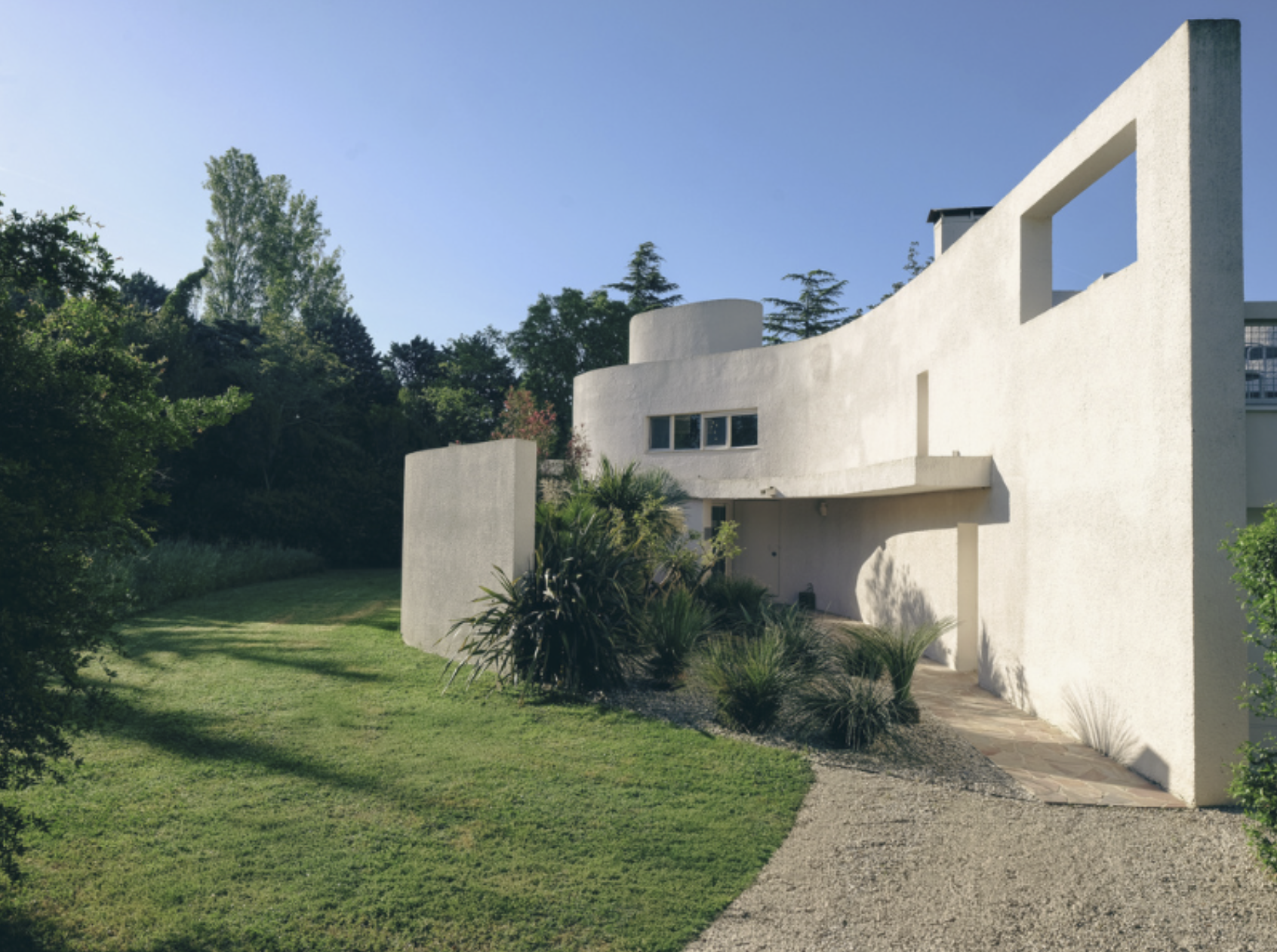
Luca Pronzato, founder of the pop-up restaurant platform We Are Ona, is launching a new itinerant hospitality concept called Casa Ideale. The first edition will take place from July 1–10, 2026, at Villa Bank, a 1970s villa near Arles, France, designed by Emile Sala and protected as a Remarkable Contemporary Architecture by the French Ministry of Culture. Guests will stay in the villa and dine at a restaurant run by chef Gil Nogueira, while the space also hosts a photography exhibition titled "Prologo" curated by Maddalena Scarzella for Fondazione Sozzani, featuring over 60 works from Carla Sozzani's archive by artists such as Urs Lüthi and Helmut Newton, alongside design pieces from the gallery Downtown+ by Luna Laffanour.

Michael Garner Explores Truth, Systems & Constructed Reality

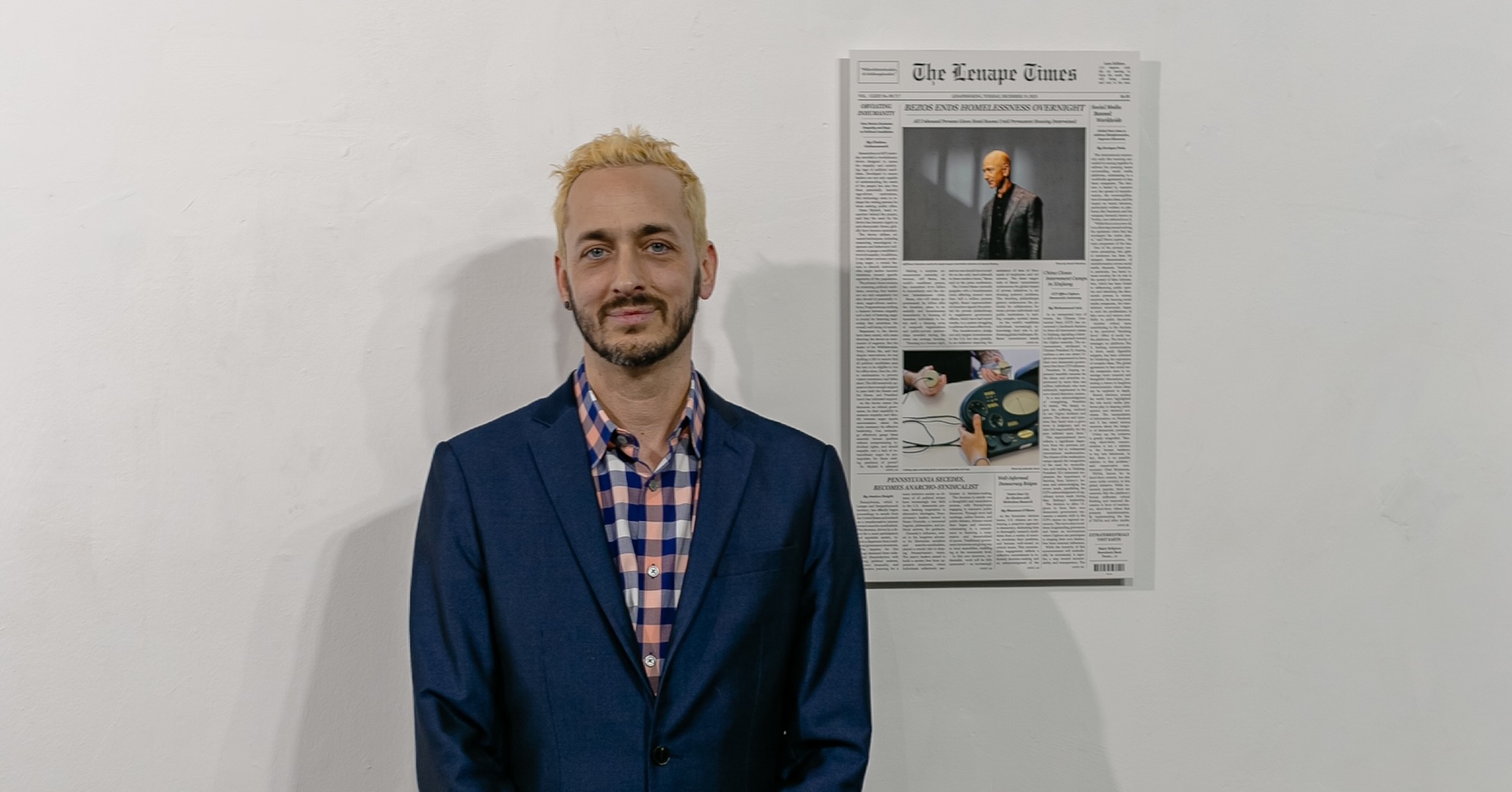
Michael Garner, an artist with a background spanning social science and intelligence work, creates immersive works that blend science, espionage, philosophy, and absurdity. His recent exhibitions include a show at the Bomb Factory Art Foundation featuring a vending machine dispensing mock classified information, and a presentation at the Austrian Cultural Forum London exploring his newly acquired Austrian citizenship through neural pathway paintings in the colors of the Austrian flag.

The Burlington Magazine - n°1478 vol CLXVIII - May 2026

The May 2026 issue of The Burlington Magazine (n°1478, vol. CLXVIII) presents a rich array of scholarly articles, exhibition reviews, and book reviews covering European art from the medieval period to the 20th century. Highlights include Laure Boyer's study of two photographs of Victorine Meurent linked to Manet's 'Le Déjeuner sur l'herbe' and 'Olympia', Axel Moulinier's analysis of Watteau's copies after old masters, and Richard Thomson's essay on a century of Monet in print. Exhibition reviews cover shows on Monet's Étretat coast, Orazio Gentileschi, Cornelius Jonson van Ceulen, Gainsborough, Seurat, Italian Symbolism, and Iliazd. Book reviews range from medieval art and Pietro Bellotti to Helene Schjerfbeck, Roberto Matta, and contemporary jewelry at the Dallas Museum of Art.

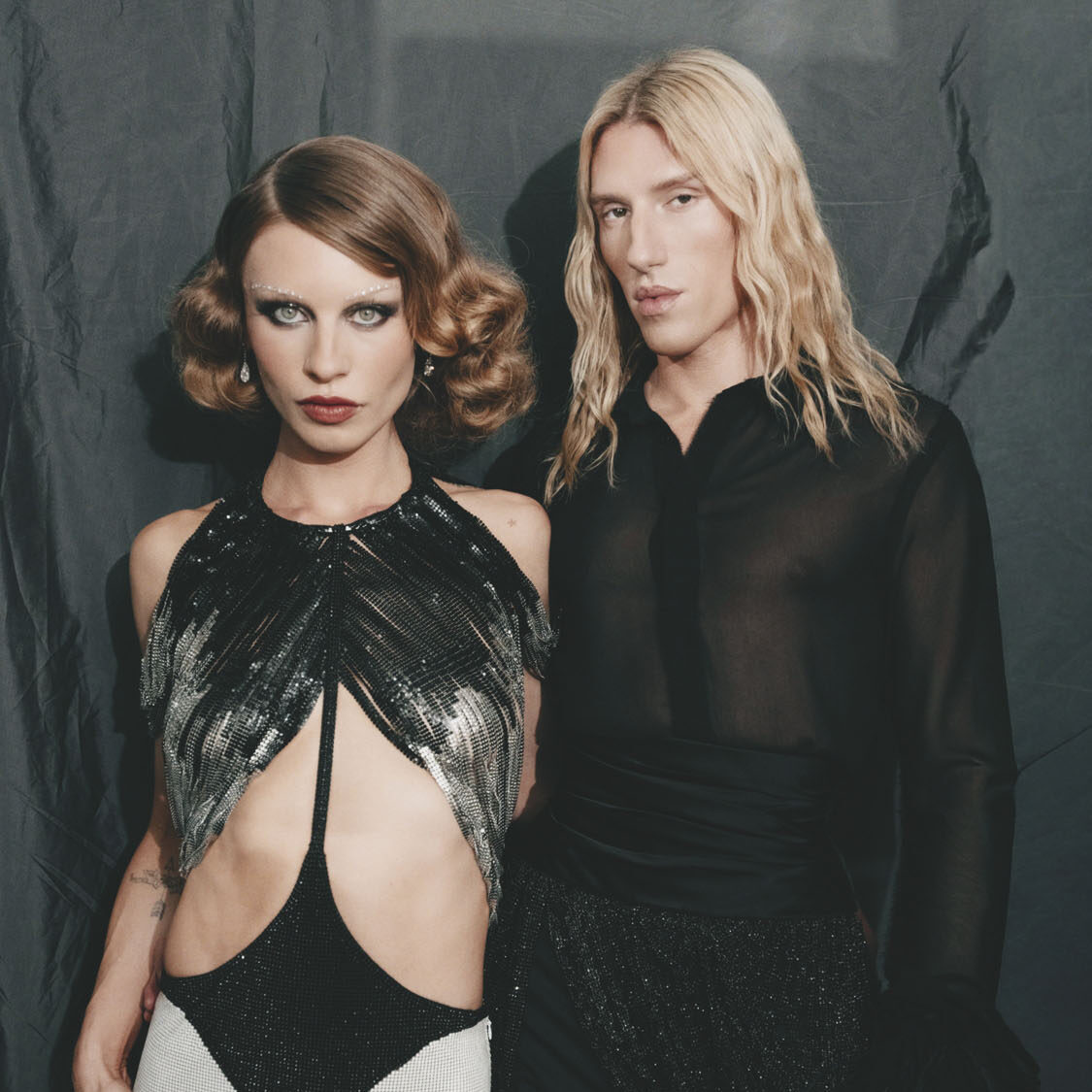
The Strange Coincidence Behind Ivy Getty’s Ludovic de Saint Sernin Met Gala Dress

Ivy Getty, an American model and philanthropist, collaborated with Parisian designer Ludovic de Saint Sernin to create her Met Gala dress, inspired by the 1926 illustration *L’Eclat de l’Or* by Russian artist Erté. The sketch, originally for the show *The Golden Fables*, was chosen from Getty’s mood board; the pair later discovered it is held in the Metropolitan Museum of Art’s archive, coinciding with its 100th anniversary. The final fringed gown debuted on the Met Gala red carpet, and the duo discussed the creative process in an interview.

architecture tadao ando naoshima new museum of art

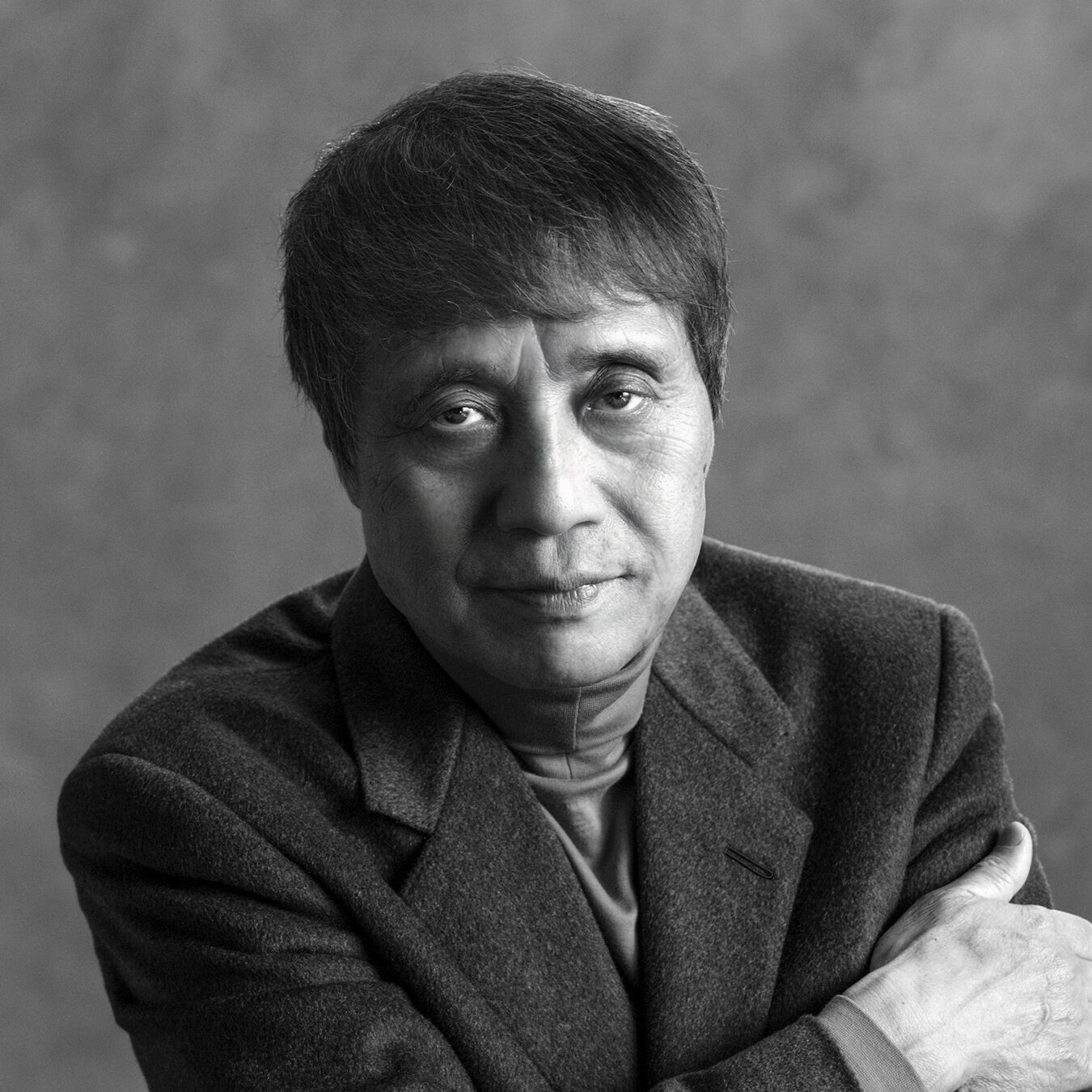
The article profiles the renowned Japanese architect Tadao Ando, now 84, who has built 10 museums on the island of Naoshima over 33 years. It features an interview where Ando discusses his upbringing in a traditional wooden row house in Osaka, his early training as a boxer, and how these experiences shaped his architectural philosophy of "light within darkness." The piece includes personal reflections from the author on encountering Ando's work and highlights key projects such as the Pulitzer Arts Foundation in St. Louis and the Church of Light in Osaka.

‘It’s a world heritage site, but it’s my home’: the last resident of Casa Milà on life in Gaudí’s masterwork

Ana Viladomiu, a 70-year-old writer, is the last remaining tenant of Antoni Gaudí’s Casa Milà (La Pedrera) in Barcelona, a UNESCO World Heritage site that receives about a million visitors annually. She has lived in the luminous apartment since 1988, originally moving in with her then-husband Fernando Amat, owner of the iconic design store Vinçon. Viladomiu holds a rare renta antigua (fixed-rent contract) that allows her to stay until she or Amat dies, after which the not-for-profit foundation managing the building will take ownership. The rest of the building now houses offices and cultural event spaces.

How Tasmania became one of the world’s most exciting art destinations

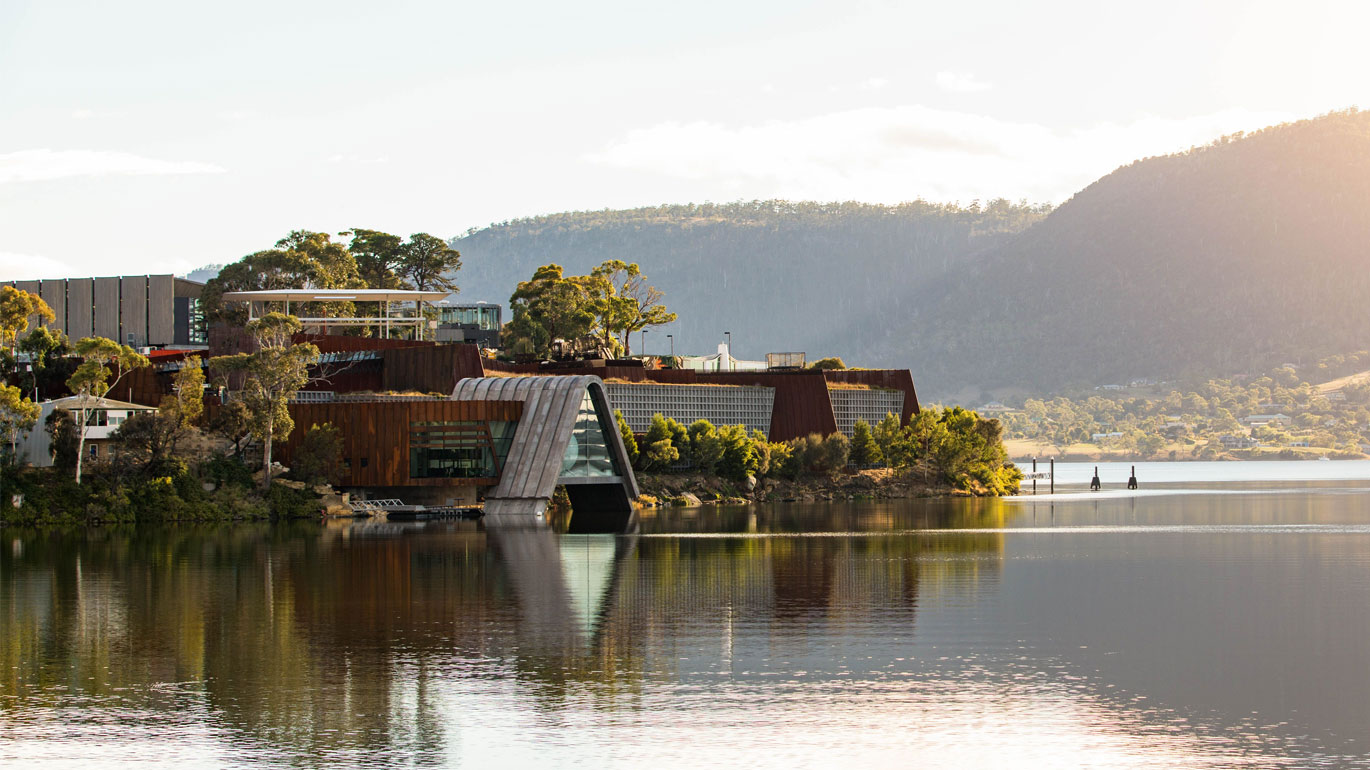
Helen Ochyra reports on how Tasmania, particularly Hobart, has emerged as a leading global art destination, driven largely by MONA (Museum of Old and New Art). The privately funded museum, founded by art collector David Walsh, recently opened a $100 million AUD wing housing a towering concrete amphitheatre by German artist Anselm Kiefer. Beyond MONA, Hobart hosts the provocative winter festival Dark Mofo, the science-and-culture Beaker Street Festival, and the inaugural Island Readers & Writers Festival, cementing its reputation for cutting-edge arts and culture.

Paris Diary 1

The article is a first-person diary entry from an unnamed narrator visiting Paris and Brussels. The narrator recounts working in the studio of painter Camila Oliveira Fairclough, attending a public dialogue at Almine Rech gallery in Brussels with artist Erik Lindman, and viewing an exhibition pairing Lindman's paintings with works by Robert Motherwell and two Picassos chosen by Bernard Picasso. The narrator also visits a posthumous exhibition of Didier Demozay at Galerie Bernard Jordan and sees a temporary mural by Marielle Paul in a Paris housing complex, later visiting her studio in a historic 19th-century artist building once occupied by Eugène Carrière.

The Artists Who Put Their Bodies Into the Work

This article from Google News, dated May 3, 2026, profiles a selection of artists who have used their own bodies as central elements in their work. It draws a connection to the Metropolitan Museum of Art's spring Costume Institute exhibition, "Costume Art," which places fashion in dialogue with other artworks. The roundup includes Marina Abramović, known for her 2010 MoMA performance "The Artist Is Present"; Chris Burden, who staged dangerous works like "Shoot" (1971); David Hammons, creator of the "Body Prints" series; Frida Kahlo, whose painting "The Broken Column" (1944) depicts her own physical pain; Ana Mendieta, whose "Silueta" series used her figure in the landscape; and Yoko Ono, a conceptual artist with a significant body-based practice.

“Persona” Crafts a Lineage of Performed Identity

Boston Art Review (BAR) has published an article titled “Persona” Crafts a Lineage of Performed Identity, exploring how contemporary artists use persona and self-performance to trace a lineage of identity construction. The piece examines works by artists who adopt alter egos or theatrical roles to challenge fixed notions of selfhood, drawing connections to historical precedents in art and culture.

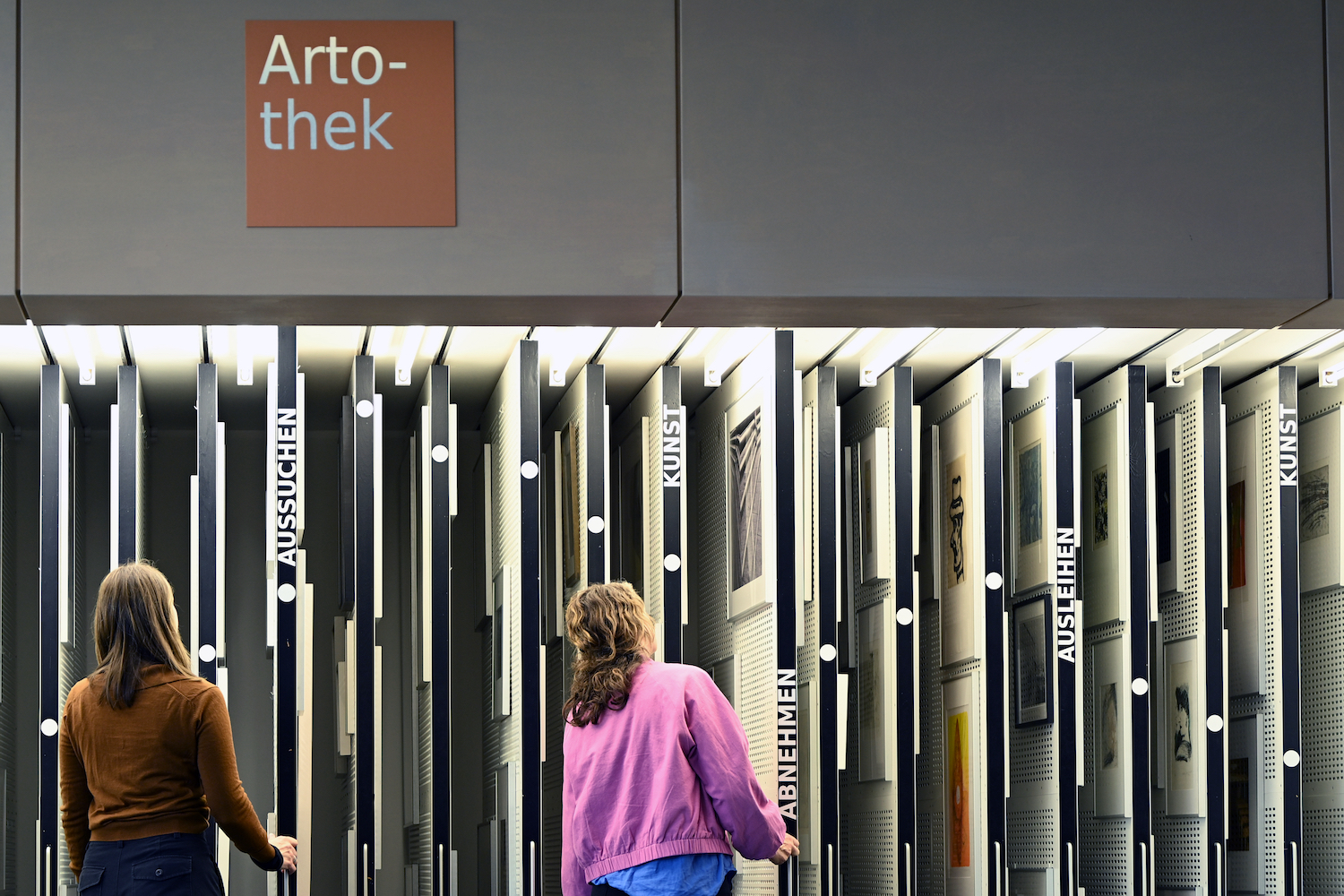
How Art Libraries Make Art Accessible

Wie Artotheken Kunst zugänglich machen

Artotheken, or art libraries, are public institutions that lend artworks to anyone with a library card, making art accessible beyond the traditional museum or gallery system. In Germany, over 100 such artotheken exist, often housed in public libraries, art associations, or museums. The Amerika-Gedenkbibliothek in Berlin, for example, has a collection of 2,000 works, with around 300 currently on loan to homes, doctors' offices, and law firms. The lending process is informal: borrowers can eat, drink, and even touch the works, and transport by bus or bike is encouraged. A jury selects up to 15 new works annually, and the collection includes major names like Roy Lichtenstein and Niki de Saint Phalle, though most users choose pieces based on personal connection rather than prestige.

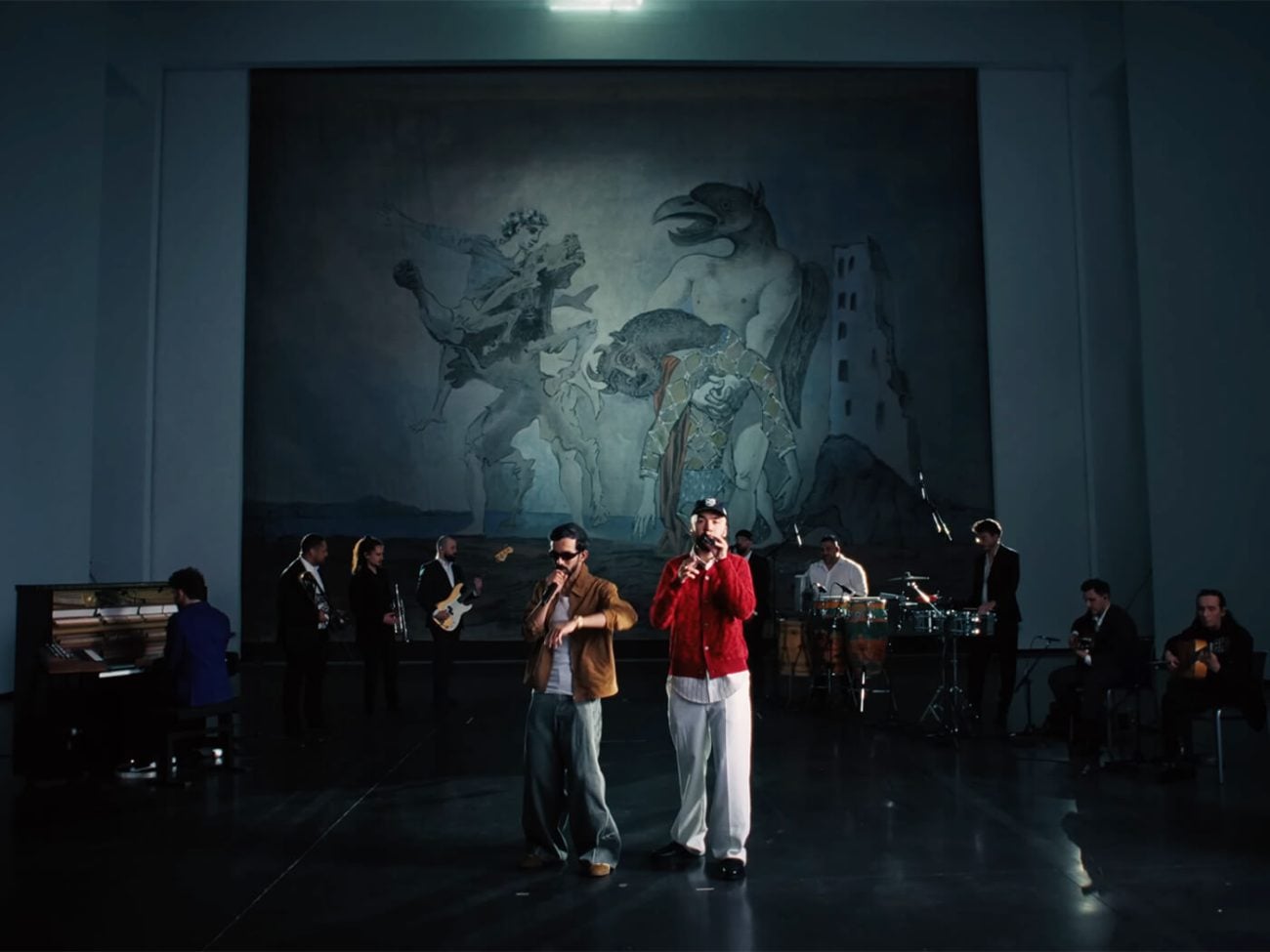
A Bigflo et Oli video shot in front of a giant Picasso at the Abattoirs in Toulouse

Un clip de Bigflo et Oli tourné devant un immense Picasso aux Abattoirs de Toulouse

French rap duo Bigflo et Oli filmed a live session of their song "Picasso" in front of Pablo Picasso's monumental stage curtain "La Dépouille du Minotaure en costume d'Arlequin" (1936) at the Abattoirs museum in Toulouse. The video, directed by Antoine Zago-Honnorat, features nine musicians and draws on Latin and Spanish pop influences, with the duo citing inspiration from Spanish artist Rusowsky. The choice of venue is personal: the brothers grew up visiting the museum, and Oli co-curated an exhibition there in 2024–2025 titled "Le Musée imaginaire d'Oli," which attracted over 100,000 visitors.