filter_list Showing 12 results for "AMP" close Clear
search
dashboard All 140 museum exhibitions 73article local 21article culture 12trending_up market 10article news 7person people 7rate_review review 6article policy 3gavel restitution 1
date_range Range Today This Week This Month All
Subscribe

Rocked on their heels: how exhibitions can change the course of artists’ lives

Alyce Mahon's new book, *Dorothea Tanning: A Surrealist World*, explores how the 1936 MoMA exhibition *Fantastic Art, Dada, Surrealism* profoundly transformed the young artist Dorothea Tanning, who described being "rocked on my run-over heels" by the experience. The article also recounts similar life-changing exhibition encounters for contemporary artists Lorna Simpson and Hurvin Anderson, as discussed on *The Week in Art* and *A brush with…* podcasts, highlighting how specific shows shaped their artistic trajectories.
The Contemporary Art Destinations Gallerists and Artists Have on Their Radar

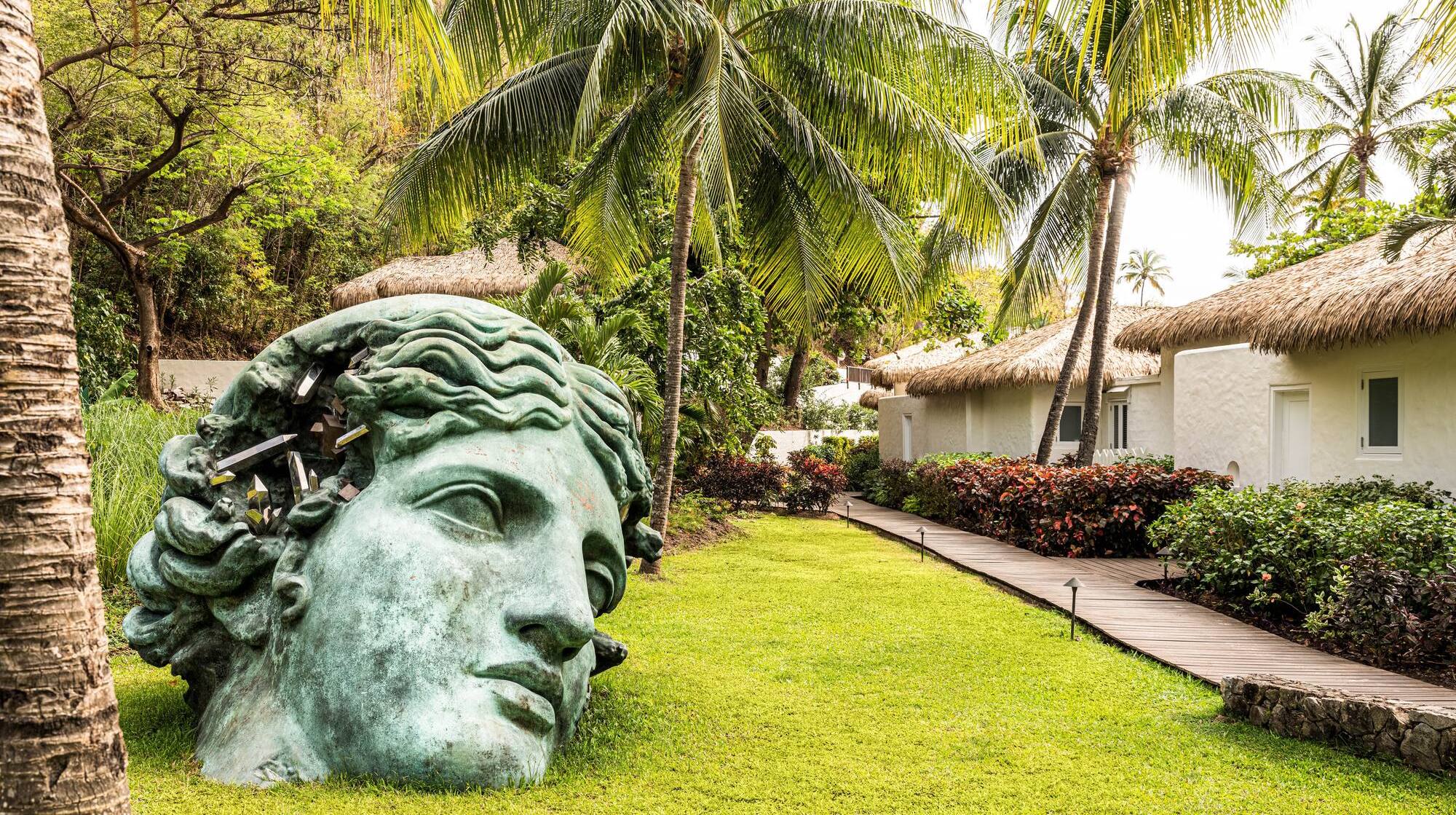
WWD asked top international gallerists, collectors, and artists to name the cities they find most exciting for contemporary art. Karen and Christian Boros recommend Naples and the Amalfi Coast, highlighting galleries like Galleria Giangiacomo Rossetti, Thomas Dane Gallery, and Lia Rumma, as well as Fondazione Morra Greco and Le Sirenuse hotel. Daniel Arsham points to Sugar Beach in St. Lucia for its large contemporary sculpture collection. Jean-Michel Othoniel champions South Korea, citing Seoul's Leeum Samsung Museum of Art, Kukje Gallery, and the Kiaf Seoul fair, plus the city of Busan. Emma Lavigne of the Pinault Collection names Venice, especially during the Biennale Arte di Venezia, as an essential destination.

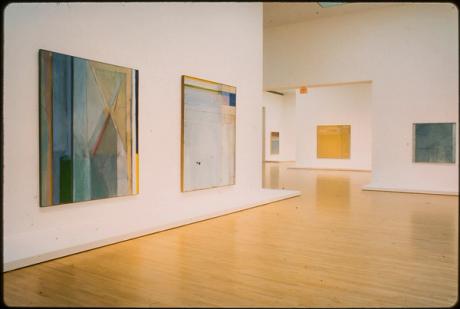
Opinion: In galleries across Canada, too much art is being hidden away

Don LePan, a novelist, book publisher, and painter, argues that public art galleries across Canada are failing to display their permanent collections, using the MacKenzie Art Gallery in Regina as a prime example. During a visit in early March, LePan found that none of the gallery's extensive permanent collection—which includes works by Group of Seven artists, European masters like Picasso and Gauguin, and modernists such as Agnes Martin—was on view. Instead, the entire exhibition space was devoted to three special shows: a photographic and conceptual art exhibition by Plains Cree artist Joi T. Arcand, a selection of works by 2025 Governor General’s Awards in Visual and Media Arts recipients, and an Indigenous art exhibition. LePan praises these exhibits but criticizes the gallery's decision to completely exclude its permanent collection.

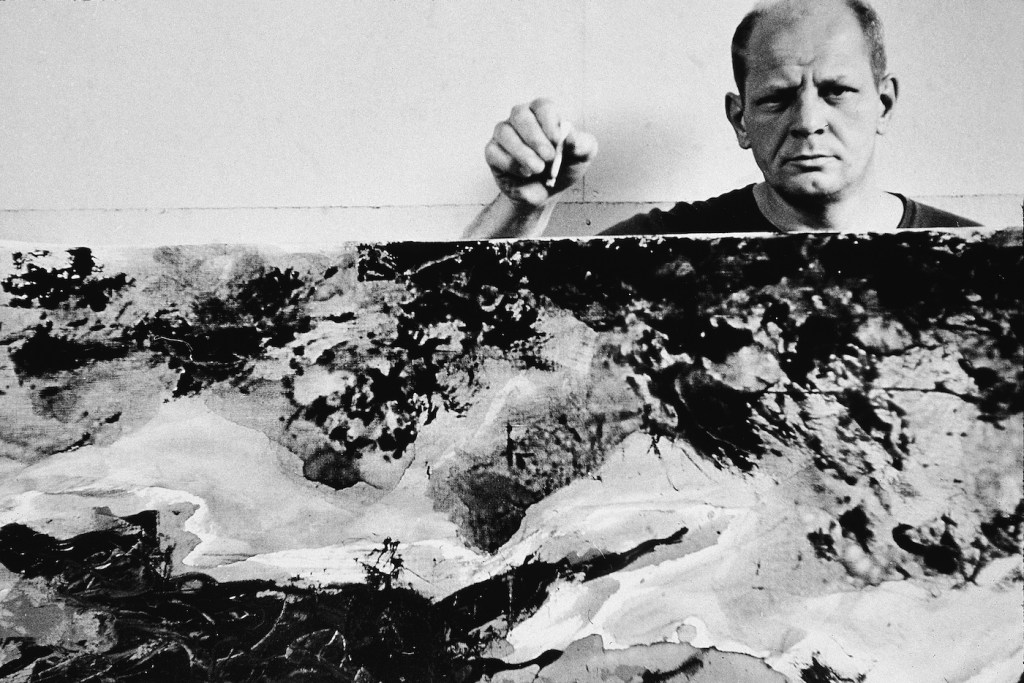
Jackson Pollock Transformed American Art—and Was Destroyed by His Own Success

The article traces Jackson Pollock's transformative yet destructive rise to fame, focusing on his move to East Hampton with Lee Krasner, his development of drip painting in a small unheated barn, and the influence of predecessors like Janet Sobel and Max Ernst. It details his 1948 debut at the Betty Parsons Gallery, the mocking 1949 Life Magazine feature that ironically catapulted him to celebrity, and photographer Hans Namuth's documentation of his process, which revealed the deliberate nature of his technique.

How Tasmania became one of the world’s most exciting art destinations

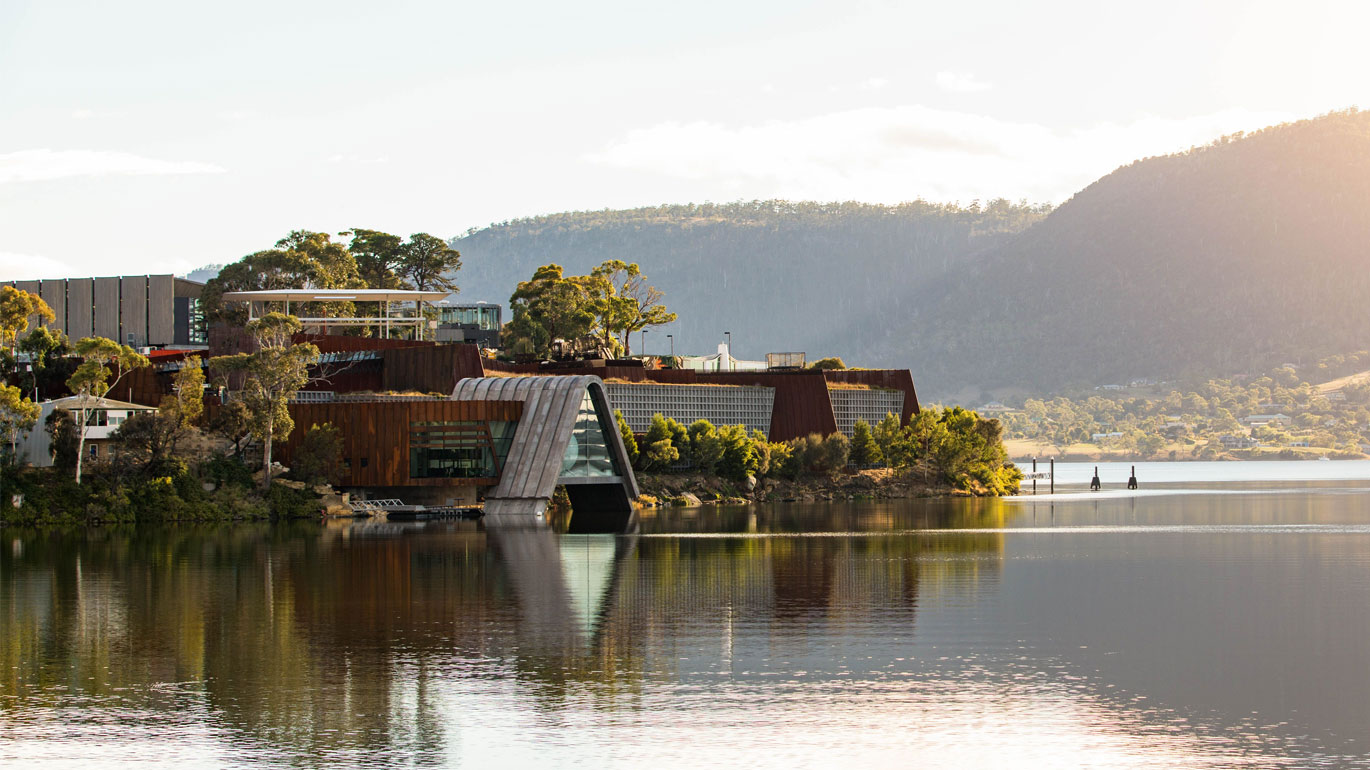
Helen Ochyra reports on how Tasmania, particularly Hobart, has emerged as a leading global art destination, driven largely by MONA (Museum of Old and New Art). The privately funded museum, founded by art collector David Walsh, recently opened a $100 million AUD wing housing a towering concrete amphitheatre by German artist Anselm Kiefer. Beyond MONA, Hobart hosts the provocative winter festival Dark Mofo, the science-and-culture Beaker Street Festival, and the inaugural Island Readers & Writers Festival, cementing its reputation for cutting-edge arts and culture.

Books received from November 7, 2025 to May 27, 2026

Ouvrages reçus du 7 novembre 2025 au 27 mai 2026

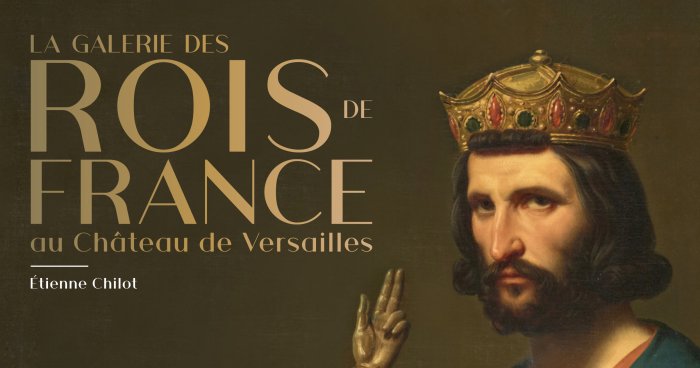
La Tribune de l'Art has published a roundup of art books received between November 7, 2025, and May 27, 2026, covering medieval to 17th-century art. Highlights include exhibition catalogues for Martin Schongauer at the Musée du Louvre, a unicorn-themed show at the Musée de Cluny, and a display of Renaissance Limoges enamels at Galerie Kugel. Scholarly works on Michelangelo's sculptures, Caravaggio's early career, and Georges de La Tour are also featured, alongside a volume on Romanesque and Gothic architecture in the Creuse region.

A Water Lily is a Water Lily is a Water Lily

Eine Seerose ist eine Seerose ist eine Seerose

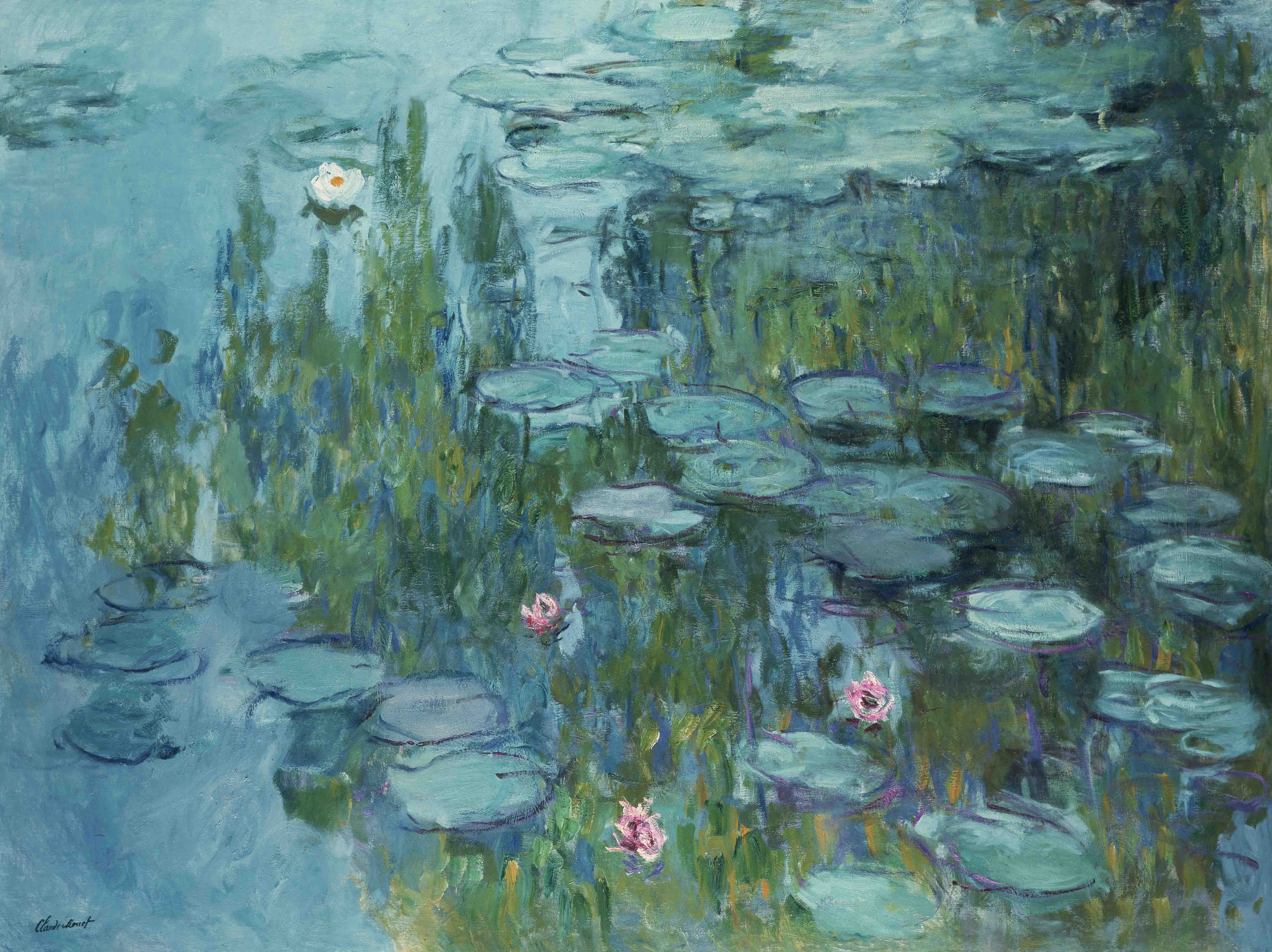
Anonymous internet artist SHL0MS posted an image of a Monet water lily painting on X, falsely claiming it was AI-generated. Thousands of users criticized the image's aesthetics, after which SHL0MS revealed it was actually a real Monet. He then minted the image as an NFT, sold it for around $40,000, and framed the entire episode as a conceptual artwork titled "Inferior Image," claiming it critiques online disinformation and debate culture.

The Whelm of Massive Group Shows, and My Tender Eyes

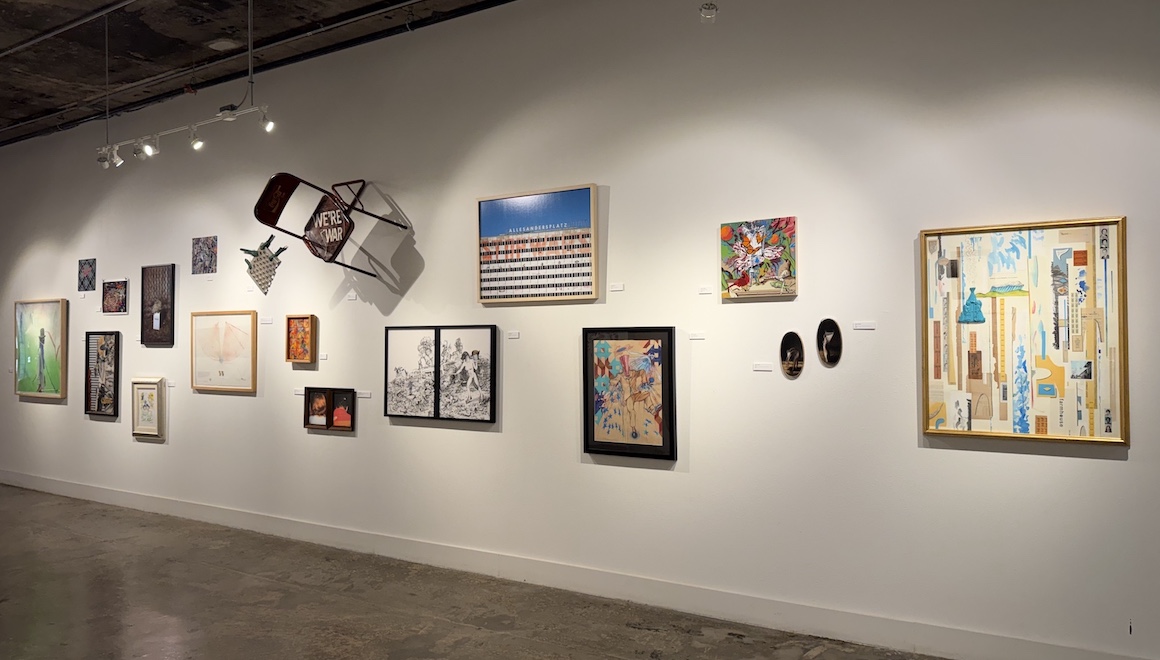
The article reflects on the overwhelming experience of massive group exhibitions, using examples like Lawndale's "The Big Show" (77 artists in 2025), "Hecho en Dallas" (66 artists), and the School of the Art Institute of Chicago's 1999 MFA thesis show (around 150 artists). The author, a gallerist, recounts visiting two recent San Antonio shows—"A Postmodernist Says ¿Que?" at Centro de Artes and "Fan of a Fan 3" at C7 Space—which feature dozens of works hung salon-style, forcing viewers to make choices about where to focus attention.

Why is the Museum of Fine Arts Boston putting hot dogs into famous historical paintings?

The Museum of Fine Arts Boston has launched a playful social media campaign inserting hot dogs into famous historical paintings from its collection. The initiative aims to engage younger audiences by juxtaposing a modern, everyday food item with classic artworks, creating humorous and shareable content.

Nei grandi capolavori della storia dell’arte si sorseggia una celebre birra belga. Il video

Stella Artois, the Belgian beer brand, has launched a campaign called "The Artois Probability" that uses an algorithm to analyze historical paintings and calculate the likelihood that the beer depicted in them is actually Stella Artois. Developed in 2023 by the agency GUT in collaboration with the Museo de Bellas Artes in Buenos Aires, the campaign examines variables such as the painting's year, geographic location, glass type, and liquid color, cross-referencing them with the brand's archives. The campaign includes works by artists like Manet, Brueghel, and Brouwer, and aims to make viewers think of Stella Artois whenever they see a beer in a painting.

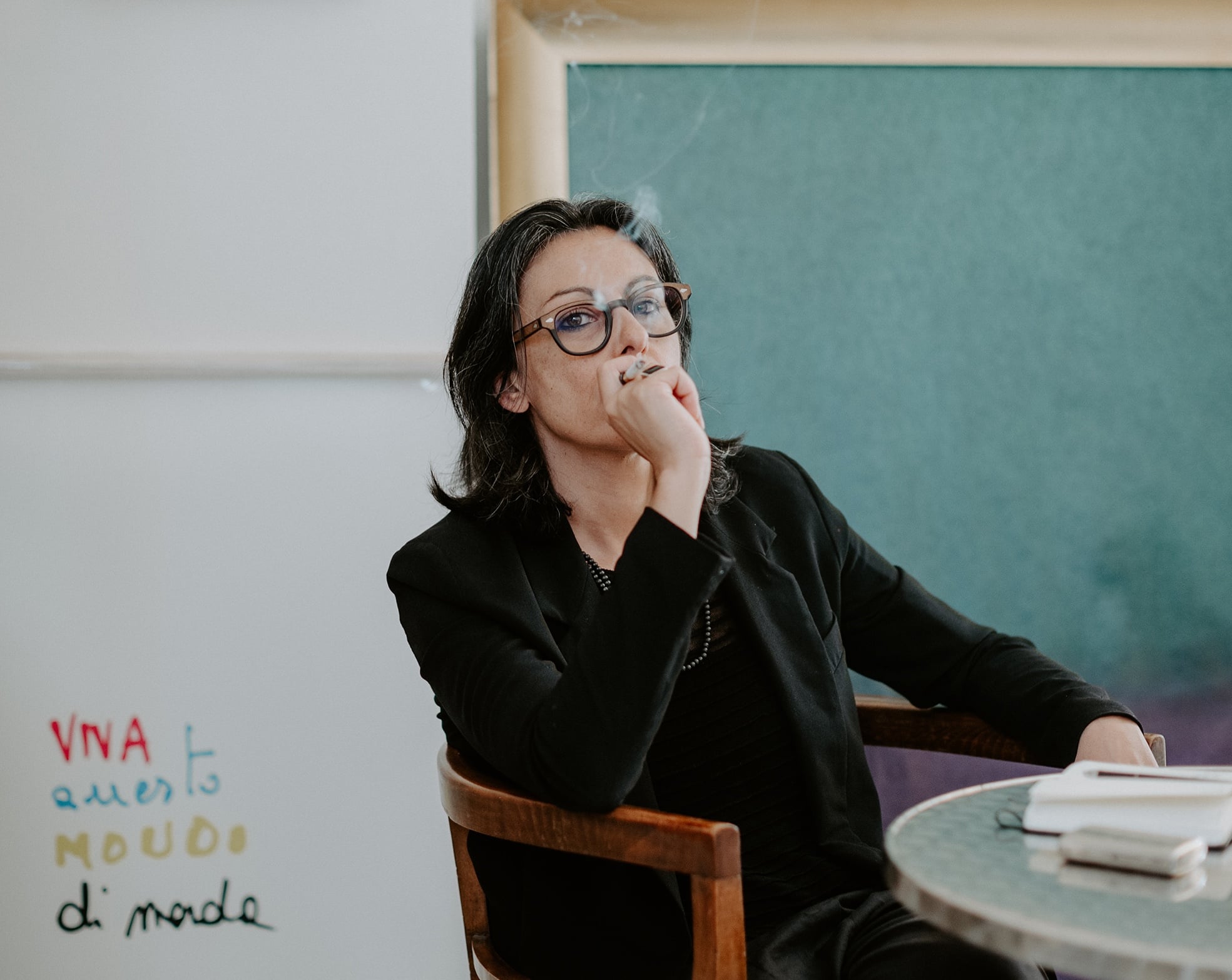
Provincial Cosmos. Interview with Serena Fineschi, the artist who turned off all the lights of Siena

Provincia Cosmica. Intervista a Serena Fineschi, l’artista che ha spento tutte le luci di Siena

Serena Fineschi, an artist from Siena, Italy, discusses her return to her hometown after twelve years abroad, primarily in Brussels. She reflects on her public art projects, including one where she turned off all the city's lights for three minutes without warning, and another titled "Assistere il buio." The interview explores how her time in Belgium reshaped her artistic vision, shifting her perspective from the golden light of Siena to the sharp contrasts of northern light.

Should art have moral limits?

At Metropolitan State University of Denver, students, artists, professors, and curators debate whether art should have moral limits, particularly when it addresses violence, political division, or sensitive social issues. The discussion features perspectives from Jess Gerome, an art education student who argues discomfort should not dictate creative expression, and Xtna Doleres, a multidisciplinary artist who believes art carries an ethical responsibility to speak truth and represent communities respectfully. Professor Jason Miller adds that while art alone may not cause harm, it must be taken seriously when it suggests real-world danger.