filter_list Showing 16 results for "ARTS" close Clear
dashboard All 338 museum exhibitions 130article local 112article news 32article policy 16article culture 16person people 11trending_up market 8candle obituary 7gavel restitution 3rate_review review 3
date_range Range Today This Week This Month All
Subscribe

Luca De Michelis, chief executive of Marsilio Arte, on his favourite spots in Venice beyond the Biennale

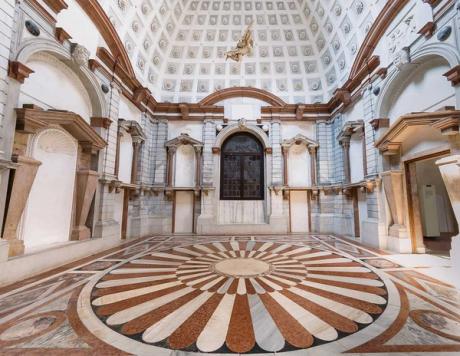
Luca De Michelis, CEO of Marsilio Arte, shares his personal guide to Venice beyond the Biennale, highlighting historic sites, shopping, dining, and cultural venues. His recommendations include Palazzo Grimani, Micheluzzi Glass, the Gardens of the Church of the Redeemer on Giudecca, Antiche Carampane restaurant, the newly opened Dries Van Noten Foundation, San Giorgio Maggiore island, Codroma for spritz, and the upcoming exhibition 'Strange Rules' at Palazzo Diedo’s Berggruen Arts & Culture.
A brush with... Andrew Cranston—podcast

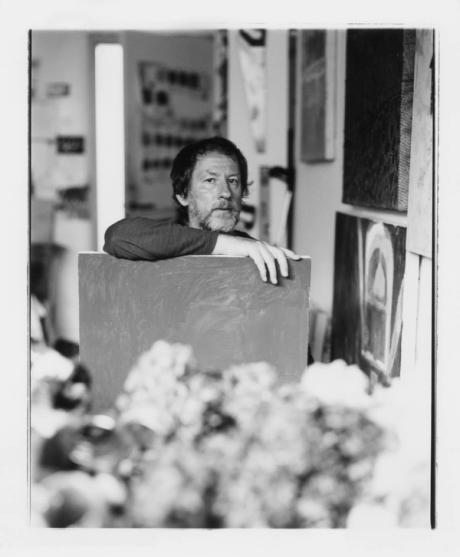
This episode of 'A brush with...' podcast features Scottish painter Andrew Cranston, born in 1969 in Hawick. Cranston discusses how his work draws on personal experiences—childhood memories, family recollections, and recent rituals—filtered through the painting process. His pictures are rich with references to art history, cinema, poetry, and television, and he often paints on the covers of old hardback books. The conversation covers his influences (Pieter Bruegel the Elder, Paul Klee, Pierre Bonnard, Winifred Nicholson, writers Hugh MacDiarmid and Elizabeth Bishop, filmmakers Nicholas Roeg and Dennis Potter), his studio life, and his answer to 'what is art for?' The episode is sponsored by Bloomberg Connects.

The Guardian view on the legacy of the Festival of Britain: look to the future | Editorial

The Guardian editorial reflects on the 75th anniversary of the Festival of Britain, launched by King George VI on 3 May 1951 as a "tonic" for a war-weary nation. It highlights the festival's most enduring legacy: the construction of the South Bank, including the Royal Festival Hall, which later became the Southbank Centre—the UK's largest arts complex. This summer, commemorations include poems from London schoolchildren projected onto its walls and a mobile poetry library visiting coastal towns, recreating the journey of the repurposed naval ship Campania. The festival, a triumph for the Labour government, faced critics like Evelyn Waugh and Noël Coward, and much of its physical infrastructure was demolished by the incoming Conservative government, save for the Royal Festival Hall.

May Book Bag: from a guide on entering the art world to a publication about artists influenced by Ovid’s Metamorphoses

The May Book Bag article from The Art Newspaper reviews four new art-related publications. It covers "Metamorphoses: Ovid and the Arts," edited by Francesca Cappelletti and Frits Scholten, which examines Ovid's influence on Western art through works by artists like Titian, Caravaggio, and Louise Bourgeois. Other featured books include Hettie Judah's "How to Enter the Art World," a practical guide for emerging artists; "Derrick Adams: Prints," showcasing the artist's printmaking from 2019-2025; and "Whistler's Legacy" by Daniel Sutherland, which explores the legacy of James Abbott McNeill Whistler through his close associates.

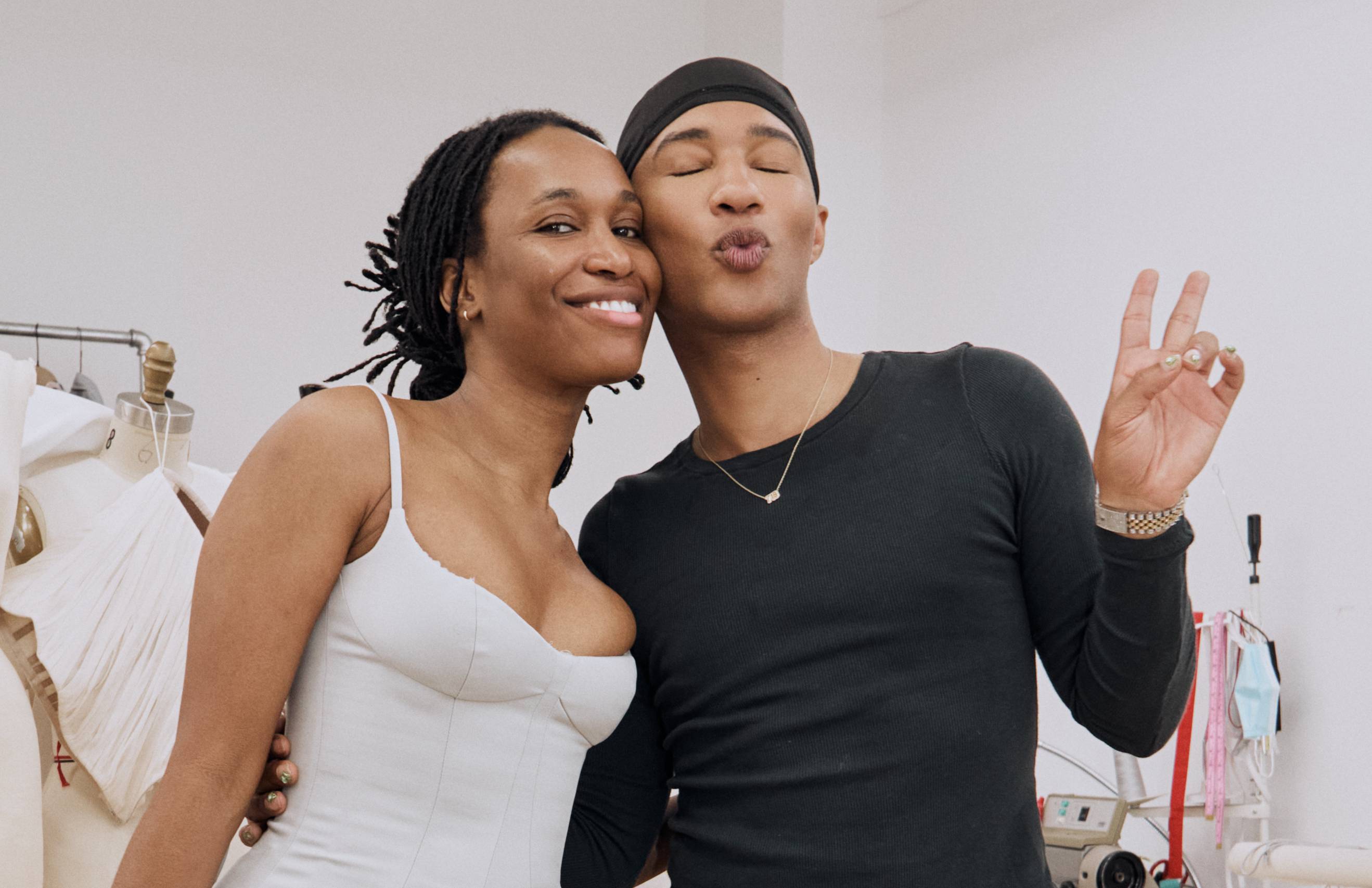
The Story Behind Tschabalala Self’s Met Gala Dress by Brandon Blackwood

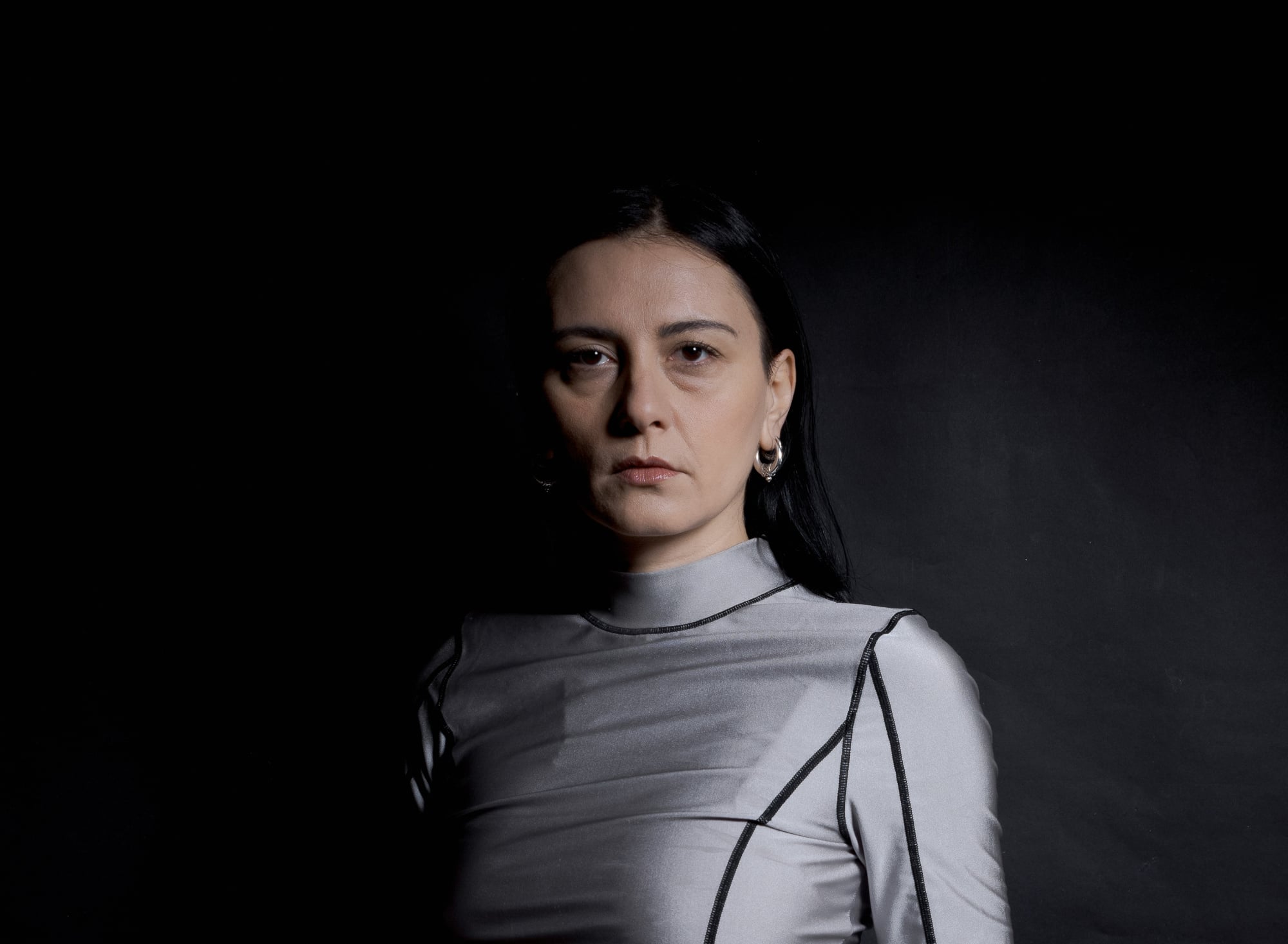
Artist Tschabalala Self will co-chair the 2026 Met Gala, marking her first attendance at the event, which launches the Costume Institute's new exhibition “Costume Art.” She collaborated with designer Brandon Blackwood, a friend, to create her gown and style her look for the evening.

Les pionniers de la photographie à connaître

Beaux Arts Magazine publishes a dossier on the pioneers of photography, marking the medium's 200th anniversary. The article profiles key figures such as Nicéphore Niépce, Louis Daguerre, Anna Atkins, Gustave Le Gray, Nadar, Eugène Atget, Girault de Prangey, Alfred Stieglitz, Julia Margaret Cameron, and Edward Steichen, highlighting their innovations in heliography, cyanotype, daguerreotype, and pictorialism. It also includes a focus on the oldest known photograph.

Primitivism to Reinvent Art

Le primitivisme pour réinventer l’art

Philippe Dagen has published the third and final volume of his series on primitivism, covering the period from World War II to the late 1970s. The book traces how Western artists, from Barnett Newman and Jackson Pollock to members of the CoBrA movement and figures like Jean Dubuffet, Lucio Fontana, and Yayoi Kusama, engaged with so-called "primitive" art from Africa, Oceania, and the Americas, often as a means of rejecting or redefining modern civilization. Dagen also examines the intellectual debates surrounding primitivism, including the critiques of colonized peoples who refused the label "primitive," and the shifting attitudes of thinkers like Claude Lévi-Strauss, Michel Leiris, and Aimé Césaire.

Forgers, One-Way Mirrors of the Art Market

Les faussaires, miroirs sans tain du marché de l’art

Anthropologist Monique Jeudy-Ballini has published a new book, "Peintres de l’ombre. Les faussaires à l’œuvre," in which she examines art forgers through an ethnographic lens. Drawing on autobiographical accounts, published interviews, and expert writings—including those of notorious forgers Wolfgang Beltracchi, Eric Hebborn, and Guy Ribes—she explores the motivations and practices of these clandestine figures, arguing that their work involves not only technical skill but also the creation of elaborate narratives and pedigrees for their forgeries. The book is part of the Ethnologiques series edited by Philippe Descola and published by Éditions Mimésis.

Hilma af Klint en 2 minutes

Hilma af Klint (1862–1944) is profiled as a pioneering Swedish abstract artist who created a vast body of visionary, large-scale abstract paintings decades before Kandinsky, yet kept them secret during her lifetime. The article traces her life from a childhood steeped in science and nature, through her studies at the Royal Academy of Fine Arts in Stockholm, to her dual artistic practice: conventional landscapes and portraits for income, and radically abstract works guided by spiritualist séances and theosophical beliefs. She founded the group "The Five" with fellow female artists, and from 1906 onward produced the monumental series "Paintings for the Temple" (193 works), convinced she was channeling a higher force. She stipulated in her will that her abstract works not be revealed until 20 years after her death, and they were only rediscovered in the late 1960s.

Beyond the Sagrada Família: These 6 Surprising Places in Barcelona Reveal a Lesser-Known Gaudí

Au-delà de la Sagrada Família, ces 6 lieux étonnants à Barcelone qui révèlent un Gaudí méconnu

Beaux Arts Magazine highlights six lesser-known architectural works by Antoni Gaudí in Barcelona, beyond his famous Sagrada Família. The article features Casa Vicens (1883–1885), his first private commission; Torre Bellesguard (1900–1909), a medieval-inspired tower with panoramic views; Casa Calvet (1897), a residential building with textile-themed details; and the Finca Güell and Palau Güell, experimental projects for his patron Eusebi Güell. These sites showcase Gaudí's organic style, fusion of nature and architecture, and influences from Japanese, Arabic, and Catalan Gothic traditions, with several recently opened to the public.

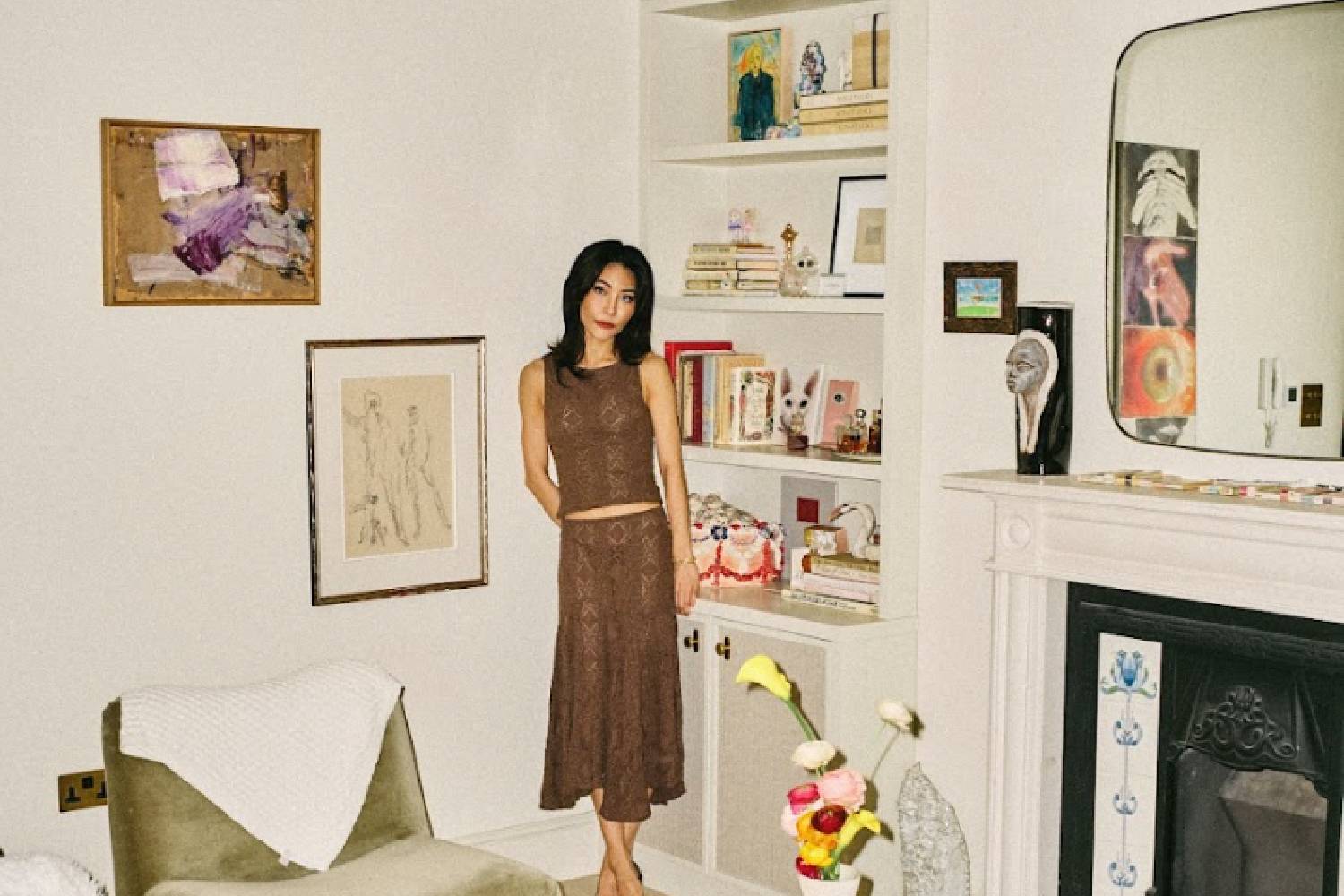
Meet the London Perfumer Building a Collection Around Humor and Instinct

Cherry Cheng, a London-based perfumer, has curated a personal art collection in her Notting Hill flat that reflects her instinctive and humorous approach to collecting. The collection features works by artists such as Beau Gabriel, Miranda Keyes, Sarah Pucci, Juliette Teste, Araki Nobuyoshi, Katrien de Blauwer, Lucile Littot, Leo Costelloe, Sebastian Espejo, and Joline Kwakkenbos, displayed throughout her home like a diary of her tastes.

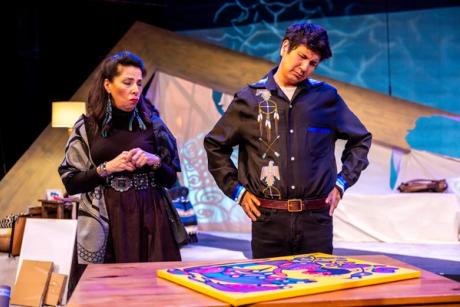
In new play, Norval Morrisseau forgery scandal prompts questions about authenticity and Indigenous identity

A new play by Ojibway playwright Drew Hayden Taylor, *The Undeniable Accusations of Red Cadmium Light*, dramatizes the massive Norval Morrisseau art forgery scandal in Canada. The story follows an Indigenous art expert named Nazhi, her adopted daughter Beverly, and a journalist whose investigation into Morrisseau forgeries unravels Nazhi’s own identity and status. The play uses Morrisseau’s iconic imagery and the forensic analysis of paint colors to explore the blurred lines between authentic and fake, both in art and in personal identity. It concluded its run at Vancouver’s Firehall Arts Centre on 3 May.

Commentary: This year's Met Gala proved one thing: The real devil who wears Prada is Jeff Bezos

Jeff Bezos and his wife Lauren Sánchez Bezos served as honorary co-chairs and sponsors of this year's Met Gala, sparking widespread protests and calls for boycotts. Guerrilla activist group Everyone Hates Elon plastered New York with anti-Bezos signage, and activists placed 300 bottles filled with fake urine inside the Metropolitan Museum of Art to highlight Amazon workers' bathroom break complaints. New York Mayor Zohran Mamdani declined his invitation, and the absence of celebrities like Meryl Streep and Zendaya fueled speculation about a boycott, though representatives denied any coordinated protest. Despite the controversy, the gala proceeded with many attendees and is expected to raise more than last year's $31 million for the Costume Institute.

Actress Alba Clemente Tells Her Story in the Theater and Reveals What Lies Behind Her Partenope, a Smoking Siren

L’attrice Alba Clemente si racconta a teatro e svela cosa si nasconde dietro la sua Partenope, sirena fumatrice

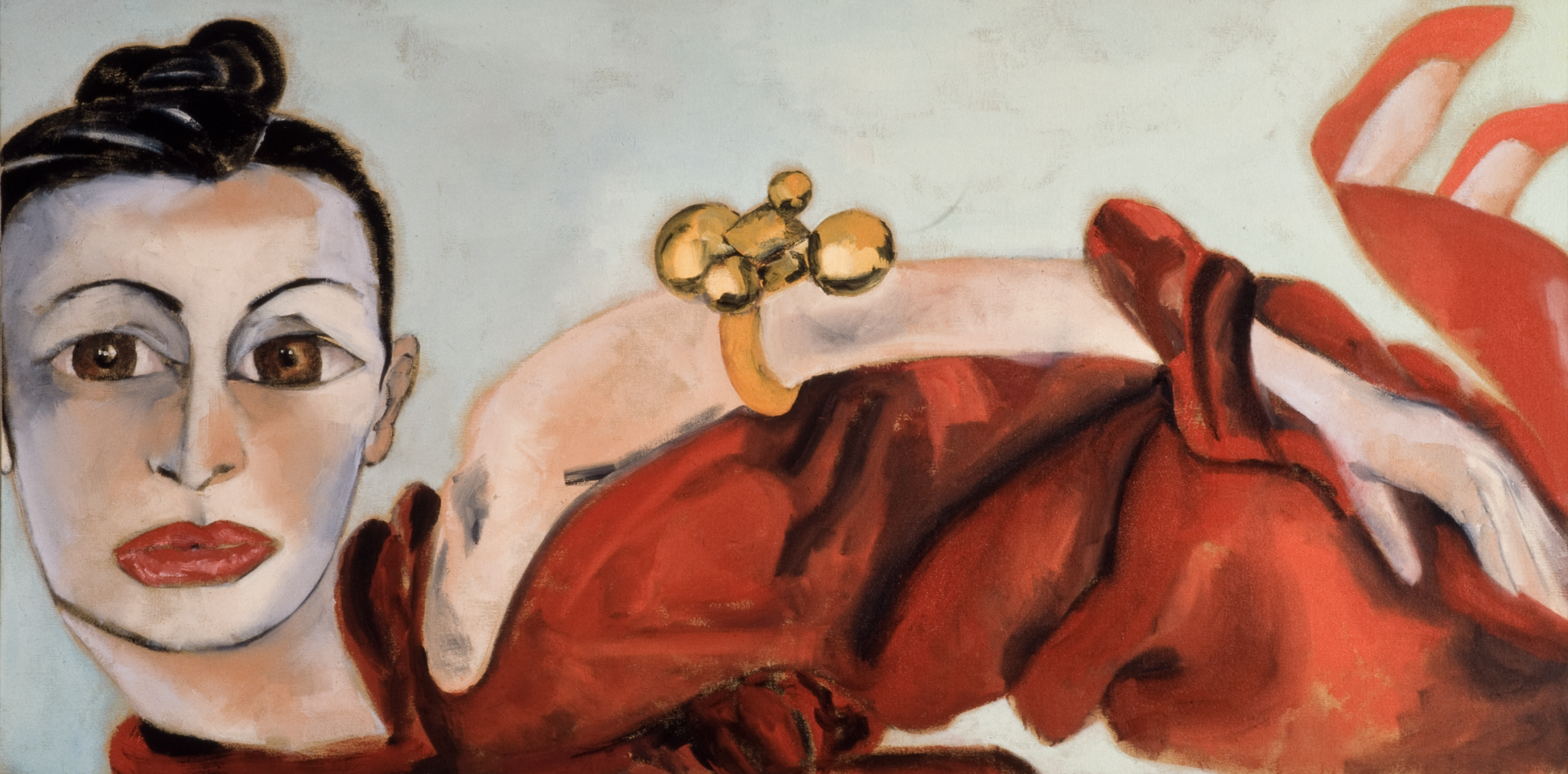
Actress Alba Clemente (née Primiceri) recounts her life and career in a theatrical performance titled "Racconto di una vita, anzi tre: ALBAINCLEMENTE," directed by Guido Torlonia. The show, adapted from an earlier piece created with director Andrew Ondrejcak, premiered in Naples and is set to tour Rome and Milan. Clemente reflects on her rebellious youth in Amalfi, her studies at the Accademia di Belle Arti in Naples, and her encounters with artists such as Joseph Beuys, Andy Warhol, Jean-Michel Basquiat, Alex Katz, and Robert Mapplethorpe. She also describes meeting her husband, internationally renowned painter Francesco Clemente, in Rome on the day Pier Paolo Pasolini was assassinated.

Linocuts by Eduardo Robledo Celebrate Mexican Heritage and Community

Eduardo Robledo, a Mexico City-based artist from Xochimilco, creates detailed linocuts that celebrate Mexican heritage, community, and spiritual motifs. His work features traditional symbols like skulls, skeletons, and Sacred Hearts alongside regional animals and cultural references such as Xochimilco's canal boats. Robledo also engages in social activism through printmaking, viewing it as a democratic medium for spreading messages about causes he supports. His prints are available at Hecho a Mano in Santa Fe, and he co-founded Lugar de Huida, a gallery in Mexico City that highlights Mexican printmakers.

Provincia Cosmica. A Foggia per scoprire la fotografia sociologica di Maria Palmieri

Maria Palmieri (Foggia, 1986) is a photographer who uses her camera as a tool for observation, understanding, and social improvement. After studying law, she turned to visual arts, blending reportage with vernacular photography to uncover truth amid the 'noisy horror' of contemporary life. In an interview with Artribune, she discusses her sociological approach to photography, her return to her hometown of Foggia, and her ongoing documentation of the region's fragilities, including the largest migrant ghetto in Europe.