
filter_list Showing 3 results for "Apollo" close Clear
search
dashboard All 18 museum exhibitions 6article news 3rate_review review 3article culture 3candle obituary 1person people 1article policy 1
date_range Range Today This Week This Month All
Subscribe

Our chief art critic’s nine best UK museums — you may be surprised

Laura Freeman, chief art critic for The Times, shares her personal list of nine favorite UK museums and galleries, ranging from London institutions like Sir John Soane’s Museum and the V&A to smaller venues such as Pallant House in Chichester and Kettle’s Yard in Cambridge. She emphasizes character and collection over flashy renovations, noting that her picks are based on decades of visits, family outings, and emotional resonance.

Required Reading

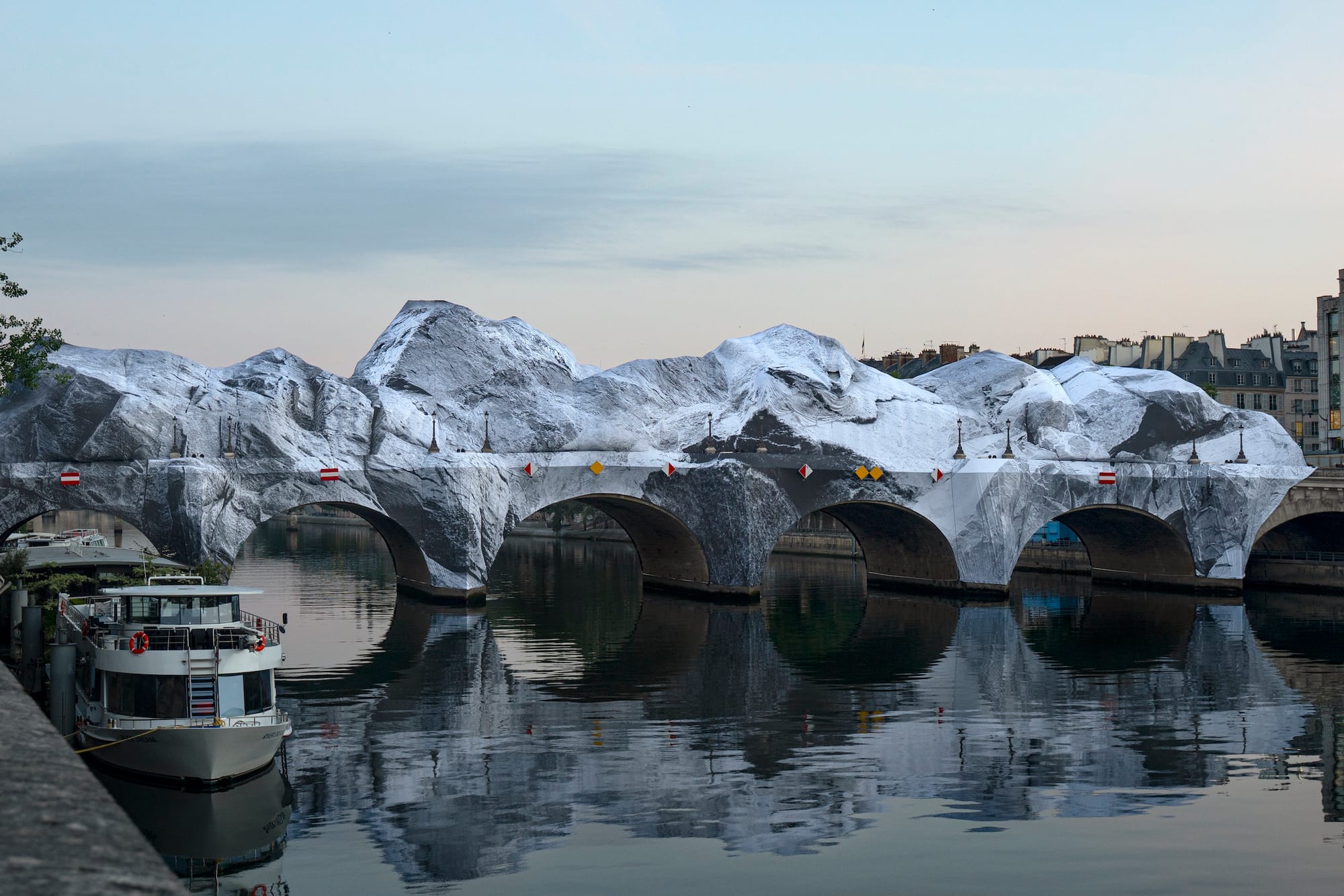
This week's Required Reading roundup from Hyperallergic covers a diverse range of art-world stories. French photographer JR has unveiled "La Caverne du Pont Neuf Paris" (2026), an optical illusion installation that transforms the pathway across the Seine into a black-and-white mountain range cave, paying homage to Christo and Jeanne-Claude's 1985 wrapping of the same bridge. Other highlights include architecture scholar Karrie Jacobs investigating a New York waterfront walking initiative for The Nation, curator Tara Contractor writing in Apollo about James McNeill Whistler's use of metallic pigments influenced by Japanese traditions, and Rob Corsini interviewing Amelia Abraham about their new book celebrating photography of queer nightlife for Dazed.

Salon | Impressionism, Realism & Post-Impressionism

The Salon was an official art exhibition sponsored by the French government, originating in 1667 when Louis XIV sponsored an exhibit of works by members of the Académie Royale de Peinture et de Sculpture. It was held in the Salon d’Apollon of the Louvre Palace in Paris, and after 1737 it became an annual event, with a jury system introduced in 1748. During the French Revolution, the Salon opened to all French artists, though academicians retained control through much of the 19th century. Its influence waned after the Société des Artistes Français took over in 1881 and as independent avant-garde exhibitions gained prominence.