filter_list Showing 8 results for "Arket" close Clear
dashboard All 187 museum exhibitions 71trending_up market 69article news 13article local 12article culture 8person people 5article event 5gavel restitution 3article policy 1
date_range Range Today This Week This Month All
Subscribe

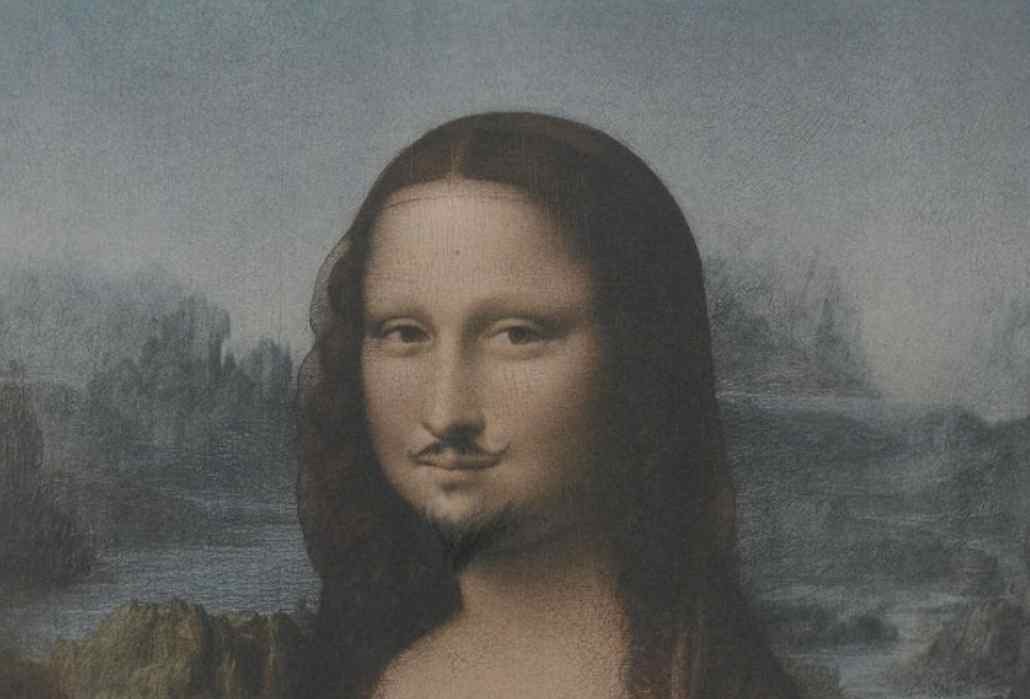
8 Artists to Follow If You Like Marcel Duchamp

Marcel Duchamp’s legacy continues to shape contemporary art through his pioneering use of readymades, conceptual rigor, and institutional critique. This analysis identifies eight modern and contemporary artists whose practices echo Duchamp’s subversion of traditional aesthetics, ranging from his early experiments with found objects to his later explorations of gender and mechanical desire.

Max Mara will stage next cruise show in Shanghai’s Long Museum West Bund - FashionNetwork

Max Mara has announced that its next cruise show, the Resort 2027 collection, will take place at the Long Museum West Bund in Shanghai on June 16, 2026. The event will also mark the opening of a public exhibition titled 'The Max,' curated by French fashion expert Olivier Saillard, celebrating the brand's 75th anniversary. The show continues Max Mara's tradition of staging cruise collections in museums, following previous shows at Berlin's Neues Museum and Venice's Doge Palace.

This Is Where Max Mara Will Hold Its Resort 2027 Show in Shanghai

Max Mara has chosen the Long Museum West Bund in Shanghai as the venue for its Resort 2027 runway show on June 16. The event will coincide with the opening of an exhibition titled “The Max!”, curated by Olivier Saillard, celebrating the brand’s 75th anniversary. The Long Museum is a private art museum founded by collectors Liu Yiqian and Wang Wei, with three locations across China. This marks Max Mara’s second show in Shanghai, following a 2016 presentation at the Shanghai Exhibition Center.

How One Cooperative Champions the Quechua Weavers of Peru’s Sacred Valley

The nonprofit organization Awamaki was founded in 2009 to support Quechua communities in Peru's Sacred Valley, particularly women weavers, as they navigate economic shifts and climate change. It now assists nine cooperatives comprising 174 artisans, providing structural support for selling traditional textiles and coordinating tourism to generate income while preserving cultural practices.

ART CRITICISM: CLARITY OR MORAL AUTHORITARIANISM?

CRÍTICA DE ARTE: ¿CLARIDAD O AUTORITARISMO MORAL?

The article is a critical essay examining the state of contemporary art production in Mexico, arguing it has become a privatized field designed to please wealthy elites and foreign collectors. It contends that art has shifted from being partly publicly funded to being driven by the market and private initiative, leading to a culture of self-censorship, precarity, and a desperate ambition for visibility and sales.

Design Theft in Platform Capitalism

Designklau im Plattformkapitalismus

The article details a growing trend of design plagiarism within the platform economy, where large interior trade platforms and fast-design companies systematically copy the original work of small, independent design studios. These copies are then mass-produced and sold globally at lower prices, often marketed directly through social media channels. The original designers find it nearly impossible to defend their intellectual property due to the high cost and complexity of legal action, especially against international entities.

Is Art Dying Along With Work?

Stirbt die Kunst mit der Arbeit?

The rapid advancement of artificial intelligence raises a fundamental paradox for the future of creativity: while automation could theoretically free humans from labor to pursue artistic endeavors, it simultaneously threatens the economic foundations of the art world. If AI-driven job displacement leads to a widespread loss of disposable income, the commercial market that sustains professional artists could effectively collapse.

Chicago Art Movements Over The Years, From the Monster Roster to the Modern Moment

Chicago’s art history is defined by a series of indigenous movements that prioritized visceral, existential expression over commercial appeal. The article traces this lineage back to the late 1940s with the emergence of the Monster Roster, a group of artists including Leon Golub and Dominick Di Meo who returned from World War II to produce agonistic work. This movement was catalyzed by institutional resistance at the School of the Art Institute of Chicago, leading to the creation of the independent Momentum Exhibitions which bypassed conservative juried systems.