filter_list Showing 41 results for "Art Gallery" close Clear
search
dashboard All 1925 museum exhibitions 874article local 663trending_up market 114article news 105person people 55article culture 41article policy 35candle obituary 15rate_review review 9gavel restitution 8article event 4article events 1article architecture 1
date_range Range Today This Week This Month All
Subscribe

art world acronyms

The article provides a comprehensive guide to essential acronyms used in the art world, explaining what each abbreviation stands for and its significance. It covers organizations like AAM (American Alliance of Museums), AAMD (Association of Art Museum Directors), and ADAA (Art Dealers Association of America), as well as art fairs such as ABMB (Art Basel Miami Beach) and ARCO (Arte Contemporáneo in Madrid). It also includes advisories like AIG (Art Intelligence Global), historical galleries like AIR (Artists in Residence), and defunct fairs like FIAC (Foire Internationale d'Art Contemporain), offering context on their origins and current relevance.
forget blue chip art its a red chip art world now

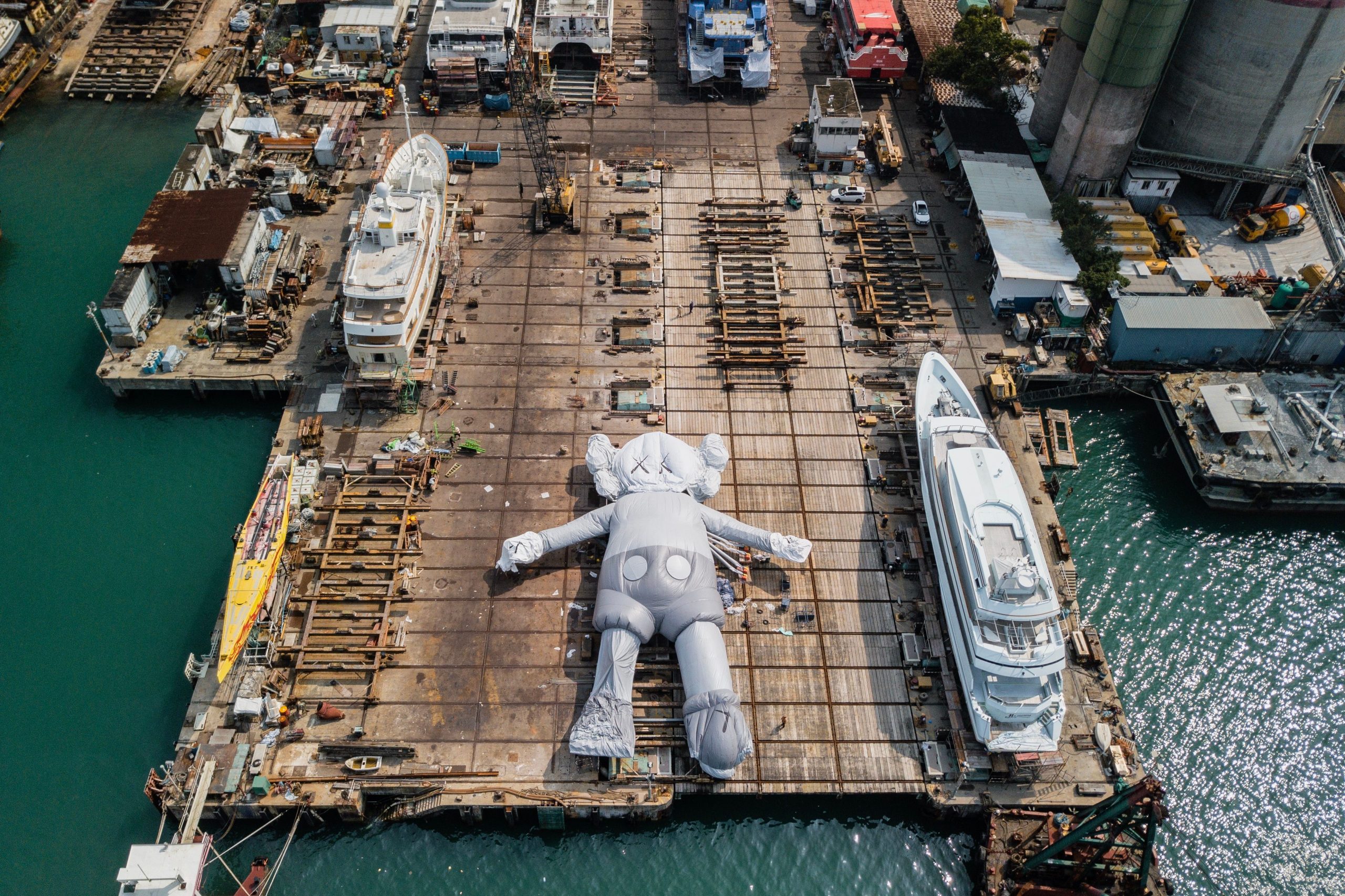
The article introduces and defines the concept of "red-chip art," a new category of art collecting that rejects traditional art-historical reverence in favor of aesthetics rooted in street art, graffiti, super-flat cartoons, multi-colored chrome, and crypto culture. It describes red-chip collectors as mysteriously affluent millennials, techies, hip-hop visionaries, and crypto aspirants who gravitate toward artworks that resemble toys, limited-edition dolls, NFTs, and memecoins, often consumed at venues like the Eden Fine Art gallery at the Wynn in Las Vegas or parties during Art Basel Miami Beach. Key artists associated with this movement include KAWS, George Condo, Virgil Abloh, Tom Sachs, Alex Israel, Damien Hirst, Harmony Korine, Yoshitomo Nara, and Banksy, with Jeff Koons and Takashi Murakami seen as transitional "purple chip" figures.

gerbil art museum london

Filippo Lorenzin, an independent curator at London's Victoria and Albert Museum, and artist Marianna Benetti built a miniature art museum for their pet gerbils, Pandoro and Tiramisu, during lockdown. The couple spent four hours constructing the tiny gallery from cardboard, paper, and wood, featuring rodent-themed parodies of famous artworks including Gustav Klimt's *The Kiss*, Johannes Vermeer's *The Girl With the Pearl Earring*, Leonardo da Vinci's *Mona Lisa*, and Edvard Munch's *The Scream*. They filmed the gerbils exploring the space and shared the footage on Reddit, where it quickly went viral.

What’s the True State of Bangkok’s Art Ecosystem?

The article examines the current state of Bangkok's art scene, which is experiencing a surge of private investment and international attention. New institutions like UNITED Unlimited and Misiem's/bangkok are opening, and events like the Bangkok Art Biennale are gaining prominence, leading some international media to compare the city's potential to art hubs like Miami.

art collector questionnaire geoff snack rare books design

Geoff Snack, a brand strategy director and paper dealer, shares his approach to collecting rare books, design objects, and paper ephemera in an interview with CULTURED. His collection includes a signed copy of Andy Warhol's "Exposures," works by Barbara Kruger, Lawrence Weiner, and Chris Burden, and flyers from the 1980s New York art scene. Snack sources his finds through flea markets, Craigslist, and instinctive hunts, and runs the consultancy Wrong Answer and co-organizes the book fair Available Works at WSA in downtown New York.

moma ice cream art

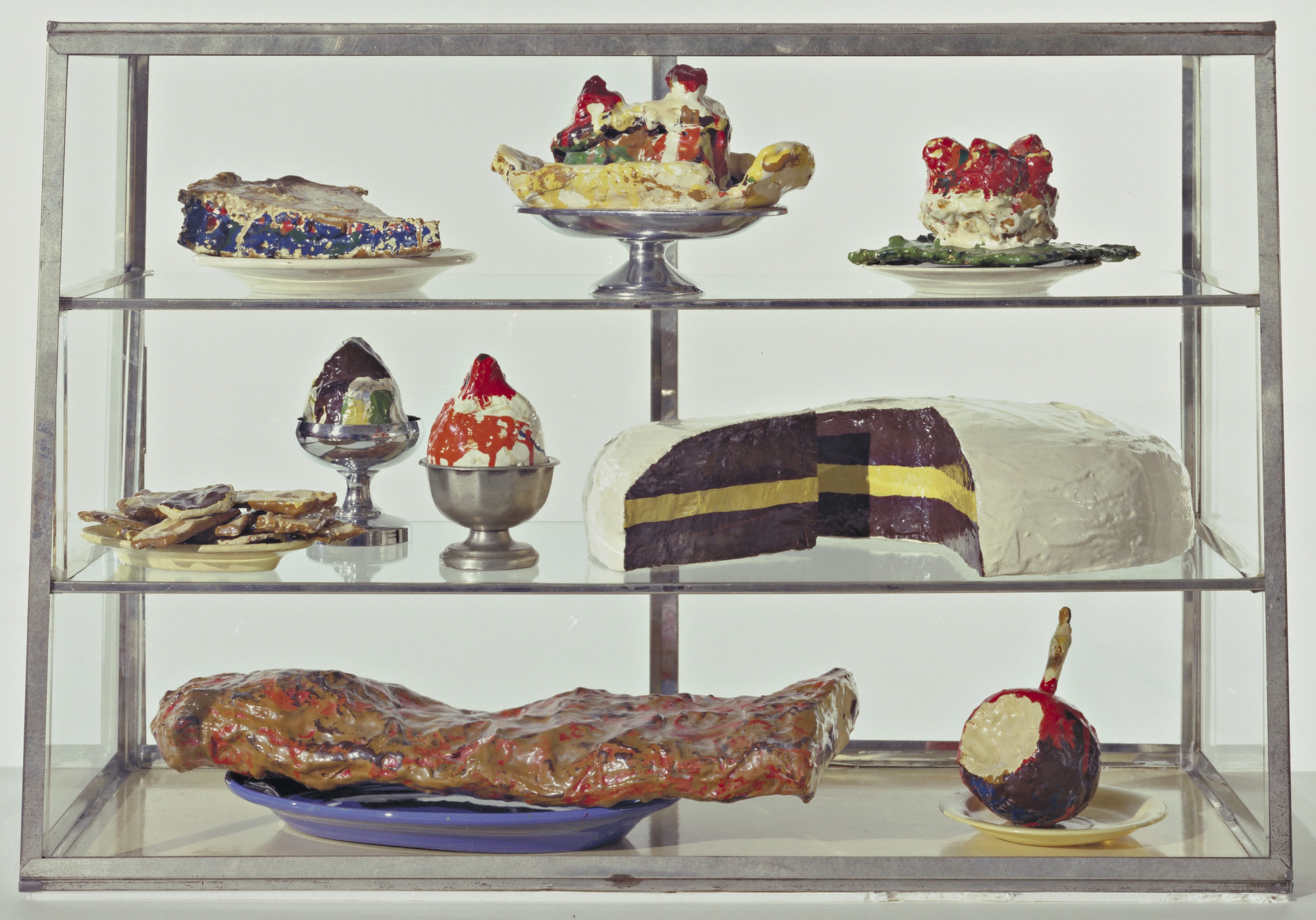
The Museum of Modern Art (MoMA) has launched a new exclusive ice cream flavor called "Van Dough" in its second-floor cafe and sculpture garden food stand. Created in collaboration between Union Square Hospitality Group (USHG) and Caffè Panna, the flavor features vanilla ice cream mixed with MoMA chocolate chip cookie dough chunks and chocolate chips. The article traces MoMA's long history with ice cream, including its ownership of Claes Oldenburg's *Pastry Case, I* (1961–62) and *Floor Cone* (1962), a 1935 Zeroll ice cream scoop by Sherman L. Kelly in its design collection, and a 2013 ice cream social with Milk Not Jails as part of artist Caroline Woolard's project.

8 gulf artists defining the regions new cultural renaissance

Artnet News profiles eight Gulf artists who are shaping the region's cultural renaissance, including Mohammad Alfaraj and Dana Awartani. The article highlights their growing international recognition, with Alfaraj winning Art Basel Emerging Artist and Gold Awards in 2025 and Awartani exhibiting at the 2024 Venice Biennale. It notes the expansion of major art fairs like Art Basel and Frieze into the Gulf, alongside new homegrown initiatives such as the Diriyah Contemporary Art Biennale and Rubaiya Qatar.

titian top 10 works ranked

Artnet News ranks the top 10 works of Renaissance master Titian, using criteria of suggestiveness, mystery, and pop culture relevance. The list includes paintings such as "Pietà" (1575–76), "Danaë" (1544–46), "Assumption of the Virgin" (1516–18), and "The Rape of Europa" (1560–61), with commentary on their composition, history, and cultural impact.

Expanded Vocabulary: Revisiting Deborah Kass’ Studio

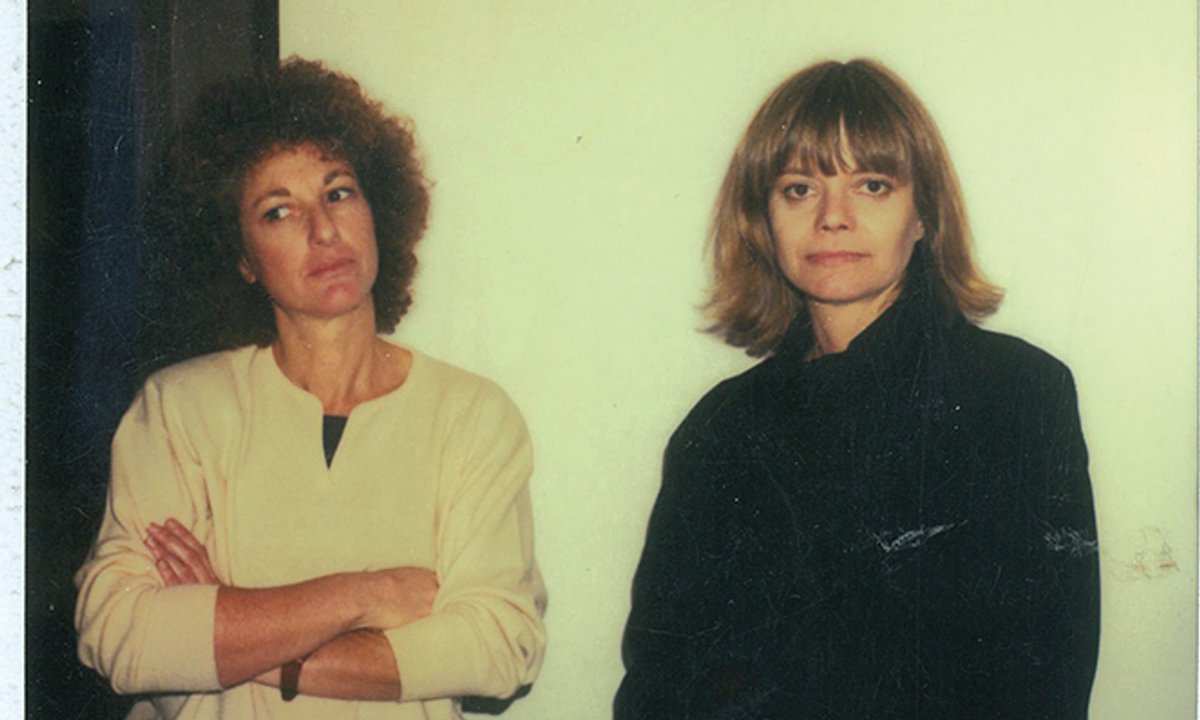
The article recounts the author's visit to Deborah Kass's Brooklyn studio, which she shares with her wife, artist Patricia Cronin. The visit was prompted by logistical issues related to the author's exhibition "Social Minimalism" (2025). During the visit, the author and Kass revisited themes central to Kass's work over three decades: the exclusion of women from art history, Jewish identity, queer voice, lesbian subjectivity, and postwar American art. The conversation also touched on Kass's series including the Warhol Project, Feel Good Paintings, No Kidding, and the large painting/sculpture installation "Everybody" (2019), which was recently featured in a conversation between Kass and Titus Kaphar in Interview magazine.

art bites marcel duchamp dentist check

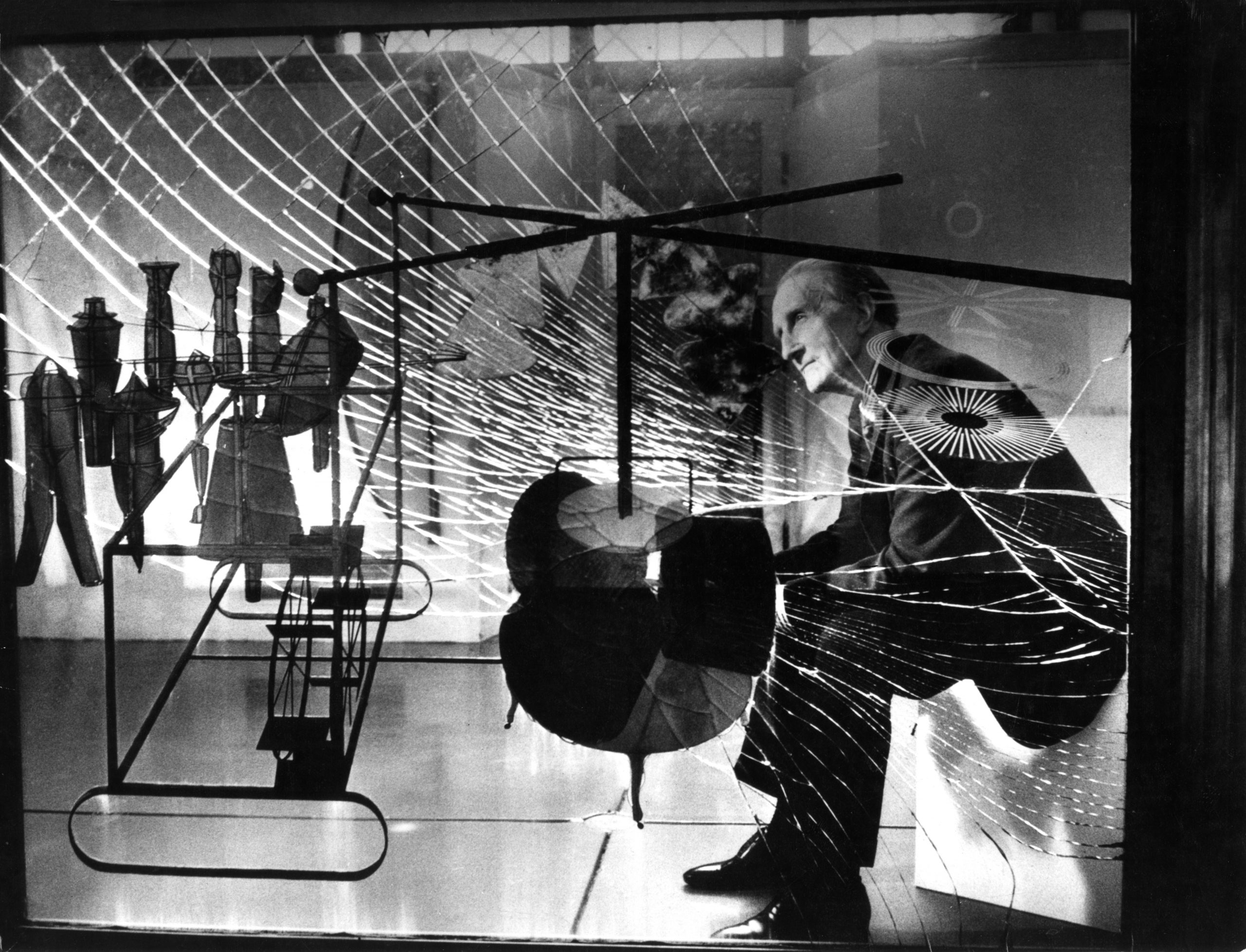
Marcel Duchamp paid his dentist, Daniel Tzanck, with a hand-painted forged check in 1919, titled *Tzanck Check*. The work mimics a real bank check made out for $115, drawn on the fictitious “The Teeth’s Loan & Trust Company Consolidated.” Duchamp meticulously painted each letter to look printed, and the dentist—who was also a major art collector—never cashed it, recognizing its artistic value. The check is now a promised gift to the Israel Museum in Jerusalem, with a 1938 reproduction held by M+ museum in Hong Kong.

art bites duchamp man ray tennis

The article recounts the first meeting between artists Marcel Duchamp and Man Ray in 1915, when a language barrier threatened their connection. They broke the ice with an impromptu tennis match using old rackets and a ball, with no net, as Man Ray called out tennis scores and Duchamp simply replied 'yes.' This playful encounter launched a five-decade friendship and prolific collaboration, during which they co-created works ranging from photographs and installations to experimental films, and became central figures in New York Dada.

Salvador Dalí’s Frustrating Vision of the Divine

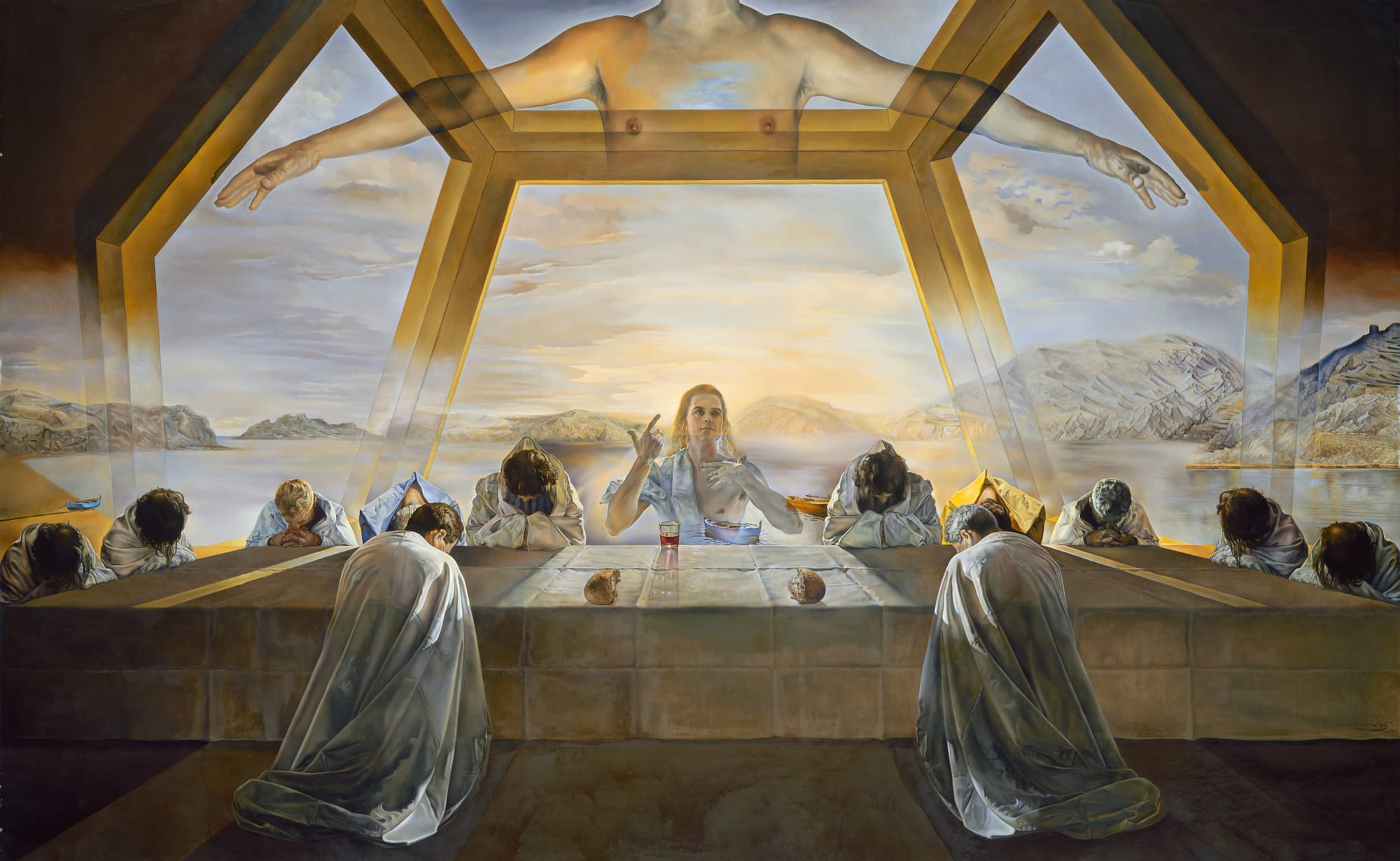
A feature article examines Salvador Dalí's controversial religious painting "Christ of Saint John of the Cross" (1951), which was physically attacked by vandals on two separate occasions—once with a rock in 1961 and later with an air rifle. The painting, part of Dalí's "Nuclear Mysticism" phase, depicts a floating, unblemished Christ from an aerial perspective, based on a drawing by the mystic St. John of the Cross and modeled by a Hollywood stunt double.

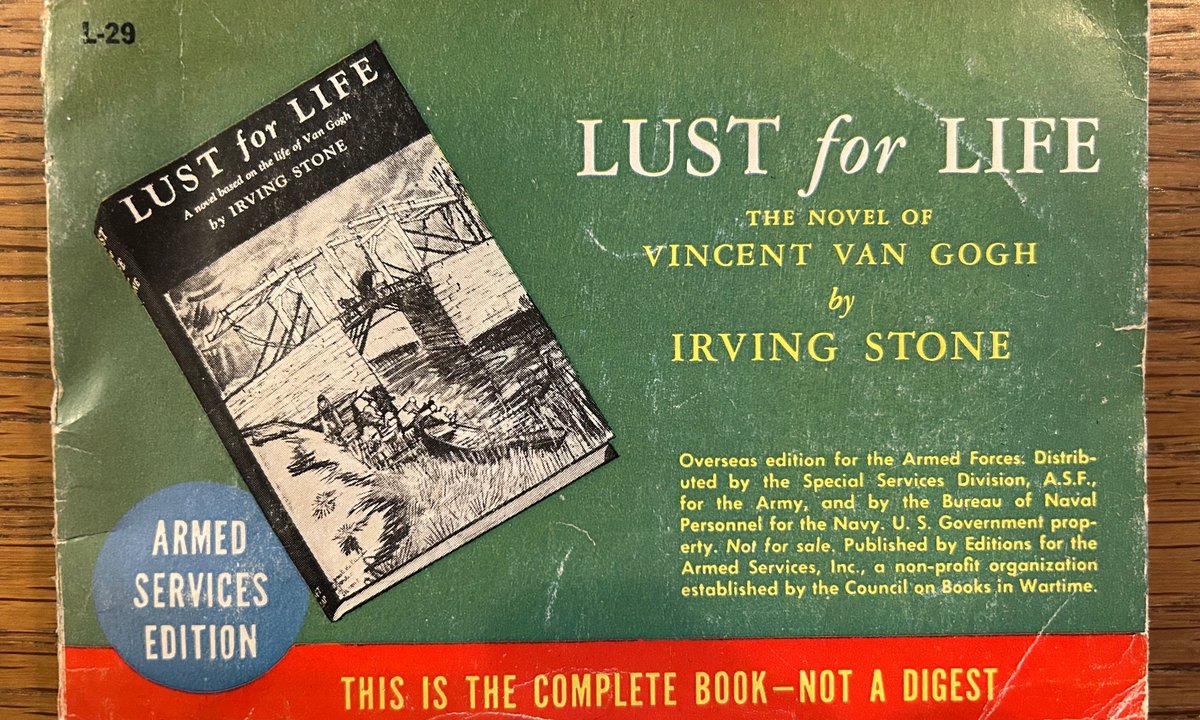
‘Lust for Life’: The Van Gogh book designed to fit in pockets of US soldiers during the Second World War

Irving Stone's 1934 novel *Lust for Life*, a fictionalized biography of Vincent van Gogh, was published as an Armed Services Edition during World War II for U.S. soldiers. These pocket-sized books, measuring 11cm by 17cm, were designed to fit in uniform pockets and withstand harsh conditions. Over 123 million copies of various titles were printed from 1943 to 1947, with distribution including parachute drops to troops on Pacific islands and handouts to soldiers before the Normandy Landings. The surviving copies are scarce and often damaged, with browned pages and covers marked as U.S. government property, not to be resold.

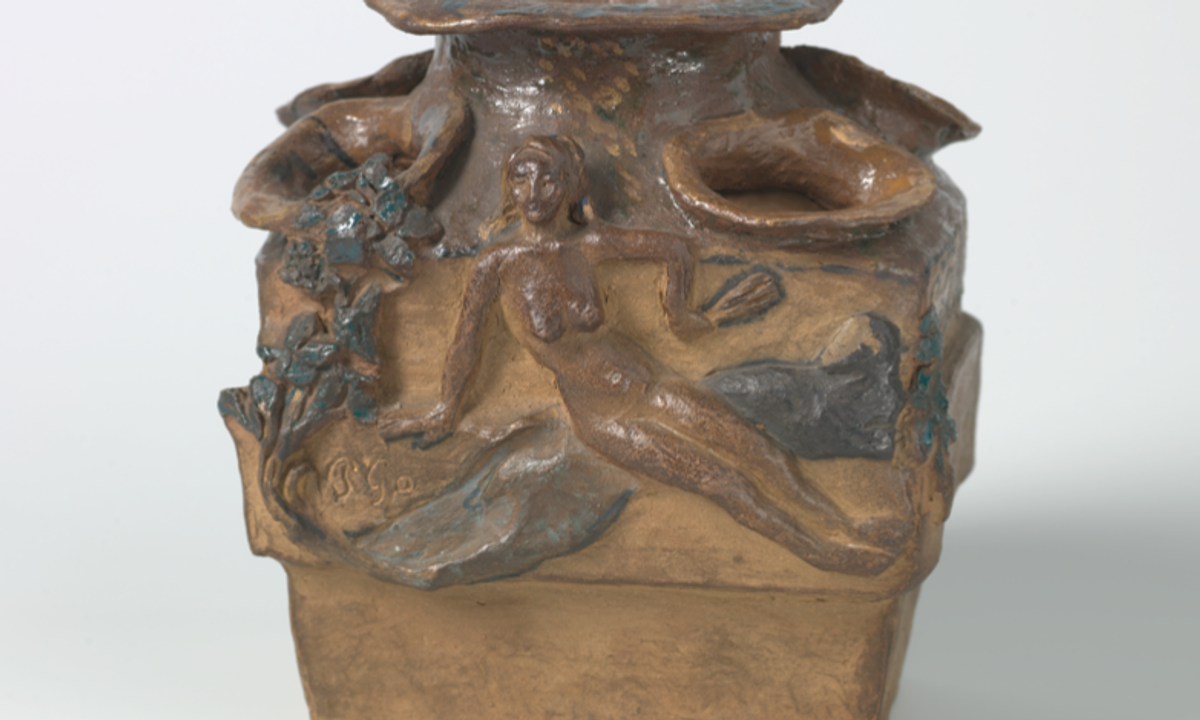
Van Gogh’s family used an erotic Gauguin ceramic as a flower vase

A researcher at the Van Gogh Museum, Joost van der Hoeven, has revealed that Paul Gauguin's erotic ceramic, the Cleopatra Pot (winter 1887-88), was used as a flower vase by Vincent van Gogh's family. Gauguin brought the pot to Arles when he stayed with Van Gogh in 1888, and after Van Gogh's ear incident, Gauguin gave the pot to Vincent's brother Theo as a gift. The pot later remained with Theo's widow, Jo Bonger, and a photograph from 1925-26 shows it on her piano holding flowers, surrounded by still-life paintings.

Most expensive, suicide not murder and more: celebrating 300 Adventures with Van Gogh

Adventures with Van Gogh, a weekly blog launched in 2018, has published its 300th post. To mark the milestone, the blog compiled a list of its most-read posts since the 200th edition in February 2023, updated with new information. Topics range from the ten most expensive Van Gogh paintings at auction (led by *Orchard with Cypresses* at $117m) to a geological feature near Saint-Rémy-de-Provence that appears in *The Olive Trees*, a defense of the suicide theory over murder, the real-life view behind *Starry Night over the Rhône*, Picasso’s granddaughter Marina Picasso quietly buying and selling a Van Gogh watercolour, and the artist’s preference for simple wooden frames over ornate gold ones.

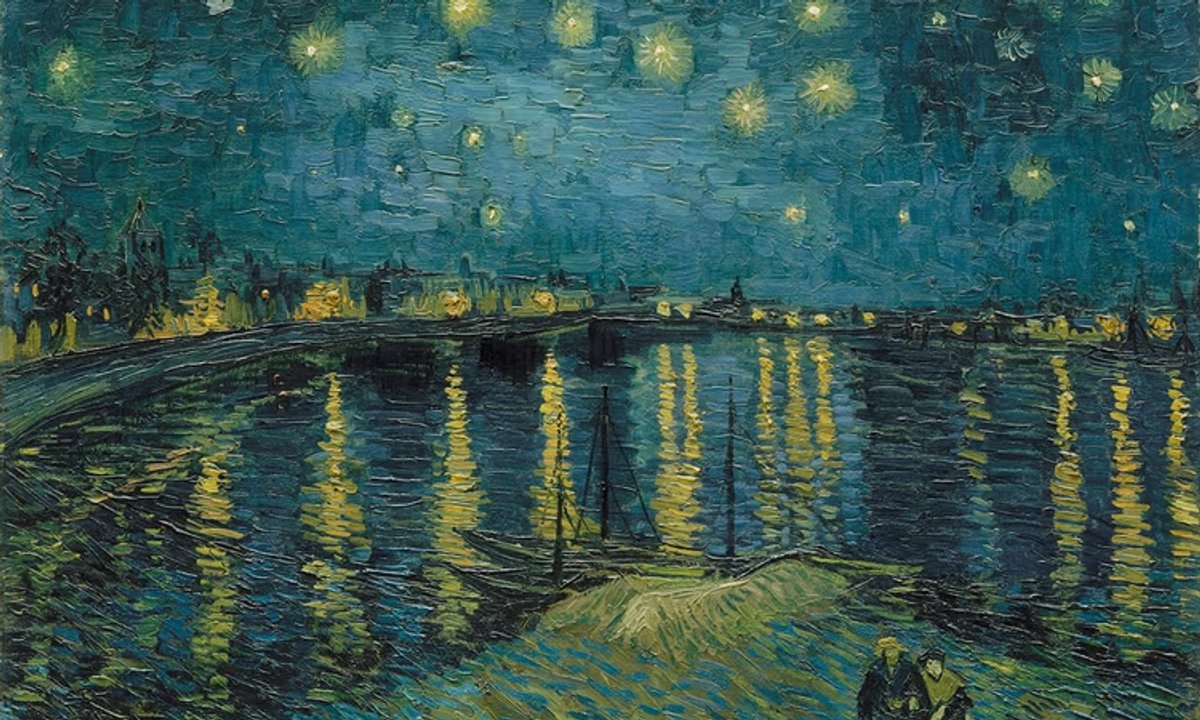
Van Gogh’s Starry Night over the Rhône reveals more of its mysteries

Van Gogh's *Starry Night over the Rhône* (September 1888), housed at the Musée d'Orsay in Paris, is analyzed in detail to separate the actual view of Arles from the artist's imaginative additions. The article examines how Van Gogh repositioned the Plough (Big Dipper) constellation, exaggerated the brightness of gas lamps, and likely painted most of the scene in his studio rather than en plein air. It also reveals that he later reworked the lower-left corner of the canvas, as seen in contemporary sketches.

How did the only painting sold by Van Gogh in his lifetime end up in Russia?

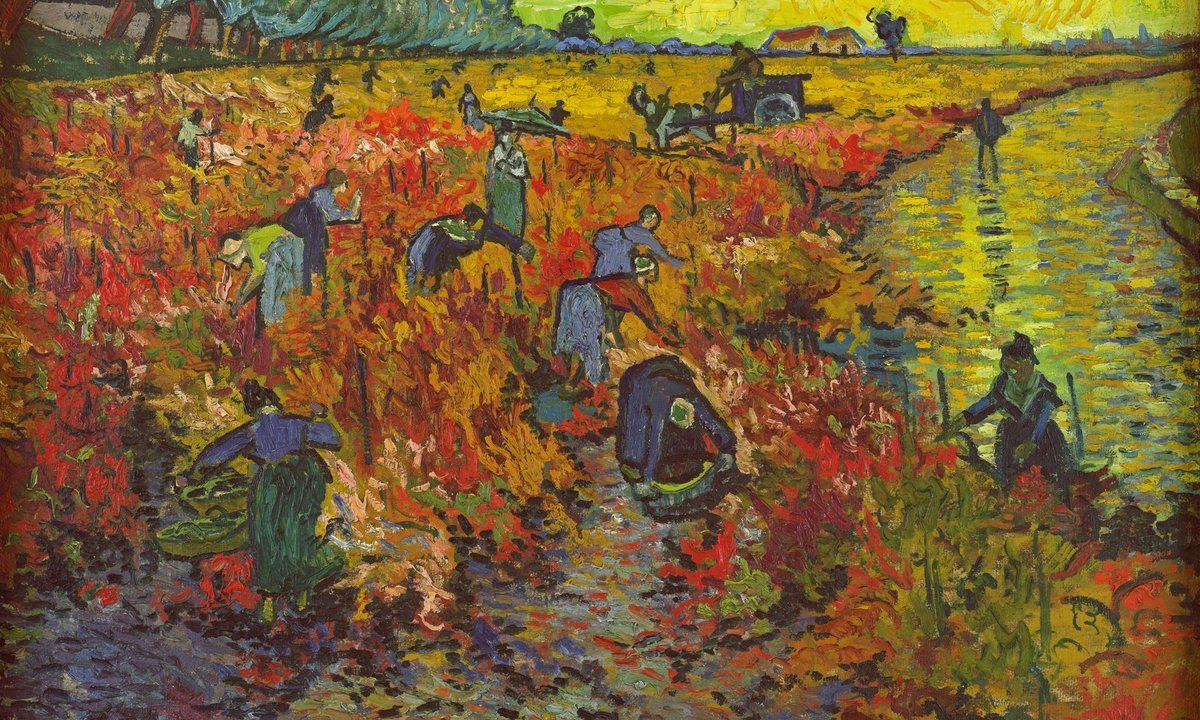
The article explores the history and conservation of Vincent van Gogh's "The Red Vineyard," the only painting he is certain to have sold during his lifetime. Sold for 400 francs at a Brussels exhibition in March 1890, the work now resides at the Pushkin State Museum of Fine Arts in Moscow. A recent conservation project used modern scientific techniques to uncover new details about the painting's creation, including Van Gogh's use of paint straight from the tube, compositional changes, and the fading of chrome yellow pigments. The article also recounts the painting's origin during Van Gogh's time in Arles with Paul Gauguin and its journey to Russia.

How to Feel Confident Visiting an Art Gallery, According to Gallerist Hannah Traore

Gallerist Hannah Traore offers advice on how to feel confident visiting commercial art galleries, addressing common anxieties like intimidation, unclear etiquette, and perceptions of elitism. The article follows a group of newcomers who visited galleries in New York and reported their experiences, which Traore then responds to with practical tips for making gallery visits more approachable and inclusive.

A brush with... Hew Locke—podcast

This episode of 'A brush with...' features artist Hew Locke, who discusses his career and artistic practice. Born in Edinburgh in 1959 to artists Donald and Leila Locke, he moved to Guyana as a child and returned to the UK to study art in 1980. Over three decades, Locke has created sculptures, installations, photographs, drawings, and textiles exploring nationhood, culture, and power, often using found objects and cardboard. He reflects on influences including his parents, a tutorial with Paula Rego, and Hans Haacke's 1993 Venice Biennale pavilion, and discusses his upcoming exhibitions: 'Gilt' at Compton Verney (2025-2027), 'Passages' at the Yale Center for British Art (2025-2026), 'Armada' at Newlyn Art Gallery, and 'Cargoes' at King Edward Memorial Park.

Two US ambassadors have displayed Van Goghs in their London residence—but Donald Trump's pick for the job seems unlikely to follow suit

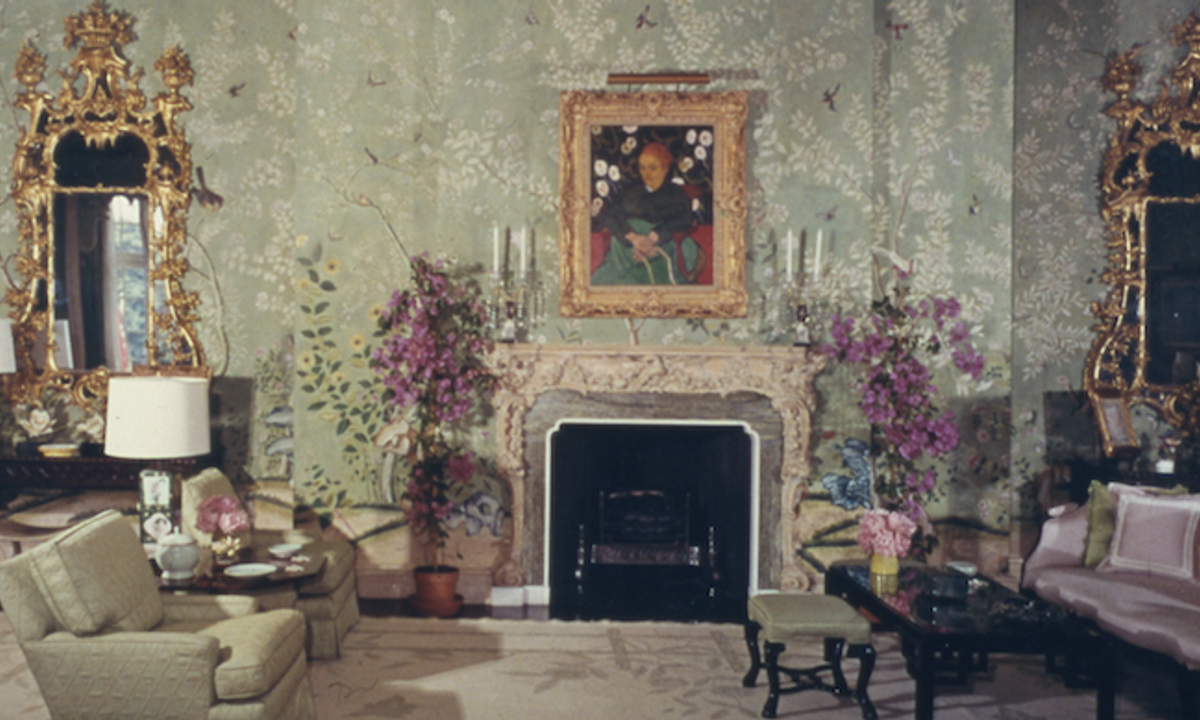
Two former U.S. ambassadors to the UK, John Hay Whitney (1957-61) and Walter Annenberg (1969-74), displayed Van Gogh masterpieces from their personal collections in Winfield House, the official residence in London's Regent's Park. Whitney hung Van Gogh's *Self-portrait* (September 1889) above the mantelpiece in the family dining room, while the Annenbergs placed *La Berceuse* (February 1889) and *Olive Trees* (November 1889) in the green room, alongside works by Gauguin, Degas, Cézanne, Monet, and Renoir. Both ambassadors later donated their Van Goghs to major U.S. museums—Whitney's to the National Gallery of Art in Washington, D.C., and the Annenbergs' to the Metropolitan Museum of Art in New York.

In Galerie Sardine, a New Idea of What the Art Gallery Can Be

Artist Joe Bradley and his wife Valentina Akerman, neither of whom had run an art gallery before, opened Galerie Sardine in a 1701 farmhouse on Main Street in Amagansett, Long Island. The gallery, named after a small fish to convey modesty and portability, attracted crowds of local and visiting art lovers, including prominent dealer Larry Gagosian. The article profiles the couple's backgrounds—Akerman, an architect and former art director from Colombia, and Bradley, a painter who rose to prominence with a solo show at MoMA PS1 in 2006 and now shows with David Zwirner.

Korean artists are taking the world by storm—but why does their work resonate so widely?

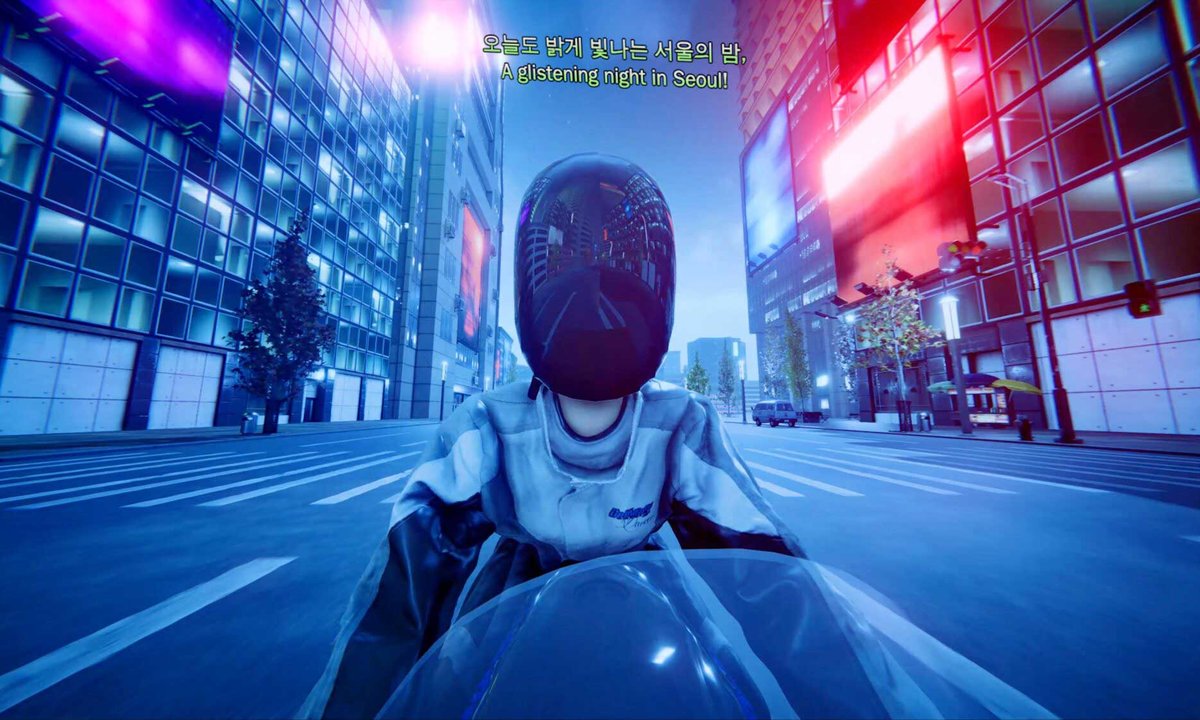
Korean artists are gaining unprecedented global recognition, with figures like Haegue Yang, Do Ho Suh, Lee Bul, and Mire Lee leading a shift from traditional Dansaekhwa abstraction to more conceptual and contemporary practices. The article highlights how K-pop and Korean soap operas have boosted cultural awareness, drawing new audiences to events like Frieze Seoul and prompting major international galleries such as White Cube, Perrotin, and Pace to open in Seoul. Curators and scholars note that Korean art now engages deeply with globalization, historical trauma, and sociopolitical change, facilitated by biennials in Gwangju, Busan, and Seoul, as well as a surge in art institutions.

New documentary bringing Metro Pictures gallery to the screen

A new feature documentary, *Pictures of Pictures: The Metro Years*, is being made about the influential New York gallery Metro Pictures. Founded in 1980 by Janelle Reiring and Helene Winer, the gallery represented key artists of the Pictures Generation, including Cindy Sherman, Robert Longo, Louise Lawler, and Walter Robinson. The film, directed by Sophie Chahinian, explores the gallery's four-decade run, its founding principles of integrity and curatorial care over profit, and the personal stories of its artists and founders.

Opinion: In galleries across Canada, too much art is being hidden away

Don LePan, a novelist, book publisher, and painter, argues that public art galleries across Canada are failing to display their permanent collections, using the MacKenzie Art Gallery in Regina as a prime example. During a visit in early March, LePan found that none of the gallery's extensive permanent collection—which includes works by Group of Seven artists, European masters like Picasso and Gauguin, and modernists such as Agnes Martin—was on view. Instead, the entire exhibition space was devoted to three special shows: a photographic and conceptual art exhibition by Plains Cree artist Joi T. Arcand, a selection of works by 2025 Governor General’s Awards in Visual and Media Arts recipients, and an Indigenous art exhibition. LePan praises these exhibits but criticizes the gallery's decision to completely exclude its permanent collection.

Three artists, three questions: Immersed in colors

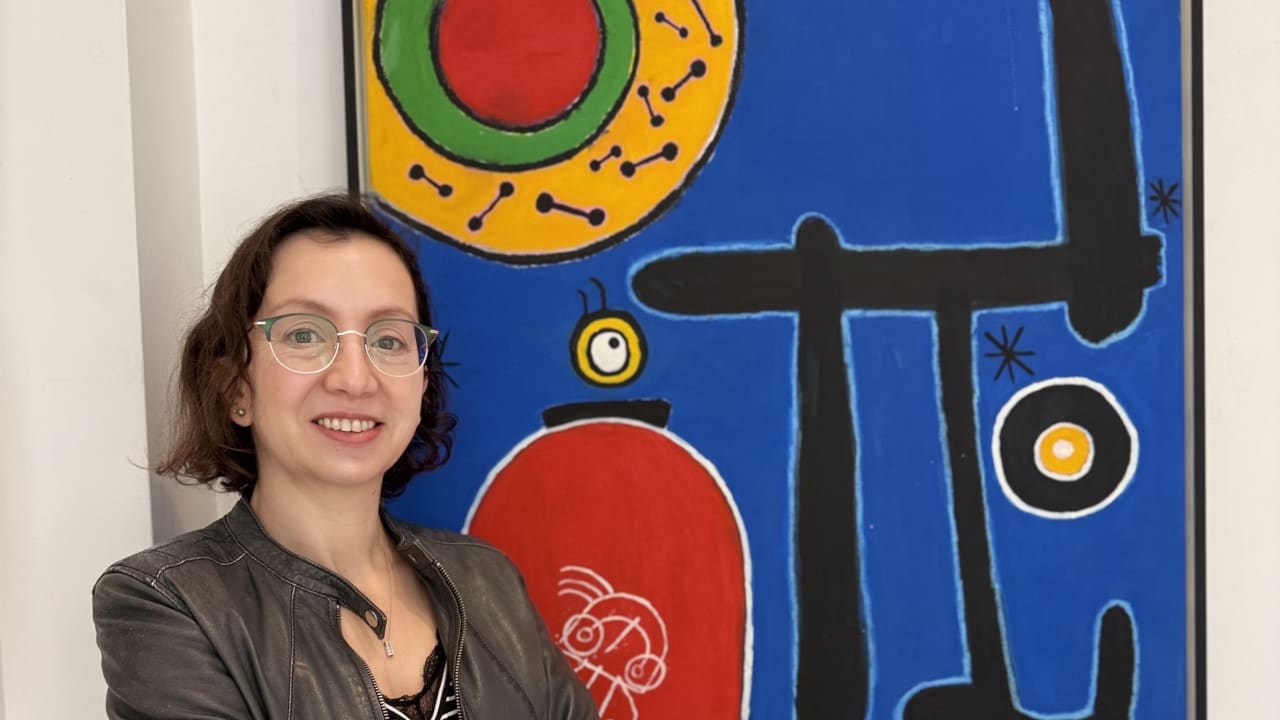
Three Israeli artists—Vera Kunis, Avraham Kan, and Tal Tenne Czaczkes—are featured in a column exploring their use of color amid the ongoing war with Iran. Kunis, a data engineer and artist, opened her first solo exhibition, "Imagination Algorithm," at the Global Art Gallery in Tel Aviv on March 10, 2026, during the conflict. The interview was conducted remotely due to war conditions, with a siren interrupting the conversation. The artists discuss their inspirations, definitions of art, and what makes their work unique, emphasizing resilience and optimism through color.

Working as an Artist in Hong Kong (Michelle Fung)

Michelle Fung reflects on the realities of working as an artist in Hong Kong, dispelling the romantic myth of the bohemian artist. She describes the city's high cost of living, lack of affordable studio space, and the need for artists to take on multiple jobs—from teaching to selling secondhand handbags—to survive. Fung notes that while Hong Kong offers a vibrant art scene with over 70 galleries and a dozen museums, most artists cannot rely on gallery sales alone. She also critiques the Hong Kong Arts Development Council's grant system, which covers project expenses but provides minimal artist fees, contrasting it with more generous systems in Canada and the Netherlands.

lynart store lior brahami

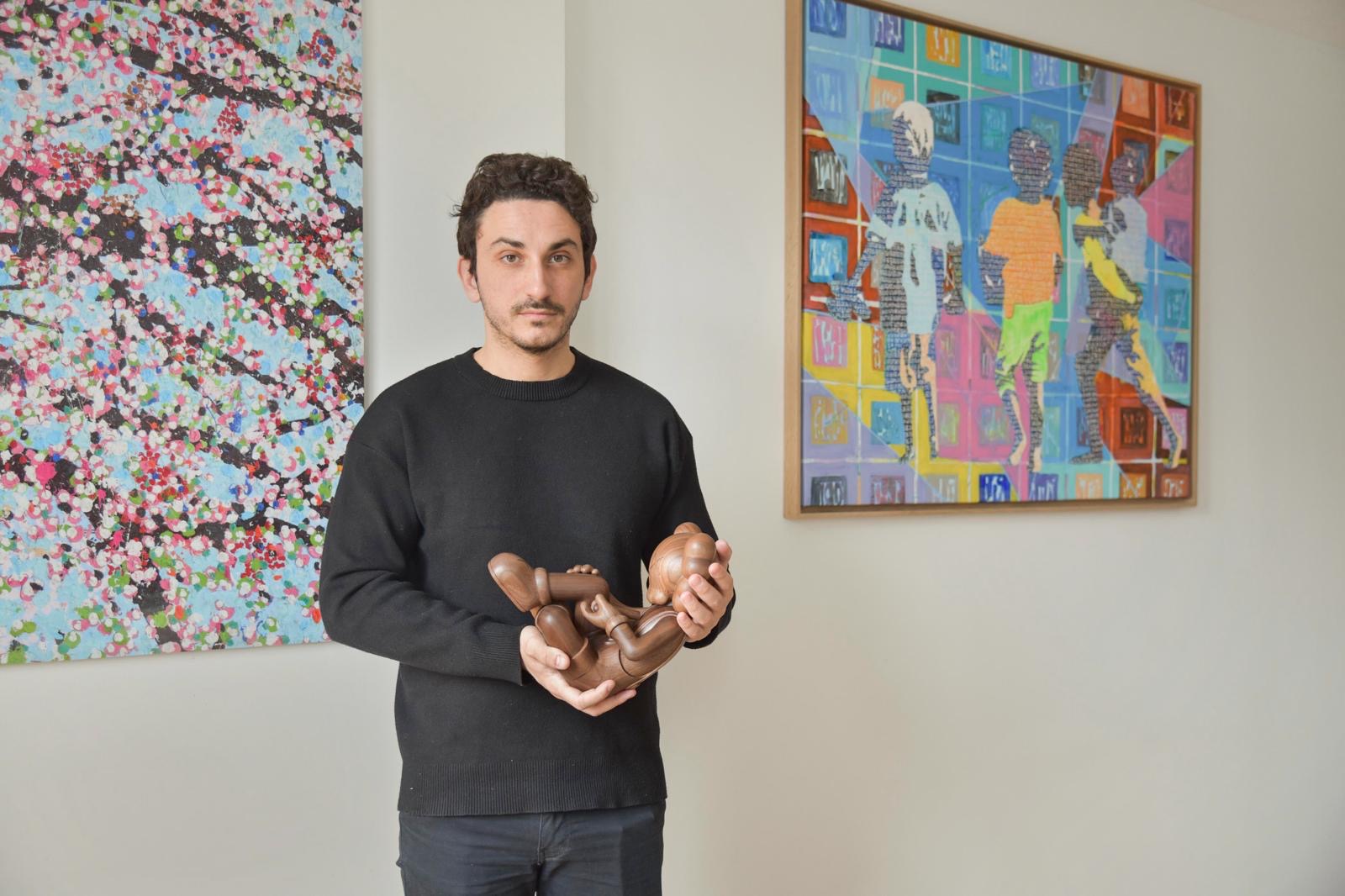
Lynart Store, an online platform and art gallery based in Paris, is profiled through an interview with its founder Lior Brahami. Founded in 2019, Lynart specializes in prints, editions, and sculptures by both established and emerging artists from around the world. Brahami explains that the gallery was created to make art more accessible and less intimidating than traditional galleries, focusing on emotional connection and narrative in the artworks selected. The article highlights Lynart's commitment to supporting emerging artists through curatorial strategy, international exposure, and career guidance.

waterhouse tennyson lady of shalott

English painter John William Waterhouse created three paintings based on Lord Alfred Tennyson's poem "The Lady of Shalott," depicting a cursed woman from Arthurian legend. The article explores Waterhouse's deep admiration for Tennyson, noting that he filled his copy of Tennyson's works with sketches. It reveals that Waterhouse painted the story in reverse chronological order, starting with the final scene in 1888, then the moment of temptation in 1894, and finally the lady's lament in 1915. The article also identifies the model for the first painting as likely Waterhouse's wife, artist Esther Kenworthy Waterhouse, and describes symbolic details in the work, such as the snuffed candles foreshadowing death.

I Turned My TV Into a Rotating Art Gallery Using Free Museum Downloads

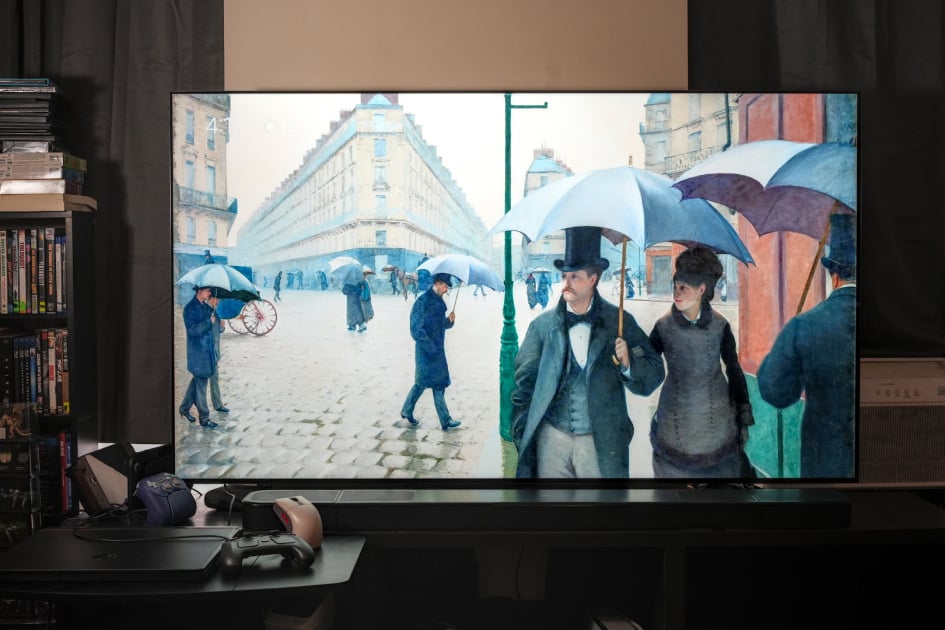
The article provides a guide on how to turn a TV into a rotating art gallery by downloading high-resolution, public-domain images from museum digital collections. It explains the need to filter for Open Access works to avoid copyright issues and recommends several museums with extensive free collections, including the Art Institute of Chicago and the Getty Museum.

How Tasmania became one of the world’s most exciting art destinations

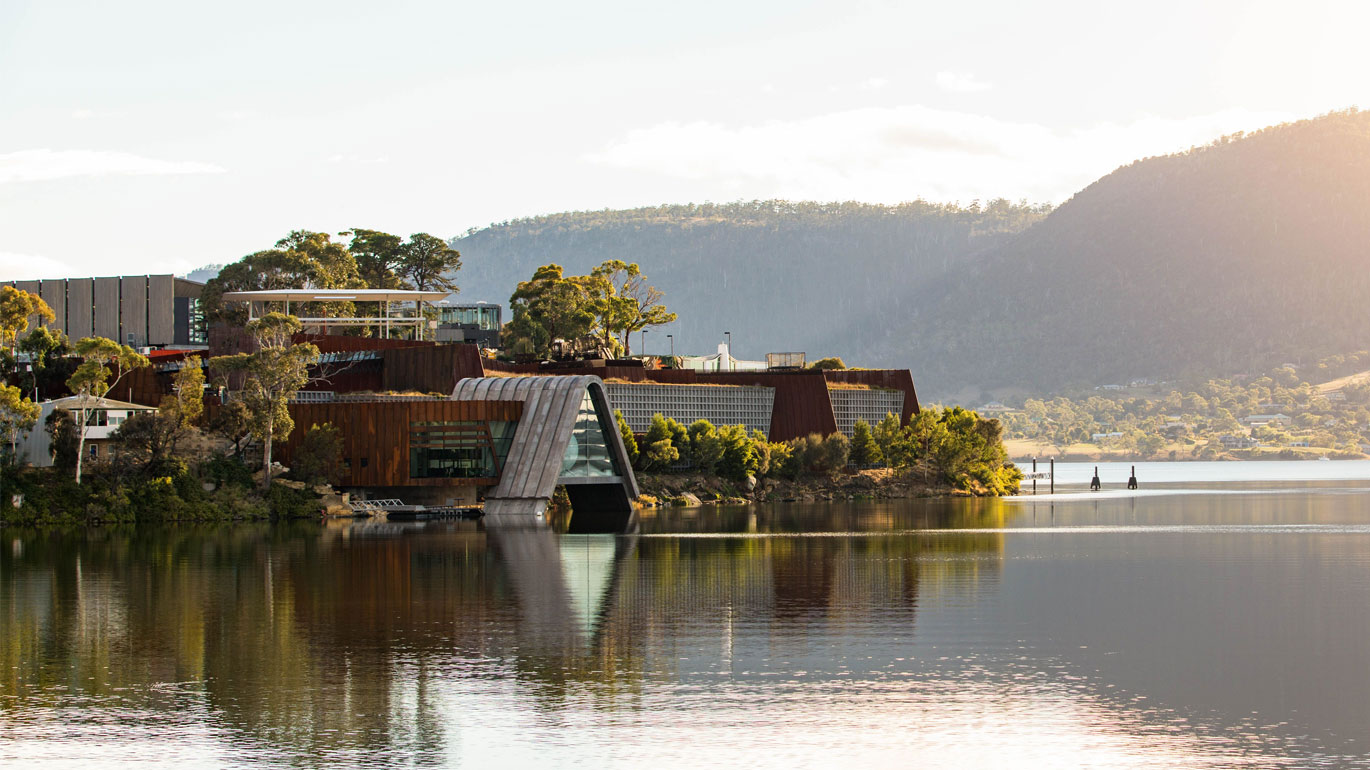
Helen Ochyra reports on how Tasmania, particularly Hobart, has emerged as a leading global art destination, driven largely by MONA (Museum of Old and New Art). The privately funded museum, founded by art collector David Walsh, recently opened a $100 million AUD wing housing a towering concrete amphitheatre by German artist Anselm Kiefer. Beyond MONA, Hobart hosts the provocative winter festival Dark Mofo, the science-and-culture Beaker Street Festival, and the inaugural Island Readers & Writers Festival, cementing its reputation for cutting-edge arts and culture.